How To Build A Rain Garden In Ohio Even If You Are A Beginner
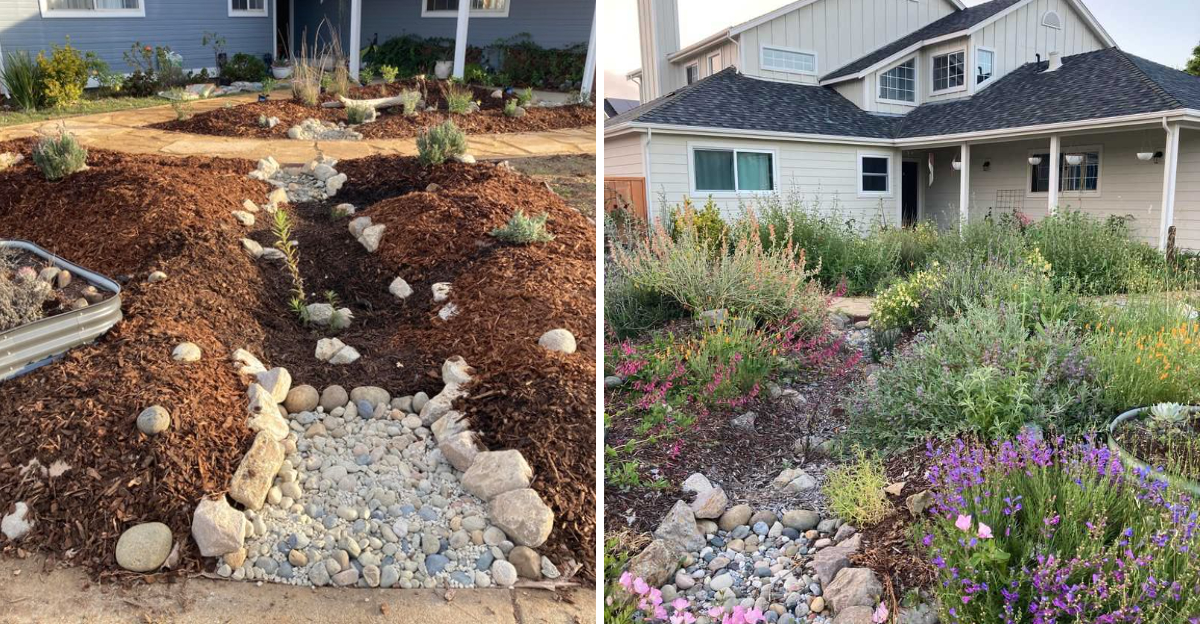
Heavy rain hits Ohio and suddenly yards flood, mulch washes away, and water pools where it shouldn’t. A rain garden flips that problem into a solution.
Instead of fighting runoff, you capture it, slow it down, and turn it into a thriving planting space that actually improves your yard. Many homeowners assume rain gardens require professional landscaping skills or expensive materials.
They don’t. With simple tools, smart placement, and beginner-friendly plants, almost anyone can build one.
Rain gardens help filter pollution, reduce erosion, support pollinators, and protect local waterways, all while adding natural beauty to your landscape. They work in front yards, backyards, and those awkward low spots that never seem to drain well.
If you want better drainage, healthier soil, and a more eco-friendly yard without tackling a complicated project, this is a powerful upgrade.
One weekend of work can turn stormwater headaches into one of the most useful features in your outdoor space.
1. Rain Gardens Deliver Big Benefits In Ohio Yards
After a heavy spring rain, you probably notice water pooling near your downspouts or creating muddy rivers across your lawn. That runoff carries fertilizers, oils, and sediments straight into storm drains and eventually into Ohio rivers and Lake Erie.
Your yard is trying to tell you something important about drainage.
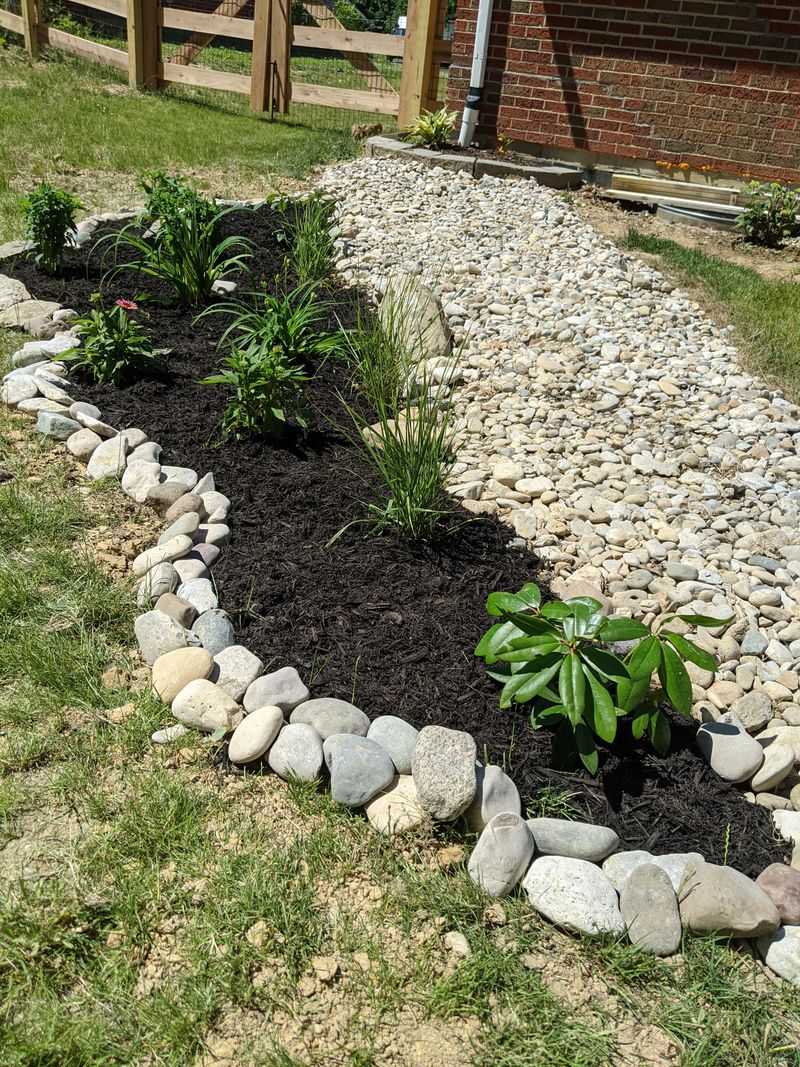
Rain gardens intercept that rushing water and give it time to soak slowly into the ground. The plants and soil act as natural filters, removing pollutants before they reach waterways.
You create habitat for butterflies, bees, and songbirds while solving your drainage headaches at the same time.
Most Ohio homeowners worry rain gardens will look swampy or attract mosquitoes. The truth is quite different.
A properly designed rain garden drains within 12 to 48 hours, too fast for mosquito larvae to develop. Between storms, it looks like any other garden bed, just more colorful and wildlife-friendly.
Your rain garden also protects your home’s foundation by directing water away from basement walls. Clay soils common across northern and central Ohio make this benefit especially valuable.
The garden reduces erosion, recharges groundwater, and adds curb appeal that neighbors notice and appreciate throughout the growing season.
2. Strategic Placement Captures Runoff And Prevents Flooding

Walk your yard after the next good rain and watch where water flows. You will see natural pathways forming as runoff seeks the lowest ground.
Those soggy spots and shallow depressions show you exactly where a rain garden will perform best.
Your rain garden should sit at least 10 feet from your house foundation to prevent water from seeping into basements. It needs to be at least 25 feet from septic systems and well heads for safety.
Look for areas that already collect water but drain within a day or two, since these spots have reasonably good soil drainage underneath.
Avoid placing your garden directly under large trees where roots will compete with your new plants for moisture and nutrients. The ideal location receives at least six hours of sunlight daily, though partial shade works fine with the right plant selection.
Northern Ohio yards often have more shade and heavier soils than southern Ohio locations, so adjust your expectations accordingly.
Check for underground utilities before you dig by calling 811 at least two business days ahead. Mark out your proposed garden area with spray paint or garden hoses to visualize the size and shape.
Position the garden where it can capture runoff from downspouts, driveways, or sloped lawn areas through natural flow or by adding shallow swales that guide water gently into the basin.
3. Right Sizing Creates A High Performing Rain Garden
Your roof sheds an enormous amount of water during Ohio’s spring thunderstorms. A typical 1,000 square foot roof produces about 600 gallons of runoff from just one inch of rain.
That water needs somewhere to go, and your rain garden can handle it beautifully if you size it correctly.
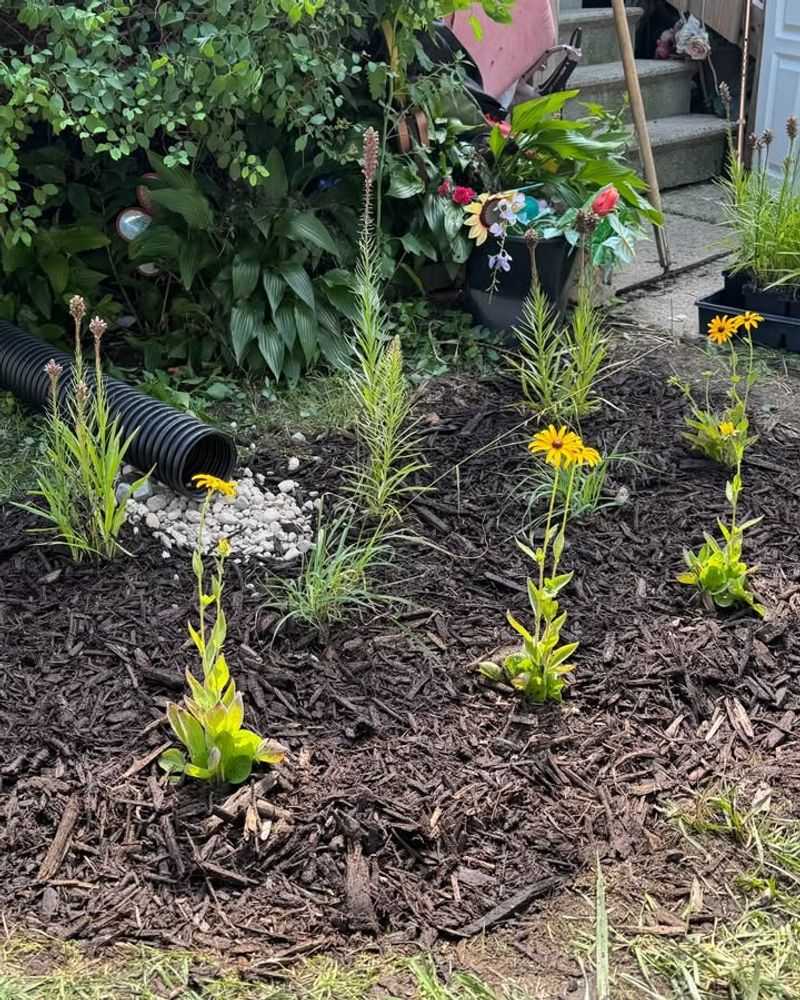
Most residential rain gardens range from 100 to 300 square feet, roughly the size of a small bedroom. Calculate your garden size by measuring the drainage area that will feed it.
For every 100 square feet of impervious surface like rooftop or driveway, plan about 20 to 30 square feet of rain garden in typical Ohio clay soils.
Sandy soils in parts of southern Ohio drain faster and need smaller gardens, while heavy clay soils common around Cleveland and Columbus require larger basins or deeper excavation. Your garden should be four to eight inches deep at the center, creating a gentle bowl shape that holds water temporarily without looking like a crater.
Beginners often make gardens too small, then watch water overflow during heavy rains. Start slightly larger than you think necessary.
You can always expand later, but undersized gardens frustrate homeowners and perform poorly. Kidney or oval shapes look more natural than perfect circles and fit better into most yard layouts while providing excellent water-holding capacity.
4. Smart Digging Creates The Perfect Basin Shape
Clay soil makes digging challenging across much of Ohio, especially when it dries hard as concrete in summer. Plan your excavation for spring or fall when soil moisture makes digging easier.
You will remove far less soil than you expect, since rain gardens stay shallow by design.
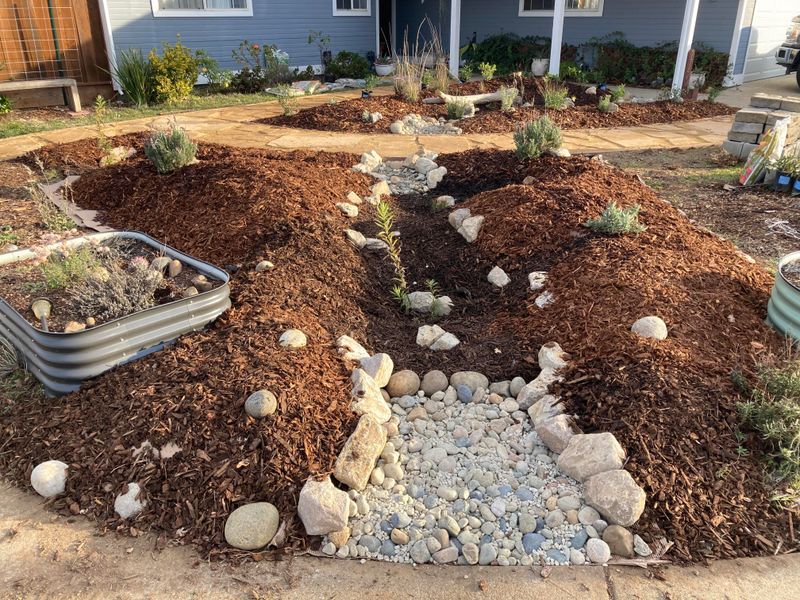
Start digging from the center and work outward, creating a flat bottom with gently sloping sides. The center should sit four to eight inches below the surrounding ground level.
Slope the sides at a ratio of about four feet horizontal for every one foot vertical, making a gradual bowl rather than steep walls.
Save the topsoil you remove in a separate pile from the subsoil underneath. Topsoil contains valuable organic matter and beneficial microbes your plants will need.
Avoid compacting the bottom of your basin by standing in the same spots repeatedly or working the soil when it is too wet.
Create a level bottom so water spreads evenly across the entire garden rather than pooling in one corner. Use a long board and level to check your work as you dig.
The edges of your garden should be perfectly level all the way around, forming a consistent berm that holds water inside the basin. Test drainage by filling the excavated area with water and watching how quickly it soaks in.
It should drain within 12 to 48 hours.
5. Ohio Native Plants Power Rain Garden Success
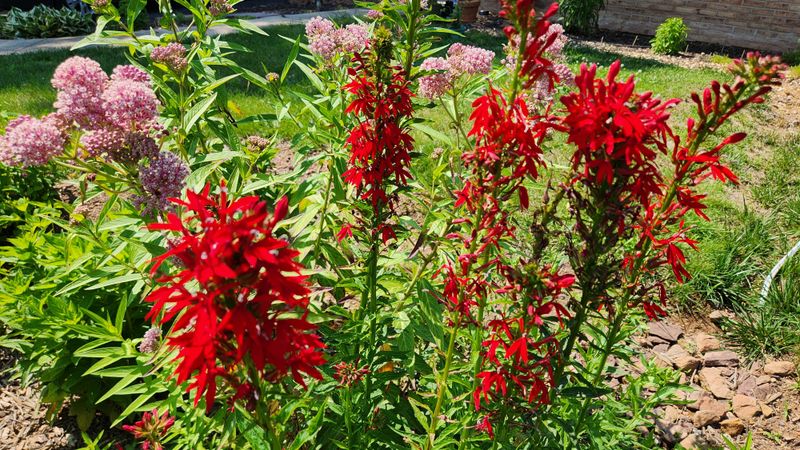
Native plants evolved alongside Ohio’s rainfall patterns, clay soils, and seasonal temperature swings. They develop deep root systems that create channels for water infiltration while providing food and shelter for local pollinators and songbirds.
Your rain garden becomes a mini ecosystem that supports wildlife while managing stormwater beautifully.
Choose plants that tolerate both wet feet during storms and dry conditions between rains. Cardinal flower, swamp milkweed, and blue flag iris thrive in the wetter center zones.
Black-eyed Susan, little bluestem grass, and purple coneflower handle the drier edges perfectly. Joe Pye weed grows tall and showy in back borders, while shorter sedges fill in front areas with fine texture.
Northern Ohio gardeners should select plants hardy to zone 5 or 6, while southern Ohio gardens can experiment with slightly less cold-hardy species. Avoid invasive plants like purple loosestrife or yellow iris that escape gardens and harm natural wetlands.
Local native plant nurseries and OSU Extension offices provide excellent species recommendations specific to your county.
Plan for three seasons of interest by mixing early bloomers like marsh marigold with summer stars like ironweed and fall performers like New England aster. Arrange plants in drifts of three to five of the same species rather than scattering single plants randomly.
This creates visual impact and mimics how plants naturally grow in Ohio wetlands and prairies.
6. Proper Soil Prep Maximizes Drainage And Root Health
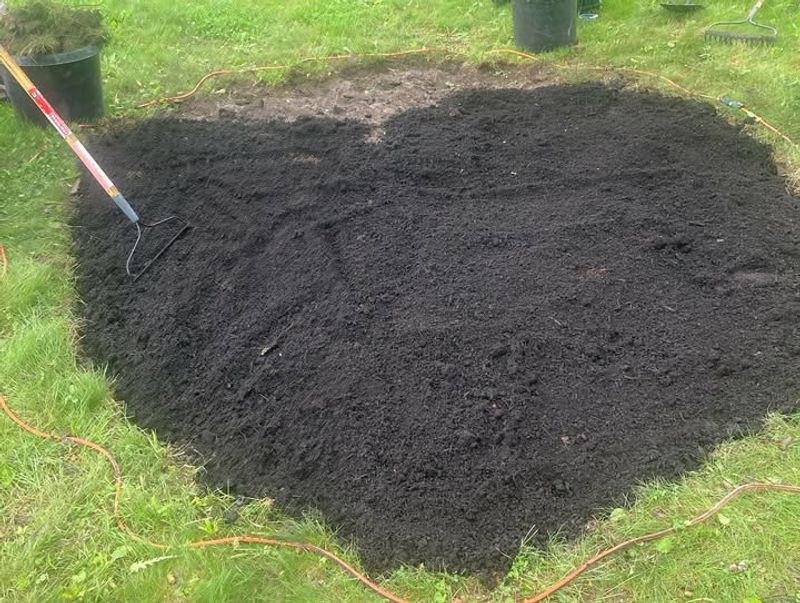
Clay soil holds water too long and suffocates plant roots in many Ohio yards. Your rain garden needs soil that drains faster than the surrounding ground while still retaining enough moisture to support plants between storms.
Soil amendment makes the difference between a thriving garden and a struggling mess.
Mix compost into the top 12 inches of your garden basin at a ratio of about one part compost to two parts native soil. Compost improves drainage in clay soils while adding organic matter that feeds beneficial soil organisms.
Avoid adding sand to clay soil unless you also add generous amounts of compost, because sand and clay can create a concrete-like mixture.
Some rain garden experts recommend creating a specialized soil mix of 50 to 60 percent sand, 20 to 30 percent topsoil, and 20 to 30 percent compost for severely slow-draining sites. This engineered mix drains quickly while providing enough nutrients for plant establishment.
Test your drainage again after amending by filling the basin and timing how long water takes to disappear.
Leave the soil surface slightly rough rather than perfectly smooth. Small irregularities help water spread evenly and prevent erosion during heavy rains.
Add a two to three inch layer of shredded hardwood mulch after planting to suppress weeds, retain moisture, and give your garden a finished appearance. Keep mulch pulled back a few inches from plant stems to prevent rot.
7. Strong Planting Techniques Speed Up Establishment
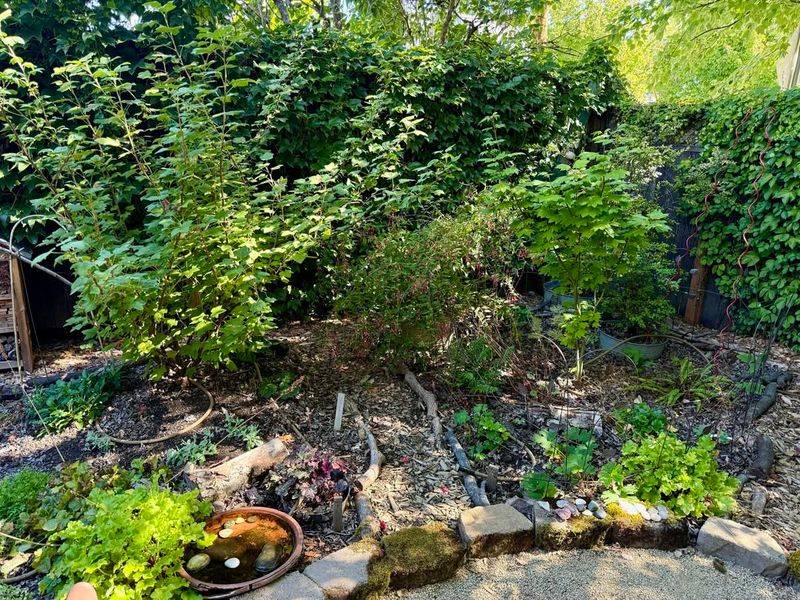
Spring and fall offer the best planting windows in Ohio, when moderate temperatures and reliable rainfall help plants establish strong roots before facing summer heat or winter cold. Your new rain garden plants need extra attention during their first growing season, but they become remarkably self-sufficient once established.
Dig planting holes twice as wide as the root ball but no deeper. Gently loosen circling roots before setting plants at the same depth they grew in their nursery pots.
Backfill with your amended soil and water thoroughly to eliminate air pockets around roots. Space plants according to their mature spread, resisting the urge to crowd them for instant fullness.
Water deeply two to three times weekly during the first growing season, even if rain falls. Deep watering encourages roots to grow downward rather than staying shallow and vulnerable to drought.
Established native plants typically need no supplemental watering except during extreme dry spells, making rain gardens surprisingly low-maintenance after the first year.
Apply mulch around plants immediately after planting, maintaining that two to three inch depth. Mulch moderates soil temperature, reduces weed competition, and prevents erosion during the establishment period.
Label your plants with weatherproof tags if you are new to native species, since many look similar as young seedlings. This helps you distinguish desirable plants from weeds during early maintenance visits.
8. Easy Maintenance Keeps Your Rain Garden Thriving
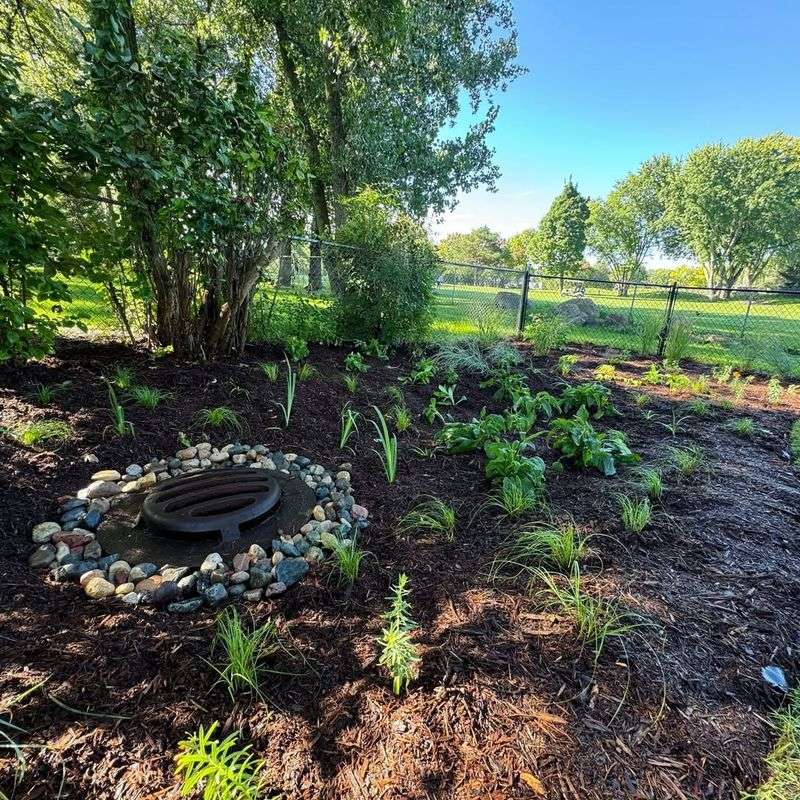
Your rain garden requires surprisingly little work once plants establish themselves. Most maintenance happens during the first two years as plants fill in and outcompete weeds.
After that, you will spend more time enjoying your garden than working in it.
Weed regularly during the first growing season, pulling invaders before they set seed. Many weeds thrive in disturbed soil, so expect more weed pressure initially.
Mulch helps tremendously, but some weeding remains necessary. Learn to identify your planted species so you do not accidentally remove desirable seedlings that appear naturally.
Remove accumulated leaves and debris in early spring before new growth emerges. Cut back previous year’s plant stems to about four inches above ground level, leaving some standing stems through winter to provide seed for birds and shelter for beneficial insects.
Ohio’s freeze-thaw cycles can heave plants out of the ground, so check in early spring and gently press any lifted plants back into the soil.
Refresh mulch annually, adding an inch or two to maintain proper depth as the previous layer decomposes. Divide overcrowded perennials every three to five years to maintain vigor and prevent any single species from dominating the garden.
Watch for erosion at the garden inlet where water enters, adding stone or extra plants if channeling occurs. Your rain garden will reward this modest care with years of beautiful blooms, improved drainage, and abundant wildlife activity that makes your Ohio yard more vibrant and resilient.