How To Care For Desert Rose Plants In California
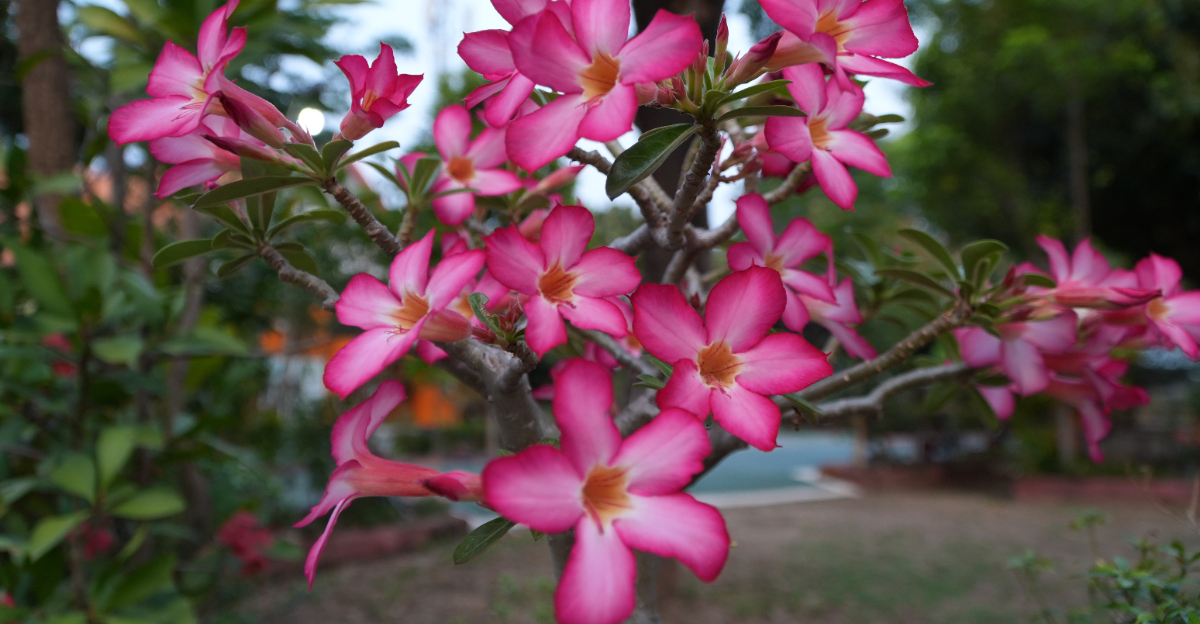
Bright, bold, and a little exotic, Adenium also known as Desert Rose brings serious wow factor to California homes.
With its sculptural trunk, glossy leaves, and vibrant trumpet shaped blooms, this sun loving beauty looks like a living bonsai with attitude.
Good news, it is not fussy when given warmth, light, and smart watering. Indoors or on a sunny patio, Adenium rewards patience with colorful flowers and a striking swollen base that stores water like a tiny reservoir.
Think of it as a succulent with extra style. A few simple habits keep it happy plenty of sunshine, fast draining soil, careful watering, and cozy temperatures during cooler months.
Ready to help your Desert Rose thrive and bloom with confidence? Grab your watering can, find the brightest window, and give this standout plant the care it deserves for healthy growth and brilliant seasonal color year after year indoors in your home.
1. Best Pot And Soil
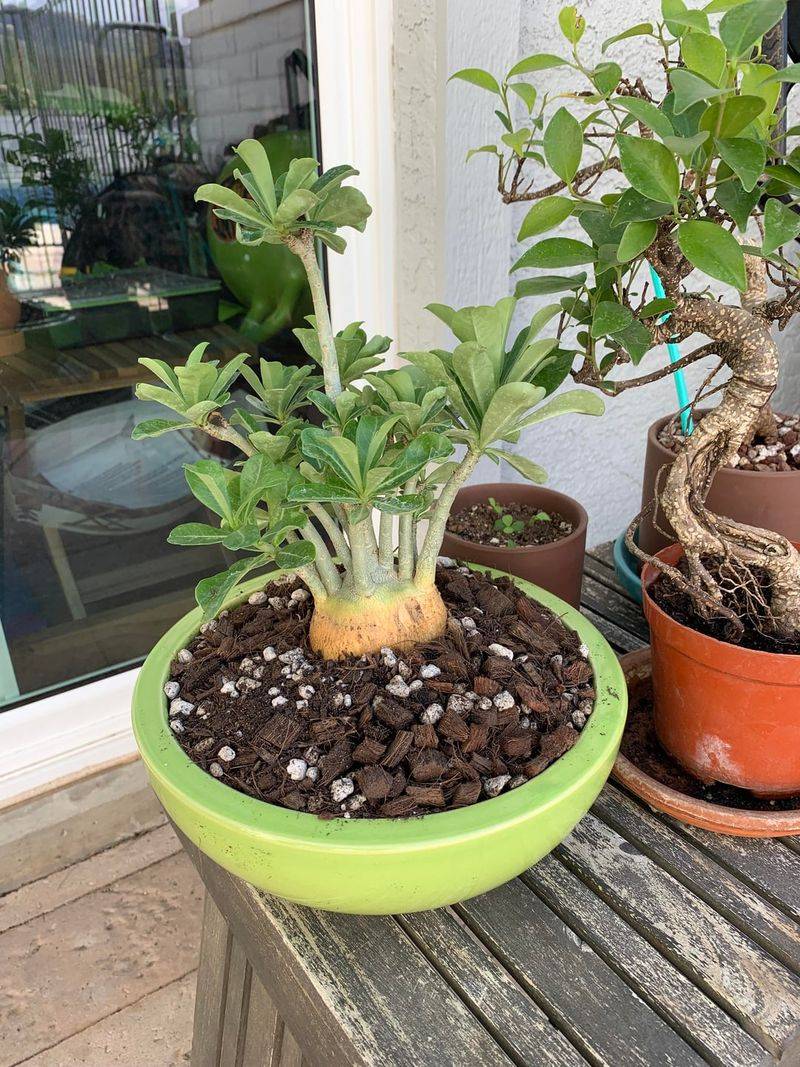
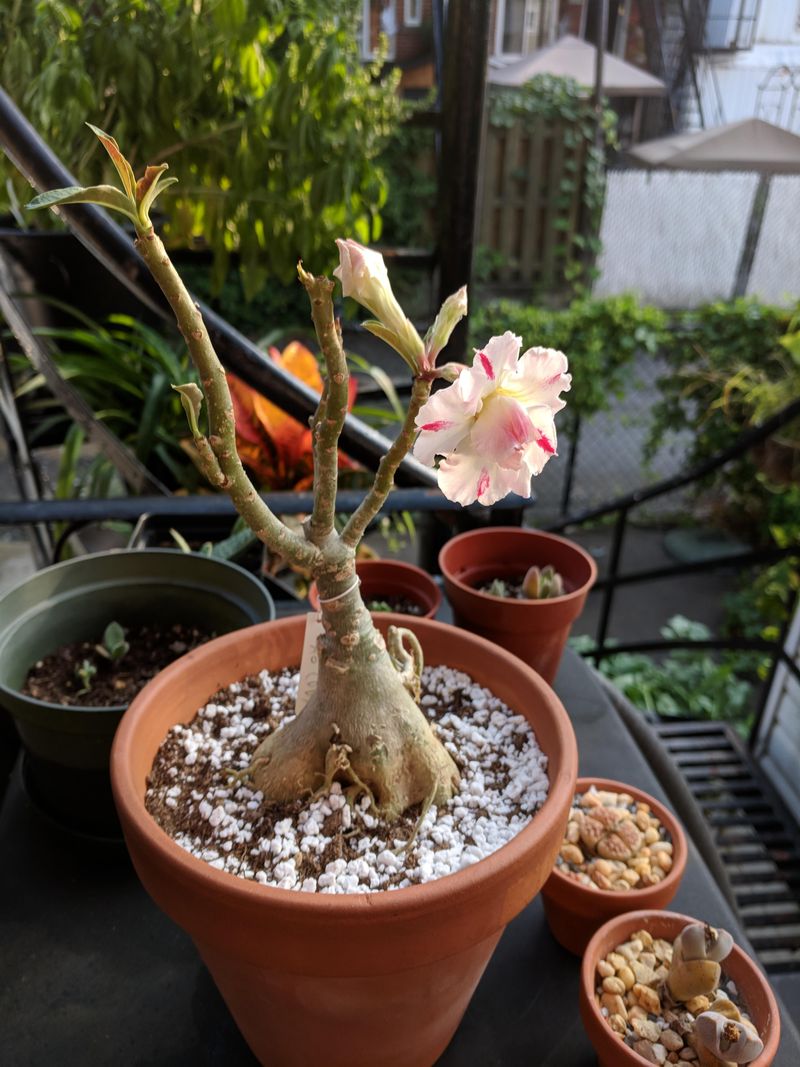
Picking the right pot and soil is one of the most important steps when growing Adenium plants in California homes. These plants absolutely love well-draining conditions.
If water sits around the roots for too long, the roots can rot, and your plant will struggle.
A terracotta or clay pot works best because it allows air to pass through the walls and helps the soil dry out faster. Plastic pots hold moisture longer, which is not ideal for Adeniums.
Make sure your pot has at least one drainage hole at the bottom.
For soil, use a cactus or succulent mix and add extra perlite or coarse sand to improve drainage even more. A good ratio is about 60% cactus mix and 40% perlite.
This keeps roots happy and healthy in California’s warm climate. Avoid regular garden soil because it holds too much moisture and can suffocate the roots.
Getting the pot and soil right from the start gives your Adenium the best possible foundation for strong, colorful growth all season long.
2. Sunlight Needs
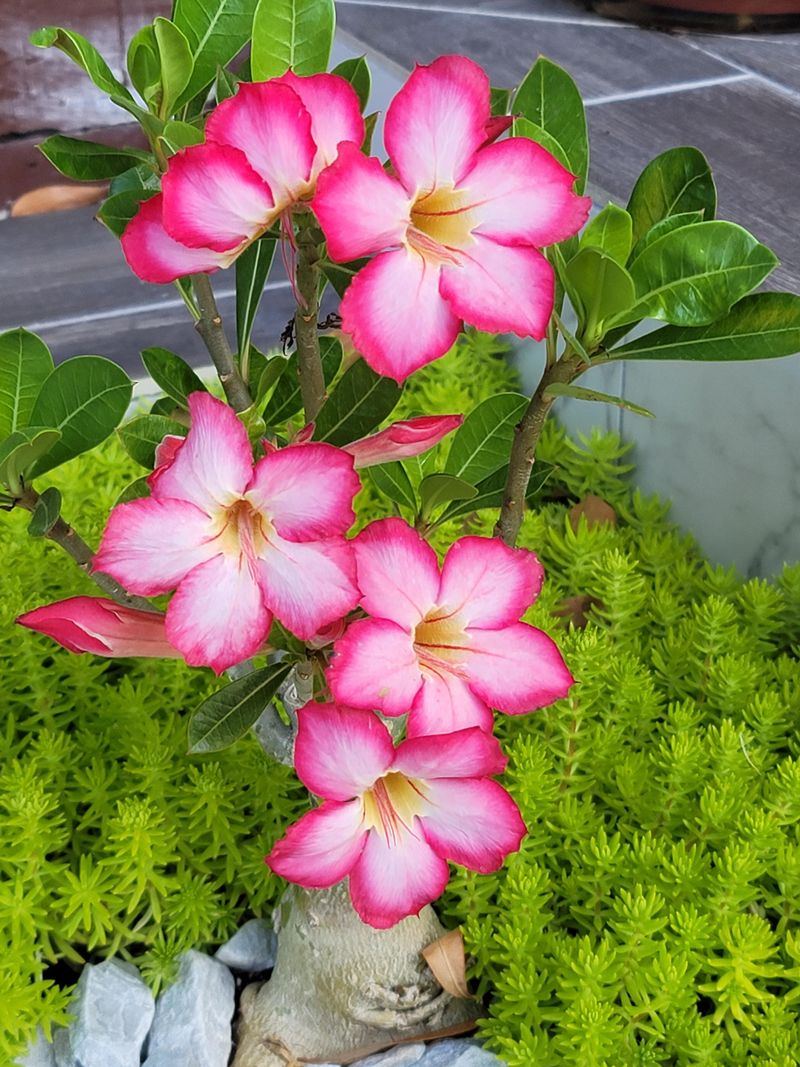
Few plants love the sun as much as Adeniums do, and lucky for California growers, sunshine is something the state has plenty of. These plants need at least six hours of direct sunlight every day to bloom well and stay strong.
A south-facing window or an outdoor patio spot works perfectly.
In places like Los Angeles or Palm Springs, the intense summer sun is actually a great match for Adeniums. However, if temperatures climb above 110 degrees Fahrenheit, a little afternoon shade can prevent leaf scorch.
Morning sun with some protection in the hottest part of the day is a smart approach during peak summer.
If you are growing your Adenium indoors in California, place it as close to the brightest window as possible. Grow lights can also help during shorter winter days when natural light is reduced.
Without enough light, the plant will produce fewer flowers and the stems may become weak and stretched out.
Giving your Desert rose the sunlight it craves is honestly one of the easiest ways to encourage those gorgeous blooms to keep coming back season after season.
3. Watering Basics
Watering is where many growers make their biggest mistakes. These plants come from dry, arid regions, so they are built to handle drought far better than they handle too much water.
In California, the watering schedule changes with the seasons, and paying attention to that makes a big difference.
During spring and summer, when the plant is actively growing and blooming, water it thoroughly and then wait until the top inch or two of soil feels completely dry before watering again. In fall and winter, cut back watering significantly.
The plant slows down during cooler months and needs much less moisture during that time.
Always water at the base of the plant, not over the leaves or trunk. Pour water slowly and let it drain fully out of the pot’s bottom hole.
Never let the pot sit in a saucer full of standing water. In coastal California areas where humidity is higher, you may need to water even less frequently than growers in drier inland regions.
Checking the soil before each watering is a simple habit that keeps your Adenium looking its very best all year long.
4. Ideal Temperature
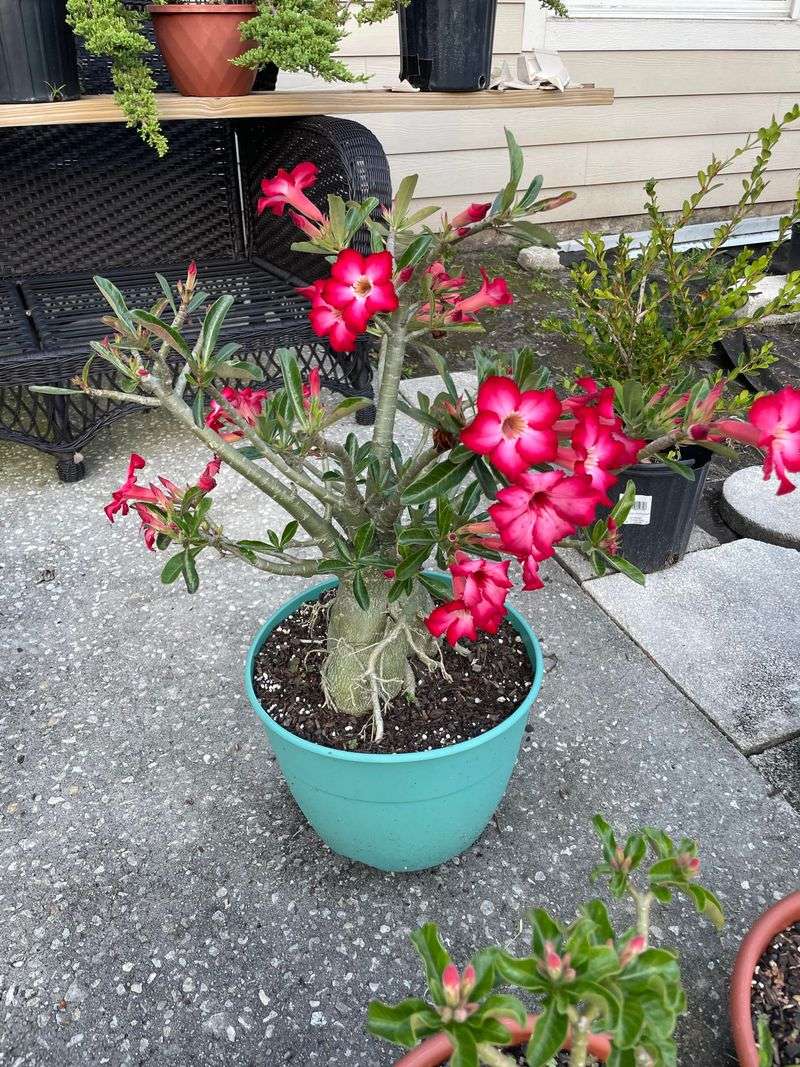
California is honestly one of the most ideal states in the country for growing Adeniums, and temperature is a huge reason why. These plants thrive in warm conditions and prefer temperatures between 65 and 95 degrees Fahrenheit.
Most parts of California fit right into that sweet spot for a good portion of the year.
Adeniums are tropical plants that do not handle frost well at all. If temperatures in your area drop below 50 degrees Fahrenheit, it is time to bring your plant indoors.
Northern California and higher elevation areas should be especially careful during winter months. Southern California growers in cities like San Diego or Long Beach can often keep their plants outside almost year-round.
When bringing your Desert rose inside for cooler weather, place it near the warmest, sunniest window in your home. Avoid cold drafts from air conditioning units or open windows during chilly nights.
The plant may drop some leaves during this cooler resting period, and that is completely normal behavior. Once warm weather returns in spring, move it back outside and watch it spring back to life with fresh leaves and colorful new blooms almost immediately.
5. Fertilizing Tips
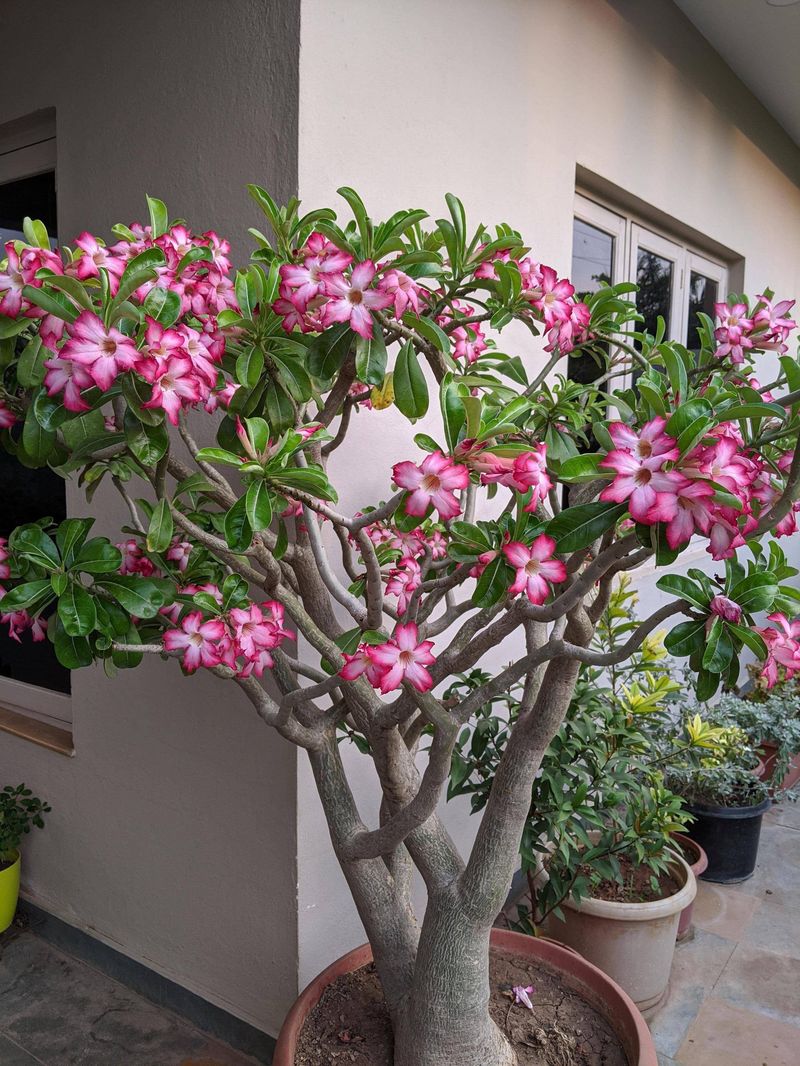
Fertilizing your Desert rose correctly can be the difference between a plant that barely survives and one that puts on a stunning floral show.
During the active growing season in spring and summer, feeding your plant regularly gives it the nutrients it needs to produce those gorgeous flowers California gardeners love showing off.
Use a balanced, water-soluble fertilizer with equal parts nitrogen, phosphorus, and potassium, such as a 10-10-10 or 20-20-20 formula. Apply it every two to three weeks during the growing season.
A fertilizer slightly higher in phosphorus, like a bloom booster formula, can encourage even more flower production when the plant is in its blooming phase.
Do not fertilize during fall and winter when the plant is resting. Pushing growth during the rest period can actually weaken the plant over time.
Always water your Adenium before applying liquid fertilizer to avoid any root irritation. Organic options like diluted fish emulsion also work well and are gentle on the plant.
In California’s long, warm growing season, a consistent fertilizing routine from March through September can reward you with months of beautiful, non-stop blooms that make your garden or patio truly stand out.
6. Pruning Guide
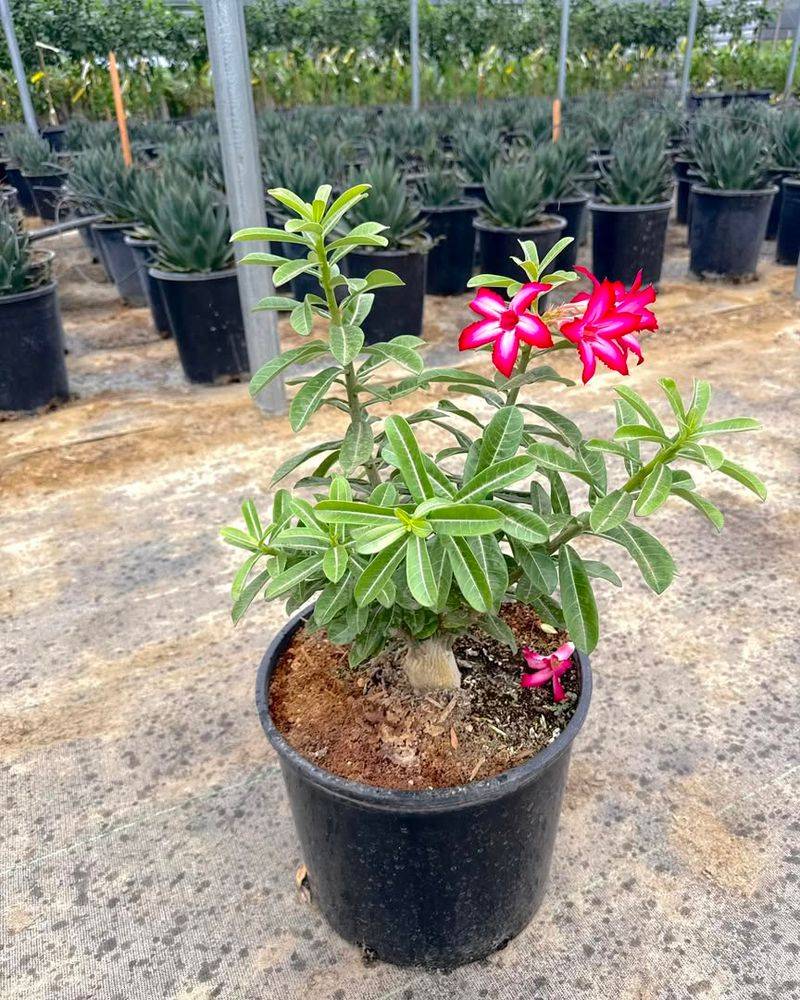
Pruning might sound intimidating, but it is actually one of the most rewarding things you can do for your Adenium. A good trim encourages the plant to branch out more, which means more tips, and more tips mean more flowers.
It is a simple step that pays off in a big, beautiful way.
The best time to prune your Adenium in California is in late winter or early spring, just before the new growing season begins. Use clean, sharp pruning shears and make cuts just above a leaf node or branch joint.
Cutting at an angle helps water run off the cut surface rather than pooling and causing issues.
After pruning, the plant will push out new growth from the cut areas within a few weeks. You can also do light shaping throughout the growing season to keep your plant looking neat and balanced.
Always clean your pruning tools with rubbing alcohol before and after use to prevent spreading any potential issues between plants. Wear gloves when pruning because Adenium sap can irritate skin.
With regular, thoughtful pruning, your California Adenium will grow into a fuller, more compact, and impressively blooming plant year after year.
7. Repotting Care
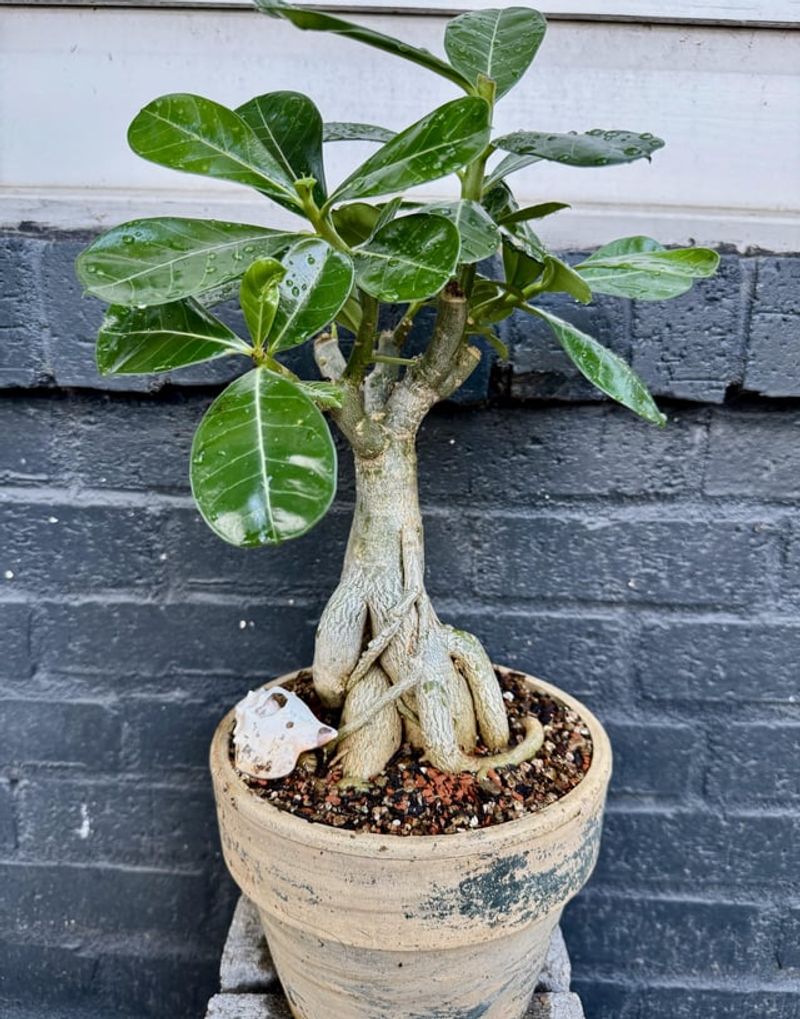
Repotting is something every Adenium grower will need to do eventually, and doing it correctly keeps the plant healthy and growing strong.
Generally, Adeniums benefit from being repotted every two to three years, or when you notice roots starting to peek out of the drainage holes.
Spring is the perfect time for this task in California.
Choose a new pot that is only one or two sizes larger than the current one. Going too big too fast can lead to excess moisture in the soil, which the plant does not appreciate.
Gently remove the plant, shake off old soil from the roots, and inspect the root system. Trim away any soft or damaged roots with clean scissors before placing the plant in fresh cactus mix.
After repotting, wait about a week before watering to give any trimmed roots time to heal. Place the freshly repotted plant in a warm, bright spot but out of harsh direct afternoon sun for the first week or two.
California’s warm spring weather makes recovery quick and smooth. Repotting also gives you a great chance to check the overall health of your Adenium and refresh the soil nutrients that may have been depleted over the previous growing seasons.
8. Common Problems
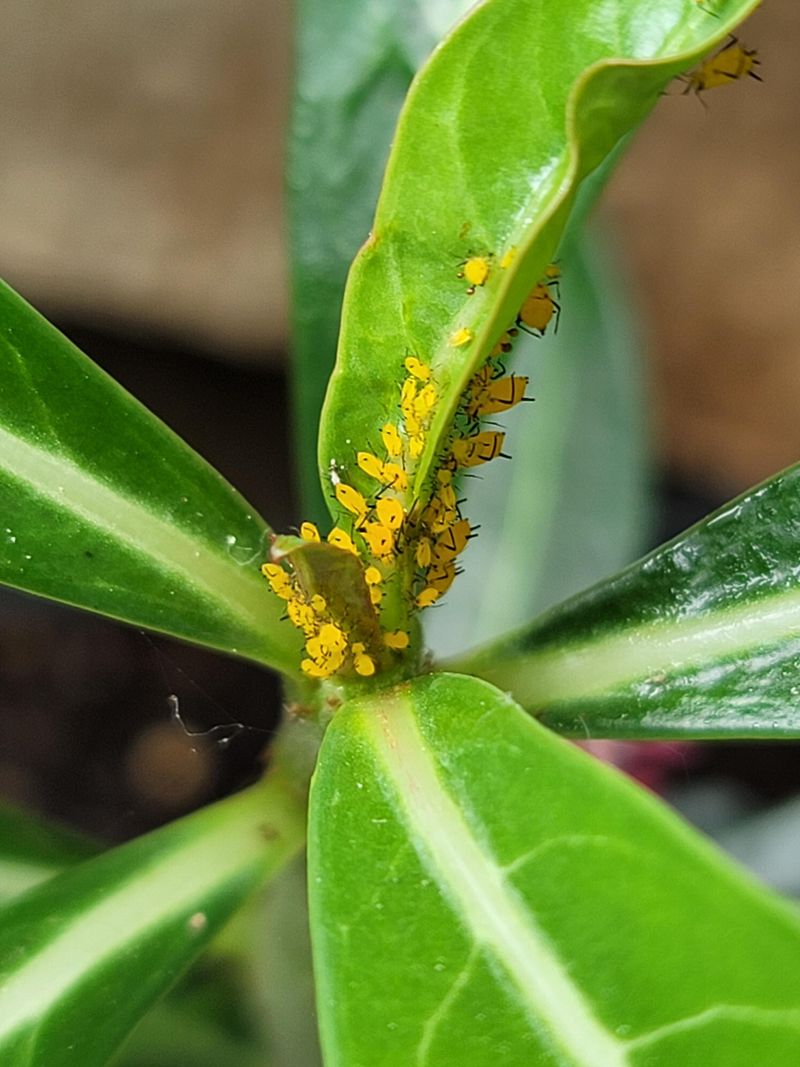
Even in California’s near-perfect climate, Adeniums can run into a few issues from time to time. Knowing what to look for early makes it much easier to fix problems before they get serious.
The most common issues growers face are overwatering, pests, and yellowing leaves.
Overwatering is by far the number one challenge for Adenium owners. If the base of the plant feels soft and mushy, that is a sign of root rot.
Remove the plant from its pot, let the roots dry out, trim any damaged sections, and replant in fresh dry soil. Scale back your watering schedule going forward, especially in cooler California months.
Spider mites and mealybugs are the most frequent pest visitors for Adeniums. Spider mites leave tiny webs on the leaves, while mealybugs look like small white cotton patches.
Treat both with neem oil spray or insecticidal soap, applying every few days until the problem clears up. Yellowing leaves are often caused by too little light or inconsistent watering.
Moving your plant to a sunnier spot in your California home or patio usually solves that issue quickly. Staying observant and acting fast keeps your Adenium vibrant and full of life.