How To Care For Eastern Prickly Pear Cactus In Michigan Homes
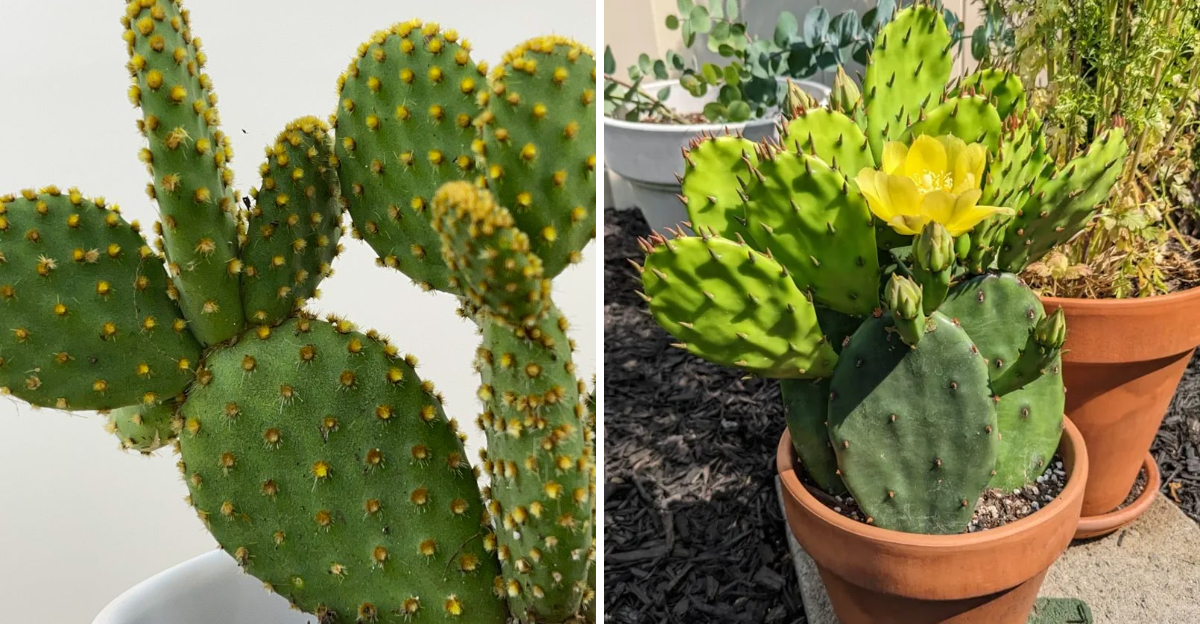
A bold, sculptural plant that looks like it belongs in the desert might be the last thing you expect to thrive in a Michigan living room, yet the Eastern Prickly Pear can do exactly that.
This hardy North American cactus brings striking texture and character to indoor spaces while asking for surprisingly little in return.
With its paddle shaped segments and vibrant seasonal blooms, it offers visual interest that stands out against Michigan’s long, gray winters.
Although outdoor temperatures may drop dramatically, indoor conditions can easily support healthy growth when light, drainage, and watering are managed carefully.
The key lies in understanding how this resilient plant naturally handles dry periods and bright exposure. With a simple, consistent care routine, your Eastern Prickly Pear can remain strong and vibrant throughout the year.
Whether you are expanding your plant collection or trying something new, this cactus proves that even in Michigan, desert beauty can flourish indoors.
1. Provide Maximum Bright Direct Sunlight Indoors
Sunlight is the single most important factor when growing Eastern Prickly Pear indoors, and getting it right makes all the difference.
This cactus naturally thrives in open fields and rocky slopes where it soaks up full sun for many hours daily.
Replicating that environment inside a Michigan home means finding the brightest window you own, ideally one facing south or west where direct sun streams in for six or more hours each day.
A south-facing window is your best friend here. Without sufficient light, the pads can become elongated and pale, a condition called etiolation, which weakens the plant significantly over time.
Placing your cactus right up against the glass, rather than a few feet back, ensures it captures every possible ray of sunlight available during Michigan’s shorter winter days.
During spring and summer, light levels naturally increase, and your cactus will respond with firmer, greener pads and more vigorous growth.
If your home lacks strong natural light, a full-spectrum grow light placed close to the plant for 12 to 14 hours daily works as an excellent substitute.
Supplemental lighting has helped many Michigan growers keep their cacti looking healthy and full even through the darkest months of the year. Bright light truly is non-negotiable for this sun-loving plant.
2. Use Extremely Well Draining Sandy Soil
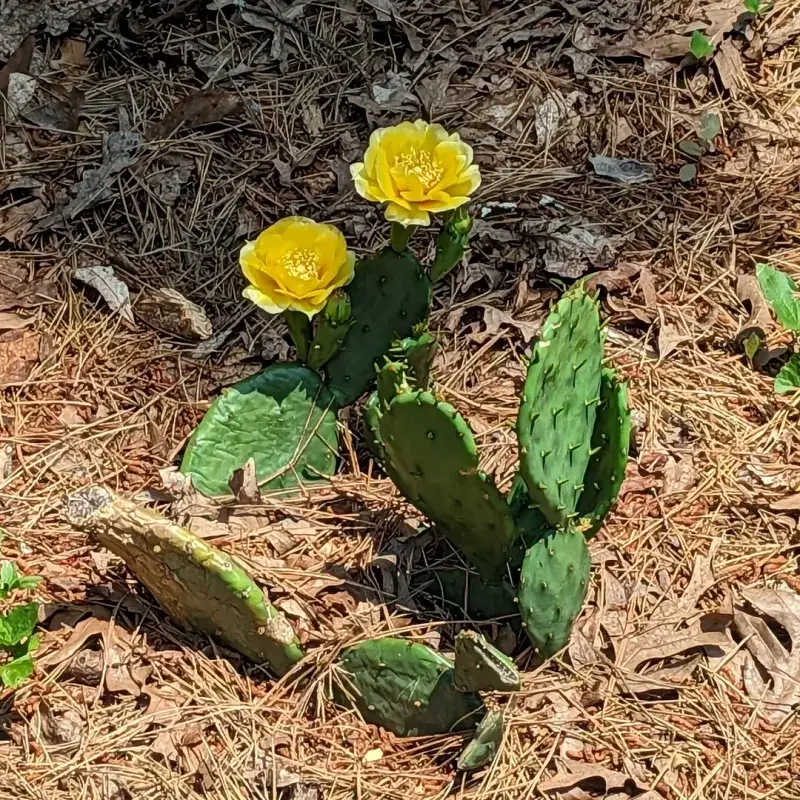
Soil choice might seem like a small detail, but for Eastern Prickly Pear, it is absolutely critical to long-term success.
The roots of this cactus are highly sensitive to excess moisture, and heavy, dense soils hold water far longer than the plant can safely tolerate.
A fast-draining sandy mix mimics the rocky, arid conditions this species naturally grows in across the eastern United States.
The best approach is mixing a standard cactus potting blend with coarse sand or perlite in roughly equal parts.
This combination creates a loose, gritty texture that allows water to pass through quickly while still giving roots something to anchor into firmly.
Avoid regular potting soil on its own, since it stays wet too long and dramatically increases the risk of fungal root problems.
Some experienced growers in Michigan even add small gravel or crushed granite to the mix for extra drainage and aeration.
The goal is a soil that feels almost dry within a day or two after watering, never remaining soggy or compacted.
You can test your mix by watering it thoroughly and watching how quickly the excess drains from the bottom of the pot.
Fast drainage is a clear sign your soil blend is working correctly. Getting the soil right from the start sets your cactus up for genuinely strong, healthy growth ahead.
3. Water Sparingly Especially During Winter Months
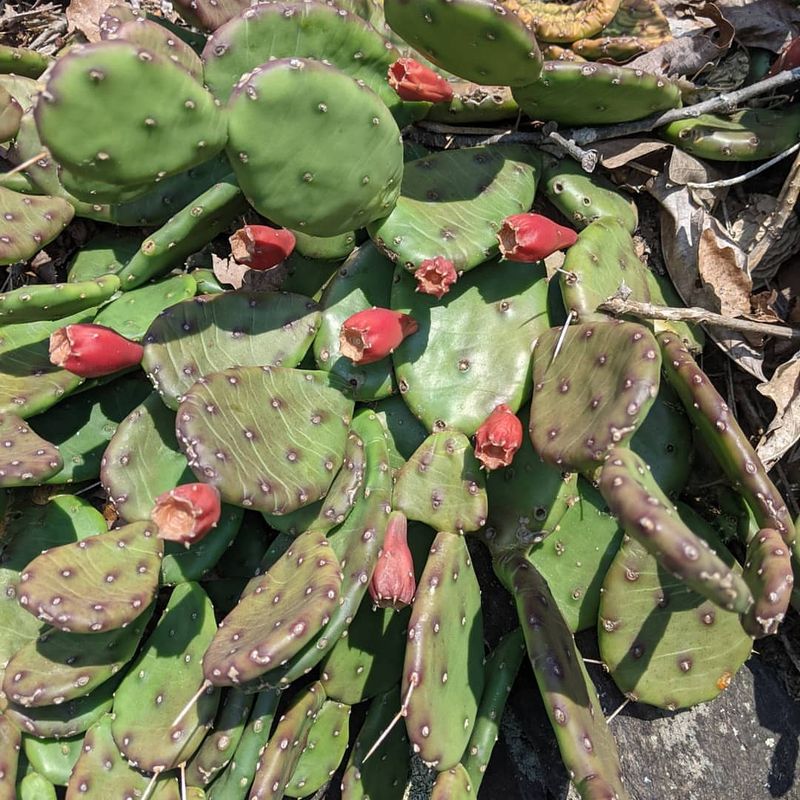
One of the most fascinating things about Eastern Prickly Pear is how brilliantly it manages water on its own.
The thick, fleshy pads store moisture internally, allowing the plant to survive extended dry periods without any help from you.
This built-in water storage system means overwatering is a far bigger threat than underwatering, especially during the cold Michigan winter months.
From roughly November through February, your cactus enters a natural dormancy period triggered by lower light levels and cooler temperatures.
During this time, its water needs drop dramatically, and most indoor growers water only once every four to six weeks, or sometimes even less frequently.
Giving the plant too much water while it is dormant prevents proper rest and can quickly lead to soft, rotting pads.
Come spring, as daylight increases and temperatures warm up, you can gradually increase watering frequency to match the plant’s renewed active growth.
A good rule of thumb is to water thoroughly when the soil is completely dry, then wait patiently for the next watering cycle.
Always check the soil a couple of inches deep before adding any water at all. During summer, watering every one to two weeks is generally sufficient for a healthy plant.
Matching your watering schedule to the natural seasonal rhythm of this cactus makes a genuinely noticeable difference in its overall health and appearance.
4. Allow Soil To Dry Completely Between Waterings
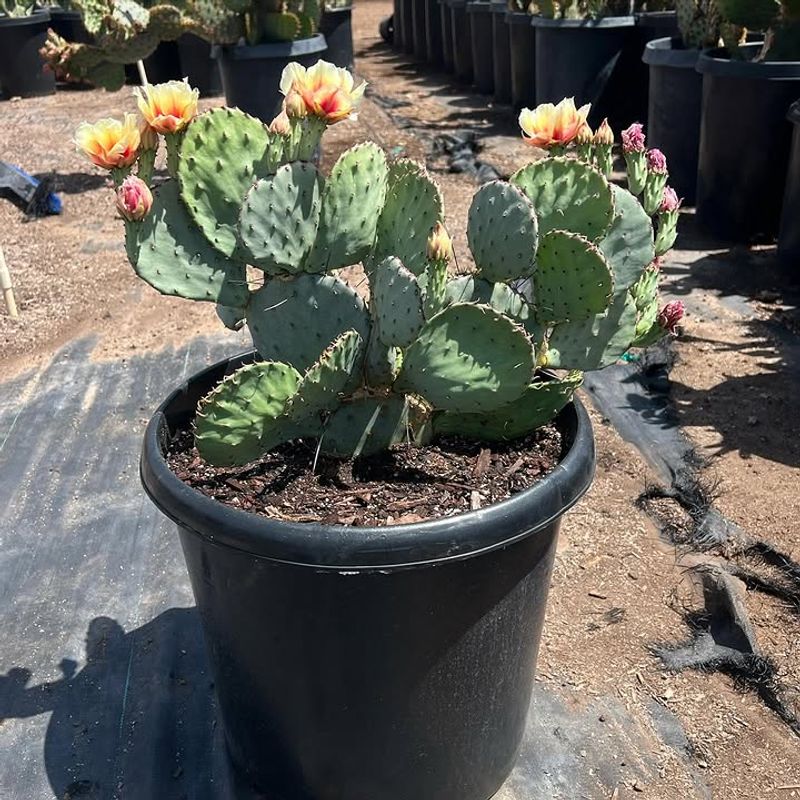
Waiting for the soil to dry completely before watering again is one of those rules that experienced cactus growers swear by, and for very good reason.
Eastern Prickly Pear roots need oxygen just as much as they need water, and consistently wet soil suffocates them over time.
The moment you remove excess moisture from the equation, the risk of root rot drops dramatically. A simple finger test works perfectly here.
Push your finger about two inches into the soil and feel for any trace of dampness. If you detect even slight moisture, wait a few more days and check again before adding any water.
This approach takes patience, but it is one of the most reliable ways to keep your cactus thriving indoors through every season. Interestingly, Eastern Prickly Pear can handle drought stress far better than wet stress.
A slightly thirsty cactus will perk up quickly after a proper watering, but a plant suffering from root rot is much harder to rescue.
Many Michigan growers have learned this lesson firsthand after losing a beautiful cactus to what seemed like a small amount of extra water.
Using a moisture meter is another great option if you want more precision, especially during cloudy Michigan winters when soil dries more slowly than expected.
Consistent dryness between waterings keeps roots healthy, firm, and fully functional all year round.
5. Keep In A Cool Bright Location During Winter Dormancy
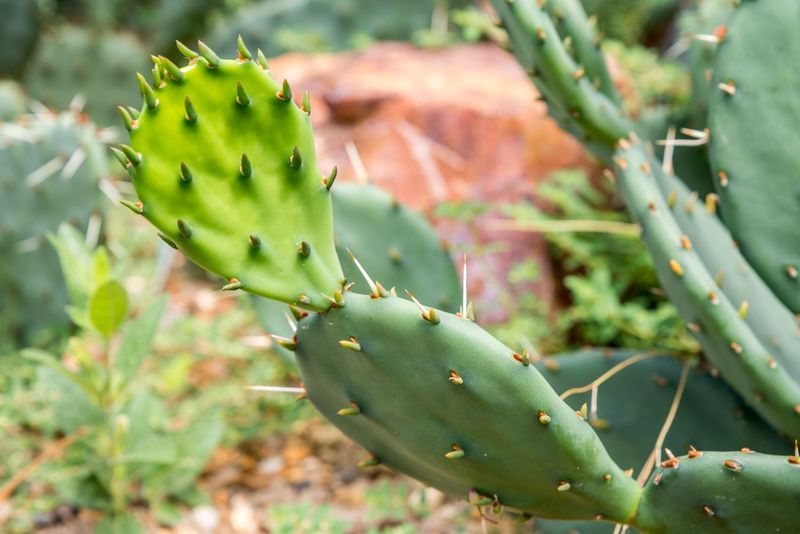
Winter dormancy is a natural and necessary phase for Eastern Prickly Pear, even when grown indoors.
In the wild, this cactus experiences cold temperatures and reduced sunlight from late fall through early spring, and that seasonal shift actually strengthens it for the growing season ahead.
Mimicking those cooler conditions inside your Michigan home helps the plant rest properly and build energy for spring flowering and growth.
Aim to keep your cactus in a location where temperatures stay between 45 and 55 degrees Fahrenheit during winter dormancy.
An unheated spare room, a cool basement window, or a chilly enclosed porch with good light can all work beautifully.
The key is pairing cooler temperatures with bright natural light, since darkness combined with cold can stress the plant unnecessarily.
Avoid placing your dormant cactus near heating vents, radiators, or other warm appliances that keep temperatures artificially high throughout winter.
Warmth during dormancy can confuse the plant into thinking spring has arrived early, prompting growth at a time when light levels are still too low to support it well. That mismatch often results in weak, stretched new growth that looks unhealthy.
Keeping temperatures consistently cool and light levels consistently bright gives your Eastern Prickly Pear exactly the winter conditions it needs to emerge strong, healthy, and ready to flourish when warmer Michigan days finally return.
6. Avoid High Humidity And Poor Air Circulation
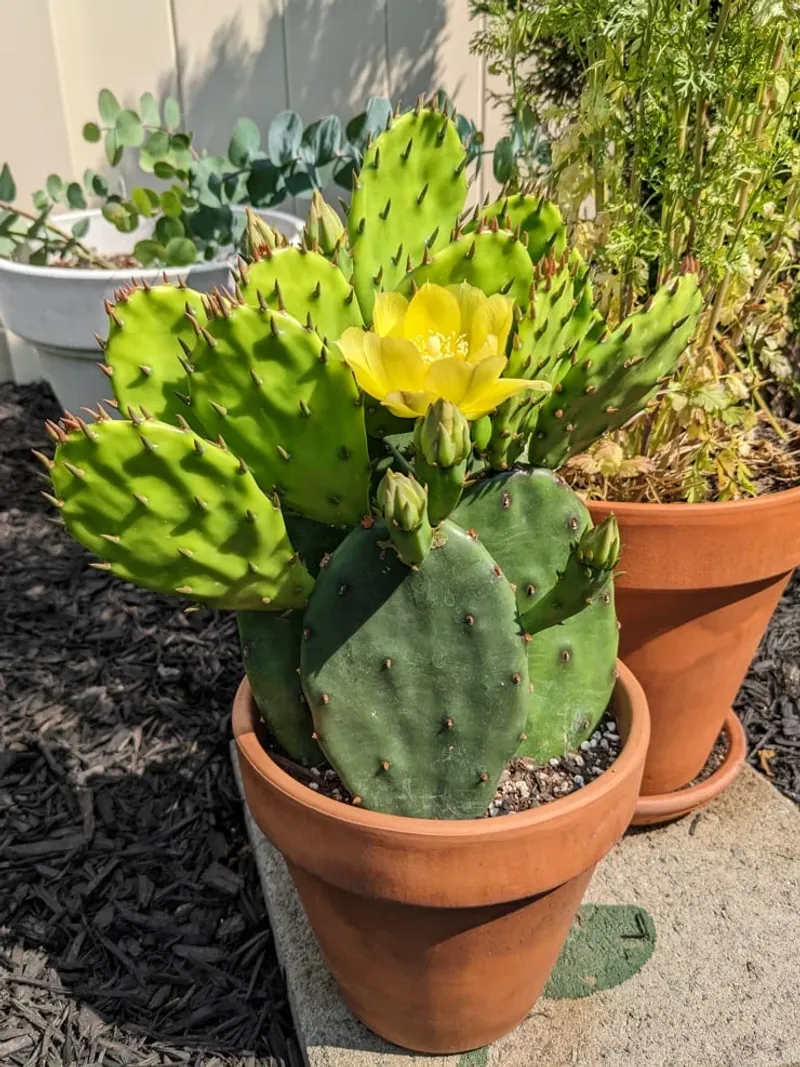
Michigan homes in winter are often surprisingly dry thanks to forced-air heating systems, and that actually works in your Eastern Prickly Pear’s favor.
This cactus evolved in dry, open environments where air circulates freely around the plant at all times.
High humidity levels common in kitchens and bathrooms can create conditions that encourage fungal problems and surface moisture buildup on the pads.
Keep your cactus away from humidifiers, fish tanks, and rooms that regularly generate steam or condensation.
Good air circulation around the plant helps the soil surface and pad surfaces stay appropriately dry between waterings.
A small fan set to low speed nearby can improve airflow significantly in rooms that feel stuffy or poorly ventilated during the sealed-up Michigan winter months.
Fungal issues like gray mold can develop on cactus pads when moisture lingers on the surface for extended periods, particularly in low-light conditions.
Spacing your plants so they are not crowded together also helps air move freely around each individual plant.
Rotating your cactus every couple of weeks ensures all sides receive equal airflow and light exposure, preventing uneven growth and reducing moisture-related stress.
Dry air is genuinely one of this plant’s best friends indoors, making Michigan’s heated winter homes a surprisingly suitable environment when you position the cactus thoughtfully and keep it away from humid microclimates in your living space.
7. Use Containers With Excellent Drainage Holes
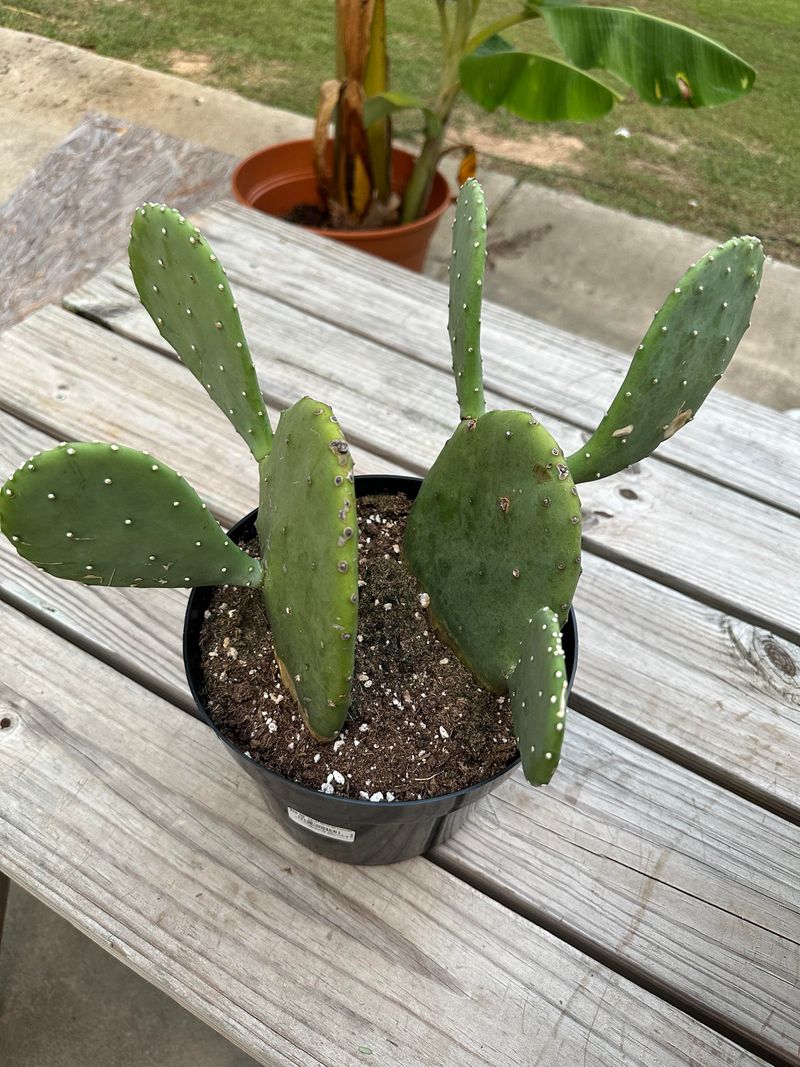
Picking the right container for your Eastern Prickly Pear is just as important as choosing the right soil, and drainage holes are absolutely non-negotiable.
Water that has nowhere to escape collects at the bottom of the pot, keeping roots sitting in moisture far longer than is healthy.
That lingering wetness creates the perfect environment for root rot, which can quietly destroy your plant before any visible symptoms appear above the soil line.
Terracotta pots are a popular and practical choice for this cactus because the porous clay walls allow moisture to evaporate from the sides of the pot, not just from the top.
This added evaporation keeps the root zone drier overall and reduces the risk of overwatering even when watering schedules are slightly off.
Make sure any decorative outer pot or saucer does not trap standing water beneath the container after watering. Always empty saucers promptly after watering so the pot is never sitting in pooled water for more than an hour.
Plastic pots can work fine too, as long as they have multiple drainage holes and the soil mix is sufficiently gritty and fast draining. The size of the container matters as well.
A pot that is too large holds excess soil and moisture around the roots unnecessarily. Choosing a container only slightly larger than the root ball keeps moisture levels manageable and encourages a healthier, more compact root system overall.
8. Fertilize Lightly During Active Growth Only
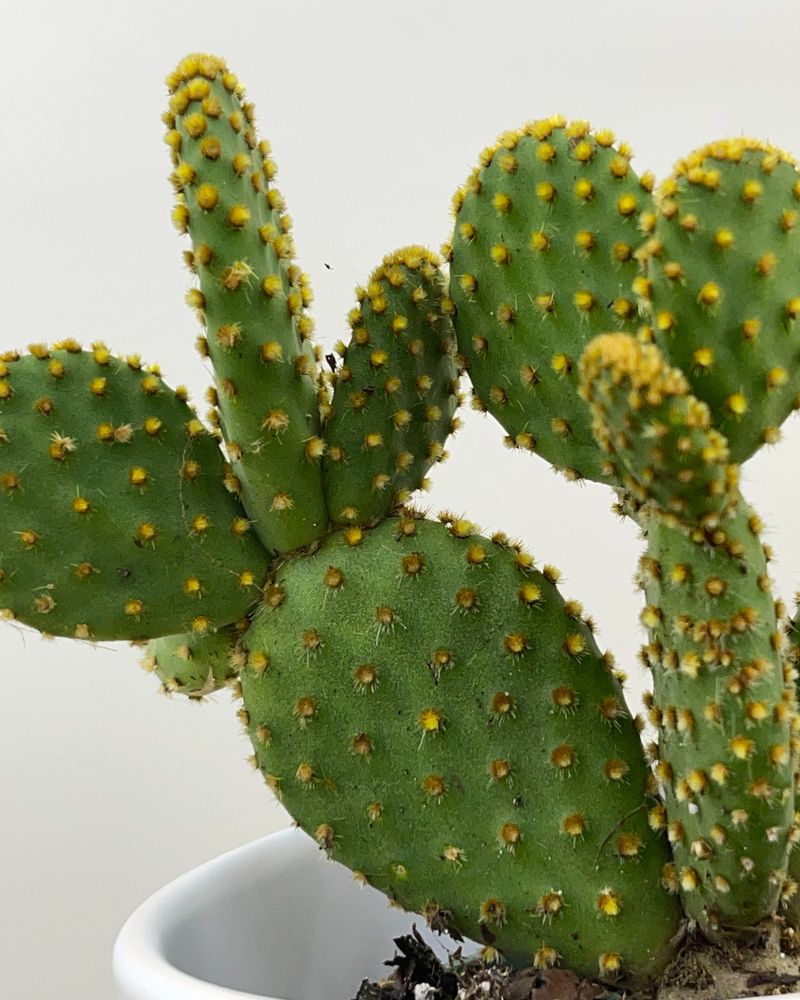
Eastern Prickly Pear is a naturally lean feeder, meaning it thrives in nutrient-poor soils and does not require heavy fertilization the way vegetable gardens or flowering annuals do.
Feeding it too much or too often can actually cause more harm than good, leading to overly soft growth that is more vulnerable to environmental stress.
A light touch during the active growing season is all this cactus really needs to perform at its best. Start fertilizing in spring once you notice the plant resuming active growth after winter dormancy.
A balanced, water-soluble fertilizer diluted to half the recommended strength works well, applied once a month through spring and into midsummer.
Look for a formula with a lower nitrogen content and higher phosphorus, as this better supports healthy pad development and potential flowering without causing excessive, weak growth.
Stop all fertilizing completely by late summer, giving the plant time to slow down naturally and prepare for its winter dormancy cycle.
Feeding a cactus heading into dormancy can push it to keep growing when it should be resting, which disrupts its natural rhythm.
Some Michigan growers skip fertilizing entirely in years when the plant looks healthy and vigorous, since a good soil mix often provides enough background nutrients.
When you do feed, less is genuinely more. A well-timed, lightly applied fertilizer routine keeps your Eastern Prickly Pear strong, balanced, and beautifully structured through every growing season.
9. Watch For Signs Of Overwatering Such As Soft Pads
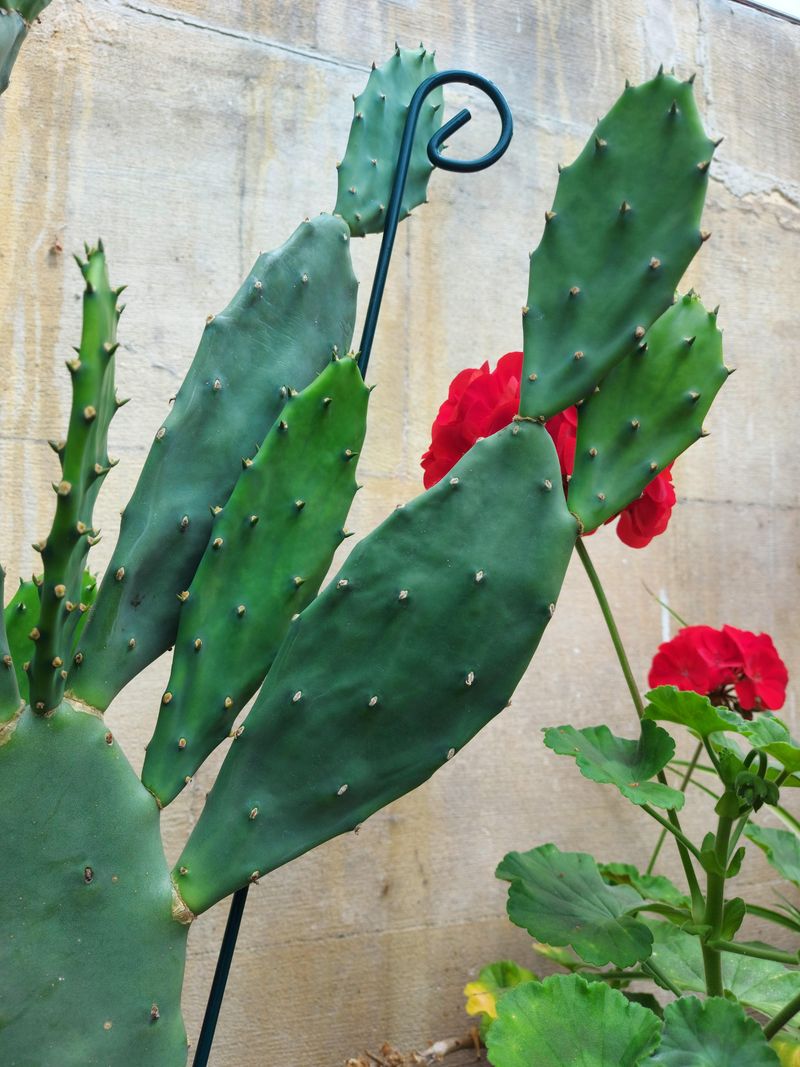
Your Eastern Prickly Pear is actually quite good at communicating when something is wrong, and soft or mushy pads are one of the clearest distress signals it sends.
Healthy pads should feel firm and slightly turgid to the touch, full of stored moisture but structurally solid.
When they begin to feel squishy, wrinkled in an unusual way, or show yellowing or translucent patches, excess water is almost always the culprit behind the problem.
Catching overwatering signs early gives you a real chance to turn things around before serious damage sets in.
The first step is to stop watering immediately and move the plant to a warm, bright spot with good airflow to help the soil dry out faster.
If the pot feels unusually heavy even days after the last watering, that is a sign the soil is retaining far more moisture than it should be holding.
In more advanced cases, you may need to carefully remove the cactus from its pot and inspect the roots directly.
Healthy roots are firm and white or tan in color, while damaged roots appear brown, black, or mushy and may have an unpleasant smell.
Trimming away affected roots with clean scissors and repotting into fresh, dry soil can save a plant that looks like it might not recover.
Staying observant and responding quickly to early warning signs is the most effective strategy for keeping your indoor Eastern Prickly Pear in genuinely great condition.
10. Move Outdoors In Summer For Stronger Growth If Temperatures Allow
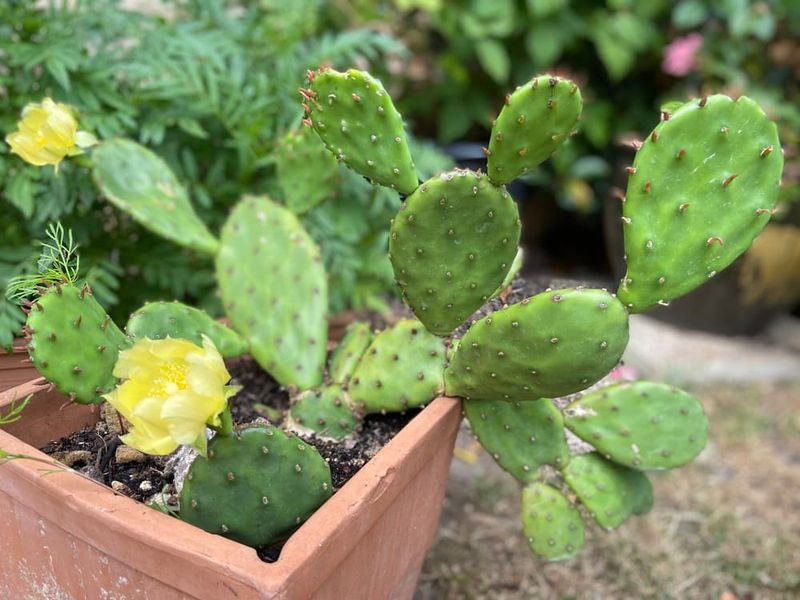
Summer in Michigan can be a genuine game-changer for your Eastern Prickly Pear, especially when you take advantage of the warm, sunny months by moving it outside.
Outdoor sun is dramatically more intense than anything a window can provide indoors, and that extra light fuels noticeably stronger, more vigorous growth in a relatively short time.
Pads become firmer, greener, and more structurally impressive when the plant gets real, unfiltered sunlight for hours each day.
Wait until nighttime temperatures are consistently above 50 degrees Fahrenheit before moving your cactus outside, which in most Michigan regions means sometime in late May or early June.
Start by placing the plant in a spot with partial morning sun for the first week or two, then gradually transition it to a full sun location.
This gentle acclimatization prevents sunscald, which can leave pale or bleached patches on pads that were accustomed to indoor light levels.
Outdoors, you will likely need to water more frequently since heat and wind dry the soil much faster than indoor conditions do.
Check soil moisture every few days during hot summer stretches and water thoroughly when the top inch or two feels completely dry.
Bring your cactus back inside before the first frost warning, typically in September or October for most Michigan areas.
That summer outdoor stint often produces the most dramatic and satisfying growth you will see all year from this remarkable plant.