How To Care For Indoor Palm Plants Successfully In California
Indoor palms can instantly bring a touch of the tropics to any California home, but keeping them healthy requires more than just sunlight and water. These elegant plants are surprisingly resilient, yet they thrive best when given the right care.
A little attention goes a long way. From proper watering schedules to choosing the right spot with ideal light, small adjustments can make your palms flourish indoors.
Healthy palms mean a lively, inviting space. Regular pruning, humidity management, and occasional fertilizing keep your palms looking vibrant and full.
Your home can feel like a tropical oasis. Even beginner plant parents can enjoy success with indoor palms by following a few key care tips.
Strong roots, lush fronds, and natural beauty await. With the right approach, your indoor palms will thrive year-round and bring life to every room.
1. Provide Bright, Indirect Sunlight For Healthy Growth
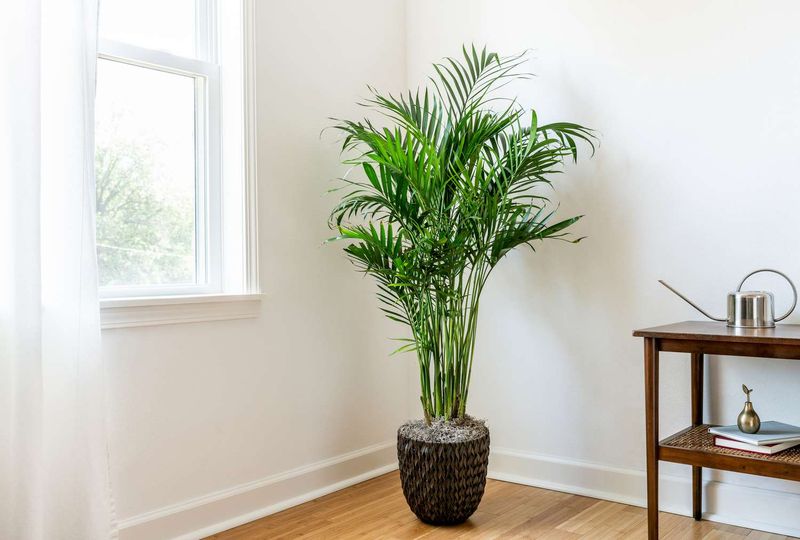
Light is the fuel that powers your indoor palm plants, and getting it right is absolutely essential for success in California homes. Most palm varieties prefer bright, indirect sunlight rather than harsh, direct rays that can scorch their delicate fronds.
Position your palm near an east-facing or north-facing window where it receives plenty of natural light without being exposed to intense afternoon sun.
If you live in Southern California where sunlight is abundant, consider using sheer curtains to filter the light and prevent leaf burn.
Observing your palm’s response to light helps you make necessary adjustments. When palms receive too little light, their growth slows dramatically, and their leaves may turn pale or yellowish.
On the other hand, too much direct sunlight causes brown, crispy tips and faded color. California’s varied microclimates mean that homes in coastal areas like Santa Monica might have different lighting conditions than inland regions such as Sacramento.
Rotating your palm plant every few weeks ensures all sides receive equal light exposure, promoting balanced and symmetrical growth. This simple habit prevents your palm from leaning toward the light source and developing an uneven shape.
During winter months when daylight hours are shorter, you might need to move your palm closer to a window or supplement with a grow light.
Indoor palms are forgiving, but consistent, appropriate lighting makes the difference between a struggling plant and a thriving tropical centerpiece that enhances your California living space beautifully.
2. Water Consistently But Avoid Overwatering
Finding the perfect watering balance is one of the trickiest parts of caring for indoor palms in California. Palm plants prefer their soil to stay slightly moist but never waterlogged or soggy.
Overwatering is actually the most common mistake palm owners make, leading to root rot and yellowing leaves. Before watering, always check the top two inches of soil with your finger; if it feels dry, it’s time to water, but if it’s still damp, wait another day or two.
California’s dry climate, especially in areas like Palm Springs or the Central Valley, means indoor air can be quite arid, causing soil to dry out faster than in more humid regions.
During hot summer months, your palm may need watering once or twice a week, while in cooler winter periods, you might only need to water every ten days.
Use room-temperature water and pour slowly until you see water draining from the bottom holes, ensuring the entire root system gets hydrated.
Always empty the drainage tray after watering to prevent roots from sitting in standing water. Palms are sensitive to chemicals found in tap water, such as chlorine and fluoride, which can cause brown leaf tips.
If possible, use filtered or distilled water, or let tap water sit out overnight so chemicals can evaporate. Consistency matters more than frequency, so establish a regular checking routine.
By paying attention to your palm’s specific needs and adjusting based on California’s seasonal changes, you’ll keep your plant healthy and vibrant throughout the year.
3. Maintain Proper Humidity Levels Around Your Palm
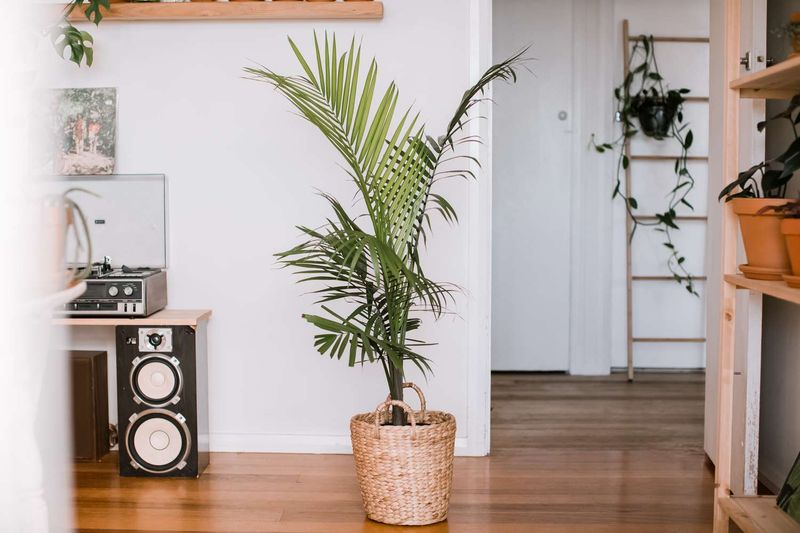
Humidity plays a crucial role in keeping indoor palm plants happy and healthy, especially in California where indoor air tends to be quite dry. Palm plants originate from tropical and subtropical environments where humidity levels are naturally high, typically between 50 and 60 percent.
Unfortunately, most California homes, particularly those with central heating or air conditioning, maintain humidity levels around 20 to 30 percent, which can stress your palm and cause browning leaf tips.
Increasing humidity around your palm doesn’t require expensive equipment or complicated setups. One simple method is misting the leaves with water several times a week using a spray bottle, which temporarily raises moisture levels and keeps fronds looking fresh.
Another effective technique involves placing a shallow tray filled with pebbles and water beneath your palm’s pot; as the water evaporates, it creates a humid microclimate around the plant. Just make sure the pot sits on the pebbles above the waterline to avoid root rot.
Grouping multiple houseplants together also naturally increases humidity as they release moisture through transpiration.
If you live in coastal California cities like San Francisco or San Diego, your home likely has higher natural humidity than inland areas, so you may need less intervention.
For particularly dry regions, consider investing in a small humidifier to maintain consistent moisture levels. Regularly wiping down palm fronds with a damp cloth removes dust and helps the plant breathe better while adding a bit of moisture.
These straightforward humidity-boosting strategies ensure your indoor palm thrives in California’s varied climate conditions.
4. Use Well-Draining Soil And Proper Containers
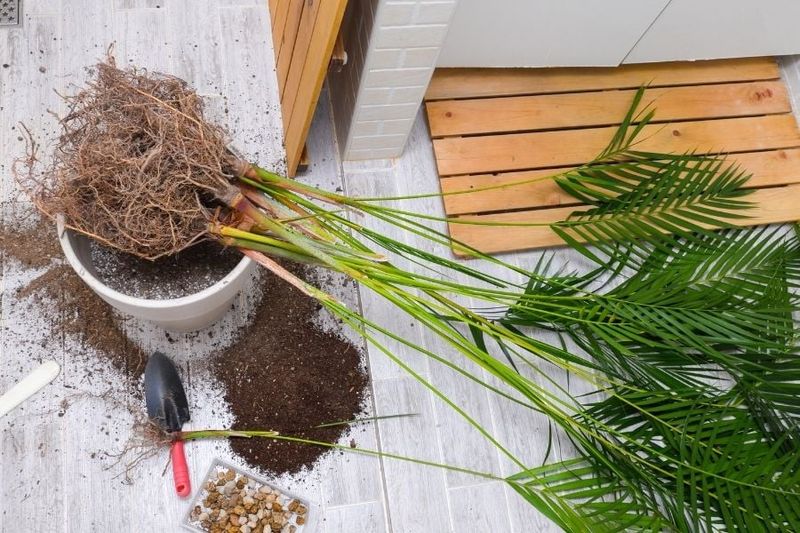
Soil quality and container choice directly impact your indoor palm’s health and longevity in California homes. Palms require well-draining soil that allows excess water to flow through quickly while retaining just enough moisture for roots to absorb.
Regular potting soil often holds too much water, creating conditions that encourage root rot and fungal problems. Instead, look for a specialized palm or cactus potting mix, or create your own blend using equal parts peat moss, perlite, and coarse sand.
The container you choose matters just as much as the soil inside it. Always select pots with multiple drainage holes at the bottom to prevent water from pooling around the roots.
Terracotta and ceramic pots work wonderfully because they’re porous and allow soil to dry out more evenly than plastic containers
Size also plays an important role; choose a pot that’s only slightly larger than your palm’s current root ball, as oversized containers hold excess moisture that roots can’t absorb quickly enough.
When repotting your palm, which typically happens every two to three years, gently loosen the root ball and remove any dry or damaged roots before placing it in fresh soil. California’s warm climate means palms may grow faster and require repotting sooner than in cooler regions.
Adding a layer of small rocks or broken pottery pieces at the bottom of the pot improves drainage further. Avoid using decorative pots without drainage holes unless you’re using them as outer cachepots with a properly draining inner pot.
Quality soil and thoughtful container selection create the foundation for a thriving indoor palm that brings tropical beauty to your California home.
5. Fertilize Regularly During Growing Season
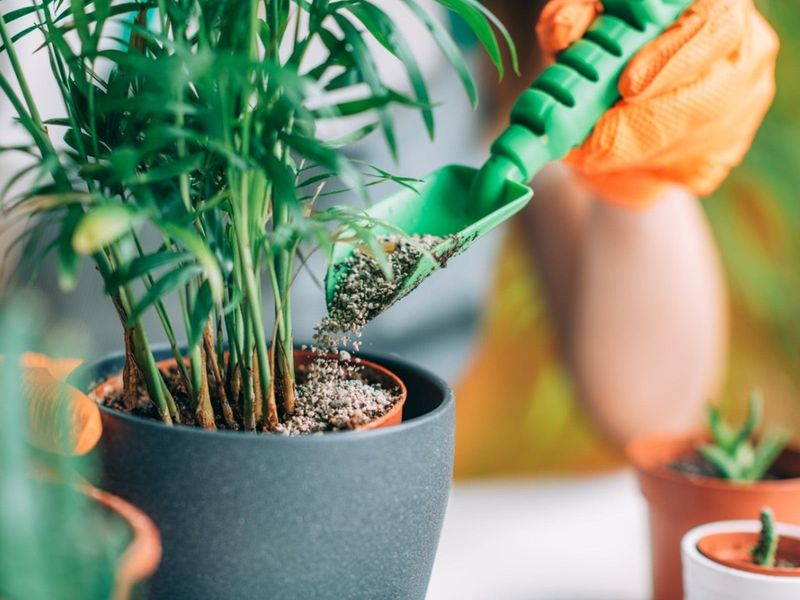
Feeding your indoor palm plant provides essential nutrients that support vibrant growth and lush, green foliage throughout California’s long growing season. Palms are moderate feeders, meaning they benefit from regular fertilization but don’t require excessive amounts.
During spring and summer when palms actively grow, apply a balanced, water-soluble fertilizer diluted to half strength every four to six weeks. Look for formulas specifically designed for palms or tropical plants, as these contain the right balance of nitrogen, potassium, and magnesium.
Magnesium deficiency is particularly common in palms and shows up as yellowing on older fronds while newer leaves remain green. Many palm-specific fertilizers include extra magnesium to prevent this issue.
California’s alkaline tap water can sometimes interfere with nutrient absorption, so using filtered water when fertilizing helps your palm get the most benefit. Always water your palm thoroughly before applying fertilizer to prevent root burn from concentrated nutrients.
During fall and winter months, palms enter a dormant or slow-growth phase and require little to no fertilization. Overfeeding during this time can cause salt buildup in the soil, which damages roots and creates brown, crispy leaf tips.
If you notice white, crusty deposits on the soil surface or pot rim, flush the soil with distilled water to remove excess salts.
San Diego, Los Angeles, and other Southern California areas have longer growing seasons than Northern California, so adjust your feeding schedule based on your specific location and your palm’s growth patterns.
Consistent, appropriate fertilization keeps your indoor palm looking its absolute best year after year.
6. Keep Temperatures Stable And Comfortable
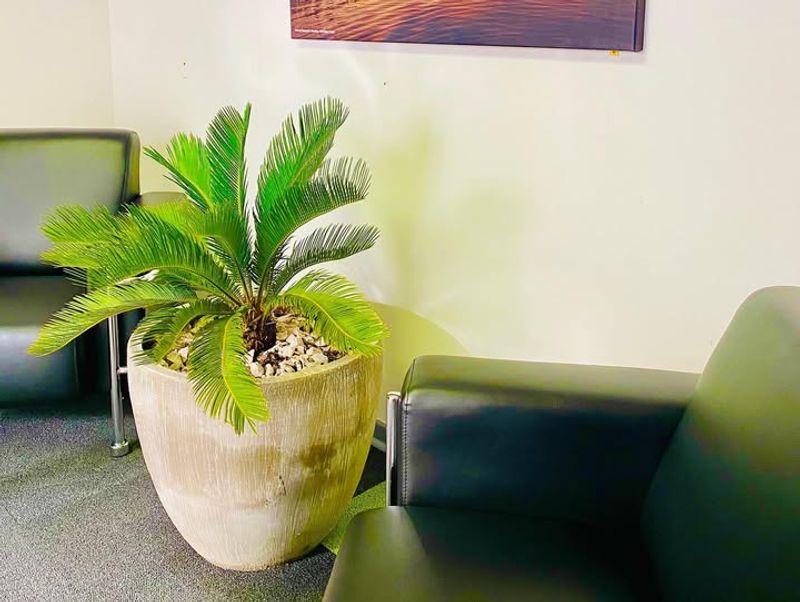
Temperature stability is vital for indoor palm plants to flourish in California homes. Most palm varieties thrive in temperatures between 65 and 80 degrees Fahrenheit during the day, with slightly cooler nights.
Fortunately, California’s mild climate makes it relatively easy to maintain these ideal conditions year-round, especially in coastal and Southern regions.
However, sudden temperature fluctuations or exposure to extreme heat or cold can stress your palm and cause leaf damage or slowed growth.
Avoid placing your palm near heating vents, air conditioning units, or drafty windows and doors where temperature swings are common. Cold drafts during winter months can shock your palm, while hot air blowing directly on the plant dries out foliage and soil too quickly.
If you live in Northern California where winters are cooler, keep your palm away from single-pane windows that radiate cold at night. During California’s occasional heat waves, move your palm away from windows that receive intense afternoon sun to prevent overheating.
Most indoor palms can tolerate brief temperature dips to around 50 degrees Fahrenheit, but prolonged exposure to cold damages leaves and stunts growth. Conversely, temperatures consistently above 85 degrees can cause stress unless humidity levels are also increased.
Maintaining stable room temperatures not only benefits your palm but also creates a more comfortable living environment for you. If you enjoy opening windows for fresh ocean breezes in coastal California cities, just ensure your palm isn’t exposed to strong, cold drafts.
By providing consistent, moderate temperatures, your indoor palm will reward you with steady growth and beautiful, tropical foliage that enhances your home’s atmosphere.
7. Prune Dry Leaves And Monitor For Pests
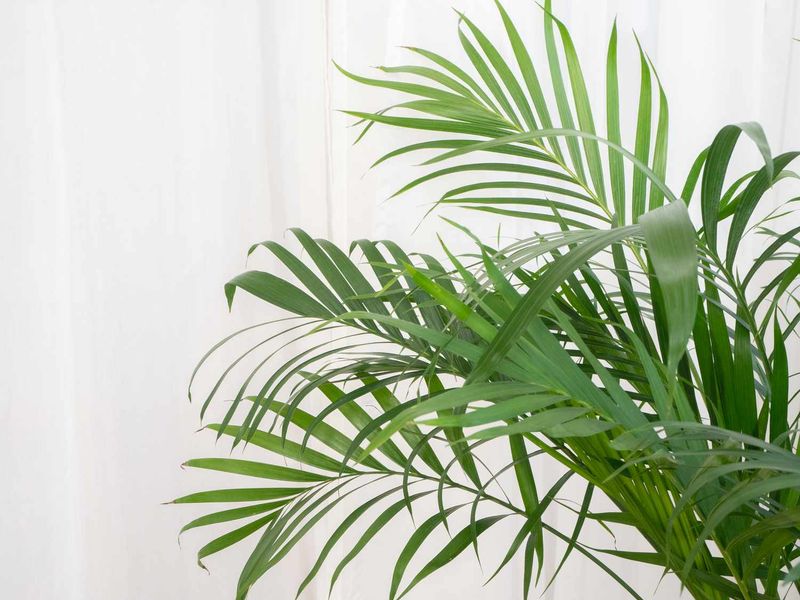
Regular maintenance keeps your indoor palm looking its best and prevents potential problems from getting out of hand in California homes. Pruning dry or damaged fronds is an essential part of palm care that promotes healthy growth and improves appearance.
When you notice brown, yellowing, or completely dried-out leaves, use clean, sharp pruning shears to cut them off at the base where they meet the trunk. Never pull or tear fronds, as this can damage the plant and create entry points for pests or disease.
Removing dry foliage also improves air circulation around your palm, reducing the risk of fungal issues in California’s sometimes humid coastal areas.
Only prune leaves that are completely brown or yellow; partially affected fronds still photosynthesize and provide nutrients to the plant.
If only the tips are brown, you can trim just the damaged portion with scissors, maintaining the leaf’s natural shape. Always sterilize your pruning tools with rubbing alcohol before and after use to prevent spreading diseases between plants.
Pest monitoring is equally important for maintaining a healthy indoor palm. Common pests like spider mites, scale insects, and mealybugs can infest palms, especially when indoor air is dry.
Inspect your palm regularly, checking the undersides of leaves and along stems for tiny insects, webbing, or sticky residue. If you spot pests early, wipe them off with a damp cloth or spray the plant with insecticidal soap.
California’s warm climate can encourage pest activity year-round, so vigilance is key. Keeping your palm clean, properly watered, and well-maintained creates an environment where pests are less likely to establish themselves, ensuring your tropical beauty stays vibrant and healthy for years to come.