How To Care For Ornamental Trees And Shrubs In Atlanta, Georgia
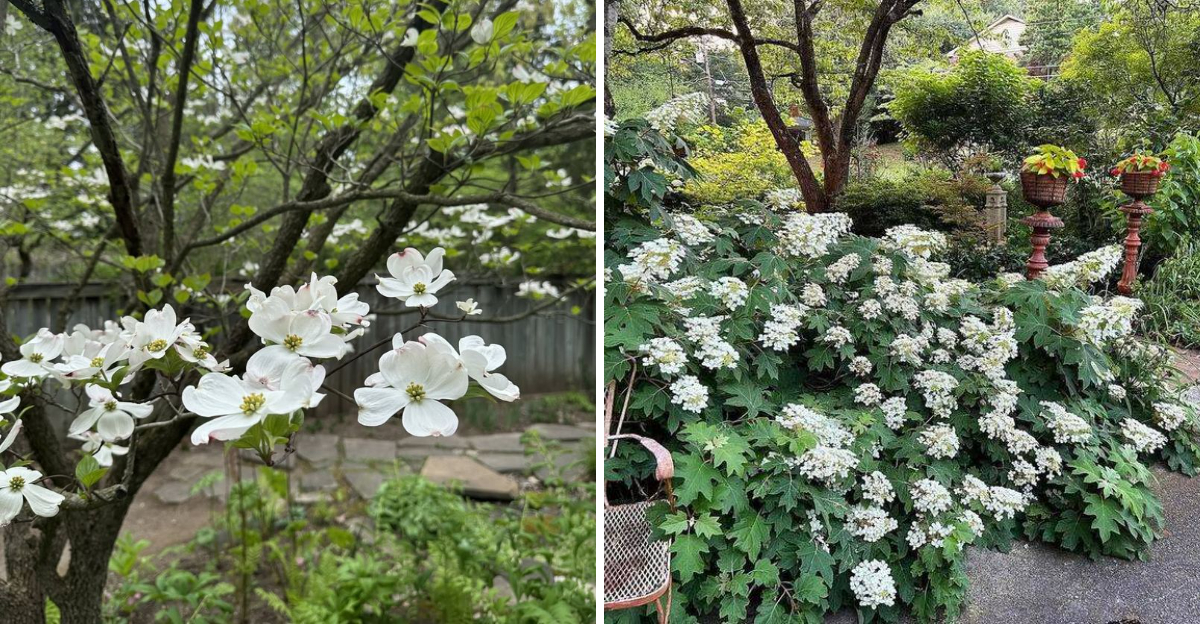
Ornamental trees and shrubs bring structure, shade, and seasonal color to landscapes across Atlanta, Georgia, but they need care that matches the local climate.
Long humid summers, heavy clay soil, and sudden temperature swings can stress even established plants if basic needs go unmet.
Proper watering, thoughtful pruning, and soil management make a noticeable difference in how well trees and shrubs hold their shape and health through the year.
In Atlanta, drainage and airflow matter just as much as sunlight, especially during stretches of intense heat and moisture.
Proper planting depth, correct mulch placement, and seasonal timing help prevent problems early. With steady, climate-aware care, ornamental trees and shrubs stay strong and dependable in Atlanta landscapes.
1. Prune Young Trees In Late Winter To Build Strong Structure
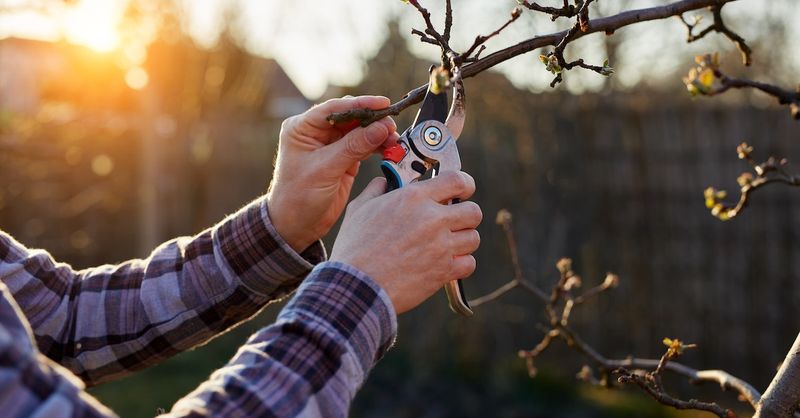
Structural pruning sets the foundation for a lifetime of healthy growth. Young ornamental trees in Atlanta need careful shaping during their first few years to prevent weak branch angles and crossing limbs that cause problems later.
Late winter, typically February in the Atlanta area, offers the perfect window because trees are still dormant and you can see the branch structure clearly without leaves blocking your view.
Focus on removing branches that grow inward toward the trunk or cross over other branches. These create wounds where they rub together and invite disease into the tree.
Select three to five main scaffold branches that radiate outward at wide angles, ideally between 45 and 60 degrees from the trunk. Narrow angles create weak attachment points that split during Georgia’s summer thunderstorms.
Remove no more than one-quarter of the canopy in a single season. Overpruning stresses young trees and actually slows their establishment in your Atlanta landscape.
Make clean cuts just outside the branch collar, that slight swelling where the branch meets the trunk. Never leave stubs, as they rot and become entry points for pests and fungi common in Georgia’s humid climate.
Young dogwoods, redbuds, and Japanese maples particularly benefit from this early structural work.
Investing time now prevents costly corrective pruning or even tree removal down the road when structural flaws become dangerous.
2. Inspect For Winter Damage Before New Growth Expands
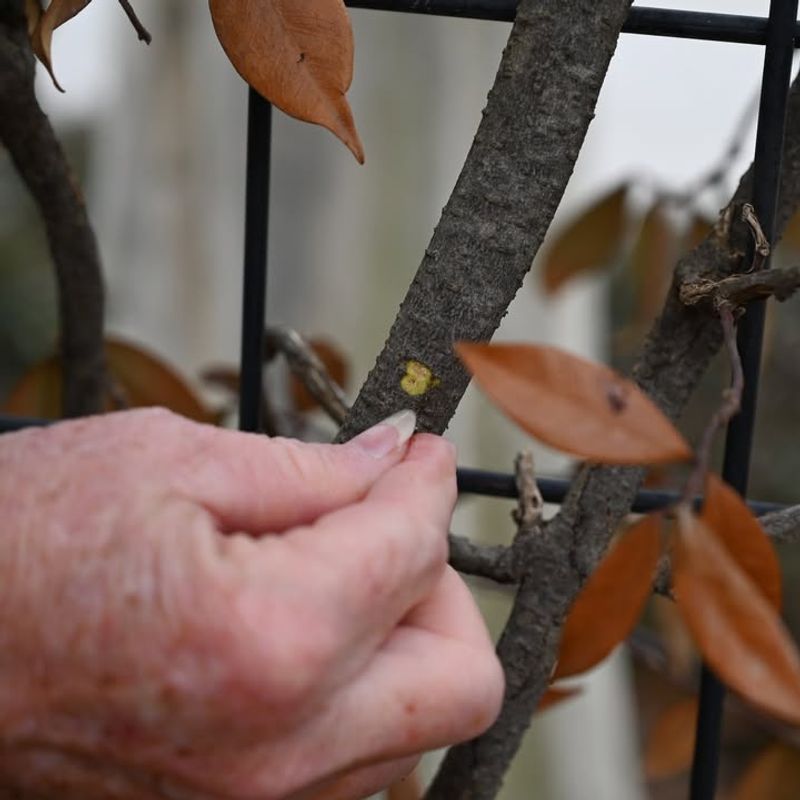
Atlanta winters surprise homeowners with occasional hard freezes that damage ornamental trees.
Before spring growth kicks into high gear, walk around each tree and look for split bark, broken branches, and frost-damaged buds.
Early detection means you can remove problem areas before the tree wastes energy trying to push leaves through damaged tissue.
Check the trunk carefully for vertical cracks in the bark, especially on the south and southwest sides. These sunscald injuries happen when winter sun warms the bark during the day, then temperatures plummet at night.
The rapid temperature change causes the bark to split. Younger trees with thin bark are most vulnerable in the Atlanta area.
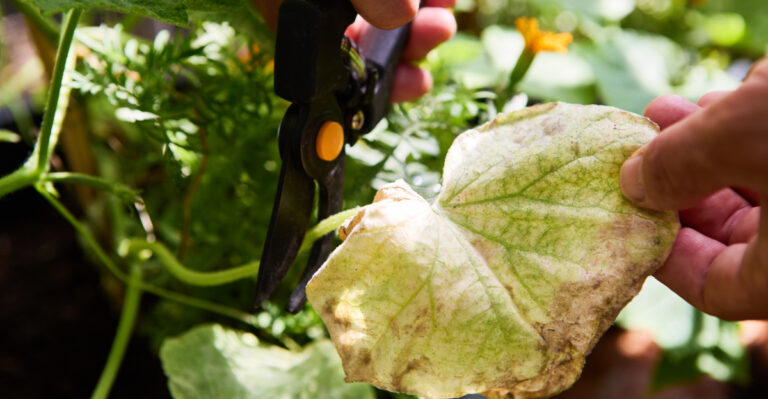
Broken branches need prompt removal to prevent tearing that damages healthy wood. Use clean, sharp tools and make proper cuts just outside the branch collar.
Small wounds seal naturally, but larger injuries may need monitoring for signs of decay or insect invasion common in Georgia.
Examine flower buds on spring-blooming ornamentals like cherry trees and magnolias. If buds turn brown and mushy, that branch likely suffered freeze damage and won’t bloom this year.
Don’t panic, though. The tree itself usually survives just fine and will bloom again next season.
Patience pays off better than aggressive pruning when dealing with Atlanta’s unpredictable late winter weather patterns.
3. Deep Water During Dry Spells Even Before Full Leaf Out
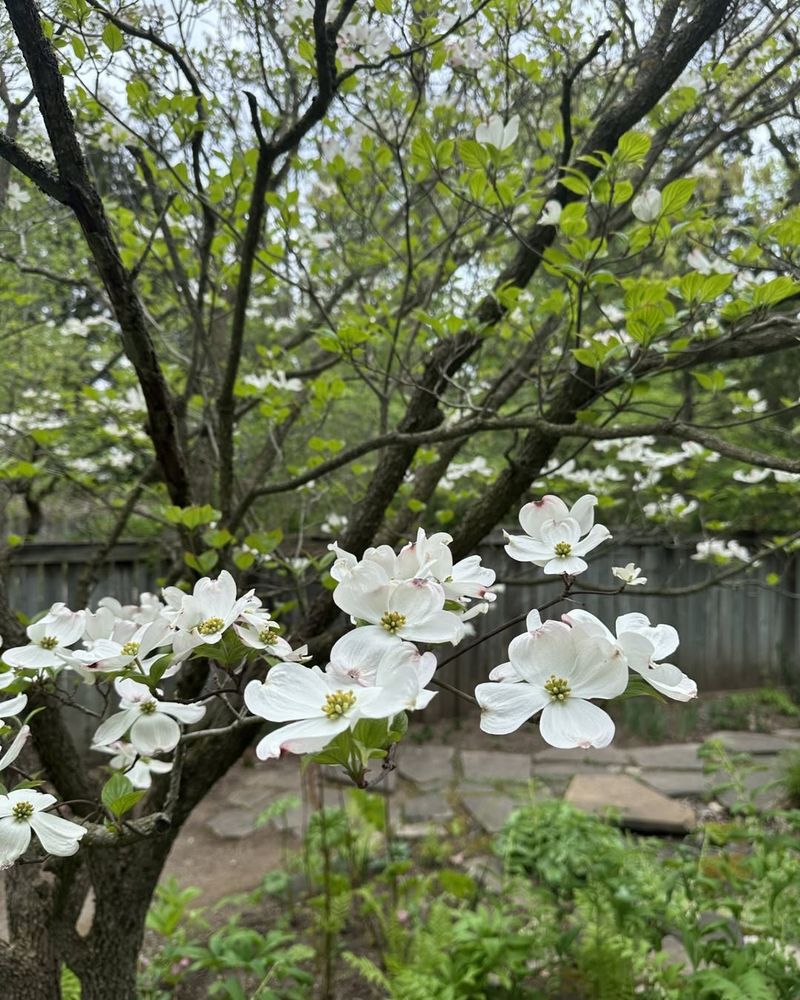
Spring droughts catch many Atlanta gardeners off guard. Just because your ornamental trees haven’t leafed out completely doesn’t mean they can skip watering.
Roots are actively growing during this period, and dry soil stresses trees right when they need moisture most for the upcoming growing season.
Water deeply rather than frequently. Shallow sprinkling encourages roots to stay near the surface where they’re vulnerable to summer heat and drought.
Instead, apply water slowly so it soaks down 12 to 18 inches into the soil. A soaker hose left running on low pressure for several hours works better than a quick spray from a garden hose.
Newly planted ornamentals need special attention during their first two years in your Atlanta landscape. Their root systems haven’t spread far yet, so they can’t reach moisture in the surrounding soil.
Water these young trees weekly during dry periods, providing about 10 gallons per inch of trunk diameter. A three-inch caliper tree needs roughly 30 gallons each week it doesn’t rain.
Even established trees benefit from supplemental watering during Atlanta’s occasional dry springs. Watch for wilting leaves or premature leaf drop as signs your tree needs water.
The soil should feel moist several inches down when you push your finger into it.
Georgia clay holds moisture well once saturated, but it also becomes rock-hard when dry, making deep watering essential.
4. Refresh Mulch Without Burying The Tree Trunk
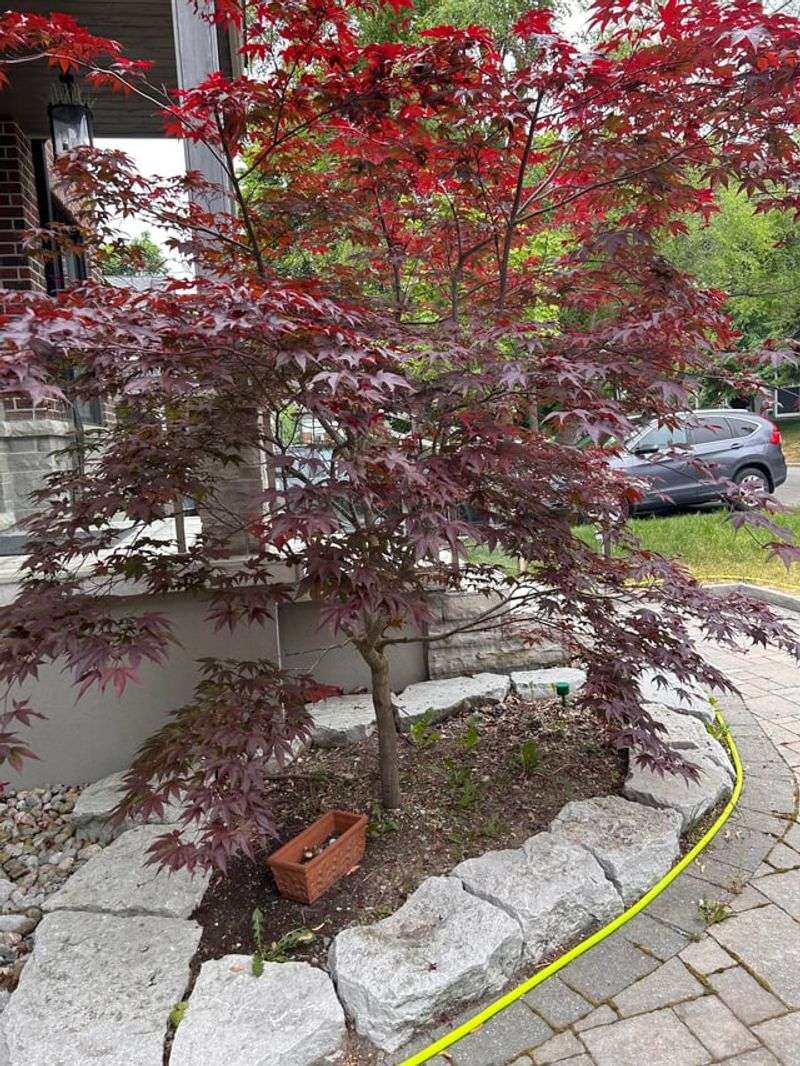
Mulch volcanoes destroy more trees in Atlanta than most homeowners realize. That cone of mulch piled high against the trunk looks neat, but it traps moisture against the bark and encourages rot, insects, and rodent damage.
Proper mulch application means creating a donut shape, not a volcano.
Pull existing mulch back from the trunk until you can see the root flare, where the trunk widens at ground level. This flare should always remain visible and exposed to air.
Then spread fresh mulch in a ring extending out to the tree’s drip line if possible, or at least three feet from the trunk in smaller yards. Keep the mulch layer two to four inches deep.
Pine straw and shredded hardwood bark both work well for ornamental trees in Georgia. Pine straw breaks down quickly, adding organic matter to Atlanta’s often-poor clay soil.
Hardwood mulch lasts longer and looks more formal in landscape beds. Avoid dyed mulches, as some contain chemicals that may affect plant health.
Refresh mulch once or twice yearly, typically in spring and fall. Atlanta’s humid climate breaks down organic mulch faster than in drier regions.
As mulch decomposes, it actually benefits your trees by improving soil structure and feeding beneficial microorganisms.
Just remember to maintain that critical space between mulch and trunk, even as you add fresh material.
5. Prune Spring Bloomers Only After They Finish Flowering
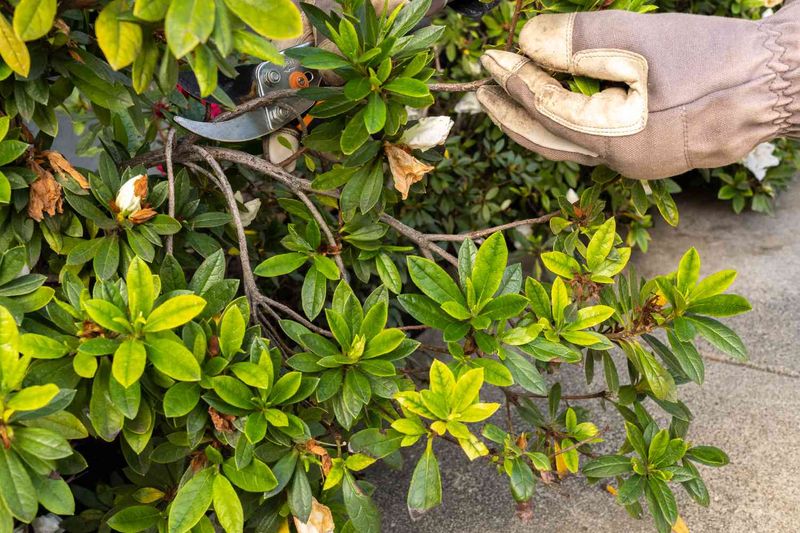
Timing makes all the difference when pruning flowering shrubs in Atlanta. Azaleas, forsythia, and other spring bloomers set their flower buds during summer and fall for next year’s show.
If you prune these shrubs in late winter or early spring before they bloom, you’re cutting off all those flower buds and guaranteeing a disappointing display.
Wait until right after the flowers fade to prune spring-blooming ornamentals. This gives you a window of several weeks in late spring when you can shape the shrub without sacrificing next year’s blooms.
The shrub then has the entire summer to grow new branches and set flower buds for the following spring.
Good air circulation through the interior reduces disease problems in Georgia’s humid climate. Cut branches back to a healthy bud or to where they join a larger branch.
Don’t just shear the tops into balls or boxes, as this creates dense outer growth that blocks light from the interior.
Atlanta gardeners often make the mistake of pruning azaleas and other spring bloomers in fall or winter when they’re tidying up the landscape. Resist that urge and mark your calendar for post-bloom pruning instead.
Your patience will be rewarded with spectacular flower displays year after year on your ornamental shrubs.
6. Thin Dense Shrubs To Improve Airflow In Humid Conditions
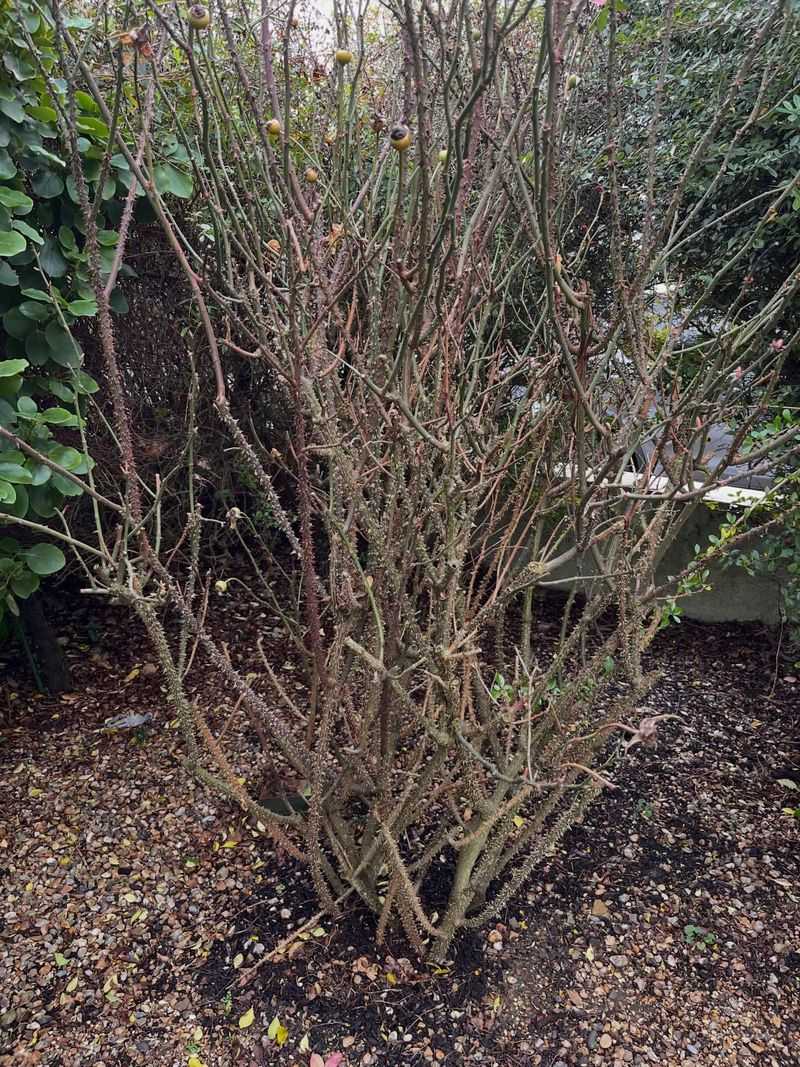
Georgia humidity creates perfect conditions for fungal diseases on ornamental shrubs. Dense, overgrown shrubs trap moisture inside their canopies, and leaves stay wet for hours after rain or morning dew.
This prolonged wetness invites powdery mildew, leaf spot, and other diseases that plague Atlanta landscapes.
Thinning cuts solve this problem by opening up the shrub’s interior to air and light. Unlike heading cuts that shorten branches and stimulate bushy growth, thinning removes entire branches back to their point of origin.
This reduces the overall density without changing the shrub’s natural shape. Start by removing the oldest, thickest stems at ground level on multi-stemmed shrubs.
Work your way through the shrub, removing crossing branches and stems growing toward the center. You should be able to see through the shrub somewhat when you finish, though it shouldn’t look sparse.
Remove no more than one-third of the branches in a single year. Spread major thinning work over two or three seasons for severely overgrown shrubs common in older Atlanta neighborhoods.
Boxwoods, hollies, and loropetalums particularly benefit from regular thinning in Georgia. These popular Atlanta landscape shrubs grow dense naturally and need periodic thinning to stay healthy.
Better air circulation means leaves dry faster, reducing disease pressure and cutting down on fungicide sprays.
Your shrubs will look better and stay healthier with this simple maintenance practice.
7. Test Soil Before Fertilizing To Avoid Overfeeding
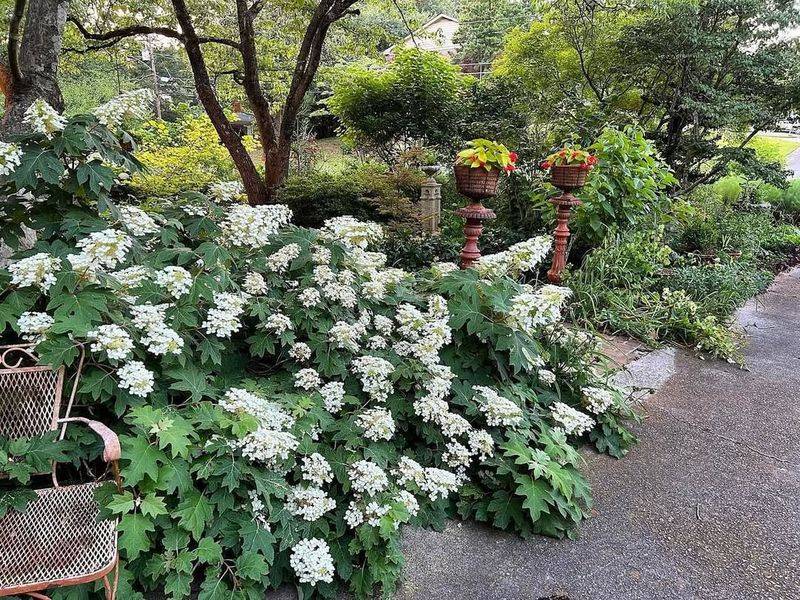
Atlanta gardeners often assume their ornamental shrubs need fertilizer when they’re actually suffering from other problems entirely. Guessing at fertilizer needs wastes money and can actually harm plants by creating nutrient imbalances.
A simple soil test removes the guesswork and tells you exactly what your shrubs need.
The University of Georgia Cooperative Extension offers affordable soil testing through county offices throughout the Atlanta area. Collect samples from several spots in your shrub beds, mix them together, and submit about a cup of soil.
Results typically arrive within two weeks and include specific recommendations for your landscape plants.
Many Atlanta soils are naturally acidic, which ornamentals like azaleas and camellias prefer. However, some shrubs need more neutral conditions and struggle in very acidic soil.
The test reveals your soil’s pH along with levels of major nutrients like nitrogen, phosphorus, and potassium. You might discover your soil has plenty of phosphorus but lacks nitrogen, or that the pH needs adjusting before fertilizer will do any good.
Overfertilizing causes lush, weak growth that attracts pests and diseases in Georgia’s climate.
Excess nitrogen pushes leaf growth at the expense of flowers and makes shrubs more susceptible to freeze damage during Atlanta’s occasional winter cold snaps.
Following soil test recommendations means your ornamental shrubs get exactly what they need, nothing more and nothing less, for healthy growth and beautiful displays.
8. Cut Back Cold Damage Gradually After The Last Freeze
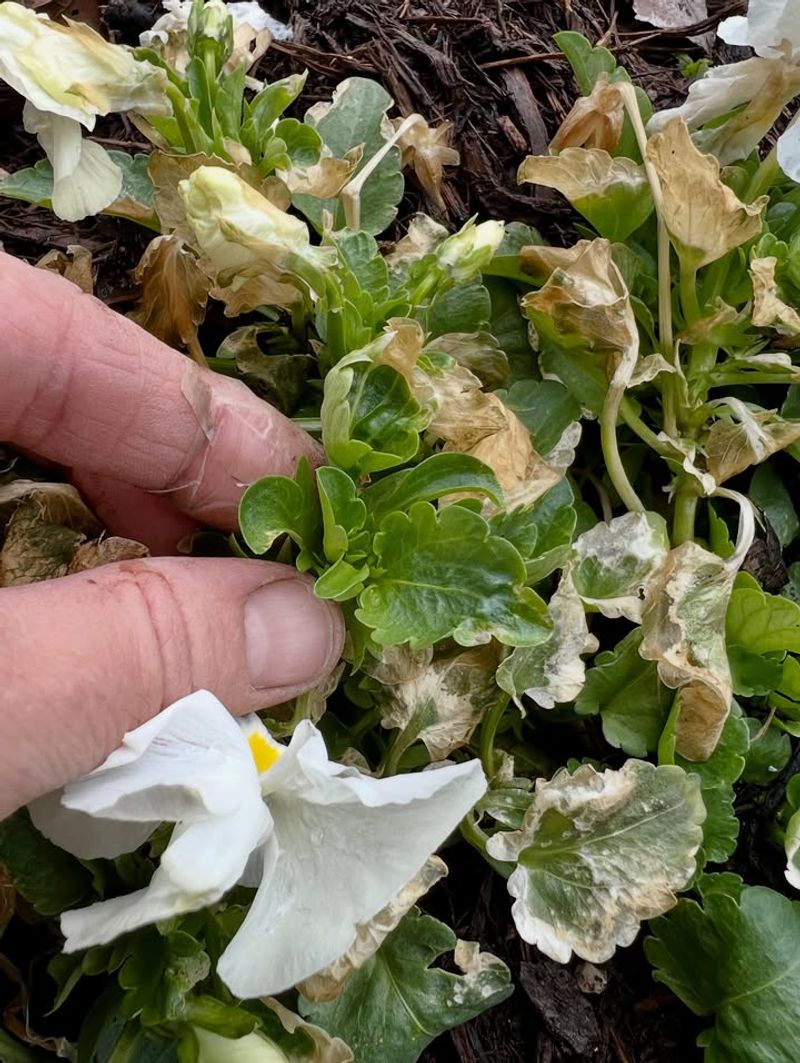
Atlanta’s last freeze date typically falls in mid-March, but occasional cold snaps happen into early April. When frost damages your ornamental shrubs, patience beats panic every time.
Wait until new growth emerges before you start cutting, because you need to see where the damage stops and healthy tissue begins.
Frost-damaged leaves turn brown or black and hang limply from branches. These look terrible, but don’t grab the pruners immediately.
The shrub needs time to redirect energy away from damaged areas and push new growth from buds lower on the branches. This process takes several weeks in the Atlanta area as temperatures warm and growing conditions improve.
Once new growth appears, trace damaged branches downward until you find green, living tissue under the bark. Scrape a small spot with your thumbnail to check.
Wood that shows brown, dry tissue underneath is no longer viable, while living branches reveal green or white layers. Cut just above a bud or branch junction in the living wood, making clean cuts with sharp tools.
Remove severely damaged branches completely, but leave partially affected ones alone if they’re showing new growth. Ornamental shrubs often surprise Atlanta gardeners with their ability to recover from cold damage.
Gardenias, loropetalums, and other marginally hardy shrubs might look terrible after a hard freeze but bounce back beautifully once warm weather arrives. Give them until late May before making final decisions about removal.