How To Choose A Gorgeous Magnolia For Your North Carolina Garden
Magnolias have a way of stealing the spotlight in North Carolina landscapes, and the state’s diverse climate gives gardeners plenty of options to work with.
From the humid coastal plains to the cooler foothills and mountains, different regions can support a wide range of magnolia varieties.
Across North Carolina, these trees are loved for their bold blooms, noticeable fragrance, and glossy leaves that add structure to a yard.
Some stay evergreen, while others put on a dramatic spring show before leafing out. Choosing a magnolia that fits your local conditions and space can help you get the most out of its beauty for years to come.
1. Understand The Difference Between Native And Southern Magnolia Types
Not all magnolias are created equal, and knowing the difference between native species and the iconic Southern Magnolia can help you make a smarter planting decision from the start.
North Carolina is actually home to several native magnolia species, including Sweetbay Magnolia (Magnolia virginiana) and Cucumber Magnolia (Magnolia acuminata).
These trees evolved in the region and tend to adapt well to local soils and climate conditions across the state.
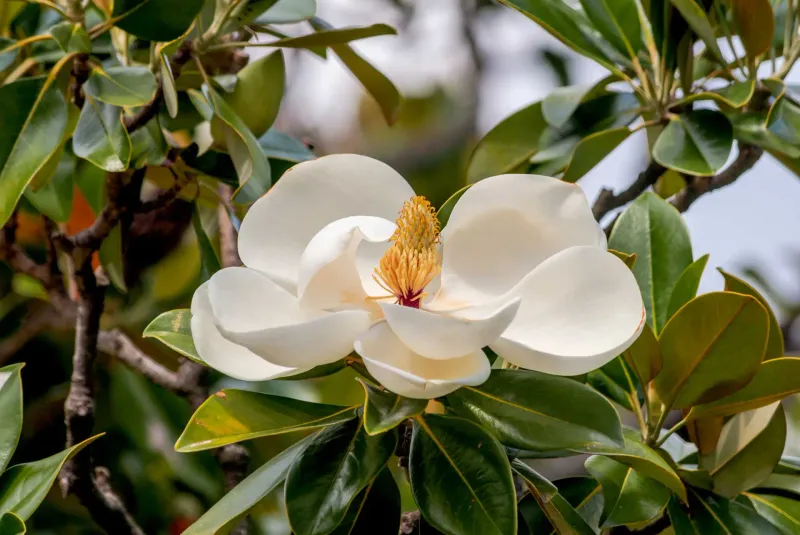
Southern Magnolia (Magnolia grandiflora) is arguably the most recognized magnolia in the South, beloved for its enormous white blooms and year-round evergreen foliage.
While it is not technically native to North Carolina, it has been grown here for centuries and performs reliably across most of the state, particularly in the Piedmont and coastal regions.
Native varieties often offer advantages like better tolerance of wet soils and increased resilience during unusual weather swings that North Carolina occasionally experiences.
Sweetbay Magnolia, for example, thrives in moist lowland areas and even tolerates short periods of flooding.
Understanding which magnolias are native versus introduced helps you align your choice with your yard’s natural conditions.
Both groups offer stunning beauty, but their care requirements and environmental tolerances can differ significantly, so researching each variety before purchasing is a worthwhile step for any North Carolina gardener.
2. Choose A Magnolia That Matches Your Available Space
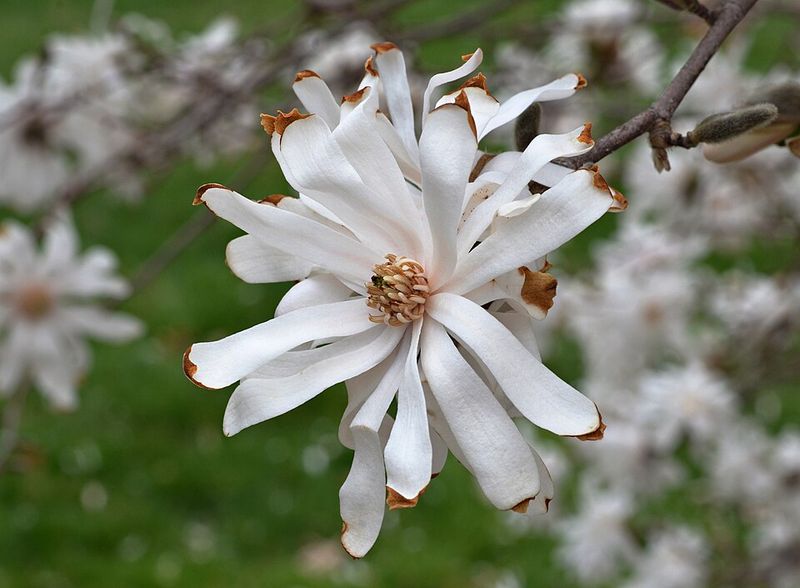
Yard size is one of the most practical factors to weigh before buying any magnolia, and it is one that many enthusiastic gardeners overlook in the excitement of choosing a beautiful tree.
Southern Magnolia, for instance, can reach 60 to 80 feet tall with a spread of 30 to 40 feet at full maturity.
Planting one of those in a small suburban lot in Raleigh or Charlotte without considering its eventual footprint can lead to costly problems down the road.
Smaller properties benefit from compact varieties like Star Magnolia (Magnolia stellata), which typically tops out at 15 to 20 feet tall and works well near patios, walkways, and foundation plantings.
Jane Magnolia and other Little Girl hybrid cultivars also stay relatively small, making them popular choices for North Carolina homeowners with limited space who still want that classic magnolia charm.
Before heading to the nursery, measure your available planting area and note any nearby structures, power lines, driveways, or established trees.
Roots and canopy spread both need room to grow without interference. Choosing a magnolia sized appropriately for your space means you will spend less time managing overgrowth and more time simply enjoying the tree.
Matching scale to space is one of the simplest ways to set your magnolia up for long-term success in a North Carolina landscape.
3. Consider Evergreen Vs Deciduous Magnolia Varieties
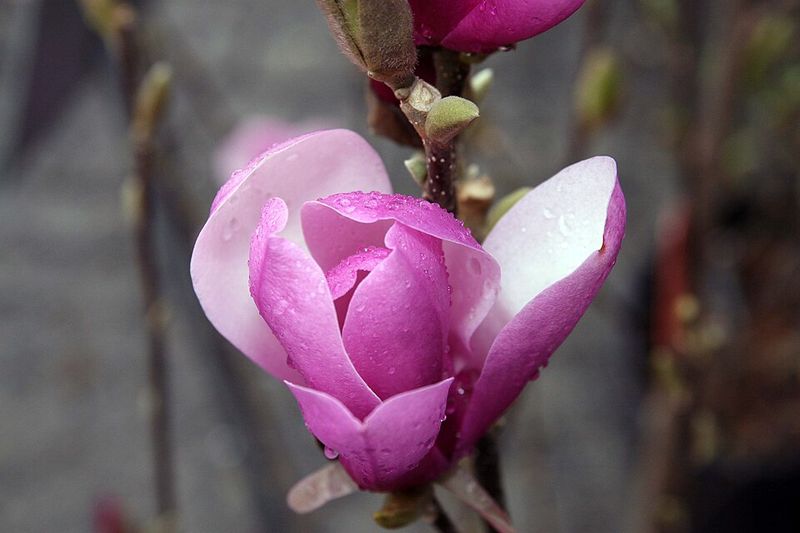
One of the most meaningful choices you will make when selecting a magnolia is whether you want an evergreen or a deciduous variety, and that decision shapes how your garden looks across all four seasons.
Evergreen magnolias like Southern Magnolia hold their large, leathery leaves year-round, giving your landscape a lush, structured appearance even during North Carolina winters when many other trees look bare and dormant.
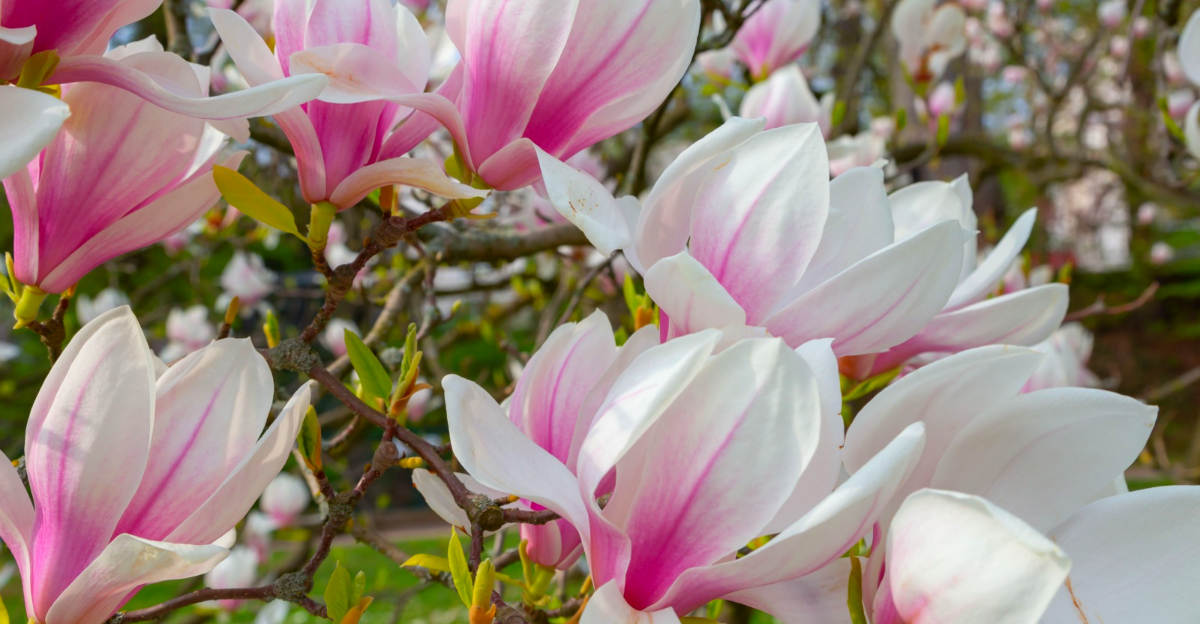
Deciduous magnolias, on the other hand, drop their leaves in fall and burst into spectacular bloom in late winter or early spring, often before a single leaf appears.
Saucer Magnolia (Magnolia x soulangiana) is a classic example, producing large pink and white flowers that feel almost surreal against a still-cold March sky.
Star Magnolia blooms even earlier, sometimes in late February across warmer parts of North Carolina like the Triangle and coastal areas.
The trade-off with deciduous varieties is that their early blooms are vulnerable to late frosts, which can nip flowers overnight and cut the display short.
In the western mountains of North Carolina, this risk is higher due to cooler spring temperatures.
Evergreen types provide more predictable year-round appeal but come with their own challenge: significant leaf drop in late spring, which surprises many new owners.
Knowing what to expect from each type helps you choose with confidence rather than disappointment later on.
4. Check Cold Hardiness For Your North Carolina Region
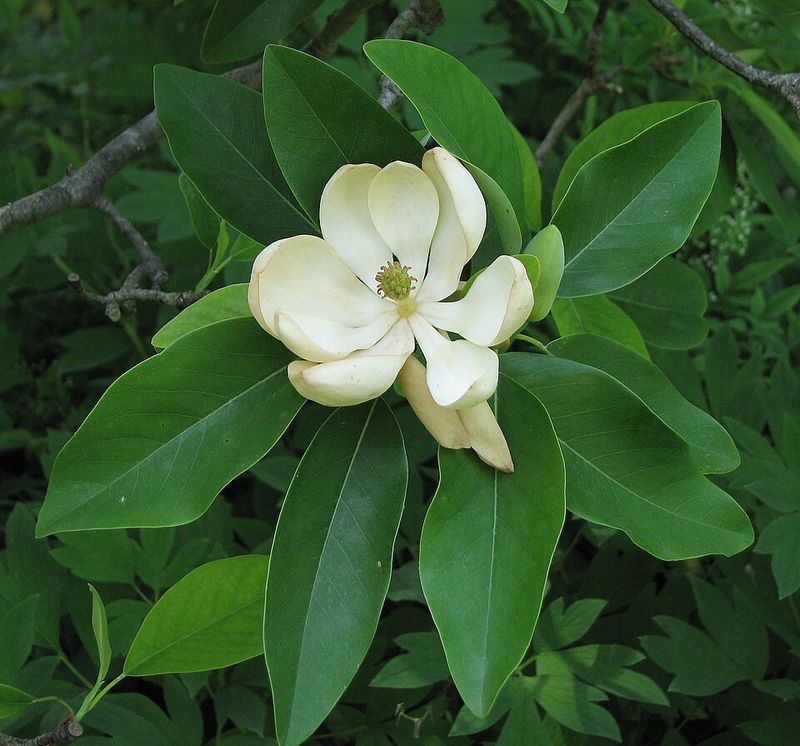
North Carolina spans multiple USDA Plant Hardiness Zones, ranging roughly from Zone 5b in the highest elevations of the western mountains to Zone 8b along the southeastern coast.
That range is wider than many people realize, and it has a direct impact on which magnolia varieties will thrive in your specific location versus which ones may struggle or fail to establish properly.
Southern Magnolia is reliably hardy through Zones 6 to 10, making it a strong performer across most of North Carolina except the coldest mountain areas.
Sweetbay Magnolia is more cold-tolerant and can handle Zone 5 conditions, which gives mountain gardeners in places like Boone or Asheville a viable option for enjoying magnolia beauty without risking winter dieback.
Deciduous varieties like Saucer Magnolia and Star Magnolia are generally cold-hardy through Zone 4 or 5, which means they can handle North Carolina winters without much concern.
However, their flower buds can still be damaged by late spring freezes, even if the tree itself survives.
Before purchasing any magnolia, look up your specific zip code on a hardiness zone map and cross-reference it with the variety’s recommended range.
Nurseries and garden centers in North Carolina typically stock varieties suited to local conditions, but it is always worth double-checking, especially if you live in a transitional zone or a frost pocket area.
5. Evaluate Sunlight And Soil Conditions Before Planting
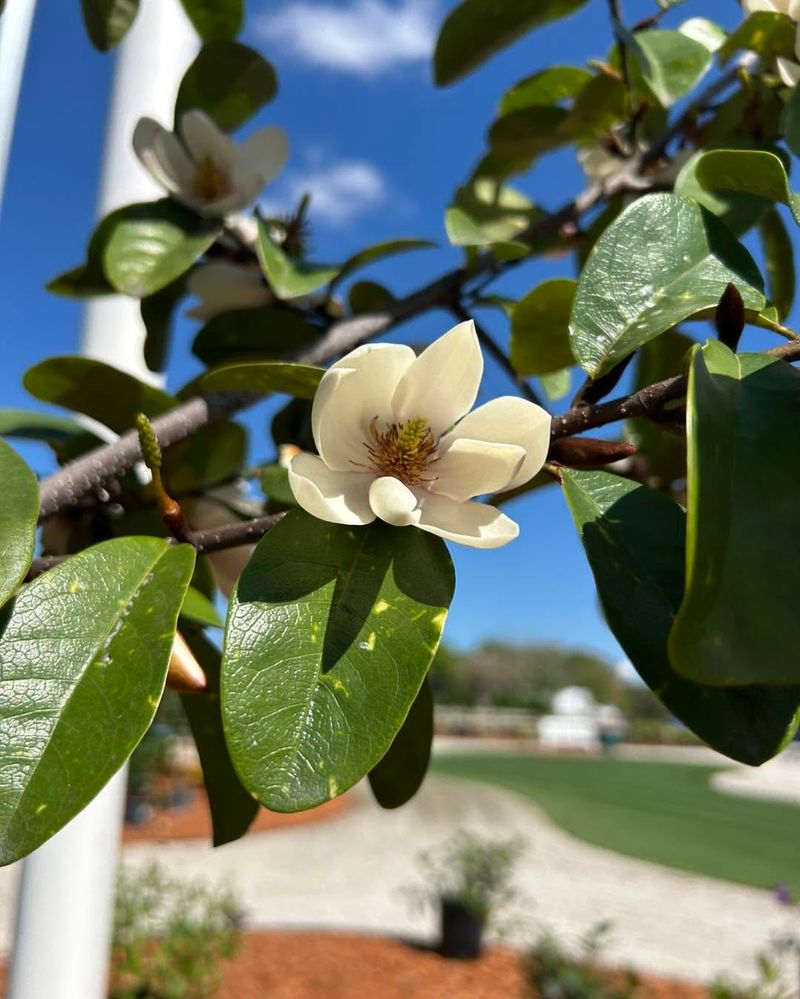
Sunlight and soil quality are two foundational factors that directly influence how well a magnolia grows, and both vary considerably across North Carolina properties.
Most magnolias perform best in full sun to partial shade, meaning they appreciate at least four to six hours of direct sunlight each day.
Southern Magnolia, in particular, tends to develop a fuller canopy and bloom more generously when it receives consistent sun exposure throughout the growing season.
Soil chemistry matters just as much as light. Magnolias generally prefer slightly acidic, well-drained soil with a pH somewhere between 5.0 and 6.5.
Fortunately, many parts of North Carolina naturally have acidic soils, especially in the Piedmont and mountain regions where clay and loam are common.
A simple soil test, available through local cooperative extension offices, can tell you your pH level and what amendments might help before you plant.
Poorly drained clay soils found in some North Carolina yards can be a challenge for most magnolias, though Sweetbay Magnolia is a notable exception due to its tolerance of moist conditions.
Incorporating organic matter like compost into your planting area can improve both drainage and fertility over time.
Avoid planting in low-lying spots where water tends to pool after heavy rain, as waterlogged roots are one of the more common reasons young magnolias decline in the first year or two after planting.
6. Look At Mature Height, Spread, And Growth Rate
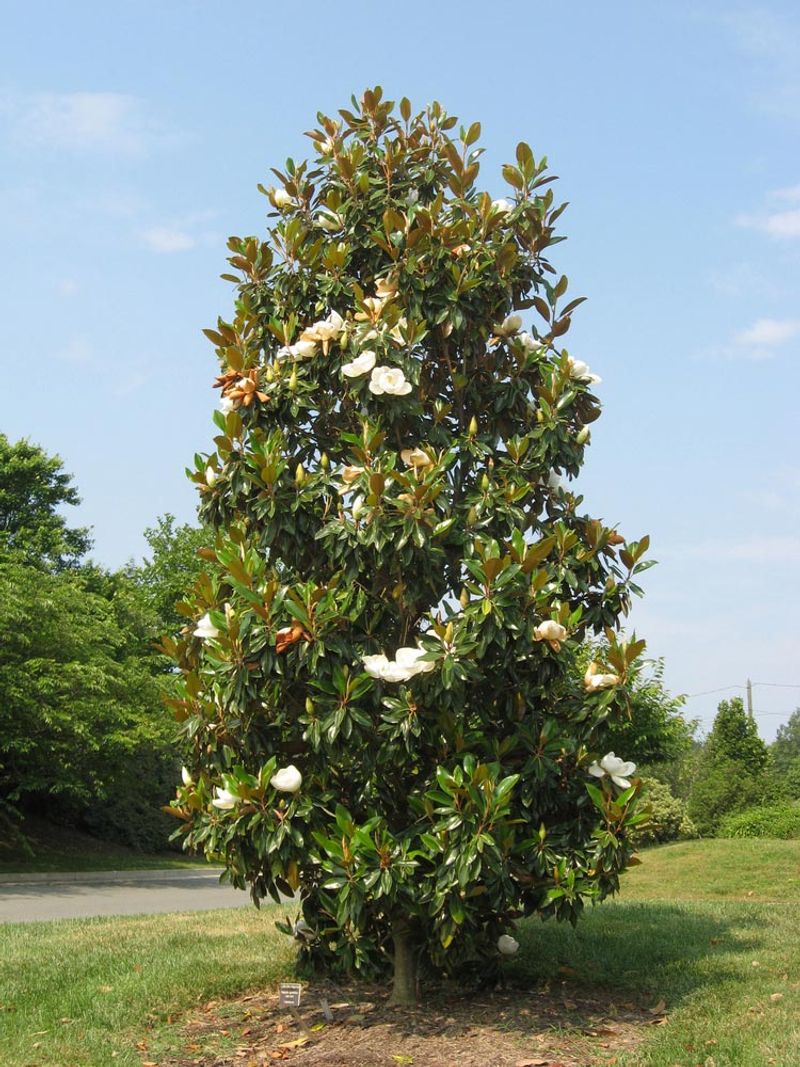
Growth rate and mature dimensions are details that belong on every gardener’s checklist before a magnolia goes into the ground.
Southern Magnolia grows at a moderate pace, typically adding one to two feet per year under good conditions, and it can eventually dominate a landscape if planted without enough clearance from buildings or neighboring trees.
At 60 to 80 feet tall, it is genuinely a large tree that commands significant space over time. For homeowners who want faster results, Tulip Magnolia and some hybrid varieties are known to establish and fill in relatively quickly compared to other ornamental trees.
On the more compact end, Little Girl hybrid magnolias like ‘Betty’ or ‘Ann’ stay under 15 feet and have a slow to moderate growth rate, which makes them manageable in smaller North Carolina gardens without much pruning intervention.
Spread matters as much as height when it comes to planning your layout. A tree with a 40-foot canopy spread needs to be positioned well away from fences, foundations, and utility lines to avoid future conflicts.
Checking the mature spread listed on the plant tag or in a reliable reference guide before buying helps prevent expensive corrections later.
Growth rate also affects how quickly you will see results, which is worth considering if you are planting for privacy screening or as a focal point in a newly landscaped North Carolina yard.
7. Select Varieties Known To Perform Well In North Carolina
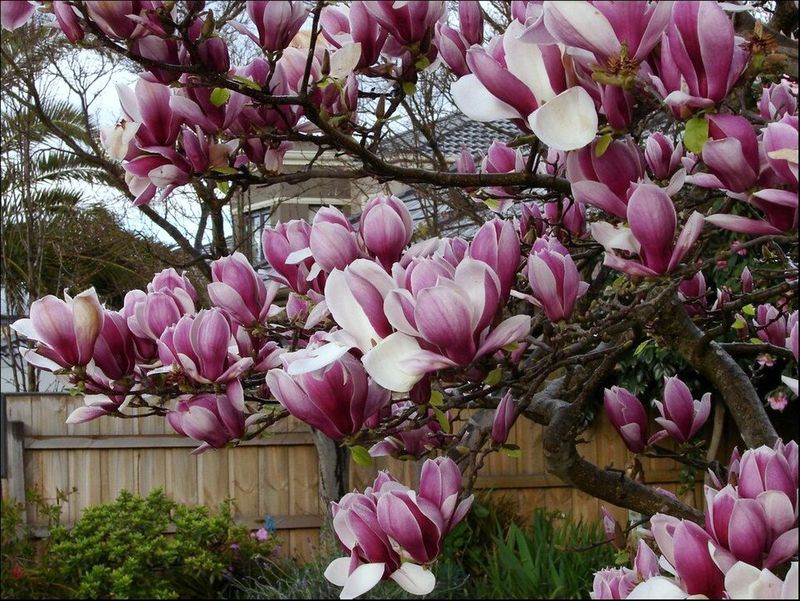
Regional performance matters a great deal when selecting ornamental trees, and magnolias are no exception.
Some varieties have a well-documented track record across North Carolina landscapes, making them lower-risk choices for gardeners who want reliable results without years of trial and error.
Southern Magnolia remains one of the most widely planted and consistently successful magnolia species across the Piedmont and coastal plain regions of the state.
Sweetbay Magnolia earns high marks for adaptability and is especially valued in wetter areas of eastern North Carolina where drainage can be limited.
Its creamy white, lemon-scented flowers appear in late spring and continue blooming sporadically through summer, which is a longer show than most other magnolias offer.
Saucer Magnolia is a crowd favorite across the state for its showy spring display, and named cultivars like ‘Alexandrina’ and ‘Rustica Rubra’ tend to perform consistently well in North Carolina conditions.
Star Magnolia works well in smaller gardens throughout the state and even tolerates some shade, making it versatile for yards with partial tree cover.
Cucumber Magnolia is a native option that thrives in well-drained, slightly acidic soils found in many North Carolina locations.
When shopping, look for varieties that local nurseries actively promote for your region, as experienced growers typically stock plants they know will succeed in the specific climate conditions North Carolina presents throughout the year.
8. Plan For Long-Term Care, Leaf Drop, And Maintenance
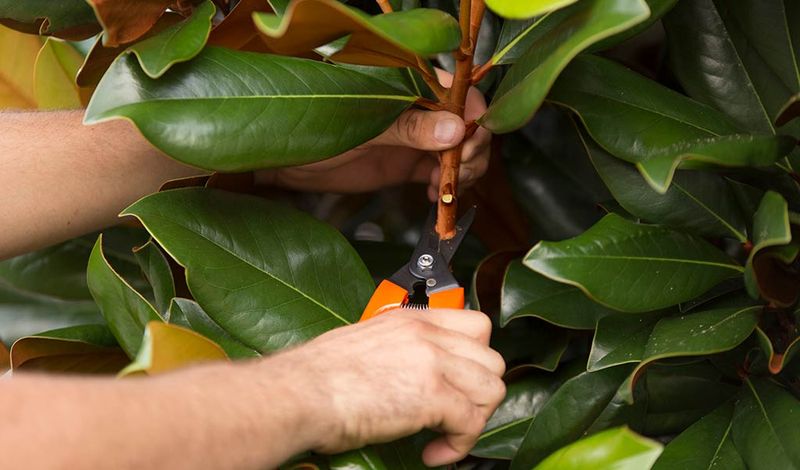
Owning a magnolia is a long-term commitment, and understanding the maintenance side of things before you plant helps set realistic expectations.
Southern Magnolia is perhaps the most misunderstood in this regard. Many new owners are surprised to discover that evergreen magnolias do drop their leaves, just not all at once in fall like deciduous trees.
Instead, Southern Magnolia sheds older leaves in late spring and early summer, creating a fairly continuous cleanup task during those months.
The large, leathery leaves break down slowly and can smother grass and smaller plants if left in thick piles.
Some gardeners choose to mulch heavily under the canopy to minimize lawn competition and make leaf cleanup less of a chore.
Keeping a thick ring of organic mulch around the base of the tree also helps retain moisture and moderate soil temperature, which benefits root development across North Carolina’s sometimes unpredictable seasonal transitions.
Pruning needs are generally minimal for magnolias if you select the right variety for your space from the beginning.
Removing dead or damaged branches in late winter or early spring is typically sufficient for most home landscapes.
Young trees may benefit from light shaping to encourage a strong structure, but heavy pruning can stress the tree and reduce blooming.
Watering consistently during the first two to three years after planting gives your magnolia the strong root foundation it needs to thrive in a North Carolina garden for decades ahead.