How To Choose Between Pine Straw And Mulch For A Healthier Georgia Garden
Choosing what to spread over garden beds is one of those decisions Georgia gardeners run into again and again. Pine straw and traditional mulch both show up in landscapes across the state, and at first glance they seem to do the same job.
They cover the soil, make beds look neat, and help plants handle the long growing season that Georgia gardens are known for.
Once you start looking a little closer, though, the differences between the two become more noticeable. Pine straw and mulch break down differently, hold moisture in different ways, and even change how weeds appear in a garden bed.
The choice can affect how often beds need refreshing and how well the soil stays protected through the warmer months.
For gardeners trying to keep plants healthy and landscapes looking clean and well cared for, understanding how these two popular options compare can make the decision much easier.
1. Pine Straw And Wood Mulch Work Differently In Garden Beds
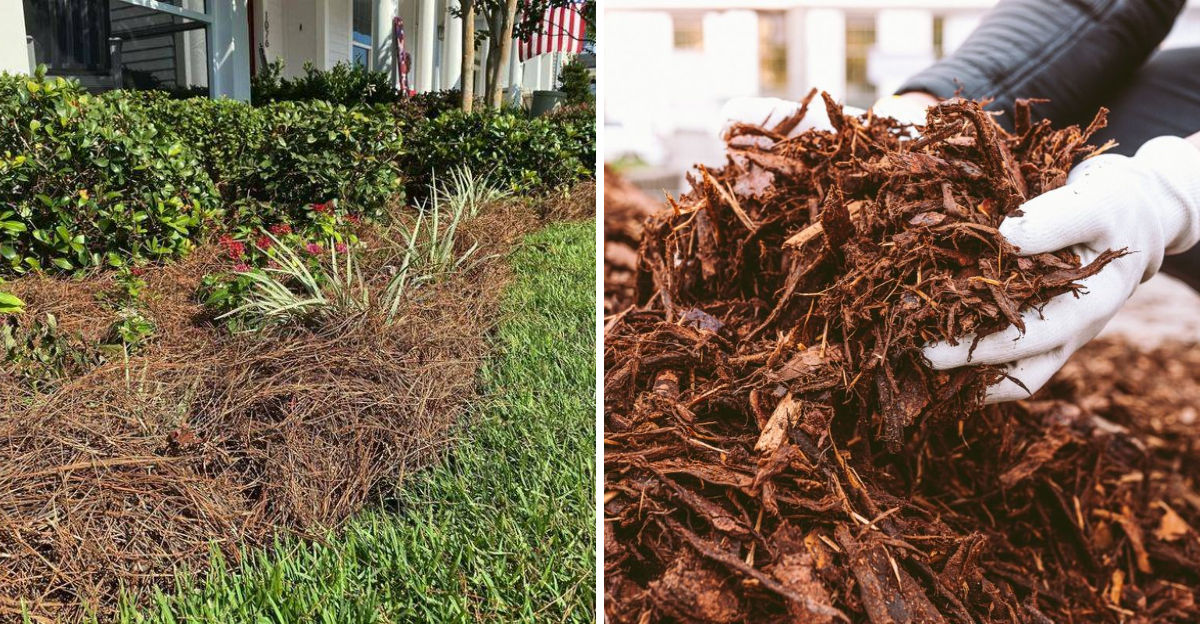
Not all ground cover does the same job, and that difference really shows up once you start paying attention to your beds. Pine straw is made up of long, thin needles that knit together naturally.
That interlocking structure creates a light, airy layer over your soil that lets air and water move through without much resistance.
Wood mulch behaves completely differently. It sits heavier on the soil surface, forming a denser layer that blocks more light and holds more weight.
In Georgia, where summer heat can be intense, that density can actually trap heat near the root zone on especially hot days.
Pine straw tends to stay in place better than you might expect. The needles link together and resist shifting, even in areas with foot traffic nearby.
Wood mulch, especially the finer-ground varieties, can scatter more easily when wind picks up or water runs across it.
Both materials do block weed growth when applied at the right depth. A three-inch layer of either one will cut down on the weeds you pull each week.
But the way each material sits on the soil affects how much sunlight reaches weed seeds trying to sprout below.
Knowing these basic differences is the first step toward making a smart choice. Your plants, your soil, and your local Georgia weather conditions all factor into which material will actually support healthy growth in your specific yard.
2. Soil Type In Georgia Often Influences The Better Choice
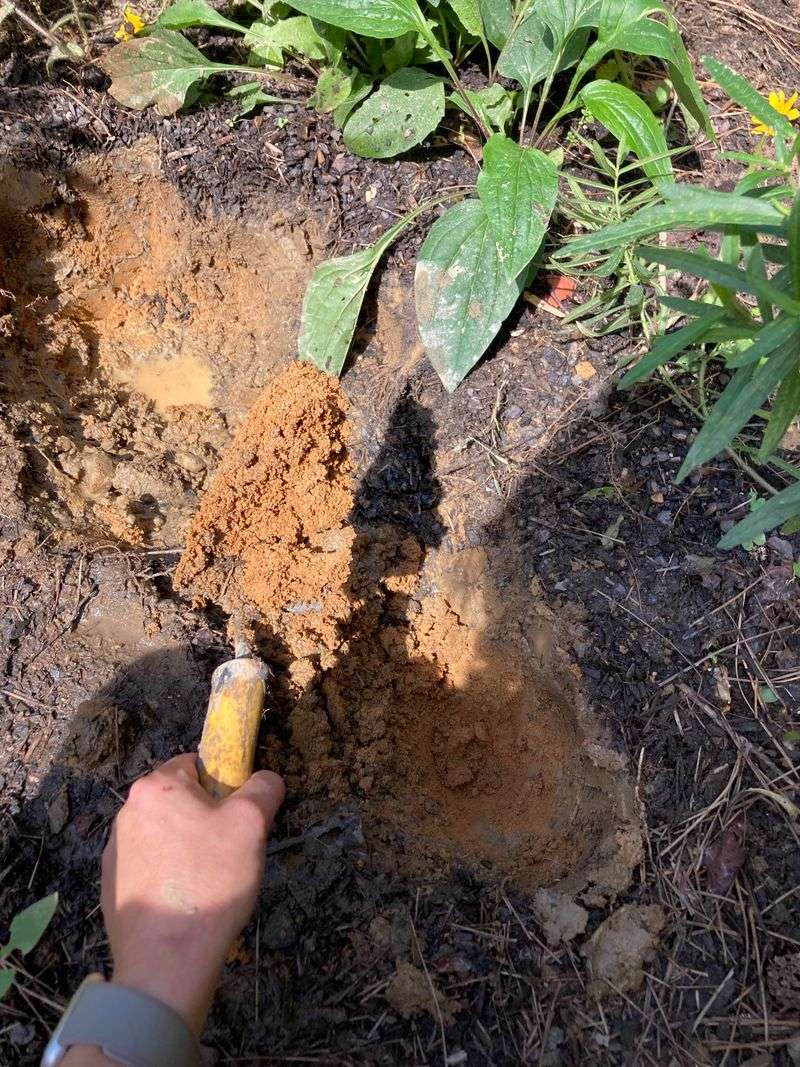
Georgia soil has a reputation, and if you have ever tried to dig a hole in the backyard during a dry stretch, you already know why. Red clay dominates much of the state, and it compacts easily, drains poorly, and gets rock-hard when it dries out.
Ground cover choices can either help or hurt that situation.
Pine straw works well over clay because it stays loose and does not press down hard on the soil beneath it. Water can filter through the needle layer and reach the soil without pooling on top.
That matters a lot in areas where standing water after rain is already a problem.
Wood mulch can compact over time, especially the finer-ground types. In areas of Georgia with heavy clay, a thick layer of compacted wood mulch can actually slow drainage further.
Chunky bark mulch does better than fine mulch in those spots since it holds its shape longer and keeps air pockets open.
Sandy soils found in parts of south Georgia behave differently. Water drains through sandy ground fast, sometimes too fast for plants to absorb what they need.
Wood mulch can help slow that drainage and keep more moisture near the roots.
Checking what kind of soil you are actually working with before buying bags or bales saves time and frustration. A simple jar test with water and soil can tell you a lot about your soil type and steer you toward the ground cover that will genuinely help your garden thrive.
3. Pine Straw Drains Quickly During Heavy Southern Rains
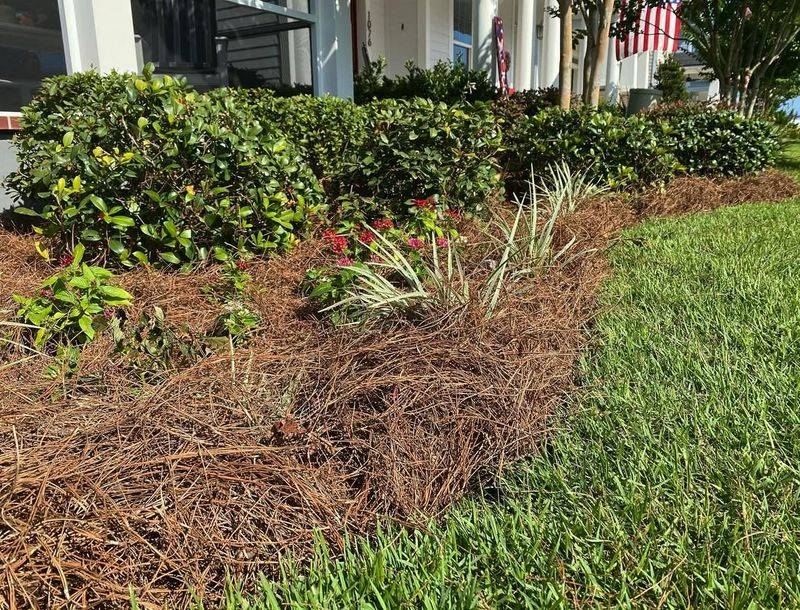
Summer storms in Georgia are no joke. A ten-minute downpour can drop an inch of rain or more, and your garden beds take the full force of that water.
What sits on top of your soil during those storms has a direct impact on whether roots stay healthy or start struggling.
Pine straw handles heavy rain better than most people expect. Water moves through the needle layer quickly rather than pooling on the surface.
That fast drainage keeps roots from sitting in water for extended periods, which is exactly what you want during Georgia’s wet summer months.
Very fine wood mulches can compact slightly after repeated rain and drying cycles, which may slow water absorption.
You might notice water beading on older wood mulch beds during storms instead of soaking in, which defeats the whole purpose of having ground cover.
On sloped areas, pine straw also tends to stay put better during hard rains. The interlocked needles grip each other and resist washing downhill.
Wood mulch, especially lighter grades, can float and shift when water moves across it quickly during a storm.
If your yard gets hit hard by afternoon thunderstorms regularly, which is common across central and north Georgia from May through September, drainage performance becomes a practical priority.
Pine straw gives water a clear path to the soil without creating barriers or runoff problems that lead to erosion along bed edges.
4. Wood Mulch Breaks Down And Enriches Garden Soil Over Time
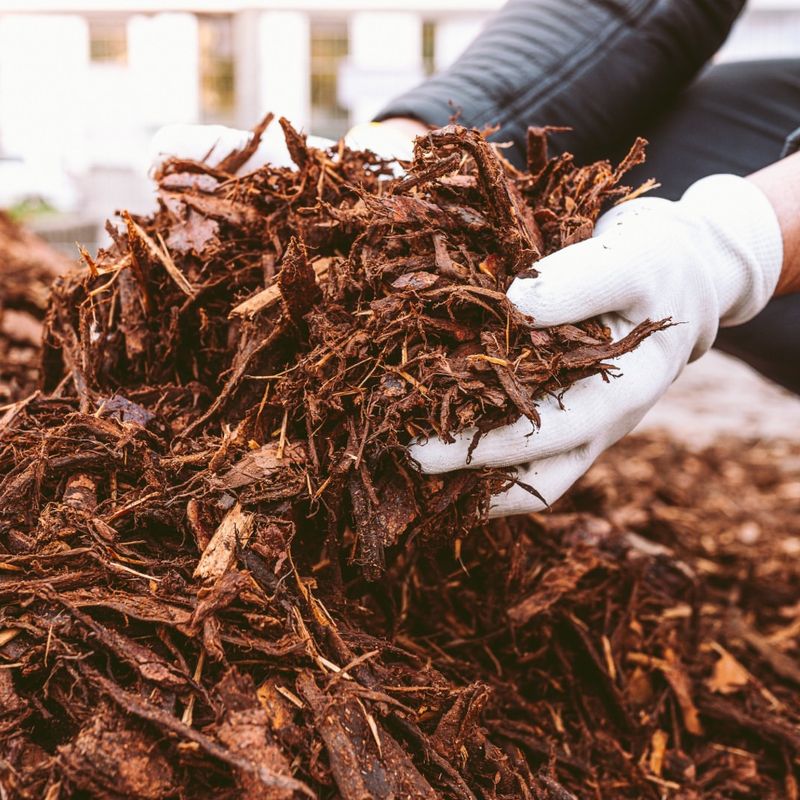
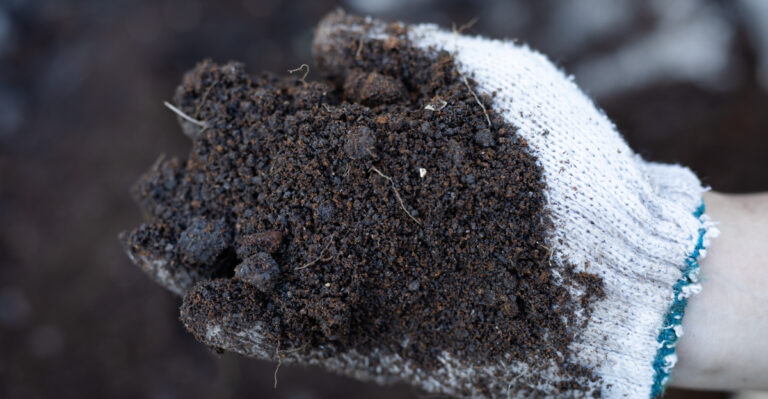
Organic wood material decomposes into a rich, dark matter that blends into the top layer of soil and boosts its structure over time. For gardens in Georgia with tired or thin soil, that slow decomposition is genuinely useful.
Earthworms love decomposing wood mulch. As the material softens and breaks apart, worm activity increases underneath it.
More worms mean better aeration, improved nutrient cycling, and looser soil that roots can move through more freely.
Pine straw does decompose eventually, but it breaks down much more slowly and contributes less organic matter to the soil profile.
It adds a slight acidity as it decomposes, which benefits certain plants, but it does not build soil structure the same way wood mulch does over a full growing season.
For vegetable gardens or flower beds where you want the soil to improve year after year, wood mulch earns its place.
Each season, as you till or turn the top layer, that decomposed mulch material mixes in and improves the overall quality of what your plants are growing in.
Across Georgia, where heavy rains and heat can strip organic matter from soil fast, adding it back through decomposing mulch is a smart long-term move.
You are not just covering the ground, you are actively building a better growing environment with every layer you put down each year.
5. Slope And Erosion Can Affect Which Material Performs Better
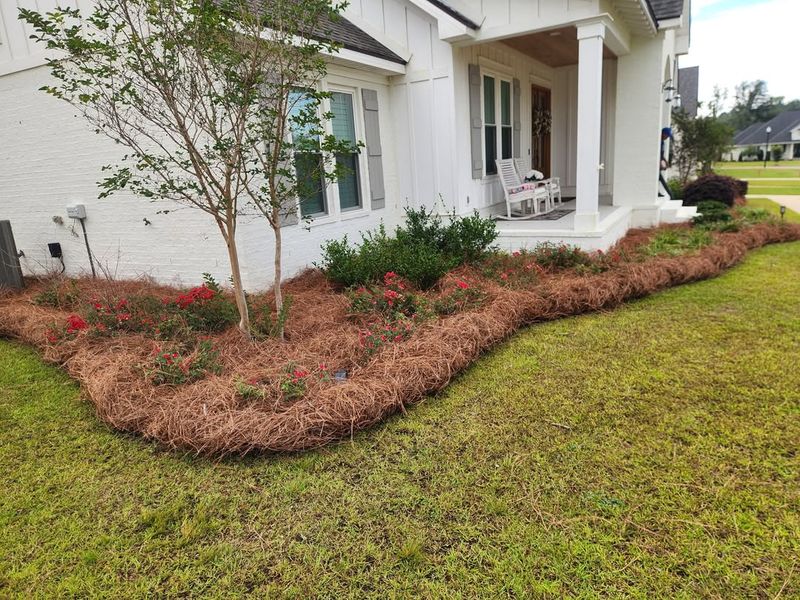
Slopes are a challenge in a lot of Georgia yards, especially in the piedmont region where rolling terrain and red clay combine to create serious erosion problems. Rain hits a slope hard, picks up speed, and takes topsoil with it if nothing holds that soil in place.
Ground cover selection matters a great deal here.
Pine straw performs surprisingly well on slopes. Those interlocked needles grip the ground and each other, creating a mat that does not slide easily.
Even on moderately steep inclines, a fresh layer of pine straw holds its position through multiple rainstorms without washing to the bottom of the hill.
Wood mulch on a slope is a different story. Lighter mulch materials float and shift when water moves across them.
After a strong Georgia thunderstorm, you might find your mulch piled up at the bottom of the slope or washed into the lawn. Heavier bark chunks stay better, but they still shift more than pine straw does.
Some gardeners use landscape fabric under wood mulch on slopes to help hold it in place. That adds cost and labor, and it also blocks some of the soil-building benefits that come from natural decomposition.
Pine straw does not require that extra step on most slopes.
If erosion control is a real concern in your yard, pine straw is the more practical choice for sloped areas. It stays where you put it, protects the soil underneath, and saves you from having to re-apply after every big storm that rolls through your neighborhood.
6. Plant Type Often Determines The Best Ground Cover
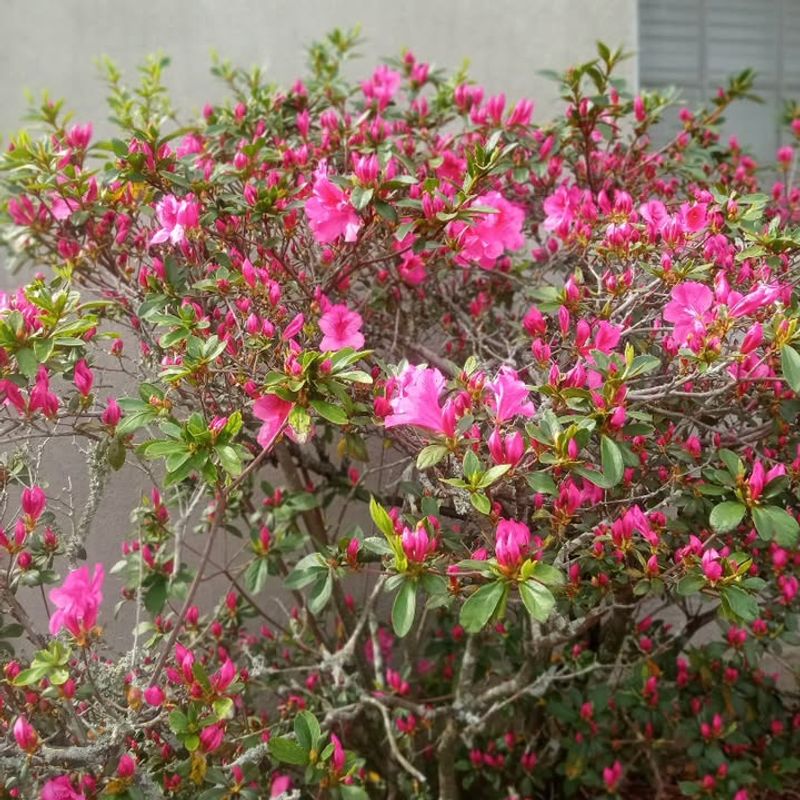
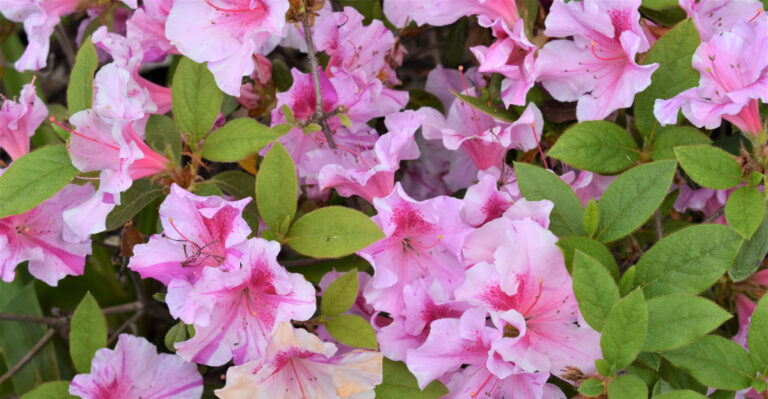
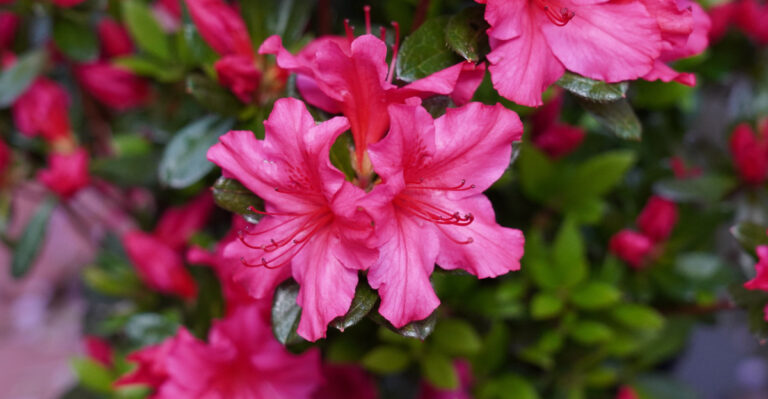
Azaleas are practically the unofficial flower of Georgia, and they have strong opinions about soil chemistry. Acid-loving plants like azaleas, camellias, gardenias, and blueberries all prefer a lower soil pH, and pine straw delivers exactly that as it slowly breaks down.
Planting these shrubs under a layer of pine straw is a natural pairing that works season after season.
Wood mulch sits closer to neutral on the pH scale, which makes it a better fit for plants that do not have strong acidity preferences.
Roses, ornamental grasses, most annuals, and a wide range of vegetables do fine with wood mulch and benefit from the organic matter it adds to the soil over time.
Vegetable gardens in particular tend to do well with wood mulch in the pathways between rows. It keeps feet clean, suppresses weeds between plantings, and breaks down into the soil over the growing season.
Pine straw in a veggie bed is less common and not always the best fit depending on what you are growing.
Native trees and woodland plants common in Georgia, like dogwoods, oakleaf hydrangeas, and wild ferns, often grow naturally in leaf litter environments.
Pine straw mimics that natural forest floor and tends to support those plants well without changing the soil chemistry too dramatically.
Matching your ground cover to your specific plants rather than just picking whatever is cheapest or most available at the garden center will save you from having to troubleshoot problems later in the growing season.
7. Maintenance And Replacement Needs Vary Between The Two
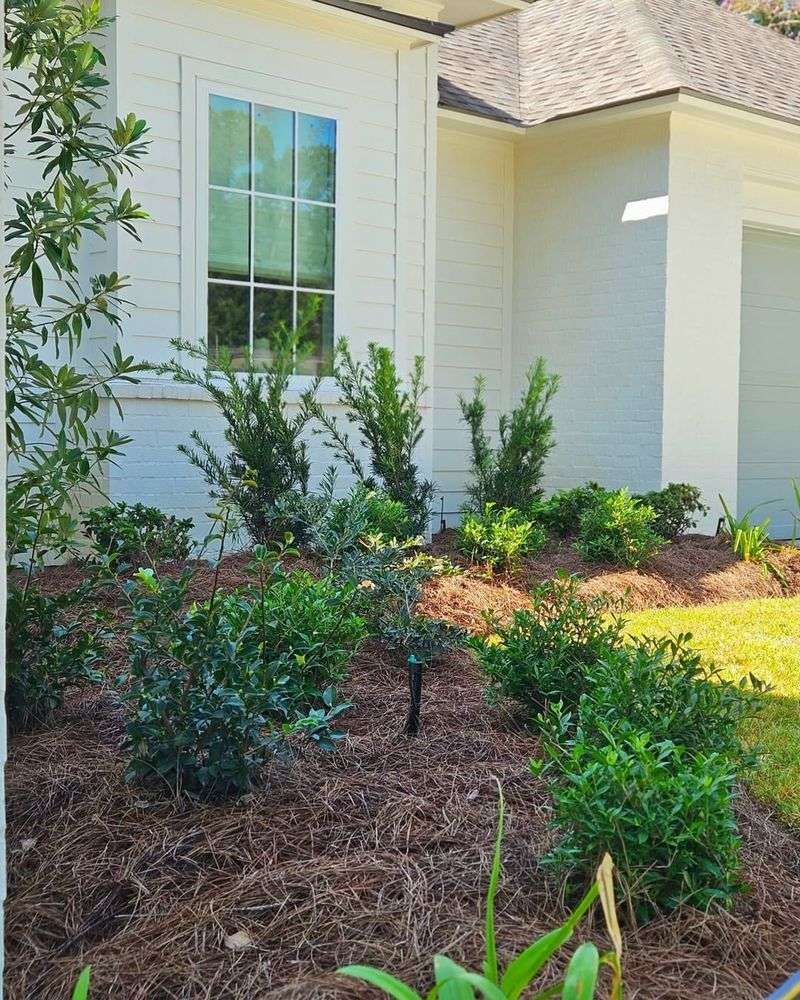
Upkeep is where a lot of Georgia gardeners make their final call between pine straw and wood mulch. Both require some maintenance, but the schedule and effort involved are pretty different.
Knowing what you are signing up for before you spread the first layer saves a lot of frustration down the road.
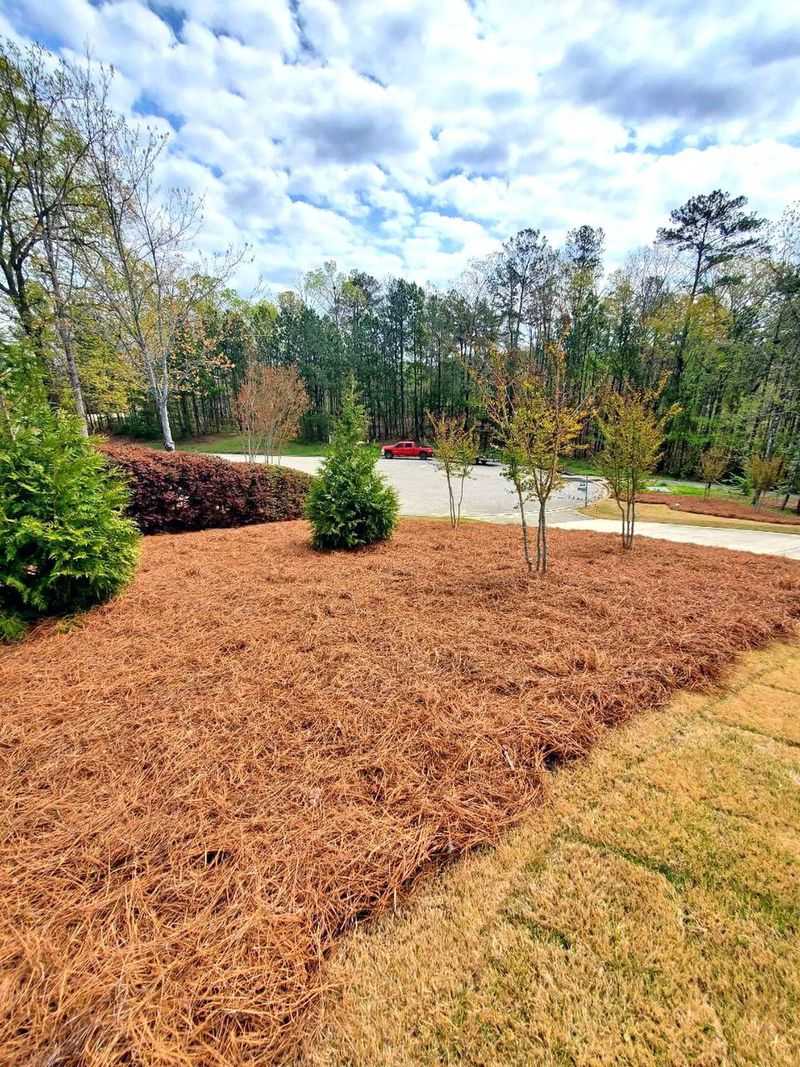
Pine straw typically lasts six to twelve months before it needs refreshing. Adding a new layer is straightforward since you do not have to remove the old one first.
The fresh needles go right on top, and the older layer underneath continues to break down slowly and add mild acidity to the soil.
Wood mulch breaks down faster in Georgia’s heat and humidity. Depending on the type you use, it may need to be replaced or topped off every six months.
Finer-ground mulch decomposes quicker than chunky bark, so the type you buy affects how often you will need to restock.
Color fade is another factor with wood mulch. Many dyed wood mulches look sharp and fresh when first applied, but the color washes out within a season or two.
Pine straw keeps its warm reddish-brown tone longer and blends naturally into the landscape without looking washed out.
For homeowners managing large beds across a Georgia property, the cost and labor of regular replacement adds up.
Pine straw bales are generally less expensive per square foot and lighter to carry, making seasonal refresh jobs faster and easier on the body than hauling heavy bags of wood mulch across the yard.