How To Choose Deciduous Or Coniferous Trees In North Carolina
Choosing trees in North Carolina feels like a fork in the road, with deciduous and coniferous options each offering their own promise.
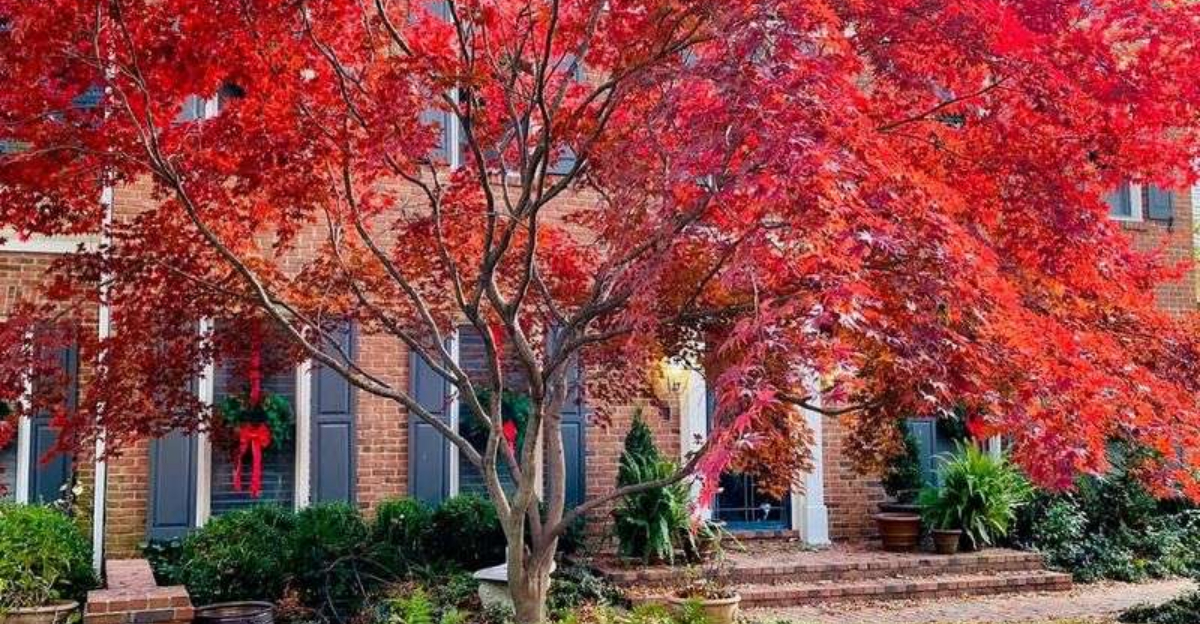
One side delivers blazing fall color, summer shade, and winter light.
The other brings steady green, wind protection, and year-round structure.
Climate swings, soil quirks, and yard goals all weigh in on the decision, and a wrong pick can haunt a landscape for decades.
This choice shapes curb appeal, energy bills, wildlife visits, and maintenance demands.
From mountain slopes to coastal plains, the right tree plays nice with its surroundings and earns its space.
Think long term, read the land, and match function with beauty.
A smart decision now saves headaches later and turns a yard into something that feels settled, balanced, and built to last.
Consider Your Local Climate Zone
North Carolina spans three distinct USDA hardiness zones, ranging from zone 6 in the mountains to zone 8 along the coast.
Each zone experiences different minimum winter temperatures that directly impact which trees can survive in your yard.
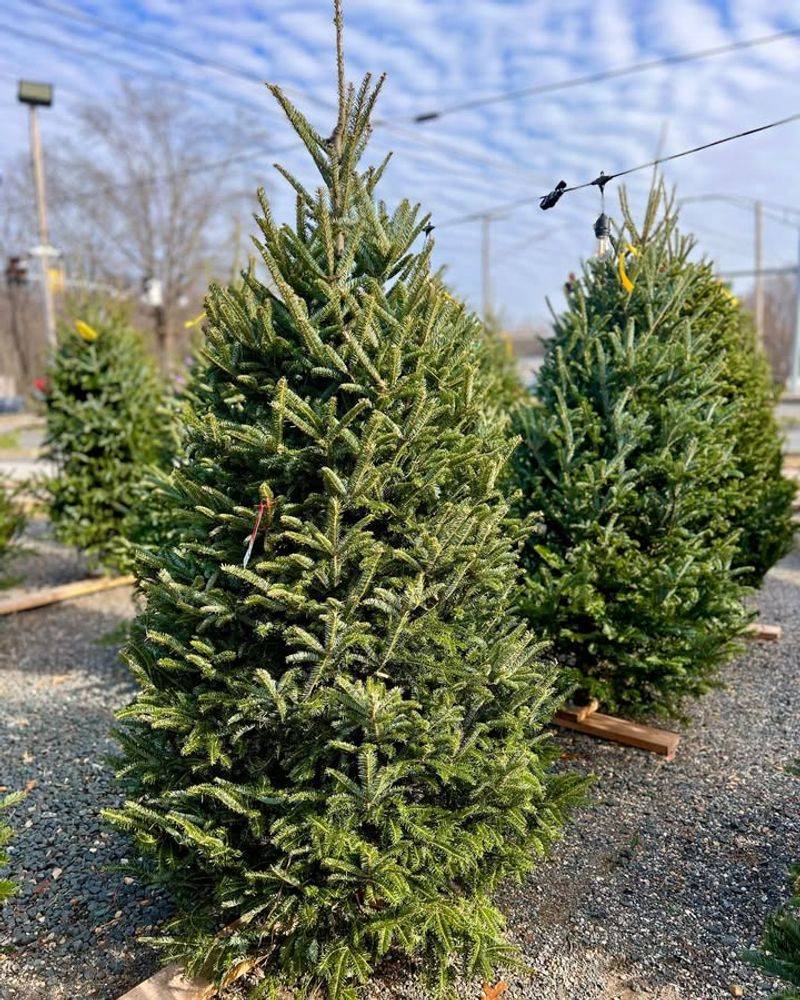
Mountain regions with colder winters naturally favor hardy conifers like Fraser firs and spruces, while the milder coastal areas support a broader range of both deciduous and evergreen species.
Your specific zone determines not just survival but also how well trees will flourish and reach their full potential.
Deciduous trees like red maples and dogwoods adapt well across most North Carolina zones, offering stunning fall color displays.
Coniferous options such as Eastern red cedars and loblolly pines provide year-round greenery and wind protection in nearly all regions.
Check your property’s exact hardiness zone before making any purchasing decisions to avoid disappointment.
Local nurseries and county extension offices can provide detailed zone information specific to your neighborhood.
Temperature extremes, both hot summers and cold winters, play crucial roles in tree health and longevity.
Matching your tree choice to your zone ensures better growth rates, fewer pest problems, and reduced maintenance needs over time.
Evaluate Your Soil Type And Drainage
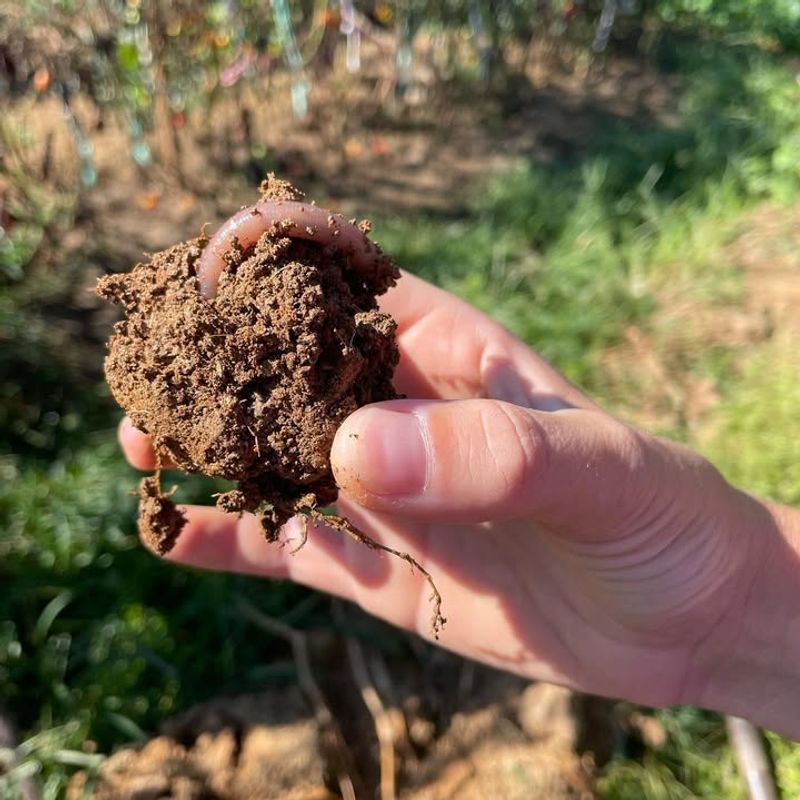
Soil composition varies dramatically across North Carolina, from heavy clay in the Piedmont to sandy loam near the coast.
Understanding your soil’s texture, pH level, and drainage capacity helps narrow down which trees will thrive without constant intervention.
Clay soils retain moisture longer, which benefits deciduous trees like sweetgums and sycamores that appreciate consistent water availability.
Sandy soils drain quickly and work better for drought-tolerant conifers such as longleaf pines and junipers.
Poor drainage creates waterlogged conditions that suffocate roots and invite fungal problems, particularly harmful to many coniferous species.
Conducting a simple percolation test involves digging a hole, filling it with water, and observing how quickly it drains.
If water sits for more than six hours, you have drainage issues that require amendment or careful tree selection.
Native deciduous trees like river birches and bald cypresses actually prefer wet conditions and can handle occasional flooding.
Testing soil pH reveals whether your ground is acidic, neutral, or alkaline, which affects nutrient availability.
Most North Carolina soils lean acidic, favoring acid-loving species like dogwoods, hollies, and most pine varieties for optimal growth and vibrant foliage.
Assess Available Sunlight Throughout the Day
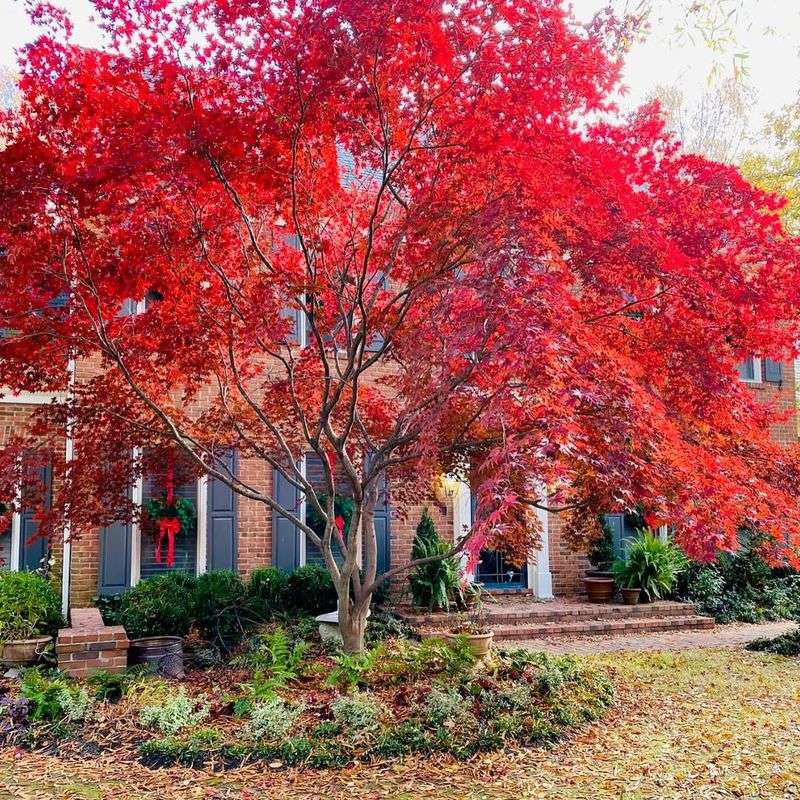
Every tree species has specific light requirements that range from full sun to complete shade tolerance.
Observing your planting site at different times throughout the day reveals how many hours of direct sunlight it receives.
Full sun means six or more hours of direct light, perfect for sun-loving conifers like loblolly pines and deciduous oaks that demand bright conditions.
Partial shade areas receive three to six hours of sunlight and accommodate versatile species such as Eastern hemlocks and red maples.
Dense shade under existing tree canopies limits your options to truly shade-tolerant varieties like American hollies and flowering dogwoods.
Buildings, fences, and other structures create shade patterns that change with seasons as the sun’s angle shifts.
Winter sun reaches different areas than summer sun, so year-round observation provides the most accurate picture.
Deciduous trees planted on the south side of homes provide cooling summer shade while allowing warming winter sunlight after leaf drop.
Coniferous evergreens offer consistent shade and privacy screening regardless of season, making them ideal for year-round windbreaks.
Matching light requirements to your site prevents stunted growth, sparse foliage, and increased vulnerability to pests and diseases over the tree’s lifetime.
Determine Your Landscape Purpose And Goals
Defining why you want trees helps eliminate unsuitable options and focuses your selection on species that fulfill specific needs.
Shade provision for cooling your home and outdoor spaces often requires large deciduous trees with broad canopies like oaks, hickories, or tulip poplars.
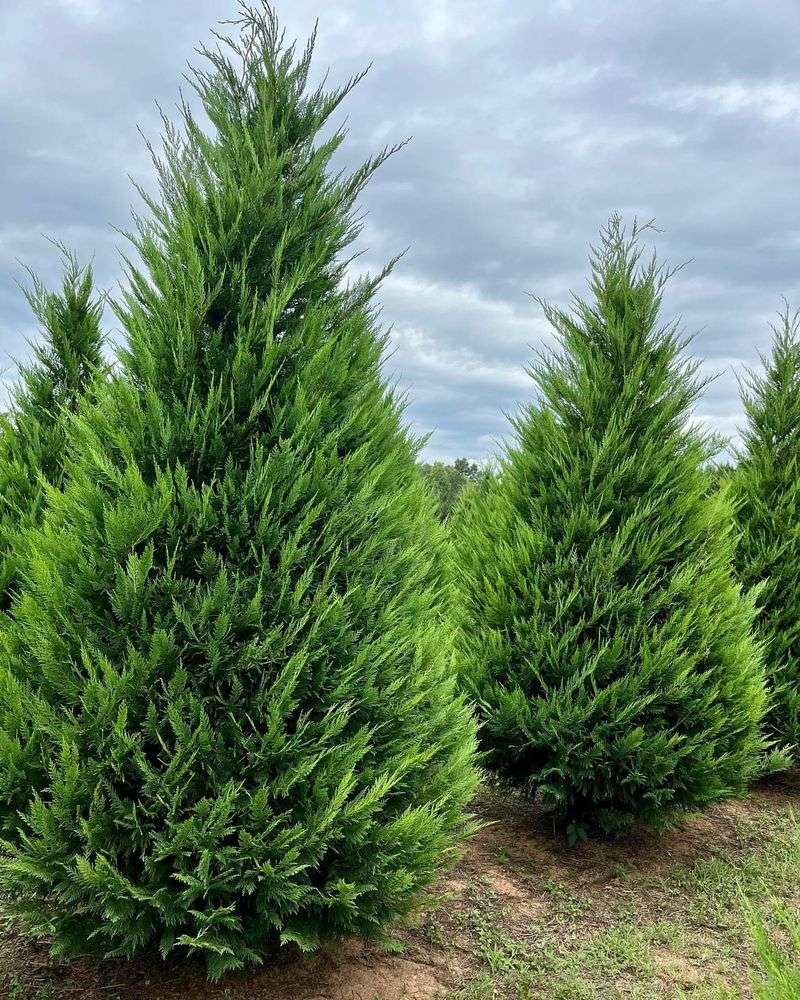
Privacy screening works best with dense coniferous evergreens such as Leyland cypresses or arborvitae that create year-round visual barriers.
Ornamental interest might prioritize deciduous trees offering spring flowers, brilliant fall colors, or attractive bark textures throughout winter months.
Windbreaks protecting your property from harsh winds typically employ sturdy conifers planted in rows or clusters.
Wildlife habitat goals favor native species that provide food sources and nesting sites for birds, butterflies, and beneficial insects.
Property value enhancement often combines multiple tree types to create layered, visually appealing landscapes with year-round interest.
Fruit or nut production requires specific deciduous varieties like pecans, walnuts, or fruit-bearing trees suited to North Carolina’s growing season.
Low-maintenance landscapes benefit from native trees already adapted to local conditions, requiring minimal watering, fertilizing, or pest management.
Clearly identifying your primary purpose streamlines the selection process and ensures your investment delivers the desired results for decades to come.
Calculate Mature Size and Available Space
Trees continue growing for decades, eventually reaching dimensions far larger than the young saplings you plant today.
Underestimating mature size leads to overcrowding, foundation damage, utility line interference, and costly removal down the road.
Large deciduous trees like willow oaks can reach 80 feet tall with 60-foot spreads, requiring substantial open space.
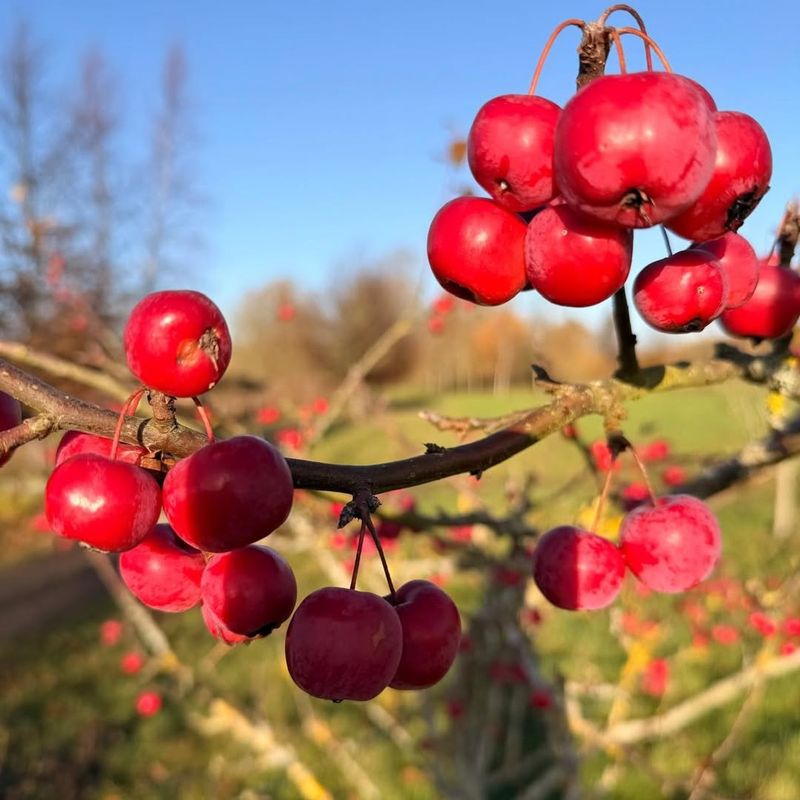
Medium-sized options such as redbuds or crabapples grow 20-30 feet tall, fitting comfortably in smaller yards without overwhelming the landscape.
Coniferous trees vary from compact dwarf varieties perfect for foundation plantings to towering loblolly pines exceeding 100 feet at maturity.
Measure the distance from your planting site to structures, power lines, septic systems, and property boundaries before committing to any species.
Root systems often extend beyond the visible canopy, potentially damaging sidewalks, driveways, and underground utilities if planted too close.
Vertical clearance matters too, especially under power lines where utility companies may severely prune or remove trees that interfere with infrastructure.
Native deciduous trees typically develop deep taproots that anchor them firmly, while many conifers spread shallow lateral roots across wide areas.
Consulting mature size information from reputable sources ensures your tree selection fits your space perfectly without future regrets or expensive corrections.
Research Native Versus Non-Native Species
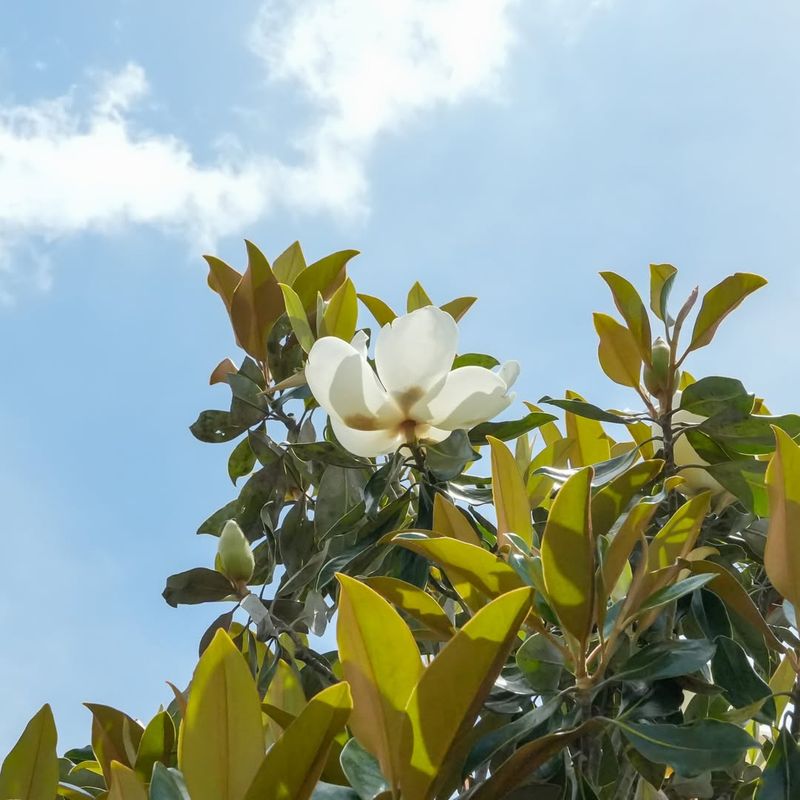
Native trees evolved alongside North Carolina’s climate, soils, and wildlife, making them naturally resilient and ecologically valuable.
Species like longleaf pines, flowering dogwoods, and Southern magnolias require less maintenance because they’re already perfectly adapted to local conditions.
Native deciduous trees support significantly more native insects, which in turn feed birds and other wildlife essential to healthy ecosystems.
Non-native ornamental varieties often offer unique colors, forms, or flowers not found in indigenous species, adding exotic appeal to landscapes.
However, some non-natives become invasive, spreading aggressively and outcompeting beneficial native plants throughout natural areas.
Bradford pears and mimosa trees, once popular ornamentals, now create serious ecological problems across the state.
Researching a tree’s origin and behavior helps avoid introducing problematic species that require excessive control measures or cause environmental harm.
Native conifers like Eastern red cedars and Virginia pines provide excellent alternatives to non-native evergreens while supporting local biodiversity.
Many native deciduous trees offer stunning seasonal displays rivaling any exotic import, from sourwood’s fall brilliance to tulip poplar’s spring blooms.
Prioritizing natives creates sustainable landscapes that benefit wildlife, conserve water, resist pests naturally, and preserve North Carolina’s unique botanical heritage for future generations.
Plan For Seasonal Maintenance And Cleanup Needs
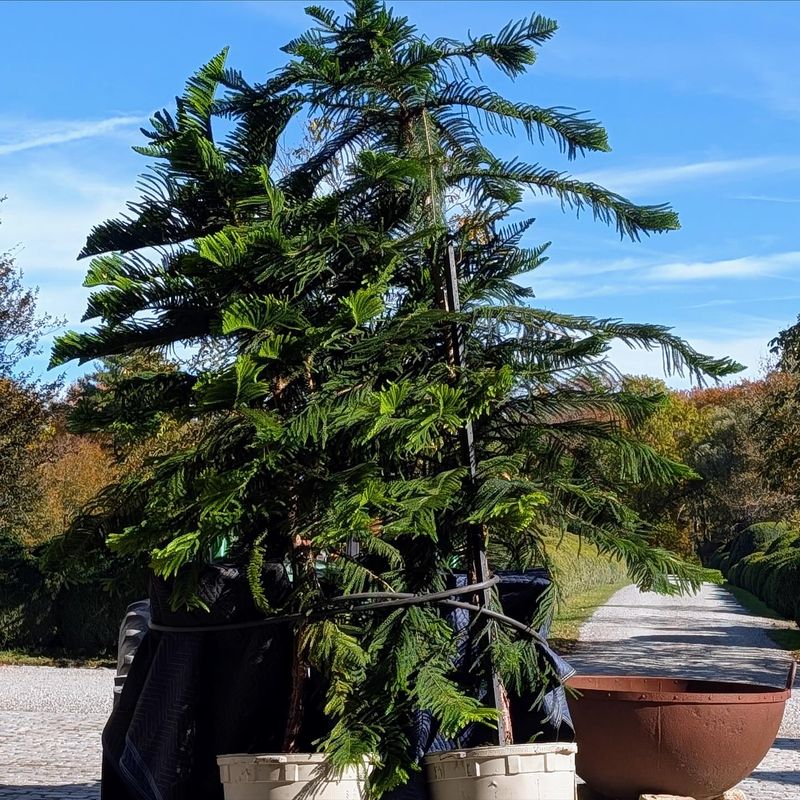
Different tree types demand varying levels of ongoing care that impact your time commitment and landscape appearance throughout the year.
Deciduous trees drop all their leaves each autumn, creating significant raking and disposal work that some homeowners find burdensome.
Large-leafed species like sycamores and tulip poplars produce massive volumes of foliage requiring multiple cleanup sessions before winter arrives.
Coniferous evergreens shed needles gradually year-round in smaller quantities, resulting in less noticeable but constant minor debris accumulation.
Some deciduous trees also drop flowers, seeds, fruits, or nuts that create additional mess on lawns, patios, and driveways.
Sweetgums produce spiky seed balls, while mulberries drop staining fruits that complicate cleanup near walkways and vehicles.
Pine trees release pollen in spring and cones throughout the year, though typically in manageable amounts that don’t overwhelm most homeowners.
Storm damage varies by species, with brittle-wooded deciduous trees like Bradford pears prone to breakage, while flexible conifers often withstand high winds better.
Pruning requirements differ too, as deciduous trees benefit from winter dormant pruning, while most conifers need minimal shaping except for formal hedges.
Honestly assessing your willingness and ability to handle seasonal maintenance helps match tree selection to your lifestyle, preventing frustration and ensuring long-term satisfaction with your landscape choices.