How To Choose Healthy Plants At Oregon Garden Centers

Walking through an Oregon garden center can feel like a weekend tradition, especially when everything starts filling in with fresh greenery.
Rows of plants look full and vibrant, and it is easy to assume they are all ready to thrive once you get them home. That is not always the case.
Some plants have already been stressed before they even hit the sales floor. They might look fine at a glance, but closer inspection can reveal weak roots, crowded containers, or early signs of trouble that are easy to overlook in a busy setting.
Taking a few extra minutes to check the right details can save you from bringing home plants that struggle from the start.
Knowing what to look for turns a casual shopping trip into something much more rewarding and helps you walk away with plants that actually last.
1. Check Roots For Firm, White Growth
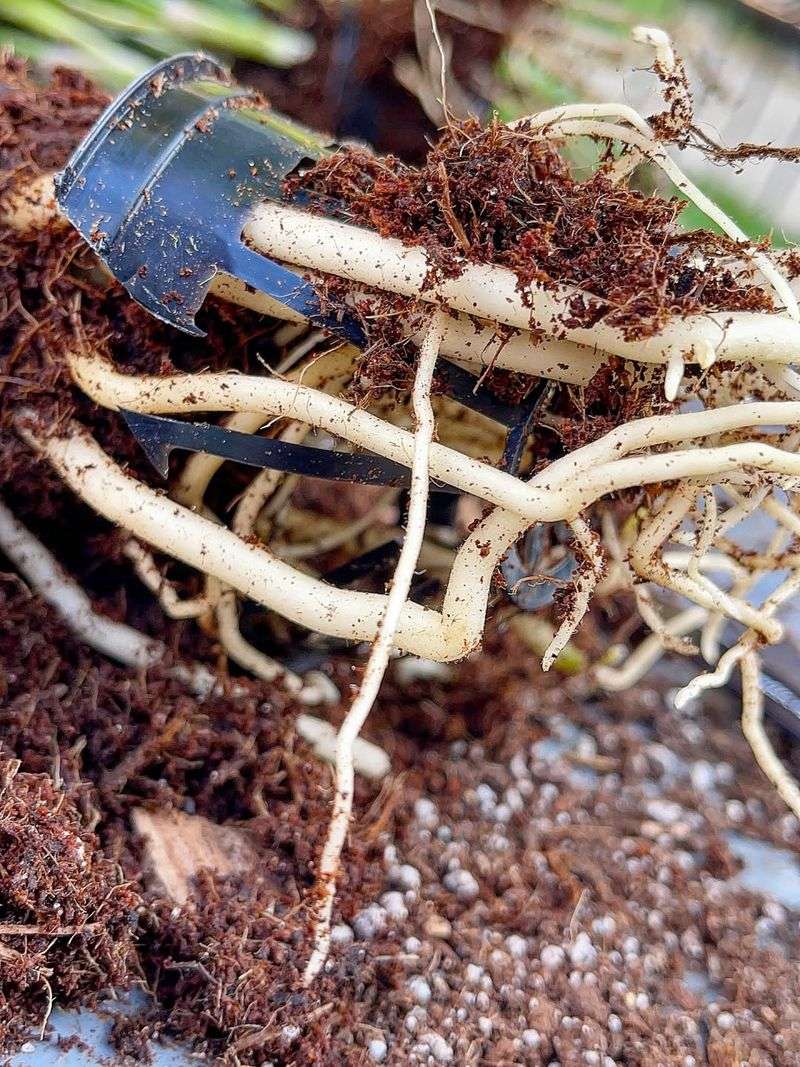
Roots are the foundation of any plant, and checking them before you buy is one of the smartest moves you can make at any Oregon garden center. Most shoppers never look past the leaves, but the roots tell the real story about a plant’s health.
Healthy roots should be white or light tan, feel firm to the touch, and spread evenly throughout the soil. When you see bright, white roots threading through the potting mix, that’s a sign the plant has been well cared for and is actively growing.
Dark brown or black roots that feel soft or slimy can be a warning sign of root problems you should not ignore.
To check, gently tip the pot to one side and see if the plant slides out easily. If it does, peek at the bottom and sides of the root ball.
You want roots that fill the container but aren’t packed into a tight, suffocating mass. A plant with healthy white roots is already well on its way to establishing itself in your Oregon garden.
Even if the top growth looks a little plain, strong roots mean the plant has the energy it needs to push out new leaves, stems, and flowers once it’s planted in the ground.
2. Avoid Plants Sitting In Waterlogged Soil
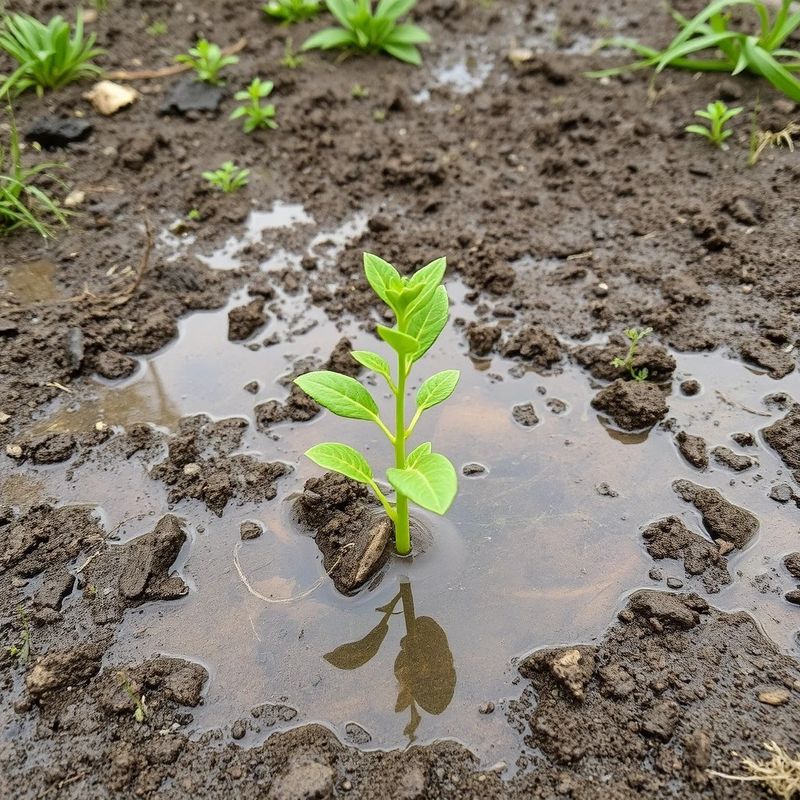
Oregon is famous for its rainy winters, and many garden centers keep their plants outdoors where pots can collect water fast. A plant sitting in soggy, waterlogged soil is already fighting an uphill battle before it even reaches your yard.
Too much standing water can limit oxygen available to roots, which may weaken the plant over time. You might notice yellowing leaves, a sour smell coming from the soil, or stems that look limp even though the pot is heavy with moisture.
These are all signs that the plant has been sitting in wet conditions for too long.
When shopping at any Oregon garden center, pick up the pot and feel its weight. A healthy pot should feel moist but not soaking.
Tilt it and check the drainage holes at the bottom. If water pours out freely, that’s fine.
If the soil looks dark, compacted, and smells musty, put the pot back and keep looking. Good garden centers in cities like Medford or Corvallis rotate their stock and make sure containers drain properly.
Choosing a plant grown in well-draining soil gives you a head start, because the roots arrive at your home already accustomed to healthy moisture levels rather than struggling to recover from sitting in a waterlogged environment.
3. Look For Even, Balanced Growth
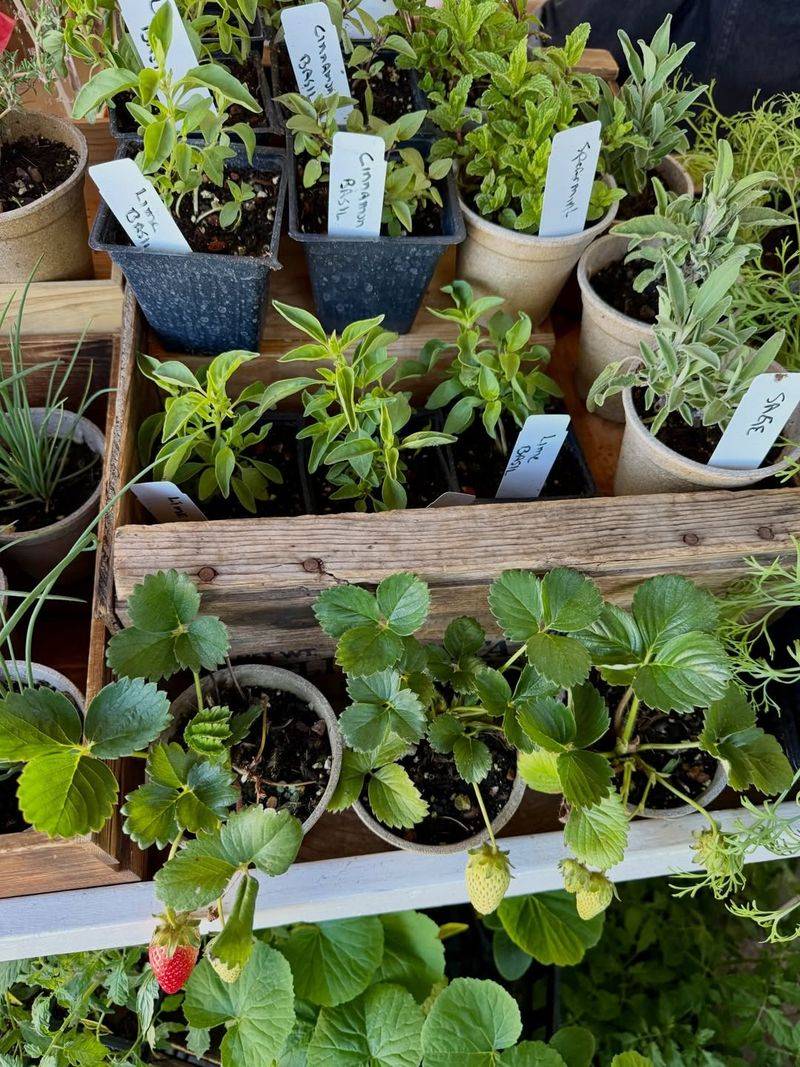
Picture two plants side by side at your local Oregon garden center. One is full, bushy, and compact.
The other is tall, thin, and leaning to one side like it’s trying to escape the pot. Every time, the full, balanced one is the better pick.
Even growth is a sign that a plant has received consistent light, water, and nutrients. Plants that stretch upward with long gaps between leaves, a condition called etiolation, are telling you they haven’t had enough sunlight.
While they might survive, they’ll need extra time to adjust and fill out once they’re in your garden.
A well-balanced plant has multiple stems branching from a central point, leaves spaced close together, and a sturdy base that holds the plant upright without support. Run your fingers lightly along the stems.
They should feel firm and springy, not hollow or brittle. At garden centers across Oregon, including those in Salem and Ashland, you’ll often find a mix of stock quality.
Taking the time to compare plants side by side pays off. A compact, balanced plant will establish faster, handle Oregon’s seasonal weather shifts more confidently, and reward you with stronger blooms or healthier foliage throughout the growing season.
Balance isn’t just about looks. It’s a real indicator of how well a plant was grown.
4. Inspect Leaves For Spots Or Discoloration
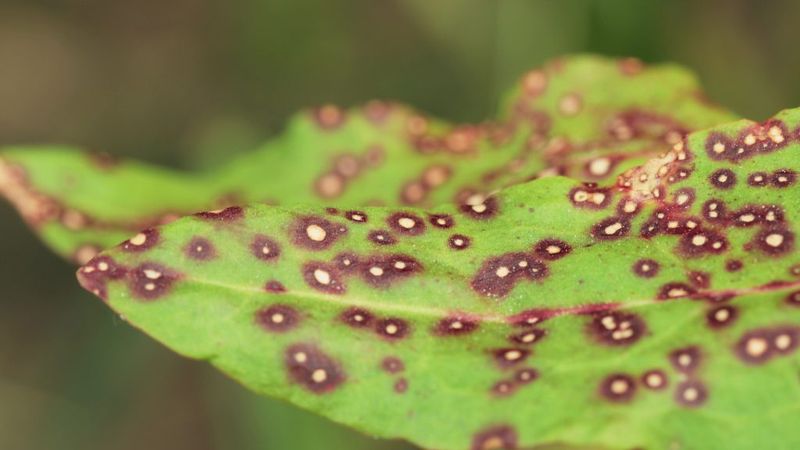
Leaves are like a plant’s report card. They show you exactly how well the plant has been growing, and any problems usually show up there first before you notice anything else wrong.
Healthy leaves should be a rich, even green color, or whatever color is natural for that specific plant. Watch out for yellow patches, brown edges, black spots, or pale streaking across the surface.
These can point to fungal infections, nutrient deficiencies, or pest damage. In Oregon’s damp climate, fungal issues can spread quickly from one plant to another, so buying a plant with spotted leaves can cause problems for everything else in your garden.
Flip the leaves over and check the undersides too. Tiny insects like aphids, spider mites, and scale bugs often hide on the bottom surface where they’re harder to spot.
Look for sticky residue, fine webbing, or clusters of small bumps. At garden centers in the Willamette Valley or along the Oregon Coast, where humidity runs high, pest and disease pressure can be greater than in drier parts of the state.
A quick inspection of both leaf surfaces before you buy takes less than a minute and can save you weeks of frustration later. Choose plants with clean, vibrant leaves and you’re already setting yourself up for a much more rewarding growing season.
5. Gently Slide Plants Out Of Pots To Check Root Binding
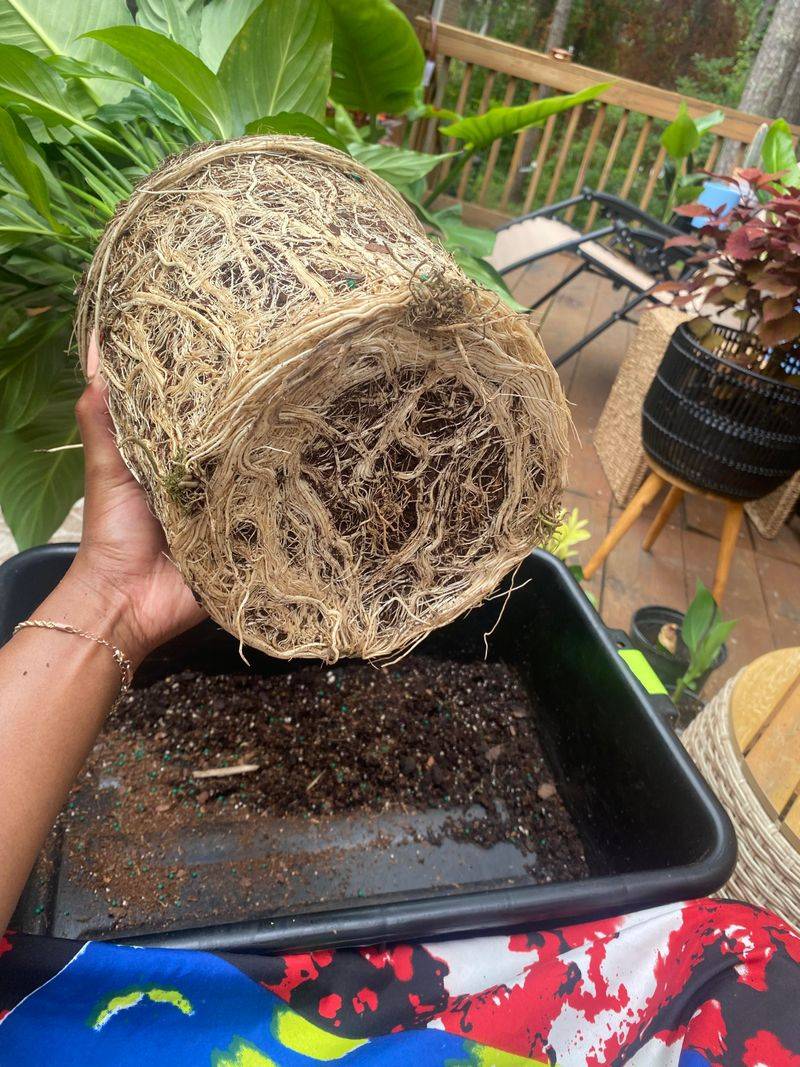
Most shoppers would never think to pull a plant out of its pot while standing in a garden center aisle, but it’s actually one of the best things you can do before making a purchase. Checking the root ball directly gives you information that no amount of leaf inspection can provide.
A root-bound plant is one where the roots have run out of room and started circling around the inside of the container. You’ll recognize it immediately.
The roots wrap tightly around themselves in a dense spiral, sometimes poking out of the drainage holes at the bottom. These plants have been sitting in their pots too long without being moved to a larger container.
Root-bound plants can struggle when transplanted because circling roots may not always straighten out on their own. They can continue growing in circles even after planting, which limits the plant’s ability to anchor itself and absorb water from the surrounding soil.
When shopping at Oregon garden centers, look for a plant where roots are visible but not cramped. The root ball should hold together when you slide the plant out, but the roots should have some room to breathe.
A little root visibility is healthy and normal. A dense, twisted root mass filling every inch of the pot is a sign the plant needed repotting weeks ago and may face a harder adjustment period in your Oregon garden.
6. Choose Plants Suited To Oregon’s Wet Winters And Dry Summers
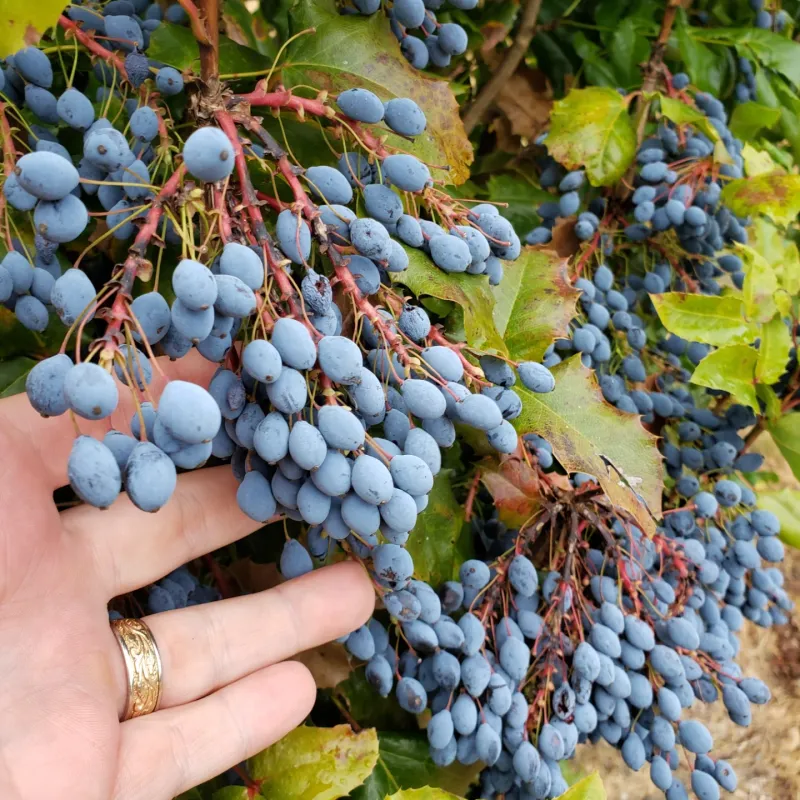
Oregon has one of the most distinctive climate patterns in the country. Winters bring heavy rainfall and mild temperatures, while summers can turn surprisingly dry and hot, especially east of the Cascades.
Choosing plants that can handle both extremes is one of the most practical decisions you can make.
Native Oregon plants are naturally built for this kind of seasonal swing. Species like Oregon grape, red flowering currant, and camas have evolved over thousands of years in this exact environment.
They know how to soak up winter rain without rotting and how to conserve moisture when summer dries out the soil. Many non-native plants can also adapt well, but it’s worth asking garden center staff whether a specific variety has been tested in Oregon conditions.
Look for labels that mention drought tolerance or rain tolerance. Many Oregon garden centers now organize their stock by water needs, making it easier to match plants to your specific yard conditions.
A garden in coastal Lincoln City has very different needs than one in sunny Grants Pass. Paying attention to these climate considerations before you buy means you’ll spend less time watering, less money replacing struggling plants, and more time simply enjoying your outdoor space.
Plants that are well-matched to Oregon’s seasonal rhythm tend to settle in faster, grow more vigorously, and require far less intervention throughout the year.
7. Skip Plants With Mushy Stems Or Weak Structure
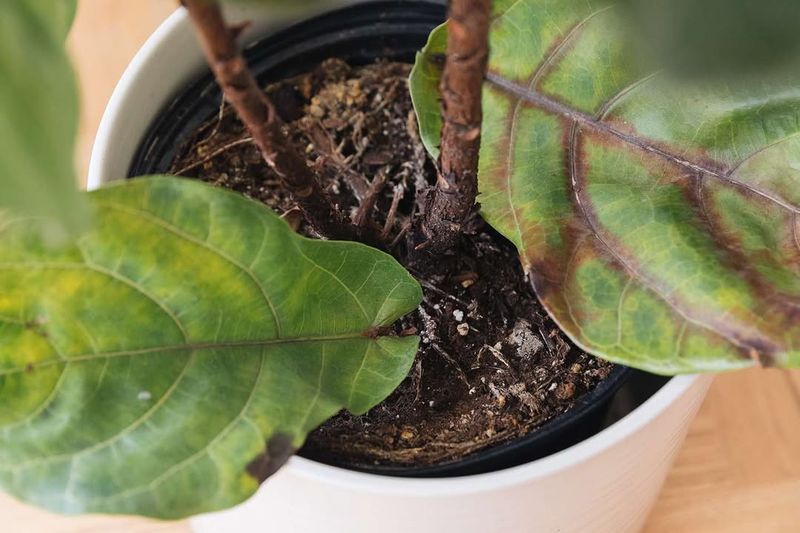
Grab the main stem of any plant you’re considering and give it a very gentle squeeze. A healthy stem should feel firm and solid, almost like a flexible twig.
If it feels soft, squishy, or collapses slightly under light pressure, that plant is already in trouble.
Mushy stems are often caused by overwatering, fungal rot, or bacterial infections that have worked their way into the plant’s vascular system. Once rot sets into the stem, it can be difficult to manage, and the problem may spread to nearby plants under favorable conditions.
In Oregon’s cool, damp winters, stem rot is especially common at garden centers that don’t manage their watering carefully.
Weak structure is a separate but related issue. A plant that flops over, leans heavily to one side, or has stems so thin they can’t support the weight of their own leaves hasn’t been grown under the right conditions.
Strong plants stand upright on their own and have stems that thicken as they grow closer to the soil. At Oregon garden centers from Tillamook to Ontario, the quality of plant care varies, so trust what you feel and see.
Skipping a plant with mushy stems or poor structure isn’t being picky. It’s being practical.
Starting your garden with structurally sound, firm-stemmed plants means you’re building on a solid foundation from the very first day of planting.