How To Choose The Right Plants For Arizona’s Spring Climate
Arizona spring does not leave much room to guess your way through plant choices. The way you choose from the start decides how everything holds up once conditions shift, and that shift happens quickly here.
A plant that seems fine at the nursery can react very differently once it is exposed to stronger sun, dry air, and soil that drains fast.
That is why the approach matters more than the plant itself.
Knowing what to look for, what to pay attention to, and what actually fits Arizona’s spring conditions makes the difference between something that settles in easily and something that turns into constant work.
Small details in how you choose can completely change the outcome. Once those details start to make sense, the process becomes more straightforward, and it gets much easier to avoid choices that never really adjust to the conditions.
1. Choose Plants That Handle Strong Sun Without Stress
Arizona spring sun is not the same as spring sun anywhere else. By March, UV levels in the low desert are already intense enough to scorch plants that were not built for full exposure.
If a plant label says “partial shade preferred,” that is a warning worth taking seriously here.
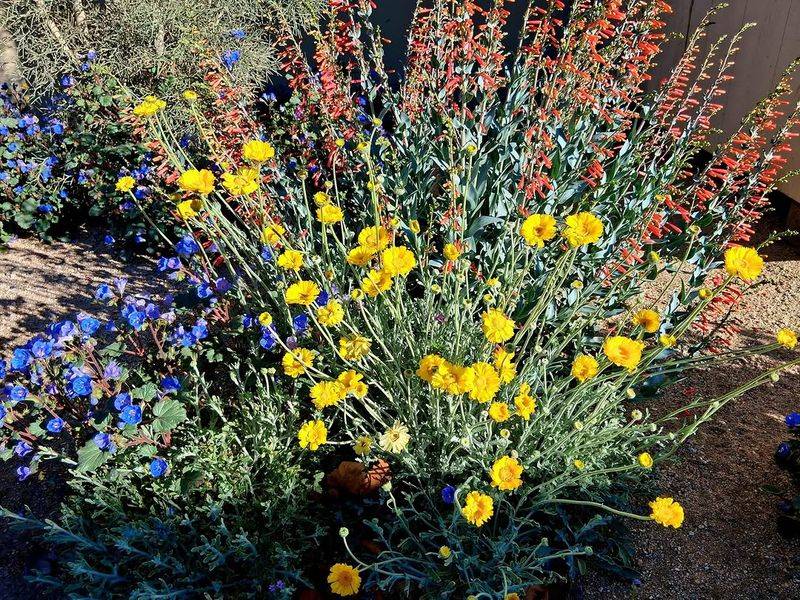
Desert Marigold (Baileya multiradiata) is one of the best examples of a plant that simply does not care how hard the sun hits. Bright yellow flowers pop open from spring through fall, and the silvery foliage actually reflects heat rather than absorbing it.
Planted in a sunny Arizona border, it looks sharp without any fussing.
When you are shopping at a nursery, flip the tag over and look for terms like “full sun” and “heat tolerant” together. A plant that handles full sun in Oregon is not the same as one bred or adapted for Arizona’s relentless spring and summer exposure.
Reflected heat from walls, driveways, and gravel mulch adds another layer of intensity that most plants cannot handle.
Choosing species that evolved in desert or arid climates means they already know how to manage that kind of pressure without dropping leaves or going limp.
2. Look For Varieties That Tolerate Dry Conditions Early On
Not every drought-tolerant plant can handle dry soil right after planting. Some need a good soaking schedule for the first few weeks before they can fend for themselves.
In Arizona’s spring, that window matters a lot because conditions dry out fast.
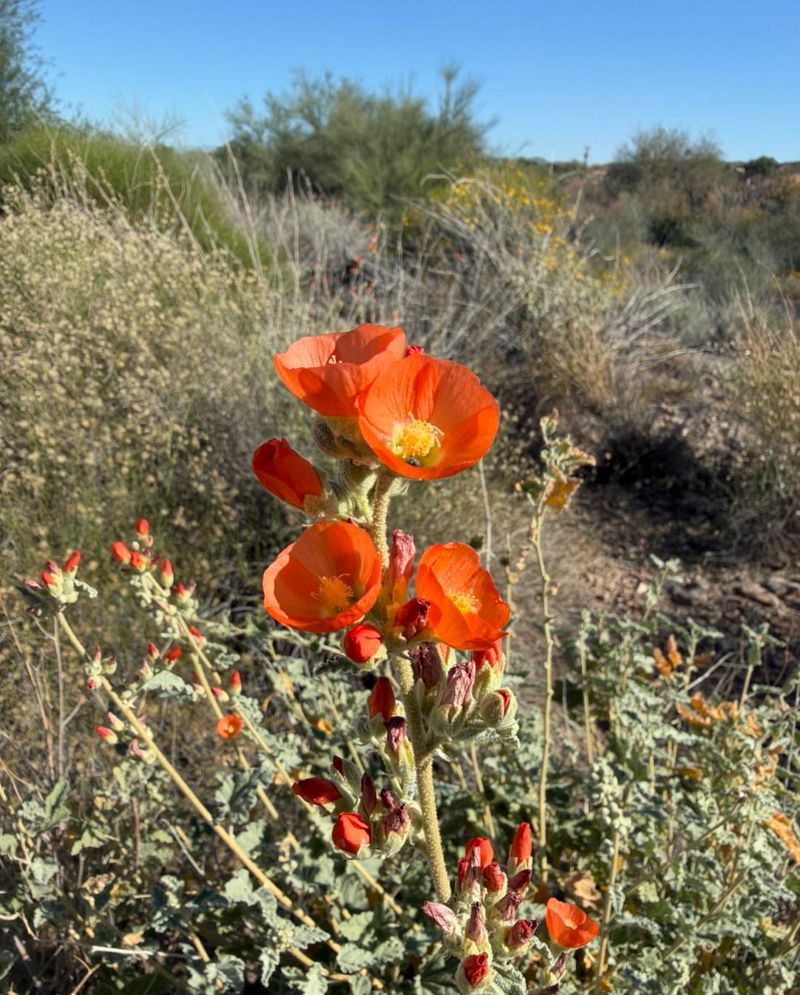
Desert Globemallow (Sphaeralcea ambigua) is a plant that adjusts to dry ground surprisingly quickly. Orange cup-shaped blooms open up as temperatures rise, and the plant does not sulk if you miss a watering or two.
Rocky, poor soil is actually where it looks most at home.
One practical tip: water new transplants deeply right after planting, then back off faster than you would with plants from a wetter climate.
Arizona gardeners who overwater spring plantings often end up with root rot before summer arrives, which is far more common than drought stress in the first few weeks.
Checking a plant’s native range before buying is a smart shortcut. If it originally comes from the Chihuahuan Desert, the Sonoran Desert, or a similarly arid region, it already has the internal wiring to manage dry spells without much help.
That background matters more than any label claim in an Arizona yard.
3. Prioritize Plants That Establish Quickly Before Heat Builds
Spring in Arizona does not last long. There is a narrow stretch between cool nights and brutal summer heat where new plants can actually put down roots without fighting extreme temperatures.
Miss that window and you are asking plants to establish during the worst possible conditions.
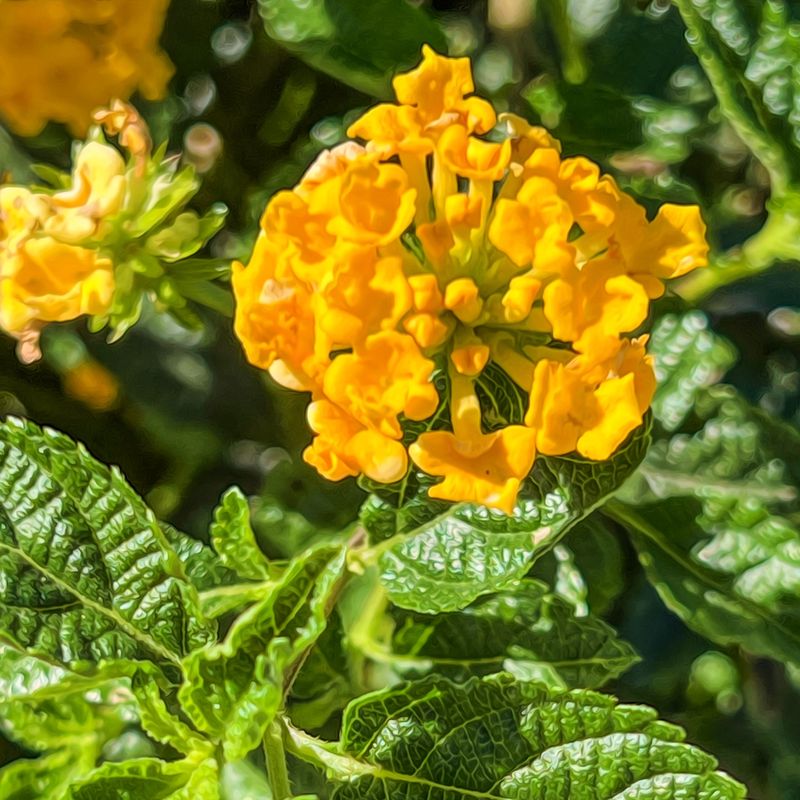
Lantana (Lantana camara) is a fast mover. It roots in quickly, starts flowering early, and by the time June heat arrives in Arizona, it is already settled and ready to push through.
Clusters of small, bright flowers show up in shades of orange, yellow, and pink, and they keep coming even when reflected heat off pavement would stop most other plants cold.
Planting during late February through March gives most species the best shot at settling in before temperatures regularly hit the 90s. Soil is warm enough to encourage root growth but not so hot that it shocks tender new roots fresh out of a nursery container.
A good rule of thumb is to plant in the morning, water immediately after, and add a layer of gravel or decomposed granite mulch around the base.
Mulch keeps soil moisture from evaporating within hours in Arizona’s dry spring air, which buys new roots extra time to anchor.
Skip anything that the nursery tag describes as slow-growing or needing a full season to establish. In Arizona, slow establishment almost always means the plant hits its first summer before it is ready, and that rarely ends well for the plant or your patience.
4. Pick Native And Desert-Adapted Options For Better Success
Plants that evolved in Arizona or similar desert environments are not just convenient choices.
They are genuinely better suited to the soil chemistry, rainfall patterns, and temperature swings that define life in the Sonoran and Mojave desert regions.
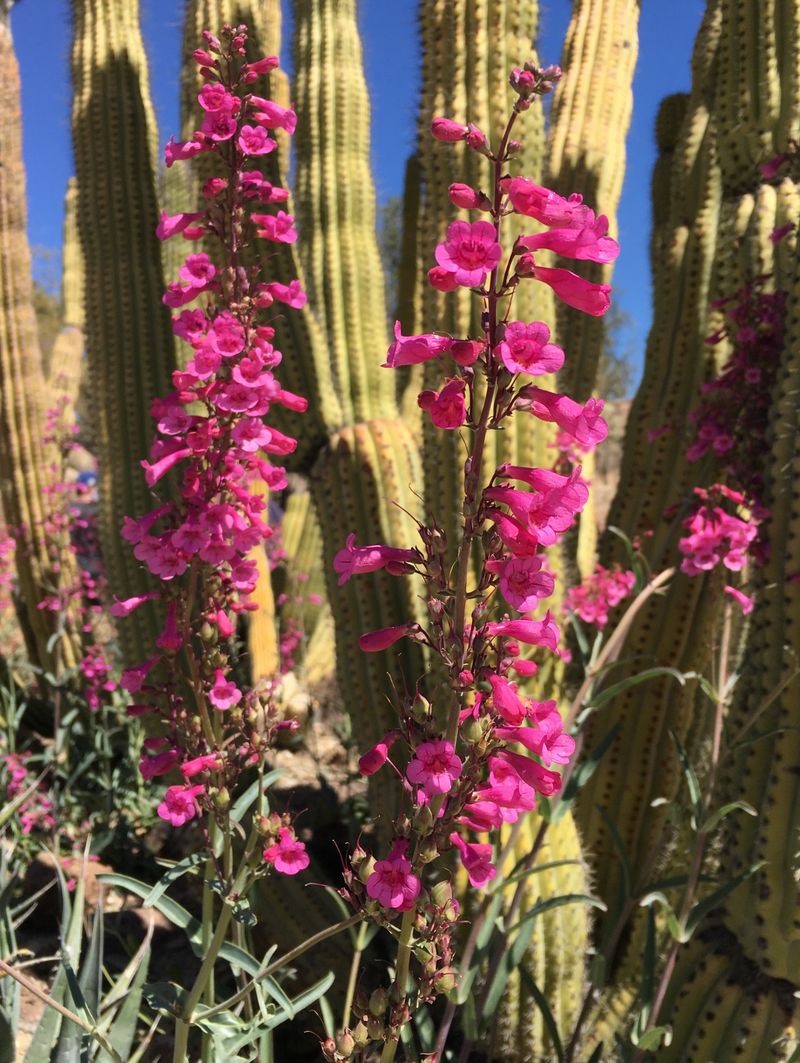
Parry Penstemon is a standout native for spring. It shows up in rocky hillsides across the Sonoran Desert naturally, and when you bring it into a Phoenix or Tucson yard, it behaves like it belongs there because it does.
Non-native plants adapted to similar climates, like Red Yucca from Texas or Lantana from tropical regions, can also work well in Arizona. The key difference is that true natives are already matched to local insects, birds, and soil microbes in a way that imports are not.
Visiting a local Arizona native plant nursery rather than a big box store makes a real difference.
Staff there understand the regional climate, can point out plants that have done well locally, and stock varieties actually grown in Arizona conditions rather than shipped in from a different climate zone entirely.
5. Check Mature Size To Avoid Overcrowding Later
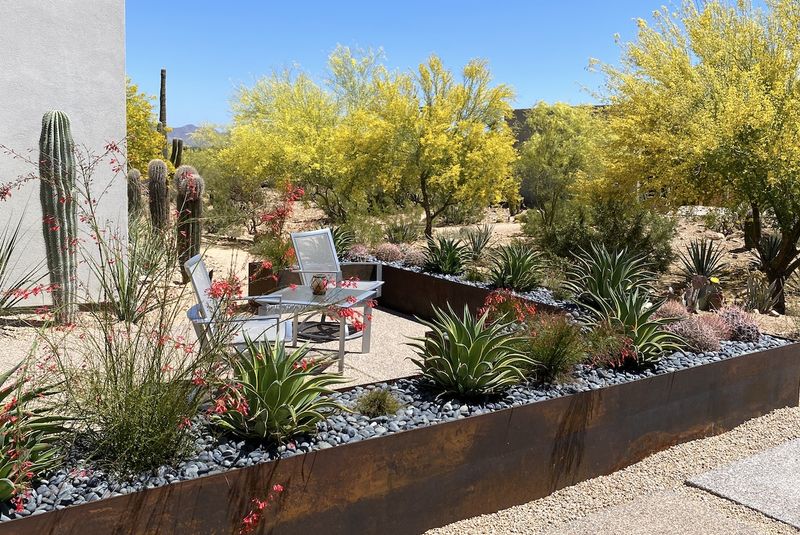
A one-gallon container at the nursery can be deceiving. Some of Arizona’s best plants for spring planting grow into large, wide shrubs within a season or two, and if you plant them too close together, you end up with a crowded mess that is hard to fix without starting over.
Lantana, for example, can spread four to six feet wide in Arizona’s warm climate. If you plant three of them two feet apart because they look small in the pot, you will have an overcrowded tangle before summer is over.
Spacing them properly at the start is far easier than trying to prune your way out of the problem later.
Red Yucca is a plant people consistently underestimate for size. Those graceful arching leaves eventually reach three to four feet across, and the flower spikes can hit five or six feet tall.
In a small bed or near a walkway, that growth habit becomes a problem fast.
Reading the mature size on the tag before buying is a step a lot of gardeners skip, especially when plants look compact and manageable at the nursery.
In Arizona’s spring and summer growing conditions, warm-season plants put on size faster than they would in cooler climates.
Drawing out a rough plan of your planting area before heading to the nursery saves a lot of trouble. Note the width and depth of each bed, then match plants to the space based on their full-grown dimensions rather than how they look in a four-inch pot on a shelf.
6. Choose Plants That Do Well In Fast-Draining Soil
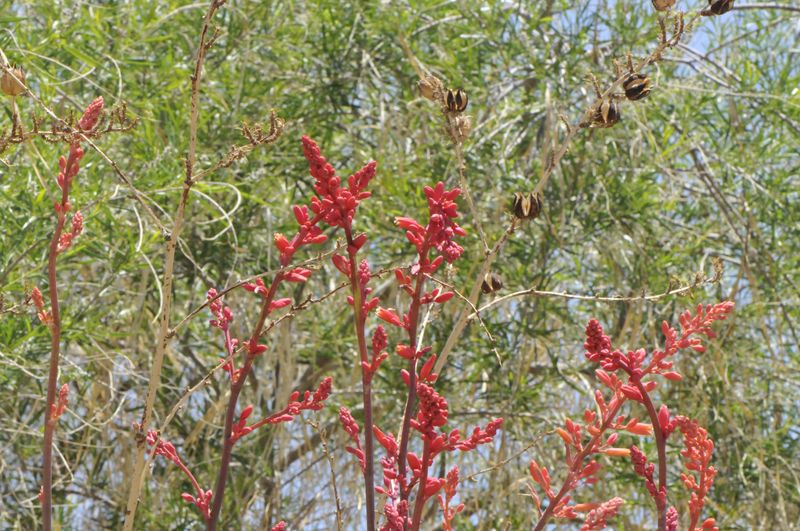
Arizona soil drains fast, sometimes almost too fast. Caliche layers, sandy loam, and rocky ground are all common across the state, and plants that prefer rich, moisture-retaining soil will struggle without serious soil amendment.
Choosing plants built for these conditions skips that problem entirely.
Red Yucca thrives in exactly the kind of gritty, fast-draining soil that Arizona naturally provides. Roots that sit in soggy ground develop problems quickly, but in sharp, well-draining desert soil, Red Yucca anchors deeply and grows steadily.
It does not need amended beds or added compost to look healthy through spring.
If your yard has clay-heavy soil that holds water after rain, mixing in coarse mineral grit or crushed granite before planting helps significantly.
Avoid peat moss or water-retaining amendments, which can create soggy pockets that desert plants are not equipped to handle.
Raised beds with a mix of native soil and decomposed granite work well for gardeners in Arizona who want more control over drainage.
Even a few inches of elevation above the surrounding grade can make a meaningful difference in how well desert-adapted plants root and grow through the spring season in wetter microclimates or low-lying yards.
7. Avoid High-Water Plants That Struggle In Dry Air
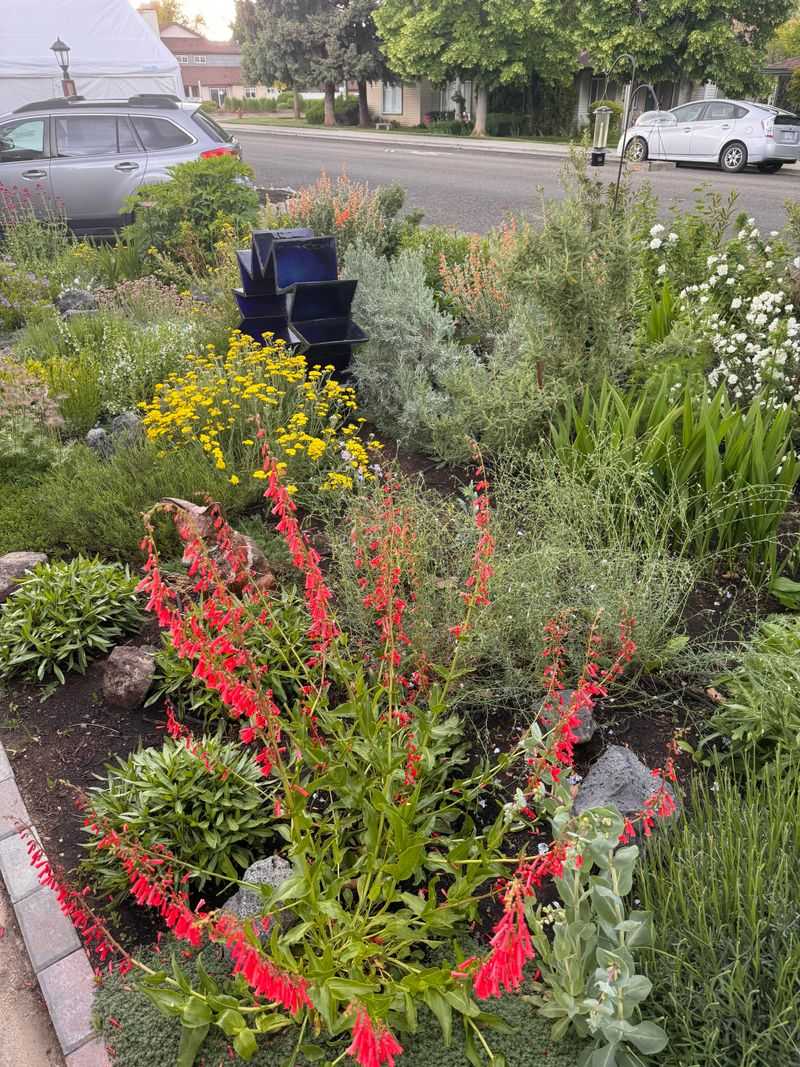
Arizona’s spring air is deceptively dry. Humidity regularly drops below 20 percent during spring days, and that level of dryness pulls moisture out of leaves faster than most non-desert plants can replace it through their roots.
High-water plants do not just need more irrigation. They often look stressed regardless of how much water you give them.
Hydrangeas, ferns, and impatiens are classic examples of plants that shoppers pick up in spring because they look beautiful at the nursery, only to watch them struggle within days of going into an Arizona yard.
No amount of extra watering fully compensates for the combination of low humidity, intense sun, and alkaline soil that defines Arizona’s spring conditions.
Sticking to plants like Desert Marigold, Lantana, and Parry Penstemon means working with Arizona’s climate rather than against it.
These plants lose moisture slowly, have adapted leaf structures that reduce water loss, and do not need constant irrigation to stay upright and healthy through dry spring weeks.
Drip irrigation is a smart tool for any Arizona garden, but it works best when paired with plants that actually match the local conditions.
Running drip lines to plants that require constant moisture in a dry climate is an ongoing battle that usually ends with frustration and a water bill that makes no sense.
Choosing plants honestly suited to Arizona’s dry air is one of the most straightforward ways to build a yard that looks good without demanding constant attention, especially as spring shifts toward the intense heat of early summer across the state.