How To Create A Backyard Seating Nook In Virginia
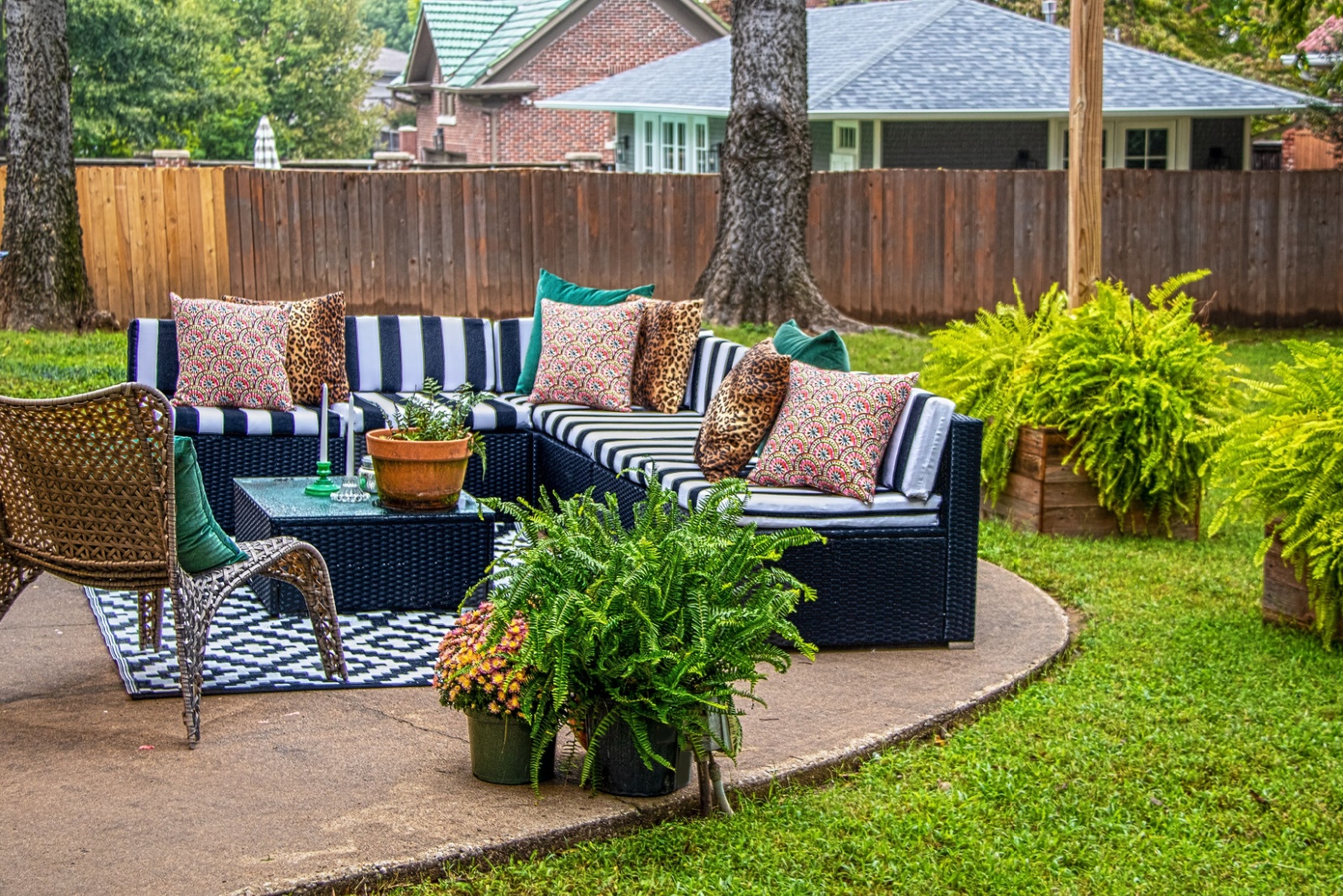
A backyard can turn from plain patch to prized refuge in the blink of an eye, and Virginia homes often stand one clever step away from that transformation.
A quiet corner waits for a spark, and once shaped with care, it offers comfort that hits like a cool Blue Ridge breeze.
A seat nook in this setting draws folks the way a front porch draws stories at dusk.
Soft light drapes across brick, wood, and leaf, and the space starts to feel like a secret handshake between house and horizon.
Neighbors pass by and sense a spot that nails the balance of charm and purpose.
Every cushion, lantern, and stone adds a note that rings true across the Old Dominion spirit.
By the time twilight settles, the nook claims its role as a personal retreat, a tiny kingdom that proves good design always strikes while the iron stays hot.
Select The Perfect Location Based On Sunlight Patterns
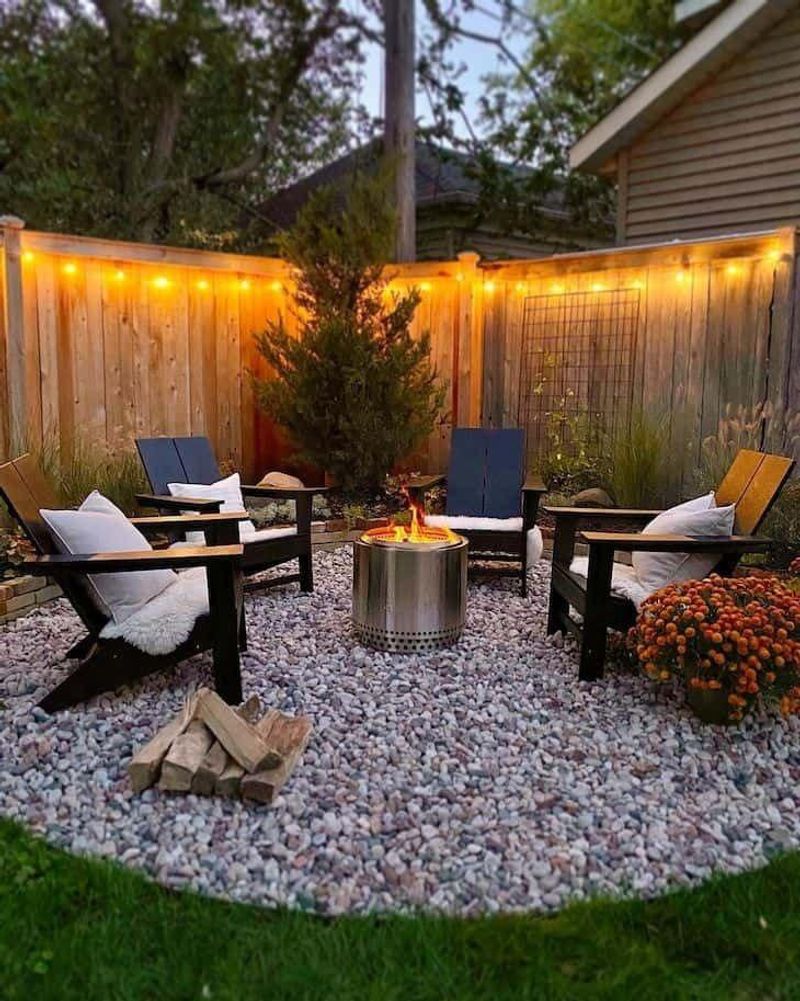
Your seating nook’s location determines how often you’ll actually use it throughout the day and across different seasons.
Walk around your backyard at various times to notice where sunlight falls during morning, midday, and evening hours.
Virginia summers can get quite hot, so a spot with afternoon shade keeps your nook comfortable during peak heat.
Morning sun lovers might prefer an east-facing location that catches those first golden rays while staying cooler later.
Northern Virginia experiences slightly different weather patterns than coastal or mountain regions, so consider your specific microclimate.
Trees provide natural shade but also drop leaves and debris that require regular cleanup.
Open areas offer more design flexibility but might need shade structures added later.
Watch how wind moves through your yard too, as some spots stay calm while others catch strong breezes.
Privacy matters as well—corners tucked away from neighbor views feel more intimate and relaxing.
Distance from your house affects convenience; too far means fewer trips outside, especially when carrying snacks or drinks.
Ground conditions matter since soggy areas after Virginia’s frequent spring rains make poor seating locations.
Take a week to observe your yard before committing to a spot, and you’ll choose wisely.
Choose Weather-Resistant Furniture For Virginia’s Climate
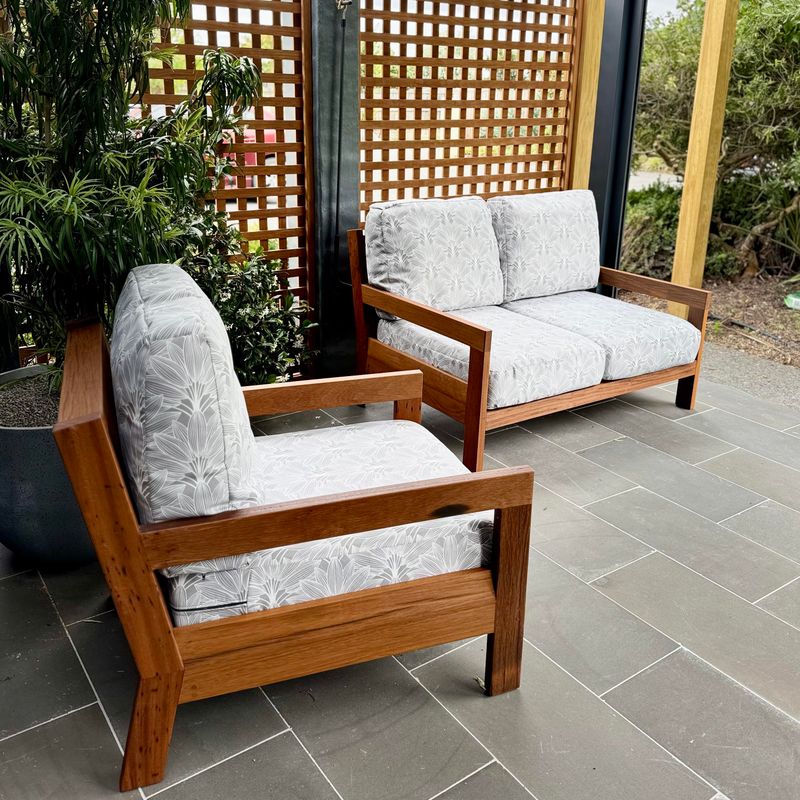
Virginia’s humid summers and occasional winter freezes demand furniture that stands up to moisture, temperature swings, and UV exposure.
Teak, cedar, and eucalyptus woods naturally resist rot and insects while developing attractive silvery patinas over time.
All-weather wicker made from synthetic resin looks natural but won’t crack or fade like traditional wicker does.
Metal furniture in powder-coated aluminum or galvanized steel resists rust better than wrought iron in Virginia’s humidity.
Cushions need special attention since moisture encourages mildew growth in our climate.
Quick-dry foam wrapped in solution-dyed acrylic fabric repels water and resists fading from intense summer sun
Removable cushion covers make washing easy when pollen season coats everything in yellow-green dust.
Storage benches serve double duty by providing seating while hiding cushions during rainstorms.
Avoid furniture with intricate crevices where water pools and debris collects, as these spots become maintenance headaches.
Weight matters too—lightweight pieces blow around during Virginia’s occasional strong thunderstorms.
Invest in quality pieces that last years rather than replacing cheap furniture every season.
Your furniture investment pays off when your nook remains inviting through every season.
Add A Pergola Or Shade Structure For Comfort
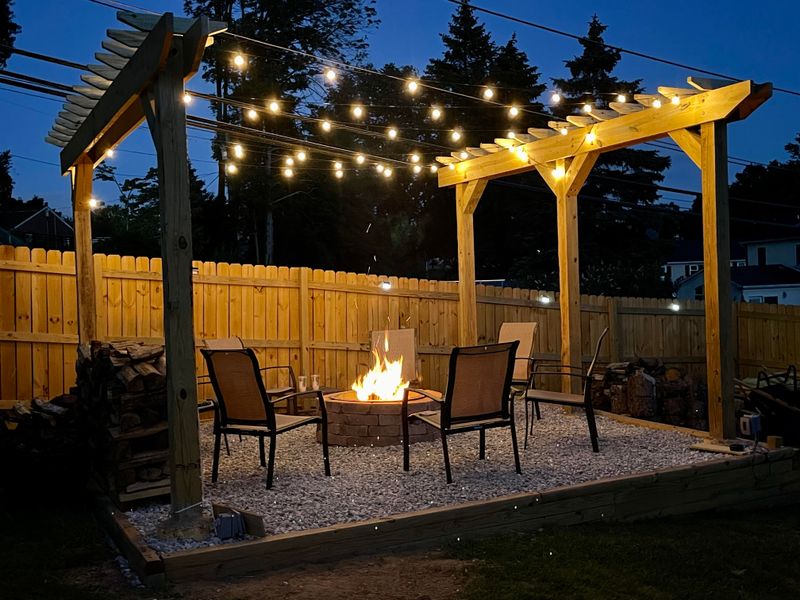
Shade structures extend your nook’s usability during Virginia’s hot summer months when direct sun makes outdoor spaces unbearable.
Pergolas with slatted roofs create beautiful dappled light while allowing breezes to flow through freely.
Train climbing roses, wisteria, or Virginia creeper vines up the posts for living shade that blooms seasonally.
Retractable canopies offer flexibility—open them for shade or retract them to enjoy starry nights.
Gazebos provide more complete coverage and feel like outdoor rooms with defined walls and solid roofs.
Sail shades in triangular or square shapes create modern looks while blocking harsh afternoon sun effectively.
Umbrellas work well for smaller nooks and move easily to follow shade needs throughout the day.
Consider your home’s architectural style when selecting structures so everything flows visually.
Colonial homes pair beautifully with traditional pergolas, while contemporary properties suit sleek metal frames.
Building permits may be required for permanent structures in some Virginia localities, so check local regulations first.
Positioning matters—structures should block afternoon sun from the west while remaining open to cooling evening breezes.
Proper installation ensures structures withstand Virginia’s occasional high winds and heavy snow loads.
Incorporate Native Virginia Plants For Natural Privacy
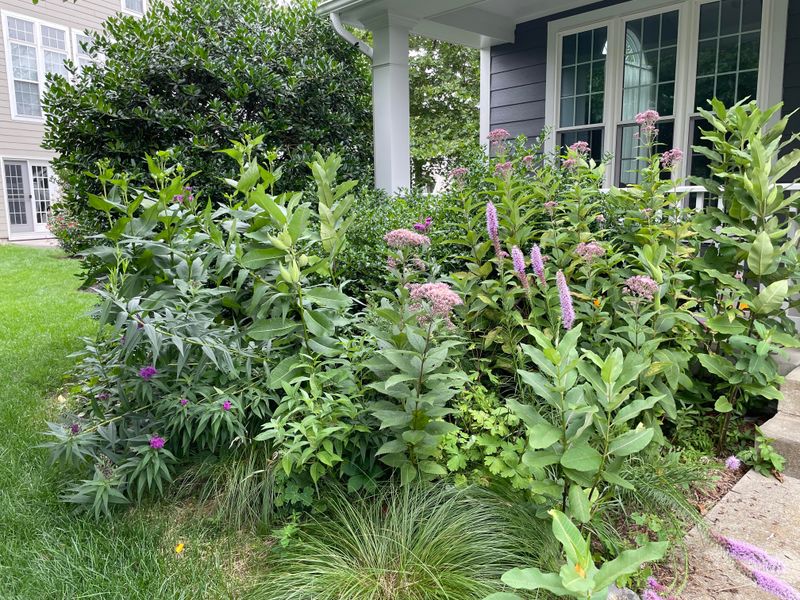
Native plants thrive in Virginia’s soil and climate without excessive watering or maintenance, making them perfect for framing your seating nook.
American holly provides year-round evergreen screening with glossy leaves and bright red winter berries.
Eastern red cedar grows quickly into dense privacy hedges that also shelter birds and beneficial insects.
Flowering shrubs like Virginia sweetspire and mountain laurel add seasonal blooms while creating living walls.
Ornamental grasses such as switchgrass and little bluestem sway gracefully, adding movement and soft rustling sounds.
Layering plants at different heights creates depth—tall shrubs in back, medium perennials in middle, low groundcovers in front.
Native plants support local ecosystems by providing food and habitat for butterflies, bees, and songbirds.
They’ve adapted to Virginia’s clay soils, summer humidity, and winter cold without needing special amendments or protection.
Rhododendrons and azaleas thrive in Virginia’s acidic soils, offering spectacular spring color displays.
Ferns like Christmas fern stay green year-round in shaded nooks, adding texture without flowers.
Grouping plants in odd numbers looks more natural than formal rows or pairs.
Native plants rarely suffer from pests or diseases, reducing the need for chemicals near your relaxation space.
Install Outdoor Lighting For Evening Ambiance
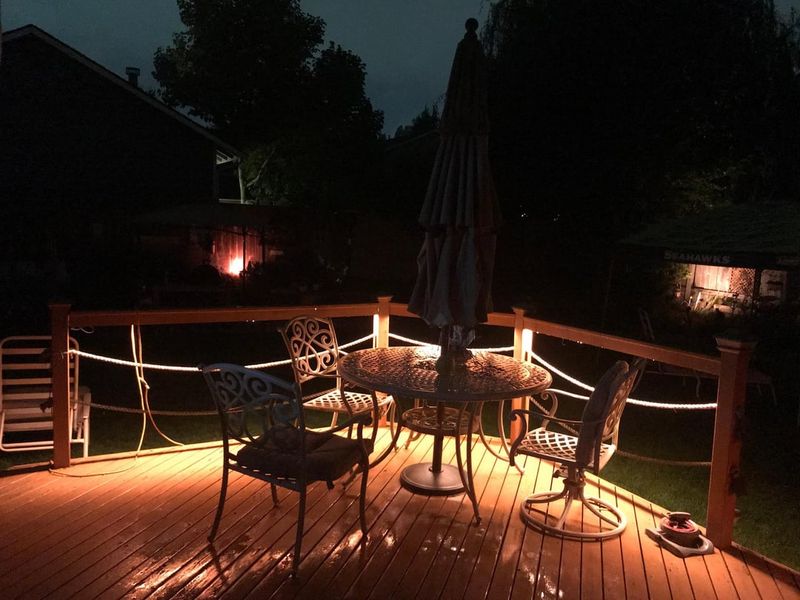
Proper lighting transforms your nook from a daytime retreat into an enchanting evening destination where conversations linger long after sunset.
String lights draped overhead create magical ambiance reminiscent of European cafes and garden parties.
Edison bulbs cast warm yellow glows, while globe lights offer softer, more diffused illumination.
Solar-powered options eliminate wiring hassles and electrical costs while working perfectly in sunny Virginia yards.
Pathway lights guide visitors safely to your nook after dark and add landscape interest during evening hours.
Uplighting tall trees or shrubs creates dramatic shadows and highlights your nook’s natural backdrop.
Lanterns on tables or hanging from pergola beams add portability and decorative charm.
Flameless candles in hurricanes provide flicker without fire risk or smoke that attracts insects.
Dimmer switches or smart bulbs let you adjust brightness to match your mood and activity.
Low-voltage LED systems use minimal electricity while lasting years longer than traditional bulbs.
Position lights to illuminate seating and walking areas without creating harsh glare or blinding spots.
Timers automate lighting so your nook welcomes you every evening without remembering to flip switches.
Create A Solid Foundation With Proper Flooring
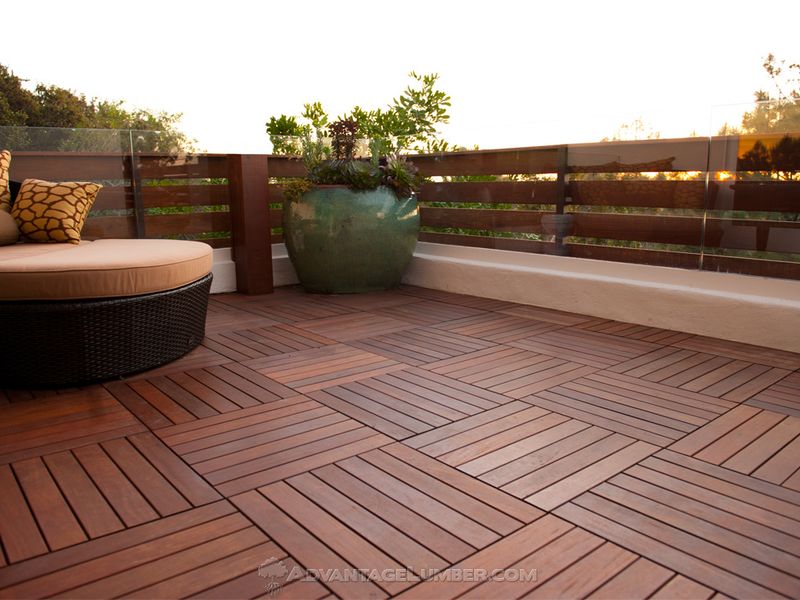
Stable, level flooring makes your seating nook feel finished and prevents furniture from wobbling on uneven ground.
Flagstone pavers in irregular shapes create natural-looking surfaces that complement Virginia’s traditional architecture.
Pea gravel offers affordable coverage that drains well during our frequent rainstorms and stays relatively weed-free.
Composite decking resists moisture damage and never needs staining, unlike traditional wood that weathers in Virginia’s humidity.
Brick pavers arranged in herringbone or basket-weave patterns add classic elegance to colonial-style homes.
Poured concrete can be stamped, stained, or textured to mimic expensive stone at a fraction of the cost.
Proper base preparation prevents settling and ensures drainage away from your seating area.
Landscape fabric underneath gravel or pavers blocks weeds while allowing water to percolate through.
Edging materials like metal strips or plastic borders keep loose materials contained and maintain clean lines.
Ground-level decks work well on flat yards, while raised decks suit sloped properties common in Virginia’s Piedmont region.
Permeable pavers allow rainwater to soak into soil rather than running off, which helps during Virginia’s heavy downpours.
Flooring choices affect temperature—dark materials absorb heat while light colors reflect it and stay cooler underfoot.
Add Comfortable Textiles And Outdoor Rugs
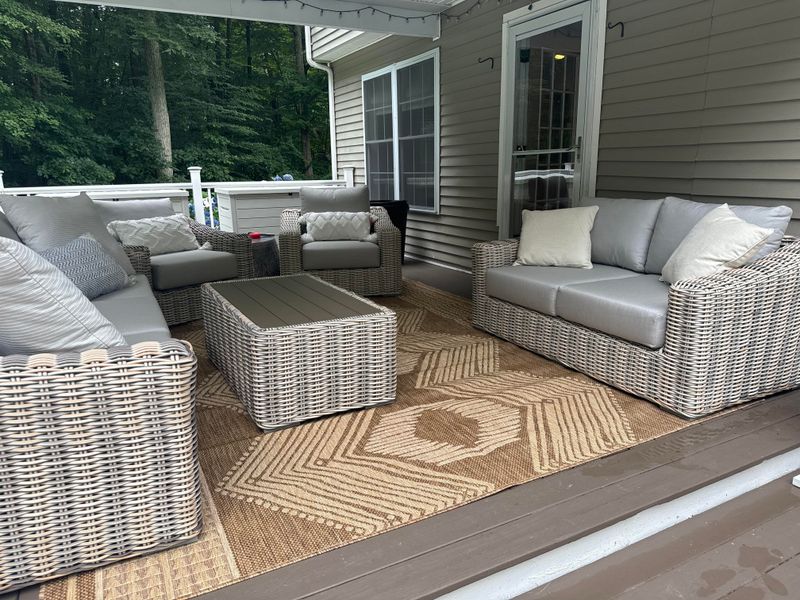
Textiles soften hard surfaces and inject personality into your nook through colors, patterns, and textures that reflect your style.
Outdoor rugs define your seating area visually while providing cushioning underfoot that feels welcoming and intentional.
Polypropylene and polyester rugs resist moisture, mildew, and fading better than natural fibers in Virginia’s humid climate.
Bold geometric patterns hide dirt between cleanings, while solid colors require more frequent maintenance.
Throw pillows in varying sizes add comfort and create inviting spots to settle in for long conversations.
Mix patterns carefully—pair one bold print with coordinating solids or subtle textures to avoid visual chaos.
Outdoor-rated fabrics labeled Sunbrella or similar brands withstand sun exposure and moisture without deteriorating quickly.
Lightweight blankets stored in weatherproof baskets let you extend nook time into cooler Virginia evenings.
Seasonal changes keep your nook fresh—bright colors for summer, warm tones for fall, evergreen themes for winter.
Zip-off pillow covers make washing simple when pollen, dust, or spills occur.
Rug pads prevent slipping on smooth surfaces and add extra cushioning for bare feet.
Store textiles during winter months to extend their lifespan and keep them looking vibrant season after season.
Incorporate A Fire Feature For Year-Round Use
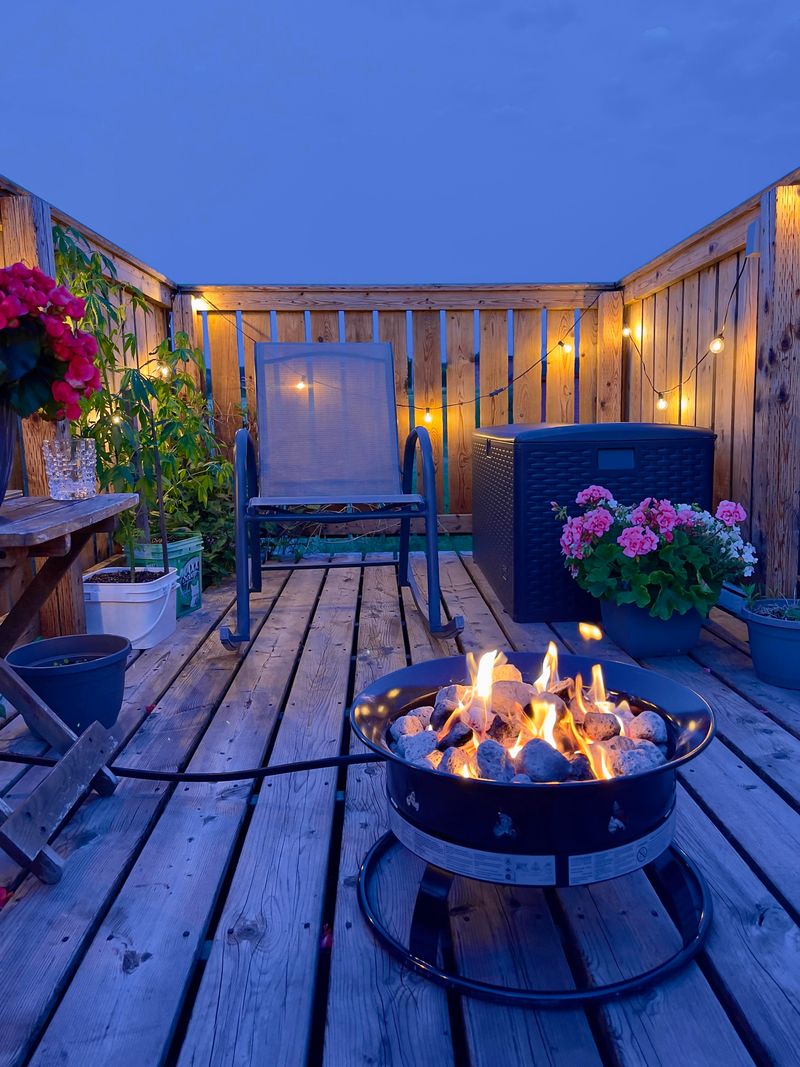
Fire features extend your nook’s usefulness into Virginia’s crisp fall evenings and mild winter days when indoor-outdoor living remains possible.
Fire pits create gathering spots where people naturally congregate, drawn by warmth and the mesmerizing dance of flames.
Wood-burning pits offer authentic crackling sounds and smoky scents that evoke camping memories and outdoor adventures.
Propane or natural gas options provide instant flames without hauling firewood or dealing with ash cleanup.
Chimineas contain fire safely while directing smoke upward, making them suitable for smaller yards with closer neighbors.
Fire tables combine heating elements with functional surfaces for holding drinks and snacks during gatherings.
Local regulations vary across Virginia counties regarding open flames, so verify rules before installing permanent features.
Safety clearances matter—position fire features away from overhanging branches, structures, and flammable materials.
Stone or brick surrounds contain heat and sparks while creating attractive focal points that anchor your nook’s design.
Seating arranged in a circle around fire features encourages conversation and creates an inclusive atmosphere.
Fire glass, lava rocks, or ceramic logs add decorative interest while distributing heat evenly.
Your nook becomes a destination during holidays when fires make outdoor celebrations cozy despite cooler temperatures.
Design Built-In Storage Solutions
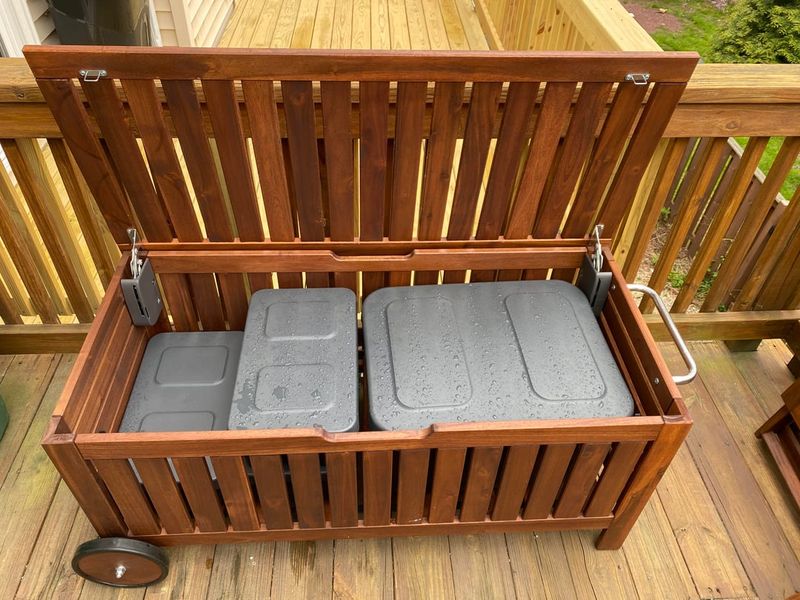
Smart storage keeps your nook organized and protects accessories from Virginia’s weather while maximizing limited space efficiently.
Storage benches serve dual purposes by providing seating while hiding cushions, blankets, and outdoor games inside.
Weatherproof deck boxes store larger items like umbrellas, gardening tools, or children’s toys out of sight.
Built-in shelving along pergola posts holds potted plants, lanterns, or decorative objects that personalize your space.
Hooks mounted on posts or walls keep items like garden hats, citronella candles, or outdoor speakers handy.
Side tables with lower shelves provide surfaces for drinks while storing magazines, books, or small planters underneath.
Waterproof cushion storage prevents mildew growth during Virginia’s humid summers and protects fabrics from fading.
Vertical storage maximizes space in smaller nooks where floor area is limited but walls remain unused.
Lockable storage protects valuable items like quality cushions or electronic speakers from theft or weather damage.
Cedar-lined storage naturally repels insects while adding pleasant aroma to stored textiles.
Easy access encourages regular use since you won’t avoid your nook because retrieving items feels like a chore.
Organized storage makes quick cleanups possible when unexpected rain approaches or guests arrive spontaneously.
Personalize With Decorative Accents And Accessories
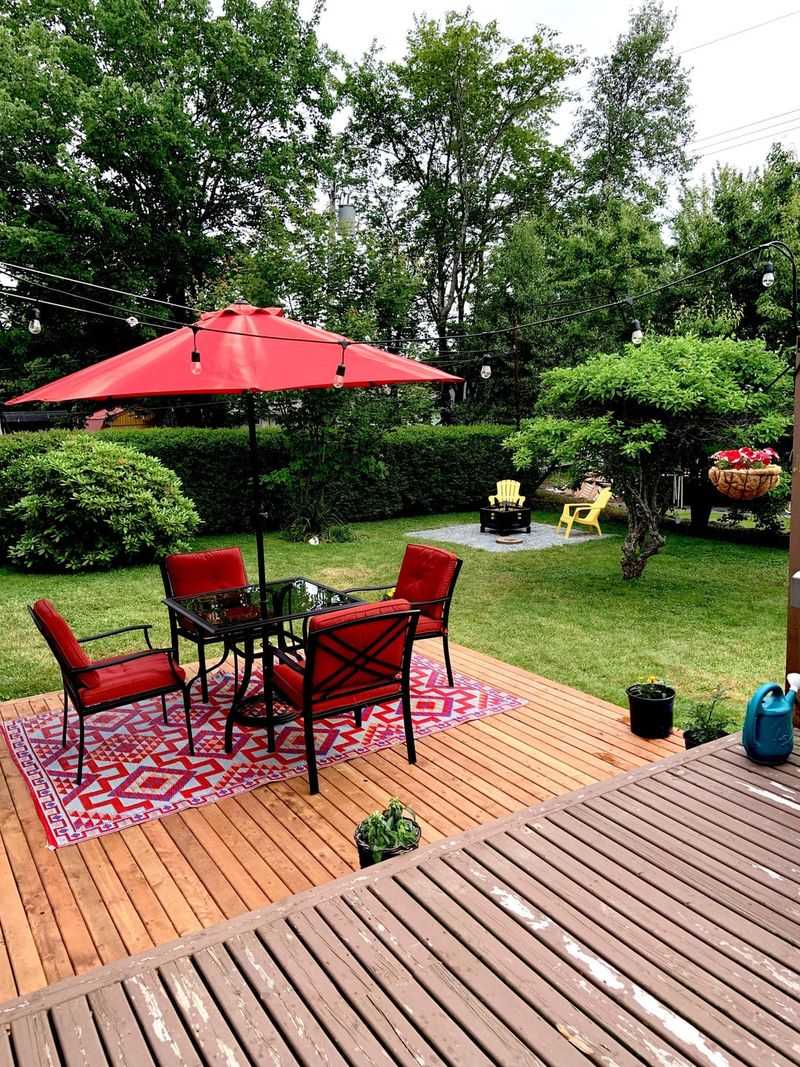
Personal touches transform generic outdoor furniture into a unique retreat that expresses your taste and makes the space truly yours.
Hanging planters filled with trailing petunias, ivy, or ferns add vertical interest and soften hard architectural lines.
Outdoor artwork in weather-resistant materials brings gallery-quality beauty to your backyard sanctuary.
Wind chimes create gentle background music that masks traffic noise and adds peaceful ambiance.
Vintage finds from flea markets or antique shops add character that mass-produced items cannot replicate.
Colorful ceramic garden stools serve as extra seating, side tables, or plant stands depending on your needs.
Outdoor-safe mirrors reflect light and greenery while making smaller nooks feel more spacious and open.
Collections displayed thoughtfully—like vintage watering cans or colored glass bottles—tell your story through objects.
Seasonal decorations keep your nook feeling fresh—pumpkins in fall, evergreen branches in winter, fresh flowers in spring.
Water features like small fountains add soothing sounds that promote relaxation and mask neighborhood noise.
Birdhouses or feeders attract wildlife that provides entertainment and connects your nook to nature.
Your personality shines through when decorative choices reflect genuine interests rather than following rigid design rules.