How To Create A Continuous Bloom Cycle For Oregon Pollinators
Picture your Oregon garden buzzing with life in early spring, still humming in the heat of summer, and glowing with late season color as fall settles in.
That kind of steady pollinator action does not happen by accident. It happens when something is always in bloom.
Bees, butterflies, and hummingbirds need a reliable food source for months, not just a quick burst of flowers in May. If your yard explodes with color for a few weeks and then goes quiet, pollinators are forced to search elsewhere.
A continuous bloom cycle keeps nectar and pollen available all season long, supporting everything from emerging native bees in early spring to migrating birds in autumn.
The good news is that Oregon’s diverse climate makes it possible to plan a garden that never takes a break.
With thoughtful plant choices and staggered bloom times, you can turn your space into a steady buffet that keeps pollinators fed, active, and coming back year after year.
Start With Early Spring Lifelines
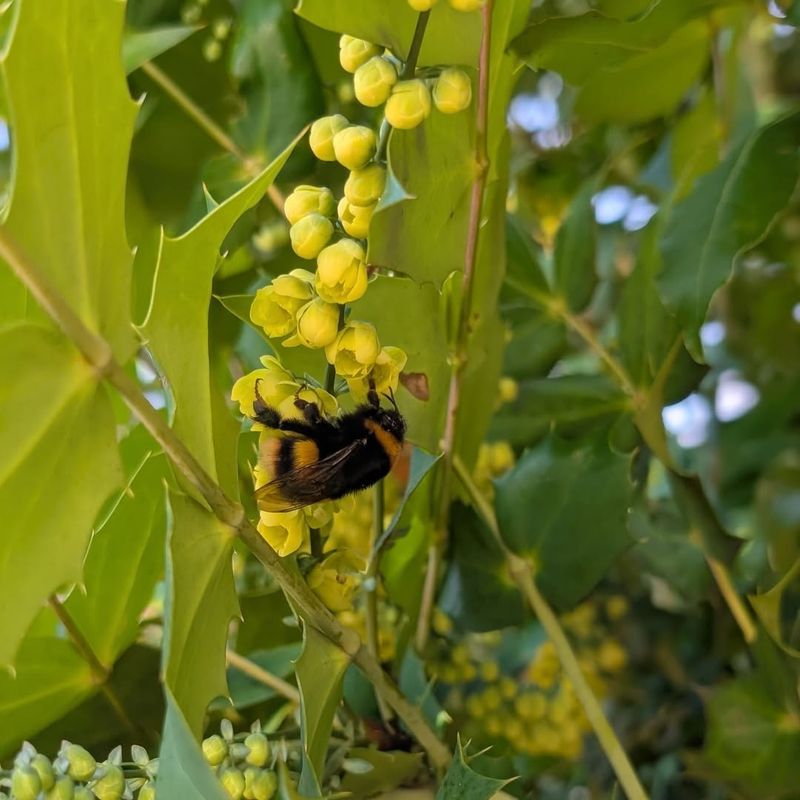
Before most people even think about planting, Oregon pollinators are already waking up and looking for food. Queen bumblebees emerge as early as February, and they need nectar fast.
If your garden has nothing blooming, they have nowhere to turn.
Red flowering currant (Ribes sanguineum) is one of the best early bloomers for Oregon gardens. It lights up with pink-red flower clusters just when pollinators need it most.
Native willows are another powerhouse, producing catkins loaded with pollen in late winter and early spring.
Oregon grape (Mahonia aquifolium) is a fantastic choice too. It blooms with bright yellow flowers as early as February and thrives in Oregon’s wet, cool climate.
Snowdrops and winter aconite can also give early visitors a quick energy boost before the bigger bloomers open up.
Think of these early plants as a welcome mat for your garden’s pollinator guests. Without them, the season gets off to a rough start for bees that have been waiting all winter.
Planting even two or three early-blooming species can make a huge difference for the Oregon pollinators in your neighborhood. Start small and build from there.
Layer Your Bloom Times Strategically
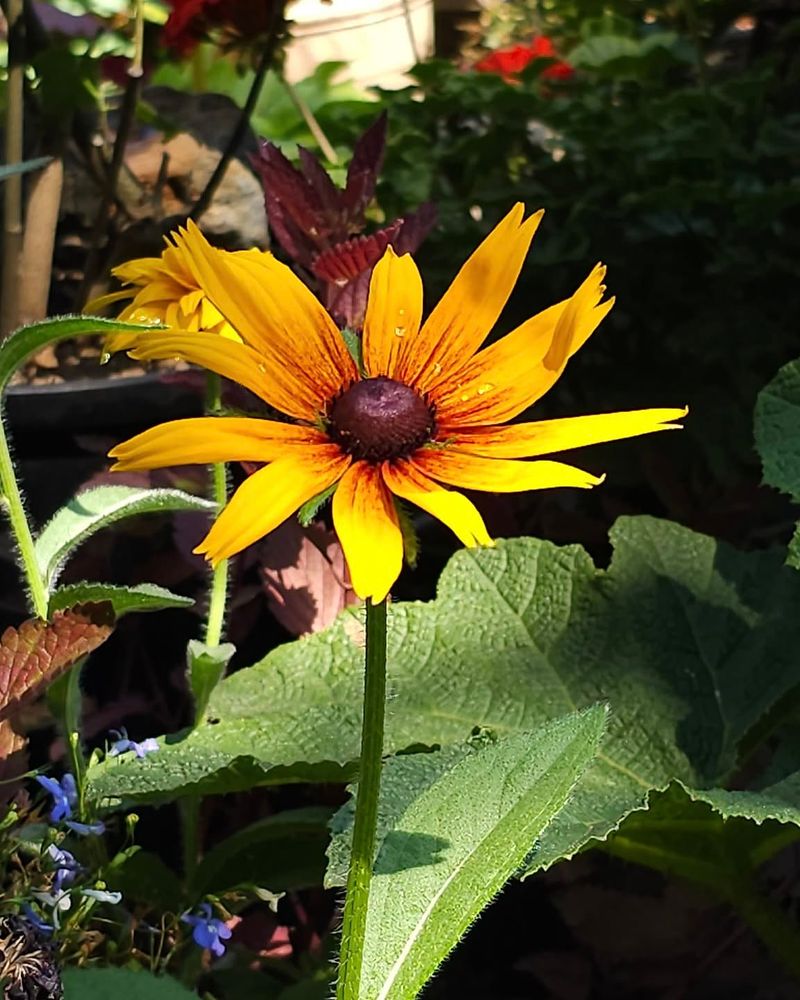
Imagine a relay race where each runner passes the baton to the next. That is exactly how a well-planned pollinator garden should work.
Each plant group finishes blooming just as the next one starts, keeping the nectar flowing without any gaps.
In Oregon, you can layer your bloom times by grouping plants into early, mid, and late seasons. Early bloomers like camas and bleeding heart give way to mid-season stars like native penstemons and lupines.
Then late-summer and fall plants like goldenrod and asters carry the finish line.
The trick is to actually map this out before you plant. Walk your yard in late winter and mark where you have bare spots in April, June, and September.
Those are your gaps, and they need to be filled with the right plants.
Layering also means thinking vertically. Tall plants like Joe Pye weed can bloom above low-growing thyme, giving pollinators options at every level.
Oregon gardeners have the advantage of a mild enough climate to stretch the bloom season well beyond what most states can manage. Use that advantage wisely and your garden will hum with activity from late winter through the first frost.
Choose Native Plants First
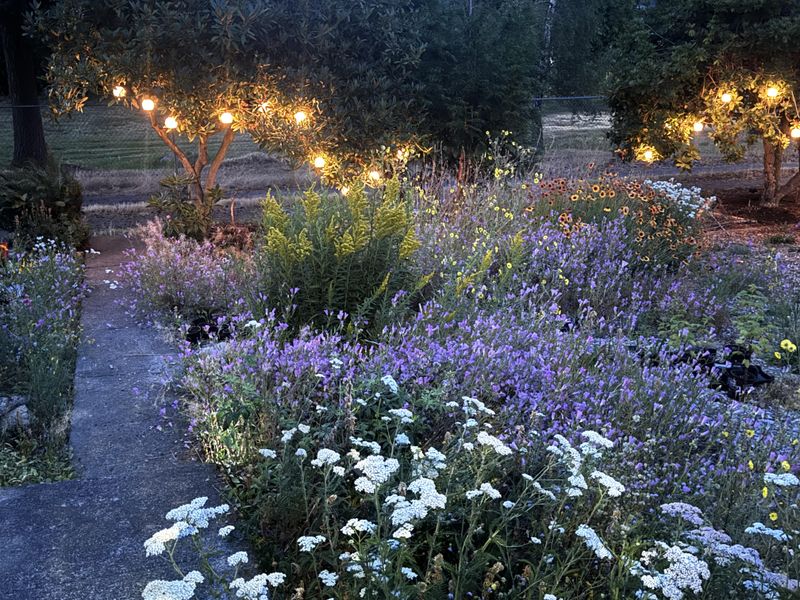
Native plants and native pollinators grew up together. Over thousands of years, Oregon bees and butterflies evolved alongside plants like blue camas, wild bergamot, and native asters.
Their bodies, timing, and food needs are perfectly matched.
When you plant native Oregon species, you are offering pollinators something familiar and reliable. Non-native ornamentals can look beautiful, but many have been bred to have showy petals that actually block access to nectar and pollen.
Native plants keep their original structure, making them far more useful to hungry bees.
Some standout Oregon natives to prioritize include Douglas aster, native goldenrod, Oregon sunshine (Eriophyllum lanatum), and yarrow. These plants are also tough.
They are adapted to Oregon’s wet winters and dry summers, so they need less water and care once established.
Local nurseries across Oregon increasingly carry native plant selections, and many cities host native plant sales in spring. Willamette Valley gardeners, coastal growers, and high desert gardeners in Eastern Oregon all have native options suited to their specific region.
Choosing natives first is not just good for pollinators; it is good for the whole local ecosystem. Birds, beneficial insects, and even the soil benefit when native plants anchor a garden.
Bridge The Late Spring Gap
Late spring can be a sneaky problem in Oregon pollinator gardens. Early bloomers have faded, but summer plants have not kicked in yet.
This window, roughly from mid-May to mid-June, can leave pollinators with surprisingly little to eat.
Filling this gap takes intentional planting. Native phacelia is a brilliant choice because it blooms right in this window and is absolutely irresistible to bumblebees.
Ceanothus, also called wild lilac, bursts into bloom in late spring and draws in every bee species in the neighborhood.
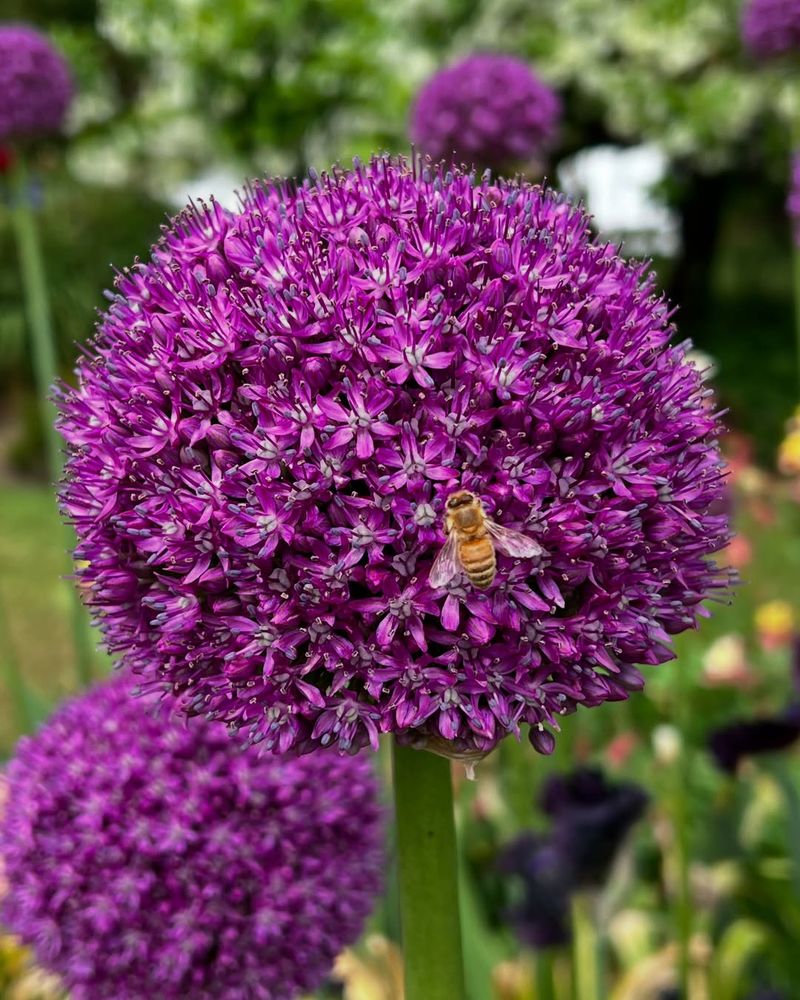
Alliums are another great bridge plant. Their purple globe-shaped flowers pop open in late May and stay around for weeks.
They work beautifully in Oregon’s climate and hold up well even if late spring rains keep things cool and damp.
Lupine is a native Oregon superstar that bridges this gap naturally. It blooms in late spring, fixes nitrogen in the soil, and supports several native bee species that specialize in collecting lupine pollen.
Planting a mix of these bridge species means you will never have to worry about that mid-spring slump again. Oregon pollinators will thank you by showing up in greater numbers and sticking around longer as summer approaches.
Keep a garden journal to track when each plant blooms so you can adjust each year.
Power Up The Summer Nectar Flow
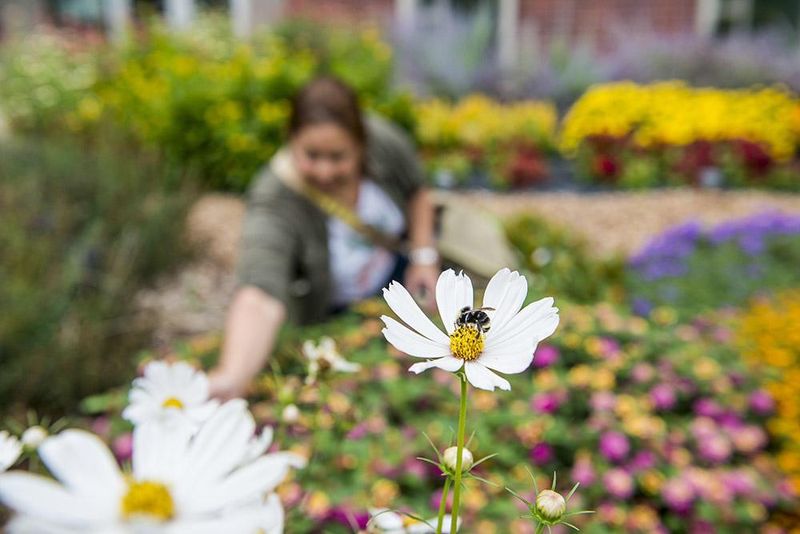
Summer is showtime for Oregon pollinators. Bees are at peak population, butterflies are on the move, and hummingbirds are raising their young. Your garden needs to match that energy with a serious nectar and pollen supply.
Echinacea, also called coneflower, is a summer powerhouse that works beautifully in Oregon. It blooms for weeks, provides both nectar and pollen, and the seed heads even feed birds after the flowers fade.
Native milkweed species like showy milkweed are essential for supporting monarch butterflies passing through Oregon on their migration route.
Lavender is not native but earns its place in Oregon pollinator gardens because bees go absolutely wild for it. Plant it near other natives to create a mixed buffet.
Bee balm (Monarda) is another summer favorite that hummingbirds and bumblebees both love.
Do not forget about clover. White and red clover growing in a lawn section can quietly support dozens of bee species all summer long without any extra effort.
Oregon summers can turn dry quickly, especially in the Willamette Valley and Southern Oregon, so choose drought-tolerant summer bloomers where possible.
A drip irrigation system or deep weekly watering will keep your summer plants blooming strong even when July and August heat arrives.
Keep deadheading spent flowers to encourage more blooms throughout the season.
Don’t Forget Fall Fuel Sources
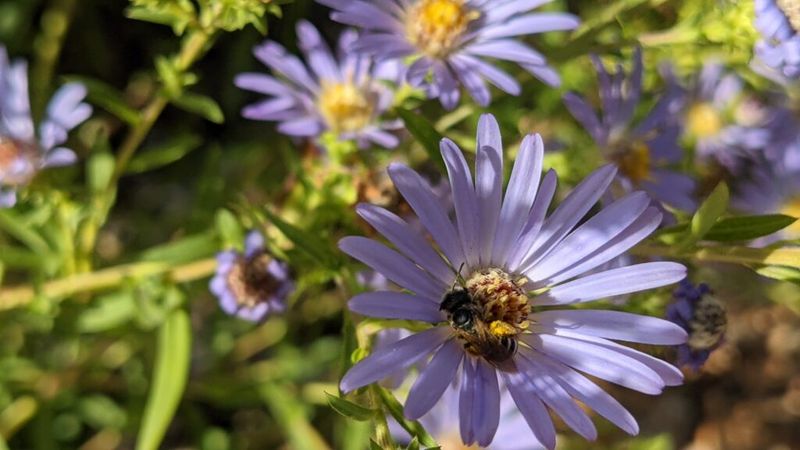
Fall is when pollinators are working overtime to prepare for winter. Queen bumblebees need to build up fat reserves before they hibernate.
Monarch butterflies need fuel for their long migration south. Without fall flowers, all that hard summer work falls short at the finish line.
Native goldenrod is the undisputed champion of fall pollinator plants in Oregon. It blooms in late August through October and supports an enormous variety of bees, beetles, and butterflies.
Many people wrongly blame goldenrod for fall allergies, but its pollen is too heavy to blow in the wind. Ragweed is actually the culprit.
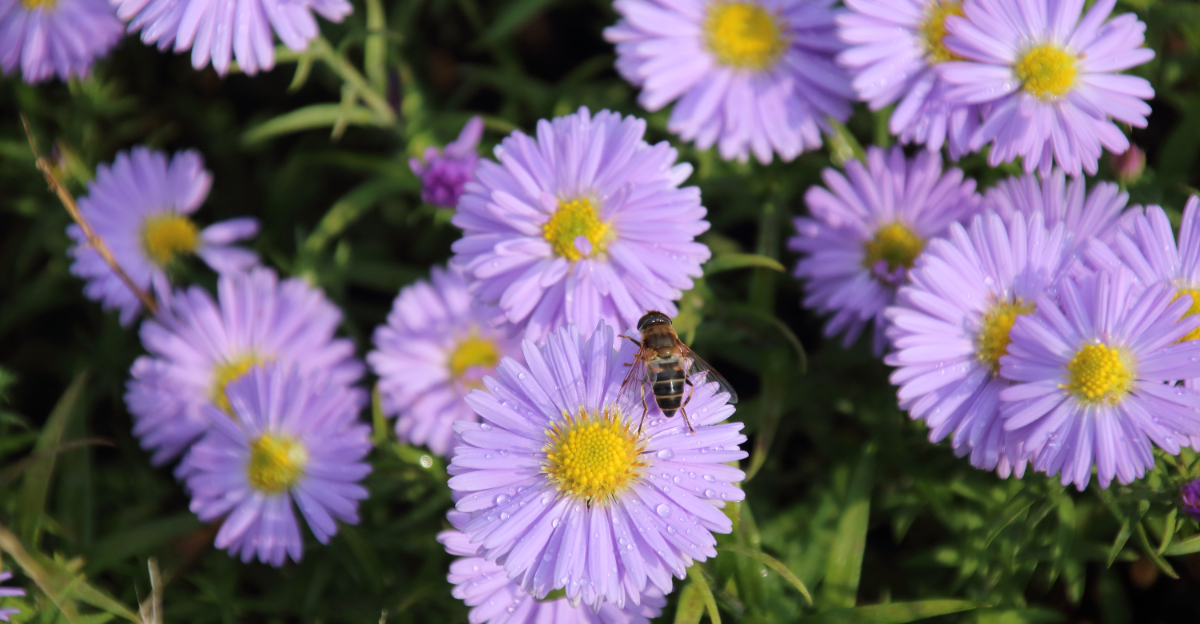
Douglas aster is another Oregon native that shines in fall. Its purple daisy-like flowers are a magnet for late-season bees that are desperately seeking pollen.
Sedum, especially the variety called Autumn Joy, provides flat-topped flower clusters that bees can land on easily and feed from for weeks.
Sunflowers planted in late spring will bloom in late summer and fall, giving pollinators both nectar and protein-rich pollen. Leaving seed heads standing through winter also gives birds a food source and overwintering insects a safe place to shelter.
Oregon gardeners who invest in fall bloomers are giving their local pollinator populations the best possible chance of thriving through the cold months ahead. Every fall flower counts.
Plant In Drifts, Not Singles
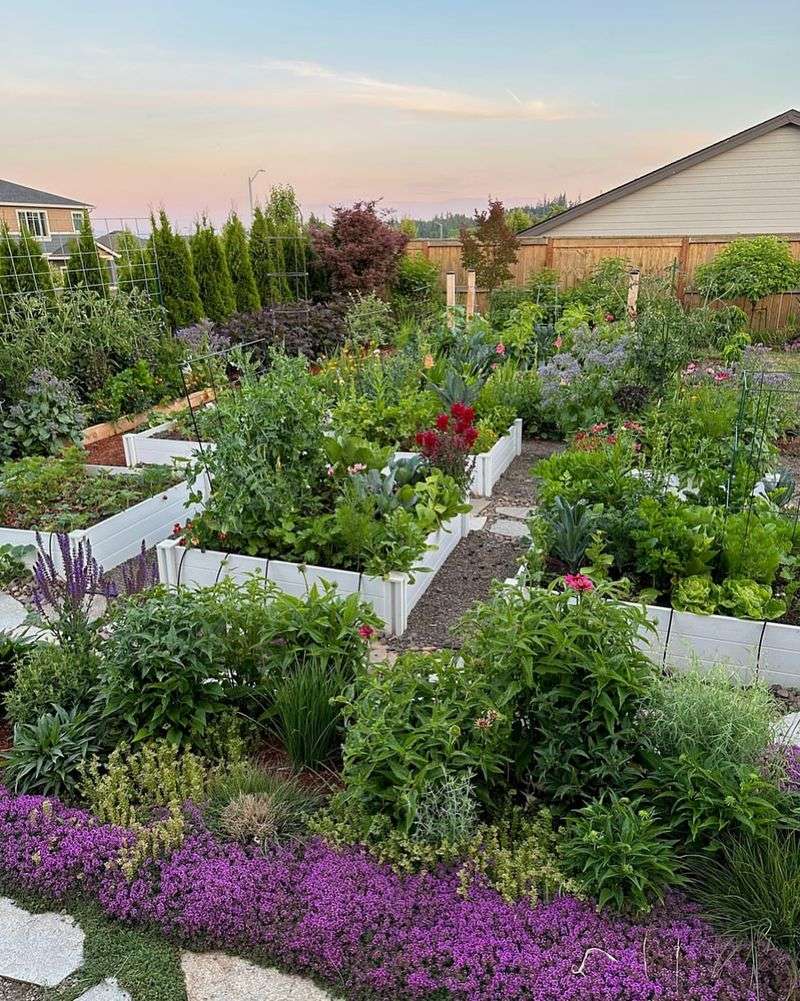
Planting one coneflower in the corner of your yard is kind, but planting ten together is transformative. Pollinators are efficient creatures.
They prefer to find a big patch of one flower and work through it quickly rather than zigzagging across a yard hunting for scattered singles.
Planting in drifts, meaning grouping the same plant species together in clusters of five to fifteen plants, makes your garden far more visible and useful to pollinators.
A big patch of purple asters is like a flashing neon sign to a passing bumblebee. One lone aster barely registers.
Drifts also look better to human eyes. Instead of a chaotic mix that feels messy, grouped plantings create bold sweeps of color that feel intentional and beautiful.
Oregon gardeners often find that drifts are easier to maintain too, since you can mulch, water, and weed one area at a time.
When planning drifts, aim to have at least three different drift groupings blooming at any given time throughout the season.
This ensures pollinators always have options and keeps the garden visually interesting from spring through fall.
Start with the plants you love most, then expand outward. Even in a small Oregon yard or urban garden space, a few well-placed drifts can support a surprisingly large and diverse community of local pollinators all season long.
Design For Pollinators, Not Just Looks
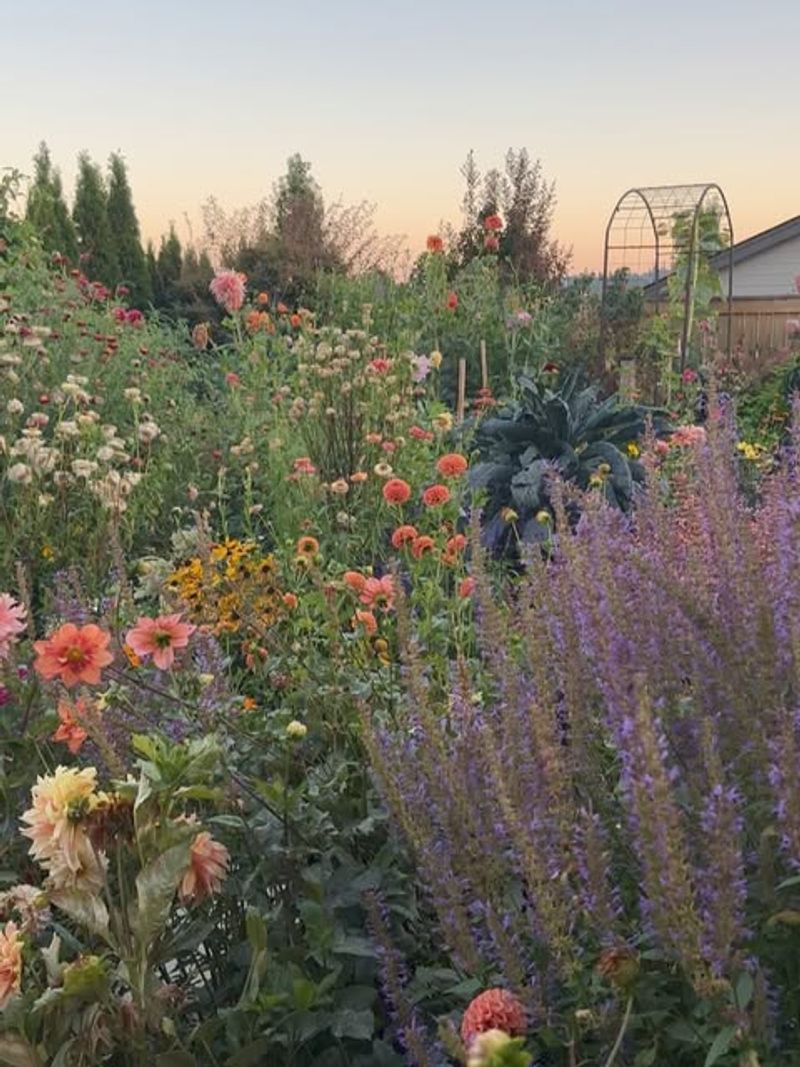
A garden designed only for looks might win a neighborhood award, but a garden designed for pollinators wins something better: a thriving, living ecosystem right outside your door. Shifting your design mindset from purely visual to functionally pollinator-friendly changes everything about how you plant.
Start by thinking about what pollinators need beyond flowers. They need water.
A shallow dish with pebbles for bees to land on, changed every few days to stay clean, can make your Oregon garden a genuine destination. They also need nesting sites.
Leaving some bare patches of soil gives ground-nesting bees a place to build their homes.
Avoid using pesticides, even organic ones, during bloom time. Many pesticides are not selective and will harm the very bees and butterflies you are trying to support.
In Oregon, where native bee populations are under real pressure, every pesticide-free yard makes a measurable difference.
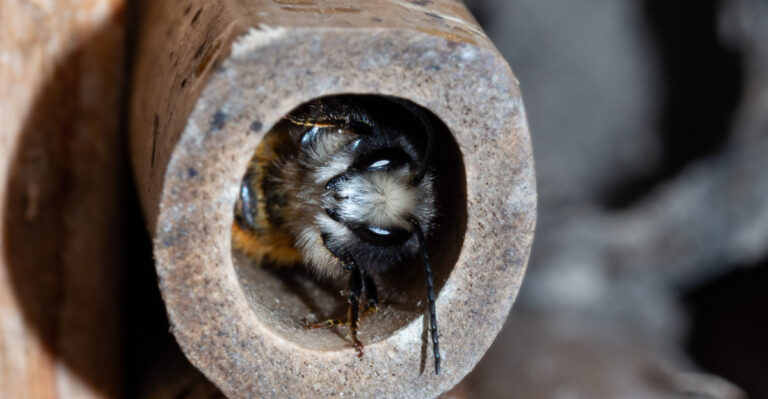
Let parts of your garden stay a little wild. Leave hollow stems standing through winter so mason bees and other cavity nesters can overwinter safely.
A small brush pile in the corner provides shelter for ground beetles and other beneficial insects. Oregon gardeners who embrace a slightly messier, more natural aesthetic are actually doing the most important work of all.
Beautiful and wild can absolutely coexist, and pollinators will reward you for it every single season.