How To Create A Heat-Proof Garden In California
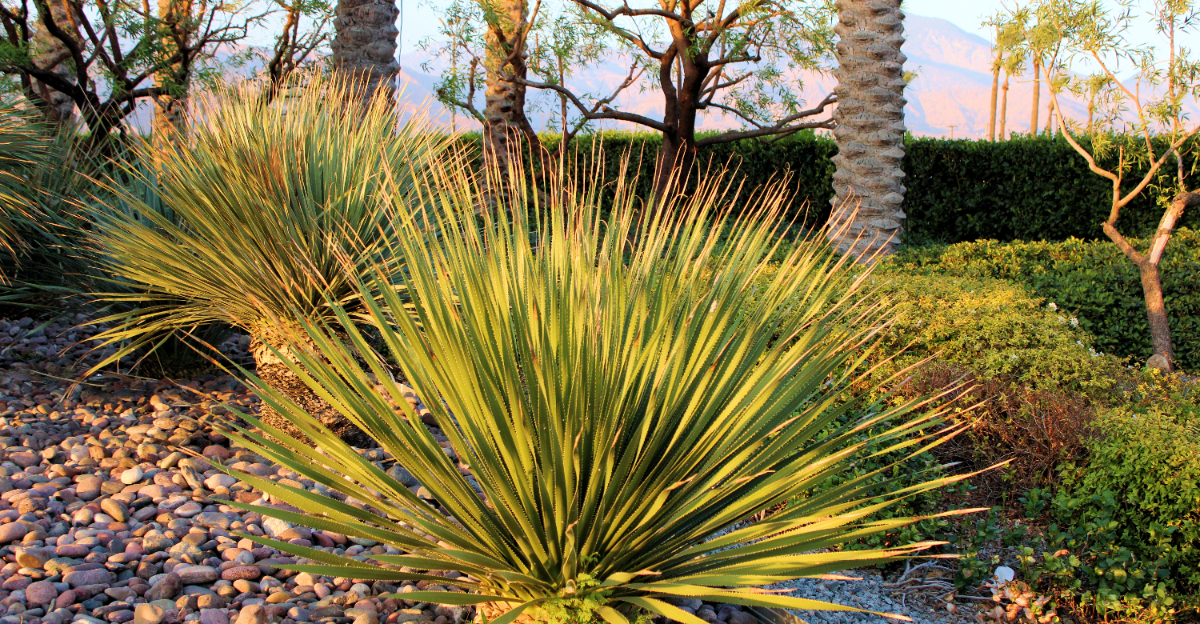
If your garden starts looking stressed the second California cranks up the heat, you are definitely not alone.
Scorching afternoons, dry soil, and relentless sun can turn even a pretty yard into a crispy little warning sign by midsummer.
The good news is a heat-proof garden is absolutely possible, and no, it does not mean settling for a yard full of sad gravel and one lonely cactus.
With the right mix of smart plant choices, better watering habits, and a layout that works with the climate instead of fighting it, your garden can stay colorful, healthy, and far less dramatic when temperatures spike.
A few simple changes can make a huge difference in how well your outdoor space handles brutal summer weather. The goal is not just survival.
It is creating a garden that still looks lush, inviting, and full of life even when the forecast starts feeling personal.
Choose Heat-Tough Plants
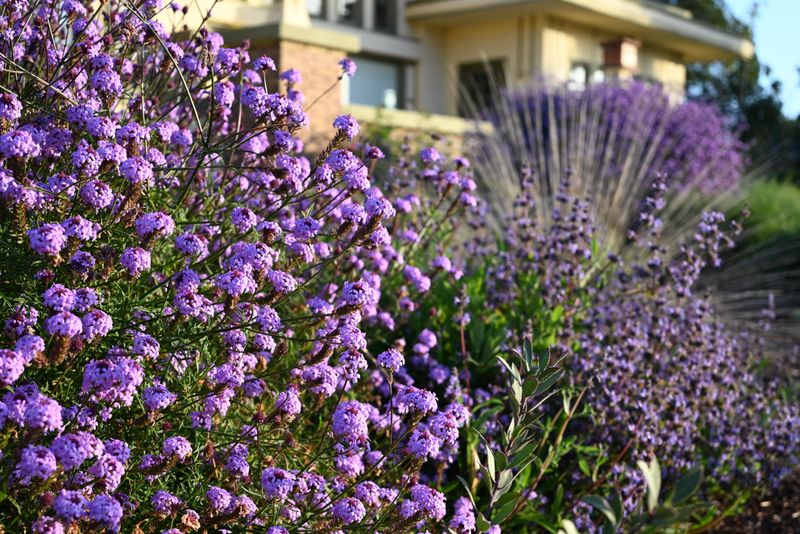
Not every plant is built for California heat, and that is totally okay. The secret is picking plants that already love hot, dry conditions.
Native California plants are some of the best choices you can make. They evolved right here, so they know how to handle the intense summer sun without needing a ton of water or extra care.
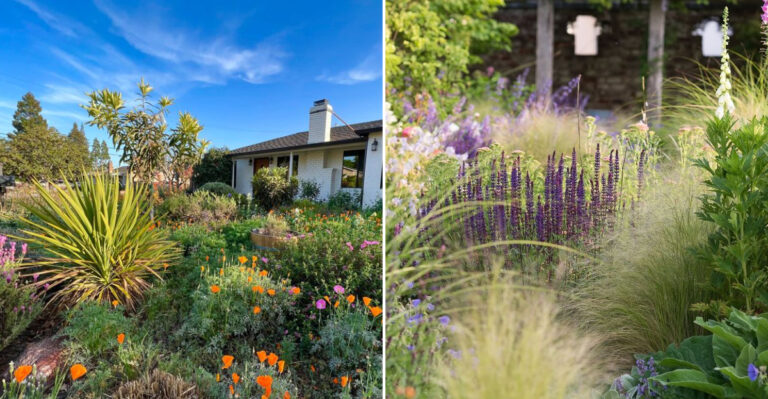
California poppy is a classic pick. It is bright, cheerful, and incredibly tough.
Western redbud adds beautiful color in spring and holds up well through summer. Sacred White Sage is another winner.
It smells amazing and practically thrives on neglect. These plants are not just survivors either.
They actually support local bees, butterflies, and birds, which makes your garden feel alive.
When shopping at a nursery, look for labels that say “drought-tolerant” or “California native.” Ask the staff for recommendations specific to your region. Plants that work great in San Diego might need slightly different care in Sacramento.
Matching the right plant to your local conditions makes everything easier. You spend less time watering and worrying, and more time enjoying your outdoor space all summer long.
Cut Back Thirsty Lawn
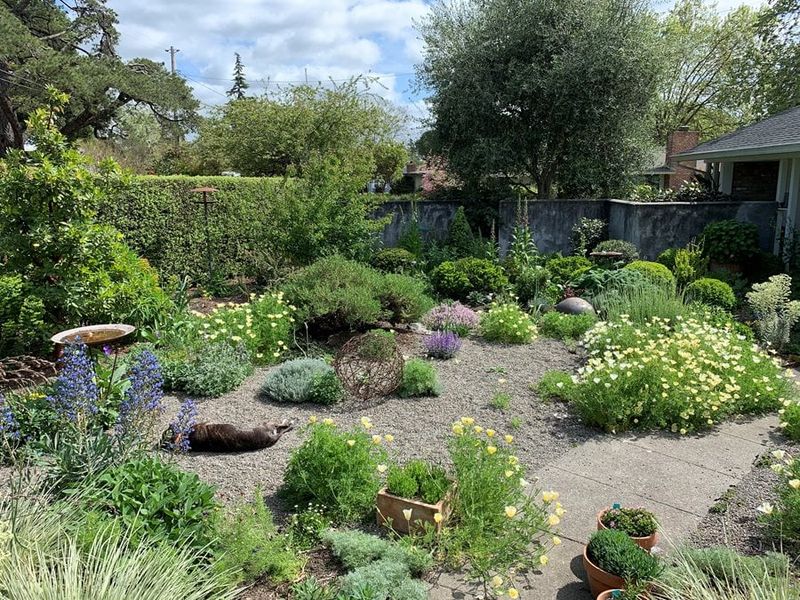
Lawns are water hogs. A standard grass lawn in California can use up to 70 percent of a home’s outdoor water supply.
During a hot summer, that number climbs even higher. Cutting back your lawn is one of the smartest moves a California gardener can make, both for your wallet and for your garden’s overall health.
You do not have to remove every blade of grass at once. Start small.
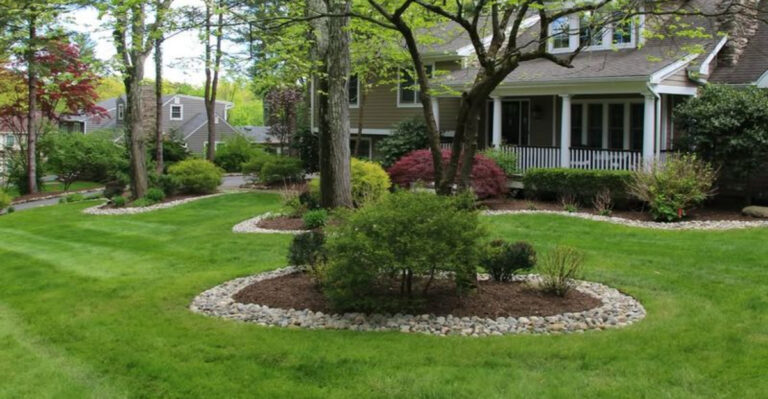
Replace a section of lawn with gravel, decomposed granite, or low-growing native ground covers. Plants like creeping thyme or native bunch grasses look great, need very little water, and can handle serious heat without much fuss.
Many California cities even offer rebates for homeowners who replace their lawns with drought-tolerant landscaping.
Think of a reduced lawn as gaining space, not losing it. That freed-up area becomes a chance to grow something more interesting and water-wise.
A mix of colorful native plants, stepping stones, and mulched beds can look just as inviting as a green lawn, sometimes even more so. Your neighbors might start asking for tips once they see how good a low-water yard can actually look.
Add Mulch Everywhere
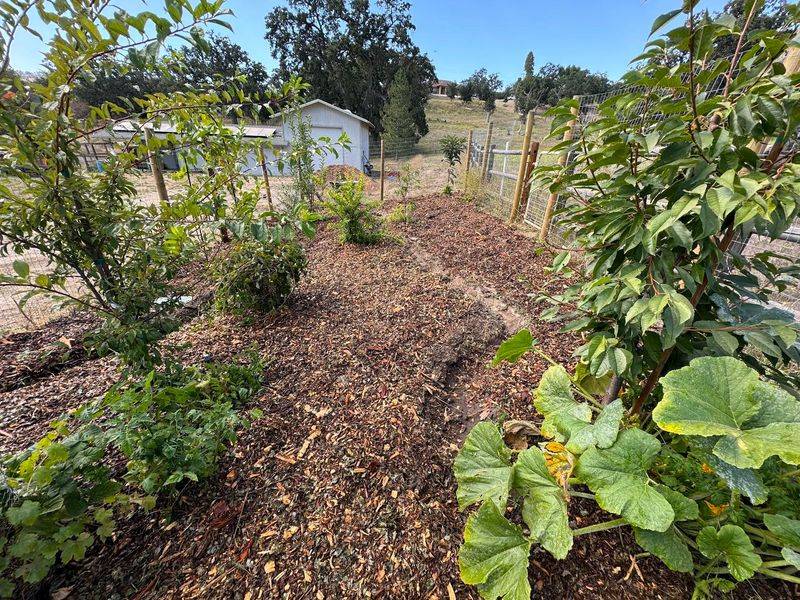
Mulch is one of the most underrated tools in a California gardener’s toolkit. A good layer of mulch spread across your garden beds does three incredibly helpful things at once.
It keeps moisture locked in the soil, it cools down the ground temperature, and it slows weed growth. All of that adds up to a healthier, more heat-resistant garden with less work on your part.
Aim for about two to four inches of organic mulch, like wood chips or straw. Spread it across all your planting areas, right up to the base of your plants.
Just keep it a few inches away from the actual stems and trunks. Piling mulch directly against plant bases can hold too much moisture there and cause problems.
Wood chip mulch is easy to find in California. Many local tree trimming companies offer free or cheap wood chips.
Some cities also provide free mulch at composting centers. As the mulch breaks down over time, it also improves your soil quality, which helps your plants grow stronger roots.
Refreshing your mulch layer once a year is usually enough to keep things working well. It is a small effort that pays off big when summer temperatures start climbing.
Water Deep, Not Often
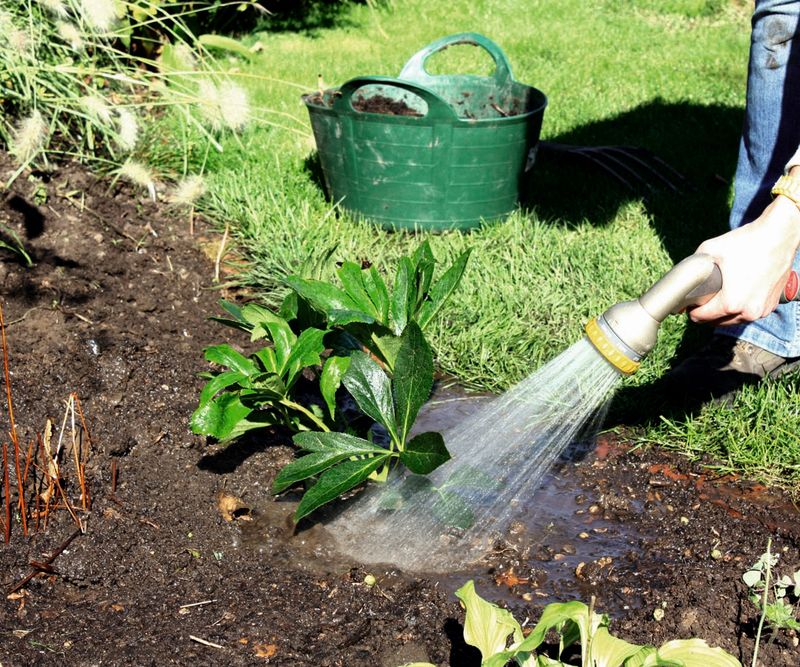
Most people water their gardens too often and not deeply enough. Light, frequent watering keeps moisture near the top of the soil.
That trains plant roots to stay shallow, which makes them far more vulnerable when California heat waves hit. Deep, infrequent watering is a completely different story.
When you water deeply, moisture soaks down into the lower layers of soil. Plant roots follow that moisture downward, growing deeper and stronger over time.
Deep roots can access water that evaporates much more slowly than surface moisture. This means your plants stay hydrated longer between watering sessions, even during the hottest stretches of summer.
A good rule of thumb is to water slowly and let it soak in rather than flooding the surface quickly. Early morning is the best time to water in California.
Temperatures are cooler, wind is usually calmer, and plants have time to absorb moisture before the afternoon heat arrives. Watering at night can leave too much moisture on leaves overnight, which can cause issues.
If you are not sure how deep your water is reaching, use a soil probe or a long screwdriver. Push it into the ground after watering.
It should slide easily through moist soil to at least six to eight inches deep.
Switch To Drip Irrigation
Sprinklers spray water everywhere, including places where no plants are growing. A lot of that water evaporates before it ever reaches a root.
In California’s dry summer climate, that kind of waste adds up fast. Drip irrigation fixes this problem in a really elegant way.
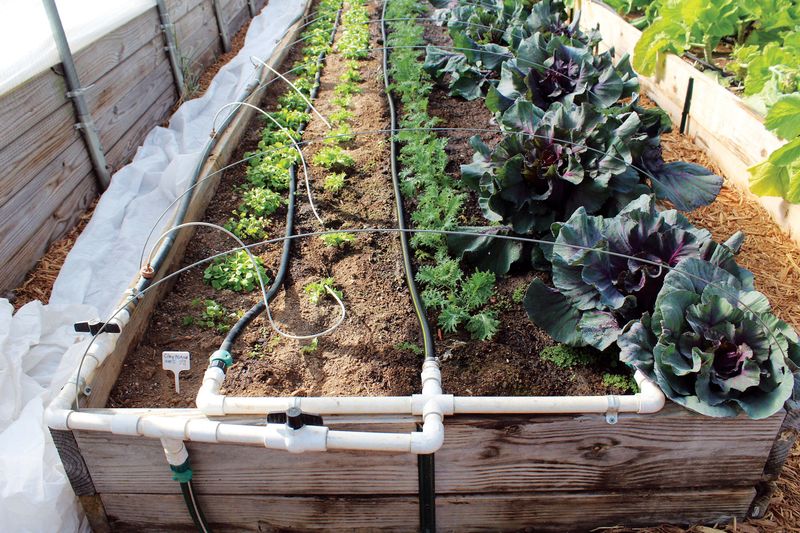
A drip system delivers water slowly and directly to the base of each plant through small tubes and emitters. Because the water goes right to the root zone, very little is lost to evaporation.
Studies show that drip irrigation can use up to 50 percent less water than traditional sprinkler systems. For California gardeners dealing with water restrictions and rising utility bills, that is a huge deal.
Setting up a basic drip system is more manageable than it sounds. Many hardware and garden stores across California carry starter kits that include everything you need.
You can connect most drip systems to a timer, which takes the guesswork out of watering entirely. Once it is set up, the system runs on its own.
You can go on vacation without worrying about your garden drying out. Drip irrigation also keeps water off plant leaves, which reduces the chance of fungal issues during hot, humid stretches.
Group Plants By Water Needs
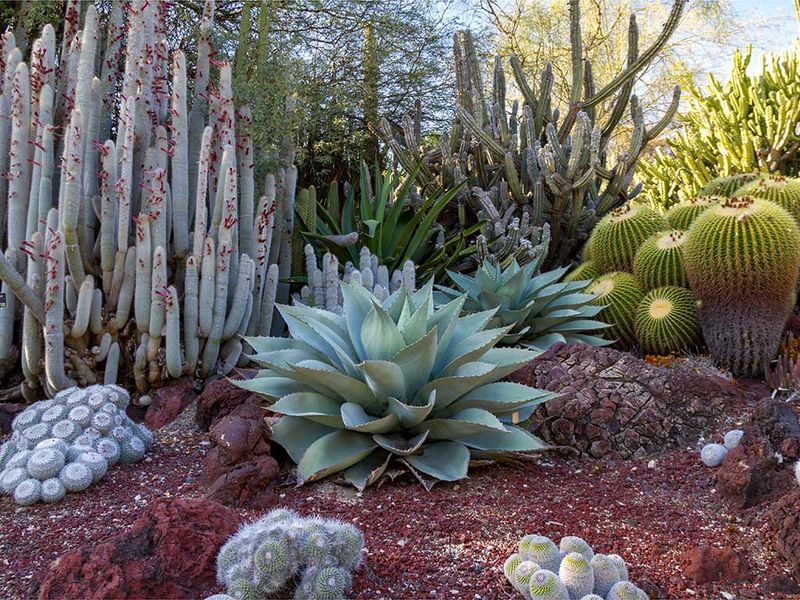
Mixing plants with very different water needs in the same bed creates a constant headache. If you water enough for the thirsty plants, the drought-tolerant ones get too much.
If you water just right for the tough plants, the others suffer. Grouping plants by how much water they actually need solves this problem completely.
Landscapers call this approach hydrozoning. It sounds technical, but the idea is simple.
Put all your drought-tolerant native plants together in one area. Group your slightly thirstier plants, like vegetables or tropical-style plants, in a separate zone where you can give them more attention.
This way, every plant gets exactly what it needs without wasting a single drop.
Hydrozoning also makes your irrigation setup much more efficient. You can run separate drip lines or watering schedules for each zone.
In California, where water conservation is a serious priority, this approach can make a noticeable difference in your monthly water bill. It also reduces stress on your plants during heat waves because each one is getting the right amount of moisture.
Walk through your yard and take notes on which plants need more water and which ones are fine with less. Then rearrange or plan your next planting season around those groups.
Create More Shade
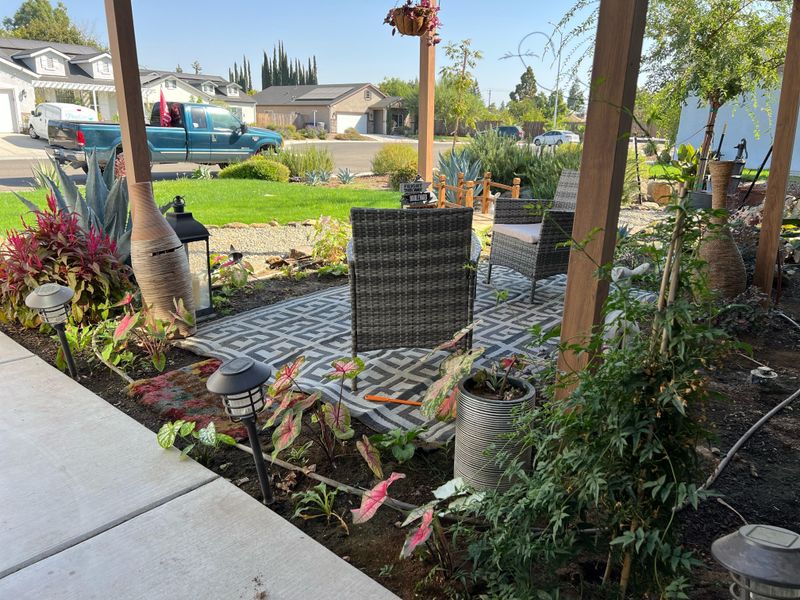
Shade is one of the most powerful tools you have in a hot California garden. Direct afternoon sun in California can push temperatures well above 100 degrees in many regions.
That kind of intense heat stresses plants fast. But even a little bit of shade can drop the temperature by up to 15 degrees, which makes a massive difference for both plants and people.
Pergolas and shade sails are popular options for creating overhead coverage. Planting fast-growing climbing vines on a trellis is another beautiful solution.
Bougainvillea, jasmine, and native California grape are all great choices that provide shade while also looking stunning. Strategically placed trees can shade vegetable beds during the hottest part of the afternoon while still allowing morning sunlight through.
Shade cloth is also worth keeping on hand. It comes in different densities, typically 30 to 70 percent shade coverage, and can be draped over beds during extreme heat events.
This is especially useful for protecting vegetable gardens during unexpected heat waves. Many California gardeners use shade cloth as a temporary fix while permanent shade structures or trees grow in.
Think about where the sun hits hardest in your yard during the afternoon and start building shade solutions in those spots first.
Improve Drainage First
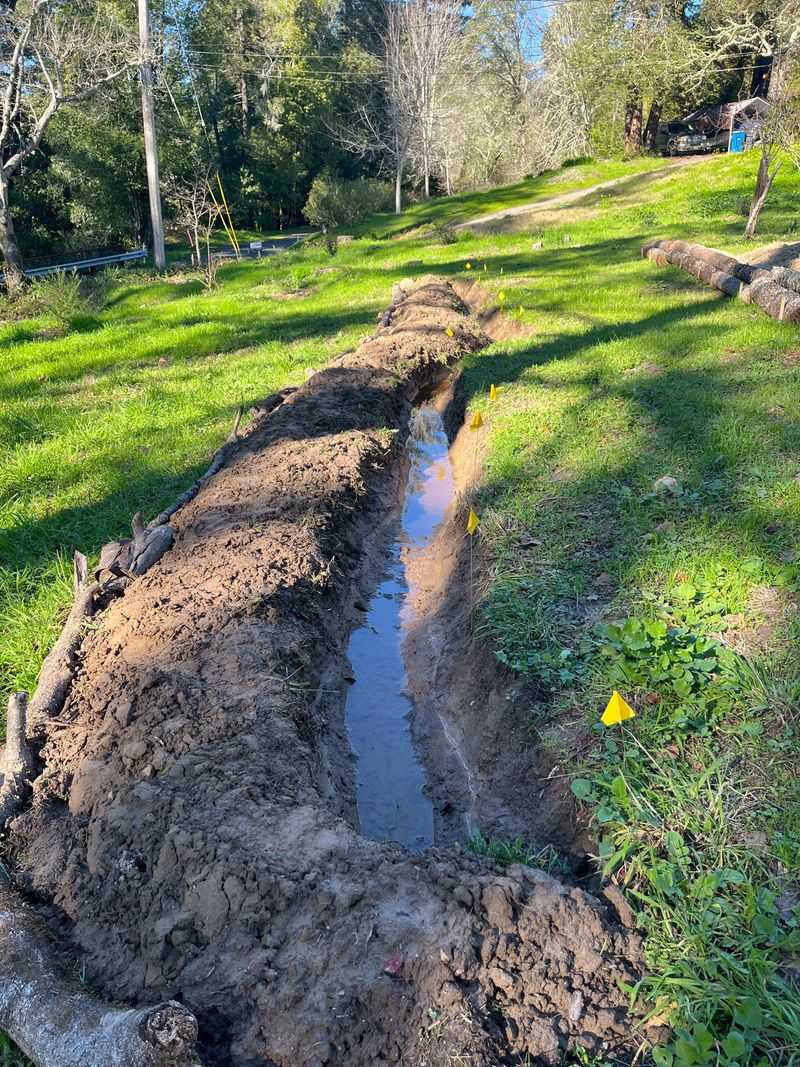
Good drainage might not sound as exciting as picking beautiful plants or installing a drip system, but it is absolutely foundational. In many parts of California, especially areas with heavy clay soil, water does not drain properly.
When soil stays waterlogged, roots struggle to breathe, and plants become more vulnerable to heat stress rather than less.
The fix starts with understanding what kind of soil you have. Clay soil holds water too long.
Sandy soil drains too fast. Both can be improved by adding compost.
Working a few inches of quality compost into your garden beds dramatically improves soil structure. It helps clay soil drain better and helps sandy soil retain just enough moisture to keep roots happy through the heat.
Raised beds are another excellent solution, especially in California regions with very poor native soil. Filling raised beds with a custom blend of compost, topsoil, and perlite gives your plants a perfect growing environment right from the start.
Good drainage also means water from your drip system or rain actually reaches the root zone instead of pooling on the surface or running off. Fixing drainage first makes every other heat-proofing strategy work better.
Think of it as building a strong foundation before putting up the walls.