How To Create A Hedge That Supports Wildlife In Oregon All Year
A hedge can be more than a neat green border. In Oregon, it can become a lively shelter buzzing, chirping, and rustling with wildlife every month of the year.
Imagine songbirds nesting in spring, bees visiting summer blossoms, and tiny creatures tucked safely inside when winter winds roll in. A well planned hedge turns your yard into a year round refuge.
The secret is choosing the right mix of native plants that offer food, cover, and seasonal interest. Some shrubs provide nectar and berries, others create dense branches for nesting and protection, and a few hold onto foliage when temperatures drop.
Layer them together and your hedge starts working like a natural habitat instead of simple landscaping.
With a little planning, your hedge can feed pollinators, shelter birds, and support local wildlife through every season while still looking beautiful and full of life.
1. Start With Native Backbone Shrubs
Every great wildlife hedge starts with a strong foundation, and in Oregon, that means choosing native shrubs that have deep roots in the local ecosystem. Native backbone shrubs are the anchors of your hedge.
They grow reliably in Oregon’s climate, need less water once established, and offer food and shelter that local wildlife already knows how to use.
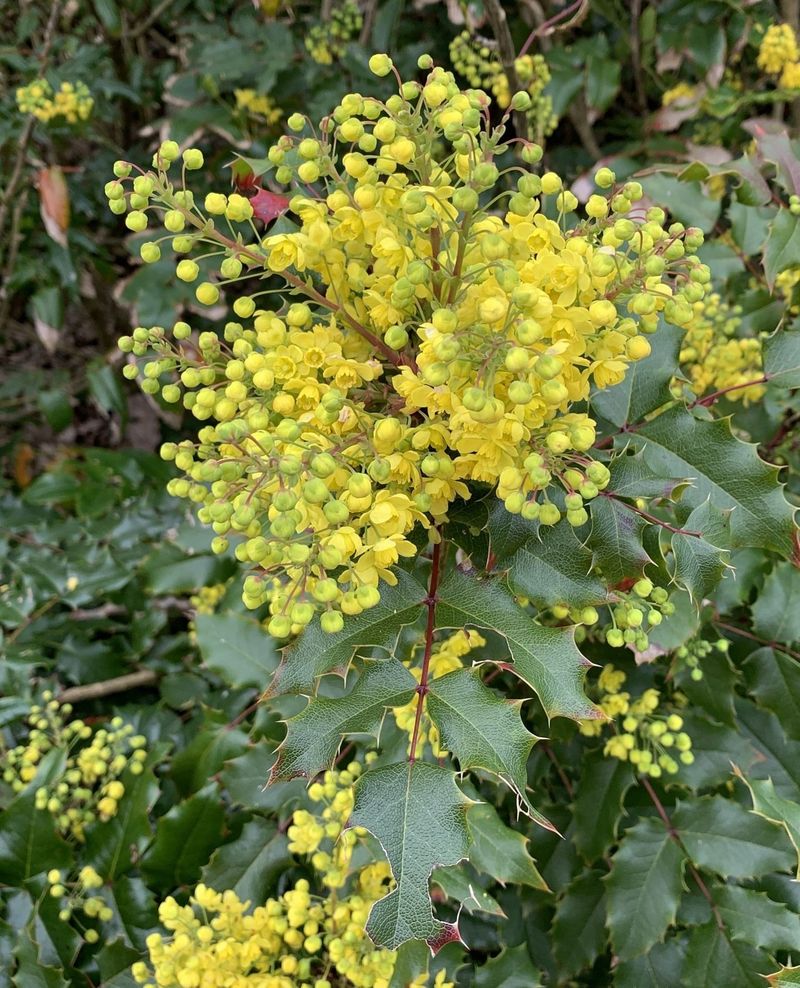
Oregon grape (Mahonia aquifolium) is a fantastic choice. It stays green all year, produces yellow flowers in late winter that feed early bees, and grows well in both sun and shade.
Red-twig dogwood (Cornus sericea) is another excellent pick. Its bright red stems look beautiful in winter, and its white flower clusters attract pollinators in spring.
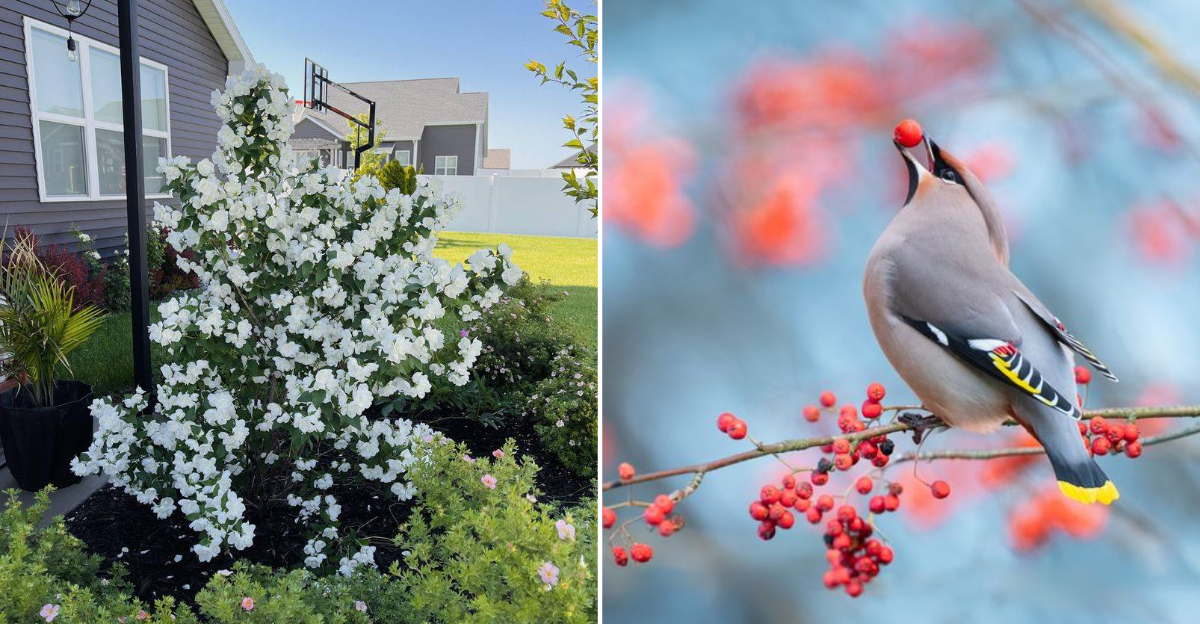
Nootka rose (Rosa nutkana) adds thorny protection that birds love for nesting. Mock orange (Philadelphus lewisii), Oregon’s state flower, fills the hedge with sweet fragrance and draws in butterflies.
Plant these backbone shrubs first, spacing them according to their mature width. They set the structure everything else builds around.
A mix of three or four native backbone species creates a hedge that feels natural and functions like a true piece of Oregon habitat from the very start.
2. Mix Evergreen And Deciduous Layers
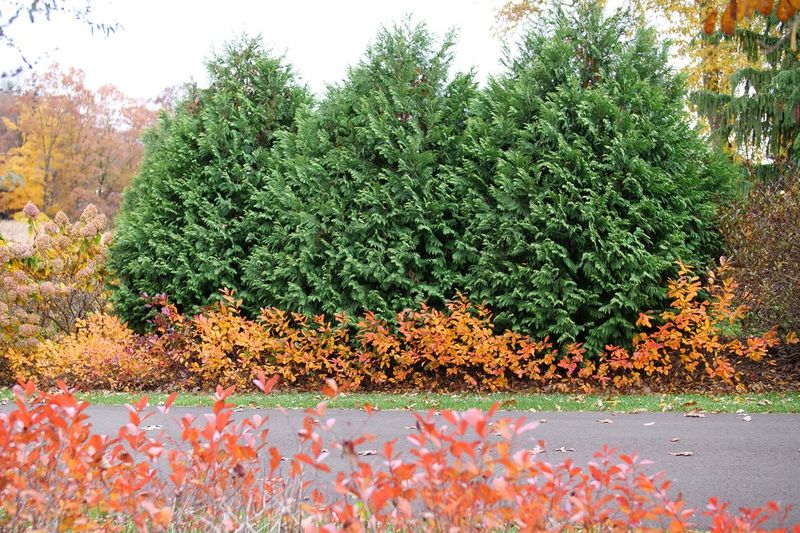
One of the smartest things you can do when building a wildlife hedge in Oregon is to mix plants that keep their leaves year-round with plants that drop them in fall.
Evergreen shrubs provide shelter and cover during cold, rainy Oregon winters when wildlife needs it most.
Deciduous shrubs open up the hedge in spring and summer, letting in light and encouraging understory growth.
Evergreen options like wax myrtle (Morella californica) and tall Oregon grape (Mahonia aquifolium) keep birds hidden from predators even in January. They also block cold winds and heavy rain.
Deciduous shrubs like serviceberry (Amelanchier alnifolia) and red elderberry (Sambucus racemosa) burst into bloom early in spring, offering nectar and berries at key times in the wildlife calendar.
Layering these two types creates a hedge with year-round value. Think of it like building a neighborhood.
Some buildings are always open, and some change with the seasons, but together they serve the whole community. Aim for roughly half evergreen and half deciduous plants.
This balance keeps the hedge looking full and lush even in the grey Oregon winter while still allowing seasonal bursts of flowers and fruit that wildlife depends on.
3. Feed Birds In Every Season
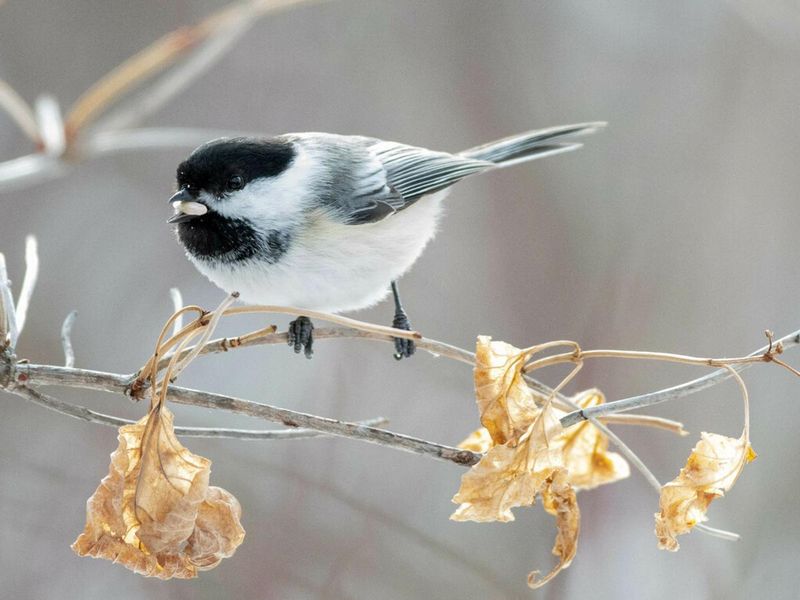
Birds are some of the most visible visitors to any Oregon wildlife hedge, and keeping them fed through all four seasons takes a little planning. The goal is to have something offering food in every month of the year, from early spring buds to late winter berries.
Oregon has dozens of bird species that stay year-round, including juncos, chickadees, robins, and waxwings, and they all need reliable food sources.
In spring, flowering shrubs like red flowering currant (Ribes sanguineum) produce tubular blooms that hummingbirds chase from the moment they return to Oregon in February.
In summer, elderberry and serviceberry offer juicy fruits that robins and cedar waxwings go absolutely wild for.
Fall brings the seed heads of native grasses and shrubs, which sparrows and finches pick through on cold mornings.
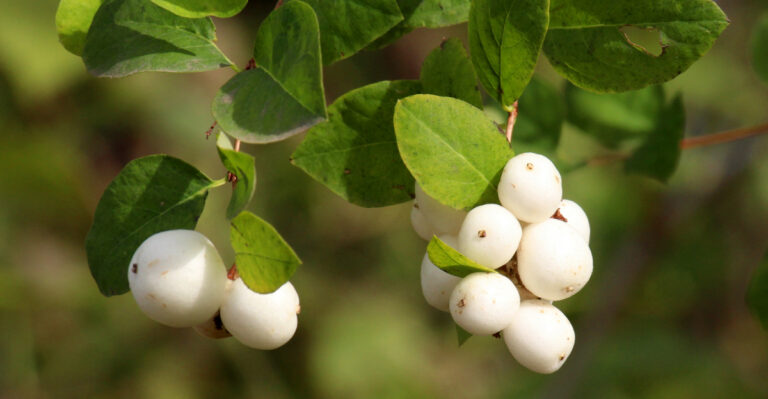
Winter is where many hedges fail birds, but yours does not have to. Planting hawthorn (Crataegus douglasii) and snowberry (Symphoricarpos albus) ensures there are berries clinging to branches even in December and January.
Avoid deadheading too aggressively. Leaving seed heads and dried berries standing through winter gives birds the fuel they need to survive Oregon’s coldest months. A well-stocked hedge is better than any bird feeder you could buy.
4. Plant For Continuous Bloom
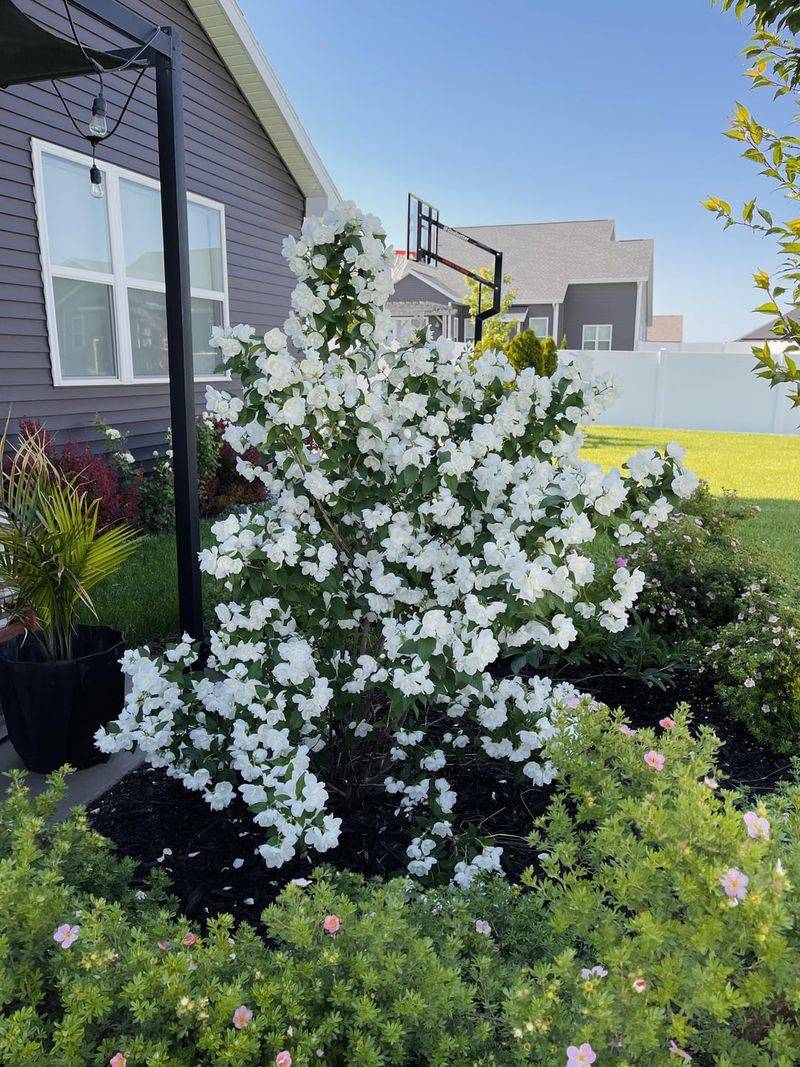
Pollinators in Oregon need flowers from early spring all the way through fall. If your hedge only blooms for two weeks in May, you are missing a huge opportunity to support bees, butterflies, and other beneficial insects.
Planning for continuous bloom means choosing plants with different flowering times so there is always something open for pollinators to visit.
Red flowering currant kicks things off as early as February in the Willamette Valley, drawing the first bees of the season. Mock orange blooms in late spring with creamy white flowers and a scent that stops people in their tracks.
Coyote brush (Baccharis pilularis) flowers in late summer and fall, when most other plants have finished, making it a critical late-season fuel stop for migrating butterflies and native bees preparing for winter.
Think of your hedge as a buffet that never fully closes. Stagger your planting so there are early bloomers, mid-season bloomers, and late bloomers all growing side by side.
Even small additions like native asters tucked at the base of your hedge can extend the bloom season by weeks.
In Oregon, where rain can limit foraging time, having reliable blooms whenever the sun comes out makes a real difference for the pollinator community in your neighborhood.
5. Create Safe Nesting Zones
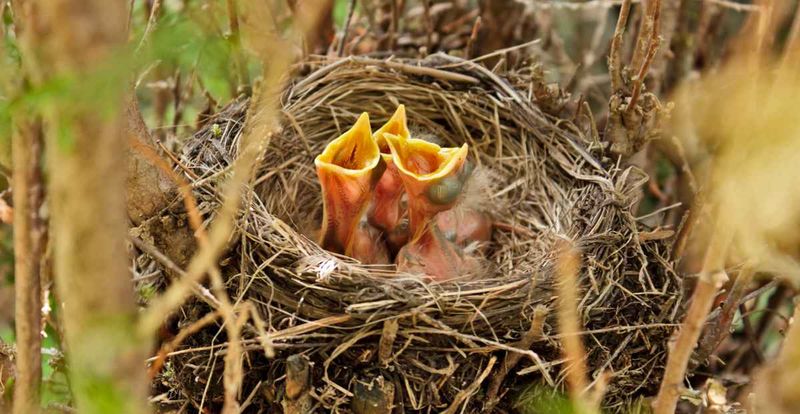
A hedge that feeds wildlife but offers no place to nest is only doing half the job. Birds, small mammals, and even some insects need safe, protected spots to raise their young, and a well-designed hedge can provide exactly that.
Oregon has many bird species that nest in dense shrubs, including song sparrows, towhees, and yellow warblers, and they are always searching for the right combination of cover and structure.
Thorny shrubs are especially valuable for nesting. Nootka rose and hawthorn create a physical barrier that keeps cats and other predators away from nests.
Dense evergreen shrubs like wax myrtle offer year-round cover that birds return to season after season. The trick is to let these shrubs grow thick and full rather than pruning them into tight, bare shapes.
Avoid heavy pruning between March and July, which is peak nesting season in Oregon. Even a light trim during those months can disturb active nests.
Instead, do your shaping work in late fall or early winter when birds are not actively nesting.
You can also add small brush piles at the base of the hedge to give ground-nesting birds and small mammals extra hiding spots. A little wildness in the hedge goes a long way toward making wildlife feel truly at home.
6. Add Berry Power For Winter
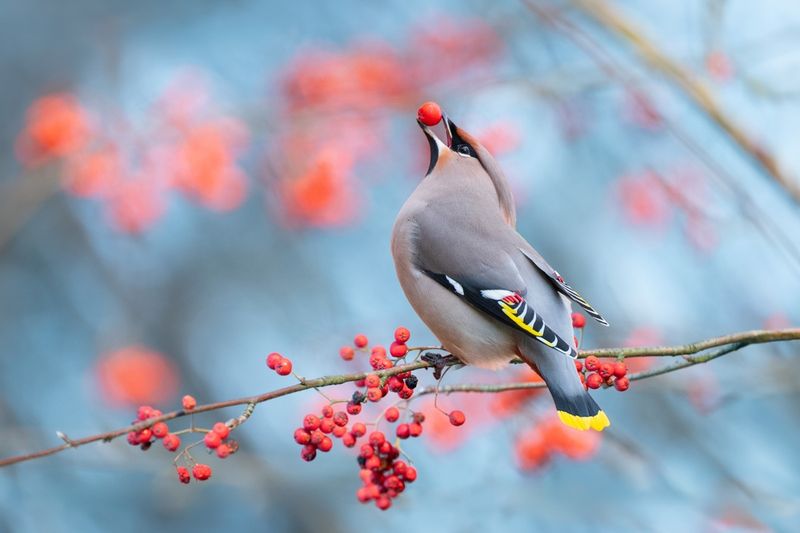
Winter in Oregon can be wet, grey, and cold, but it does not have to be empty of wildlife activity.
Berry-producing shrubs are the secret weapon of any great wildlife hedge, especially during the months when insects are scarce and birds need high-energy food to stay warm.
Choosing the right berry plants means your hedge becomes a winter feeding station that no store-bought feeder can match.
Hawthorn (Crataegus douglasii) is one of the best winter berry shrubs for Oregon. Its small, dark berries stay on the branches well into January and are eaten by robins, waxwings, and thrushes.
Snowberry (Symphoricarpos albus) produces white berries that persist through winter and are eaten by grouse and other birds when other food runs out. Tall Oregon grape offers blue-black berry clusters that ripen in late summer but often hang on into the cold months.
Red elderberry (Sambucus racemosa) is beloved by more than 50 bird species and ripens in midsummer, giving birds a rich food source before fall migration.
Planting a mix of early, mid, and late-ripening berry shrubs creates a sequence of food that carries wildlife from August all the way through February.
In Oregon’s mild coastal regions, some of these berries last even longer, making them especially valuable for resident bird populations that do not migrate south.
7. Let It Grow A Little Wild
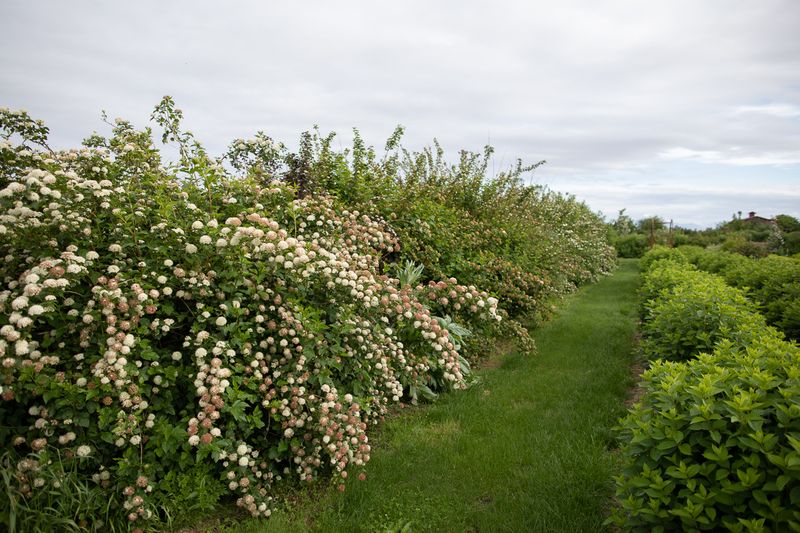
There is a certain kind of gardener who cannot resist trimming every stray branch and raking every fallen leaf. That instinct is understandable, but when it comes to a wildlife hedge in Oregon, a little messiness is actually a sign of success.
Allowing parts of your hedge to grow in a relaxed, natural way creates the kind of habitat that wildlife genuinely needs and that manicured gardens simply cannot provide.
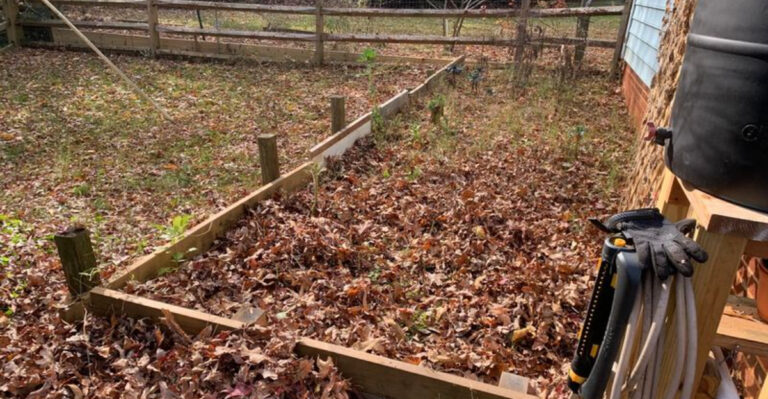
Leaf litter at the base of the hedge is gold for insects, salamanders, and ground-feeding birds like towhees and thrushes. Do not rake it all away.
Dead wood tucked into the hedge provides egg-laying sites for native bees and hiding spots for beneficial beetles. Even hollow stems left standing through winter give mason bees a place to overwinter safely.
Letting some shrubs reach their full natural height and spread creates the density and layering that birds look for when choosing a nesting or roosting spot.
In Oregon, where development pressure on natural habitats is real, a slightly wild hedge in a suburban yard can serve as a genuine wildlife corridor connecting larger patches of habitat.
Think of your hedge not as a decoration but as a functioning piece of Oregon’s natural landscape. The more natural it looks, the better it works for the animals that depend on it.
8. Build Shelter From Ground To Canopy
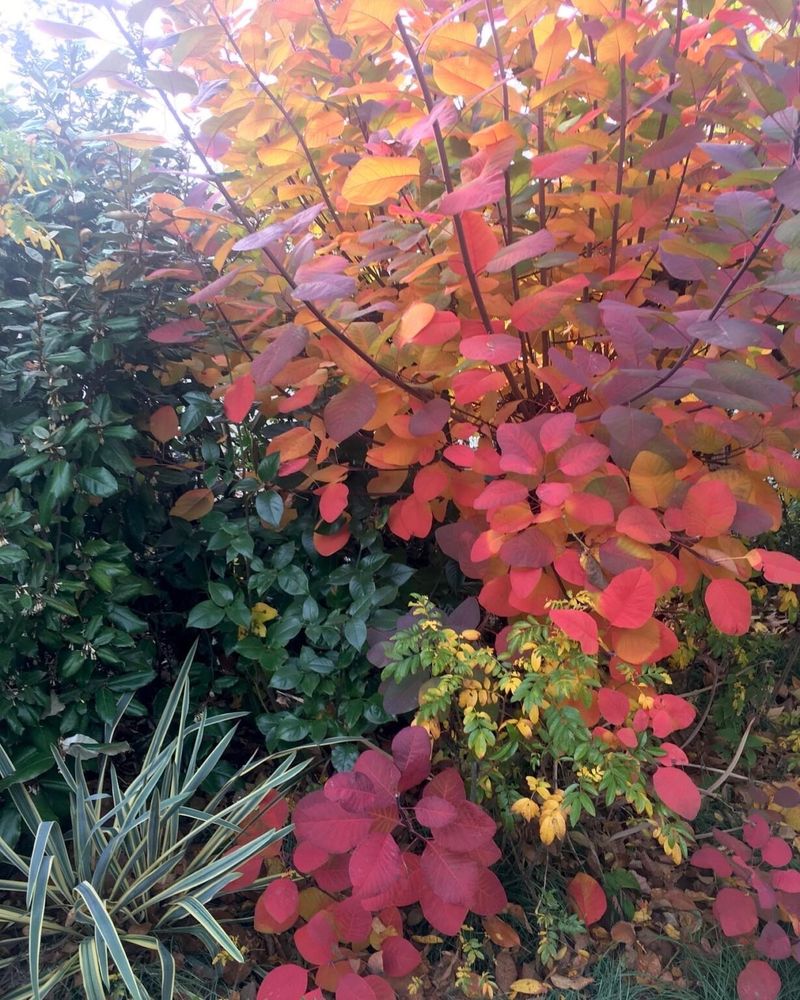
The most effective wildlife hedges in Oregon work on multiple levels at the same time. Ground level, mid-level, and upper canopy each serve different animals and create a richer, more complex habitat than a single-height planting ever could.
Building vertical diversity into your hedge is one of the most impactful things you can do for local wildlife.
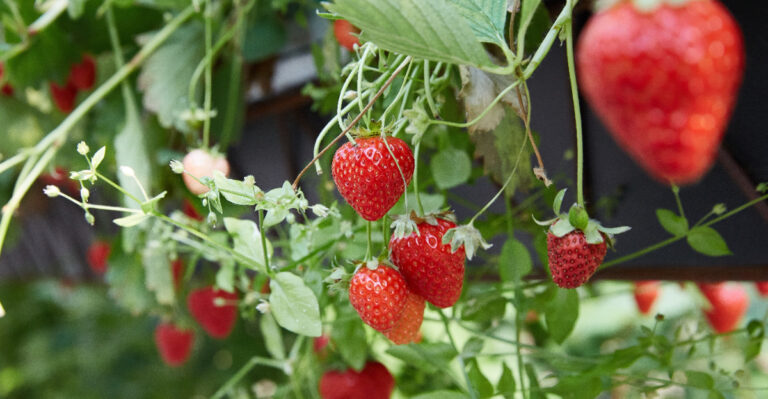
At ground level, low-growing plants like kinnikinnick (Arctostaphylos uva-ursi) and native strawberry (Fragaria vesca) cover the soil, prevent weeds, and feed ground beetles, butterflies, and small birds.
In the middle layer, shrubs like Indian plum (Oemleria cerasiformis) and osoberry bloom very early in Oregon’s spring, giving the first hungry pollinators a much-needed meal.
At the upper level, small trees like Pacific crabapple (Malus fusca) or cascara (Frangula purshiana) add height, more nesting options, and additional fruit for wildlife.
Each vertical layer attracts different species. Warblers hunt for insects in the upper branches.
Sparrows scratch through leaf litter at the base. Bumblebees visit mid-level flowers while hummingbirds hover at the tops.
Together, these layers create a living structure that buzzes, chirps, and rustles with activity through all four seasons. In Oregon, where native habitats are under pressure, every layered hedge you build adds real value to the broader ecosystem right outside your door.