How To Create Gorgeous Plant Combinations Like A Pro In Your North Carolina Garden
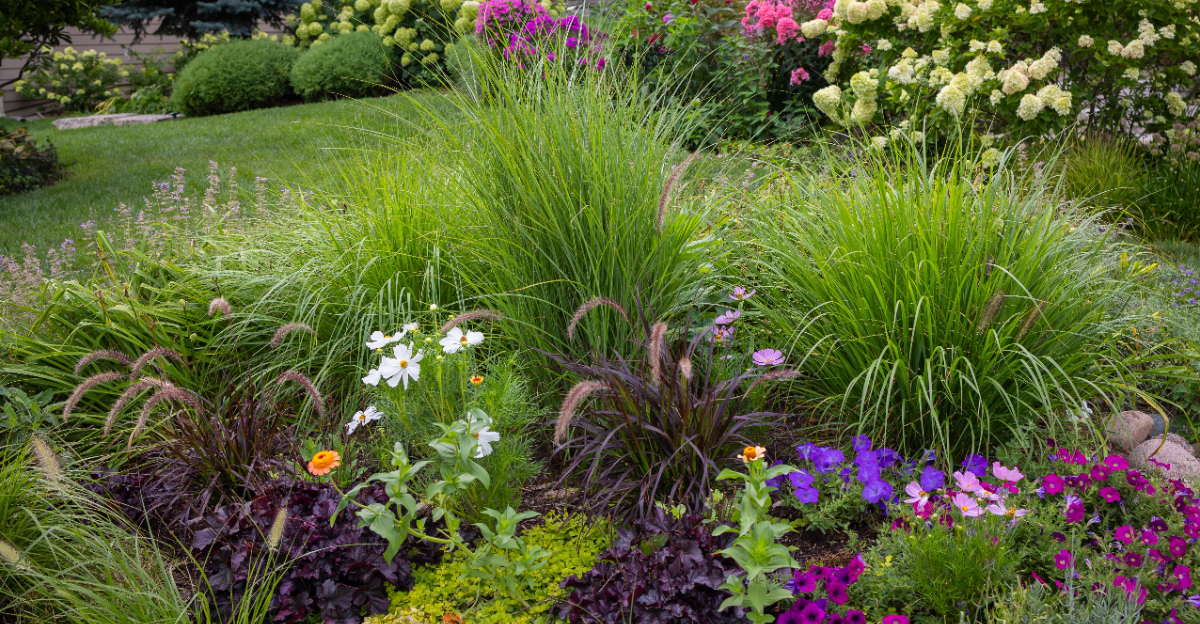
A truly beautiful garden rarely happens by accident, yet creating one can be far simpler than it seems. In North Carolina, thoughtful plant pairing can transform ordinary beds into stunning displays that feel balanced, colorful, and alive through every season.
When plants are chosen to complement each other in height, texture, and bloom time, the entire landscape begins to flow naturally, creating a polished look without complicated effort.
North Carolina’s diverse climate supports a wide range of plants, making it easier to combine varieties that grow well together while maintaining strong, healthy growth.
Smart combinations not only enhance visual appeal but also improve plant performance by matching sunlight, soil, and moisture needs. With a little planning and creativity, even simple garden spaces can become vibrant and inviting.
Learning how to pair plants effectively allows your North Carolina garden to feel harmonious, eye catching, and full of lasting seasonal beauty.
1. Combine Plants With Similar Sun And Soil Needs
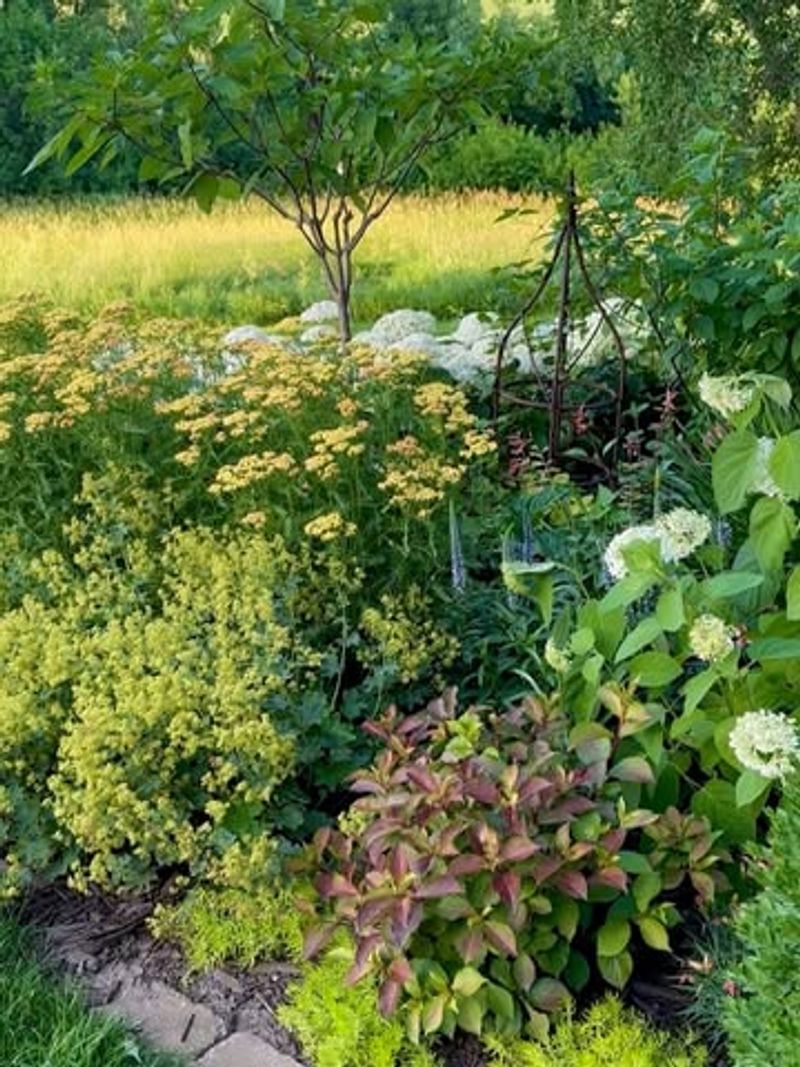
Matching plants with identical growing conditions forms the foundation of successful garden combinations. North Carolina gardens experience hot humid summers and mild winters, making it essential to group plants that handle these conditions equally well.
Sun-loving perennials like coneflowers and black-eyed Susans thrive when planted together because they share the same light requirements and soil preferences.
Soil moisture matters just as much as sunlight when creating combinations. Azaleas and hostas both prefer moist, acidic soil with good drainage, making them natural companions in shaded areas.
Placing drought-tolerant sedums next to moisture-loving astilbes creates stress for both plants and results in disappointing growth patterns.
Testing your soil before planting saves time and prevents frustration down the road. Most North Carolina soils lean toward acidic, which suits many popular ornamental plants perfectly.
Adding compost improves soil structure for nearly every plant combination you might choose.
Observing how plants perform in their first season guides future planting decisions. Plants struggling in certain spots likely need different light or water conditions.
Moving them to more suitable locations improves their health and creates opportunities for better matched combinations. Grouping plants with shared needs reduces maintenance time while increasing visual impact and overall garden success.
2. Layer Heights To Create Natural Garden Depth
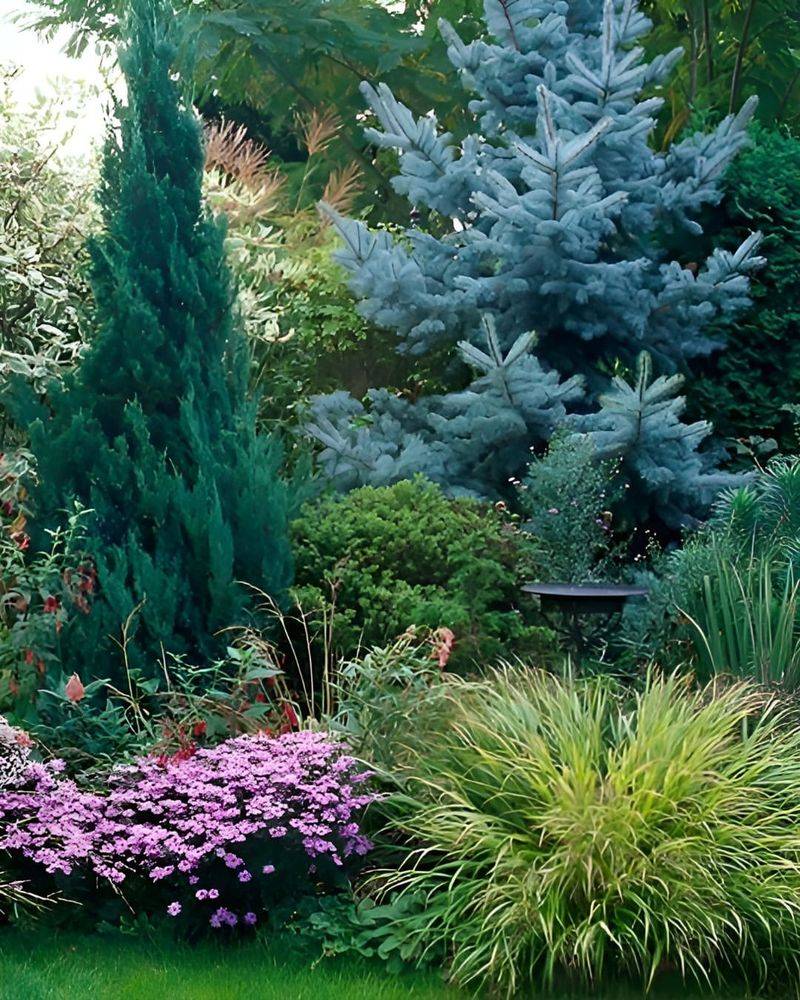
Arranging plants by height brings professional structure to garden beds and borders instantly. Tall plants like ornamental grasses or joe-pye weed create dramatic backdrops when positioned behind shorter companions.
This layering approach mimics natural plant communities found in North Carolina woodlands and meadows.
Medium-height plants form the transition zone between tall background specimens and low foreground plantings. Coreopsis, salvia, and rudbeckia work beautifully in this middle layer, providing color without blocking views of taller plants behind them.
Their moderate size bridges visual gaps and creates smooth transitions throughout the bed.
Low-growing plants along the front edge soften hard borders and complete the layered look. Creeping phlox, sedum, and sweet alyssum spill over edges gracefully while filling spaces between taller plants.
These groundcovers also suppress weeds and retain soil moisture during hot Carolina summers.
Proper spacing between height layers ensures each plant receives adequate air circulation and sunlight. Crowding plants together invites fungal problems in our humid climate and reduces flowering performance.
Allowing room for mature growth prevents constant maintenance and keeps combinations looking intentional rather than chaotic. Strategic height layering transforms flat plantings into dynamic displays that draw eyes naturally through the entire garden space.
3. Mix Flowering Times For Continuous Seasonal Color
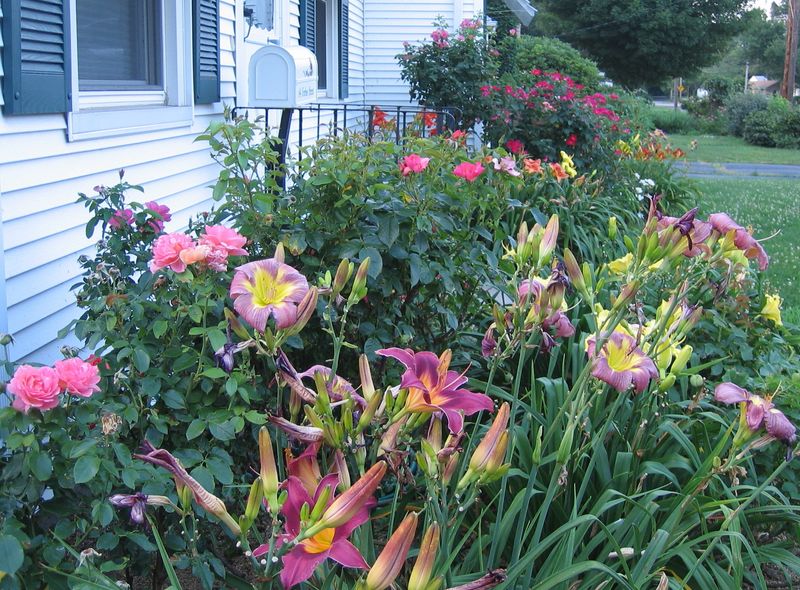
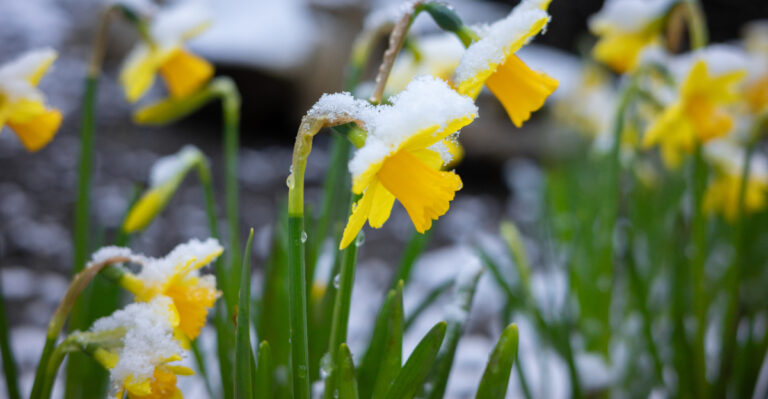
Planning for overlapping bloom times keeps your garden interesting from early spring through late fall. Spring bulbs like daffodils and tulips provide the first color burst after winter dormancy ends.
Pairing them with summer bloomers ensures the space transitions smoothly as bulb foliage fades away naturally.
Early summer brings peak performance from roses, daylilies, and coneflowers across North Carolina gardens. Interplanting these with late summer performers like sedum and asters extends the color show into autumn.
This staggered approach prevents the dreaded midsummer gap when many spring bloomers finish their display.
Fall offers spectacular opportunities for continued color with ornamental grasses, chrysanthemums, and salvias. These late performers shine when many other plants begin their seasonal decline.
Goldenrod and Joe-Pye weed provide native options that support pollinators preparing for winter migration.
Recording bloom times in a garden journal helps refine your combinations each year. Noting which plants bloom simultaneously reveals opportunities for better color pairings or identifies gaps needing attention.
Adjusting combinations based on actual performance creates increasingly satisfying displays over time.
Mixing early, mid, and late bloomers transforms static plantings into ever-changing tapestries that reward attention throughout the growing season while maximizing your garden’s visual impact.
4. Pair Complementary Colors For Visual Harmony
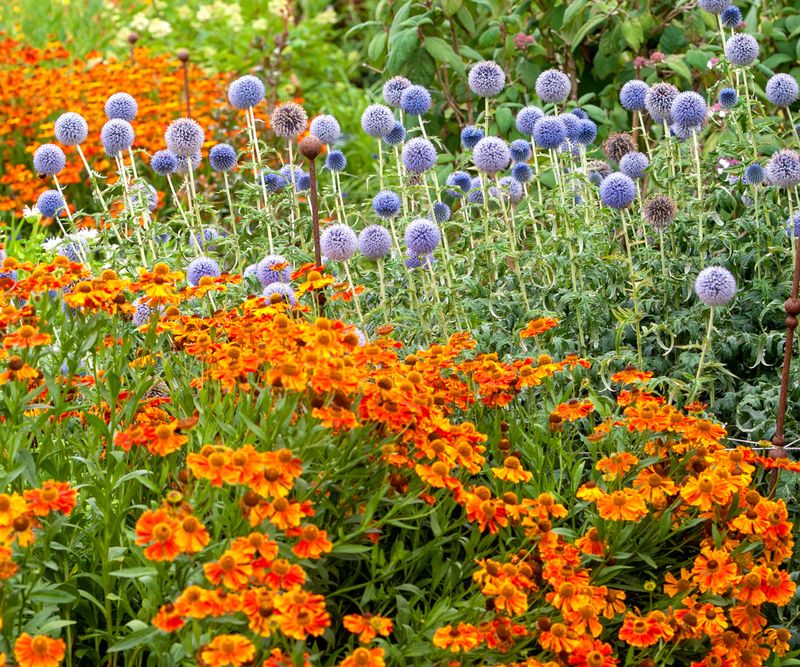
Understanding basic color relationships elevates garden combinations from random to remarkable quickly. Purple salvia paired with yellow coreopsis creates vibrant contrast that catches attention from across the yard.
These complementary colors sit opposite each other on the color wheel and intensify each other’s visual impact naturally.
Analogous color schemes using neighbors on the color wheel produce calmer, more harmonious effects. Combining pink coneflowers with purple asters and magenta bee balm creates gentle transitions that feel cohesive and restful.
This approach works beautifully in smaller North Carolina gardens where bold contrast might feel overwhelming.
White flowers act as neutral buffers between potentially clashing colors in mixed borders. Shasta daisies or white phlox separate strong hues while adding brightness to shaded areas.
Silver foliage from artemisia or lamb’s ear provides similar visual relief while contributing interesting texture.
Warm colors like reds, oranges, and yellows appear to advance toward viewers, making spaces feel smaller and more intimate. Cool blues, purples, and pinks recede visually, creating the illusion of greater depth in compact areas.
Using this principle strategically enhances spatial perception in your garden. Experimenting with different color combinations reveals personal preferences while developing your unique garden style and improving overall design confidence.
5. Use Foliage Texture To Add Visual Interest
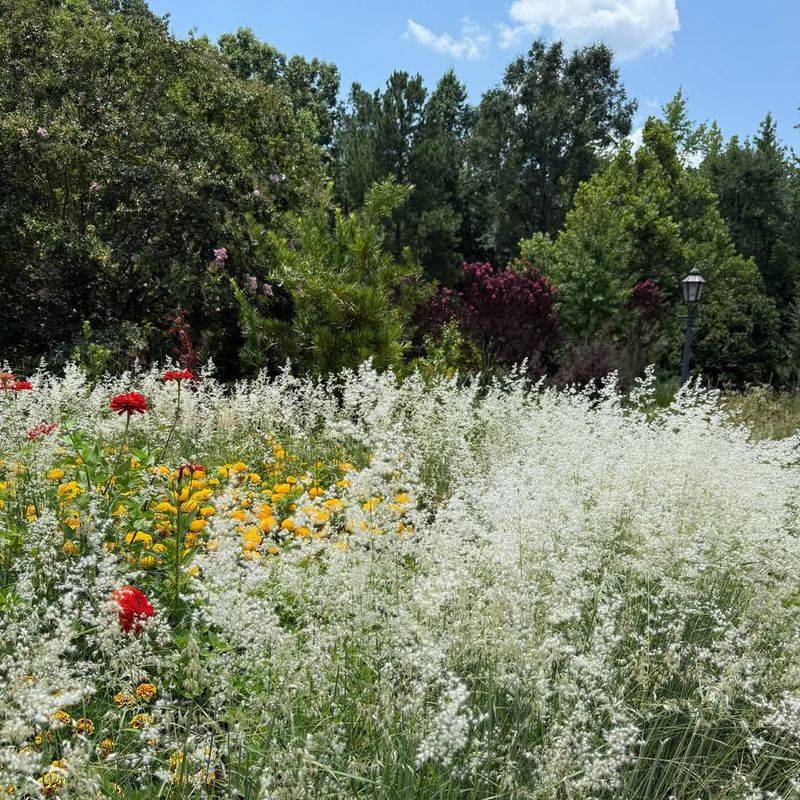
Leaf texture creates interest that outlasts fleeting flower displays throughout the growing season. Bold, broad leaves of hostas contrast beautifully with delicate, feathery fern fronds in shaded North Carolina gardens.
This textural interplay catches light differently and adds dimension even without colorful blooms present.
Fine-textured plants like ornamental grasses or threadleaf coreopsis create airy, soft effects in sunny borders. Their needle-like foliage contrasts dramatically with the substantial leaves of cannas or elephant ears.
Mixing these extremes produces dynamic combinations that remain visually engaging from spring through fall.
Medium-textured plants bridge the gap between bold and fine foliage, preventing jarring transitions. Daylilies, iris, and salvia offer moderate leaf sizes that complement both textural extremes effectively.
Their versatile appearance makes them valuable workhorses in North Carolina gardens. Variegated foliage adds another layer of textural interest through color patterns within individual leaves.
Hostas with cream edges or grasses with white stripes brighten shaded areas while contributing textural variety. These plants maintain visual appeal even when not flowering actively.
Combining three different leaf textures in each planting area creates professional-looking results that hold interest throughout the season and reduces dependence on flowers alone for garden beauty.
6. Repeat Key Plants To Create A Cohesive Look
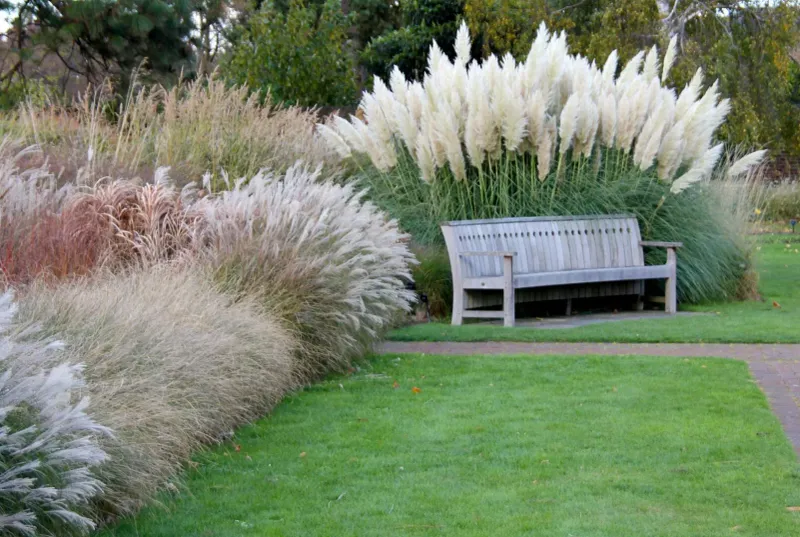
Repeating certain plants throughout your garden creates visual rhythm that ties disparate areas together beautifully. Using the same ornamental grass at three or five spots along a border establishes continuity that guides eyes naturally through the space.
This professional technique prevents gardens from looking like random plant collections.
Odd-numbered groupings of repeated plants feel more natural than even numbers to human eyes. Planting purple coneflowers in groups of three or five at intervals creates pleasing patterns without rigid formality.
This approach mimics how plants spread naturally in wild settings across North Carolina landscapes.
Repeating bloom colors rather than specific plants offers flexibility while maintaining cohesion. Using different plants with similar purple flowers throughout a bed unifies the design while adding variety.
This method works especially well when combining plants with different bloom times or cultural requirements.
Anchor plants repeated throughout larger gardens create familiar landmarks that help orient visitors. Distinctive evergreens or large ornamental grasses serve this purpose effectively in North Carolina gardens.
Their consistent presence provides structure as seasonal plants come and go around them.
Strategic repetition transforms collections of individual plants into unified compositions that feel intentional and professionally designed rather than haphazard, significantly improving overall visual impact and creating memorable garden experiences.
7. Combine Native And Adapted Plants For Strong Performance
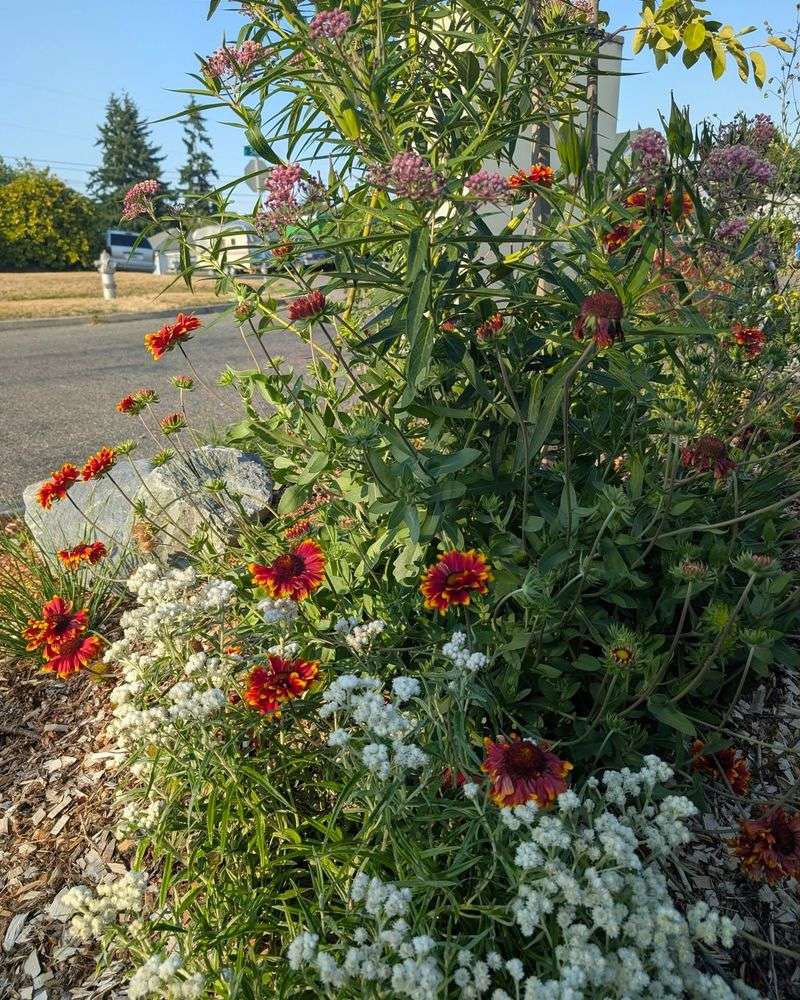
North Carolina native plants evolved to thrive in our specific climate and soil conditions naturally. Black-eyed Susans, coneflowers, and Carolina jessamine require minimal maintenance once established in appropriate locations.
Mixing these reliable natives with well-adapted ornamentals creates resilient combinations that withstand weather extremes and pest pressures.
Adapted plants from similar climates perform nearly as well as true natives in Carolina gardens. Salvias from Texas and ornamental grasses from the Midwest handle our heat and humidity successfully.
These additions expand design possibilities while maintaining the low-maintenance benefits of native-focused plantings.
Native plants support local ecosystems by providing food and habitat for beneficial insects and birds. Combining them with adapted ornamentals creates layered habitats that attract diverse wildlife populations.
This ecological approach produces gardens that buzz with life while requiring fewer chemical inputs.
Choosing plants suited to your specific microclimate ensures better results than forcing unsuitable specimens to survive. Observing which plants thrive in neighboring gardens provides valuable clues about local adaptability.
Local garden centers often stock regionally appropriate plants that perform reliably. Blending native and adapted species creates beautiful, sustainable combinations that connect your garden to the broader North Carolina landscape while reducing maintenance demands and supporting environmental health naturally.
8. Use Evergreen Plants To Anchor Seasonal Displays
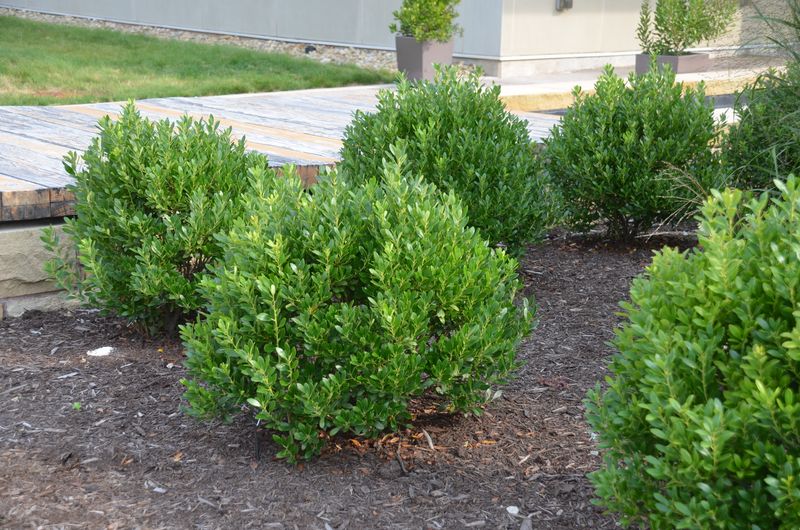
Evergreen shrubs and perennials provide essential structure when deciduous plants lose their leaves each winter. Boxwoods, hollies, and Southern magnolias maintain their foliage year-round in North Carolina gardens.
These permanent fixtures anchor changing seasonal displays and prevent beds from looking bare during colder months.
Positioning evergreens strategically creates focal points that remain attractive throughout all seasons. A well-placed evergreen shrub draws attention even when surrounded by dormant perennials in winter.
This consistent presence provides visual stability that makes gardens feel finished rather than abandoned during off-seasons.
Evergreen groundcovers like liriope or mondo grass edge borders beautifully while suppressing weeds continuously. Their persistent foliage frames seasonal color displays during growing months and maintains definition during dormancy.
These workhorses require minimal care once established in appropriate locations.
Combining evergreens with different leaf colors and textures prevents monotony in winter gardens. Golden cypress paired with dark green holly creates visual interest even without flowers present.
Variegated euonymus brightens shaded areas year-round while anchoring shade combinations effectively.
Using evergreens as the backbone of planting designs ensures your North Carolina garden maintains structure and appeal during every season, making the investment in perennials and annuals more impactful when they perform actively throughout warmer months.
9. Balance Flower Density With Open Space
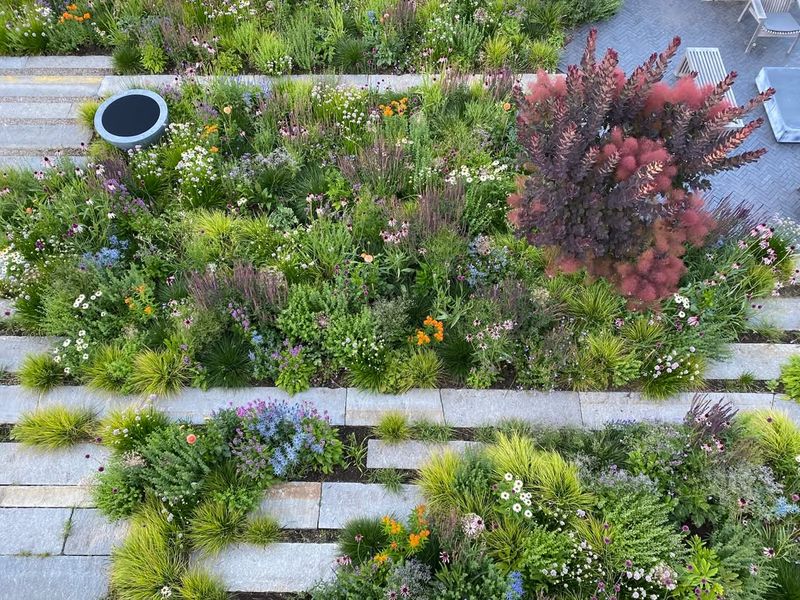
Cramming too many plants into limited space creates competition for resources and invites pest problems. Proper spacing allows air circulation that reduces fungal issues in North Carolina’s humid climate.
Leaving room between plants also showcases individual specimens more effectively than crowded arrangements.
Visual breathing room helps eyes appreciate each plant’s unique characteristics and contributions. Mulched spaces between plants provide contrast that makes flowers and foliage stand out dramatically.
This negative space functions like margins on a page, making the overall composition easier to read and enjoy.
Mature plant size determines appropriate spacing more accurately than nursery pot dimensions. A perennial sold in a one-gallon container might spread three feet wide within two seasons.
Researching mature dimensions prevents overcrowding and reduces the need for frequent division or removal.
Groundcovers fill spaces between larger plants without creating visual clutter or competition. Low-growing sedums or ajuga spread horizontally while allowing taller companions adequate growing room.
These living mulches suppress weeds while maintaining the open feel that makes gardens appear professionally designed.
Resisting the urge to pack plants tightly results in healthier specimens, reduced maintenance demands, and more attractive displays that allow each plant to shine individually while contributing to cohesive overall compositions throughout your North Carolina garden.
10. Plan Around Growth Size Not Just Planting Size
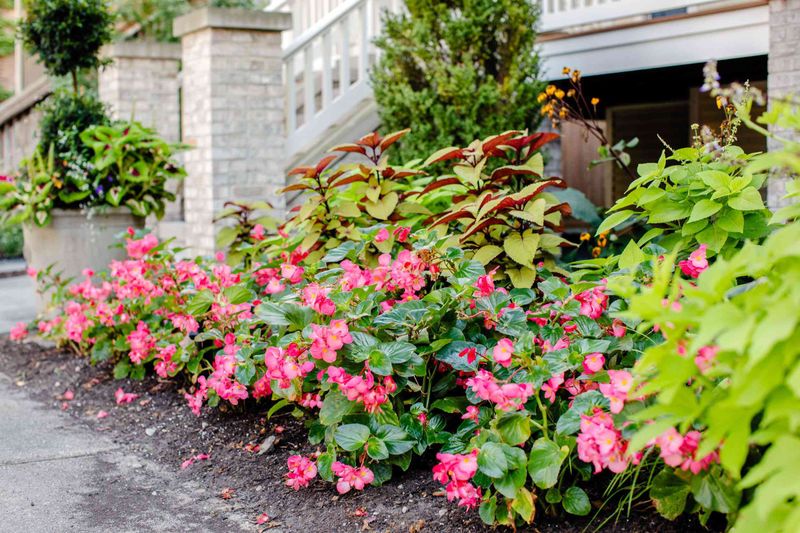
Tiny plants purchased from nurseries often grow dramatically larger within just a few seasons. That cute dwarf shrub might reach six feet tall and equally wide at maturity.
Understanding ultimate dimensions prevents expensive mistakes and reduces the need for constant pruning or removal.
Plant tags provide mature size information, but conditions in your specific garden may produce different results. North Carolina’s long growing season and ample rainfall often encourage plants to exceed expected dimensions.
Researching how plants perform locally gives more accurate size predictions than generic tag information.
Spacing plants for their mature size leaves gardens looking sparse initially but prevents problems later. Filling temporary gaps with annuals or fast-growing perennials provides immediate color while permanent plants establish.
This patient approach saves money and effort compared to constantly rearranging overcrowded beds.
Pruning to control size requires ongoing effort and often compromises plant health and flowering. Choosing naturally compact varieties suited to available space eliminates this maintenance burden.
Dwarf cultivars of popular shrubs perform beautifully in smaller North Carolina gardens without constant intervention.
Planning combinations based on mature plant dimensions creates sustainable gardens that improve with age rather than becoming overcrowded nightmares, allowing you to enjoy your landscape rather than constantly fighting against nature’s growth patterns.