How To Design A Storm-Resistant Garden On The Oregon Coast
If you garden on the Oregon coast, you already know the weather likes to keep you on your toes. One day it’s calm and bright, the next it’s wind-driven rain and salty air blowing sideways.
Storms are part of life here, and they have a way of testing every plant, fence, and garden bed in your yard.
But a storm-resistant garden doesn’t mean giving up on beauty or settling for boring plant choices.
It’s about designing your space so it works with coastal conditions instead of constantly fighting them.
When the layout makes sense and the right plants are in the right places, your garden can handle rough weather with far less stress for you and your plants.
Many coastal gardeners learn the hard way that traditional garden setups don’t always hold up against strong winds and heavy rain. Flattened plants, washed-out soil, and broken branches can become a familiar sight after a big storm.
The good news is that small design changes can make a huge difference.
If you want a garden that still looks good after storm season rolls through, you’re in the right place.
With smart planning and a few practical strategies, you can create a coastal garden that’s resilient, low-maintenance, and ready for whatever the Oregon coast decides to throw at it.
1. Why Coastal Oregon Gardens Face Unique Storm Challenges
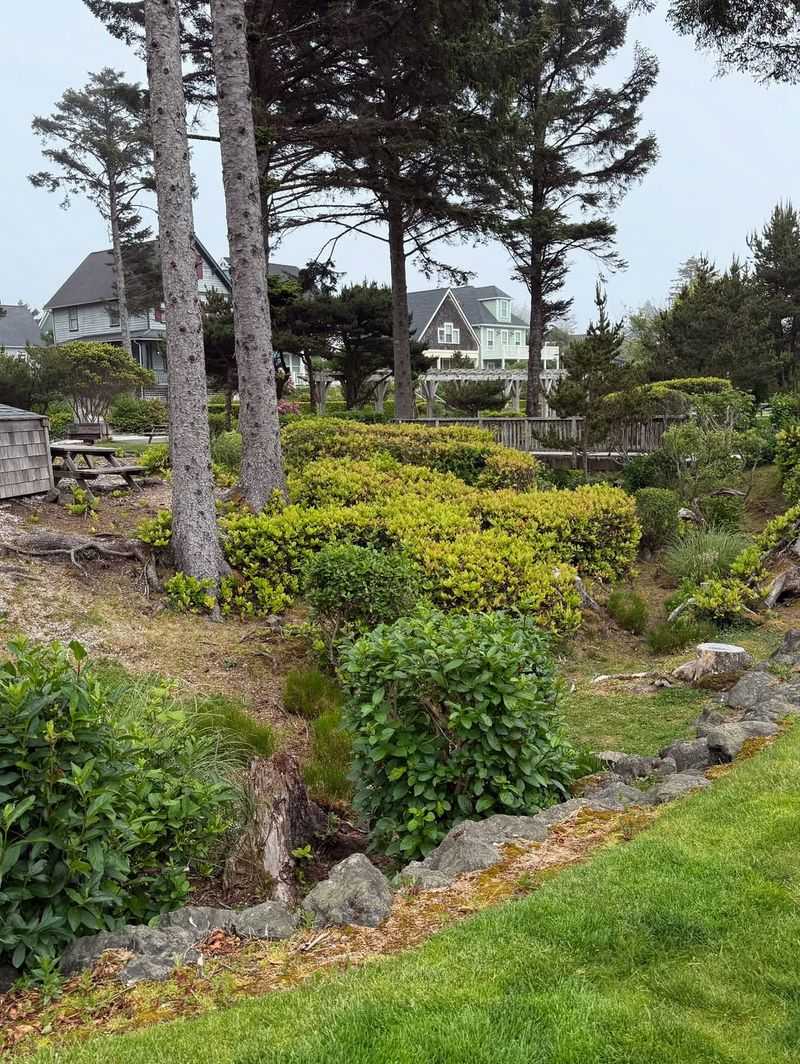
Gardening along the Oregon coast is nothing like gardening inland, even just twenty miles away.
You’re dealing with wind that doesn’t just blow it roars in from the Pacific with enough force to snap branches, topple trellises, and shred delicate leaves.
Salt spray travels miles inland during big storms, coating everything in a fine mist that burns foliage and stresses plants in ways most gardeners never see.
Rain here doesn’t come in gentle showers. It arrives in sideways sheets that can drop several inches in a single day, turning well-drained soil into boggy muck and washing away mulch and topsoil if you’re not careful.
Winter storms bring all three challenges at once wind, salt, and flooding rain which is why so many coastal gardens look beaten down by spring.
Understanding these conditions is the first step toward designing a garden that survives and thrives. You can’t just plant what works in Portland or Eugene and hope for the best.
Coastal gardens need tougher plants, smarter layouts, and design choices that account for the reality of living where land meets ocean.
Once you accept that your garden has to be built for storms, everything else starts to make sense.
2. Choosing Wind-Resistant Plants That Stay Upright
Walk through any coastal neighborhood after a windstorm and you’ll notice something interesting. Some gardens are full of snapped stems and toppled perennials, while others look almost untouched.
The difference usually comes down to plant choice, not luck.
Wind-resistant plants have flexible stems that bend instead of breaking, compact growth habits that don’t catch wind like sails, and strong root systems that anchor them firmly in place.
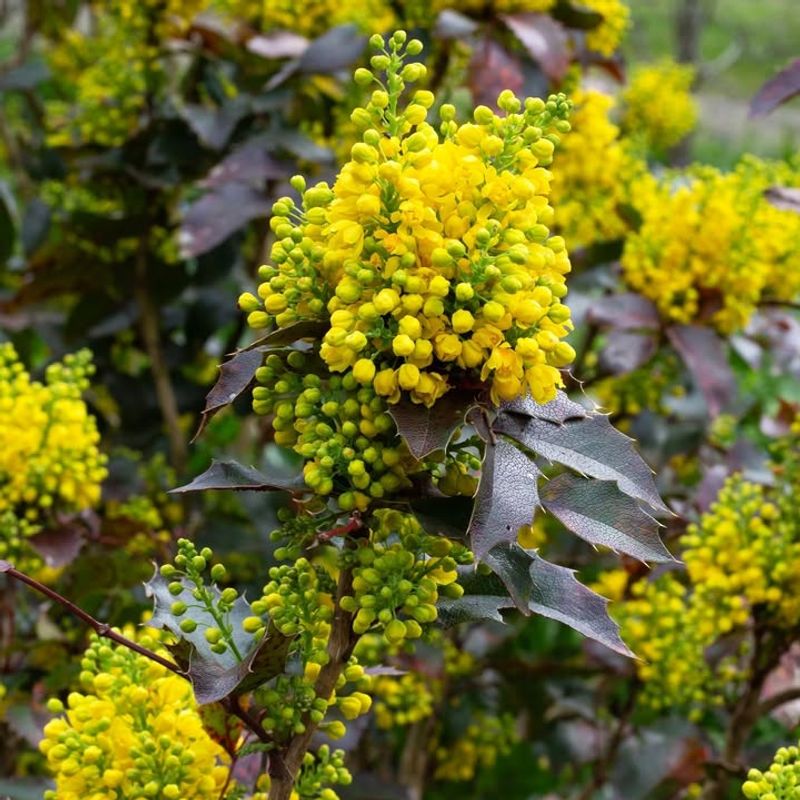
Shore pine, salal, evergreen huckleberry, and Oregon grape are native plants that evolved to handle coastal gales.
Ornamental grasses like blue fescue and tufted hairgrass sway gracefully in wind without damage, adding movement to your garden instead of becoming victims of it.
Avoid tall, top-heavy perennials with brittle stems like delphiniums and hollyhocks they’ll snap at the first serious blow. Skip plants with large, rigid leaves that act like wind sails.
Instead, focus on low-growing groundcovers, mounding shrubs, and plants with small or needle-like foliage that let wind pass through.
Lavender, thyme, and sea thrift are excellent choices that smell amazing and handle wind beautifully.
When you choose plants that naturally resist wind, you spend less time staking, repairing, and replanting after every storm.
3. Designing With Salt Spray In Mind

Salt spray is invisible until it’s too late. One day your rhododendrons look fine, and a week after a big coastal storm, the leaves are brown and crispy at the edges.
Salt doesn’t just blow in during hurricanes it’s present in the air almost constantly if you’re within a mile or two of the ocean, and winter storms carry it even farther inland.
Plants vary wildly in their tolerance to salt. Roses, Japanese maples, and hostas will struggle or wither in salty conditions, while plants like beach strawberry, kinnikinnick, and coastal buckwheat thrive in it.
Conifers like Sitka spruce and shore pine have evolved specifically to handle salt, which is why you see them dominating natural coastal landscapes.
One smart design trick is to layer your garden by salt tolerance. Place the toughest, most salt-tolerant plants closest to the ocean or prevailing wind direction, then use them as a buffer to protect more sensitive plants behind them.
This creates microclimates within your garden where tender plants can survive in the shelter of hardier ones.
You can also rinse foliage with fresh water after major storms to wash away salt buildup, but choosing salt-tolerant plants from the start saves you that effort and gives you a garden that doesn’t need constant babying.
4. Using Natural Windbreaks Instead Of Fences
Solid fences seem like the obvious solution to wind, but they often make things worse.
Wind hits a solid barrier and either goes over the top in a turbulent downdraft that hammers plants on the other side, or it funnels around the edges with even more force.
Fences also take a beating themselves, requiring constant repairs after storms.
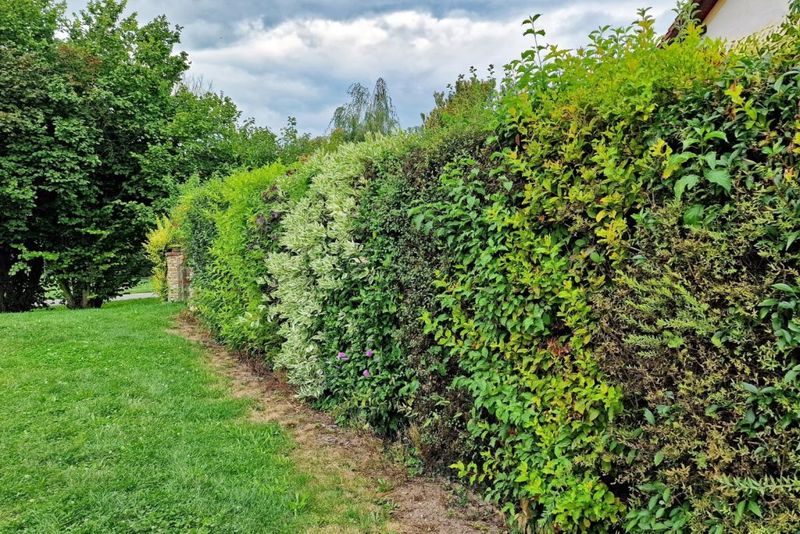
Natural windbreaks work better because they filter wind instead of blocking it. Dense evergreen hedges like western red cedar, shore pine, or escallonia slow wind down without creating turbulence.
The wind passes through the branches at reduced speed, protecting plants behind the hedge without causing the chaotic airflow that solid barriers create.
Plant your windbreak perpendicular to prevailing winds, which typically come from the west or southwest on the Oregon coast. Make it at least six to eight feet tall for effective protection, and plant in staggered rows for extra density.
Windbreaks also provide habitat for birds, privacy from neighbors, and a beautiful green backdrop for the rest of your garden.
They take a few years to establish, but once mature, they’re far more effective and durable than any fence you could build.
Your garden will feel calmer, plants will grow better, and you’ll spend less time fixing storm damage.
5. Improving Drainage For Heavy Coastal Rain
Coastal Oregon can dump five or six inches of rain in a single storm, and when that happens, poor drainage turns gardens into swamps. Standing water drowns roots, encourages root rot, and washes away soil and mulch.
If your garden has clay soil or sits in a low spot, drainage problems multiply fast.
Start by observing where water collects after heavy rain. Those spots need attention first.
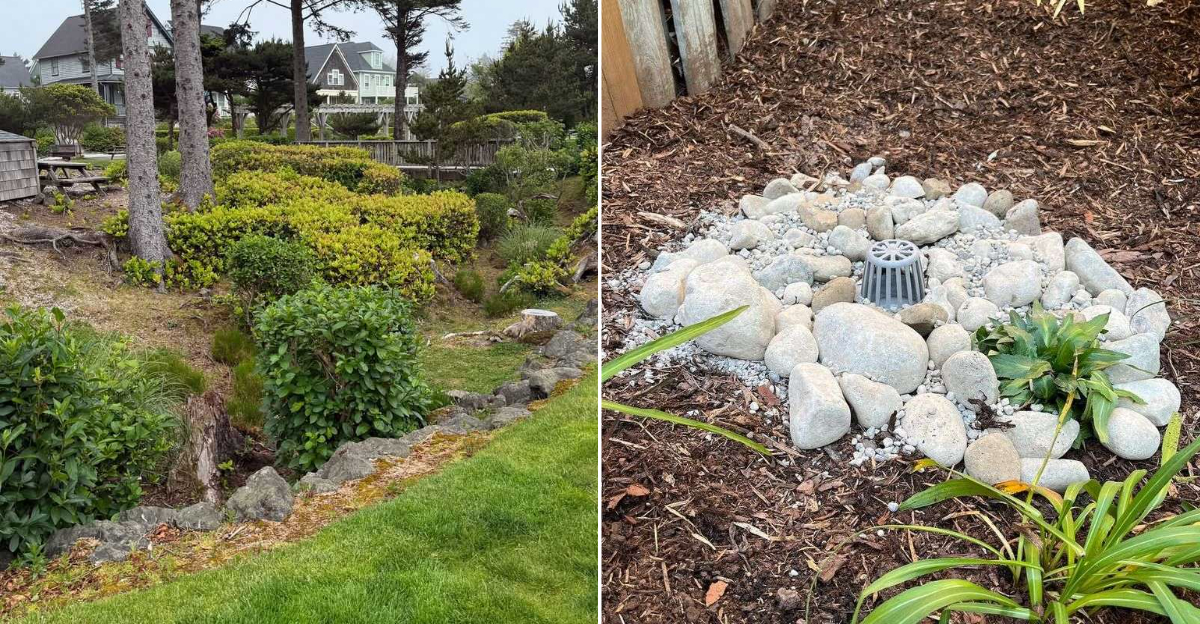
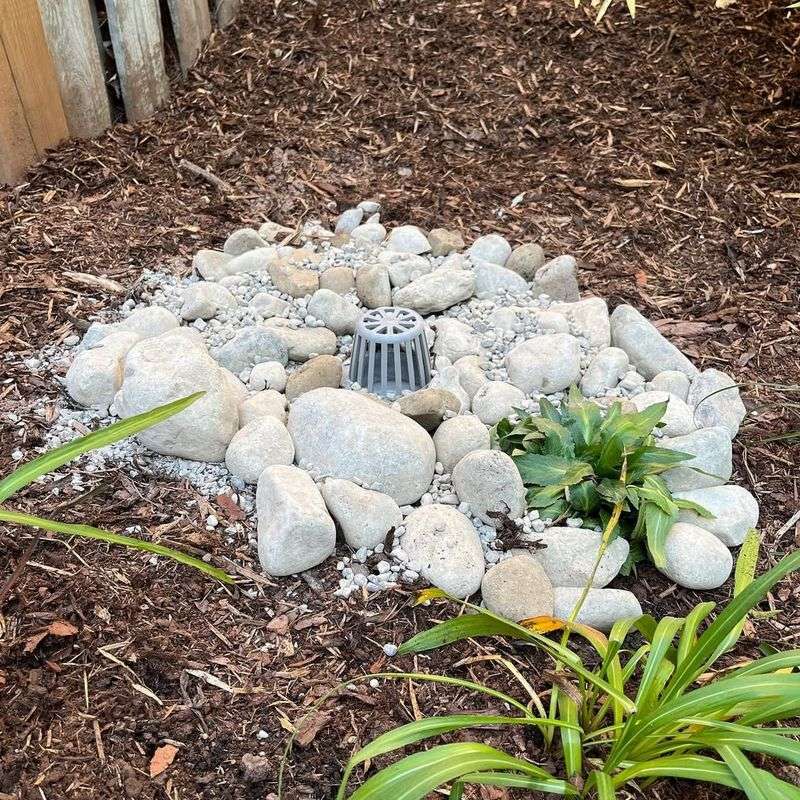
You can improve drainage by amending soil with compost and coarse sand to increase porosity, but sometimes you need more aggressive solutions like French drains or dry creek beds that channel water away from planting areas.
Raised beds are another excellent strategy for coastal gardens. Elevating your planting areas even six to twelve inches improves drainage dramatically and gives roots a chance to breathe even during wet stretches.
Use rot-resistant wood like cedar or go with stone for a permanent solution.
Rain gardens are also worth considering these shallow depressions planted with water-loving natives like rushes and sedges capture runoff and allow it to soak in slowly instead of flooding other areas.
Good drainage isn’t glamorous, but it’s one of the most important elements of a storm-resistant garden. Plants that aren’t drowning are healthier, stronger, and far better equipped to handle wind and salt stress when the next storm rolls in.
6. Stabilizing Sandy And Eroding Soil
Sandy soil drains beautifully, which is great during rainstorms, but it also erodes easily and doesn’t hold nutrients well.
If your garden sits on a slope or in an area with loose, sandy soil, you’ve probably watched topsoil wash away during winter storms or blow around in summer winds.
Erosion is a constant battle on the coast, but you can win it with the right approach.
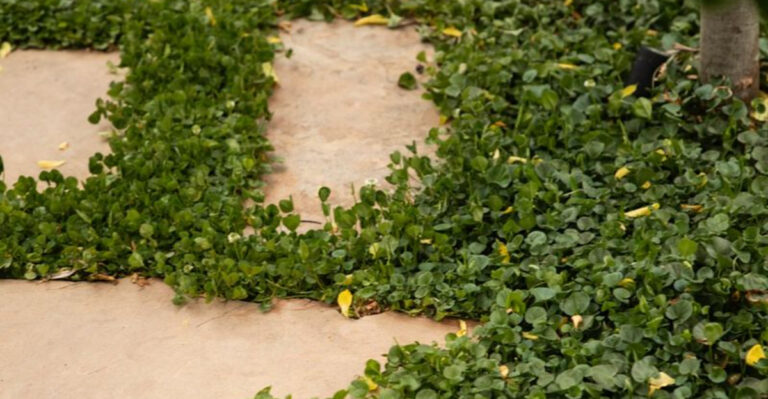
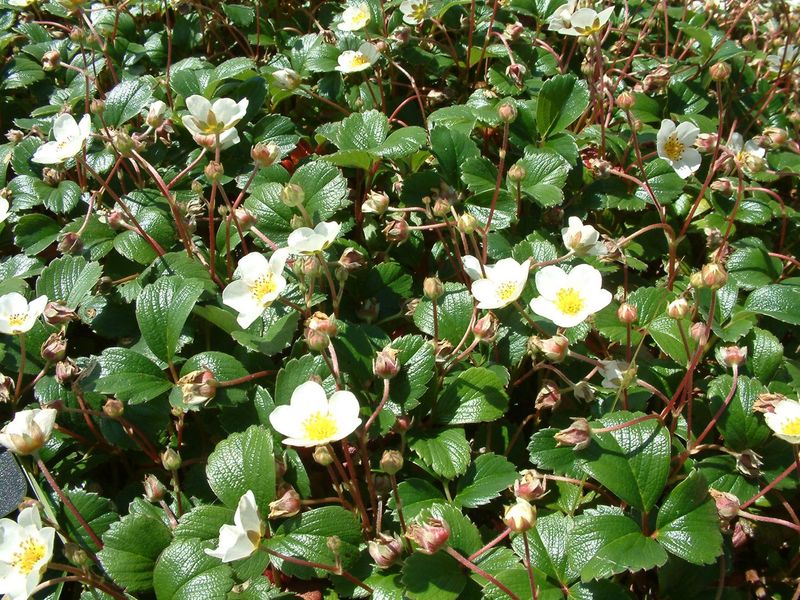
Groundcovers are your best defense. Plants like kinnikinnick, wild strawberry, and coastal strawberry spread quickly, forming dense mats that hold soil in place with their root systems.
Once established, they prevent erosion far better than mulch alone. On steeper slopes, consider terracing with low retaining walls or large rocks to create level planting areas that resist washout.
Adding organic matter like compost helps sandy soil retain moisture and nutrients, but it needs to be replenished regularly since it breaks down quickly.
Mulching with coarse wood chips adds weight and texture that resists wind and water erosion better than fine mulches.
Avoid leaving bare soil exposed cover every inch with plants, mulch, or groundcovers. Bare soil is an invitation for erosion, weeds, and all kinds of problems.
When your soil is stabilized and covered, your garden can weather storms without losing ground, literally.
7. Protecting Young Plants During Storm Season
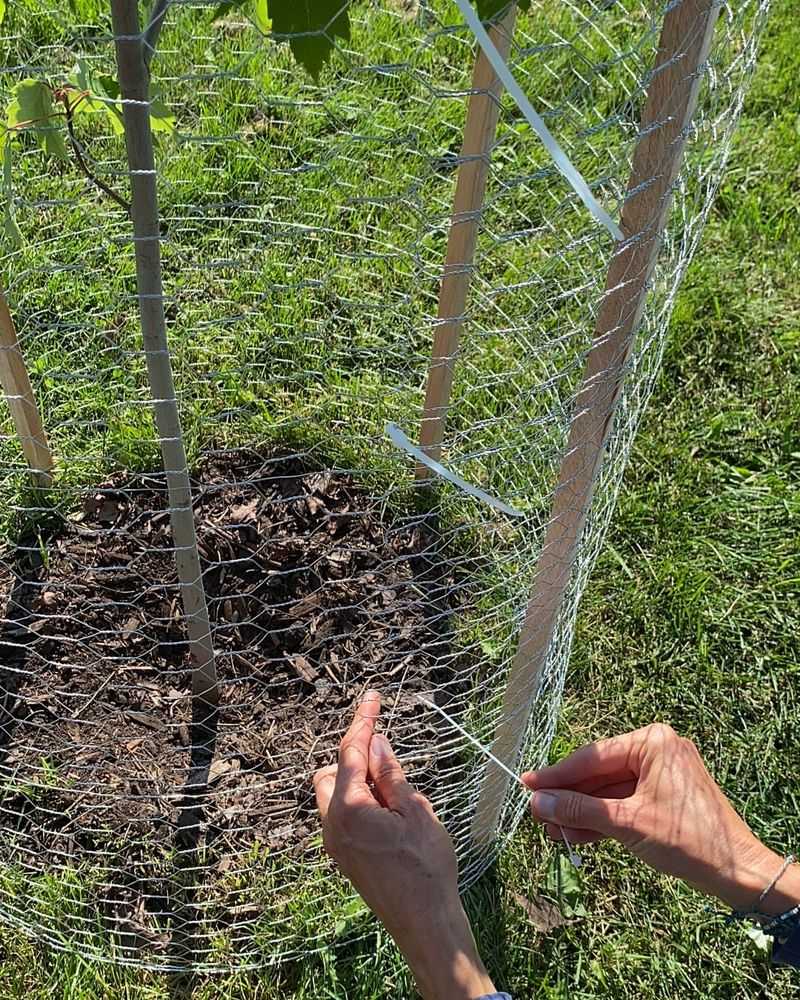
Young plants are the most vulnerable members of your garden. Their roots haven’t spread deep yet, their stems are tender, and they haven’t developed the toughness that comes with age.
Planting in spring gives them a full growing season to establish before winter storms arrive, but even then, they need extra protection during their first year or two.
Staking helps young trees and shrubs stay upright in wind, but do it right use flexible ties that won’t cut into bark, and stake loosely enough to allow some movement.
Movement actually strengthens stems and encourages deeper root growth.
Rigid staking can make plants weaker in the long run.
Windbreaks made from burlap or shade cloth can shield young plants during their first winter.
Set up temporary barriers on the windward side, anchored firmly so they don’t blow away themselves.
Mulch heavily around the base of new plants to insulate roots and prevent frost heaving, but keep mulch a few inches away from stems to avoid rot. Water young plants well going into winter hydrated plants handle cold and wind stress better than dry ones.
With a little extra care during their vulnerable early years, your plants will grow into tough, storm-resistant specimens that barely flinch when the next big blow comes through.
8. Smart Layout Choices That Reduce Damage
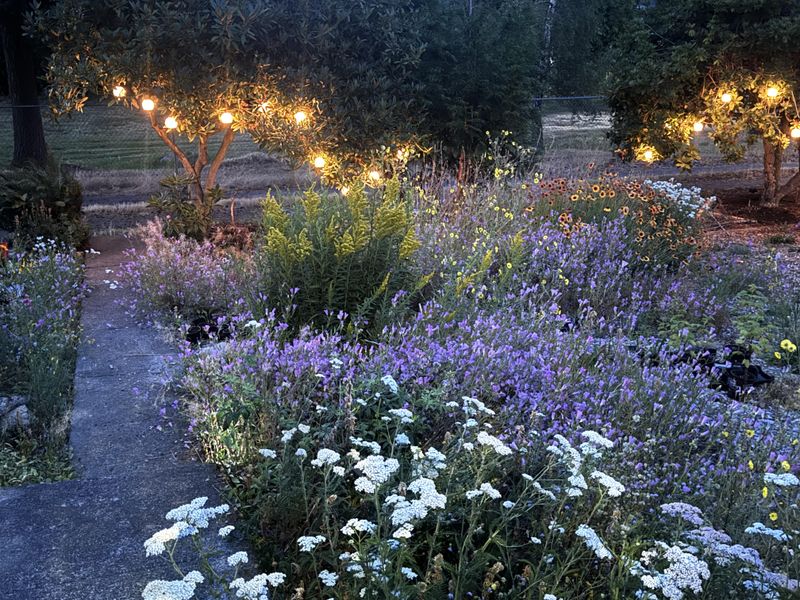
Garden layout matters more than most people realize. Where you place plants, paths, and hardscaping can either amplify storm damage or minimize it.
Grouping plants by their water and wind tolerance creates microclimates that help everything thrive. Put your toughest plants in the most exposed areas and save delicate specimens for sheltered spots near walls or behind windbreaks.
Avoid planting tall trees too close to structures when they blow over or drop branches, the damage can be expensive. Keep large trees at least twenty feet from your house, and choose species with strong wood like oak or madrone instead of brittle ones like alder.
Place hardscaping like patios and walkways where they’ll channel water away from foundations and planting beds, not toward them.
Curved garden beds and paths handle wind better than straight lines because they don’t create wind tunnels. Dense planting reduces the empty space where wind can pick up speed and cause damage.
Think of your garden as a series of interconnected layers groundcovers, low shrubs, medium shrubs, and trees that work together to slow wind, absorb rain, and create stability.
When your layout is designed with storms in mind, your garden becomes a cohesive system that protects itself instead of a collection of individual plants fighting the elements alone.