How To Extend The Life Of Valentine’s Flowers In Your Pennsylvania Home
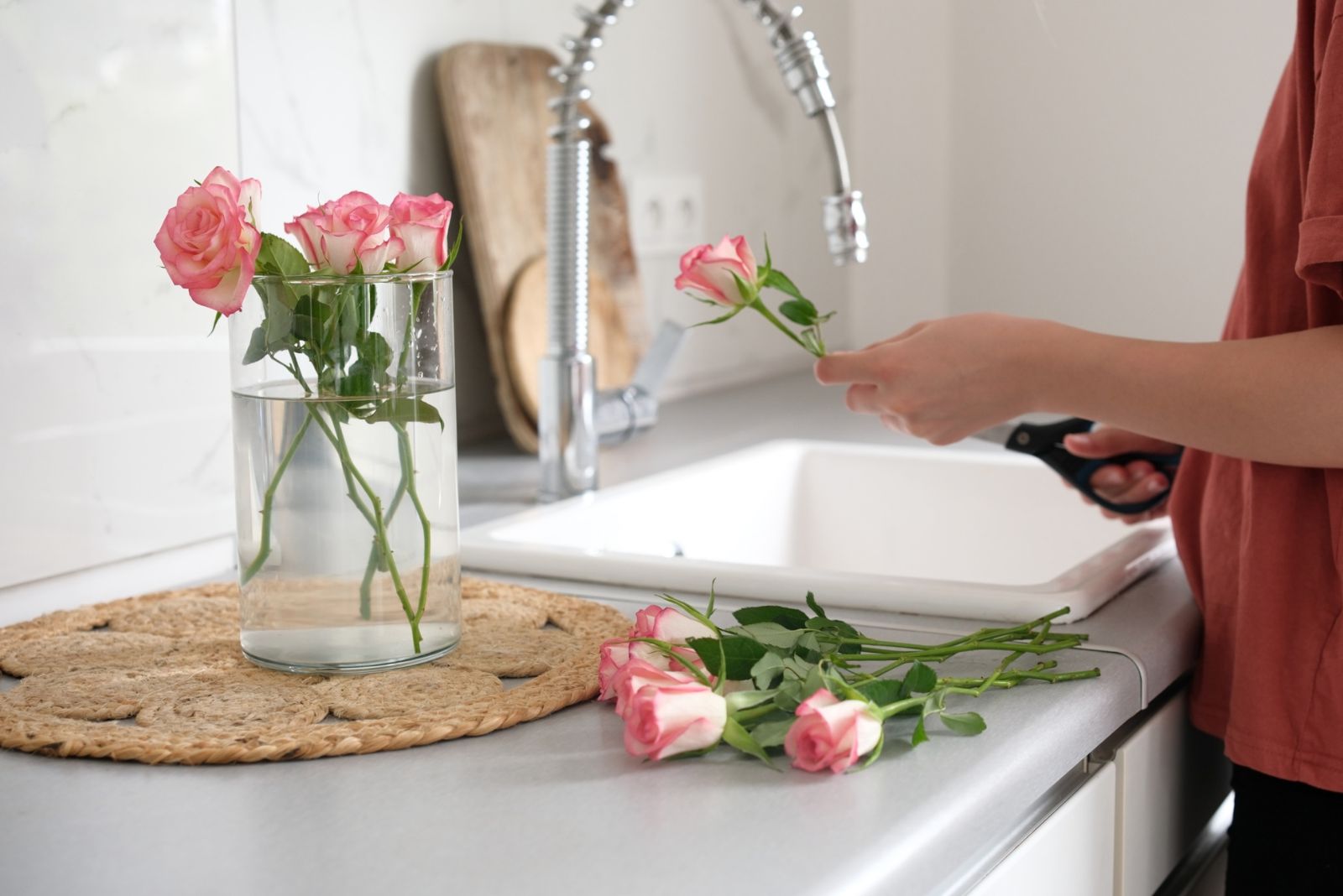
Hoping your Valentine’s flowers stay beautiful long after the holiday passes? With a little know-how, those romantic blooms can last far longer than you might expect in a Pennsylvania home.
The trick is understanding what cut flowers need once they leave the shop. Fresh stems respond quickly to simple care: clean water, the right temperature, and a few easy habits that keep bacteria at bay.
Even small adjustments, like trimming stems correctly or placing the vase away from heat vents, can make a noticeable difference.
Pennsylvania’s indoor winter air can be dry and warm, which speeds up wilting, but the right routine helps flowers stay vibrant, fragrant, and full.
Whether you received roses, tulips, lilies, or a mixed bouquet, giving them a bit of attention turns them into a longer-lasting reminder of love. With the right steps, your Valentine’s arrangement can brighten your home well beyond February.
1. Trim Stems At An Angle Right Away
Cutting your flower stems properly makes a huge difference in how long they’ll stay fresh. When flowers arrive at your Pennsylvania home, they’ve already been out of water for a while during delivery.
Their stems have started to seal up, which blocks water from getting inside. You need to fix this problem fast.
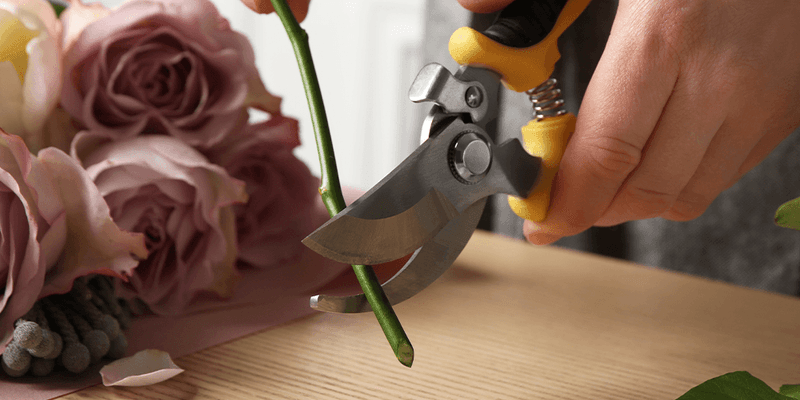
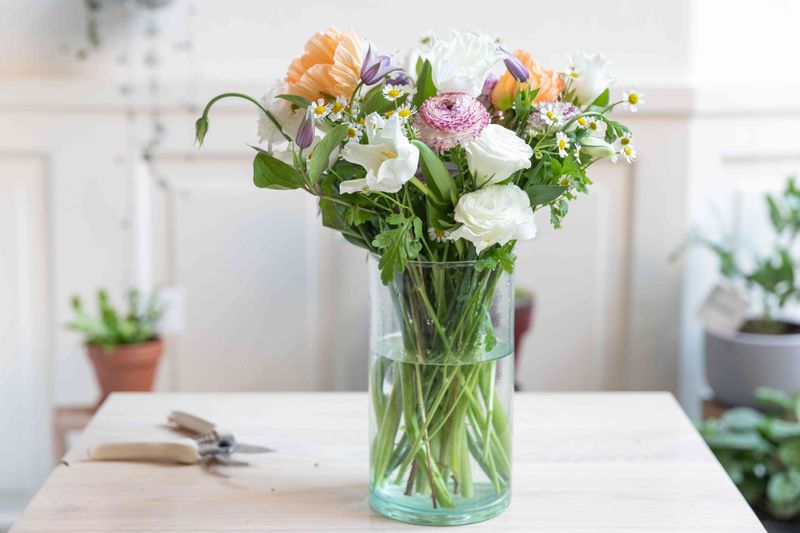
Grab a sharp pair of scissors or garden shears and cut about one inch off each stem. Make sure you cut at a 45-degree angle instead of straight across.
This angled cut is really important because it creates more surface area for the stem to soak up water. It also prevents the bottom of the stem from sitting flat against the vase bottom, which would block water flow completely.
Always make these cuts while holding the stems under running water or inside a bowl of water.
This step stops air bubbles from getting trapped inside the stems, which would block water from traveling up to the petals. Pennsylvania tap water works just fine for this.
Use clean, sharp tools for cutting. Dull scissors will crush the stems instead of making a clean slice, and crushed stems can’t absorb water properly.
If your scissors are old or rusty, they might introduce bacteria that will shorten your flowers’ lifespan.
Plan to trim your stems every few days. Each time you change the water in your vase, take a moment to snip off another half inch at that same angle.
This fresh cut opens up new pathways for water and keeps your Valentine’s bouquet drinking properly throughout its time in your home.
2. Change The Water Every Two Days
Fresh water is like a refreshing drink for your flowers. Just like you wouldn’t want to drink old, stale water, your Valentine’s bouquet needs clean water to stay healthy and beautiful.
Bacteria starts growing in vase water surprisingly fast, especially in the warm indoor temperatures we keep our Pennsylvania homes during winter.
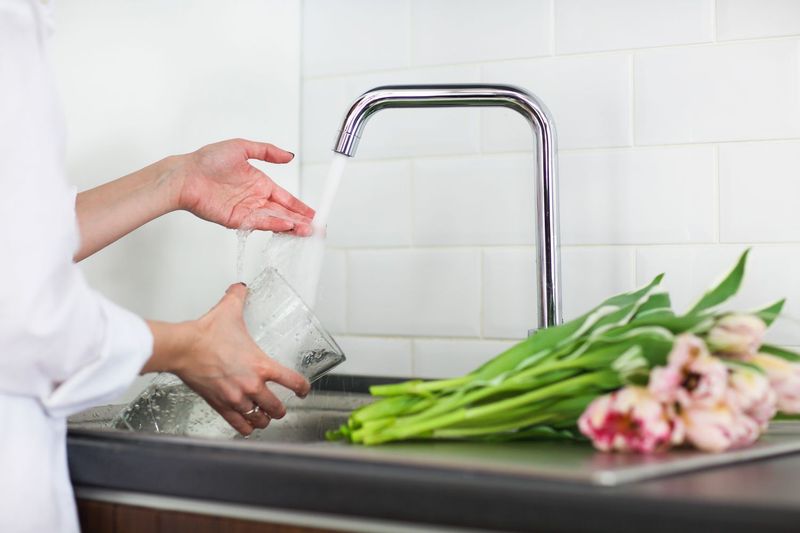
Every two days, completely dump out all the old water from your vase. Don’t just top it off with fresh water because that old water at the bottom is already full of bacteria and decaying plant matter.
Rinse the inside of the vase thoroughly with warm water and a little dish soap if you notice any slimy feeling on the glass. That slime is bacteria, and it will clog up your flower stems.
Fill your vase with room temperature water, not ice cold from the tap. Cold water can shock the stems, while lukewarm water is absorbed more easily.
If your Pennsylvania tap water is heavily chlorinated, let it sit out for an hour before using it, or use filtered water instead.
While you’re changing the water, check each stem carefully. Remove any leaves that might fall below the waterline because submerged leaves rot quickly and create bacterial soup.
Also pull out any flowers that look completely spent so they don’t contaminate the healthy ones.
This simple routine takes less than five minutes but makes a dramatic difference. Clean water means your flowers can drink freely without fighting off bacteria, which helps them stay perky and colorful much longer in your home.
3. Keep Flowers Away From Heat Sources
Pennsylvania winters mean we’re constantly running our heating systems, and that warm air can really hurt your flowers. Heat causes flowers to open up faster and then fade quickly, cutting their lifespan dramatically.
Your pretty Valentine’s roses might look great for a day or two near a heat source, but then they’ll suddenly wilt and drop petals everywhere.
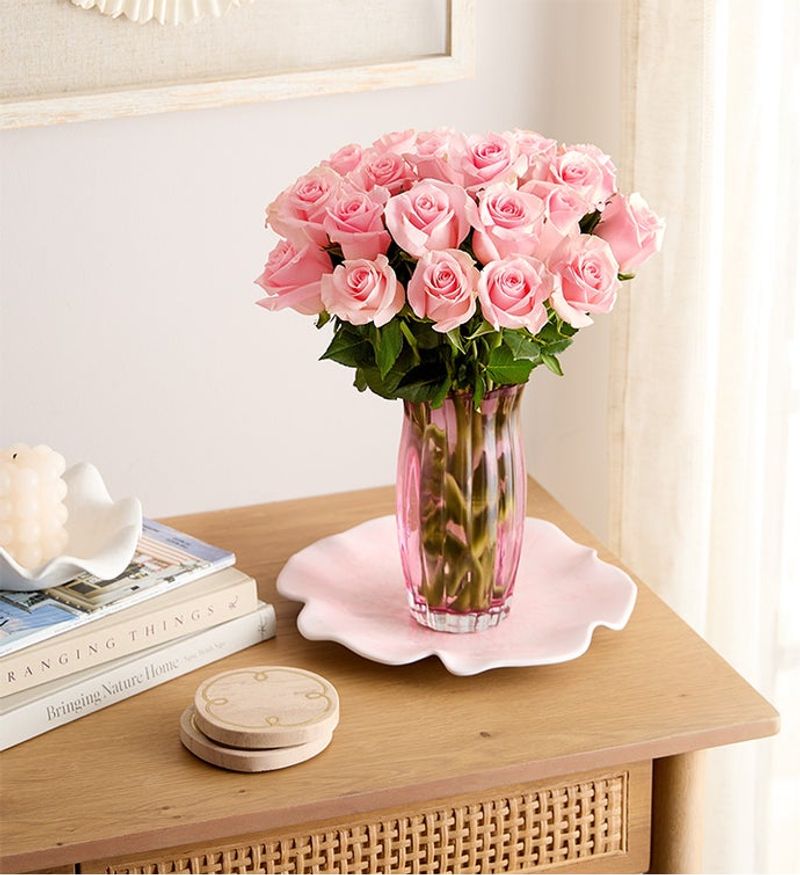
Find a cool spot in your home for your flower vase. Avoid placing it on top of radiators, near heating vents, or close to fireplaces.
Even if these spots seem convenient or look nice, the constant warm air will dry out your petals and make them crispy. Flowers need moisture in the air around them, and heating systems remove that moisture.
Also keep your bouquet away from sunny windowsills, especially south-facing windows that get intense afternoon sun.
While natural light seems like it would be good for flowers, direct sunlight actually heats them up too much and causes rapid water loss through their petals. Your flowers will literally bake if left in hot sun.
Electronic devices like televisions, computers, and kitchen appliances also give off heat. A vase sitting on top of your cable box or next to your toaster might look decorative, but it’s getting cooked slowly.
Move it at least three feet away from any heat-producing device. The ideal temperature for cut flowers is between 65 and 72 degrees Fahrenheit. Most Pennsylvania homes stay within this range, but create hot spots near heating sources.
A cooler room like a dining room or hallway often works better than a warm kitchen or bedroom for displaying your Valentine’s flowers.
4. Add Flower Food To The Water
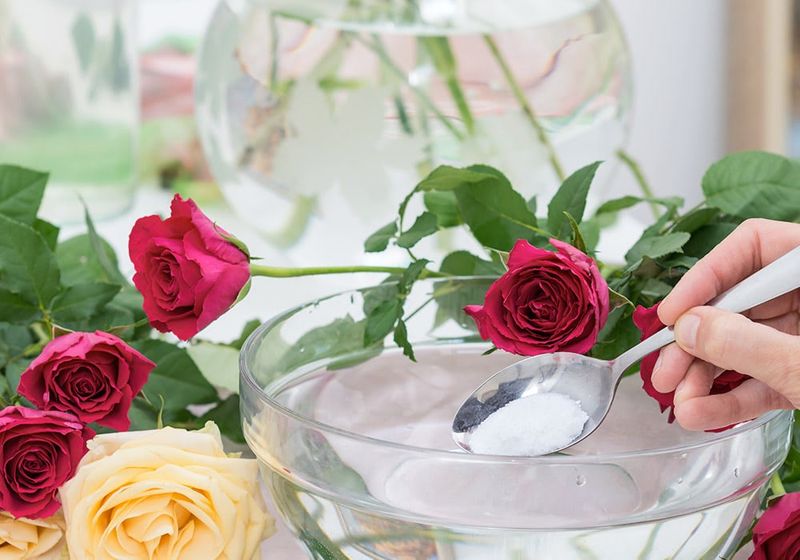
That little packet that comes with your Valentine’s bouquet isn’t just a marketing gimmick. Flower food contains three important ingredients that seriously extend bloom life: sugar for energy, acid to maintain proper pH levels, and a bit of bleach to fight bacteria.
These ingredients work together to keep your flowers healthy much longer than plain water alone.
Mix the entire packet into your vase water according to the directions on the back. Usually you’ll add it to room temperature water and stir until it dissolves completely.
The sugar feeds your flowers since they can’t make their own food anymore after being cut. Without this energy source, they’ll fade faster.
If you didn’t get flower food with your bouquet, or if you run out, you can make a simple version at home. Mix one teaspoon of sugar, two teaspoons of lemon juice, and one teaspoon of bleach into a quart of water.
This homemade recipe works almost as well as the commercial packets and uses ingredients most Pennsylvania households already have in their kitchens.
Some people add aspirin, pennies, or vodka to their flower water, but these home remedies don’t work as reliably as actual flower food. Stick with the proven formula for best results.
The small amount of bleach in flower food won’t harm your flowers at all, but it will stop bacteria from multiplying in the water.
Remember to add fresh flower food every time you change the water. Don’t reuse the old mixture because it’s already done its job.
Fresh flower food with fresh water gives your Valentine’s arrangement the best chance of lasting two weeks or longer in your home.
5. Remove Wilting Flowers And Leaves Promptly
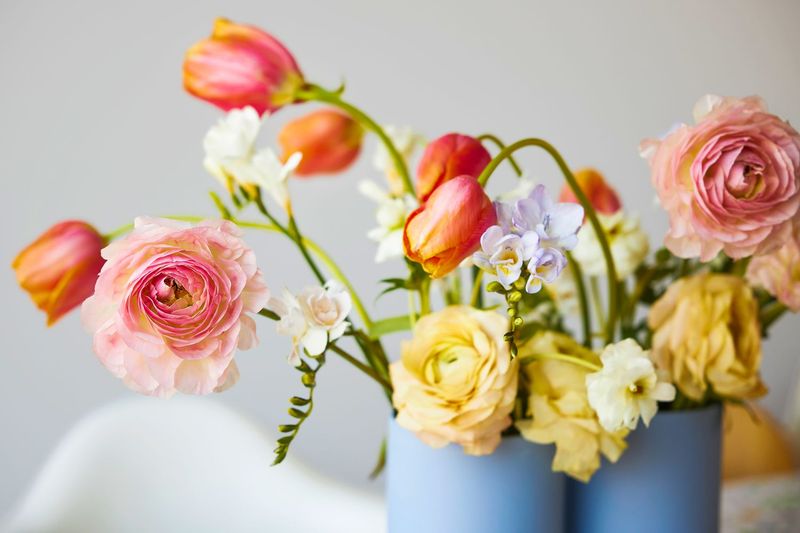
Flowers don’t all age at the same rate in a mixed bouquet. Some blooms will start looking tired and brown while others still look fresh and perky.
Those fading flowers aren’t just ugly, they actually release a gas called ethylene that makes the healthy flowers age faster too. It’s like one bad apple spoiling the whole bunch.
Check your Valentine’s arrangement daily for any flowers or leaves that look brown, mushy, or wilted. Pull these out immediately, even if it makes your bouquet look a bit smaller.
You’re actually helping the remaining flowers last longer by removing the problem pieces. Don’t feel bad about tossing flowers that are clearly past their prime.
Pay special attention to leaves that sit below the waterline. These underwater leaves rot quickly in the warm conditions inside your Pennsylvania home, creating a breeding ground for bacteria.
Strip off any foliage that would be submerged when you put the stems back in the vase. Bare stems below the water are perfectly fine and actually healthier for your flowers.
Sometimes just the outer petals on a rose will turn brown while the inner petals still look good. You can gently pluck off those damaged outer petals to reveal the fresh ones underneath. This trick can give a rose several extra days of beauty.
When you remove spent flowers, take the opportunity to rearrange the remaining blooms into a tighter, fuller-looking bouquet. Fewer flowers arranged well can look just as beautiful as a large arrangement.
Your Valentine’s display will continue looking intentional and lovely rather than sad and sparse as it naturally gets smaller over time.
6. Display Flowers In A Cool Room At Night
Professional florists keep their flowers in refrigerated coolers overnight because cool temperatures dramatically slow down the aging process.
You probably don’t have a flower cooler in your Pennsylvania home, but you can still use temperature to your advantage. Moving your bouquet to a cooler spot at night can add several extra days to its lifespan.
Before you go to bed, carry your vase to the coolest room in your house. Basements, enclosed porches, or spare bedrooms that don’t get much heat all work great for this purpose.
Even moving flowers from a warm living room to a cooler hallway makes a difference. The goal is to find a spot that stays between 50 and 60 degrees Fahrenheit if possible.
Never put your flowers in the refrigerator if you keep fruits or vegetables in there. Ripening produce releases that ethylene gas we talked about earlier, which will actually speed up flower aging instead of slowing it down.
An empty fridge would work fine, but most of us need that space for food. Make sure your overnight spot isn’t so cold that water might freeze.
Frozen water will burst the cell walls in your flower stems and ruin them completely. Pennsylvania winter nights can get very cold, so avoid unheated garages or outdoor areas.
Bring your flowers back to their display location in the morning once your house warms up. This daily temperature cycling mimics natural conditions and helps flowers conserve their energy.
Think of it as giving your Valentine’s bouquet a restful sleep each night, which helps them wake up looking refreshed and beautiful the next morning.
7. Mist Petals With Water Daily
Flowers lose moisture through their petals as well as through their stems. Pennsylvania winters are notorious for dry indoor air because our heating systems remove humidity from our homes.
This dry air pulls moisture right out of flower petals, making them feel papery and look dull. A simple spray bottle can fix this problem easily.
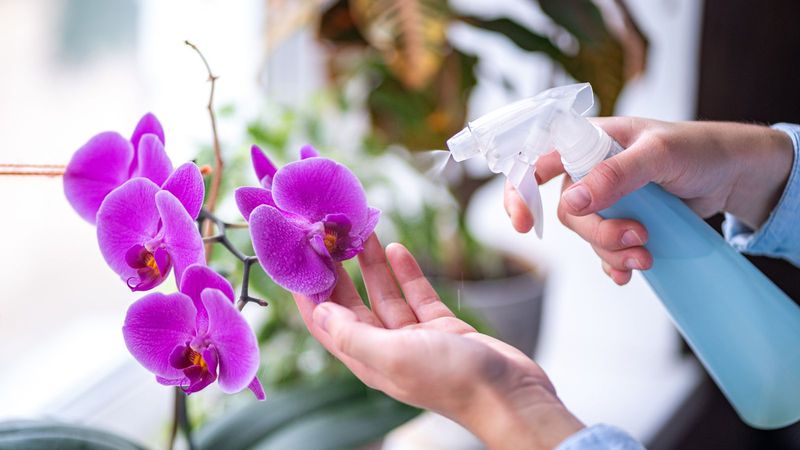
Fill a clean spray bottle with room temperature water. Once or twice a day, give your Valentine’s flowers a light misting.
Hold the bottle about six inches away from the blooms and spray a fine mist over the petals. You want them to look dewy and fresh, not soaking wet and dripping. Too much water sitting on petals can actually cause brown spots.
Mist your flowers in the morning and again in late afternoon if your home feels particularly dry. You’ll know your air is too dry if you’re experiencing static electricity, dry skin, or if the wood furniture in your Pennsylvania home is creaking more than usual.
These are all signs that your flowers are struggling with low humidity too. Avoid misting flowers late in the evening because the moisture won’t evaporate before nighttime. Wet petals in cool overnight temperatures can develop mold or fungal spots.
Morning misting works best because the water evaporates gradually throughout the day while keeping petals hydrated.
Some flowers benefit from misting more than others. Roses, carnations, and lilies all love a light spray.
However, be careful with delicate flowers like tulips or orchids, which can develop water spots on their petals. When in doubt, spray lightly and watch how your specific flowers respond.
Most Valentine’s bouquets will look noticeably fresher and perkier with regular misting throughout their time in your home.