How To Feed Oregon Houseplants Naturally With Banana Skins And Coffee Grounds
Feeding houseplants doesn’t have to mean buying expensive plant food. Some of the best nutrients are already sitting in your kitchen.
Banana skins and coffee grounds are two easy options that many Oregon plant lovers already use.
I started doing this to cut waste and save money. I was surprised by how well it worked.
My plants looked greener, fuller, and more active within weeks. It also felt good knowing I was using natural materials instead of chemicals.
Indoor plants in Oregon deal with dry air, lower light in winter, and temperature changes. Giving them gentle, natural support can help them stay healthy year-round.
This simple method is beginner friendly and easy to maintain. It keeps your plants fed while keeping your routine simple and eco-friendly.
1. What Your Houseplants Really Need
Your pothos has been sitting in the same pot for months, and lately its leaves look a little pale and dull. You water it consistently, but something still seems off.
Plants rely on more than just water and sunlight—they benefit from nutrients such as nitrogen for leafy growth, potassium for stem strength, and phosphorus for overall development.
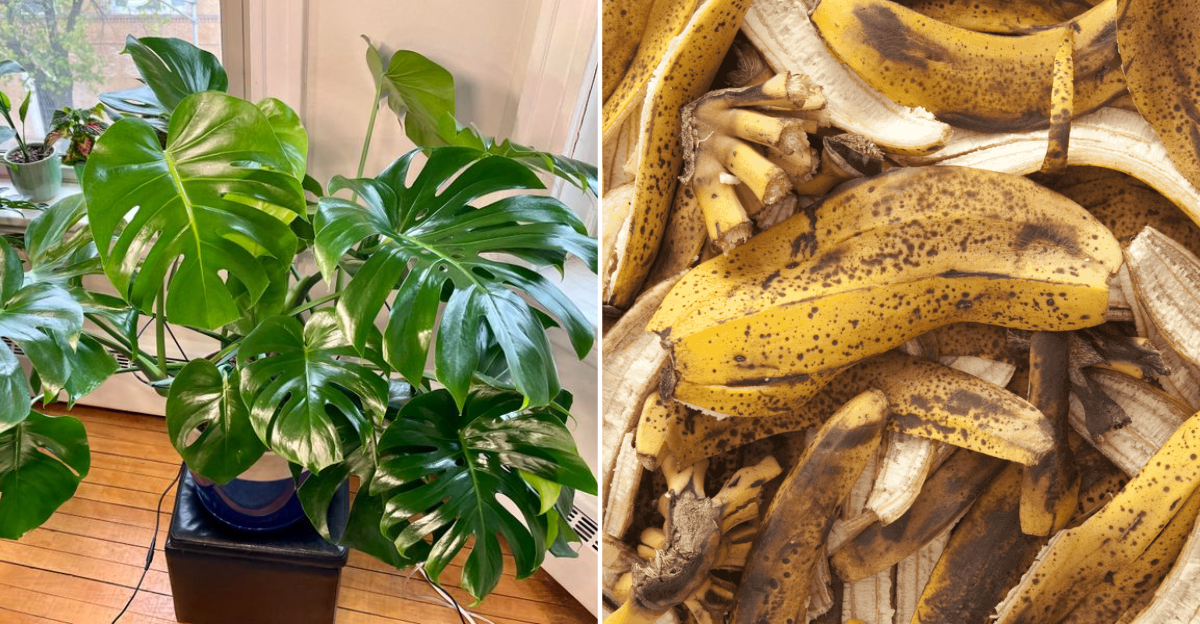
Banana skins contain potassium, which can support stronger stems and healthier foliage over time. Coffee grounds supply nitrogen, helping encourage greener leaf growth that adds vibrancy to indoor plants.
Used together in moderation, these kitchen scraps can offer gentle nutritional support without relying on synthetic fertilizers.
In Oregon, where winter days often bring limited daylight indoors, houseplants may photosynthesize less efficiently. Balanced nutrition becomes especially helpful when light levels are lower.
When you feed plants naturally, you help support their ability to use available light more effectively.
Start by watching for signs of nutrient deficiency such as yellowing leaves, slow growth, or weaker stems. Once you understand what your plants need, you can adjust banana peel and coffee ground applications to better match those needs.
This approach helps build confidence and turns casual plant care into more informed, intentional indoor gardening.
2. Add Banana Peels To Soil

You toss a whole banana peel into your fiddle leaf fig pot, thinking you are doing something helpful. A few weeks later, you notice mold forming across the soil surface, and the smell becomes unpleasant.
Whole banana skins break down slowly, which can create low-oxygen pockets in soil that may stress roots and attract insects.
Instead, grab kitchen scissors or a knife and cut peels into small pieces, about half-inch squares work well. Smaller pieces decompose more quickly, allowing nutrients to disperse more evenly through the soil.
This extra step reduces rot buildup and improves the chances that plants can access potassium and trace minerals inside the peel.
I like to collect banana peels in a container throughout the week, then spend a few minutes on Sunday chopping them all at once. It becomes a simple routine, and my plants often show subtle improvement within several days.
You can also blend chopped peels with water to create a diluted nutrient mixture.
Oregon humidity levels fluctuate, especially during damp winter months, so decomposition rates can vary. Cutting banana skins helps keep the process more predictable and lowers the risk of mold growth or fruit flies settling into your indoor space.
3. Brew A Mild Coffee Feed
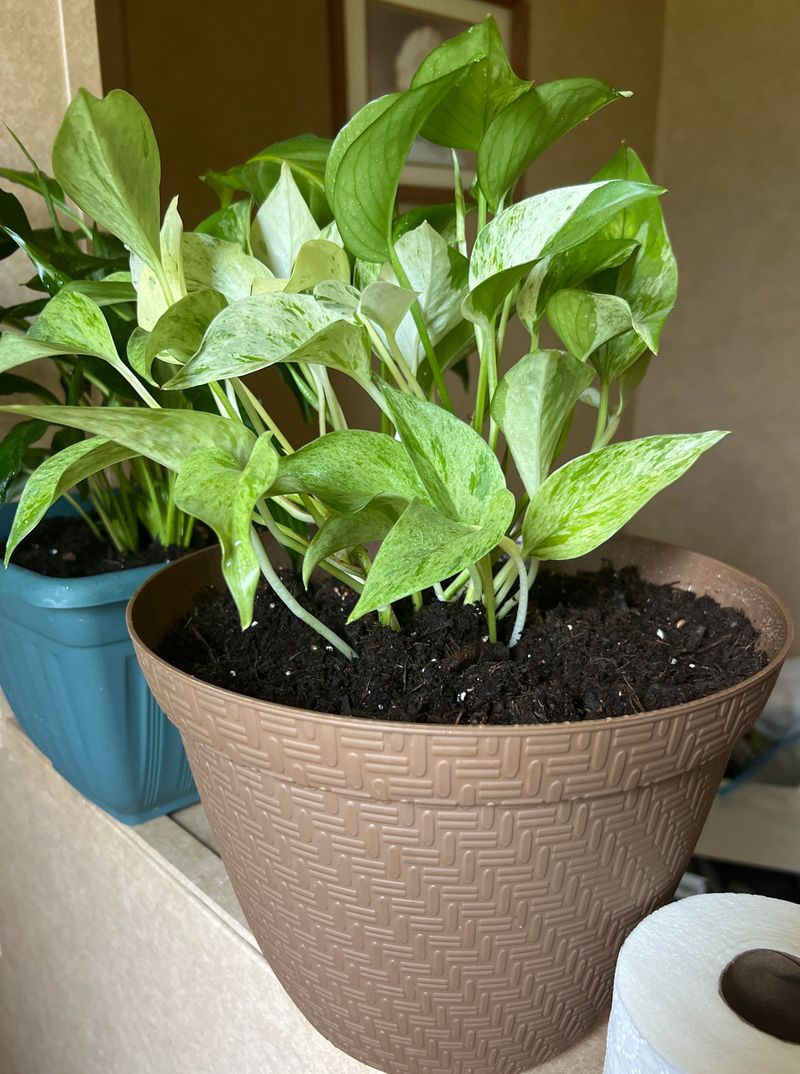
Your morning coffee routine can double as a plant care opportunity. After you brew your favorite cup, those used coffee grounds still contain nitrogen and trace minerals that may benefit some houseplants.
Instead of tossing them in the trash, you can turn them into a gentle liquid fertilizer that delivers nutrients with a lower risk of stressing plant roots when properly diluted.
Here’s how: collect about two tablespoons of used coffee grounds and steep them in a quart of water for 24 hours. The water will gradually turn a light tea color as nutrients leach out.
Strain the grounds and pour the liquid onto your plant soil the same way you would water.
This diluted coffee tea is mild enough to use about every two weeks during the growing season, spring through early fall, when many houseplants are actively producing new growth.
In Oregon, where winters tend to be darker and cooler indoors, reducing applications to about once a month often works better as growth slows.
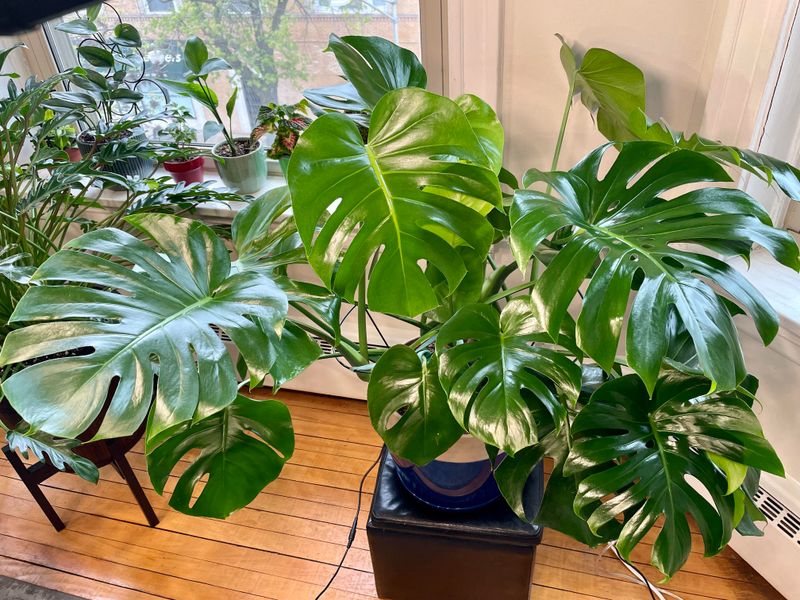
Plants such as pothos, monstera, and African violets often show positive responses to added nitrogen, including fuller foliage and steadier growth.
Using liquid fertilizer also helps avoid coffee grounds building up on the soil surface, which can sometimes attract fungus gnats or interfere with water absorption.
4. Apply Coffee Grounds Thinly
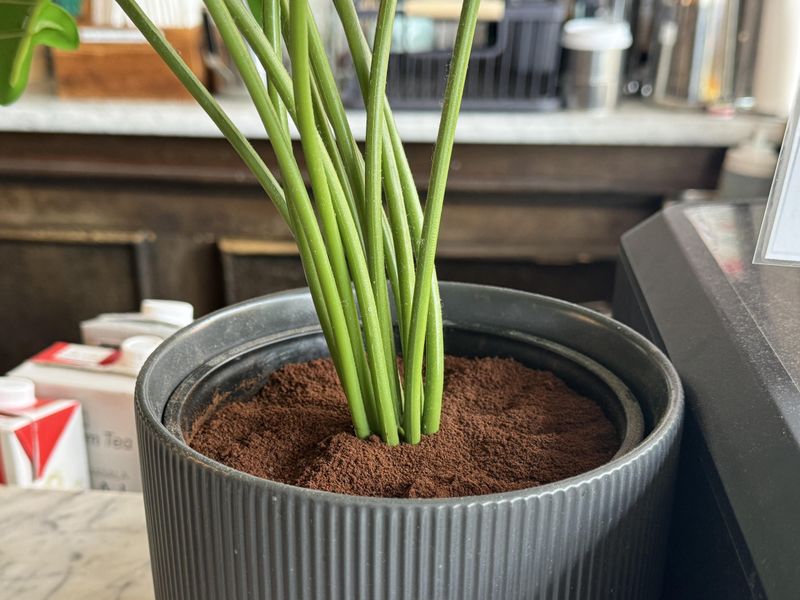
You may have heard that coffee grounds are great for plants, so you dump half a bag onto your rubber plant and wait for results. Instead, the soil surface hardens, water pools on top, and you start wondering what went wrong.
Coffee grounds can be helpful, but moderation matters when applying them directly to houseplant soil.
Sprinkle a thin layer, no more than about a quarter-inch, across the soil surface once a month. This light dusting allows nitrogen to release slowly as you water, providing gradual feeding without overloading the plant.
Applying too much can create a dense layer that limits water penetration and may encourage mold growth, especially in humid Oregon homes.
Coffee grounds can gradually influence soil acidity, which may benefit acid-loving plants like gardenias, azaleas, and certain ferns.
However, many common houseplants prefer neutral to slightly acidic soil, so it’s important to keep applications light and observe how plants respond.
I like to gently scratch the grounds into the top half-inch of soil with my fingers so they blend in rather than forming a separate layer. This small step helps reduce surface buildup and improves soil contact.
Always use cooled, used grounds, fresh coffee grounds are more concentrated and can be too strong for sensitive indoor plants.
5. Less Is More With Scraps
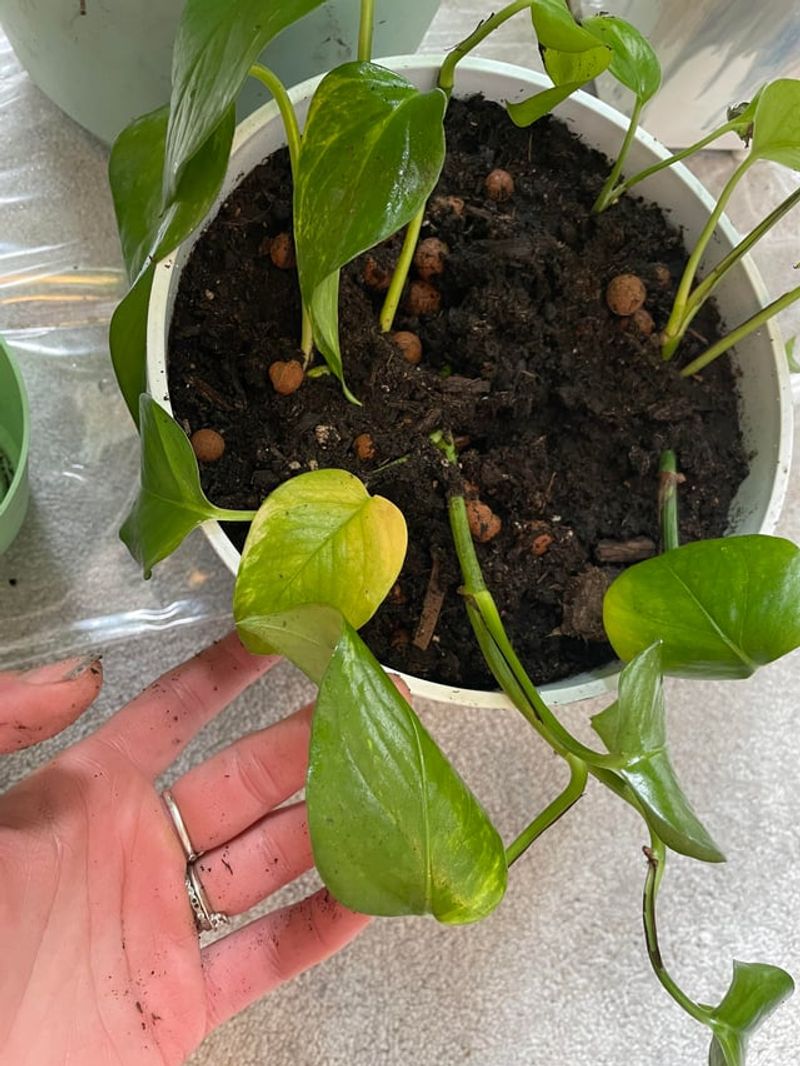
Enthusiasm is wonderful, but plants can sometimes receive more nutrients than they can comfortably use.
It may seem logical that adding more banana skins and coffee grounds leads to faster growth, but applying too much organic material can stress houseplants, contributing to nutrient imbalances, salt buildup, and root sensitivity.
Houseplants grown indoors have limited soil volume and generally slower growth rates than outdoor plants. Because of this, they process nutrients more gradually.
Feeding with banana skins or coffee grounds about once every three to four weeks during active growth is usually sufficient, with even lighter applications during winter when many plants slow down.
Watch for possible signs of over-fertilization such as brown leaf tips, white crusty residue on the soil surface, or curling and yellowing leaves despite regular watering.
If you notice these symptoms, flushing the soil with plain water can help rinse out excess salts and nutrients before adjusting your feeding routine.
Oregon homes often experience limited airflow during cooler months, which can slow the breakdown of organic material in containers. What decomposes quickly in outdoor compost may linger longer in pots.
Keeping applications moderate and consistent tends to support steadier plant growth better than occasional heavy feeding.
6. Use Banana And Coffee Together Safely
Why choose one kitchen scrap when you can use both? Banana skins and coffee grounds work well together, offering a more rounded nutrient mix than either one provides on its own.
Potassium from bananas supports cell structure and flowering, while nitrogen from coffee helps encourage leafy growth, together they can create a helpful feeding combination when used properly.
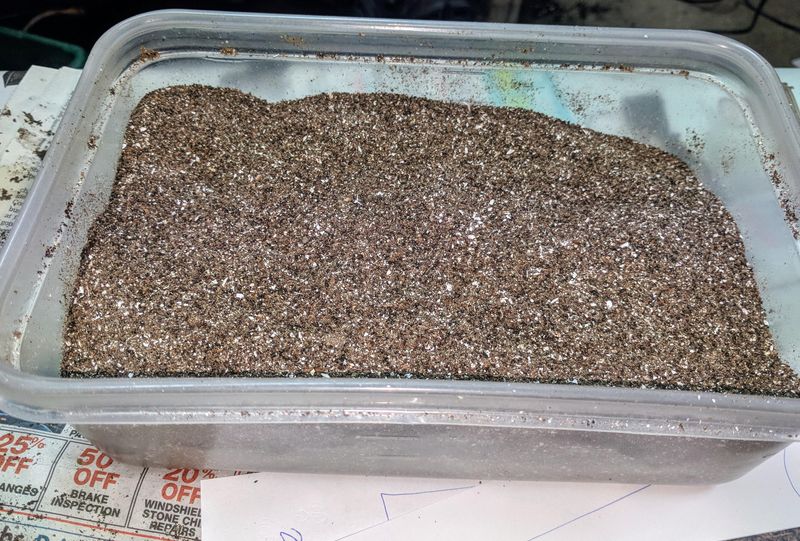
To combine them safely, chop banana peels and mix them with a similar amount of used coffee grounds. Work this mixture into potting soil during repotting, or gently bury small portions near the edges of established pots, away from the main root mass.
This helps reduce the chance of concentrated nutrient zones that could stress plants.
You can also make a blended tea by steeping chopped banana peels and coffee grounds in water for about 24 to 48 hours. Strain thoroughly and dilute the liquid by about half before applying to soil.
This approach delivers nutrients in a mild, easy-to-absorb form that works well for more sensitive houseplants.
Coffee and bananas are household staples, so these scraps are usually easy to come by.
Rotating feeding methods, sometimes using coffee grounds alone, other times banana peels, and occasionally a combined mix, helps provide varied nutrition while reducing the risk of any single nutrient building up too heavily in the soil.
7. See What Your Plants Like
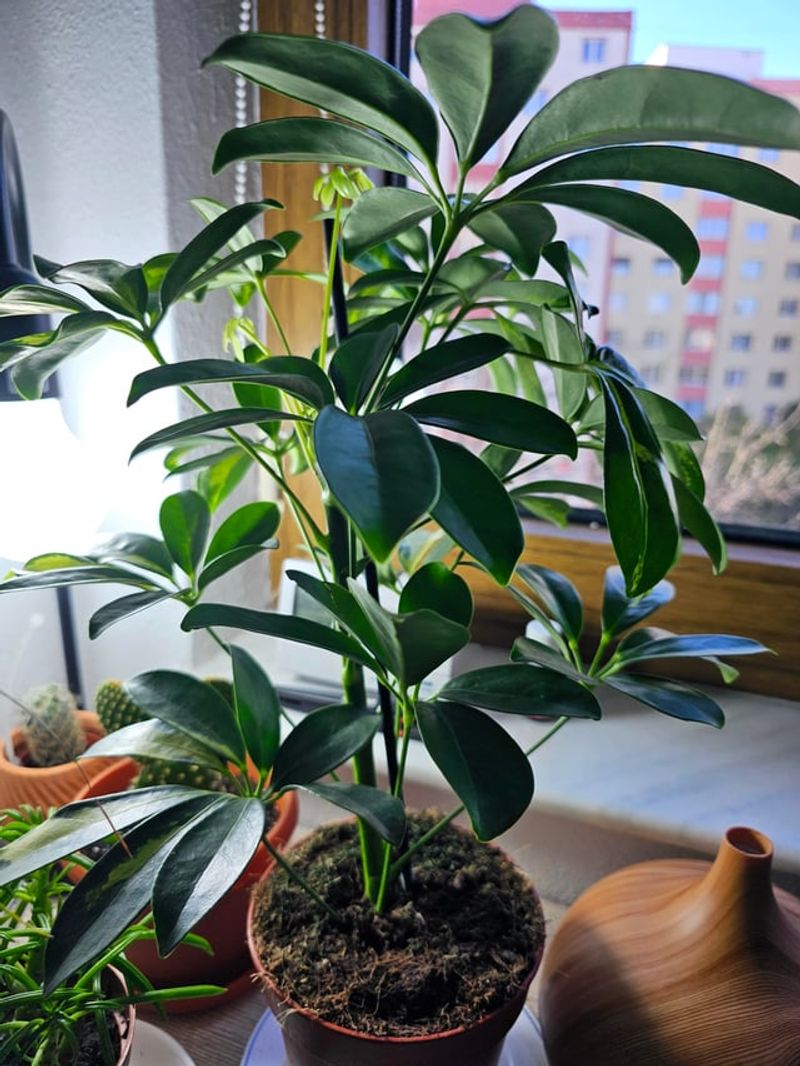
No two houseplants behave exactly the same, even when they belong to the same species. Your monstera may respond well to banana peels with noticeable growth, while a similar plant in someone else’s home shows only small changes.
Learning to observe your plants, paying attention to shifts in leaf color, growth speed, and overall appearance, helps you become more confident and informed with indoor plant care.
After you begin feeding with banana peels and coffee grounds, keep an eye on your plants over the following weeks. Are new leaves appearing more regularly?
Do they look slightly greener or stronger? These can be signs that your feeding routine is supporting healthy growth.
Keeping a simple journal or snapping monthly photos makes it easier to track patterns over time.
At the same time, watch for possible warning signals such as yellowing leaves, slower growth, or unexpected leaf drop. These may suggest that feeding needs adjusting or that a plant prefers different nutrient levels.
Some houseplants, including succulents and cacti, generally require minimal fertilizer and may respond poorly to frequent organic inputs.
Oregon’s seasonal light changes also influence plant growth. During brighter summer months, plants tend to grow more actively and can usually handle more frequent feeding.
In winter, when daylight is limited, reducing feeding often matches plants’ slower growth pace. Paying attention and adjusting gradually turns kitchen scrap feeding into a steady, practical routine instead of guesswork.