How To Fill Your California Garden With Useful Plants That Actually Do Something
Have you ever looked at your garden and wondered if it could do a little more than just look nice? Maybe you’d like your plants to help around the kitchen, attract pollinators, or even brighten up your home with fresh herbs and flowers.
California gardens can be full of life and usefulness without feeling like a chore. It’s fun to experiment with plants that give back in small ways, like tomatoes that pop up at just the right time, or lavender that fills the air with a gentle scent.
Little changes can make a big difference, and trying something new can be surprisingly satisfying.
You might find that planting with purpose not only makes your space more vibrant but also adds a quiet sense of accomplishment. It’s all about finding plants that fit your pace and your garden’s personality.
1. Grow Plants That Attract Pollinators
Pollinators are the quiet workers behind almost every fruit, vegetable, and seed in your garden. Without them, your plants simply would not produce the way they should.
Luckily, California is home to hundreds of native bee species, and attracting them is easier than you might think.
Start with California Poppy, the state’s own wildflower. It blooms in brilliant orange from February all the way through September.
Bees and butterflies love it, and it needs almost no water once it gets going.
Lavender is another great choice. It grows beautifully in California’s dry, sunny climate and pulls in honeybees like nothing else.
Plant it along pathways or near vegetable beds to boost your garden’s productivity.
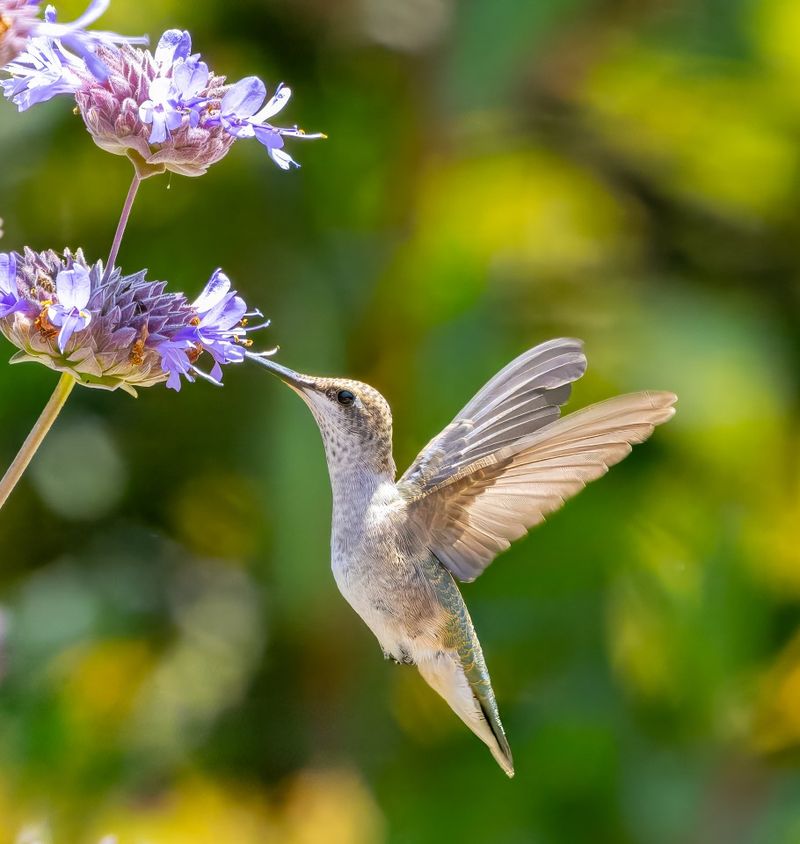
Hummingbird Sage is worth planting too. Its pink and purple flower spikes are irresistible to hummingbirds and bees alike.
It even handles partial shade, which makes it flexible for different spots in your yard.
Try mixing several pollinator-friendly plants together. A varied selection means something is always blooming, giving pollinators a reason to stick around all season long.
A pollinator-rich California garden is a healthier, more productive garden for everyone.
2. Add Edible Herbs And Greens
Few things feel as satisfying as walking outside and picking fresh herbs for dinner. California’s warm climate makes it one of the easiest places in the country to grow edible herbs and greens almost year-round.
You do not need a big yard or a fancy setup to get started.
Rosemary is a California classic. It loves the heat, handles drought well, and grows into a beautiful shrub over time.
Use it in cooking, or just brush past it and enjoy that amazing smell.
Basil thrives in California summers. Plant it near your tomatoes for a natural companion planting boost.
It grows fast, tastes incredible fresh, and you can harvest it all season long.
Kale is a powerhouse green that grows well in California’s cooler months. It is packed with nutrients and produces leaves for months on end.
Even beginner gardeners find it easy to manage.
Mint is another edible herb worth adding. It spreads quickly, so plant it in a container to keep it under control.
Use it in teas, salads, or desserts straight from the garden.
Growing your own food, even in small amounts, connects you to your garden in a really meaningful way.
3. Use Plants That Improve Soil
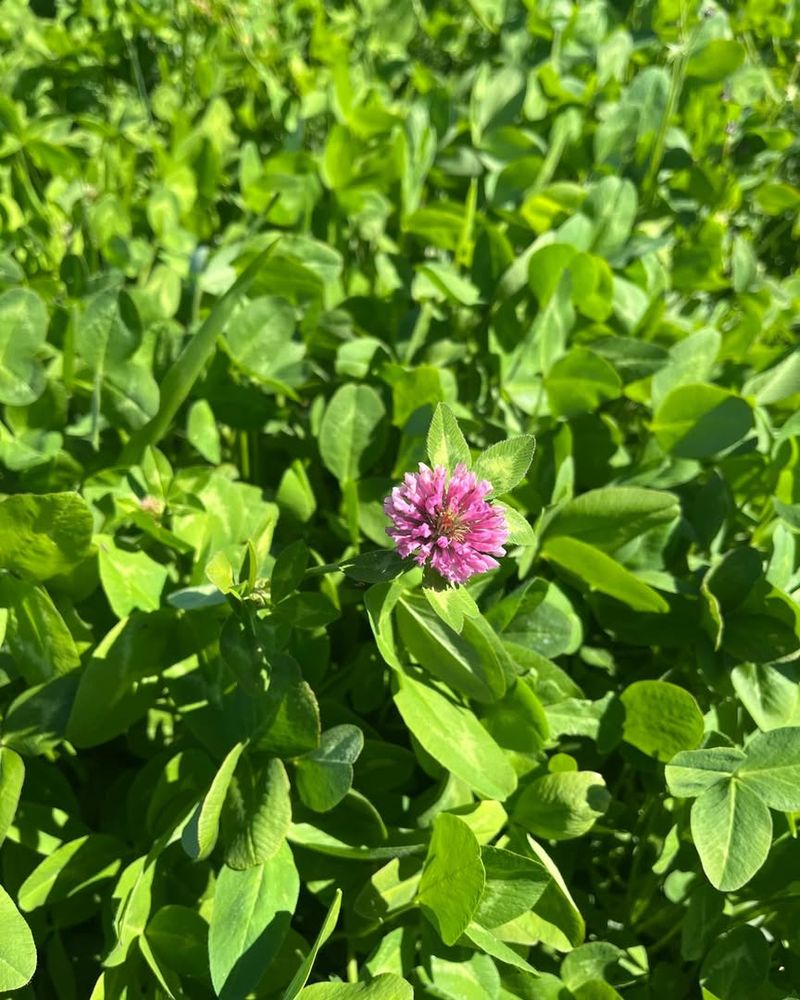
Healthy soil is the foundation of a great garden. Without it, even the toughest plants struggle.
The good news is that certain plants actually improve the soil as they grow, doing a lot of the hard work for you right here in California.
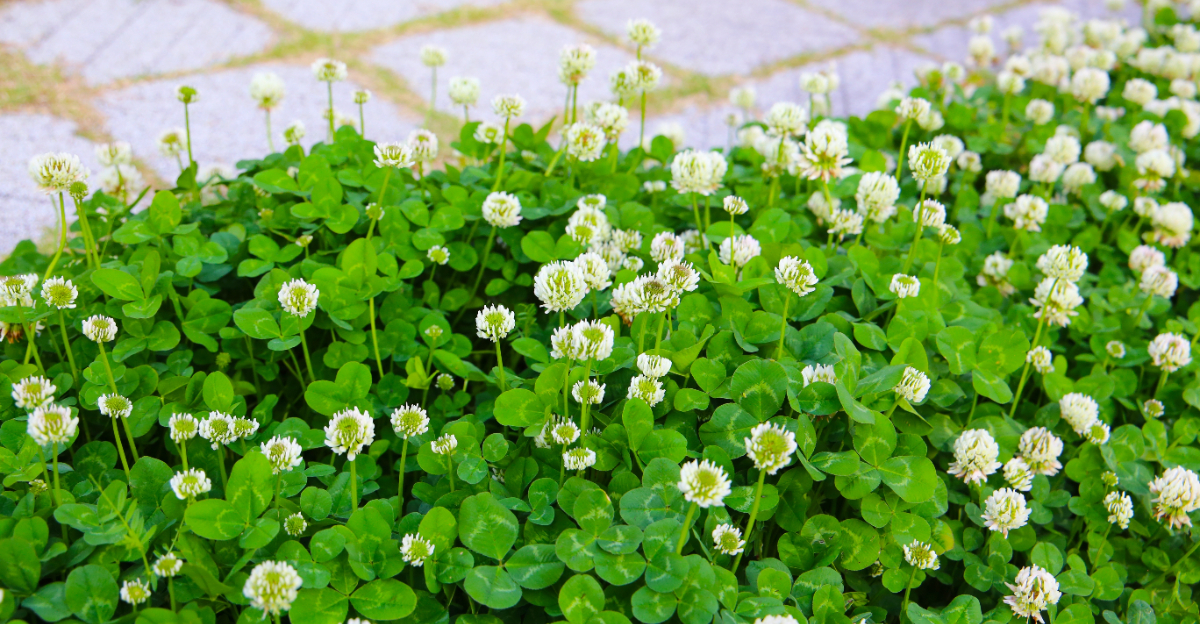
Clover is one of the best soil-improving plants you can grow. It fixes nitrogen from the air and puts it directly into the soil.
That means nearby plants get a natural fertilizer boost without any extra effort from you.
Comfrey is another powerhouse. Its deep roots pull up minerals from far below the soil surface.
When you chop its leaves and let them break down, those nutrients become available to everything around it.
Fava beans work beautifully in California’s cooler growing season. Like clover, they fix nitrogen and improve soil structure.
After harvest, you can turn the plants right into the ground as a green manure.
Yarrow also plays a role here. Its deep roots break up compacted soil and improve drainage over time.
It is drought-tolerant, low-maintenance, and adds a beautiful cluster of white or pink flowers on top of all that.
Planting for soil health means you are investing in every future season of your California garden.
4. Choose Drought-Tolerant Plants

Water is precious in California. Droughts are a real part of life here, and choosing plants that can handle dry conditions is one of the smartest decisions any California gardener can make.
Drought-tolerant plants are not boring either. They can be bold, beautiful, and incredibly useful.
California Sagebrush is a standout choice. Its silvery, aromatic foliage looks stunning in the garden and its late-season flowers feed pollinators when not much else is blooming.
It thrives in full sun and well-drained soil, which describes most California yards perfectly.
California Fescue is a native grass that adds soft movement to any garden. It handles dry summers with ease and provides important ground cover and habitat for small wildlife.
Plant it along slopes or in patches between other plants.
Agave is dramatic and nearly indestructible. Once established, it needs almost no water and can handle intense California heat without complaint.
It also makes a strong visual statement in any yard.
Choosing drought-tolerant plants does not mean sacrificing beauty or function. Many of these plants attract pollinators, support wildlife, and look spectacular all year long.
They are built for California’s climate, which means less work and more reward for you every single season.
5. Plant Natural Pest Repellents
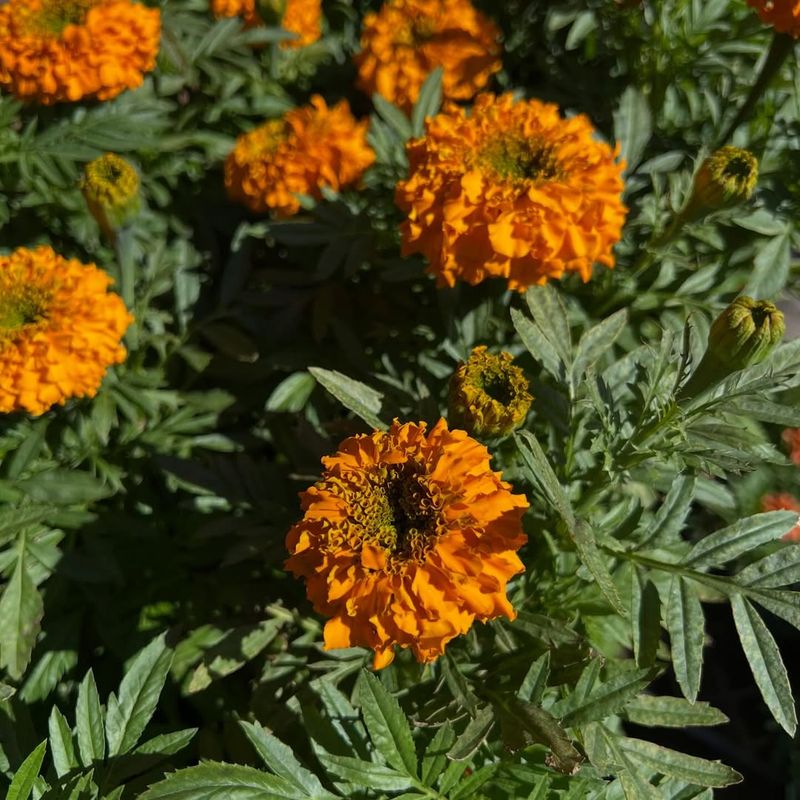
Bugs and garden pests can be seriously frustrating. Before reaching for chemical sprays, consider planting natural pest repellents right alongside your vegetables and flowers.
California gardens can thrive with very little chemical help when you use plants strategically.
Marigolds are a garden classic for good reason. Their strong scent repels aphids, whiteflies, and nematodes.
Plant them at the edges of vegetable beds or between rows of tomatoes and peppers for best results.
Nasturtiums are a clever trap crop. Aphids love them, which pulls pests away from your more valuable plants.
They are also edible, with peppery leaves and bright flowers that look gorgeous in salads.
Lavender does double duty in a California garden. It attracts pollinators while also repelling moths, fleas, and mosquitoes.
Plant it near outdoor seating areas and you will notice the difference on warm evenings.
Basil planted near tomatoes is said to confuse and deter tomato hornworms and aphids. Whether or not the science is fully settled, experienced California gardeners swear by this pairing season after season.
Using plants as natural pest management keeps your garden healthier and your soil free from harsh chemicals. It is a win for your plants, your family, and local wildlife too.
6. Grow Plants That Support Wildlife
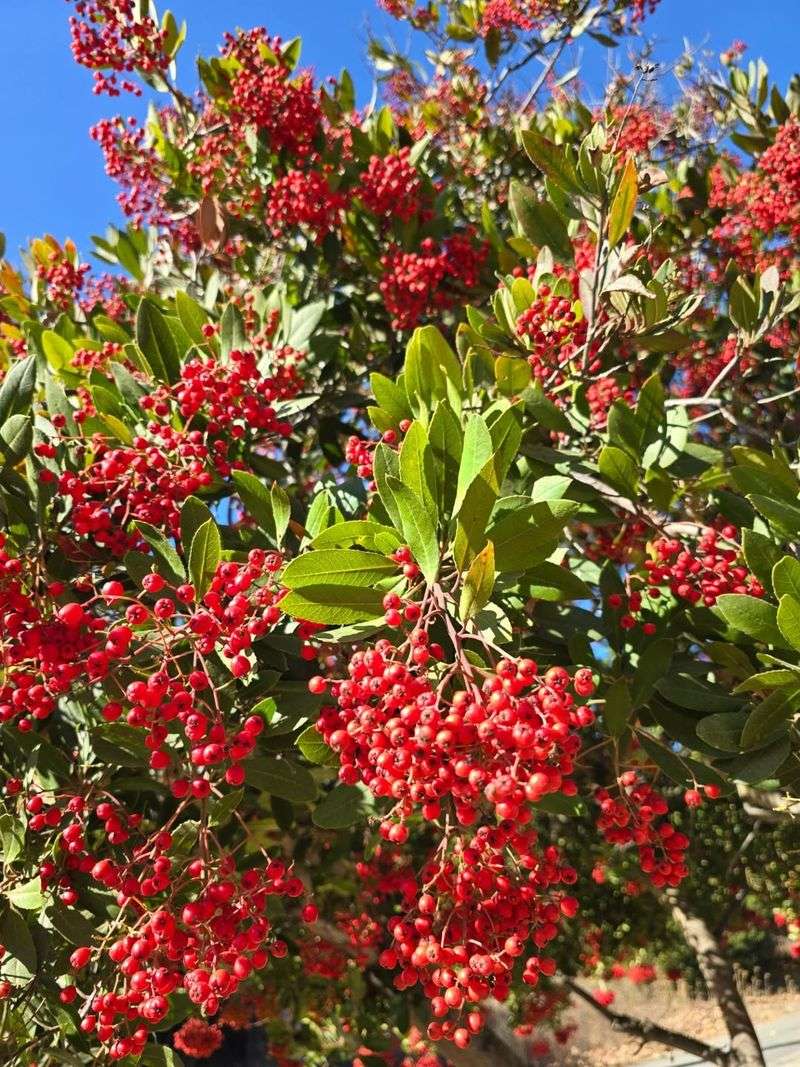
A garden that supports wildlife is a garden that gives back. California is home to an incredible range of birds, butterflies, and small mammals, and your outdoor space can become a real refuge for them with just a few smart plant choices.
Toyon, also called California Holly, is a native shrub that produces bright red berries in winter. Birds like cedar waxwings and mockingbirds flock to it for food during the colder months when not much else is available.
Milkweed is essential for monarch butterflies. These iconic orange-and-black butterflies depend on milkweed to lay their eggs and feed their caterpillars.
Planting it in your California yard directly supports a species that has seen serious population declines in recent years.
California Fescue grass provides nesting material and ground-level cover for small birds and insects. It is low-maintenance and blends naturally into any California garden style, from formal to wild.
Oak trees, even small ones, support more wildlife species than almost any other plant in California. They host hundreds of insect species, which in turn feed birds and other animals up the food chain.
Supporting wildlife in your garden creates a living, breathing ecosystem right outside your door. It is one of the most rewarding things a California gardener can do.
7. Mix Beauty With Function
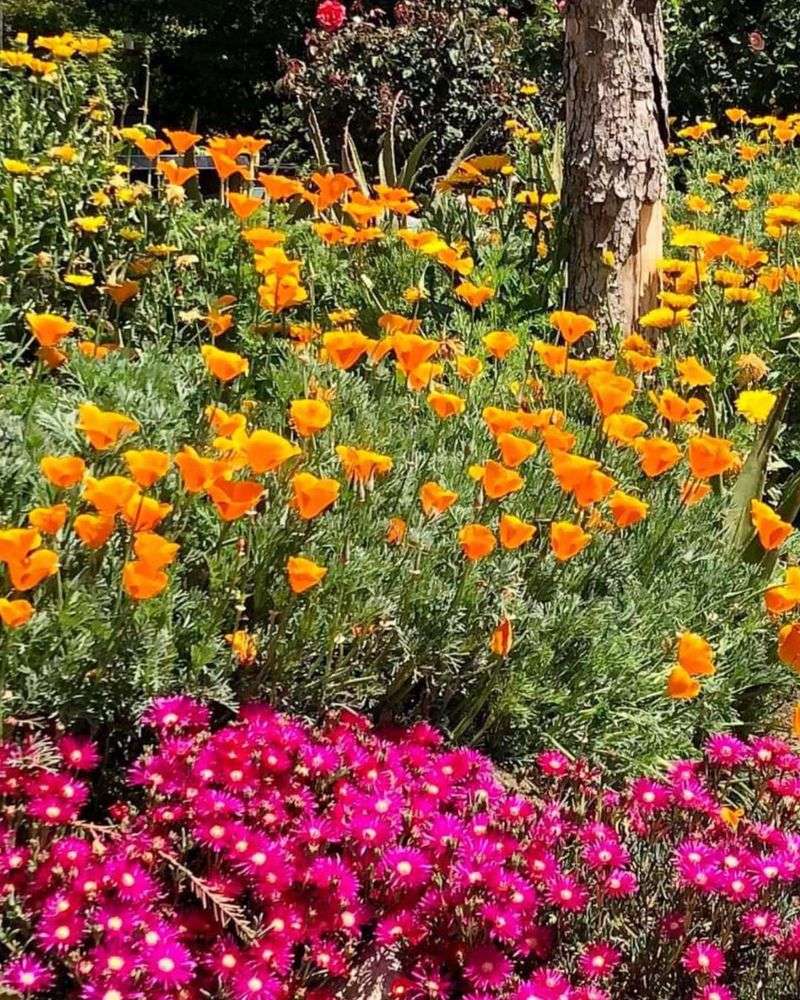
Who says a useful garden cannot also be gorgeous? Some of the most functional plants in California are also the most beautiful.
Mixing beauty with function is not just possible, it is actually the smartest way to design a garden that you will love spending time in.
Yarrow is a perfect example. Its feathery foliage and flat-topped clusters of flowers come in white, pink, yellow, and red.
It attracts beneficial insects, improves soil, and looks stunning in borders or wildflower-style plantings across California yards.
Rosemary, when left to grow freely, becomes a sprawling, fragrant shrub covered in tiny blue flowers. It is edible, drought-tolerant, and one of the most visually pleasing herbs you can grow in a California garden.
California Poppy brings vivid orange color to any space. It self-seeds freely, meaning it comes back year after year with almost no help from you.
Few plants are as cheerful or as low-effort as this one.
Hummingbird Sage adds deep green, aromatic foliage and tall spikes of purple-pink flowers. It is striking in a garden bed and incredibly useful for supporting pollinators at the same time.
Combining beauty and function means you never have to choose between a garden that looks good and one that works hard for you.
8. Create A More Productive Garden
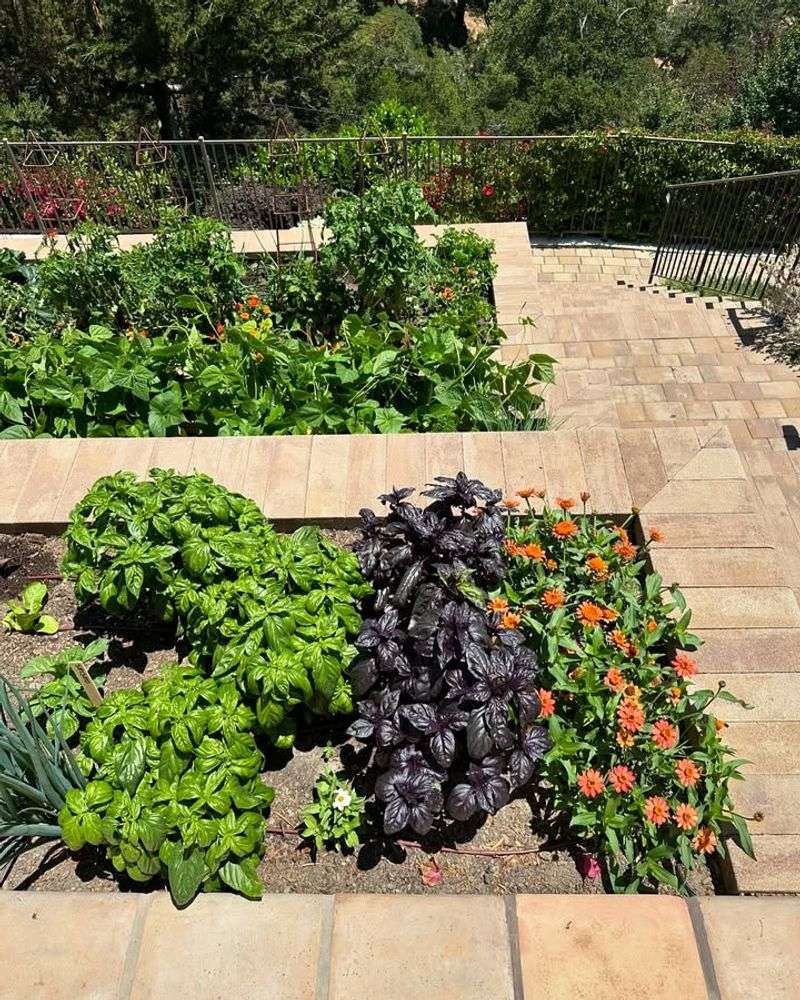
Productivity in a garden is about more than just growing a lot of stuff. It is about making smart choices so that every plant earns its spot.
In California, where the growing season is long and the climate is generous, a productive garden is very much within reach for any gardener.
Start with companion planting. Pairing plants that help each other, like tomatoes with basil or corn with beans and squash, boosts yields and reduces pest problems naturally.
This classic technique has been used by gardeners for centuries and still works incredibly well.
Add a compost system to feed your soil continuously. California’s warm weather speeds up the composting process, meaning you get rich, dark compost faster than gardeners in colder climates.
Use it to top-dress beds and watch your plants respond.
Plan for succession planting. Instead of putting everything in the ground at once, stagger your plantings every few weeks.
This keeps your garden producing fresh food over a much longer period instead of all at once.
Choose plants that serve multiple purposes. A plant that feeds you, feeds pollinators, and improves soil all at once is worth far more than one that just looks nice.
A productive California garden does not happen by accident. It happens when you plan with purpose and plant with intention every single season.