How To Fill Your Ohio Garden With Plants That Actually Do Something
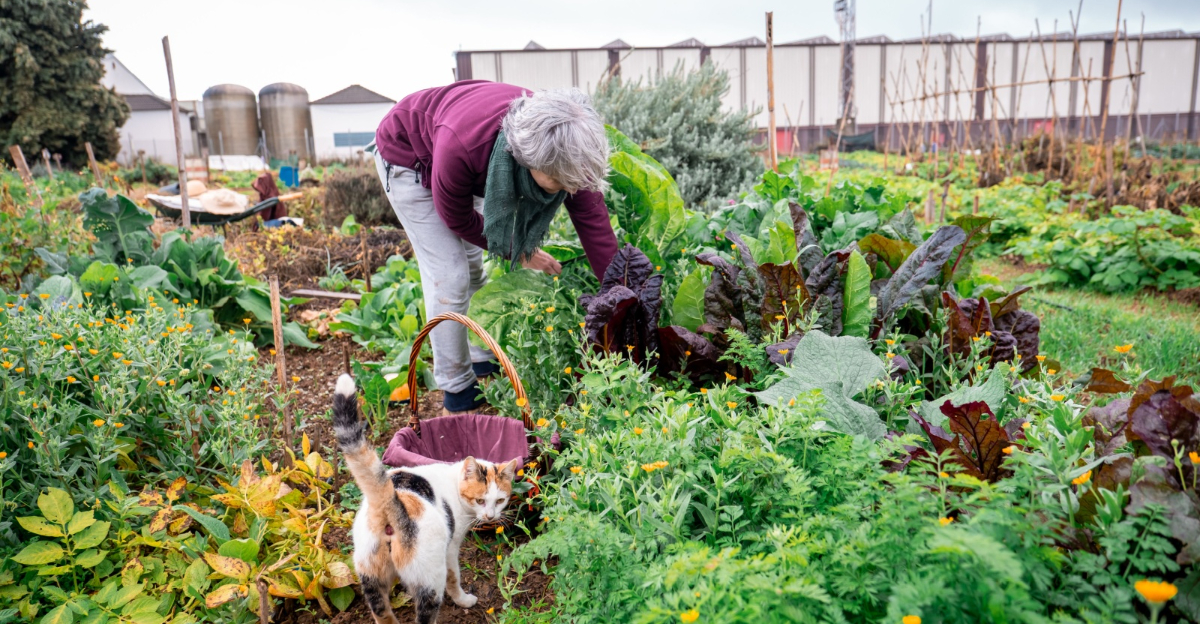
You can fill a garden with plants that look nice, or you can fill it with plants that truly work for you. In Ohio, every square foot matters, and more homeowners are choosing plants that do more than just sit there.
Some attract pollinators, some improve soil, some repel pests, and others provide food, shade, or seasonal interest. A purposeful garden does not just grow, it supports, protects, and produces.
The shift is simple but powerful, choose plants that earn their place. When each plant serves a role, your garden becomes easier to manage, more resilient, and far more rewarding.
Instead of constant maintenance with little return, you build a space that gives back throughout the season. The right plant mix can help your Ohio garden support wildlife, improve soil, and stay easier to manage.
It is not about planting more, it is about planting smarter and making every plant count.
1. Grow Herbs That Add Flavor To Everyday Cooking
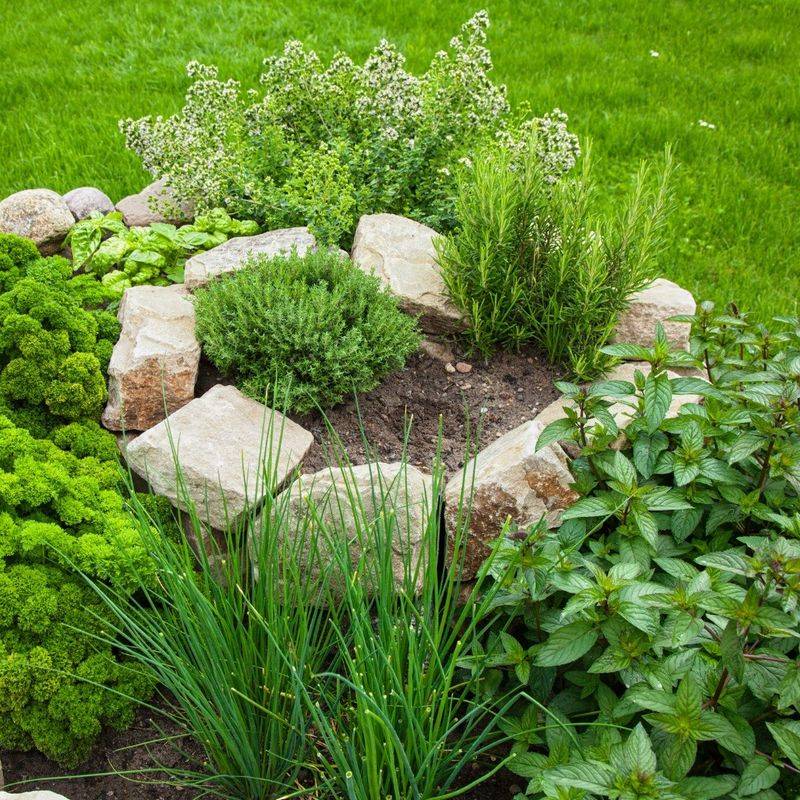
Fresh herbs transform ordinary meals into restaurant-quality dishes without requiring advanced gardening skills. Basil, parsley, cilantro, and chives grow reliably in Ohio gardens from late spring through early fall.
Most culinary herbs prefer well-drained soil and at least six hours of sunlight daily.
Container growing works exceptionally well for herbs, allowing you to position them near your kitchen door for convenient harvesting. Frequent trimming actually encourages bushier growth and more abundant leaves.
Basil especially benefits from regular pinching, which prevents flowering and keeps the leaves tender and flavorful.
Perennial herbs like oregano, thyme, and sage return year after year in Ohio gardens, establishing stronger root systems each season. These Mediterranean natives tolerate drought once established and rarely require fertilization.
Rosemary struggles with Ohio winters outdoors but thrives in containers that you can bring inside before the first frost.
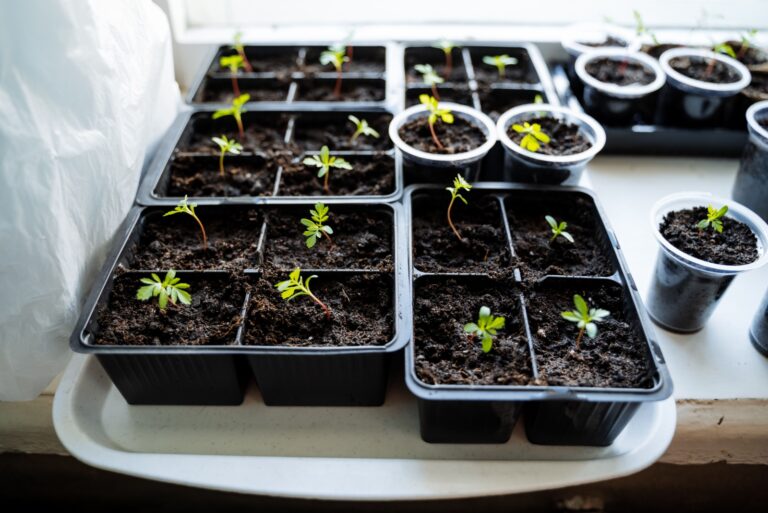
Starting herbs from transplants gives faster results than seeds, though basil and cilantro germinate quickly from direct sowing. Plant basil only after soil temperatures reach 60 degrees, typically mid-May in most Ohio counties.
Harvest herbs in the morning after dew dries but before afternoon heat diminishes their essential oils.
2. Plant Flowers That Attract Bees And Pollinators
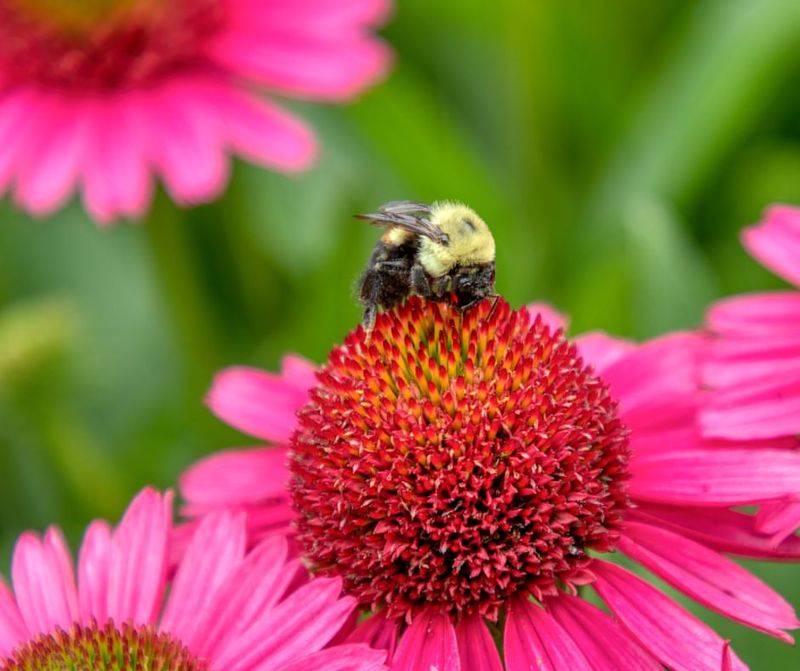
Without pollinators visiting your garden, vegetable yields drop dramatically and fruit trees produce disappointing harvests. Native bees, butterflies, and beneficial insects need nectar and pollen sources throughout the growing season.
Selecting flowers that bloom at different times ensures continuous food availability from spring through fall.
Purple coneflower and black-eyed Susan rank among the best pollinator plants for Ohio gardens, thriving in various soil types with minimal maintenance. These native perennials tolerate summer heat and occasional drought while providing landing platforms that bees prefer.
Zinnias offer brilliant colors and attract butterflies reliably, reseeding themselves for future seasons.
Planting flowers in clusters rather than scattered individual plants helps pollinators locate food sources more efficiently. Groups of at least three identical plants create visual targets that insects recognize from considerable distances.
Avoid heavily hybridized double-flowered varieties, which often lack accessible pollen and nectar despite their showy appearance.
Early spring bloomers like crocus and grape hyacinth provide critical nutrition when bees emerge from winter dormancy. Late-season asters and sedum keep feeding pollinators as they prepare for winter or migration.
Leaving flower heads standing through winter provides shelter for beneficial insects and seeds for birds.
3. Choose Vegetables That Produce All Season Long
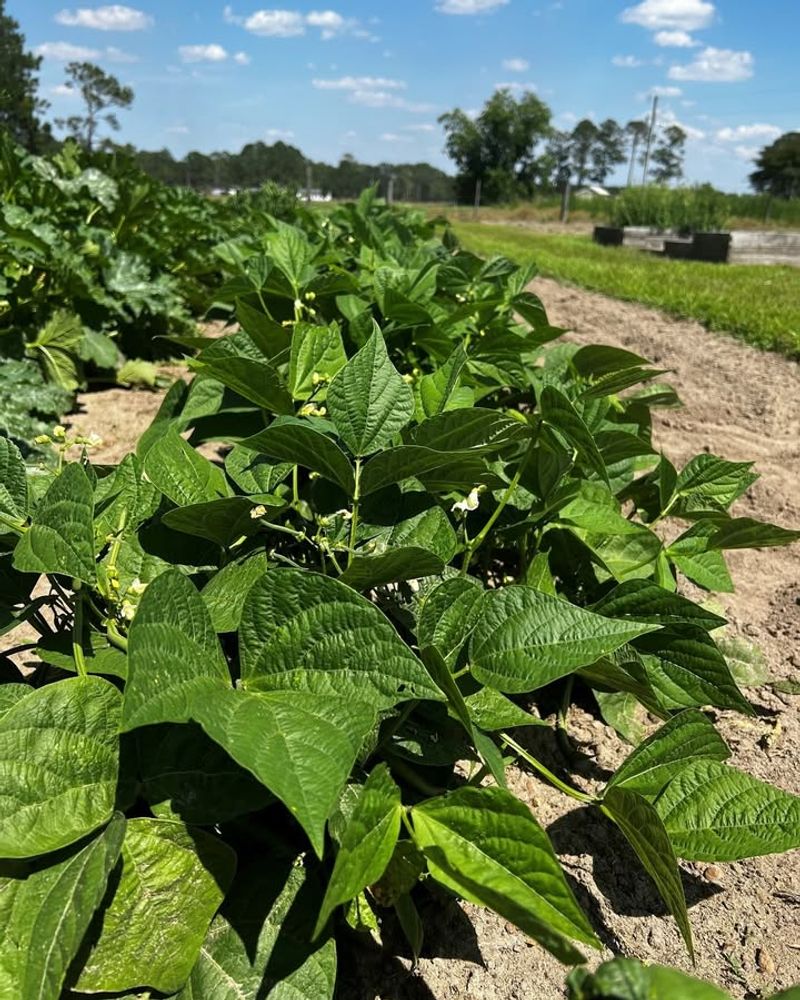
Strategic planting schedules keep your harvest basket full from spring through fall rather than overwhelming you with everything at once. Succession planting means sowing small amounts of fast-maturing crops every two weeks instead of planting everything simultaneously.
Bush beans, lettuce, and radishes work perfectly for this approach in Ohio gardens.
Tomatoes, peppers, and squash provide continuous harvests once they begin producing, typically from July through September in most Ohio locations. Regular picking encourages these plants to set more fruit rather than focusing energy on ripening existing produce.
Determinate tomato varieties ripen all at once for canning, while indeterminate types produce steadily until frost.
Cool-season crops like broccoli, cabbage, and spinach tolerate spring and fall temperatures that would stress warm-season vegetables. Planting these in March and again in August extends your productive season considerably.
Many leafy greens actually taste sweeter after light frosts, making fall the preferred growing season for experienced gardeners.
Interplanting fast-maturing crops between slower-growing vegetables maximizes garden space efficiency. Radishes mature in 30 days, finishing before neighboring tomatoes need the room.
This approach reduces weeds, keeps soil covered, and provides multiple harvests from the same square footage throughout the season.
4. Add Plants That Naturally Repel Garden Pests
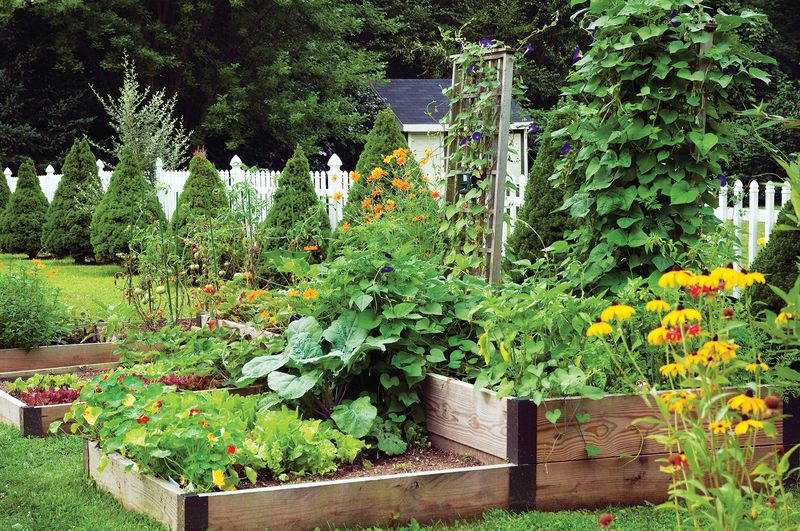
Chemical pesticides harm beneficial insects along with problematic ones, disrupting your garden’s natural balance. Certain plants contain compounds that confuse or repel common garden pests when grown alongside vulnerable crops.
Marigolds release a scent that discourages aphids, whiteflies, and some beetles from nearby vegetables.
Planting aromatic herbs like basil near tomatoes helps mask the scent that attracts hornworms and other tomato pests. Nasturtiums act as trap crops, drawing aphids away from beans, squash, and cucumbers.
Some gardeners sacrifice nasturtiums to protect more valuable plants, while others appreciate how ladybugs congregate on aphid-covered nasturtium leaves.
Garlic and onions interplanted with roses, lettuce, and strawberries reduce fungal diseases and discourage many chewing insects. Their strong sulfur compounds create an unfavorable environment for pests while not bothering human gardeners.
Chives planted around the garden perimeter provide similar benefits while producing edible flowers and leaves.
Catnip, while attractive to feline friends, repels mosquitoes, aphids, and squash bugs more effectively than many commercial products. Planting it in containers prevents aggressive spreading while keeping the benefits contained near outdoor seating areas.
These companion planting strategies work best when combined with healthy soil, proper watering, and crop rotation rather than as standalone solutions.
5. Grow Leafy Greens For Continuous Fresh Harvests
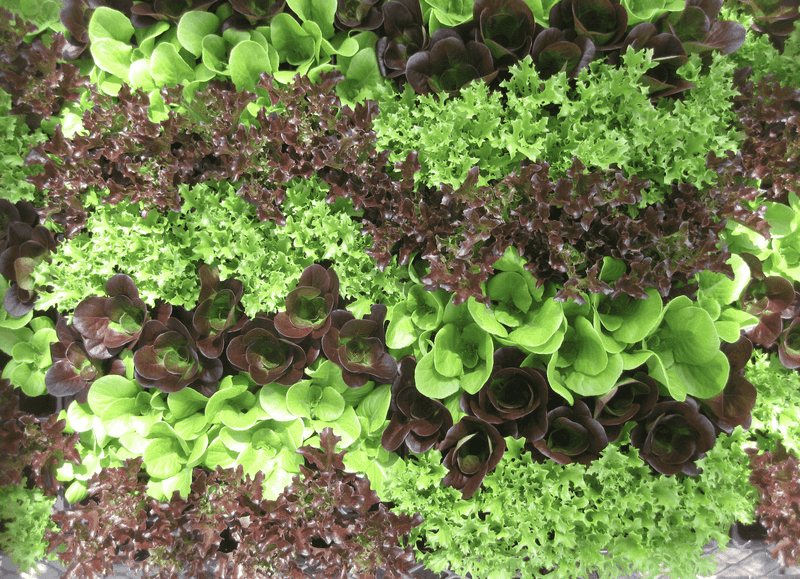
Salad greens grow faster than almost any other garden crop, providing fresh leaves in as little as three weeks from planting. Lettuce, spinach, arugula, and kale thrive in Ohio’s spring and fall temperatures, often struggling during summer heat.
Cut-and-come-again harvesting extends production by removing only outer leaves while letting the plant continue growing from its center.
Spinach planted in early March often produces through May before bolting in warming weather. A second planting in late August provides fall harvests that continue until hard freezes arrive in November or December.
Many spinach varieties tolerate light frosts, actually developing sweeter flavor as temperatures drop below 50 degrees.
Lettuce varieties range from delicate butterheads to crunchy romaines, each offering different textures and flavors for salads. Mixing several types in the same bed creates attractive edible landscapes while providing harvest insurance if one variety underperforms.
Shade cloth or planting near taller crops extends the lettuce season during Ohio’s hottest months.
Kale produces abundantly in spring and fall, with some varieties surviving Ohio winters under snow cover. Harvesting from the bottom up allows the plant to continue producing new leaves at the top.
One kale plant can provide leaves for months when properly maintained and harvested selectively.
6. Plant Native Species That Thrive In Ohio Conditions
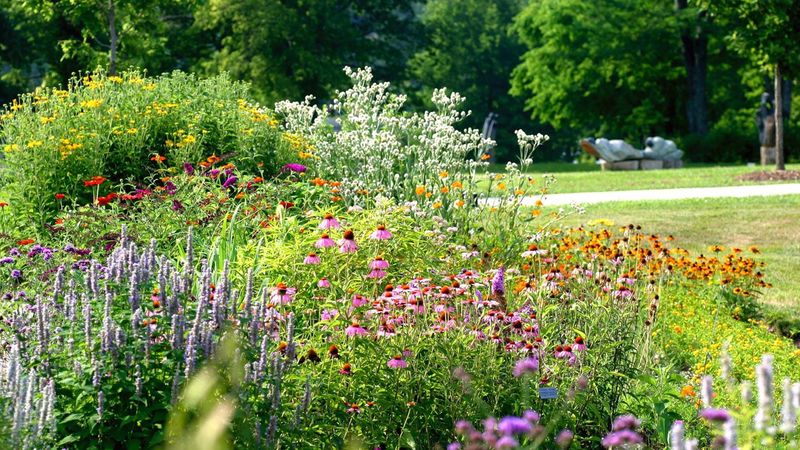
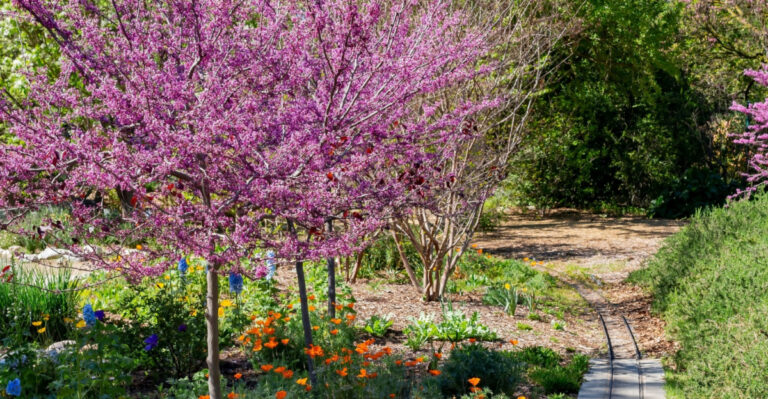
Native plants evolved alongside Ohio’s weather patterns, pests, and pollinators over thousands of years, requiring far less maintenance than exotic species. Ohio spiderwort, wild bergamot, and butterfly weed establish quickly in average garden soil without amendments or special care.
Their deep root systems access water and nutrients beyond the reach of shallow-rooted ornamentals.
Local wildlife recognizes native plants as food sources, creating habitat for beneficial insects, birds, and butterflies that non-native plants cannot support. Native oak trees host over 500 caterpillar species, while popular imported ornamentals like Bradford pear host almost none.
These caterpillars feed baby birds, forming the foundation of healthy backyard ecosystems.
Establishing native plants requires patience during their first year as roots develop extensive underground networks. The gardening saying goes that natives sleep the first year, creep the second, and leap the third.
Once established, they tolerate drought, resist local diseases, and spread gradually to fill available space.
Ohio native plant sales at nature centers and native plant societies offer regionally appropriate species already adapted to your county’s specific conditions. Avoid collecting plants from wild areas, which harms natural populations and often results in transplant failure.
Many natives self-sow, gradually increasing your plantings without additional expense or effort.
7. Add Perennials That Return Year After Year
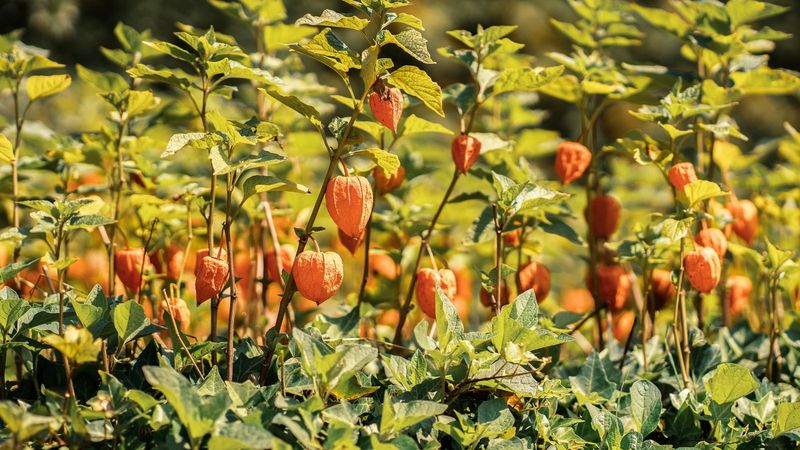
Annual vegetables require replanting every spring, but perennial crops return reliably for years or even decades with minimal intervention. Asparagus beds produce tender spears each April for 20 years or more once established, though they require patience during the first two years while roots develop.
Rhubarb thrives in Ohio’s climate, providing tart stalks for pies and jams from early spring through June.
Strawberries produce fruit the year after planting, then continue for several seasons before needing renovation. June-bearing varieties provide one large harvest perfect for preserving, while everbearing types produce smaller amounts throughout summer and fall.
Mulching strawberry beds heavily before winter protects crowns from freeze-thaw cycles that heave plants from the soil.
Perennial herbs like chives, oregano, and mint return stronger each year, often requiring division to prevent overcrowding. Mint spreads aggressively, making container growing advisable unless you want it filling large areas.
These herbs require almost no fertilization and tolerate neglect better than most garden plants.
Egyptian walking onions and multiplier onions provide green tops for cooking while bulbs divide underground, increasing your planting each year. Harvesting some bulbs for cooking while leaving others to multiply creates a self-sustaining onion supply.
These unusual perennials tolerate poor soil and compete well with weeds once established.
8. Grow Climbing Plants To Maximize Small Spaces
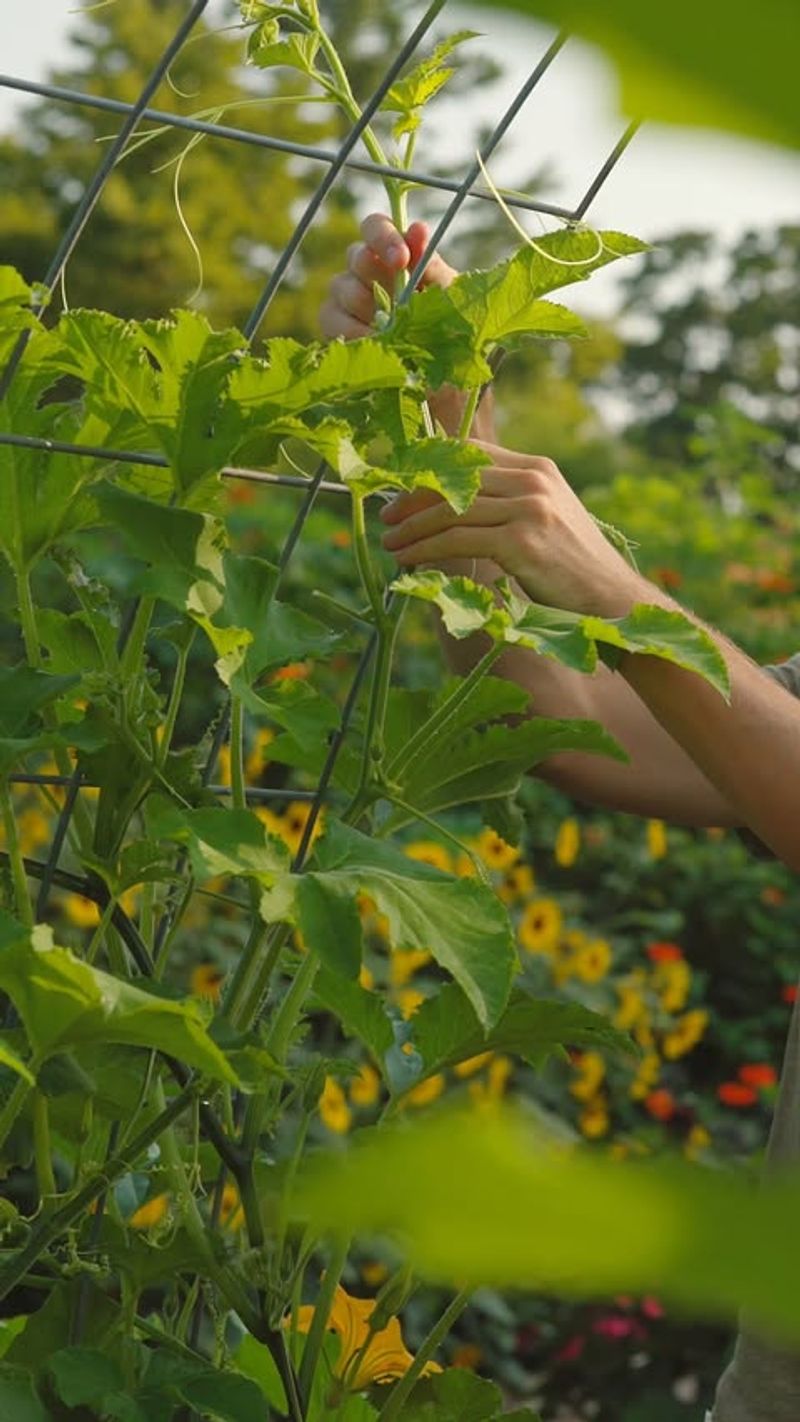
Vertical growing transforms small garden spaces into productive areas by using upward rather than outward expansion. Pole beans produce three times more harvest than bush varieties while occupying the same ground space, climbing supports up to eight feet tall.
Cucumbers grown vertically develop straighter fruits with fewer blemishes than those sprawling on the ground.
Trellising keeps fruits and vegetables off damp soil where slugs, rot, and diseases flourish. Air circulation improves around elevated plants, reducing fungal problems common in Ohio’s humid summers.
Harvesting becomes easier when produce hangs at eye level rather than hiding under leaves on the ground.
Peas thrive in Ohio’s cool spring weather, climbing supports while producing sweet pods for six weeks or more. Sugar snap peas offer edible pods and peas, maximizing harvest from limited space.
Planting peas along the north side of your garden prevents them from shading shorter crops as they climb.
Simple supports work well for most climbing crops, from bamboo poles tied in tepee formations to cattle panels arched over pathways. Sturdy construction matters because mature vining plants loaded with produce create significant weight that flimsy supports cannot handle.
Installing trellises at planting time prevents root damage from driving posts into the ground near established plants.
9. Choose Plants That Improve Soil Health Naturally
Soil improvement typically requires years of adding compost and organic matter, but certain plants accelerate the process through their natural growth habits. Legumes including peas, beans, and clover form partnerships with soil bacteria that convert atmospheric nitrogen into plant-available forms.
When these plants decompose, they release stored nitrogen for subsequent crops to use.
Cover crops planted in fall after vegetables finish protect bare soil from erosion while adding organic matter when tilled under the following spring. Winter rye develops extensive root systems that break up compacted clay soils common throughout Ohio.
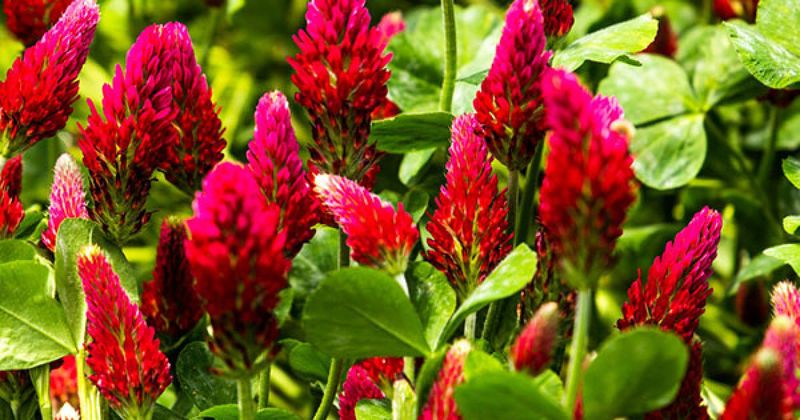
Crimson clover fixes nitrogen while providing early spring flowers for pollinators before being incorporated into garden beds.
Daikon radishes, often called tillage radishes, grow thick taproots that penetrate hardpan layers conventional tilling cannot reach. These roots create channels for water infiltration and future plant roots to follow.
When winter freezing terminates the radishes, their decomposing roots leave organic matter deep in the soil profile.
Rotating crops prevents nutrient depletion and disease buildup, with heavy feeders like tomatoes followed by nitrogen-fixing legumes then light-feeding root vegetables. This traditional approach maintains soil fertility without relying solely on purchased fertilizers.
Building healthy soil creates resilient gardens that withstand weather extremes and pest pressures more successfully than depleted ground dependent on constant inputs.