How To Find Artificial Grass That Works In Mesa, Arizona Landscapes
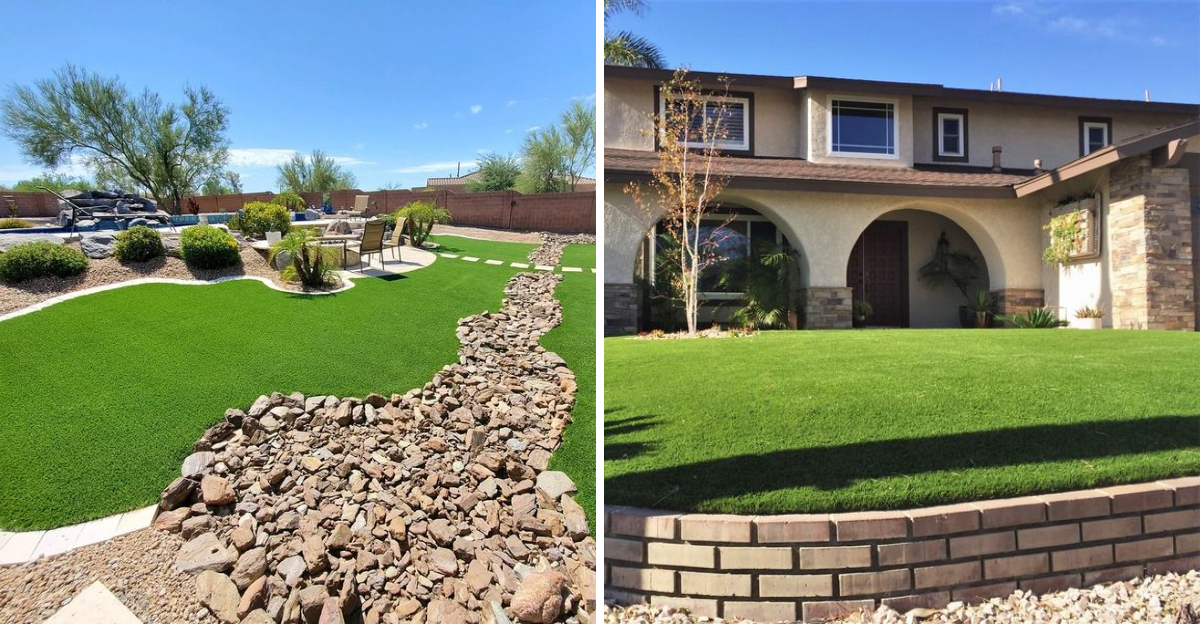
Artificial grass can look similar at first glance, but results in Mesa, Arizona landscapes often vary more than expected once it is in place.
Some areas hold a clean and natural look through constant sun, while others show wear, flatten out, or trap heat in ways that make them less practical over time.
That difference usually comes from choices made before installation, not after.
In a climate like Arizona, where sun exposure stays intense and surfaces heat up fast, materials and structure matter more than appearance alone. What works in one setting may not perform the same in another, even within the same yard.
Paying attention to the right details early can shape how well that surface holds up through daily use and long periods of heat. The right selection makes a noticeable difference once conditions stay harsh.
1. Heat Rated Turf Holds Up Better Under Intense Sun Exposure
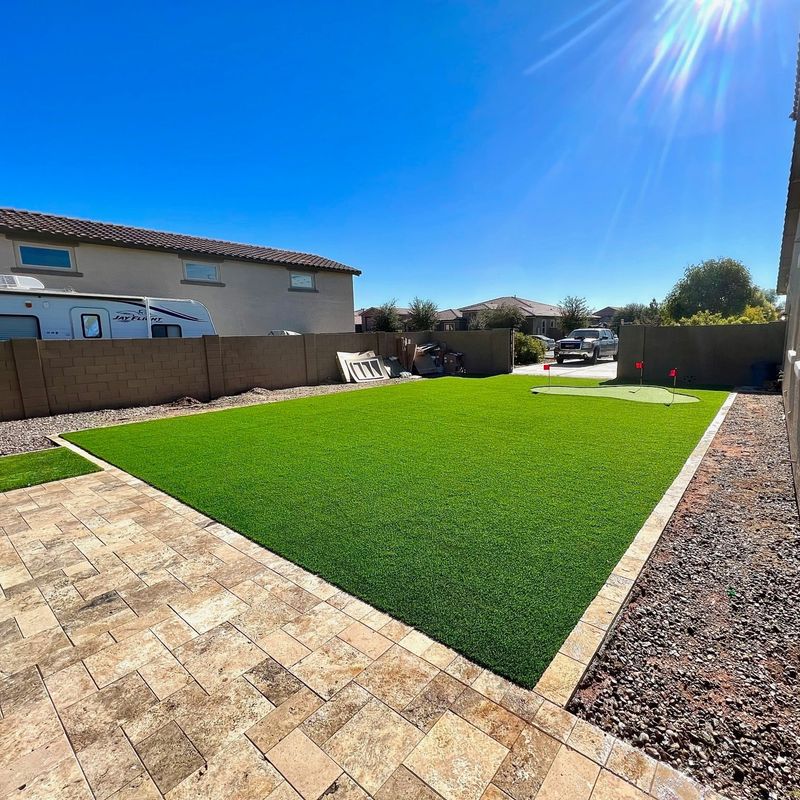
Not all artificial grass is built to take a beating from the Arizona sun, and that difference becomes obvious fast once summer rolls around in Mesa. Turf without proper heat ratings can start to warp, flatten, or even melt in extreme temperatures.
When shopping, look specifically for products rated for high-heat environments, not just general outdoor use.
Heat-rated turf is manufactured with materials that hold their shape and texture even when ground temperatures climb well above what the air thermometer reads.
Asphalt and concrete in Mesa can push surface temps past 150 degrees on a clear July afternoon, and turf sitting on top of that substrate absorbs plenty of that heat.
Choosing a product rated for those real-world conditions is not optional if you want it to last. Ask suppliers directly about the temperature rating on any turf you consider.
Reputable local companies like Mesa Artificial Grass and Green or Apex Turf in nearby Chandler can point you toward products that have actually been tested under Arizona-style heat rather than just certified for standard outdoor climates.
Manufacturers sometimes list heat tolerance in product specs, but not always prominently. Push for that number before committing.
A turf rated for sustained high temperatures will keep its color and structural integrity through multiple summers, while a cheaper option rated for moderate climates may show signs of stress by its second season in Mesa.
2. UV Stabilized Fibers Help Prevent Fading And Breakdown
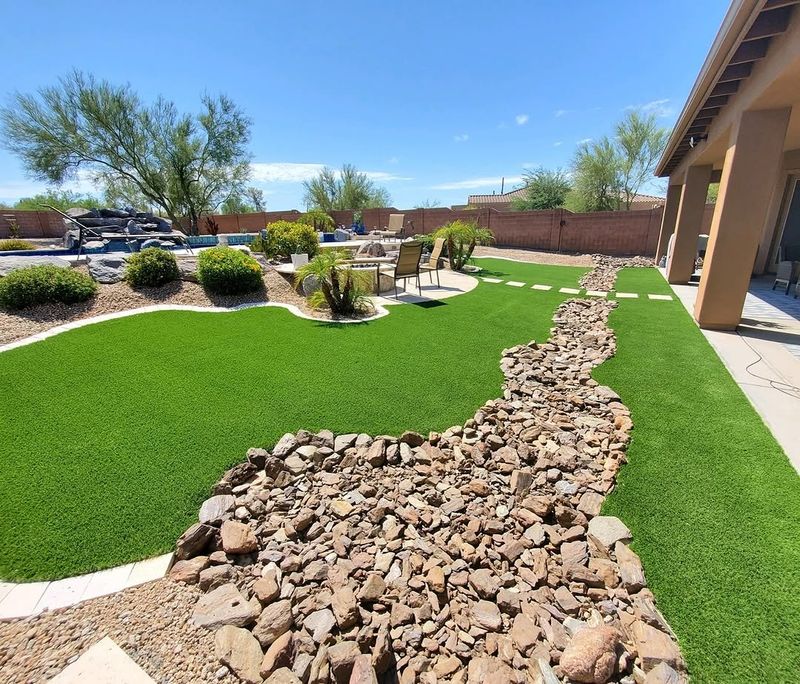
Color fade is one of the sneakiest problems with artificial grass in Mesa, and it usually happens so gradually that homeowners do not notice until the turf looks noticeably dull or patchy. UV radiation in the Sonoran Desert is intense year-round, not just in summer.
Without UV stabilization built into the fiber itself, the pigments in synthetic turf break down steadily over time.
UV stabilized fibers have chemical inhibitors worked directly into the material during manufacturing. That is very different from a surface coating, which wears off with foot traffic and cleaning.
When the protection is baked into the fiber, it stays effective for the actual lifespan of the product rather than just the first year or two after installation.
Beyond color, UV degradation weakens the structural integrity of the grass blades themselves. Fibers that have broken down become brittle and start to shed, leaving your yard looking sparse and worn even if the backing is still intact.
In Mesa specifically, that kind of breakdown can happen faster than manufacturers predict if the product was not designed with Southwest sun exposure in mind.
When reviewing product specs, look for language like polyethylene fibers with UV inhibitors or UV-stabilized nylon.
Ask suppliers like Paradise Greens or Crown and Blade Turf whether their products have been independently tested for UV resistance in high-solar-index environments.
Getting a straight answer on that point tells you a lot about how seriously a company takes product quality for Arizona conditions.
3. Good Drainage Backing Prevents Water From Pooling Under Turf
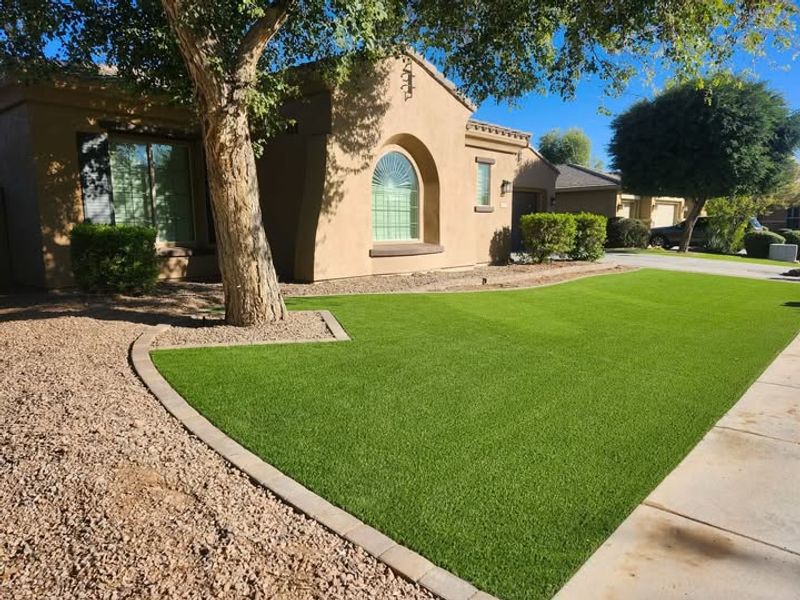
Rainfall in Mesa is infrequent, but when monsoon storms hit, they dump a lot of water in a short window.
Turf without solid drainage backing turns your yard into a soggy mess, and standing water trapped underneath creates odor problems and can compromise the base layer over time.
Drainage is not a feature you should treat as optional just because the desert is dry most of the year.
Quality artificial turf uses a perforated backing that allows water to pass through quickly and evenly. Some products have multiple drainage layers, which matters more in yards with heavier foot traffic or pets.
The backing also needs to be durable enough to handle repeated wet and dry cycles without cracking or separating from the turf fibers above it.
Drainage rate is typically measured in inches per hour, and higher is better for desert climates where storms are intense but brief. A drainage rate of at least 30 inches per hour is a reasonable baseline to look for.
Some premium products designed for Arizona conditions exceed that significantly, which gives you better performance during heavy monsoon events.
Big Bully Turf and similar Arizona-focused suppliers understand the drainage demands of the local climate and can walk you through how their backing systems perform under monsoon conditions.
Pairing good drainage backing with the right base preparation underneath the turf is where the real protection comes from, but the backing itself is the first line of defense against water-related issues in your Mesa yard.
4. Infill Materials Help Keep Turf Cooler And More Stable
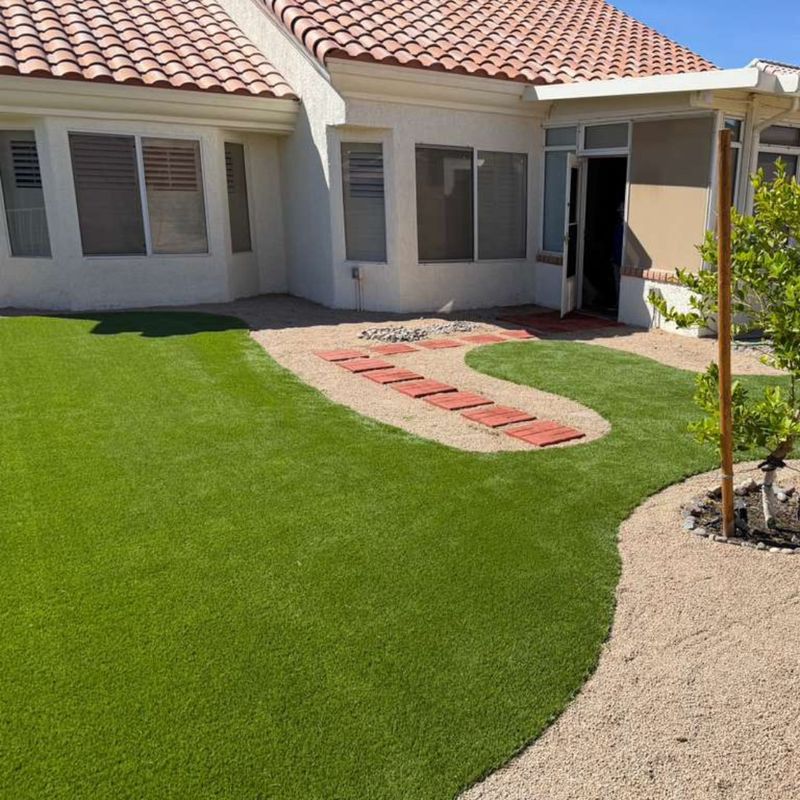
Standard crumb rubber infill is one of the worst choices you can make for a Mesa yard. Rubber absorbs and holds heat aggressively, which means walking barefoot on your turf during summer becomes genuinely uncomfortable and potentially unsafe for kids or pets.
Infill choice has a bigger impact on surface temperature than most homeowners realize when they are comparing turf products.
Cooling infill materials like acrylic-coated sand, silica sand, or specially engineered products such as HydroChill are designed to reflect heat or use moisture retention to bring surface temps down.
The difference between standard rubber infill and a quality cooling infill can be 30 to 50 degrees Fahrenheit on a hot Mesa afternoon.
That is a significant gap when you are talking about a surface kids play on.
Beyond temperature, infill also provides structural support for the turf fibers, keeping blades upright and preventing the flattened, matted appearance that develops under regular foot traffic.
Without adequate infill, even high-quality turf starts looking worn and tired within a couple of seasons.
Stability and heat management are both tied directly to this one component.
Local Mesa installers familiar with desert conditions will usually recommend infill specifically suited to the climate rather than defaulting to whatever is cheapest. Ask about cooling infill options during your consultation and request samples if possible.
Feeling the difference in surface temperature between infill types on a warm day is more convincing than any product spec sheet, and it helps you make a decision grounded in real Arizona conditions.
5. Proper Base Preparation Prevents Uneven Surfaces Over Time
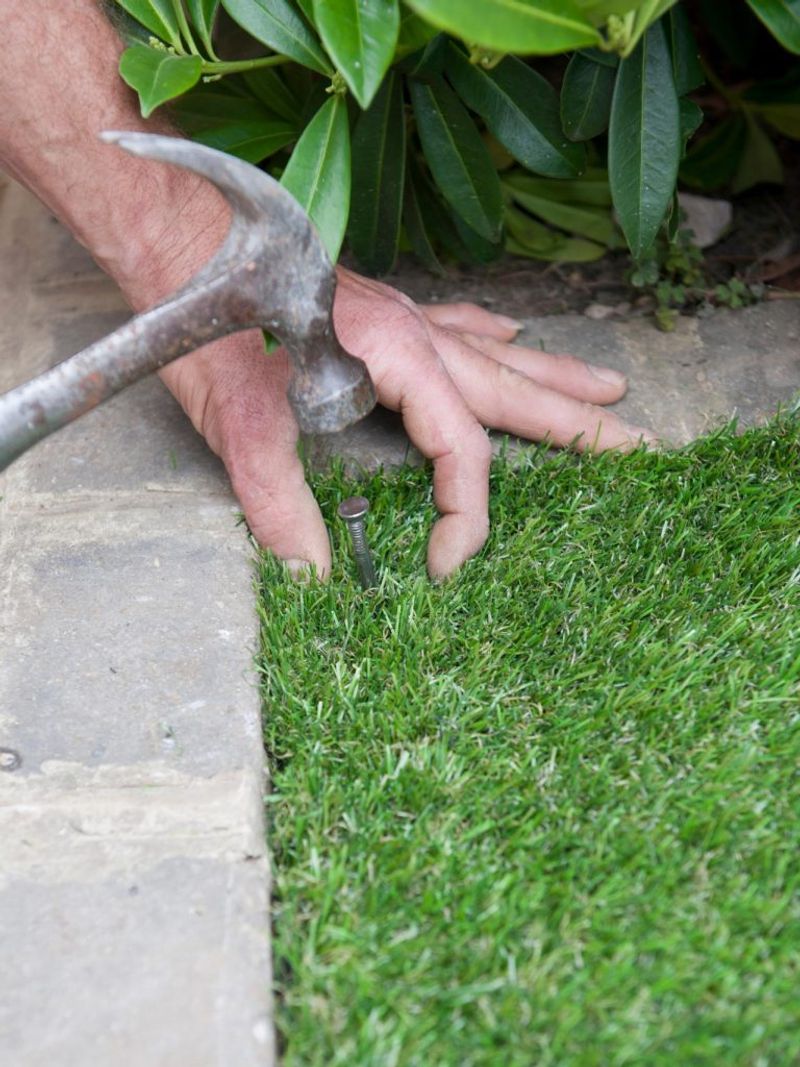
Skip the base prep and you will regret it within a year. Uneven surfaces, soft spots, and turf that lifts at the edges are almost always traced back to a poorly prepared foundation, not a defective product.
In Mesa, the soil composition and temperature swings add extra complications that make base preparation even more critical than it would be in a milder climate.
A proper base typically involves removing existing soil to a depth of three to four inches, then laying compacted decomposed granite or crushed aggregate.
That layer needs to be graded carefully for drainage and then compacted with a plate compactor until it is firm and level.
Cutting corners on compaction leads to settling, which creates bumps and dips that become more pronounced over time.
Arizona soils can shift seasonally as ground temperatures fluctuate dramatically between summer and winter. A base that was not compacted thoroughly enough will move with those temperature changes, and the turf above it will show every imperfection.
Getting that foundation right the first time is far less expensive than pulling up turf and redoing the base later.
Professional installers in Mesa like those at Apex Turf or Mesa Artificial Grass and Green understand local soil behavior and know how thick and firm the base needs to be for long-term stability.
If you are getting quotes, ask specifically how deep they go and what compaction standard they work to.
That question alone will tell you whether you are dealing with an installer who takes the work seriously or one cutting corners on materials and labor.
6. Pile Height Affects Both Appearance And Heat Retention
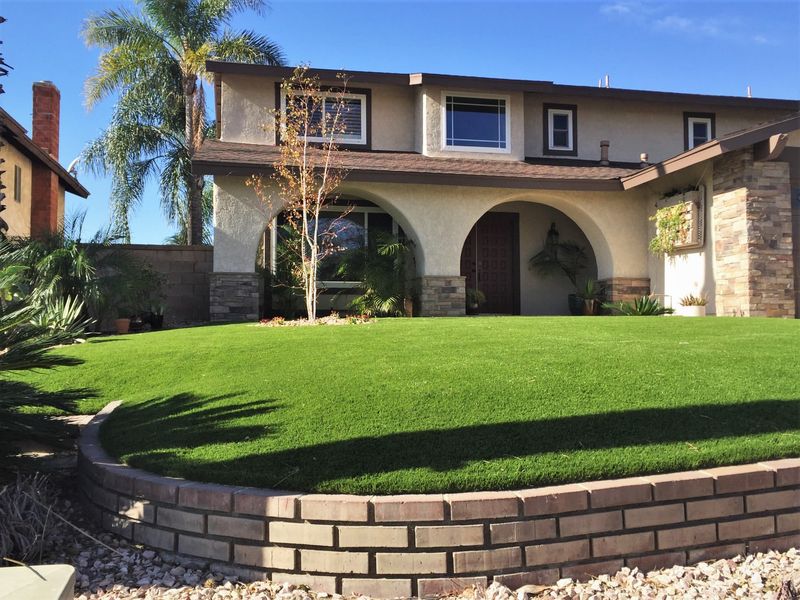
Pile height is one of those specs that gets overlooked until after the turf is installed, and by then changing your mind is expensive. Taller blades look lush and natural, but they also trap more heat and take longer to cool down after a hot Mesa day.
For yards where kids or pets spend significant time, that tradeoff deserves careful thought before you commit to a product.
Shorter pile heights, typically in the 1.5 to 1.75 inch range, tend to perform better in high-heat climates because there is less fiber mass to absorb and hold warmth.
Turf in that range also tends to hold up better under heavy foot traffic and requires less maintenance to keep looking neat.
It may not have the same visual depth as a longer pile product, but it handles Arizona summers more practically.
Medium pile heights around two inches offer a middle ground that many Mesa homeowners find satisfactory. Paired with a quality cooling infill, a two-inch pile can look attractive without becoming uncomfortably hot during peak summer hours.
The combination of pile height and infill choice matters more than either factor alone when managing surface temperature.
Before finalizing a product, ask your supplier for samples of different pile heights and leave them outside in direct Mesa sun for an afternoon. Touch each one after a few hours of exposure and compare how they feel.
That simple test gives you real-world data that no product brochure can replicate, and it puts the decision in terms you can actually feel rather than just read about.
7. Professional Installation Helps Avoid Lifting And Wrinkling
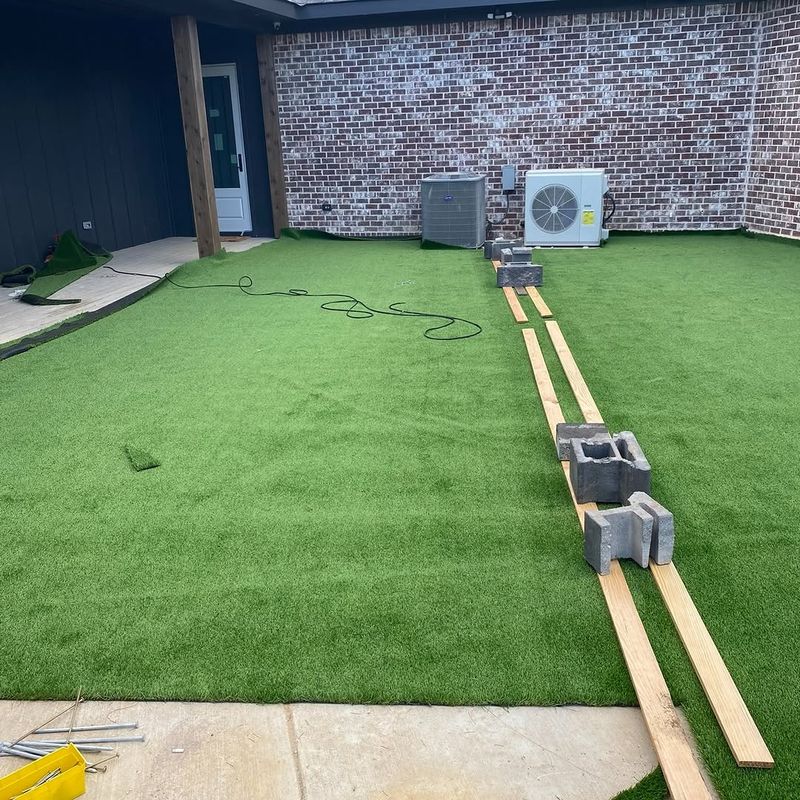
Artificial grass that lifts at the seams or develops wrinkles across the middle is not just an eyesore. It becomes a tripping hazard, and once the backing starts to separate from the base layer, the problem accelerates quickly.
Professional installation is where the difference between a lawn that looks sharp for years and one that needs repairs within months gets decided.
Seaming is one of the most technical parts of any turf installation. Where two pieces of turf meet, the join needs to be tight, properly aligned, and secured with both adhesive and nails or staples depending on the substrate.
A bad seam shows up as a visible ridge or a gap where the fibers part and the backing shows through.
Experienced installers in Mesa know how to orient seams relative to sunlight direction so they stay invisible from the angles where people actually look at the yard.
Perimeter securing is equally important. Turf edges that are not firmly anchored will start to lift as ground temperatures fluctuate through Mesa seasons.
Bender board or nailing strips along the perimeter, combined with proper adhesive at transitions, keeps everything locked down through heat, monsoon moisture, and foot traffic near the edges.
Getting multiple quotes from established local companies like Crown and Blade Turf or Big Bully Turf gives you a chance to compare installation methods, not just pricing.
Ask each installer how they handle seams, what they use to secure perimeters, and how they address any base inconsistencies they find during prep.
The answers reveal a lot about the quality of work you can expect from each crew.