How To Find The Perfect Valentine’s Day Flowers In California
Finding the perfect Valentine’s Day flowers in California doesn’t have to be stressful. With so many options, it helps to know what works best in our climate and what lasts longer once you bring them home.
A thoughtful choice can make the gift feel even more special.
Start by thinking about the message you want to send. Classic roses are romantic, but other blooms can express joy, friendship, or admiration just as well.
California’s mild weather means many flowers stay fresher longer, especially if you pick ones suited to bright light and indoor temperatures.
Pay attention to freshness when you shop. Look for firm stems, vibrant petals, and healthy leaves.
Avoid bouquets that already show signs of wilting or browning. A little care goes a long way once you get them home too, fresh water and a clean vase help flowers thrive.
With a few simple tips, you can choose flowers that make Valentine’s Day feel unforgettable.
1. Ranunculus
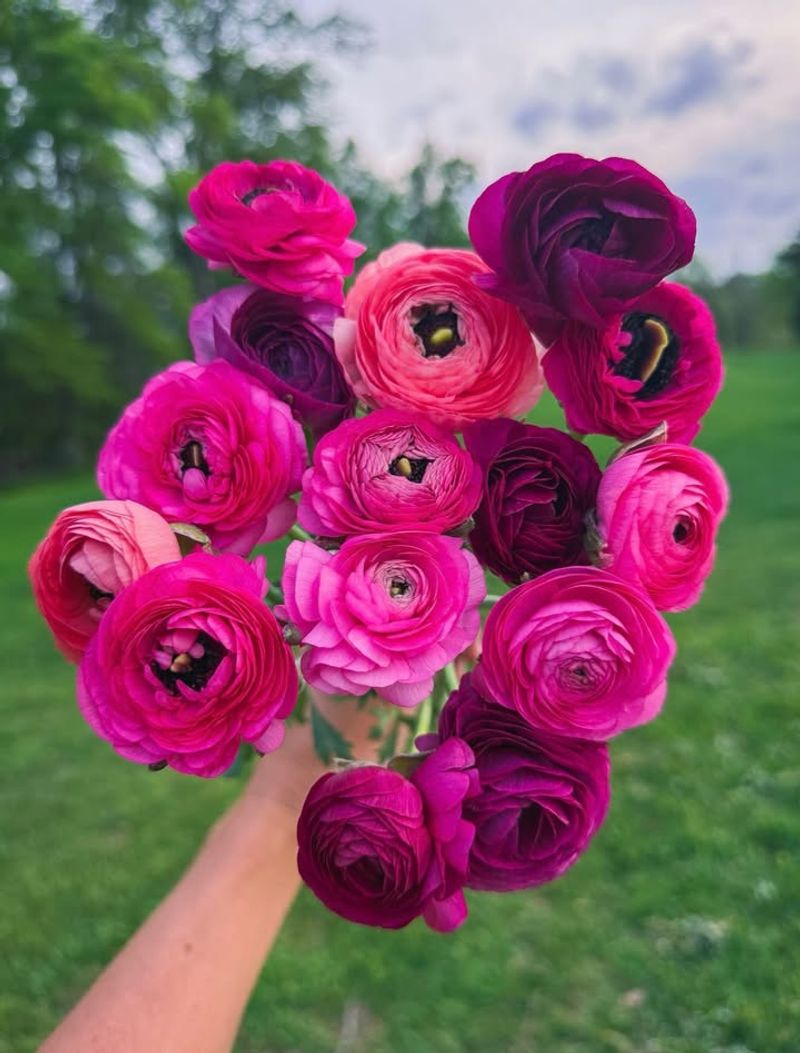
February marks peak season for ranunculus in California, especially in the flower fields of Carlsbad and the Central Coast where these ruffled beauties grow in stunning abundance.
Their paper-thin petals layer upon layer, creating blooms that look almost too perfect to be real.
You’ll find them in every shade from soft blush to deep magenta, making them incredibly versatile for Valentine’s arrangements. They typically last five to seven days in a vase, though proper care can extend that timeline.
Cut ranunculus stems at a sharp angle and place them in cool water immediately after purchase.
They’re thirsty flowers, so check water levels daily and keep the arrangement away from direct sunlight or heating vents.
If you notice the stems getting soft or slimy, trim them again and refresh the water completely. These blooms prefer cooler temperatures, which makes them ideal for California’s mild February weather.
Gardeners in coastal and Southern California zones can plant ranunculus corms in fall for winter and spring blooms.
They need well-draining soil and moderate watering, thriving in the same conditions that make California perfect for wine grapes.
Pair ranunculus with anemones or tulips for a whimsical, garden-style bouquet that feels fresh and romantic. Local farmers’ markets often carry bunches at better prices than traditional florists, and you’ll be supporting California growers directly.
2. Orchids
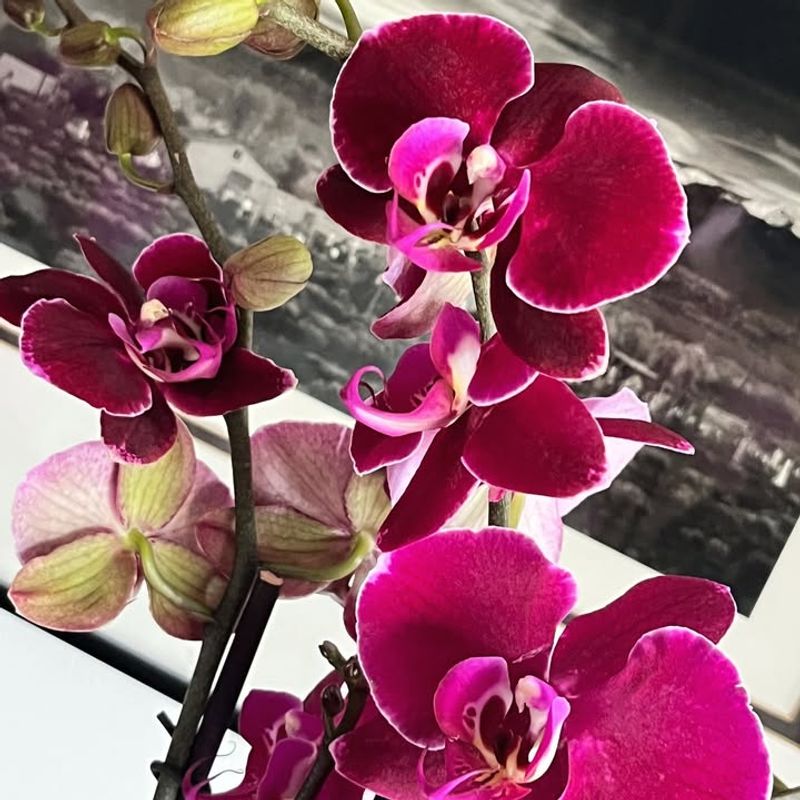
Cymbidium and phalaenopsis orchids offer a sophisticated, long-lasting alternative to traditional cut flowers for Valentine’s Day in California.
A potted orchid can flower for six to eight weeks or longer, making it a gift that extends the romance well beyond February 14th.
Cut cymbidium stems also last impressively long in arrangements, often two weeks or more.
Phalaenopsis orchids, commonly called moth orchids, make elegant gifts that require minimal care. They prefer bright, indirect light and watering about once per week, which suits California’s indoor environments perfectly.
Let the potting medium dry slightly between waterings, and avoid getting water in the crown of the plant where leaves meet the stem.
Both types appreciate humidity, which coastal California provides naturally, though inland recipients might benefit from occasional misting.
When selecting orchids, look for plants with multiple unopened buds along the stem, indicating weeks of blooming ahead. Many California nurseries and specialty growers offer locally cultivated orchids at better prices than imported varieties.
For Valentine’s presentation, choose orchids in romantic colors like deep purple, soft pink, or classic white. You can also find cut cymbidium stems at flower markets, perfect for adding exotic elegance to mixed bouquets.
Orchids communicate refined taste and lasting affection, making them memorable Valentine’s gifts that stand apart from typical flower choices.
3. Tulips
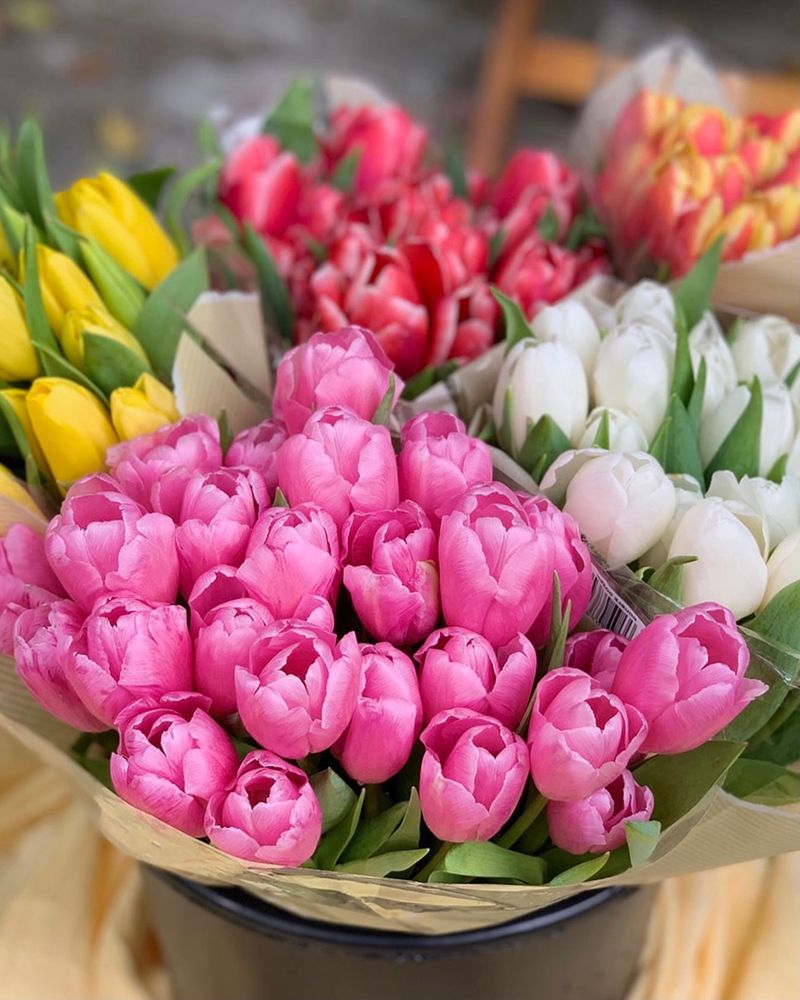
Their clean, elegant lines and vibrant colors make them a modern alternative to traditional Valentine’s blooms.
A fresh tulip bouquet can last anywhere from five to ten days, though they’ll continue growing and moving in the vase, which adds to their charm and personality.
When you bring tulips home, trim the stems and place them in cool water with flower food. They’re sensitive to ethylene gas, so keep them away from ripening fruit on your kitchen counter.
Tulips also have a unique habit of bending toward light sources, so rotate your vase occasionally if you want them to stand straight. Some people love the graceful curves they develop naturally, it gives arrangements an artistic, organic feel.
California gardeners can plant tulip bulbs in December and January for February blooms, though they often perform better as annuals here rather than perennials.
Choose varieties bred for warmer climates, and provide afternoon shade in hotter inland areas.
For Valentine’s arrangements, try pairing soft pink or white tulips with deeper reds or purples for striking contrast. Monochromatic tulip bouquets also make bold, contemporary statements.
Local flower shops often feature California-grown tulips alongside imported stems, so ask about sourcing when you’re shopping.
4. Alstroemeria
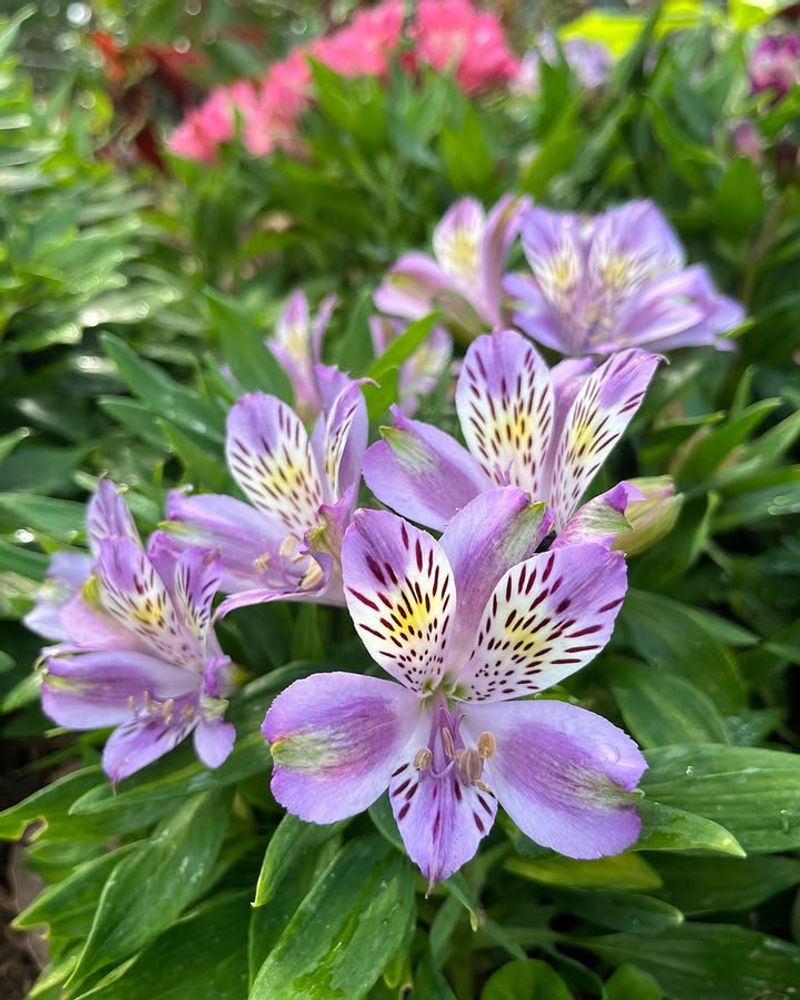
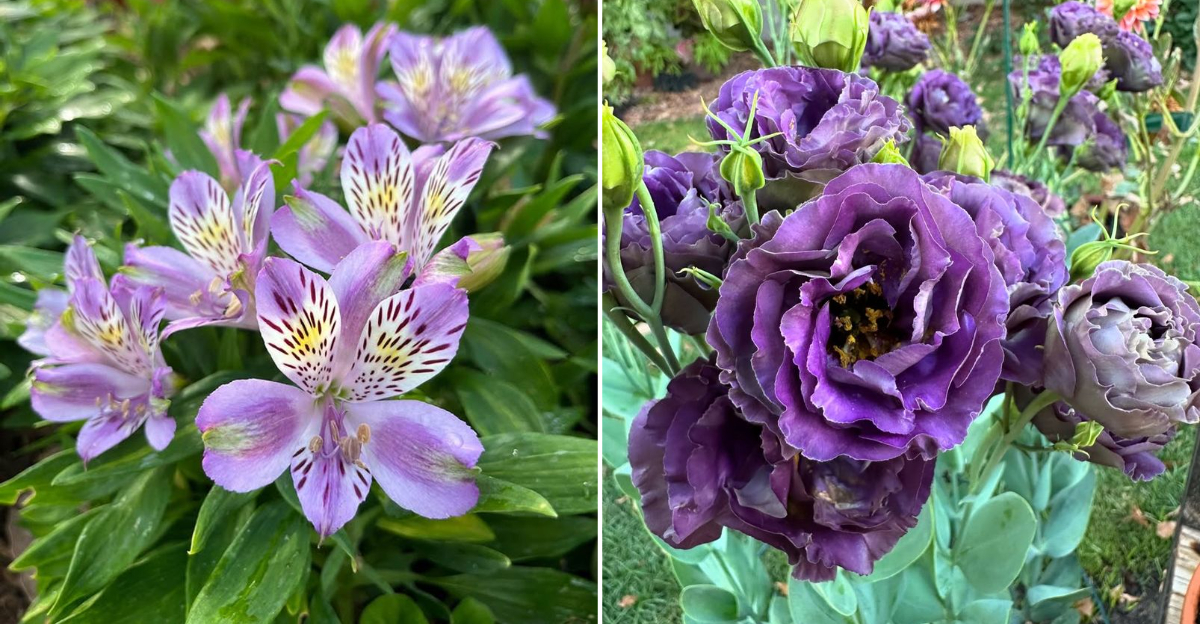
Often called Peruvian lilies, alstroemeria thrives spectacularly in California’s Mediterranean climate, making it both affordable and readily available for Valentine’s Day.
These multi-petaled flowers come in warm oranges, soft pinks, vibrant reds, and elegant whites, often with distinctive freckled markings that add character and detail.
One of their greatest advantages is longevity, alstroemeria regularly lasts two weeks or more in a vase when properly cared for, giving you excellent value for your Valentine’s gift.
Remove any foliage that would sit below the waterline to prevent bacterial growth, and refresh the water every few days. Alstroemeria stems are sturdy and woody, so use sharp scissors or pruning shears when trimming.
They’re also relatively low-maintenance compared to more delicate blooms, which makes them perfect if you’re giving flowers to someone who doesn’t have much experience with floral care.
The blooms open gradually, so the bouquet looks fresh and full for an extended period.
California gardeners love alstroemeria as a perennial addition to cutting gardens because the plants produce prolifically once established. They prefer full sun to partial shade and moderate watering, handling both coastal fog and inland heat reasonably well.
For Valentine’s arrangements, combine alstroemeria with roses or ranunculus to add texture and fill. Their long stems and multiple blooms per stem make them excellent filler flowers that still feel special and romantic.
Look for locally grown bunches at farmers’ markets for the freshest options.
5. Roses
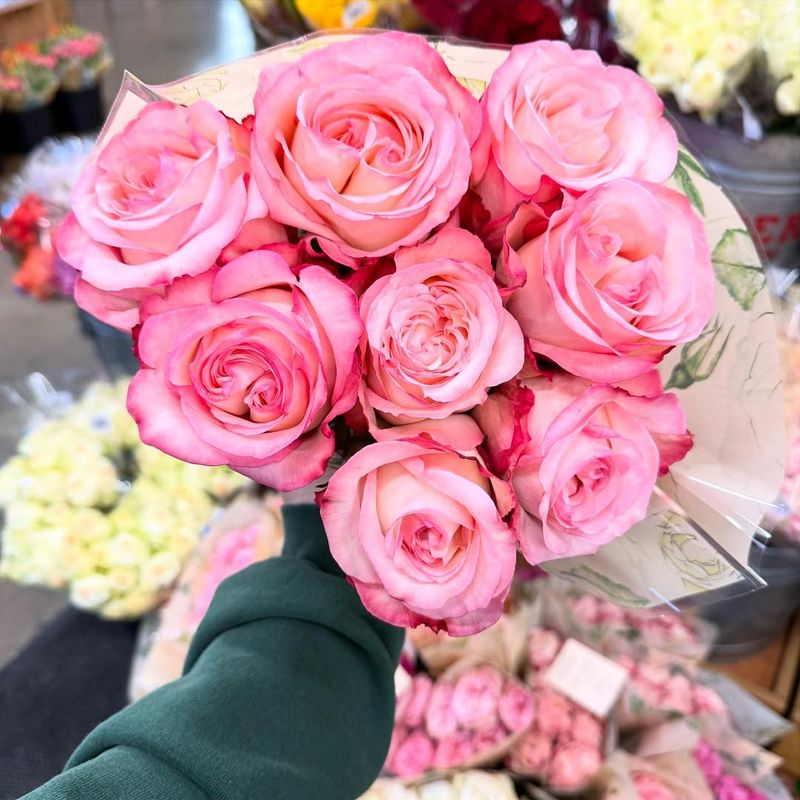
California’s mild coastal climate makes it one of the top rose-growing regions in the country, which means you’ll find incredibly fresh stems at local flower markets and nurseries throughout February.
The vase life of a well-cut California rose typically ranges from seven to twelve days when you change the water every other day and keep the stems trimmed at an angle.
Look for roses with firm, just-opening buds rather than fully bloomed flowers, as these will last longer once you get them home.
If you’re planting roses in your garden for future Valentine’s Days, choose varieties suited to your specific zone. Coastal gardeners do well with hybrid teas and floribundas, while inland areas with hotter summers benefit from drought-tolerant shrub roses.
Bare-root roses go into the ground in January and February, making this the perfect time to start a romantic garden tradition.
When building a Valentine’s bouquet, pair classic red roses with softer pinks or creamy whites for depth and visual interest. Adding greenery like eucalyptus or dusty miller gives the arrangement a California-grown feel.
Many local growers offer pesticide-free and sustainably farmed roses, so ask your florist about sourcing if eco-friendly options matter to you. Roses remain the ultimate Valentine’s flower for good reason, they’re beautiful, fragrant, and deeply symbolic of love.
6. Carnations
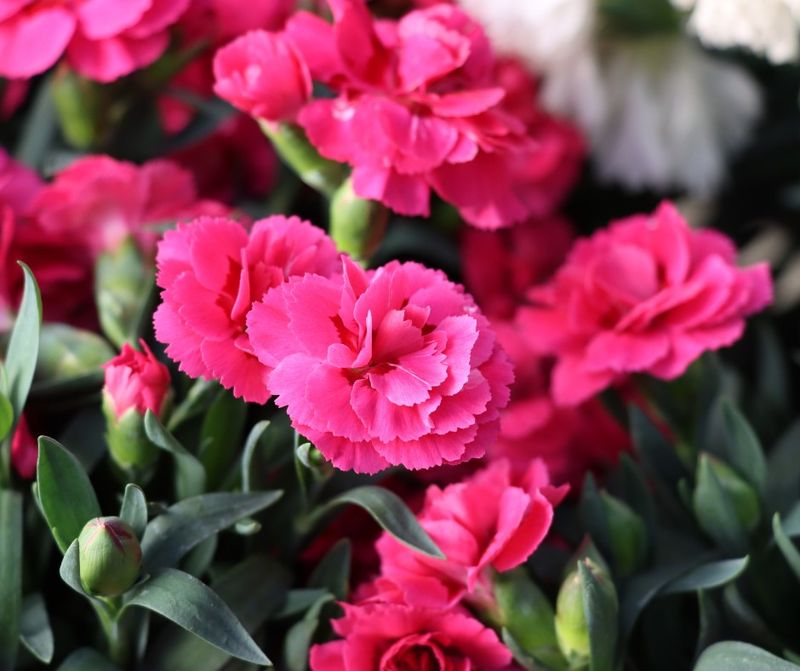
Modern carnation varieties feature fuller blooms, stronger stems, and more vibrant colors than the grocery store carnations of decades past.
They’re also champions of longevity, regularly lasting two to three weeks in a vase with proper care, which makes them practical as well as beautiful for Valentine’s arrangements.
Change the water every few days and trim stems at an angle to keep carnations looking fresh. They’re surprisingly hardy flowers that tolerate a range of temperatures, though they prefer cooler conditions.
Remove any wilted blooms from multi-headed stems to encourage the remaining buds to open fully. Carnations are also naturally fragrant, with a spicy-sweet scent that adds another sensory dimension to your Valentine’s gift.
California’s coastal climate provides excellent growing conditions for carnations, and many commercial operations produce them year-round.
For home gardeners, carnations and their perennial relatives (dianthus) grow well in full sun with good drainage, making them suitable for most California zones.
When creating Valentine’s bouquets, use carnations as either the star or supporting player, ruffled red carnations make bold romantic statements, while softer pinks and whites blend beautifully with roses and ranunculus.
Look for spray carnations with multiple smaller blooms for a more garden-style aesthetic.
Their affordability means you can create generous, full arrangements without stretching your budget, and their long vase life ensures your Valentine’s message lasts.
7. Lisianthus
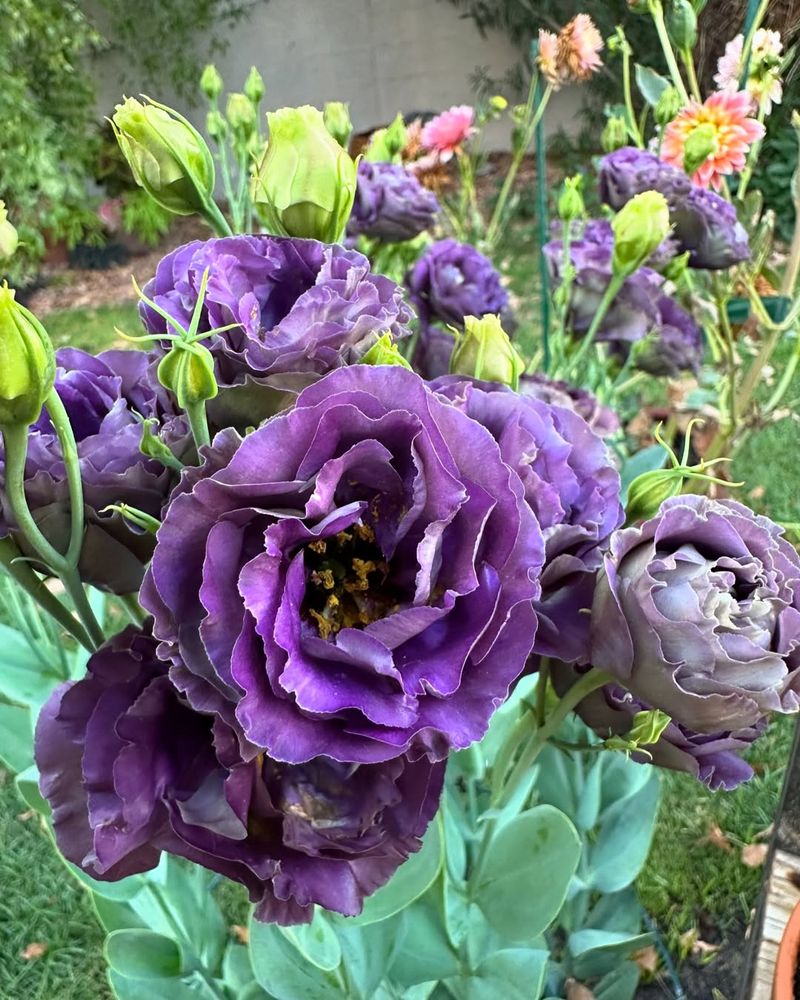
These graceful flowers feature delicate, ruffled petals in soft purples, whites, pinks, and even bi-color varieties that add romantic sophistication to any bouquet.
Their vase life typically ranges from seven to fourteen days when you provide fresh water and proper stem trimming, making them reliable choices for Valentine’s gifts.
The flowers prefer cool water and should be kept away from direct heat sources or sunny windowsills. Strip away any leaves that would sit in water, as lisianthus foliage breaks down quickly and can cloud the vase.
The blooms open gradually from tight buds, so purchase stems with some unopened flowers for extended enjoyment. Their sturdy stems and multiple blooms per stem provide excellent value and visual impact.
California’s Central Valley and coastal growing regions produce high-quality lisianthus, though the flowers require careful cultivation and don’t tolerate extreme heat or cold.
Home gardeners can grow them as cool-season annuals, starting seeds indoors in late winter for summer blooms.
For Valentine’s arrangements, lisianthus pairs beautifully with roses, adding texture and volume without competing for attention. Their soft, romantic appearance suits both traditional and modern design styles.
Many California florists feature lisianthus in premium arrangements because it photographs beautifully and holds up well in bouquets.
Ask your local flower shop about California-grown options to support regional agriculture while getting the freshest possible stems.
8. Gerbera Daisies
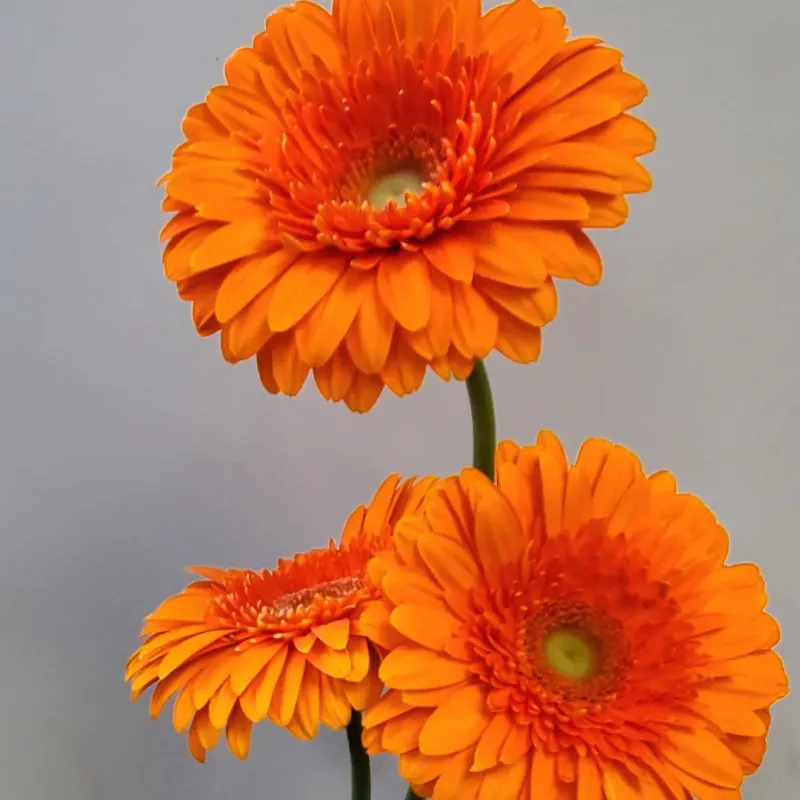
California growers produce gerberas year-round, with peak quality during cooler months when the flowers develop their most intense colors and largest heads. They typically last seven to ten days in a vase, though proper care can extend that timeline.
Their happy, upbeat appearance makes them perfect for Valentine’s gifts that celebrate joy and optimism in relationships.
Gerbera stems are somewhat delicate and can bend at the neck if not properly supported. Use a vase with a narrower opening to help hold the heavy blooms upright, or try the trick of inserting a thin wire up through the hollow stem for extra support.
Change the water frequently because gerbera stems are prone to bacterial growth. Trim stems at an angle and consider adding a drop of bleach to the water to keep it clear and fresh.
These sun-loving flowers grow well in California gardens, particularly in coastal and Southern regions where winters stay mild.
They need well-draining soil and regular watering during growing season, producing blooms from spring through fall when established.
For Valentine’s arrangements, gerbera daisies work beautifully in monochromatic groupings or mixed with complementary flowers like alstroemeria and carnations.
Choose deep reds and hot pinks for traditional Valentine’s romance, or opt for coral and orange tones for a more contemporary feel.
Their bold, graphic appearance photographs wonderfully, making them social-media-friendly gifts that show confidence and warmth.
9. Anemones
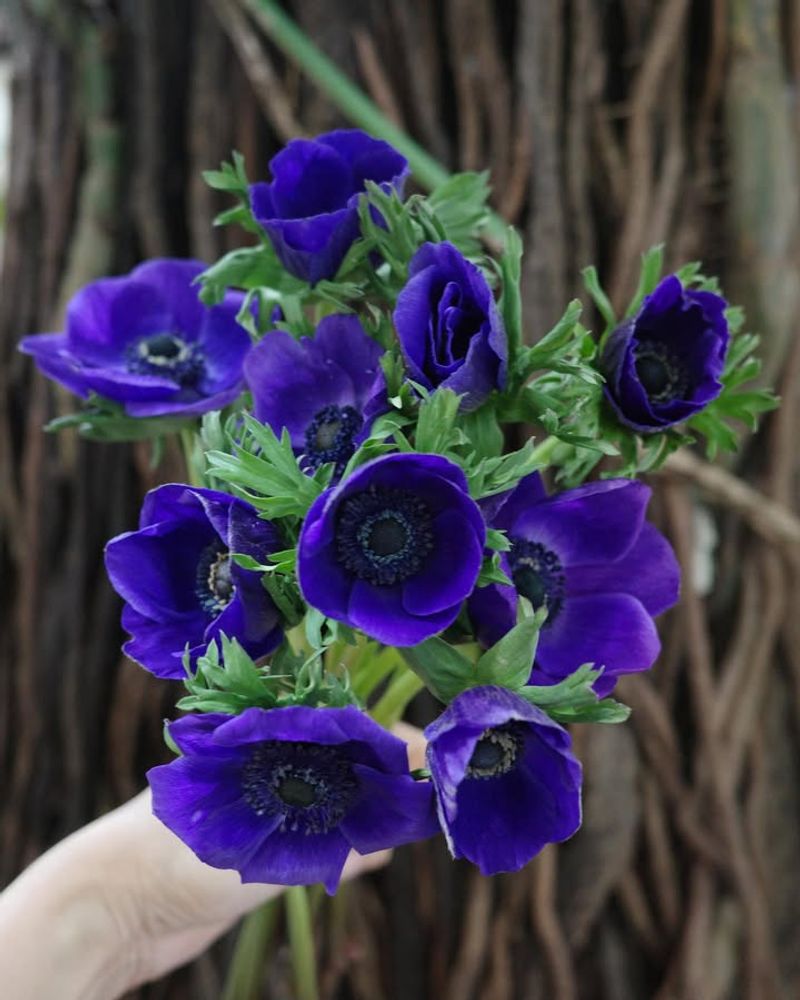
February falls right in the middle of California’s anemone season, when local growers harvest these striking blooms at their absolute peak.
They typically last five to seven days in a vase, and their petals continue opening and closing with light changes, giving them an almost magical, living quality that makes arrangements feel dynamic and alive.
These flowers prefer cool water and should be placed away from heat sources to maximize their vase life. Anemones are thirsty, so check water levels daily and keep stems freshly trimmed.
Their stems are delicate, so handle them gently when arranging. The blooms look particularly stunning when grouped in monochromatic bunches, allowing their distinctive dark centers to create visual rhythm and pattern.
California gardeners can plant anemone corms in fall for winter and spring blooms, particularly in coastal and Southern regions. They need well-draining soil and moderate water, thriving in the same Mediterranean conditions that suit ranunculus.
For Valentine’s bouquets, anemones pair wonderfully with ranunculus and tulips for a garden-inspired look, or stand beautifully on their own in simple, elegant arrangements.
Their slightly wild, organic appearance feels fresh and modern compared to more traditional Valentine’s flowers.
Look for them at farmers’ markets and specialty florists who source from California growers. Their unique beauty makes them memorable gifts for someone who appreciates distinctive, artistic flowers.