How To Fix A Leaning Palm Tree In Hawaii Landscapes The Right Way
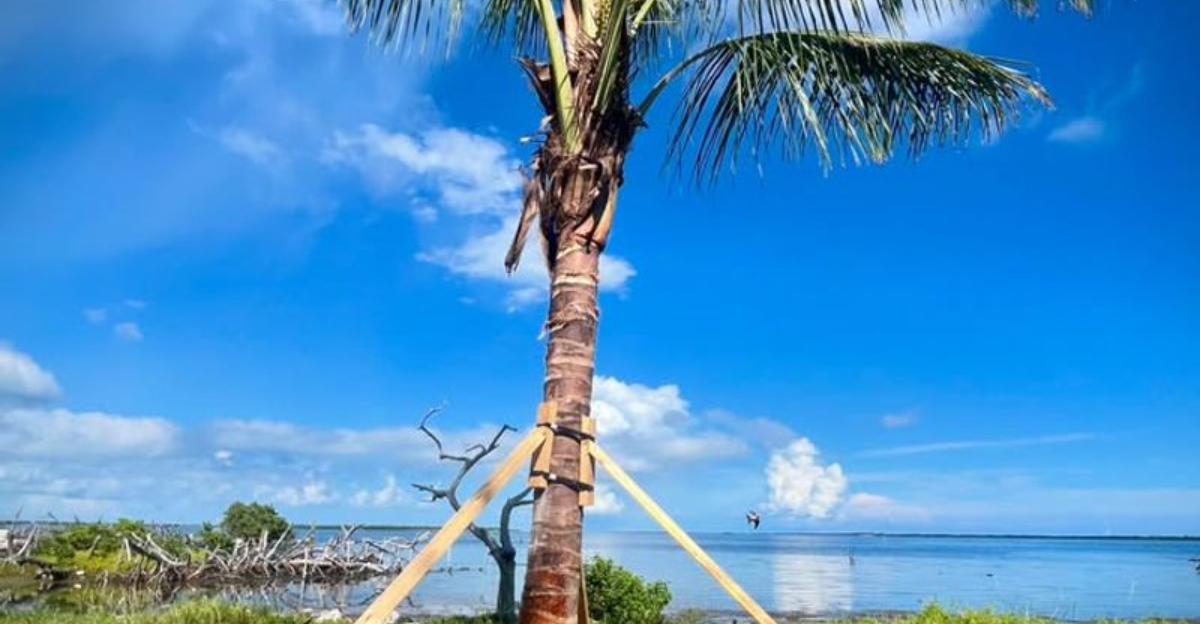
A leaning palm tree can be an eyesore and a safety concern in Hawaii landscapes. While palms are flexible, persistent leaning may indicate unstable roots or soil issues.
Correcting the problem early prevents damage to property and keeps the tree healthy. Straighten your palm safely and protect both your yard and investment.
Fixing a leaning palm involves assessing the cause, supporting the trunk with stakes or cables, and correcting soil or root issues. Proper watering, mulching, and monitoring growth help the tree regain stability over time.
Avoid quick fixes that can harm roots or compromise the tree’s long-term health. The right approach ensures your palm stays upright and thrives in Hawaii’s climate.
Hawaii homeowners who follow these steps can enjoy beautiful, stable palms that enhance their landscape without risk. Correct a leaning palm safely and keep your tropical garden looking its best.
Identify The Cause Of The Lean Before Taking Action
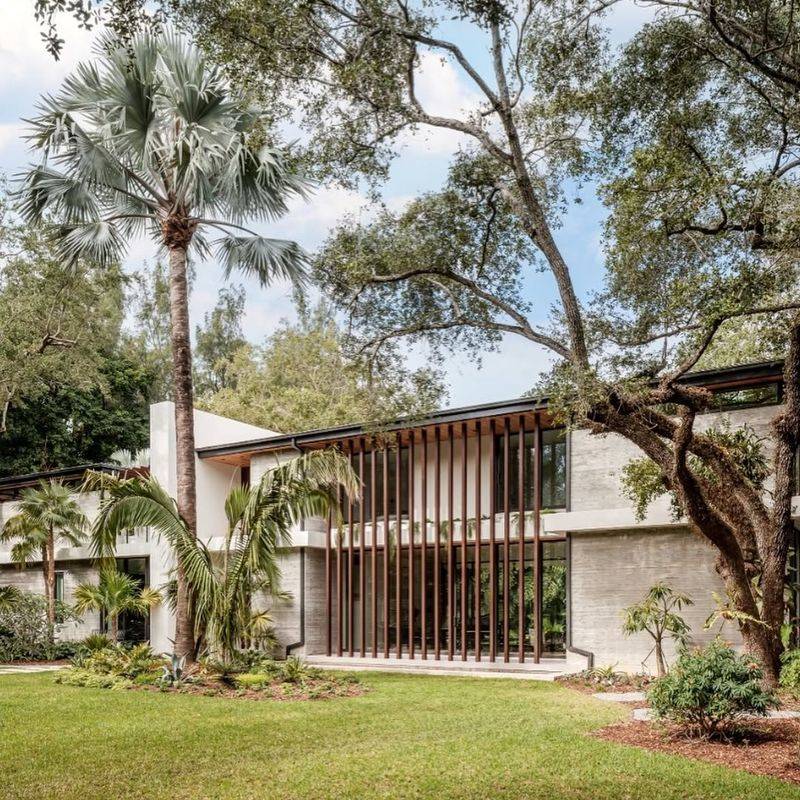
Understanding why your palm tree leans is the absolute first step toward fixing it permanently, because without addressing the root cause, you’ll likely face the same problem again in a few months.
Wind exposure from Hawaii’s strong trade winds can gradually push palms off balance, especially younger specimens that haven’t developed deep anchoring roots yet.
Shallow root establishment happens frequently when palms are transplanted improperly or haven’t had enough time to spread their root system into the surrounding soil.
Saturated soil conditions, common during Hawaii’s rainy season, can soften the ground around the root ball and reduce the tree’s natural stability.
Slope planting presents unique challenges since gravity naturally pulls the tree downward, and without proper terracing or support, palms planted on hillsides often lean downslope over time.
Improper planting depth is another frequent culprit, as palms set too shallow lack sufficient anchoring while those planted too deep may struggle with root development.
Taking time to walk around your palm and observe surrounding conditions helps you pinpoint what’s causing the lean.
Look for signs like eroded soil on one side, water pooling near the base, or exposure to prevailing winds from a particular direction.
Once you’ve identified the specific cause, you can choose the most effective correction method and prevent the problem from recurring, saving yourself time, effort, and potential landscape damage down the road.
Check Planting Depth And Correct If Needed
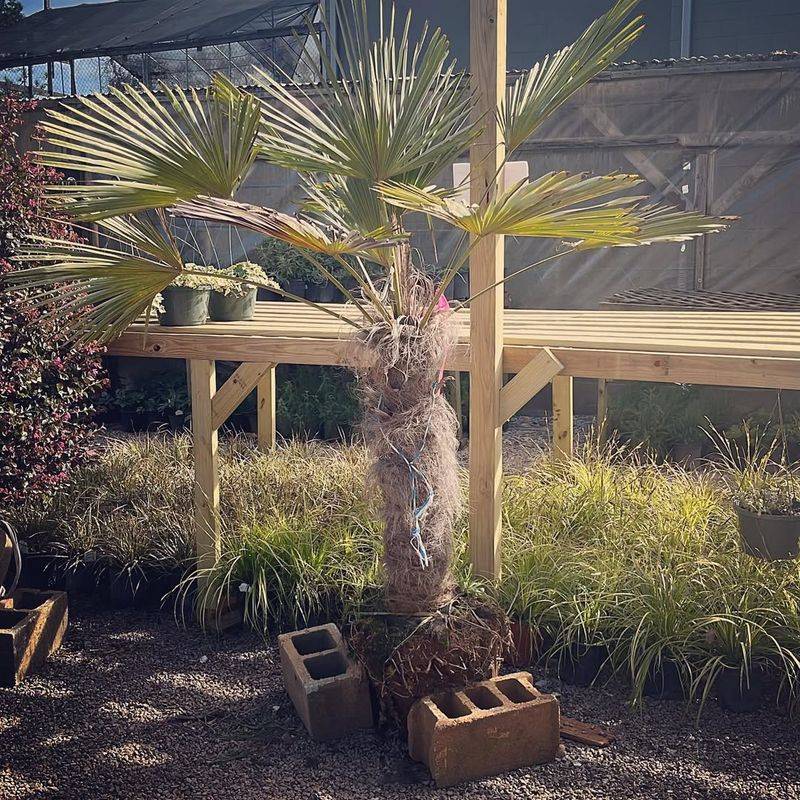
Proper planting depth makes all the difference between a palm that stands tall and one that struggles to stay upright in Hawaii’s varied soil conditions.
The root flare, which is the slightly wider area where the trunk meets the root system, should sit right at soil level or just barely above it to ensure optimal stability and health.
When palms get planted too shallow, their root systems remain exposed to drying winds and intense sun, which weakens their grip on the surrounding soil and makes them vulnerable to tipping.
Planting too deep creates its own set of problems, as the buried portion of the trunk can’t develop proper support roots and may even begin to rot in Hawaii’s humid environment.
Sandy soils, common in coastal areas throughout the islands, drain quickly but offer less natural anchoring strength, making correct planting depth even more critical for long-term stability.
Loose volcanic soils found in other regions can shift and settle over time, sometimes burying the root flare deeper than intended.
If you suspect your leaning palm was planted at the wrong depth, carefully excavate around the base to locate the root flare and assess the situation.
Gently remove excess soil if the palm is too deep, or add properly graded soil if it’s too shallow, taking care not to damage existing roots.
Correcting planting depth gives your palm the foundation it needs to develop a strong, stable root system that can withstand Hawaii’s tropical weather patterns for decades.
Firm And Regrade Soil Around The Root Zone
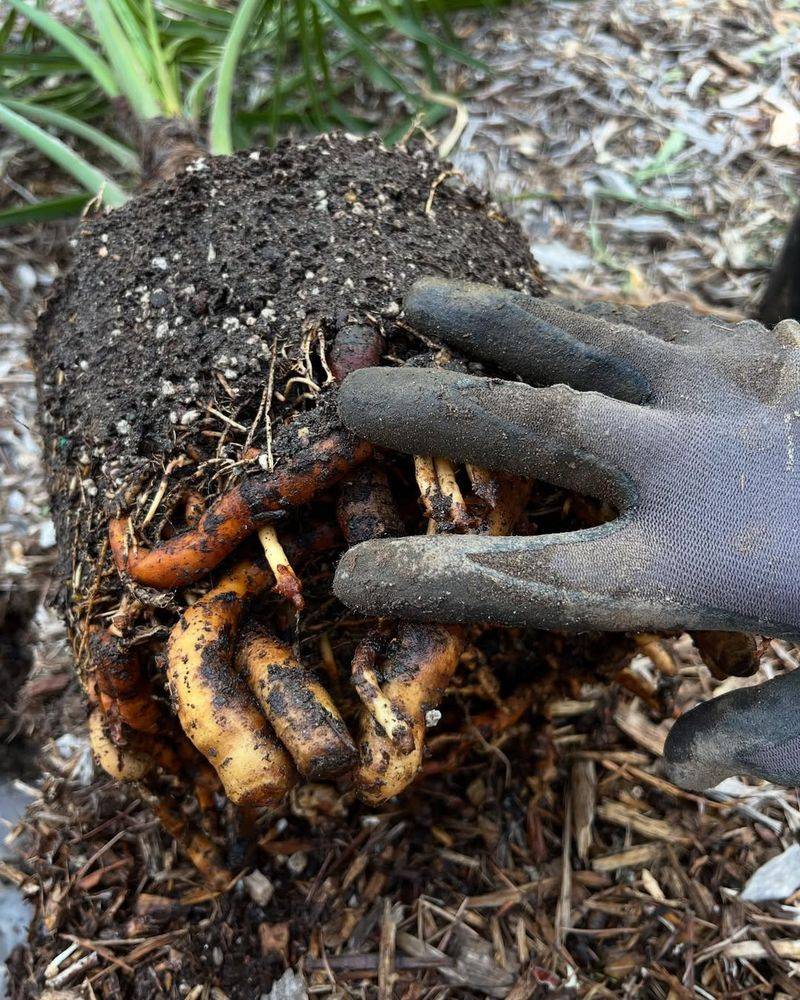
Soil contact with the root system is absolutely essential for palm stability, yet this connection often gets compromised in Hawaii’s landscapes due to heavy rainfall and natural soil settling.
Gently compacting the soil around your palm’s root zone eliminates air pockets that can prevent roots from properly anchoring into the surrounding ground.
Use your hands or feet to apply moderate pressure around the base, working in a circular pattern from the trunk outward to about three feet, being careful not to pack the soil so tightly that water can’t penetrate.
Reshaping the planting area by creating a slight mound or berm around the palm helps direct water toward the root zone while preventing erosion that washes soil away from the base.
Hawaii’s frequent afternoon showers and occasional heavy storms can gradually wash soil downslope or into low spots, leaving root systems partially exposed and unstable.
Regrading involves adding quality topsoil mixed with organic matter to build up eroded areas and create a gentle slope that sheds excess water without causing runoff damage.
Pay special attention to the area immediately surrounding the trunk, ensuring the soil makes firm contact with the root ball all the way around.
After firming and regrading, water the area thoroughly to help settle the soil naturally and eliminate any remaining air pockets.
This simple technique dramatically improves root-to-soil contact, giving your palm a much stronger foundation to resist leaning forces from wind, rain, and gravity in Hawaii’s dynamic tropical environment.
Install Temporary Support Stakes Or Bracing
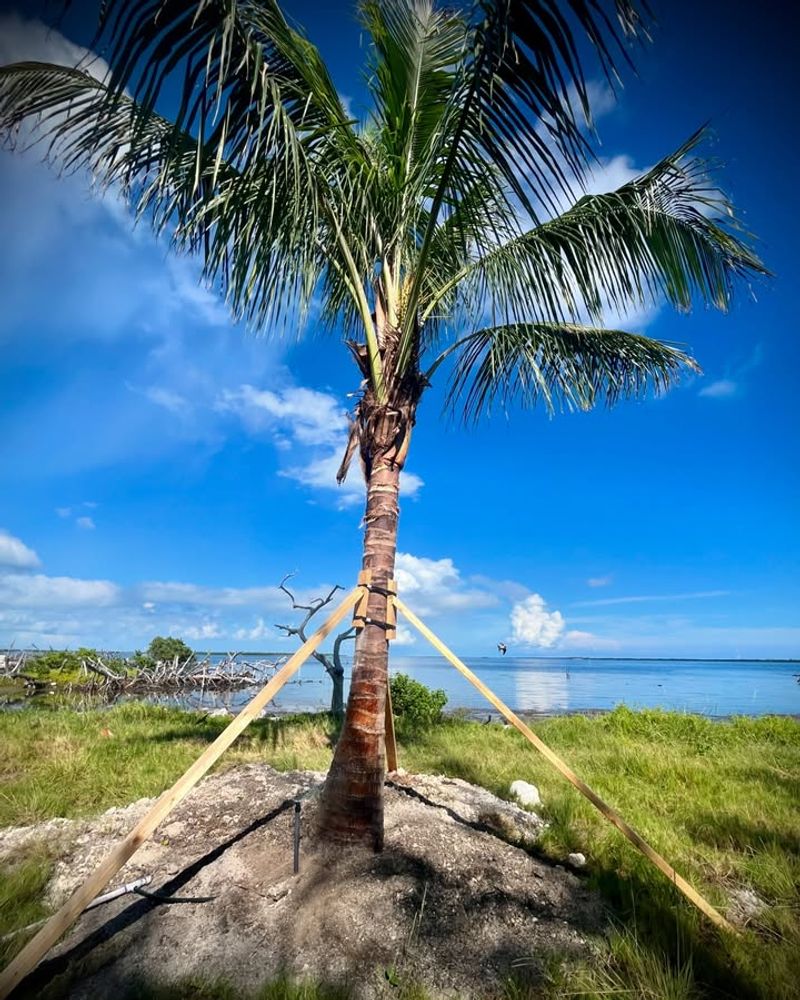
Staking provides the temporary support your leaning palm needs while its root system develops the strength to stand independently, but the method you use makes all the difference in long-term success.
Soft straps made from rubber, fabric, or specially designed tree ties prevent damage to the palm’s trunk, which can happen quickly with wire, rope, or other rigid materials that cut into the bark.
Multiple anchor points, typically three stakes arranged in a triangle pattern around the palm, distribute support evenly and prevent the tree from leaning in any direction.
Position stakes about two to three feet from the trunk, angling them slightly outward for maximum stability, and attach straps at a point about two-thirds up the trunk where support is most effective.
The straps should hold the palm upright but still allow some natural movement, because slight swaying actually encourages the development of stronger, more extensive root systems.
Rigid staking that prevents all movement can create a weak trunk that depends on artificial support rather than developing its own structural strength.
Support stakes should remain in place for six to twelve months, depending on the palm’s size, species, and growing conditions in your specific Hawaiian location.
Check the straps monthly to ensure they’re not becoming too tight as the palm grows, and loosen them if you notice any rubbing or constriction.
Once the palm can stand firmly on its own without wobbling when you gently push it, remove the stakes to allow completely independent growth and full root development.
Improve Drainage In Saturated Areas
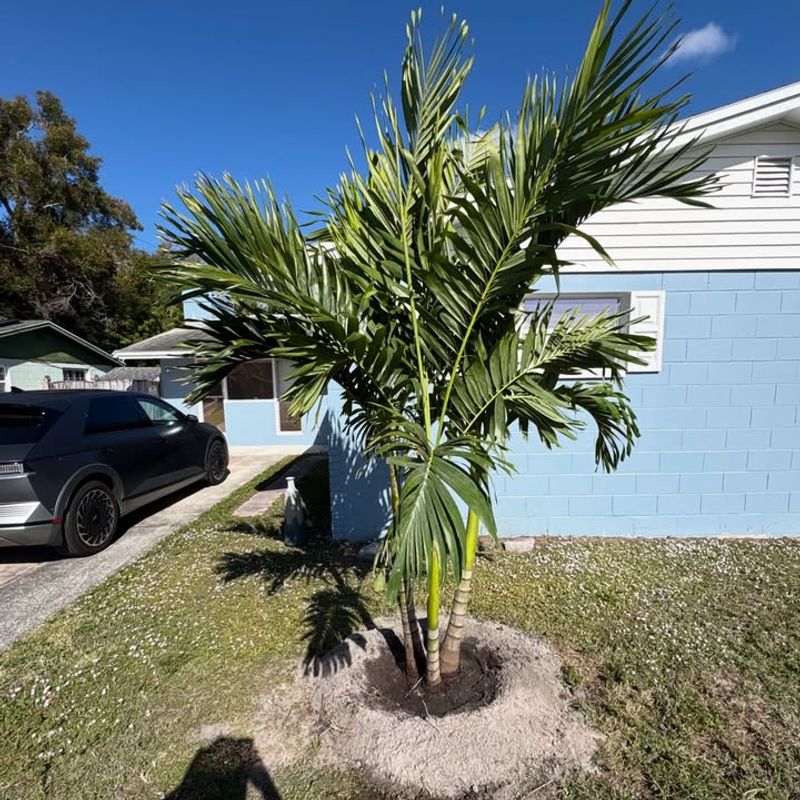
Excess moisture is one of the sneakiest culprits behind leaning palms in Hawaii, as waterlogged soil loses its structural integrity and can’t provide the firm anchoring that root systems need.
When soil becomes saturated, it essentially turns into a thick mud that offers little resistance to the weight and wind forces acting on your palm tree.
Heavy clay soils, common in some Hawaiian valleys and lowland areas, hold water especially long after rainfall, creating chronically soggy conditions that weaken root anchoring over time.
Raised planting berms offer an excellent solution by elevating the palm’s root zone above the water table and surrounding grade, allowing excess moisture to drain away naturally.
Build berms about twelve to eighteen inches high and three to four feet wide, using a mixture of quality topsoil and compost that provides both drainage and nutrients.
French drains, which are gravel-filled trenches with perforated pipes, can redirect water away from the palm’s root zone toward lower areas or storm drains where it won’t cause problems.
Redirecting runoff from roofs, driveways, or sloped areas prevents water from concentrating around your palm’s base during heavy rains.
Simple solutions like extending downspouts, creating shallow swales, or installing channel drains can make a dramatic difference in soil moisture levels.
Improved drainage not only helps correct existing lean problems but also prevents future instability, creating healthier growing conditions that allow your Hawaiian palm to thrive with strong, well-anchored roots.
Reposition Young Palms Carefully When Necessary
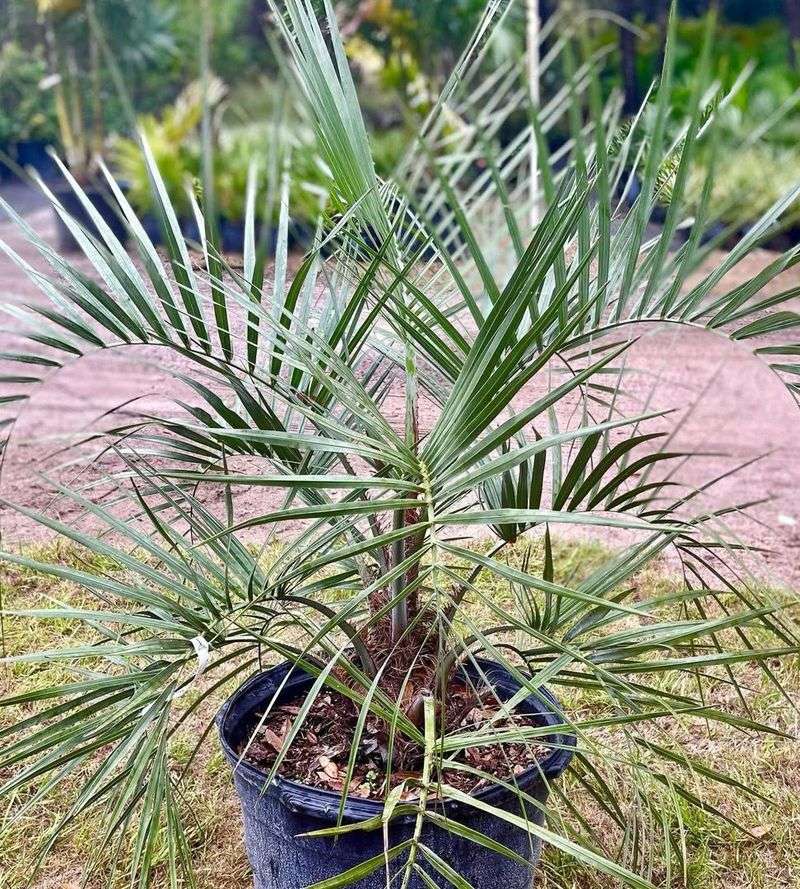
Young palms that were recently planted or are still establishing themselves can sometimes be straightened through careful repositioning, offering a more direct solution than gradual correction methods.
Timing is everything when attempting this technique, as Hawaii’s warm growing months from spring through early fall provide the best conditions for palms to recover from the stress of being moved.
During these periods, active root growth helps the palm quickly re-establish itself in its corrected position and begin developing the anchoring system it needs.
Begin by thoroughly watering the root zone a day before repositioning to soften the soil and reduce stress on the root system during the process.
Carefully excavate around the root ball, working outward from the trunk to preserve as many roots as possible, and gently rock the palm to its upright position.
Support the straightened palm with temporary stakes as described earlier, and backfill with quality soil, firming it carefully to eliminate air pockets while maintaining good drainage.
Minimizing root disturbance is absolutely critical to success, so avoid repositioning palms that have been in the ground for more than a year or have extensive root systems.
Younger specimens with smaller root balls handle the stress much better and typically recover within a few weeks when given proper care.
After repositioning, maintain consistent moisture without overwatering, and avoid fertilizing for at least six weeks to allow the palm to focus its energy on root recovery rather than new growth.
Adjust Irrigation Practices
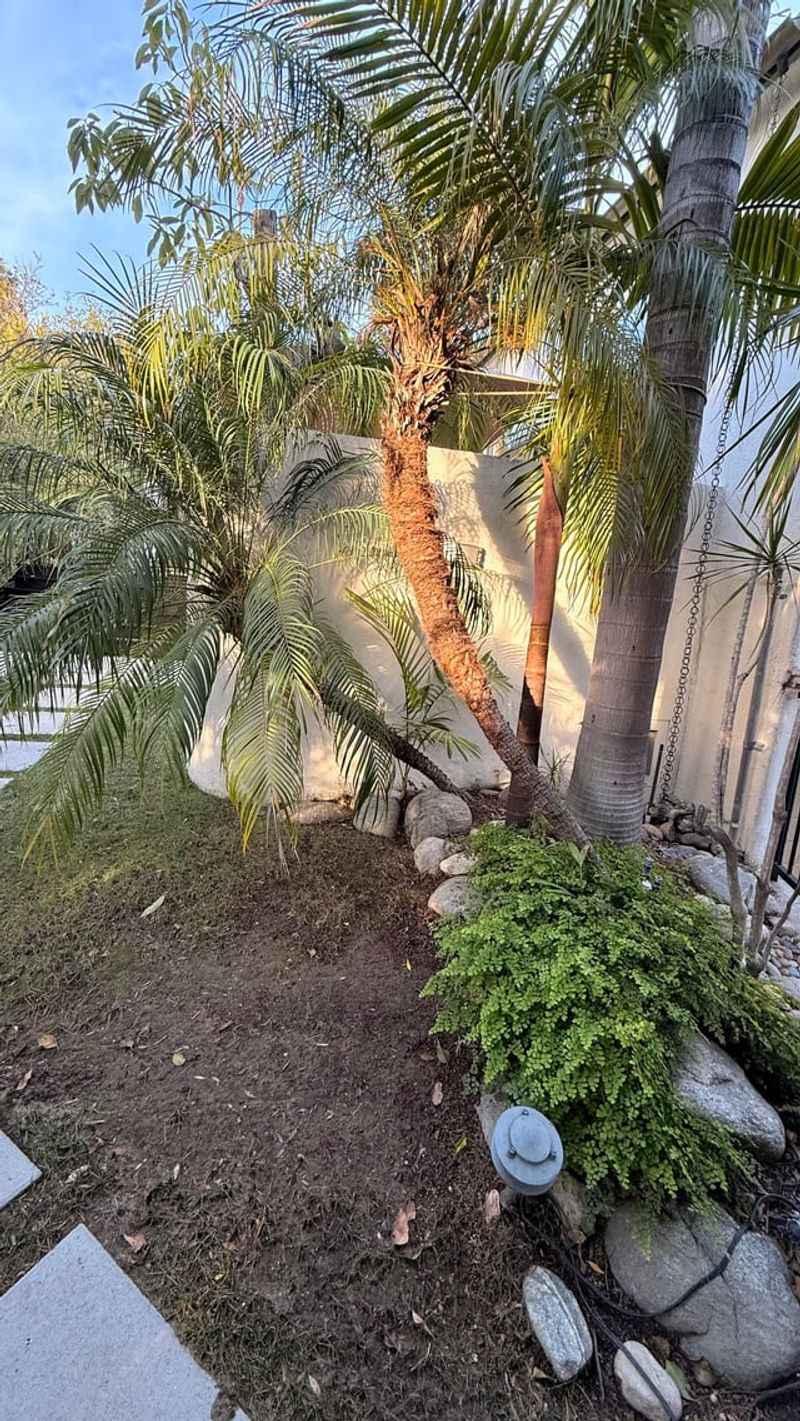
Watering habits play a surprisingly large role in palm stability, as too much moisture creates the soft, unstable soil conditions that allow trees to lean in the first place.
Overwatering is one of the most common mistakes in Hawaiian landscapes, where homeowners assume tropical plants need constant moisture and end up creating boggy conditions around their palms.
Newly planted palms require more frequent watering to help their root systems establish, typically every two to three days for the first few months, but the amount should be moderate rather than excessive.
Established palms that have been in the ground for more than a year generally need supplemental irrigation only during extended dry periods, as Hawaii’s natural rainfall patterns provide most of what they need.
Deep, infrequent watering encourages roots to grow downward in search of moisture, creating a stronger, more stable anchoring system than shallow, frequent watering that keeps roots near the surface.
Apply water slowly to allow it to penetrate deeply into the root zone rather than running off, using a soaker hose or drip irrigation for best results.
Monitor soil moisture by checking several inches below the surface before watering, and hold off if the soil still feels damp to the touch.
Different Hawaiian microclimates require different approaches, as windward areas receive much more rainfall than leeward locations, and coastal sites often have higher humidity that reduces water needs.
Proper irrigation creates the ideal soil consistency for root development, firm enough to provide excellent anchoring but loose enough to allow healthy growth and oxygen penetration.
Use Wind Protection Strategies In Exposed Locations
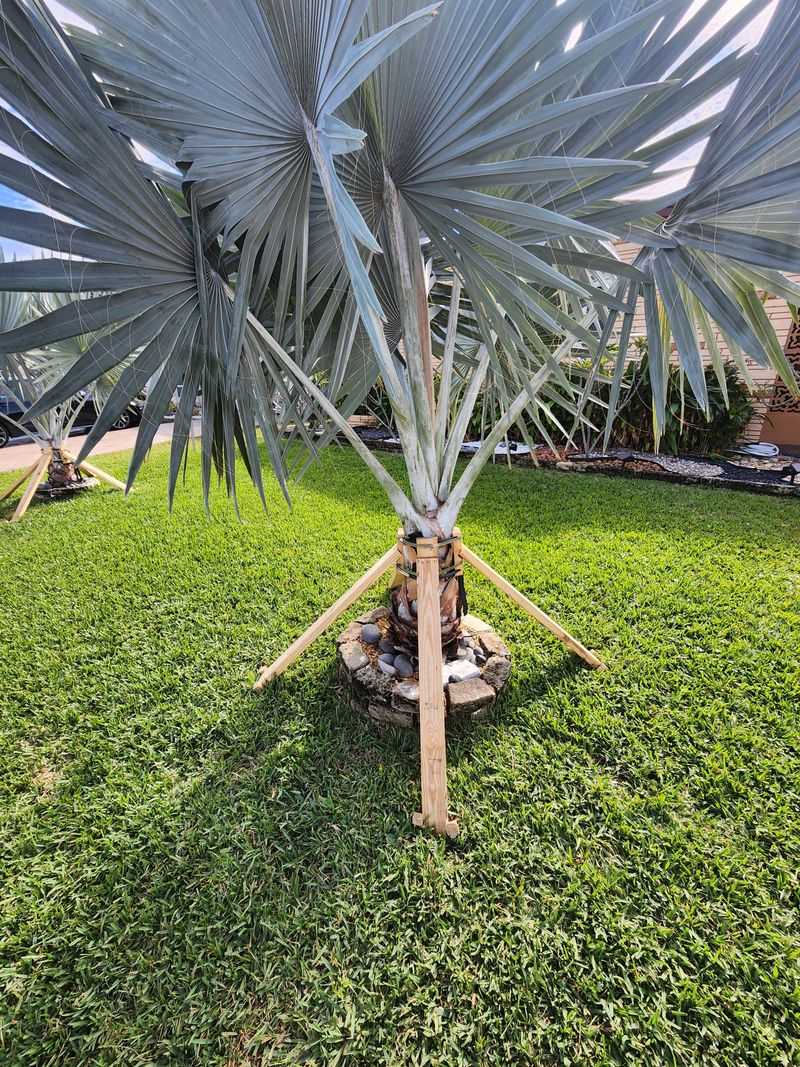
Hawaii’s persistent trade winds, while refreshing and beautiful, can place constant pressure on palm trees in exposed locations, gradually pushing them off vertical over months or years.
Windbreak plants strategically positioned on the windward side of your palm create a buffer zone that reduces wind velocity before it reaches the tree, allowing it to grow more upright naturally.
Choose plants that can handle Hawaii’s coastal conditions, such as naupaka, hau, or ironwood, spacing them close enough to create an effective barrier but far enough from the palm to avoid root competition.
Fencing made from materials that allow some air flow, like slat-style wood or bamboo screens, provides immediate wind protection while maintaining good air circulation that prevents humidity buildup and fungal problems.
Solid barriers can actually create turbulence on the downwind side, so semi-permeable options work much better for protecting palms without creating new problems.
Strategic placement near structures like buildings, walls, or lanais takes advantage of existing wind breaks, reducing exposure to prevailing winds while maintaining the tropical aesthetic you want.
Understanding Hawaii’s typical trade wind patterns helps you position palms and wind protection most effectively, as these winds generally blow from the northeast throughout most of the year.
Coastal exposure intensifies wind effects, especially in open areas without natural topography to slow air movement, making wind protection even more important in beachfront properties.
Combining multiple strategies, such as windbreak plants plus strategic placement, provides the most comprehensive protection and helps your palms grow straight and strong despite Hawaii’s breezy conditions.