How To Fix Soggy Spring Soil In Your Georgia Yard
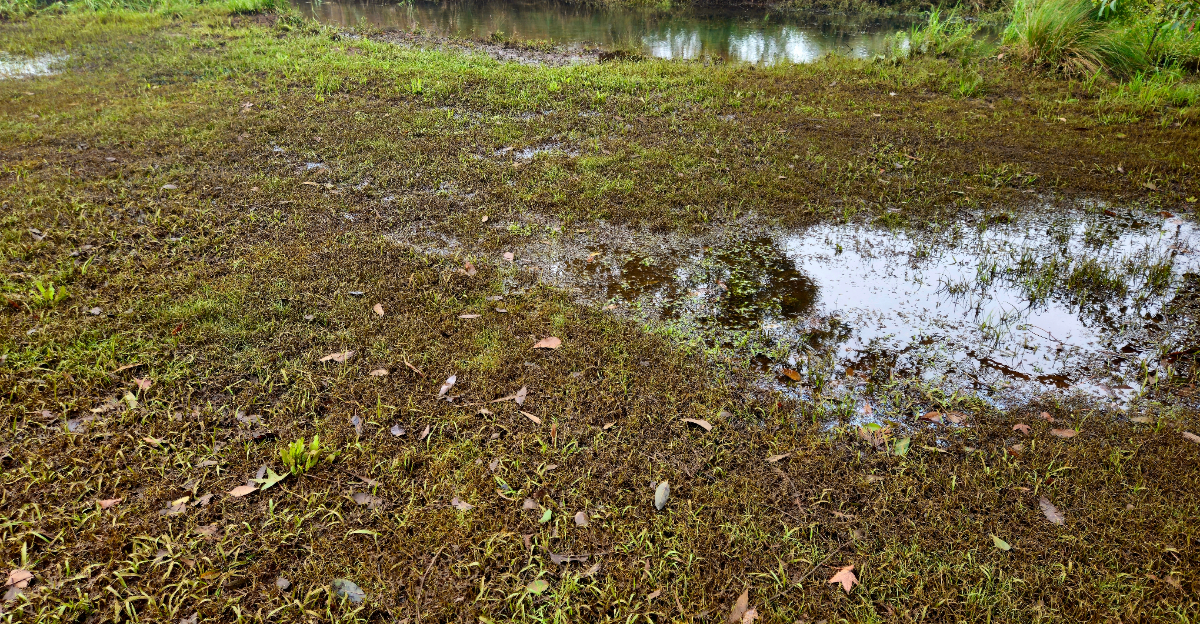
Spring rain can leave Georgia soil feeling heavy and unworkable long after the clouds clear. When that happens, even simple garden plans come to a stop.
Soggy spring soil isn’t just frustrating, it actively works against healthy growth. In many Georgia yards, clay-heavy ground, repeated rainfall, and compacted areas trap water below the surface and keep it there.
Roots struggle to breathe, beds stay cold and muddy, and planting gets pushed back week after week. The yard can look stalled before the season even has a chance to get going.
Fixing soggy spring soil doesn’t mean tearing everything out or waiting endlessly for better weather. A few targeted adjustments can help excess water move through instead of sitting in place.
Once drainage improves, soil warms faster, planting becomes easier, and the entire yard recovers sooner as spring settles in.
1. Identify Low Spots Where Water Collects After Rain
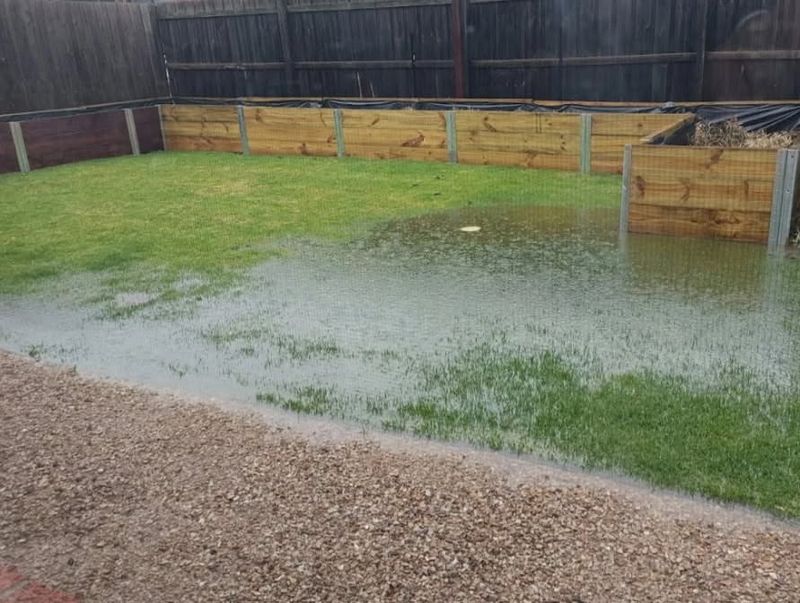
Walking your yard after a good rain reveals exactly where water wants to settle and stay. Those puddles that linger for hours or even days mark the low spots that need your attention first.
Georgia properties often have subtle slopes and depressions that aren’t obvious when the ground is dry, but become crystal clear once water starts pooling.
Grab a notebook and make a simple map of your yard, marking every spot where water collects. Pay special attention to areas near your home’s foundation, along fence lines, and in the middle of lawn sections.
Some homeowners discover that their yard slopes slightly toward the house instead of away from it, creating potential problems beyond just soggy grass.
Early morning walks after overnight rain give you the best view of drainage patterns. You’ll notice how water flows across your property, where it speeds up on slopes, and where it slows down and stops.
These observations become your roadmap for all the other fixes you’ll make.
Take photos of the worst spots so you can track improvements over time. Mark problem areas with small flags or stakes so you remember them when the soil dries out.
Some low spots might only collect water during heavy downpours, while others puddle up after every spring shower.
Understanding your yard’s natural drainage patterns helps you decide whether you need major grading work or just minor adjustments. Most Georgia yards can be improved with simple solutions rather than expensive excavation projects.
2. Improve Drainage By Adding Organic Matter To Clay Soil
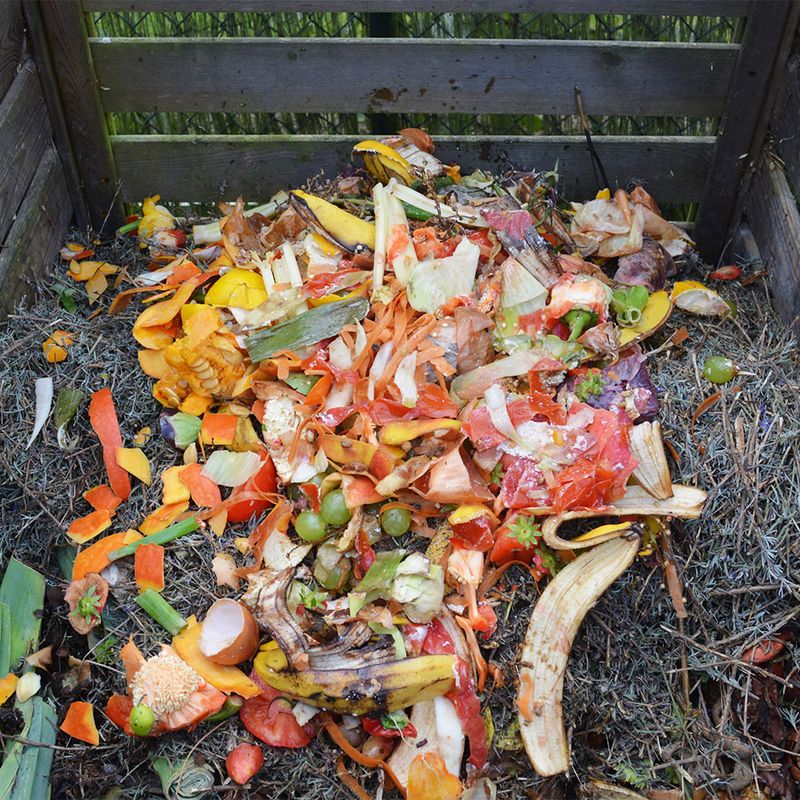
Georgia’s red clay soil is beautiful to look at but terrible for drainage because it packs down tight and holds water like a bucket. Breaking up that dense clay structure requires adding organic materials that create air pockets and improve water movement.
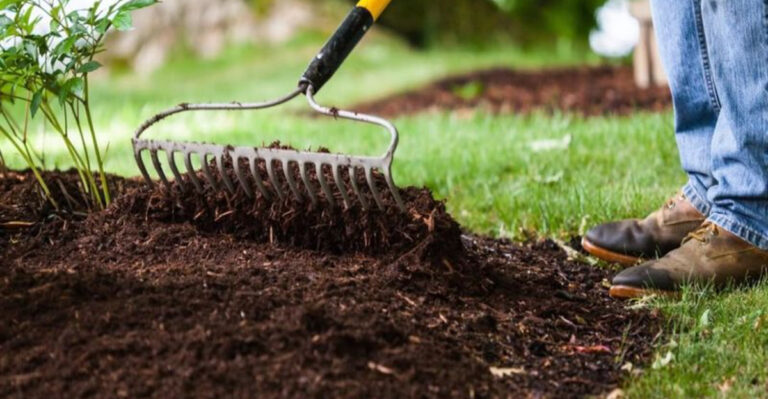
Compost, aged pine bark, and composted leaves work wonders when mixed into the top six to eight inches of soil.
Spread a two to three inch layer of compost or other organic matter across problem areas in your yard. Work it into the existing soil with a garden fork or tiller, mixing thoroughly rather than just leaving it on top.
This process takes effort, but the results last for years as the organic material continues breaking down and improving soil structure.
Spring is actually an excellent time for this work in Georgia, despite the wet conditions. Wait for a dry spell between rainstorms when the soil is moist but not soaking wet.
Soil that sticks together in a tight ball when squeezed is too wet to work, while soil that crumbles easily is just right.
Local garden centers across Georgia sell bulk compost and soil amendments specifically designed for clay soil improvement. Pine bark fines are especially popular here because pine trees are abundant and the bark breaks down slowly while providing excellent drainage benefits.
Avoid adding sand alone to clay soil, as this can create a concrete-like mixture that makes drainage even worse.
Plan to add organic matter every year or two to maintain the improved soil structure. Each addition continues building better drainage and creates healthier growing conditions for your lawn and garden plants.
3. Avoid Working Soil Until It Dries Enough To Crumble
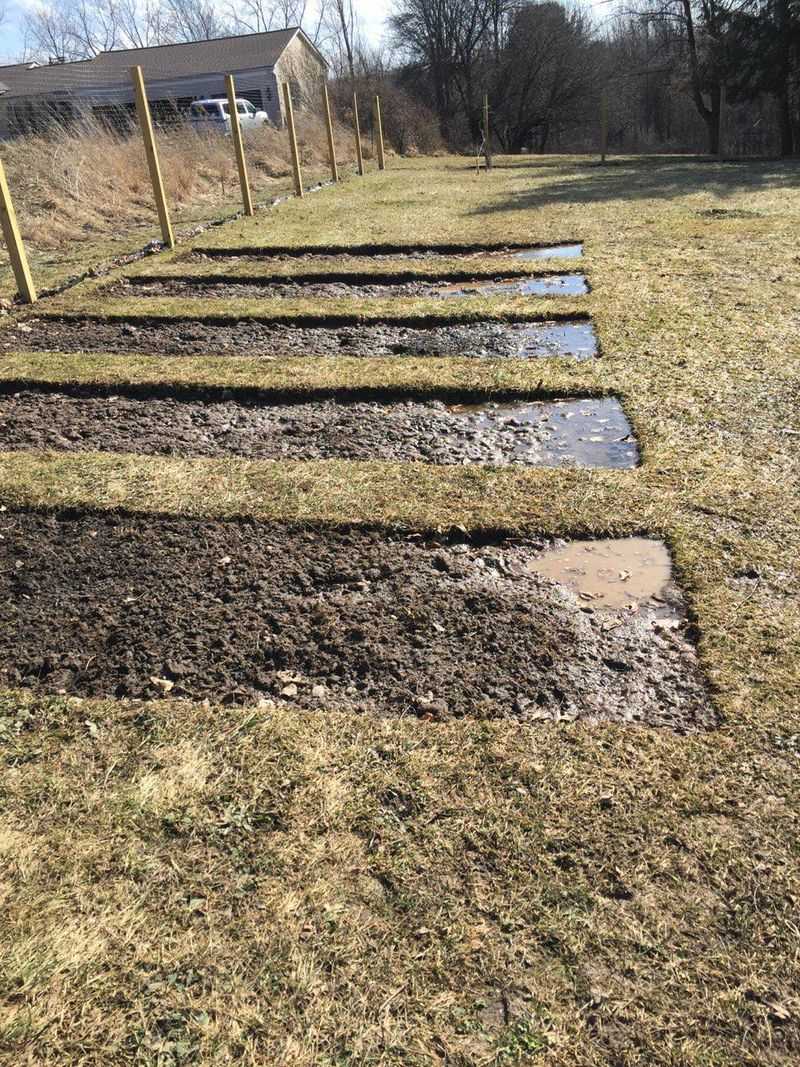
Patience saves you from creating bigger problems when dealing with soggy spring soil. Working wet soil compacts it into dense clumps that take months to break apart naturally.
Georgia gardeners learn quickly that rushing into garden beds after rain causes more damage than waiting a few extra days.
The squeeze test tells you everything you need to know about soil readiness. Grab a handful of soil from the area you want to work and squeeze it firmly in your fist.
Open your hand and poke the soil ball gently. If it falls apart into crumbly pieces, you’re good to go.
If it stays in a tight, sticky ball, the soil is still too wet.
Walking on wet soil compresses it and destroys the air spaces that roots need for healthy growth. Even mowing soggy grass compacts the soil underneath and creates ruts that become permanent low spots.
Resist the temptation to get out there and work just because the calendar says it’s planting time.
Different areas of your Georgia yard will dry at different rates depending on sun exposure, slope, and soil composition. Raised areas and spots that get full sun dry much faster than shaded low spots.
You might be able to work one section while another section needs more drying time.
Set up temporary pathways using boards or stepping stones if you must access garden areas before they’re fully dry. These distribute your weight and prevent direct soil compaction.
Keep off the lawn entirely when it’s waterlogged, even if that means delaying your first spring mowing by a week or two.
4. Redirect Runoff Away From Beds And Lawn Areas
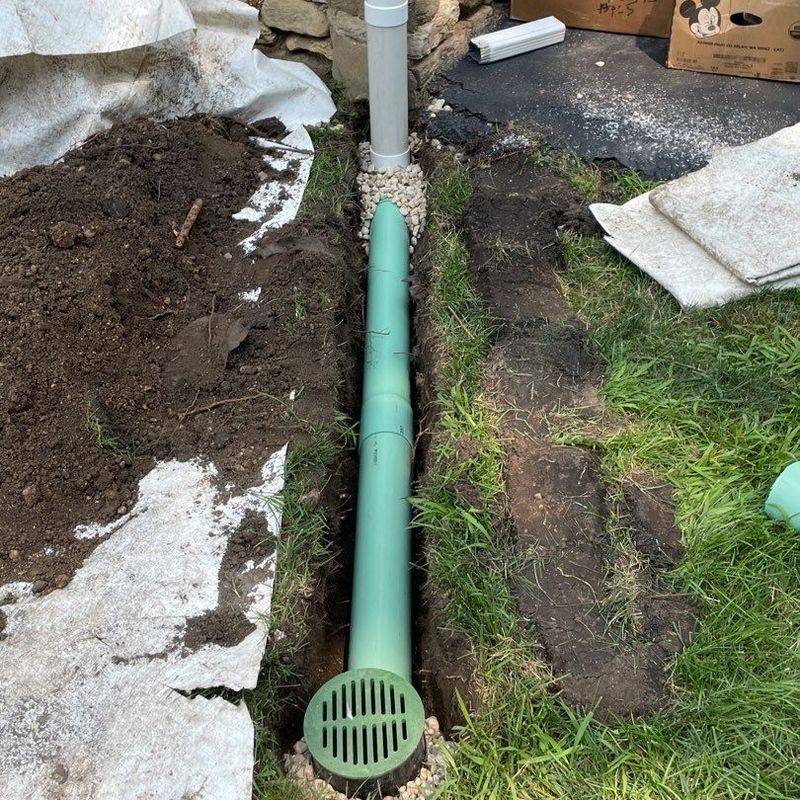
Water flowing from higher ground or off your roof needs somewhere to go besides your garden beds and lawn. Simple redirection strategies move that runoff to better locations where it can soak in slowly or drain away completely.
Many Georgia homes have downspouts that dump hundreds of gallons directly onto flower beds or right next to the foundation, creating soggy messes that never dry out.
Downspout extensions are the easiest fix and cost less than twenty dollars at any hardware store. These attach to your existing downspouts and carry water ten to fifteen feet away from your house and plantings.
Point them toward areas that drain well naturally, or create a simple drainage pathway using river rock or gravel.
Shallow swales are another effective solution for redirecting water across your yard. These gentle depressions guide water away from problem areas and toward spots where drainage is better.
A swale doesn’t need to be deep, just a few inches of depression is enough to channel water in the right direction during heavy rains.
French drains work well for persistent drainage problems that simpler solutions can’t handle. These underground trenches filled with gravel collect and redirect water below the surface.
Installing a French drain requires more work, but it provides a permanent solution for seriously soggy areas.
Check your property’s natural slope and work with it rather than against it. Water always flows downhill, so make sure you’re directing it away from buildings and planting areas toward spots where standing water won’t cause problems.
Sometimes just creating a small berm or raised edge redirects water effectively without major construction.
5. Use Raised Beds In Persistently Wet Sections
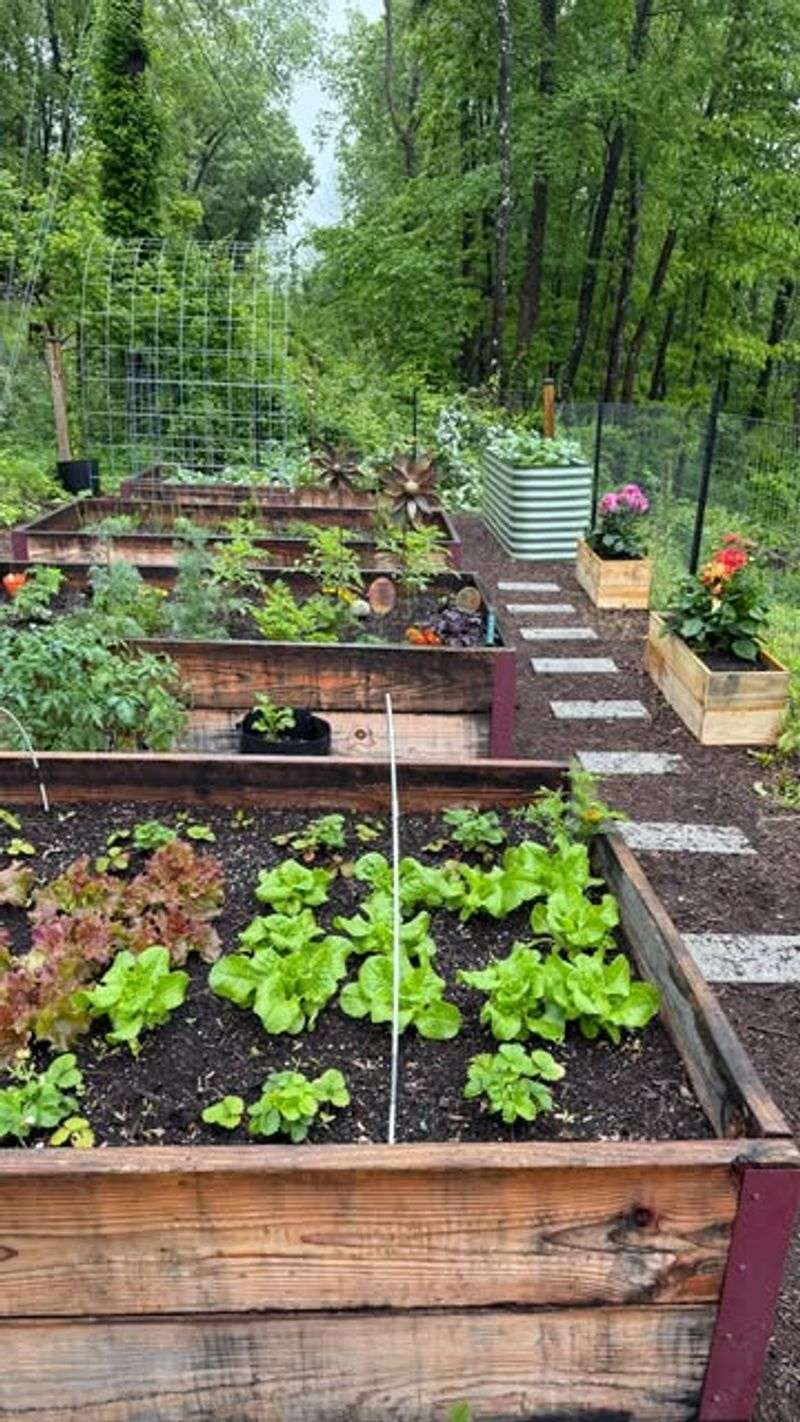
Sometimes the best solution for problem areas is building up instead of trying to dry out the existing ground. Raised beds lift your plants above soggy soil and provide the drainage they need to thrive even when the surrounding yard stays wet.
This approach works particularly well for vegetable gardens and ornamental plantings where you want consistent growing conditions regardless of rainfall.
Building raised beds eight to twelve inches high gives plant roots enough depth while keeping them out of waterlogged soil below. Use untreated lumber, composite materials, or stone to create the bed frames.
Fill them with a mixture of topsoil, compost, and other amendments that drain well. The elevated position allows excess water to drain away quickly after rains.
Location matters even with raised beds in Georgia. Place them in spots that get good sun exposure since sunlight helps dry out soil between rainstorms.
Avoid positioning raised beds in the absolute lowest spots where water pools deepest, as even elevated plantings can struggle if they’re sitting in standing water.
The soil inside raised beds warms up faster in spring than ground-level soil, giving you an earlier start on planting. This bonus benefit means you can get tomatoes, peppers, and other warm-season crops in the ground sooner.
The improved drainage also means you can work the soil in raised beds days before the surrounding yard is dry enough to touch.
Consider installing raised beds as permanent features rather than temporary fixes. Well-built beds last for many years and continue providing excellent growing conditions season after season.
Many Georgia gardeners start with one or two raised beds and gradually add more as they see how much better plants perform in the improved conditions.
6. Adjust Watering Schedules During Rainy Springs
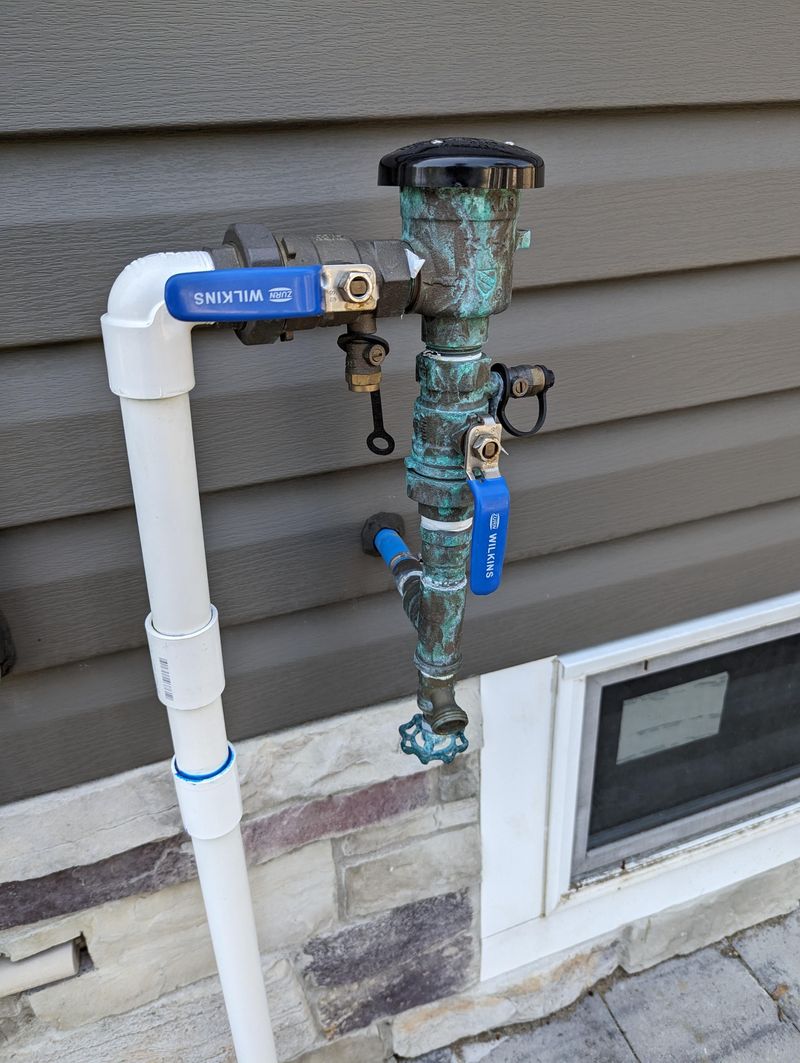
Your irrigation system doesn’t know when Mother Nature has already watered your yard. Automatic sprinklers running on their regular schedule during wet springs add unnecessary water to already soggy soil.
Smart adjustments to your watering routine prevent overwatering problems and help soil dry out between natural rain events.
Install a rain sensor on your irrigation system if you don’t already have one. These inexpensive devices automatically shut off your sprinklers when it rains, preventing the wasteful and harmful practice of watering during rainstorms.
Most Georgia water utilities offer rebates or free rain sensors to encourage water conservation.
Check soil moisture before watering rather than following a fixed schedule. Push a screwdriver or soil probe six inches into the ground in several spots.
If it goes in easily and comes out with moist soil clinging to it, you don’t need to water. Save your irrigation for times when the soil is actually dry.
Reduce watering frequency but increase duration when you do water. Deep, infrequent watering encourages roots to grow deeper where soil drains better.
Shallow, frequent watering keeps roots near the surface in the soggy zone. During rainy springs, you might go two or three weeks without needing to water at all.
Different areas of your yard need different amounts of water. Shady spots stay wet much longer than sunny areas.
Slopes dry faster than flat sections. Consider setting up separate irrigation zones so you can water each area according to its actual needs rather than treating the entire yard the same way.
7. Choose Plants That Tolerate Periods Of Excess Moisture
Fighting against your yard’s natural conditions is exhausting and expensive. Choosing plants adapted to wet soil conditions makes gardening easier and more successful.
Georgia offers plenty of beautiful native and adapted plants that actually prefer moist soil and handle soggy spring conditions without complaint.
River birch trees thrive in wet areas and provide gorgeous peeling bark that adds winter interest. These trees naturally grow along Georgia streams and creeks, so they’re perfectly adapted to handle saturated soil.
Bald cypress is another excellent tree choice for persistently wet spots, offering feathery foliage and impressive size.
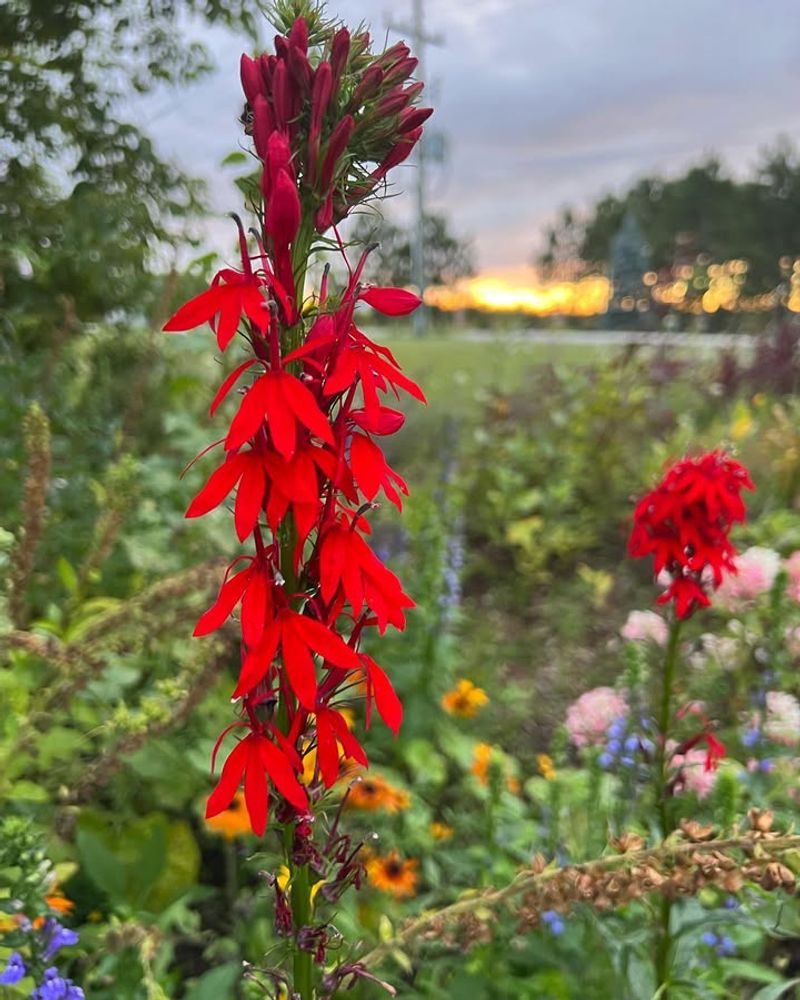
Perennial flowers like cardinal flower, swamp sunflower, and Louisiana iris bloom beautifully in moist soil conditions. These natives attract butterflies and hummingbirds while requiring minimal care once established.
Ferns of many varieties flourish in wet, shady spots where other plants struggle.
For ground covers in soggy areas, consider creeping Jenny, mazus, or native sedges. These low-growing plants spread to cover bare soil and prevent erosion while tolerating wet feet.
They’re much more successful than traditional lawn grass in areas that stay damp.
Visit local nurseries in Atlanta, Macon, Columbus, or other Georgia cities to find plants specifically recommended for wet soil conditions. Garden center staff can point you toward varieties that perform well in your specific region.
Native plant sales held by local conservation groups offer excellent selections of moisture-tolerant species adapted to Georgia’s climate. Building your landscape around plants that naturally handle wet conditions means less maintenance, healthier plants, and a better-looking yard even during the soggiest springs.