How To Get Bunny Ear Cactus To Bloom In Michigan Homes
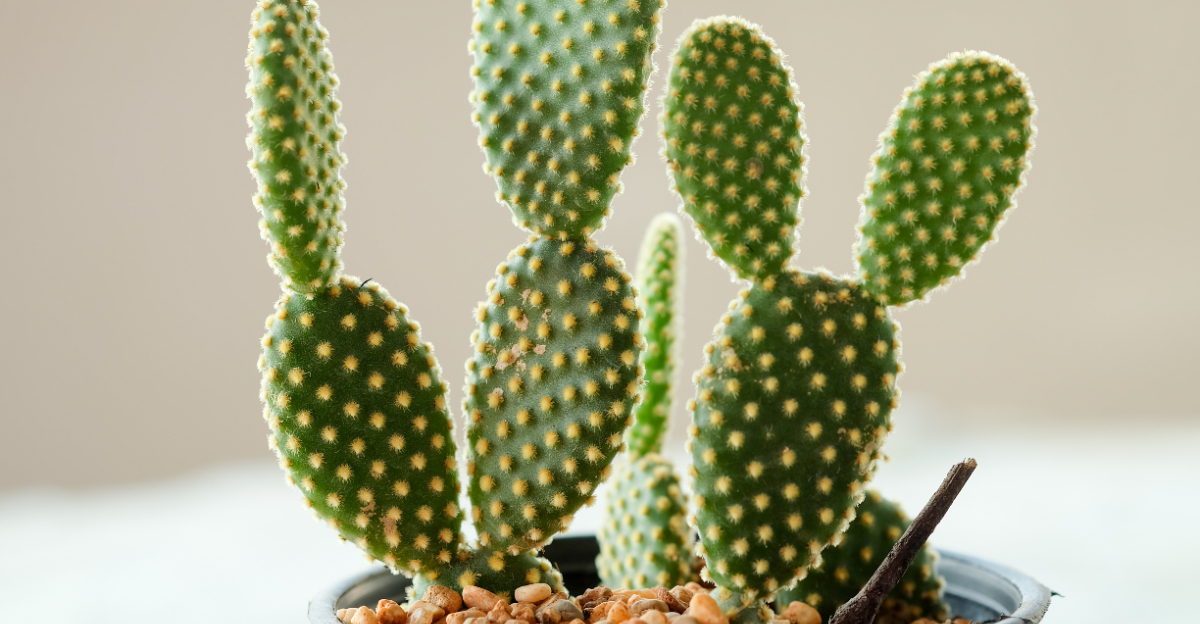
Bunny ear cactus is a fun and eye catching plant, but getting it to bloom in a Michigan home can feel like a real challenge. While it grows easily as a houseplant, those bright yellow flowers only appear when the plant gets the right mix of light, temperature, and care.
Michigan’s long winters and lower indoor light levels can make blooming less likely, especially if the plant never gets a proper rest period. Many people keep their cactus alive for years without ever seeing a single flower, which can be frustrating.
The good news is that blooming is possible with a few simple changes. By adjusting light, watering, and seasonal care, you can encourage your plant to do more than just grow.
With the right setup, your bunny ear cactus can reward you with blooms that make it even more special.
1. Maximum Direct Sunlight
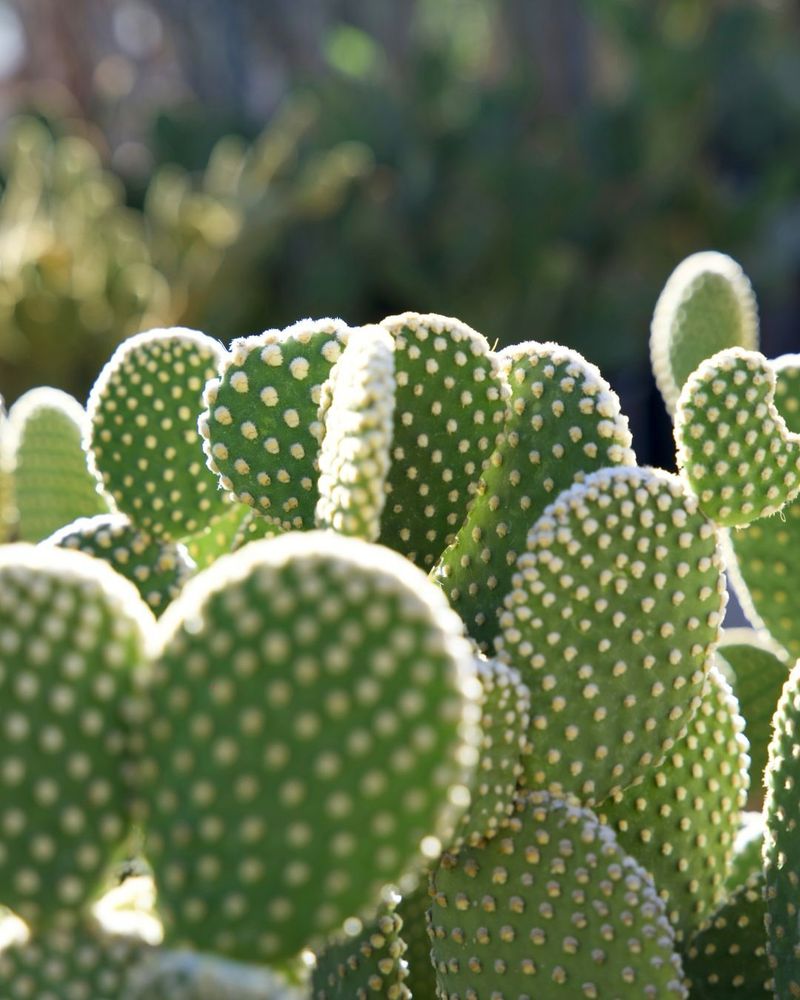
Sunlight is the single biggest factor standing between your bunny ear cactus and its first bloom. In Michigan, where cloudy skies can stretch for weeks, placing your cactus in the sunniest spot possible is not just helpful, it is absolutely essential.
A south-facing window is your best friend here, offering the longest and most direct light exposure throughout the day.
Opuntia microdasys, the scientific name for the bunny ear cactus, naturally grows in the dry deserts of Mexico where sunlight is intense and almost constant. Replicating that in a Michigan home means choosing the right window without compromise.
West-facing windows can work as a backup, but south-facing spots are always the top choice for reliable blooming results.
Aim for at least six to eight hours of direct sunlight every single day during spring and summer. Rotate your pot every couple of weeks so all sides of the cactus receive equal light exposure.
Even small adjustments like removing curtains or trimming nearby outdoor plants that block window light can make a real difference.
Michigan summers actually offer surprisingly long days, so use that natural advantage to push your cactus toward producing those beautiful, pale yellow flowers everyone loves to see.
2. Supplement With A Grow Light In Winter
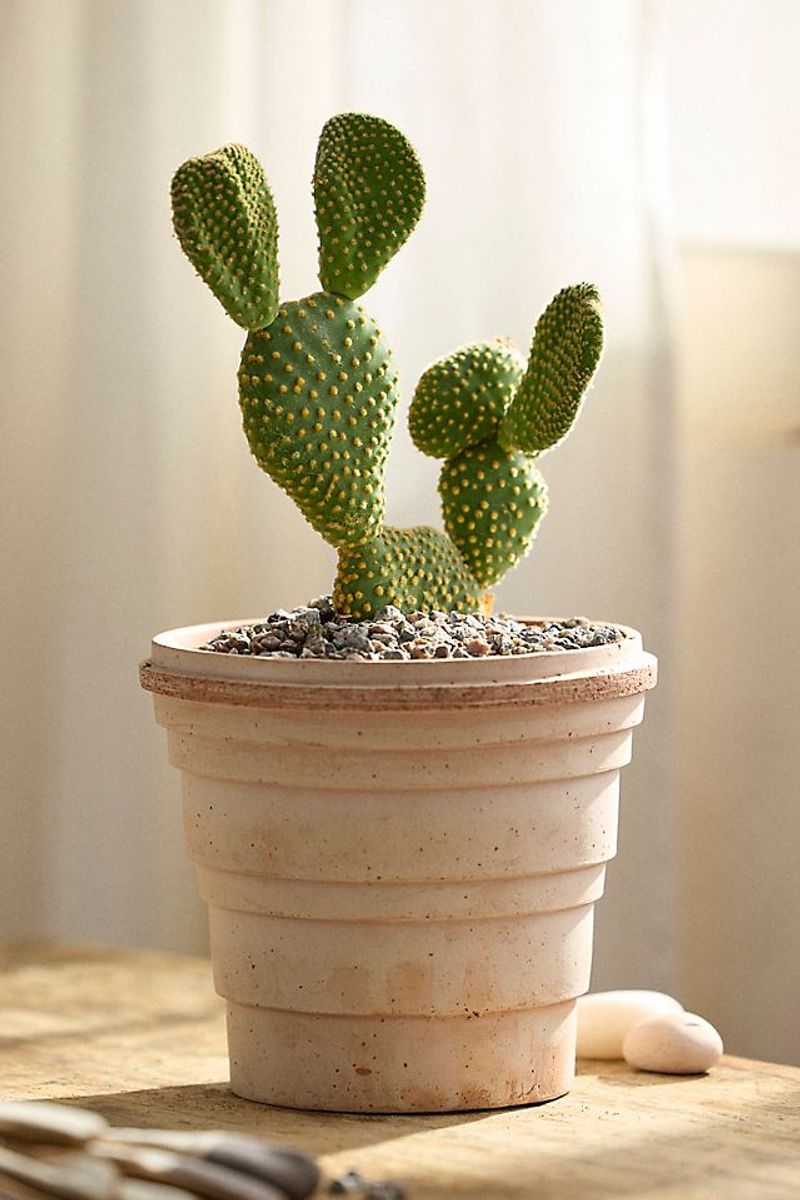
Michigan winters are notoriously dark, and for a sun-loving cactus, that kind of light shortage can completely stop any chance of blooming.
From November through February, natural light through even the best windows often falls short of what Opuntia microdasys truly needs. That is exactly where a quality grow light steps in and saves the season.
Full-spectrum LED grow lights are the go-to choice for Michigan cactus growers because they mimic natural sunlight closely without producing too much heat.
Position the light about twelve to eighteen inches above your bunny ear cactus and run it for fourteen to sixteen hours each day during the darkest winter months.
A simple plug-in timer makes this completely effortless and keeps your cactus on a consistent light schedule.
Consistency matters more than intensity when it comes to grow lights. Your cactus responds well to a predictable routine, and a steady light cycle signals healthy growing conditions even when snow is piling up outside your Michigan window.
Many growers in Michigan who added grow lights to their cactus routine reported noticing new growth and eventual flowering within one full seasonal cycle.
It is a small investment that pays off beautifully when spring arrives and your cactus starts showing signs of budding for the very first time.
3. Provide A Cool Winter Dormancy Period
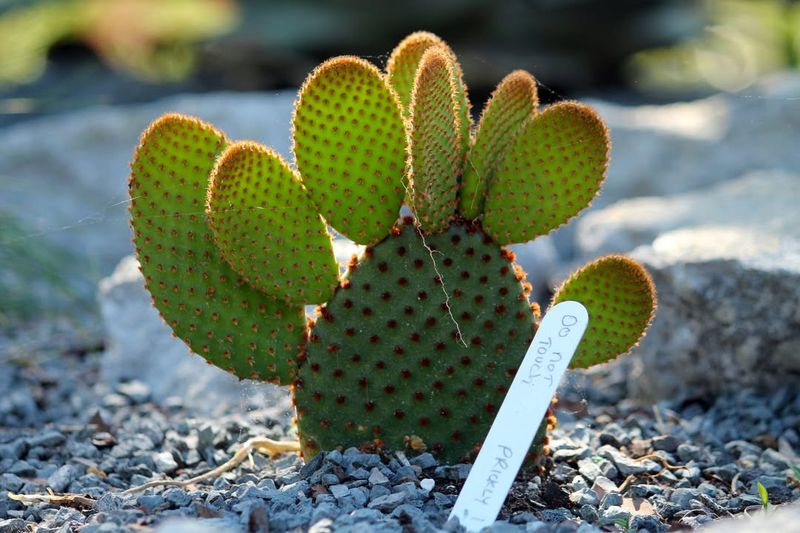
Here is something that surprises many new cactus owners: bunny ear cacti actually need a cold rest period to bloom. Without a proper dormancy phase, the plant simply stays in a comfortable holding pattern and never gets the signal to produce flowers.
In Michigan, this is one trick that the climate actually helps you with naturally.
From late fall through early winter, move your cactus to a cooler room where temperatures stay between 50 and 55 degrees Fahrenheit. An unheated spare bedroom, a bright enclosed porch, or even a spot near a drafty window works perfectly for this purpose.
Keep it there for about six to eight weeks, and resist the urge to water it frequently during this resting phase.
Think of dormancy as the cactus recharging its energy for a big spring performance. Just like many Michigan trees drop their leaves and rest before bursting back to life, your bunny ear cactus uses this cool, quiet period to prepare for blooming season.
When you move it back to a warm, sunny spot in late winter or early spring and resume regular care, the shift in conditions often triggers the flowering response you have been waiting for.
Michigan winters, as tough as they are, actually give you a natural advantage that gardeners in warmer states have to artificially create.
4. Water Sparingly And Let Soil Fully Dry
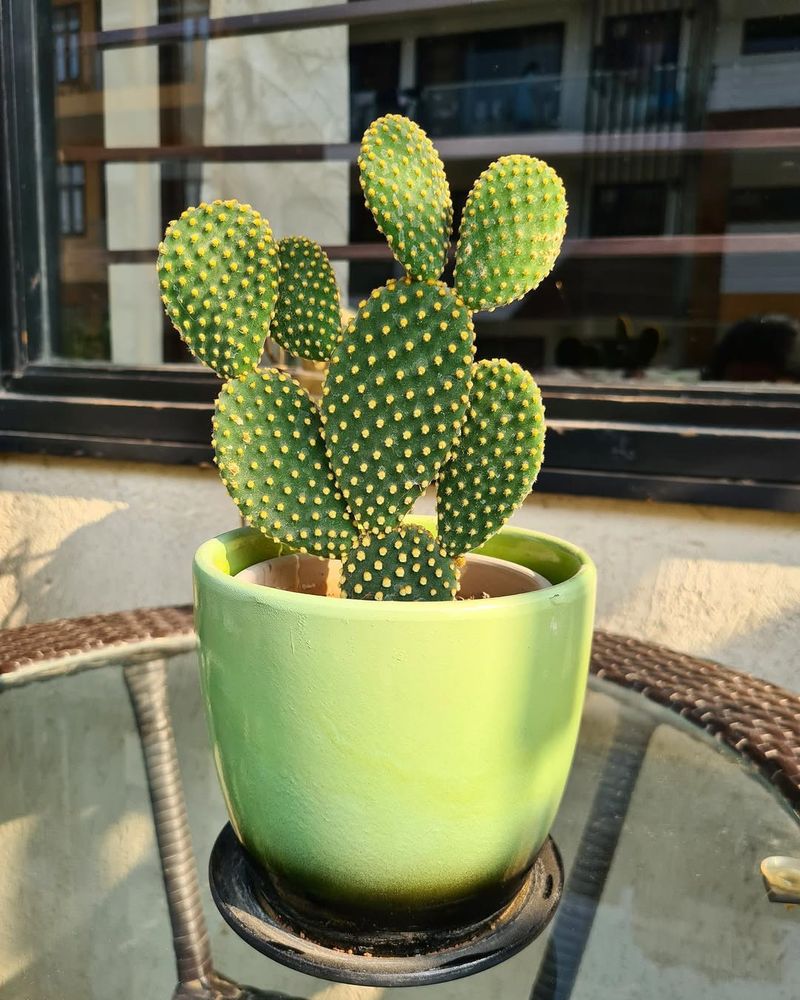
Overwatering is the number one reason bunny ear cacti fail to bloom in Michigan homes. It sounds counterintuitive, but this plant absolutely thrives on neglect when it comes to moisture.
Too much water suffocates the roots and sends the plant into survival mode rather than flowering mode.
During the growing season in spring and summer, water your cactus only when the top inch of soil feels completely dry to the touch. Stick your finger about an inch deep into the soil, and if it feels even slightly damp, wait a few more days before watering.
In fall and winter during dormancy, pull back watering even further, sometimes to just once a month or even less depending on your Michigan home’s humidity levels.
When you do water, give the plant a thorough soak and let excess water drain completely out of the bottom of the pot. Never let your cactus sit in a saucer full of standing water, because soggy roots are a fast path to root rot and a plant that refuses to bloom.
Michigan homes in winter tend to run dry heat from furnaces, which actually helps the soil dry out faster between waterings.
Use that to your advantage by checking soil moisture regularly and staying disciplined about holding back the watering can until the cactus genuinely needs it.
5. Use Well-Draining Cactus Soil
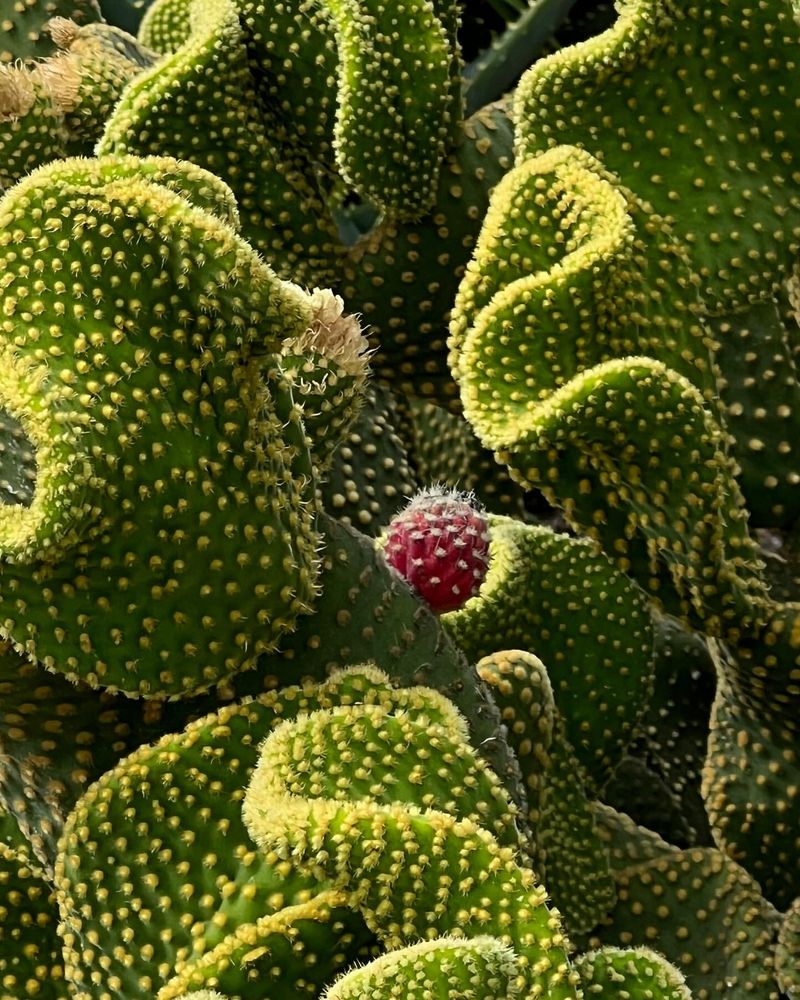
The soil you choose for your bunny ear cactus matters far more than most people realize. Regular potting mix holds too much moisture and stays wet for too long, which works against a plant that naturally grows in fast-draining desert ground.
Giving your cactus the right soil from the start sets the foundation for everything else, including blooming.
A cactus-specific potting mix is the easiest starting point, and you can find it at most Michigan garden centers or online. For even better drainage, mix in about thirty percent perlite or coarse sand to create a gritty, fast-draining blend that mimics natural desert soil.
Terracotta pots are a popular choice among Michigan cactus growers because the porous material helps excess moisture evaporate faster than plastic containers.
Always make sure your pot has drainage holes at the bottom, no exceptions. Without proper drainage, even the best soil mix becomes waterlogged over time and puts your cactus at risk.
Repot your bunny ear cactus every one to two years using fresh cactus mix to refresh the nutrients and ensure the roots have enough room to spread.
Healthy, well-supported roots mean a stronger plant overall, and a stronger plant is far more likely to put its energy into producing those gorgeous yellow blooms that make the whole effort completely worthwhile for Michigan home gardeners.
6. Fertilize Lightly During The Growing Season Only
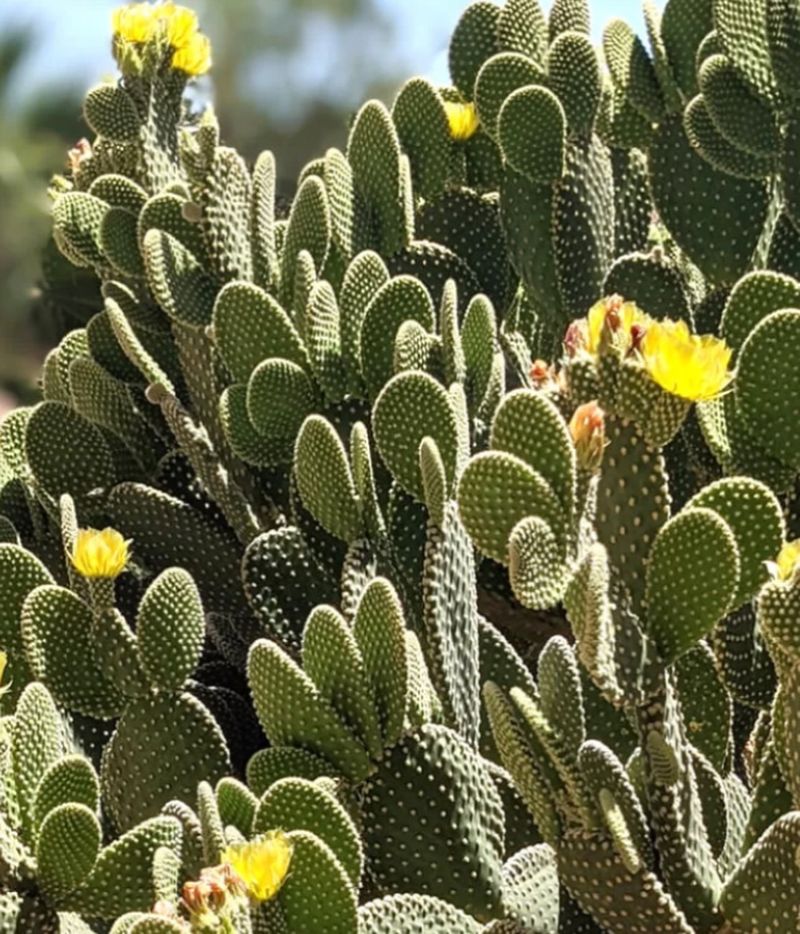
Fertilizing a bunny ear cactus is a balancing act that many Michigan growers get wrong by doing too much. More fertilizer does not mean more flowers, and overdoing it can actually push the plant to grow lots of leafy pads while completely skipping the blooming stage.
Light, well-timed feeding is the smarter approach that experienced cactus growers swear by.
During spring and summer, apply a low-nitrogen cactus fertilizer diluted to half the recommended strength about once a month.
A fertilizer with a higher phosphorus content, sometimes labeled as a bloom booster, encourages flower production rather than excessive green growth.
Look for products specifically labeled for cacti and succulents at Michigan garden centers, as these are already formulated with the right nutrient balance for desert plants.
Stop all fertilizing completely once fall arrives and your cactus enters its dormancy period. Feeding during winter can confuse the plant and disrupt the natural rest cycle that ultimately leads to spring blooming.
Resume feeding again the following spring when you see new growth starting to appear, which signals that your cactus is waking up and ready to grow.
Keeping this seasonal rhythm consistent year after year trains your bunny ear cactus to follow a reliable blooming schedule, making your Michigan home a surprisingly impressive place to grow a true desert plant.
7. Ensure Plant Maturity And Stay Patient
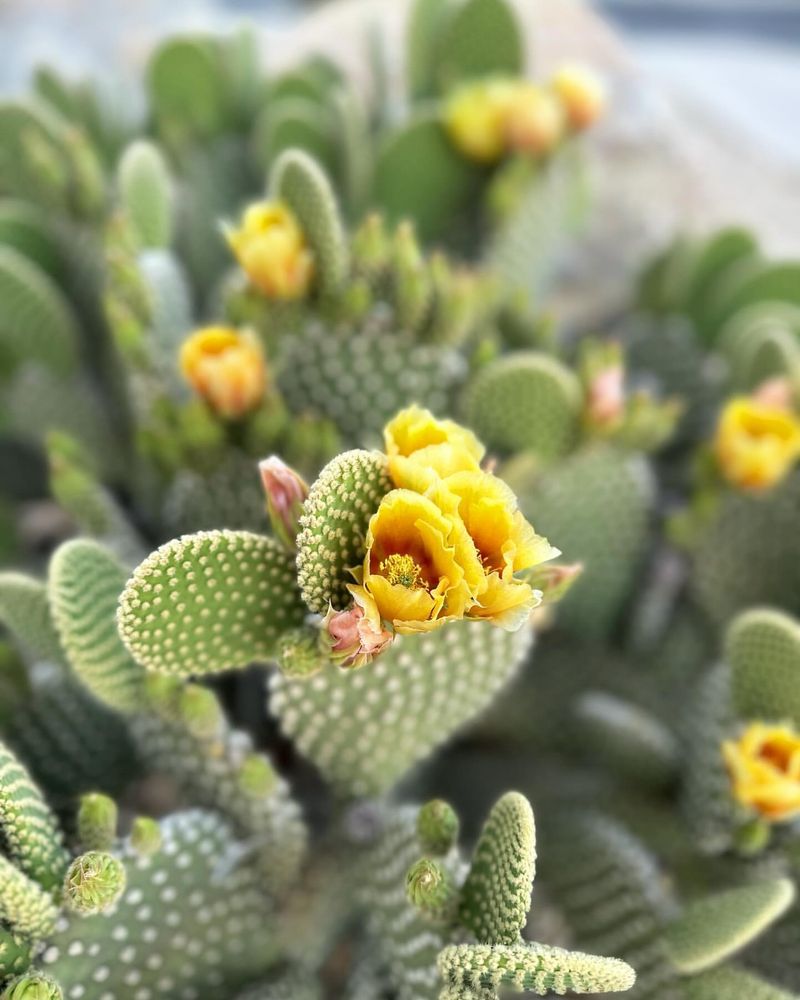
Patience might be the hardest part of growing a blooming bunny ear cactus in Michigan, but it is also one of the most important factors. Young cacti simply do not bloom, no matter how perfect your care routine is.
Opuntia microdasys typically needs to reach full maturity, which usually means being at least three to five years old before it produces its first flowers.
A mature bunny ear cactus will have multiple well-developed pads and a sturdy, established root system. If your plant is still small with just a few pads, focus on giving it excellent care and let it grow bigger before expecting blooms.
Every new pad that develops is a sign your cactus is moving in the right direction and building the energy reserves needed for flowering.
Michigan gardeners who have successfully bloomed a bunny ear cactus often say the moment it finally flowers feels incredibly rewarding, especially after years of careful tending through harsh winters and low-light seasons.
Keep a simple care journal to track watering, light changes, and seasonal shifts so you can spot patterns and fine-tune your approach over time.
Trust the process, stay consistent with sunlight, dormancy, and watering habits, and your mature bunny ear cactus will eventually reward all your Michigan home gardening efforts with those stunning, cheerful yellow blooms.