How To Get Hydrangeas Thriving In Your Georgia Yard
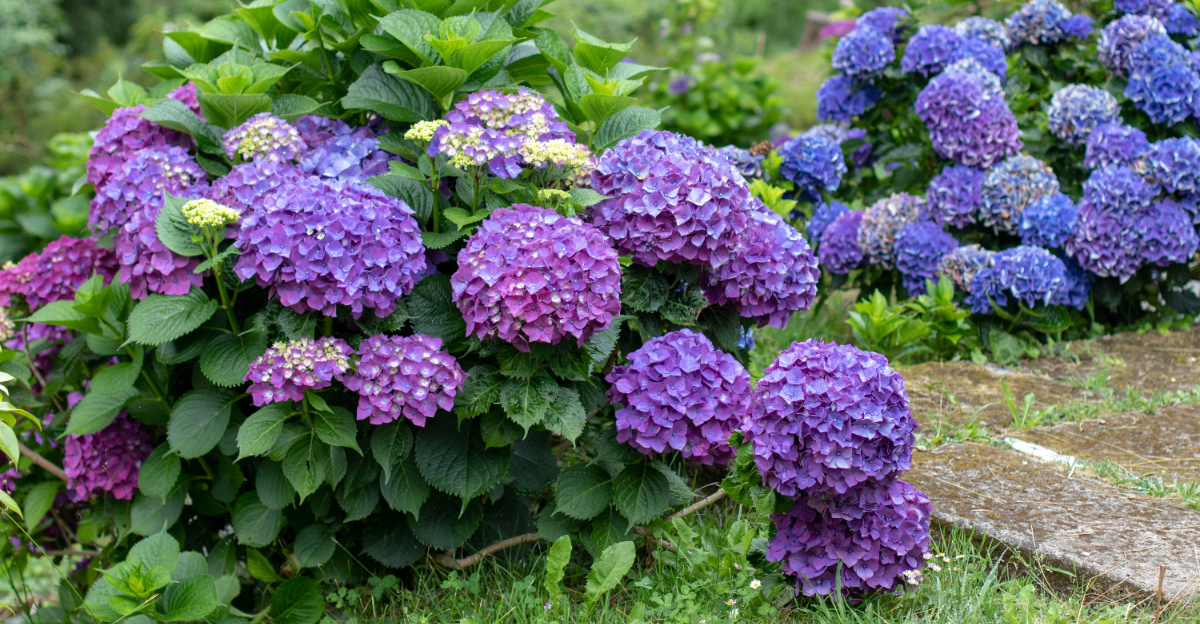
Hydrangeas can look fine in a Georgia yard for months and still never reach that full, healthy look people expect. Leaves grow, stems stretch, but something always feels slightly off.
Georgia’s climate plays a bigger role in hydrangea success than most people realize. Light exposure, soil moisture, and seasonal timing all shape how these plants grow and bloom.
When even one of those factors is slightly mismatched, hydrangeas tend to stall instead of thriving.
Getting hydrangeas to thrive isn’t about constant fixing or heavy feeding. It’s about setting them up correctly so they can handle Georgia’s conditions with less stress.
Once the basics are right, hydrangeas usually respond with stronger growth, better structure, and blooms that actually match the space they’re growing in.
1. Plant Hydrangeas Where They Get Morning Sun And Afternoon Shade
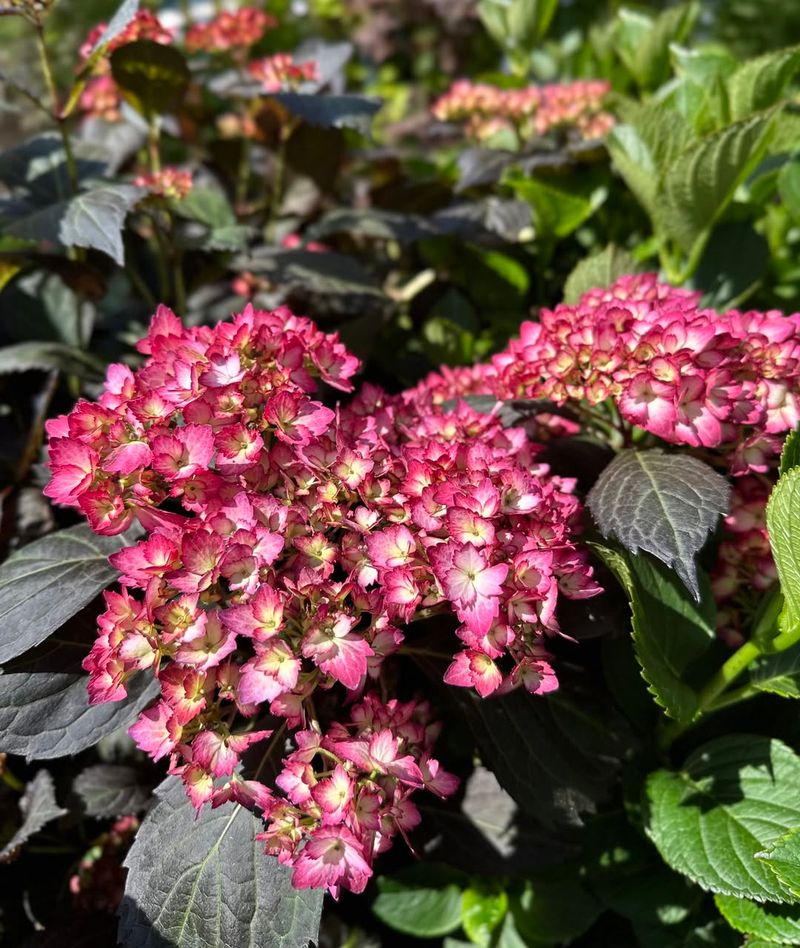
Finding the sweet spot for sunlight makes a huge difference in how your hydrangeas perform throughout Georgia’s long growing season. Most hydrangea varieties need about four to six hours of sunlight daily, but the timing of that sun exposure matters tremendously in our climate.
Morning sun is gentler and helps dry dew from leaves, reducing disease problems, while the intense afternoon sun that beats down on Georgia yards during summer months can scorch leaves and stress plants.
Eastern exposures work beautifully because they provide bright morning light without the punishing heat that comes later in the day. The north side of your house or beneath tall pine trees with high canopies also creates ideal conditions.
Many Georgia gardeners make the mistake of planting hydrangeas in full sun locations, then wonder why their plants look wilted and sad by July despite regular watering.
If you’re working with established landscape beds, consider how shadows move across your yard throughout the day before choosing a planting spot. Buildings, fences, and mature trees all create shifting shade patterns that change with the seasons.
Spring sun angles differ significantly from summer ones, so observe your yard at different times to find locations that stay cooler during peak afternoon hours.
The right light balance helps hydrangeas maintain their vibrant color, keeps foliage looking fresh, and encourages better blooming. Plants growing in too much shade produce fewer flowers and develop weak, leggy growth, while those in excessive sun struggle constantly with heat stress.
2. Match The Hydrangea Type To Your Yard’s Light Conditions
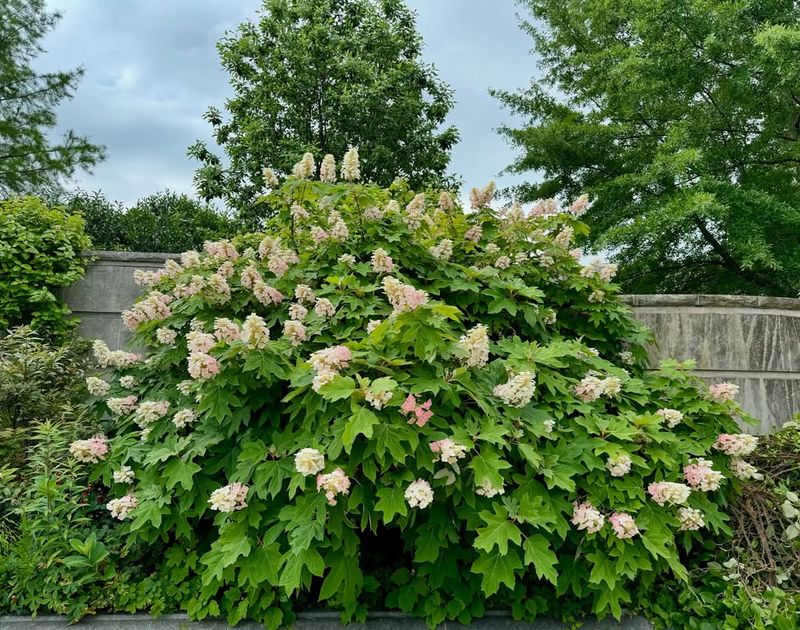
Not all hydrangeas handle light and heat the same way, which is why choosing the right variety for your specific yard conditions prevents frustration down the road. Oakleaf hydrangeas, native to the southeastern United States, tolerate more sun than their Asian cousins and handle Georgia’s clay soils beautifully.
Their large, cone-shaped white blooms and stunning fall foliage make them perfect for sunnier spots that still receive some afternoon protection.
Bigleaf hydrangeas, the classic mophead and lacecap types that everyone recognizes, need more shade in Georgia than they would in cooler climates. These varieties prefer shadier locations with consistent moisture, making them ideal for woodland gardens or spots beneath high tree canopies.
Their big, showy blooms come in blues, pinks, and purples depending on soil pH, creating dramatic displays when grown in the right conditions.
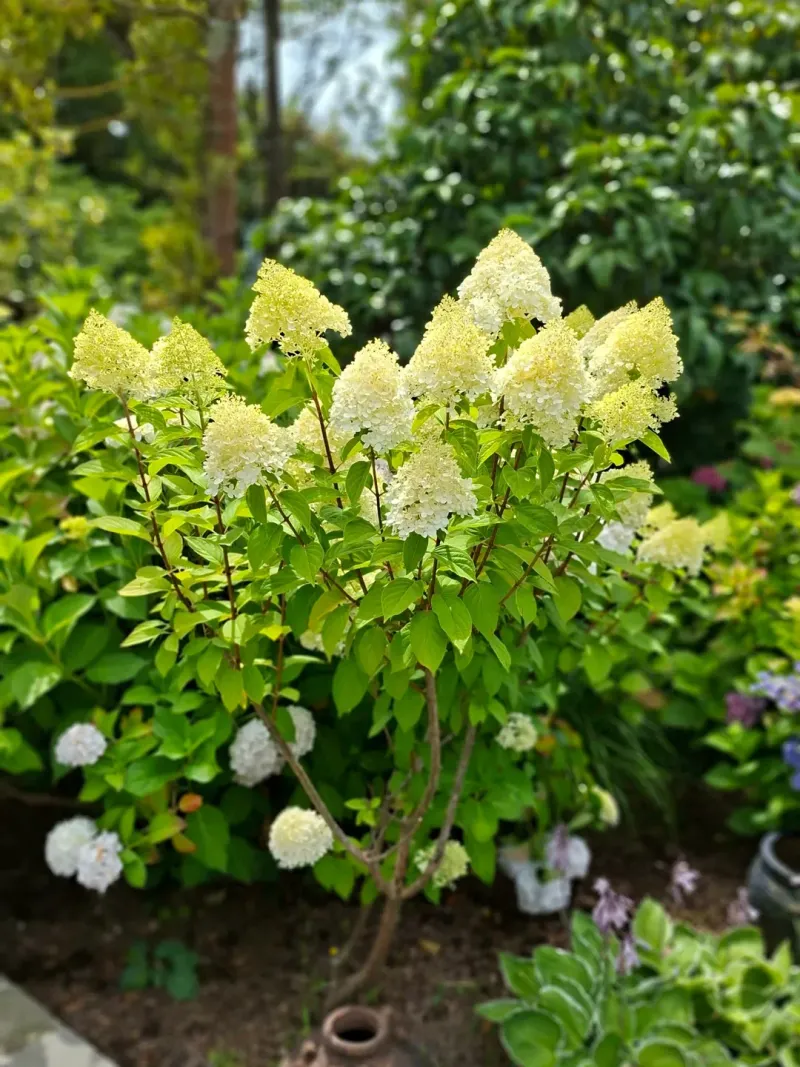
Panicle hydrangeas stand up to heat better than bigleaf types and can handle six or more hours of sun in Georgia yards. Their football-shaped white flower clusters age to pink or burgundy, adding interest from summer through fall.
Smooth hydrangeas like the popular Annabelle variety also tolerate more sun and bloom reliably every year because they flower on new wood.
Before buying plants, honestly assess how much sun and shade your planting area receives throughout the growing season. Georgia’s intense summer sun requires more shade protection than general planting guides suggest, so err on the side of more shade rather than less for the best results.
3. Water Deeply And Consistently During Warm Weather
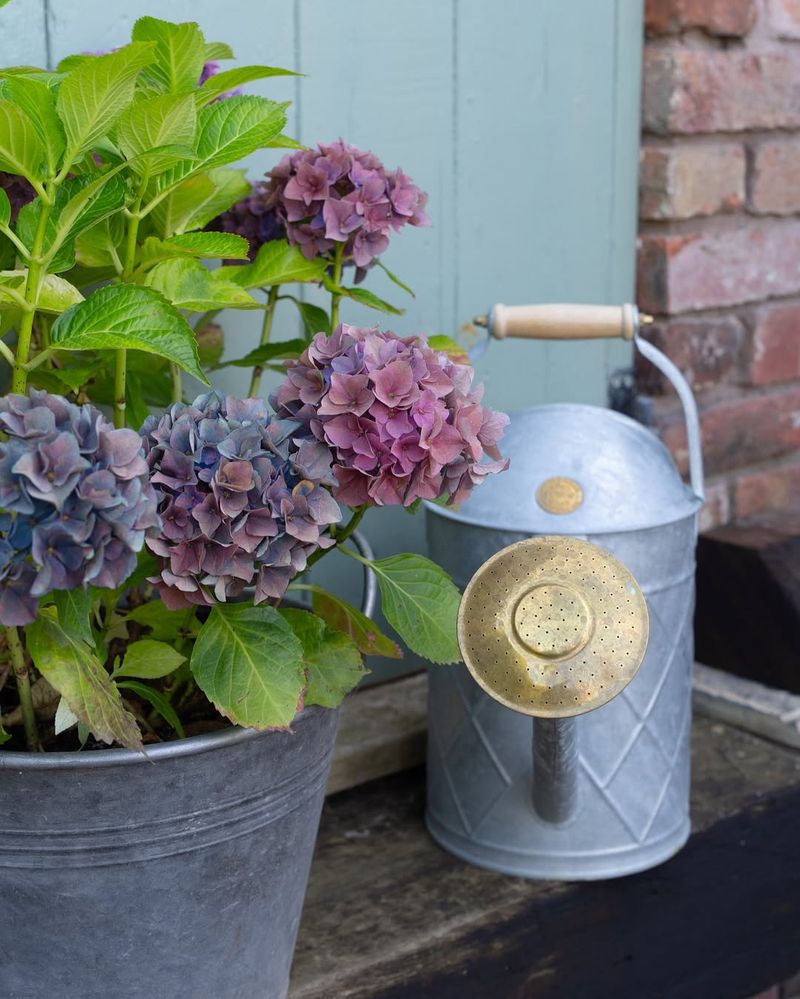
Hydrangeas earned their name from the Greek words for water vessel because of their enormous thirst, and Georgia’s hot summers make consistent watering absolutely essential. These shrubs have shallow root systems that dry out quickly, especially during our typical July and August heat waves when temperatures soar into the 90s.
Wilting leaves signal immediate distress, but frequent shallow watering creates more problems than it solves by encouraging roots to stay near the surface.
Deep watering once or twice weekly works better than daily sprinkles because it encourages roots to grow deeper where moisture remains more consistent. Aim to provide at least an inch of water per week through rainfall or irrigation, increasing to two inches during the hottest stretches.
Soaker hoses or drip irrigation systems deliver water directly to root zones without wetting foliage, which helps prevent fungal diseases that thrive in Georgia’s humid conditions.
Morning watering gives plants time to absorb moisture before afternoon heat arrives and allows any water on leaves to dry quickly. Newly planted hydrangeas need extra attention during their first growing season as they establish root systems.
Check soil moisture by sticking your finger two inches deep into the ground near the plant base.
Container-grown hydrangeas dry out even faster than those in the ground and may need daily watering during peak summer heat. Watch for drooping leaves in late afternoon as an indicator that your watering schedule needs adjustment.
Georgia’s clay soils hold moisture longer than sandy soils, so adapt your watering frequency to your specific soil type and weather conditions.
4. Improve Drainage In Georgia’s Heavy Soils
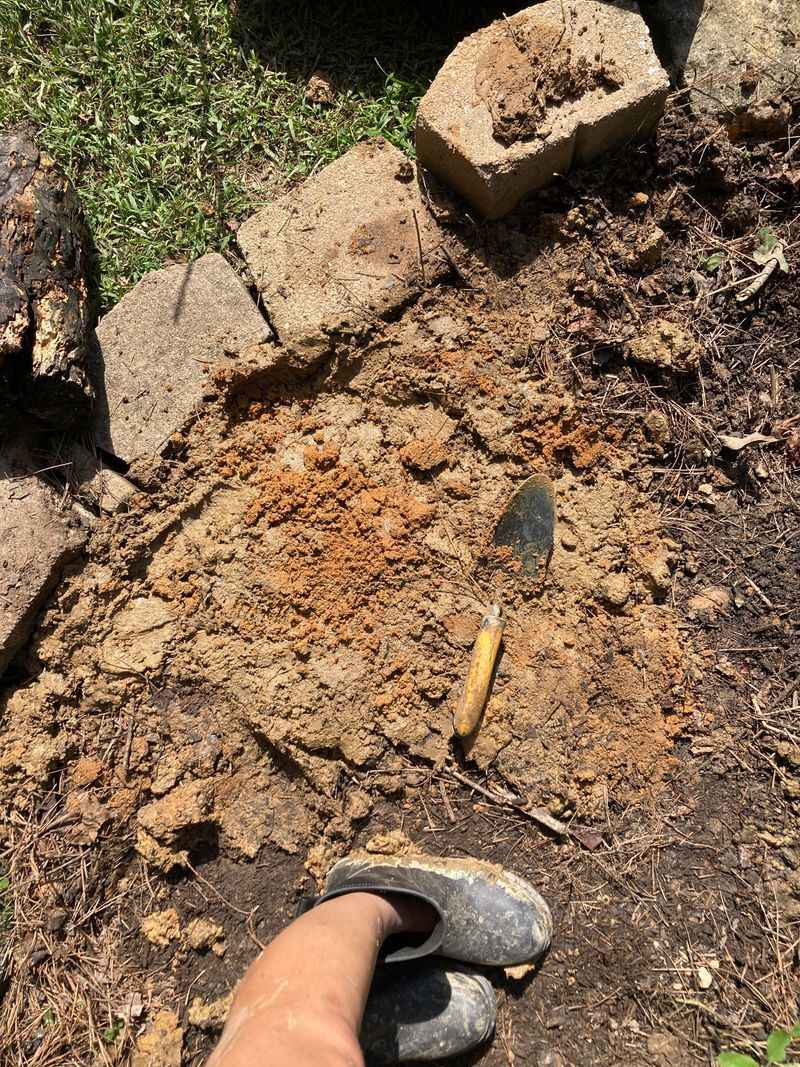
Georgia’s notorious red clay soil creates drainage challenges that can suffocate hydrangea roots despite these plants loving moisture. Clay particles pack tightly together, leaving little room for air pockets that roots need to breathe and water to drain properly.
When water can’t drain, roots sit in soggy conditions that lead to root rot and unhealthy plants that struggle to grow and bloom.
Amending soil before planting makes a world of difference for long-term hydrangea health and performance. Mix generous amounts of compost, aged pine bark, or other organic matter into the planting area, working it down at least 12 to 18 inches deep.
This organic material breaks up clay’s dense structure, improves drainage, and adds nutrients that feed beneficial soil organisms. Some Georgia gardeners create raised beds or berms for hydrangeas, lifting the root zone above heavy clay and ensuring better drainage.
Avoid planting hydrangeas in low spots where water collects after rain or in areas where downspouts direct roof runoff. Even moisture-loving hydrangeas can’t tolerate constantly waterlogged roots.
If your yard has particularly challenging drainage issues, consider installing French drains or selecting naturally higher ground for your hydrangea plantings.
Adding organic matter isn’t a one-time fix because it breaks down over time and needs replenishing. Top-dress around established plants annually with compost or well-rotted leaves to continue improving soil structure.
The effort you invest in soil preparation pays off with healthier, more vigorous hydrangeas that reward you with abundant blooms year after year in Georgia gardens.
5. Mulch To Keep Roots Cool And Moist
A thick blanket of mulch around your hydrangeas works like air conditioning for their roots during Georgia’s sweltering summers while keeping moisture from evaporating too quickly. Mulch also suppresses weeds that compete for water and nutrients, moderates soil temperature swings, and gradually breaks down to improve soil quality over time.
Pine bark, pine straw, shredded hardwood, and composted leaves all make excellent mulch choices for Georgia hydrangea beds.
Apply mulch in a three to four inch layer extending out to the drip line where rain falls from the outermost branches. This coverage protects the entire root zone, which spreads wider than most people realize.
Keep mulch pulled back a few inches from plant stems to prevent moisture from sitting against bark, which can encourage fungal problems and provide hiding spots for pests.
Pine straw is particularly popular in Georgia because it’s readily available, looks neat, and allows water to penetrate easily without matting down. Pine bark nuggets last longer before breaking down but cost more initially.
Shredded hardwood mulch knits together nicely and stays in place on slopes where lighter materials might wash away during heavy rains.
Replenish mulch annually or as needed to maintain proper depth because it decomposes over time, especially in Georgia’s warm, humid climate. Spring is an ideal time to refresh mulch layers after cleaning up winter debris.
Good mulching practices reduce watering needs, protect roots from temperature extremes, and give your hydrangea beds a polished, finished appearance that enhances your overall landscape.
6. Prune Only After You Know When Your Variety Blooms
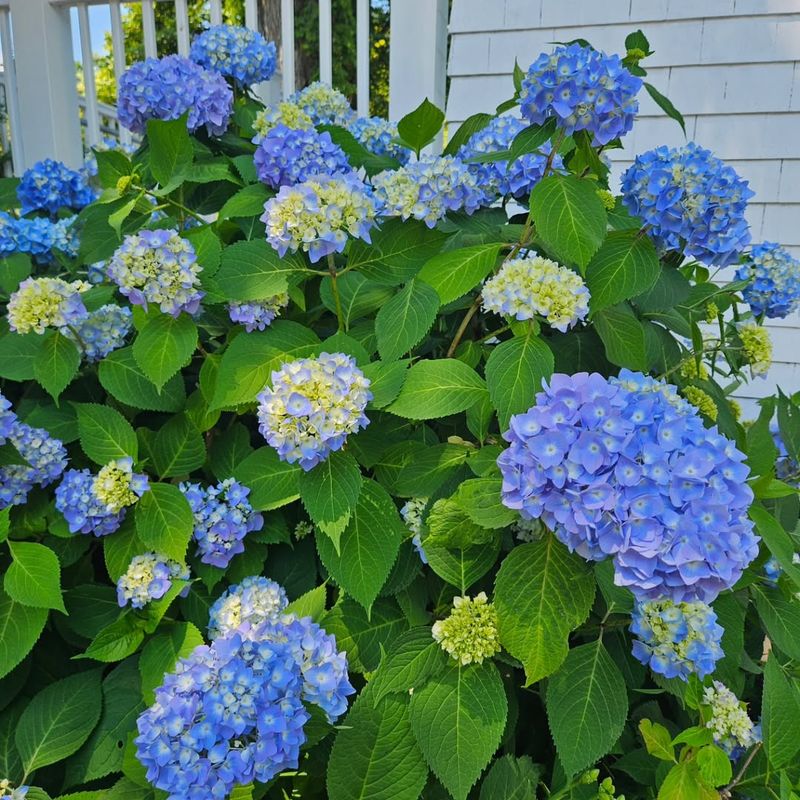
Pruning mistakes rob more Georgia gardeners of hydrangea blooms than almost any other problem because different types bloom on different kinds of wood. Bigleaf hydrangeas set their flower buds on old wood during late summer and fall, carrying them through winter for next year’s display.
Cutting these stems back in fall or early spring removes next season’s flowers before they ever have a chance to open, leaving you with green bushes and no blooms despite healthy growth.
Oakleaf and mountain hydrangeas also bloom on old wood, so limit pruning to removing damaged wood and spent flowers right after blooming finishes in early summer. This timing gives plants the rest of the growing season to develop new wood that will carry next year’s flower buds.
Panicle and smooth hydrangeas bloom on new wood produced during the current growing season, making them more forgiving of pruning since you can cut them back in late winter without sacrificing flowers.
Many Georgia gardeners clean up hydrangea beds in fall when tidying the landscape for winter, but leaving old flower heads and stems in place protects tender buds from cold damage during occasional hard freezes. Those dried blooms add winter interest and can be removed in early spring once the danger of severe cold passes.
If you inherit established hydrangeas and don’t know the variety, observe their blooming pattern for a season before doing any major pruning. Simply remove obviously damaged wood and leave the rest alone until you understand what you’re working with in your Georgia landscape.
7. Feed Lightly In Spring Instead Of Overdoing Fertilizer
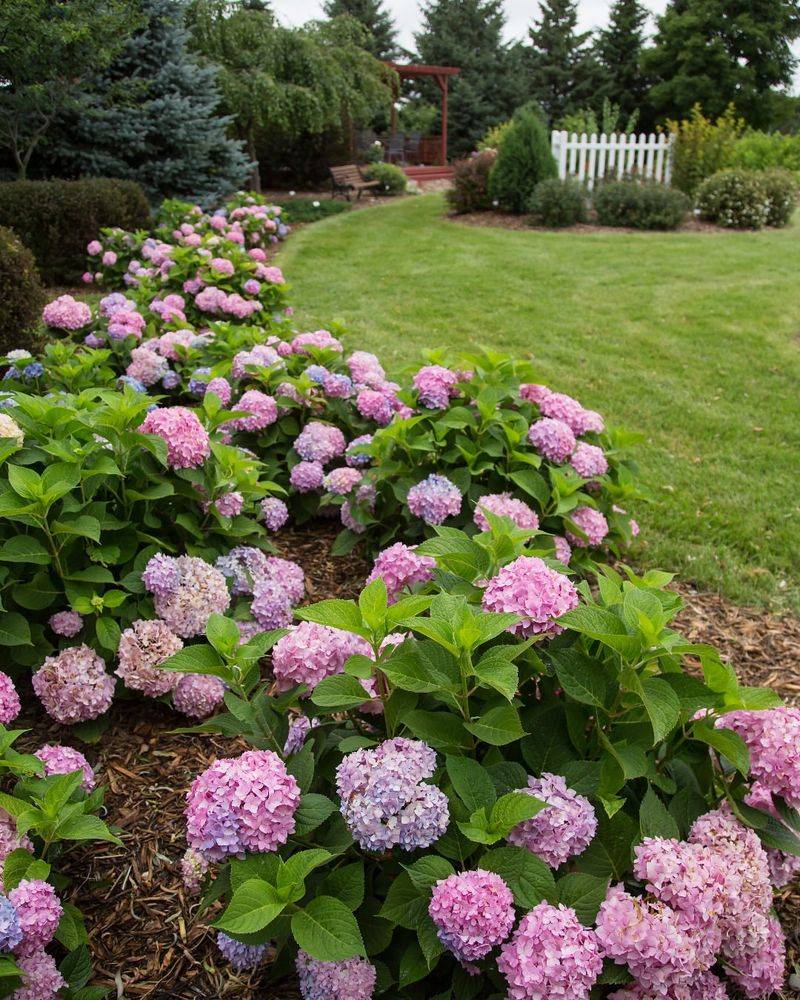
Hydrangeas aren’t heavy feeders, and overfertilizing causes more problems than it solves by producing excessive leafy growth at the expense of flowers. Many Georgia gardeners get excited and dump too much fertilizer on their plants, then wonder why they get huge bushes with few blooms.
A light application of balanced, slow-release fertilizer in early spring as new growth emerges provides all the nutrition most hydrangeas need for the entire growing season.
Look for fertilizers formulated for acid-loving plants or general-purpose products with equal or similar numbers like 10-10-10. Organic options such as compost, composted manure, or fish emulsion release nutrients gradually and improve soil health without the risk of burning roots.
Apply fertilizer according to package directions, spreading it evenly around the plant’s drip line where feeder roots are most active rather than piling it against the stem.
Soil testing through your local Georgia Extension office reveals exactly what nutrients your soil contains and what it might be lacking. This information prevents guesswork and saves money by showing you what your plants actually need.
Heavy clay soils common across Georgia often contain adequate nutrients but have pH issues that prevent plants from accessing them.
For bigleaf hydrangeas, soil pH affects bloom color with acidic soils producing blue flowers and alkaline soils creating pink blooms. Adding aluminum sulfate lowers pH for bluer flowers, while lime raises it for pinker shades.
A second light feeding after the first flush of blooms can encourage reblooming varieties to produce more flowers, but skip late-season fertilizing to avoid encouraging tender new growth that cold snaps might damage.
8. Protect Plants From Late Cold Snaps And Summer Heat
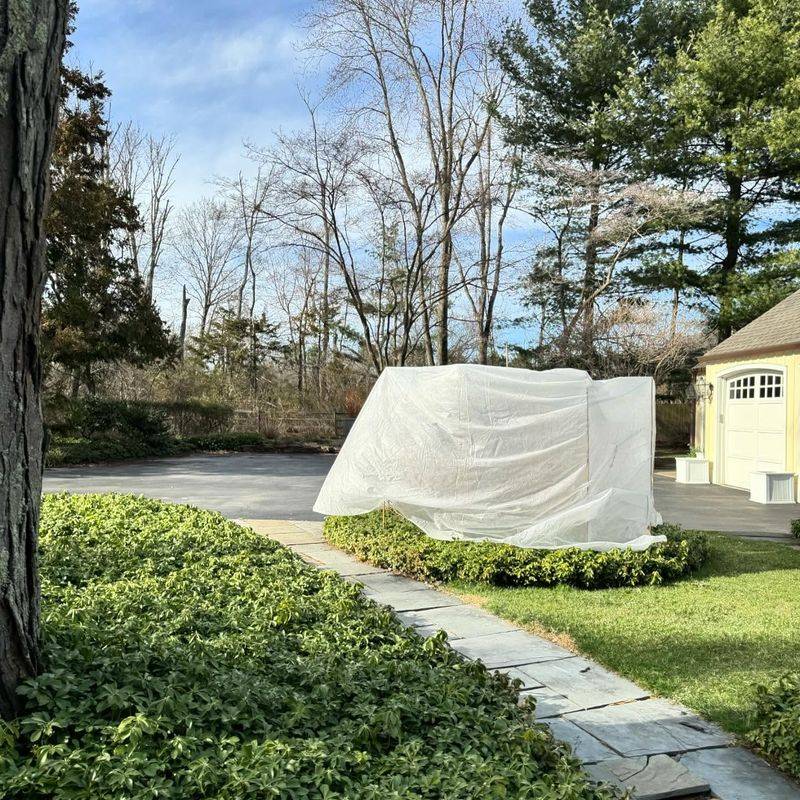
Georgia’s unpredictable spring weather brings warm spells that coax hydrangeas into early growth, followed by sudden cold snaps that damage tender new shoots and flower buds. March and early April are particularly risky times when temperatures can swing wildly from the 70s down into the 20s within days.
Covering plants with frost blankets, old sheets, or burlap when late freezes threaten protects emerging growth and preserves flower buds that would otherwise be lost.
Remove coverings once temperatures rise above freezing to prevent overheating and allow sunlight to reach plants. Mulch provides some insulation for roots during cold weather, and avoiding early spring fertilizing that pushes tender growth too soon helps plants stay dormant until the danger of hard freezes passes.
Container-grown hydrangeas are especially vulnerable to root damage during cold snaps and benefit from being moved to protected locations or having pots wrapped in insulation.
Summer heat protection is equally important in Georgia where July and August temperatures regularly climb into the upper 90s with oppressive humidity. Afternoon shade becomes critical during these months, and extra watering helps plants cope with heat stress.
Shade cloth stretched over frames provides temporary relief for hydrangeas planted in locations that receive too much afternoon sun.
Watch for signs of heat stress like wilting leaves, scorched leaf edges, and drooping flowers despite adequate soil moisture. These symptoms indicate plants are struggling with excessive heat and need additional protection or more frequent watering.
Proper siting, consistent moisture, and good mulching practices help hydrangeas handle Georgia’s weather extremes and thrive despite our challenging climate conditions.