How To Get Spider Plants To Flower And Multiply In Georgia
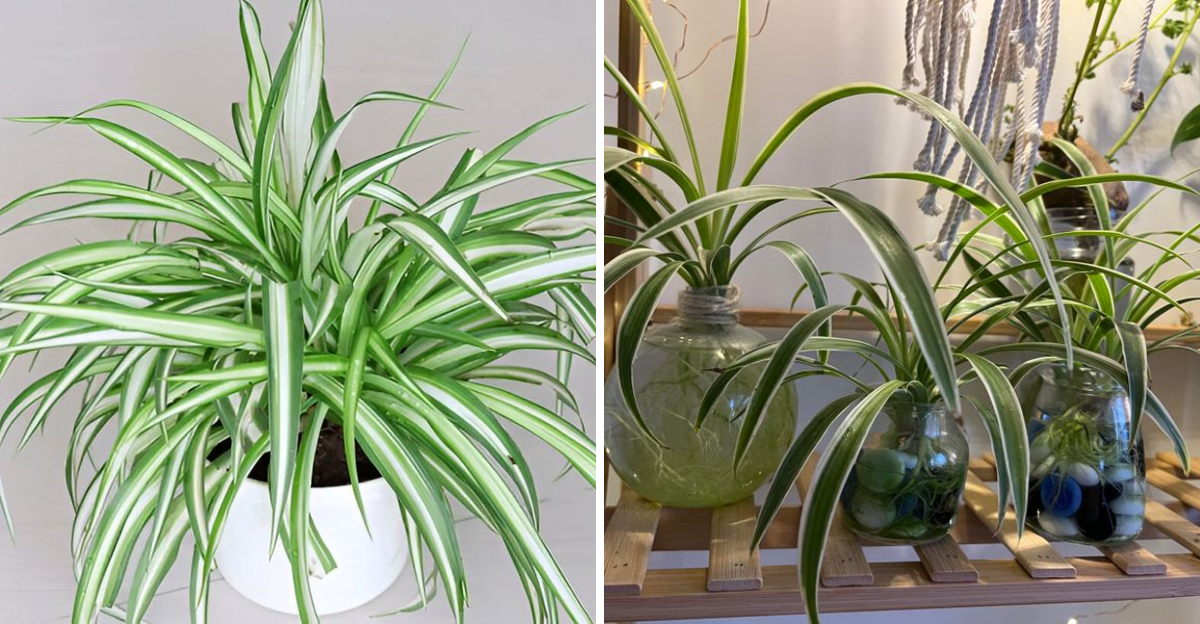
Spider plants in Georgia homes can look full and healthy for months, yet never send out those long stems or small plantlets that make them so popular. The leaves stay green, growth continues, and still something feels missing.
Light, space, and small care details play a bigger role than most expect, especially once the plant settles into its spot. A setup that looks fine at first can hold it back from reaching that next stage.
When the right conditions come together, the change shows up clearly. New stems extend outward, and small plantlets begin to form along them, which gives the plant a fuller, more active look.
Getting there does not require constant attention, but it does depend on a few key adjustments that help the plant move beyond basic growth.
1. Increase Light Exposure To Encourage Flowering
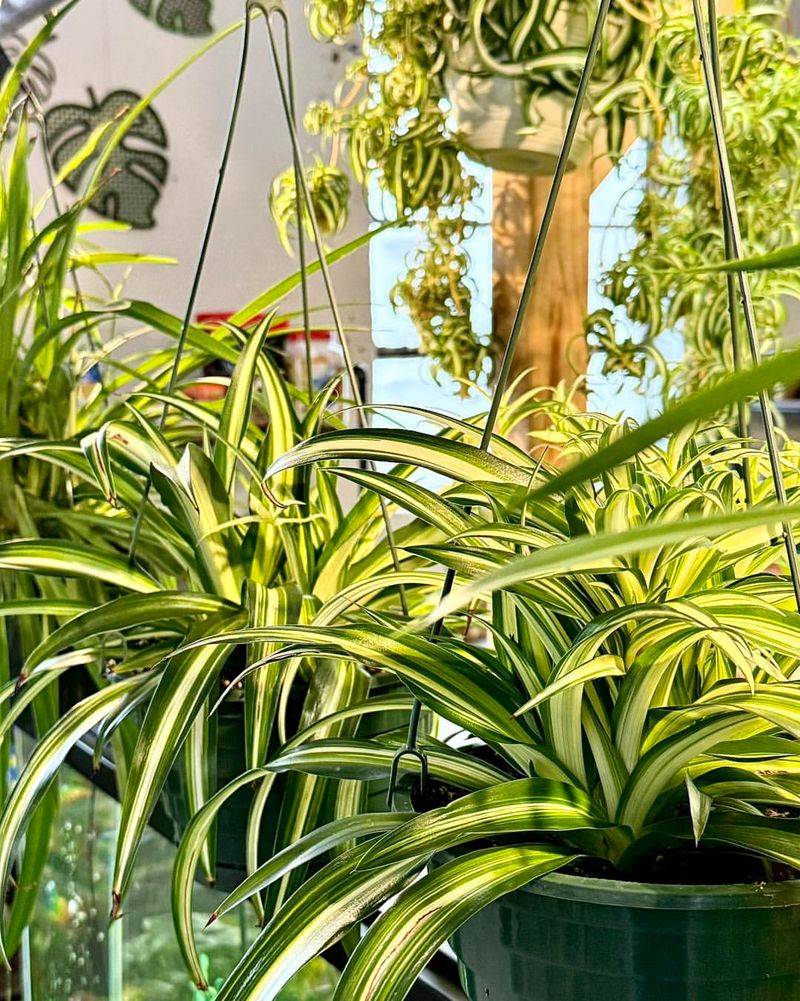
Bright light is one of the biggest triggers for spider plant flowering, and most people are keeping their plants in spots that are just too dim. Spider plants can survive in low light, but surviving and actually blooming are two completely different things.
Without enough light, your plant will stay green and leafy but never push out those long flower stems.
Aim for a spot that gets around six to eight hours of bright, indirect light each day. East or west-facing windows tend to work well in Georgia homes because they offer good morning or afternoon light without blasting the leaves with intense midday sun.
Direct afternoon sun through south-facing glass can scorch the leaf tips, so a sheer curtain helps filter that out.
During Georgia’s long summers, the days are bright and extended, which actually works in your favor. More daylight hours signal to the plant that conditions are right for reproduction.
If you notice your spider plant has been sitting in a corner for months without flowering, moving it closer to a window is often the first fix worth trying.
Artificial grow lights can also work if natural light is limited in your space. A full-spectrum LED placed about 12 inches above the plant for 10 to 12 hours daily can mimic natural conditions reasonably well.
Consistency matters more than intensity here. Gradual improvement in light tends to produce better results than sudden drastic changes.
2. Let Roots Stay Slightly Crowded To Trigger Blooms
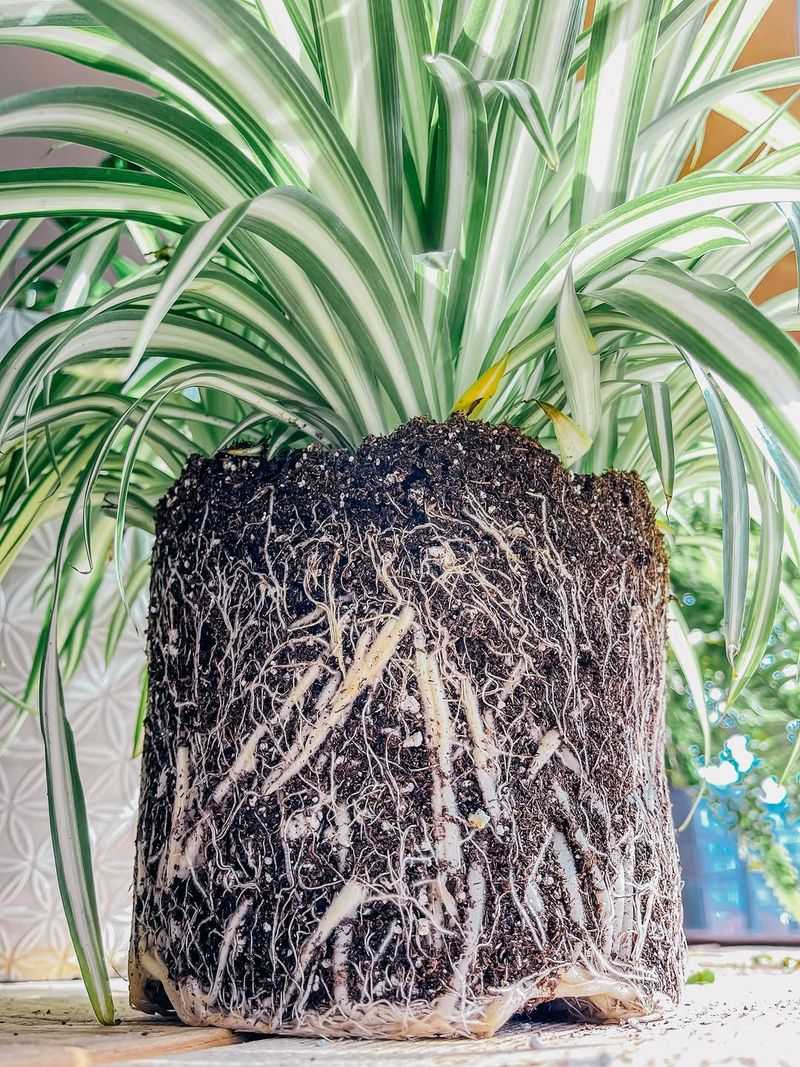
Root-bound spider plants bloom more reliably than those with too much room to spread out. When roots fill the pot and have limited space to expand, the plant shifts its energy toward reproduction rather than root and leaf growth.
It sounds a little counterintuitive, but a slightly crowded root system is actually a good sign.
You do not need to repot every spring just because you see roots near the drainage holes. Check the pot and only move up a size when roots are visibly circling the bottom or pushing out of the holes aggressively.
Going up just one pot size at a time keeps things manageable without giving the roots too much open space to wander into.
In Georgia, where warm temperatures encourage faster root growth in spring and summer, spider plants can fill a pot relatively quickly. Keeping them in a snug container during the active growing season can push them toward flowering.
If you recently repotted into a much larger container and your plant stopped blooming, that extra space could be the reason.
Clay or terracotta pots can help manage moisture and keep roots slightly drier between waterings, which also supports blooming conditions. Plastic pots hold moisture longer, which is fine in cooler months but can slow flowering signals in summer.
Paying attention to pot size and material is a simple way to nudge your spider plant toward producing those small white flowers and runners.
3. Adjust Watering To Avoid Overly Wet Soil
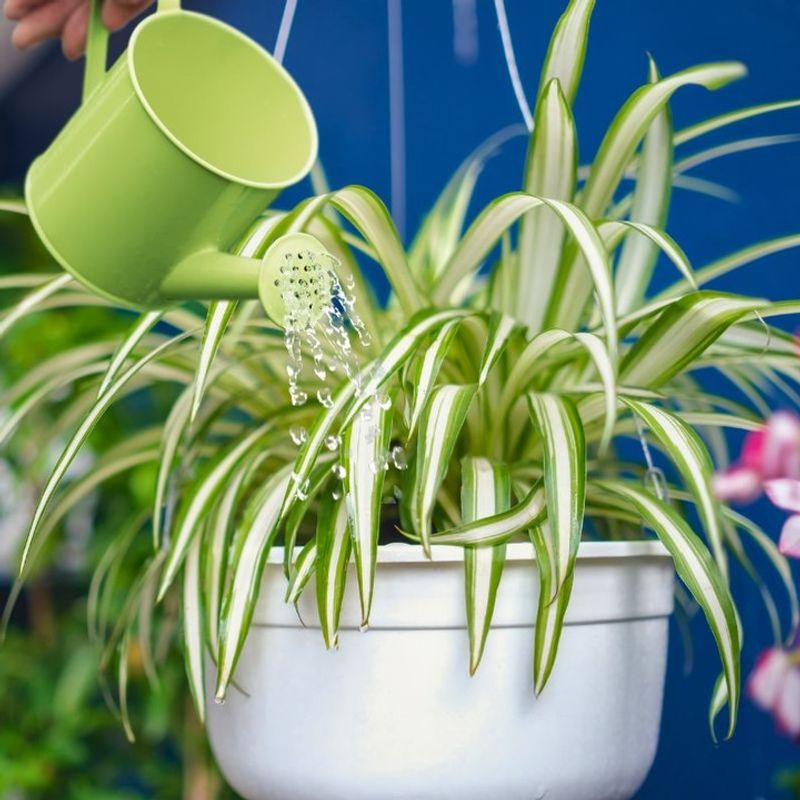
Soggy soil is one of the fastest ways to stall a spider plant’s progress toward flowering. Roots sitting in wet conditions struggle to function properly, and a stressed root system rarely has the resources to push out flower stems.
Getting the watering schedule right makes a bigger difference than most people expect.
Water your spider plant when the top inch or two of soil feels dry to the touch. During Georgia’s hot summers, that might mean watering every five to seven days depending on your pot size, soil mix, and how much light the plant is getting.
In cooler months from late fall through winter, the plant slows down and needs water far less frequently.
Always check before watering rather than following a fixed calendar schedule. Pots near heating vents or sunny windows dry out faster than those in shadier spots.
A pot that felt dry three days ago might still have moisture halfway down if conditions have been cool and cloudy.
Good drainage is non-negotiable. Make sure your pot has drainage holes and that water flows freely out the bottom when you water.
If it pools or drains slowly, the soil mix may be too dense. Adding perlite to a standard potting mix helps improve drainage without much effort.
Spider plants appreciate a brief dry-down period between waterings, and that slight stress can actually encourage the plant to shift toward flowering and runner production rather than just growing more leaves.
4. Use Light Feeding To Support Flower And Runner Growth
Fertilizing a spider plant feels straightforward, but overfeeding is a common mistake that can actually work against flowering. Too much nitrogen pushes the plant toward producing lush, dark green leaves rather than sending energy into flower stems and runners.
Keeping fertilizer light and balanced gives the plant what it needs without tipping things in the wrong direction.
A balanced, water-soluble fertilizer with equal parts nitrogen, phosphorus, and potassium works well. Apply it at half the recommended strength every three to four weeks during spring and summer.
Georgia’s warm growing season from roughly March through September is the best window for feeding. Skipping fertilizer entirely in fall and winter lets the plant rest naturally.
If your tap water in Georgia is fluoridated, be aware that spider plants can be sensitive to fluoride buildup over time. Yellowing leaf tips are sometimes linked to fluoride or salt accumulation from fertilizer rather than a nutrient deficiency.
Flushing the pot thoroughly with plain water every couple of months helps clear out any buildup.
Phosphorus plays a role in root development and flowering, so if your plant has been getting a high-nitrogen fertilizer, switching to one with a slightly higher middle number can help shift its focus. Just avoid dramatic changes all at once.
Small, consistent adjustments over a few weeks tend to produce more reliable results than sudden swaps in feeding routines. Patience with fertilizing pays off more often than aggressive feeding schedules.
5. Keep Temperatures Consistently Warm
Temperature plays a quiet but important role in whether a spider plant decides to bloom.
Georgia’s climate is genuinely helpful here because average indoor temperatures in most parts of the state fall right within the range spider plants prefer, somewhere between 65 and 80 degrees Fahrenheit through most of the year.
Cold drafts are the main thing to watch for. Placing a spider plant near a drafty window or door during Georgia’s winter months, even brief cold snaps in January or February, can slow growth and delay flowering.
Heating vents nearby can also cause rapid temperature swings that stress the plant even if the average temperature seems fine.
Nighttime temperatures that drop slightly cooler than daytime can actually help trigger blooming in some plants, and spider plants respond similarly.
A natural day-to-night temperature shift of around ten degrees is not harmful and may help encourage flower development.
Keeping the plant in a room where you control the thermostat gives you the most consistent results.
Outdoor placement in Georgia works during the warmer months, roughly April through October in most parts of the state. Shaded porches or patios with bright ambient light can be great spots for spider plants to thrive and multiply during that window.
Just bring them back inside before nighttime temperatures start dropping below 55 degrees consistently. Cold exposure below that threshold can cause leaf discoloration and slow the plant’s overall momentum significantly.
6. Allow Runners To Develop Fully Before Cutting
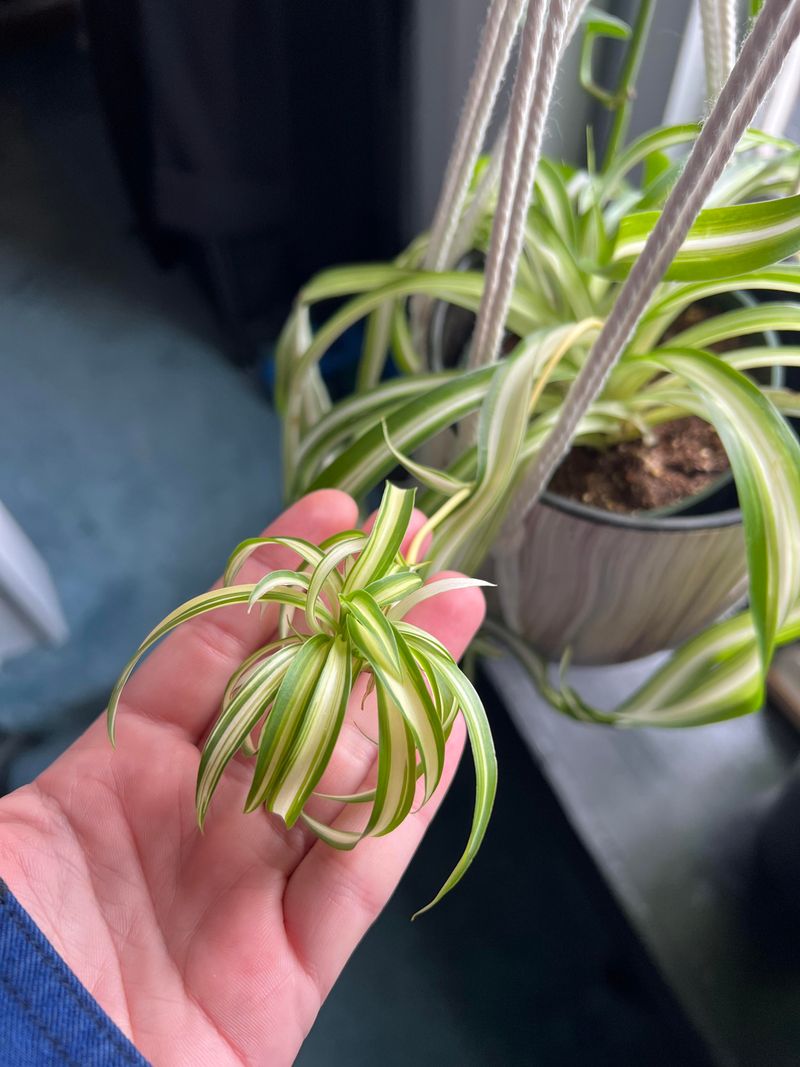
Patience is genuinely the most underrated part of spider plant propagation. Cutting runners too early is one of the most common reasons people end up with plantlets that fail to root well or take weeks longer than expected.
Letting the runners mature fully before you snip anything gives each plantlet a much stronger start.
A runner is ready for propagation when the plantlet at the tip has developed at least three to four small leaves and shows tiny nub-like roots forming at its base. Those little root stubs are the sign you want.
Without them, the cutting has to spend its early energy just developing roots from scratch rather than settling into soil or water and growing.
In Georgia, spider plants tend to push out runners most actively from late spring through summer when light and warmth are at their peak. You might see multiple runners developing at the same time on a healthy, mature plant.
Resist the urge to cut them all at once. Let each one develop at its own pace and harvest them as they become ready rather than on a fixed schedule.
Leaving a runner attached to the parent plant a little longer than necessary is rarely harmful. The parent plant continues feeding the plantlet through the runner, which helps build up stored energy before the separation.
Some gardeners root the plantlet while still attached by placing a small pot of soil beneath it, which gives the cutting an even smoother transition once it is eventually cut free.
7. Root Plantlets In Water Or Soil For Easy Multiplication
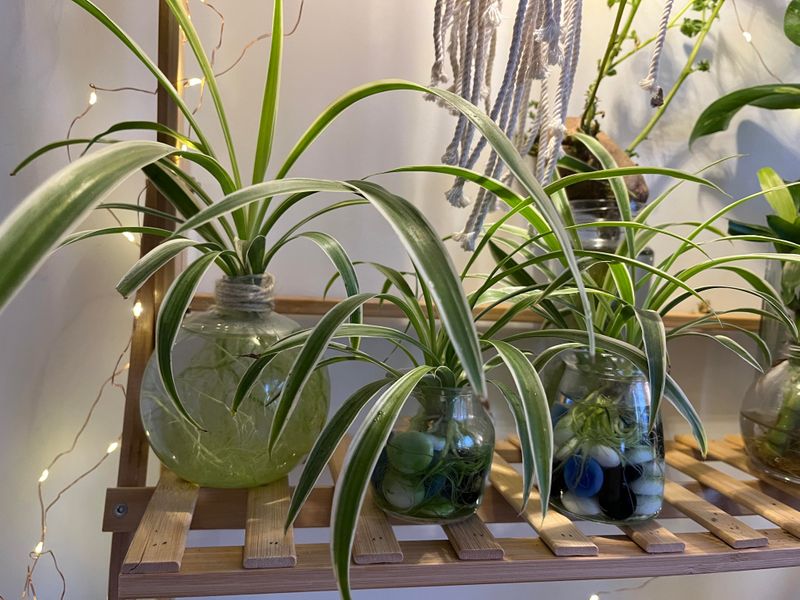
Two reliable methods exist for rooting spider plant cuttings, and both work well depending on what materials you have on hand. Water propagation is easy to monitor because you can watch the roots develop without disturbing the cutting.
Soil propagation tends to produce roots that adapt more quickly once the plant is moved to its permanent container.
For water propagation, place the base of the plantlet in a small glass or jar with enough water to cover just the root nubs without submerging the leaves. Set it in a bright spot away from direct sun and change the water every week to keep it fresh.
Roots usually appear within two to four weeks under warm Georgia indoor conditions. Once roots reach about an inch long, the plantlet is ready to move into soil.
Soil propagation skips the water step entirely. Press the plantlet’s base into moist, well-draining potting mix and keep the soil consistently damp but not soggy for the first few weeks.
Covering the pot loosely with a clear plastic bag can help maintain humidity around the cutting while roots establish. Remove the covering once you see new leaf growth appearing.
Georgia’s warm indoor temperatures from spring through fall support faster rooting compared to cooler climates. A plantlet that might take six weeks to root in a colder northern state can sometimes root in three to four weeks here.
Either method can give you a thriving new plant, and with a healthy parent producing multiple runners each season, your collection can grow steadily over time.