How To Grow A Spilling Wandering Jew Indoors Or Outdoors In Michigan
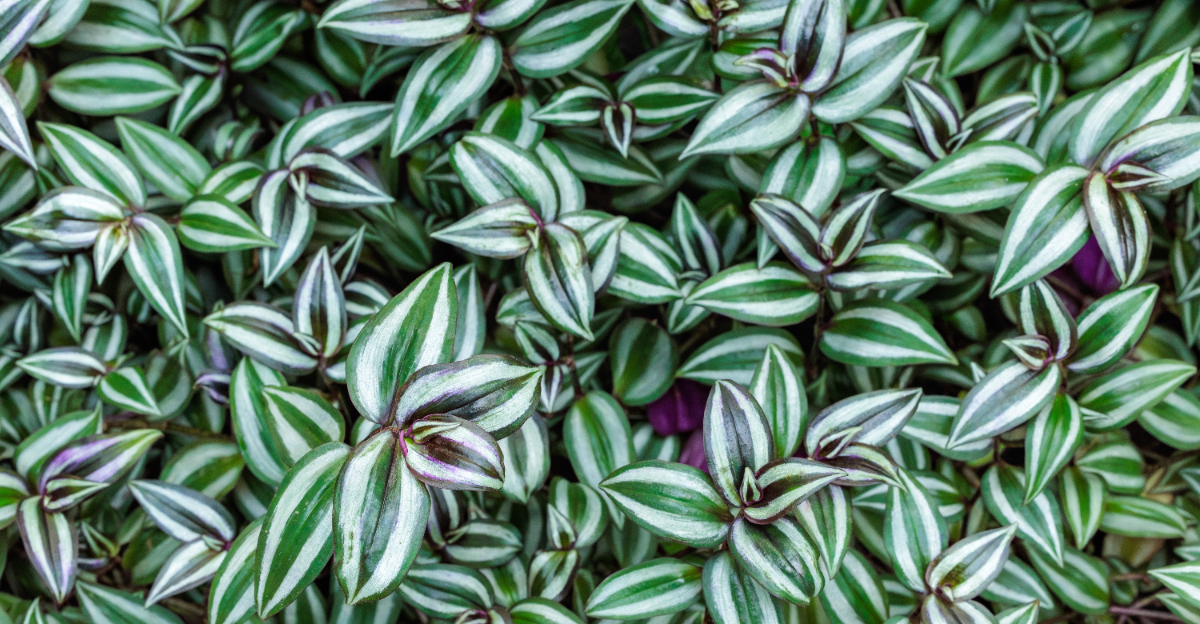
Wandering Jew plants add instant color and flowing beauty to Michigan homes and outdoor spaces. With their trailing stems and vibrant foliage in shades of green, silver, and purple, these eye catching plants bring movement and life wherever they grow.
They adapt easily to both indoor and outdoor conditions, making them a favorite for bright windows, hanging baskets, and porch displays throughout the warmer months.
One of their biggest appeals is how quickly they grow. Given the right light and care, they spill gracefully over containers and shelves, creating a lush, cascading effect that feels full and lively.
Their bold foliage brightens quiet corners, softens hard edges, and adds a natural decorative touch without demanding constant attention.
Whether used indoors year round or outside during Michigan’s growing season, these fast growing plants can turn simple spaces into vibrant, living displays filled with color and texture.
Provide Bright Indirect Light Indoors
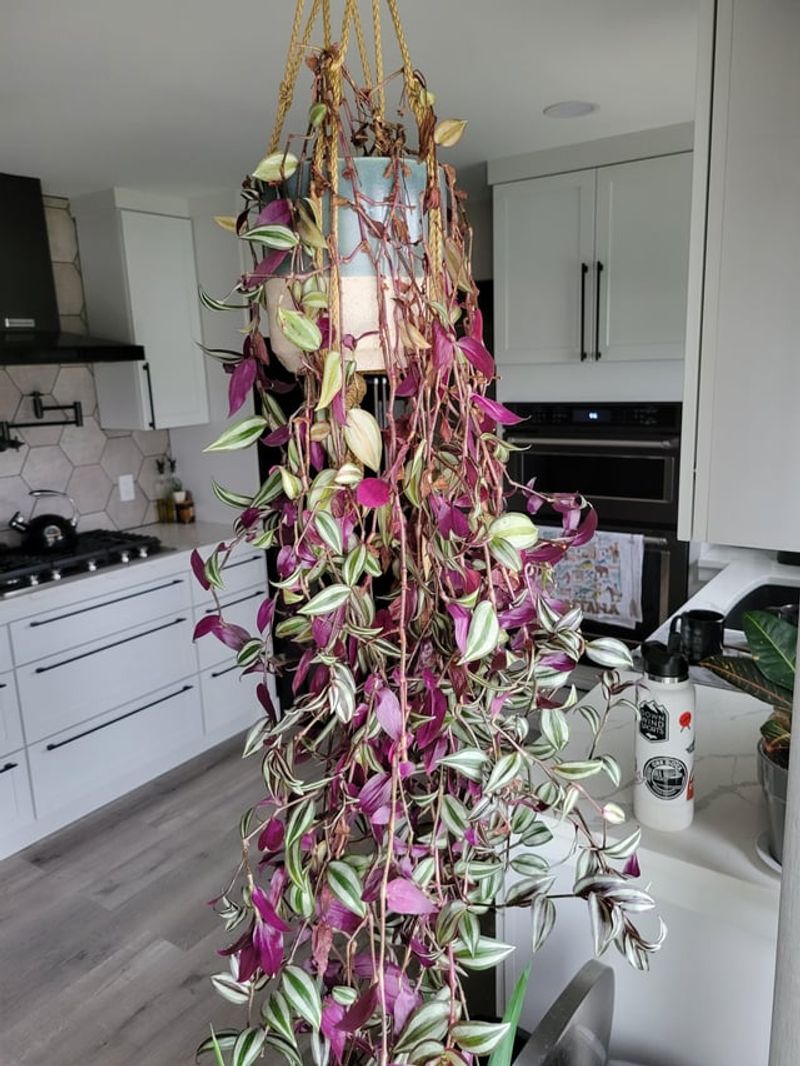
Wandering Jew plants absolutely love bright light but prefer it filtered through curtains or positioned a few feet from windows. Direct sunlight can scorch those beautiful leaves and fade their vibrant purple and silver stripes.
Your Michigan home offers perfect opportunities with east or north-facing windows that provide gentle morning light.
Inside your home, these plants show you exactly what they need through their foliage. When light levels drop too low, the colorful variegation fades and stems stretch out searching for brightness.
You might notice longer spaces between leaves and a leggy appearance that looks sparse rather than full.
Placing your plant about three to five feet from a sunny window works beautifully. You can also use sheer curtains to diffuse harsh afternoon rays while still providing adequate brightness.
Fluorescent or LED grow lights make excellent supplements during Michigan’s darker winter months when natural light becomes scarce.
Rotating your plant every week or so ensures all sides receive equal light exposure. This simple habit prevents lopsided growth and maintains that gorgeous, balanced trailing form.
Watch how quickly your plant responds to good lighting with richer colors and fuller growth that cascades beautifully from containers.
Plant In Well-Draining Potting Mix
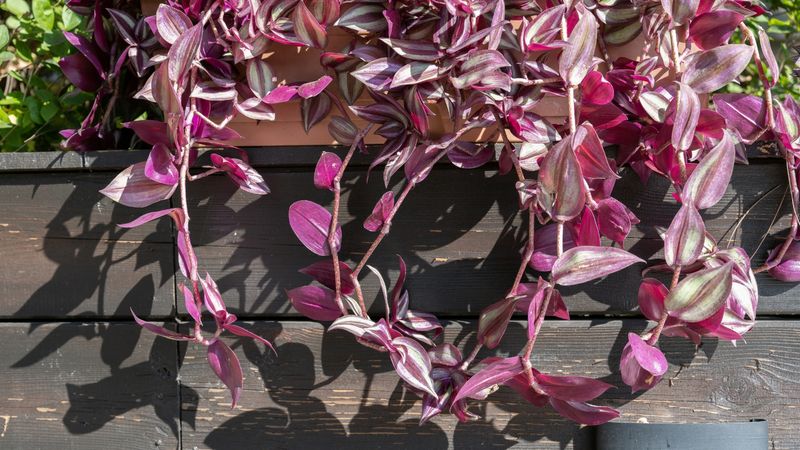
Your potting mix makes all the difference between a thriving plant and one that struggles with root problems. Standard houseplant soil works wonderfully when you add perlite or coarse sand to improve drainage.
Aim for a mixture that holds moisture without becoming waterlogged or compacted over time.
A good ratio starts with two parts quality potting soil to one part perlite or sand. This combination allows water to flow through while retaining enough moisture for roots to absorb.
You can also add a small amount of peat moss or coconut coir to improve texture and water retention.
Containers must have drainage holes at the bottom to prevent water from pooling around roots. Standing water creates an oxygen-poor environment where roots suffocate and rot quickly.
Michigan’s humid summers can intensify these problems, so proper drainage becomes even more critical for outdoor containers.
Repotting every year or two refreshes the soil and gives roots fresh nutrients to support vigorous growth. Spring offers the ideal time for this task when plants enter their active growing phase.
Use a container only slightly larger than the previous one since wandering jew plants actually prefer being somewhat snug in their pots.
Water Consistently But Avoid Overwatering
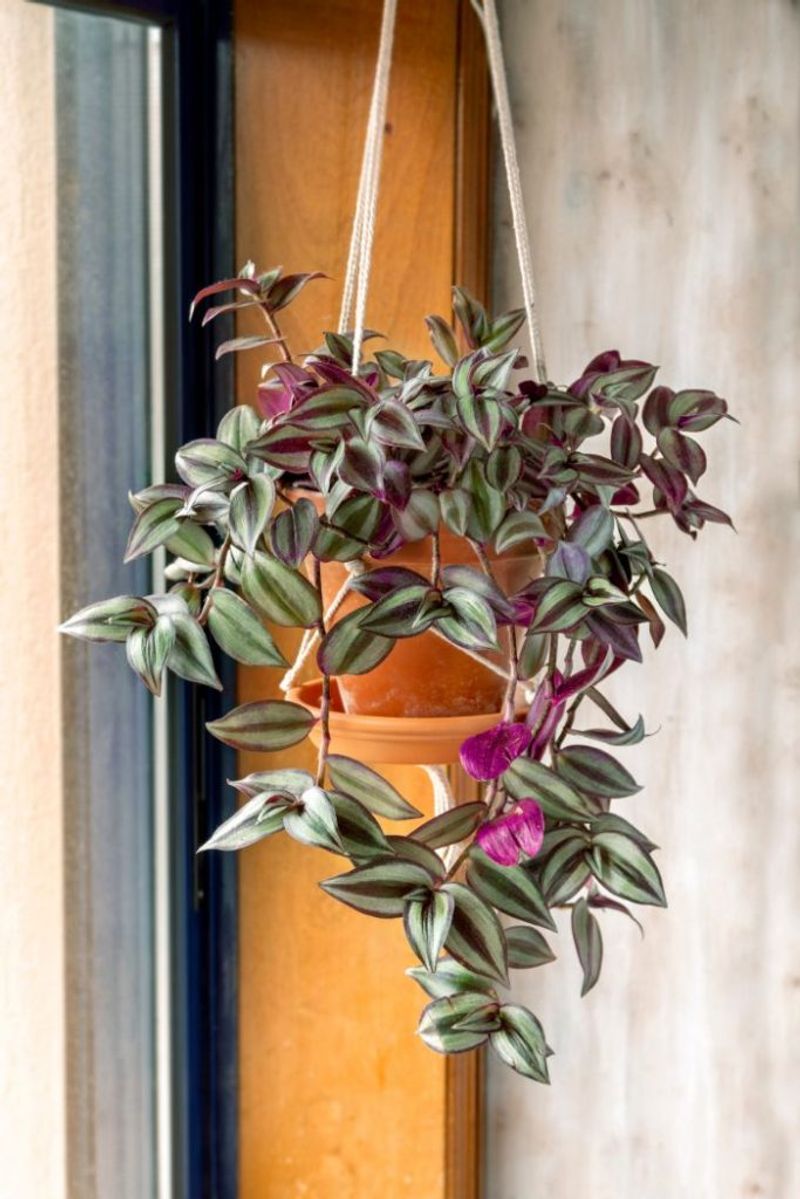
Finding the right watering rhythm keeps your wandering jew healthy and prevents common problems that frustrate gardeners. These plants appreciate consistently moist soil but absolutely hate sitting in soggy conditions.
Touch the top inch of soil with your finger before watering to check if it feels slightly dry.
During Michigan’s warm growing season from May through September, you might water every three to five days depending on temperature and humidity. Indoor plants typically need less frequent watering than outdoor ones exposed to wind and sun.
Your container size also affects how quickly soil dries out, with smaller pots requiring more frequent attention.
When you do water, give the plant a thorough soaking until water flows from drainage holes. This ensures moisture reaches all root zones rather than just wetting the surface.
Empty any water that collects in saucers after fifteen minutes to prevent roots from sitting in standing liquid.
Winter brings slower growth and reduced water needs as plants rest during shorter days. You might stretch watering to once weekly or even less frequently.
Yellow leaves often signal overwatering, while brown crispy edges suggest the soil dried out too much between drinks. Adjust your schedule based on these visual cues your plant provides.
Fertilize During Growing Season
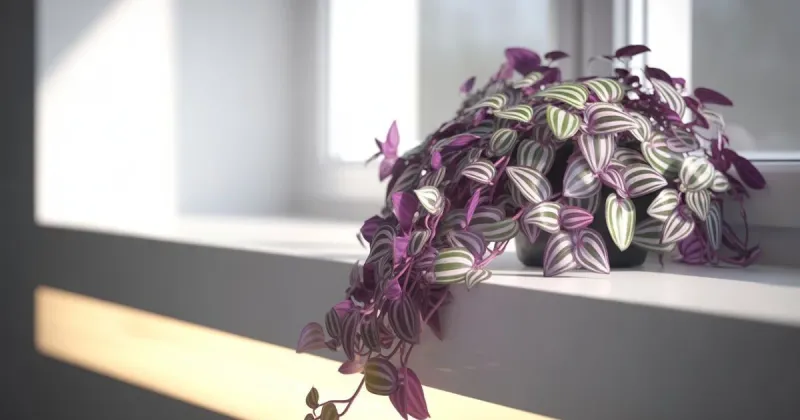
Feeding your wandering jew during active growth periods produces those incredibly vibrant leaf colors and lush trailing stems. A balanced liquid fertilizer diluted to half strength works perfectly when applied every four to six weeks.
Look for formulas with equal ratios like 10-10-10 or 20-20-20 that provide nitrogen, phosphorus, and potassium.
Start fertilizing in April when Michigan’s longer days trigger new growth spurts. Continue through August, then gradually reduce feeding as autumn approaches and growth naturally slows.
This schedule aligns with your plant’s biological rhythms and prevents pushing growth when it should rest.
Always water your plant before fertilizing to protect roots from potential burning caused by concentrated nutrients. Mix fertilizer according to package directions but err on the side of weaker rather than stronger solutions.
These plants prefer gentle, regular feeding over occasional heavy doses that can damage delicate root systems.
Outdoor plants in Michigan’s summer conditions might benefit from slightly more frequent feeding since rain and watering leach nutrients from soil faster. Watch for pale new growth or slower stem development as signs your plant needs more nutrition.
Too much fertilizer shows up as brown leaf tips or salt buildup on soil surfaces that appears as white crusty deposits.
Pinch Or Prune Regularly
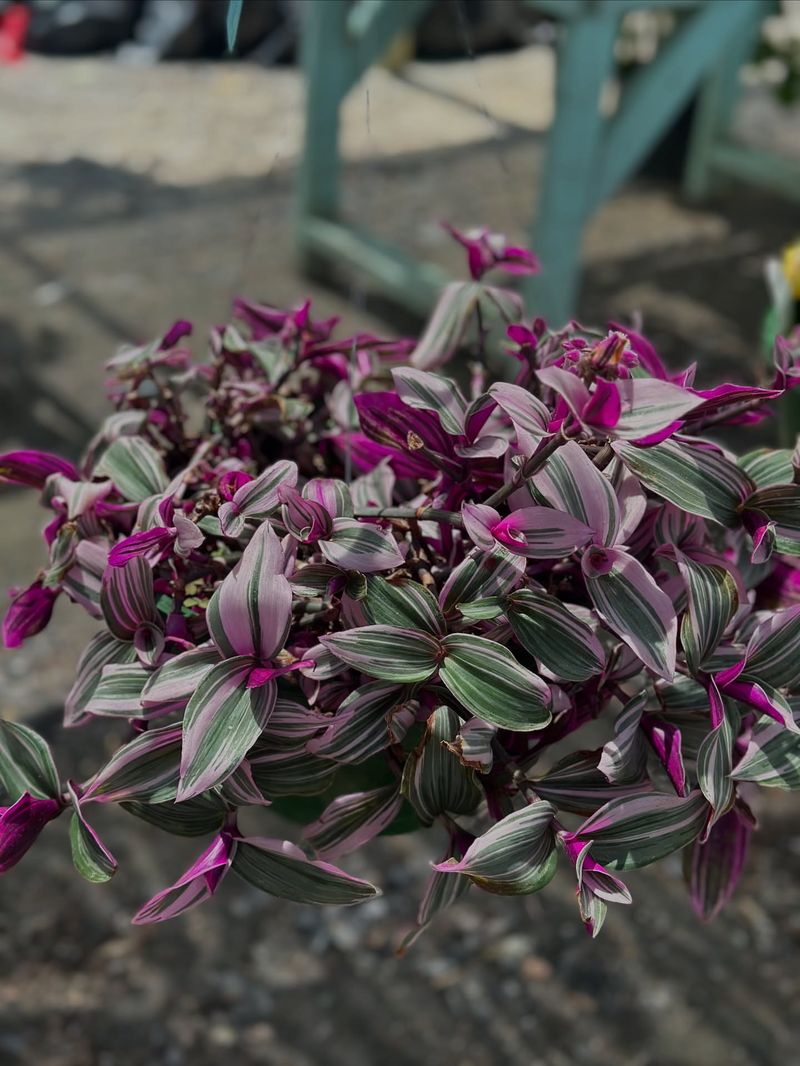
Regular pinching transforms a sparse, leggy plant into a full, gorgeous cascade of colorful foliage. Simply use your fingers or clean scissors to snip off the growing tips where new leaves emerge.
This simple action redirects energy into side shoots that create that desirable bushy, spilling appearance.
Start pinching when stems reach about six inches long and continue throughout the growing season. Remove just the top inch or two of each stem, cutting right above a leaf node where new growth originates.
Within weeks, you’ll notice multiple stems branching from where you made cuts, doubling or tripling your plant’s fullness.
Those cuttings you remove don’t need to go to waste at all. Stick them in water or moist soil to start new plants that root incredibly quickly.
This means free plants to expand your collection or share with friends who admire your gorgeous trailing displays.
Pruning also removes any stems that look stretched out or have lost their vibrant coloring from insufficient light. Michigan winters often cause some legginess that you can correct with spring pruning.
Cut back up to one-third of the plant if needed to encourage fresh, compact growth that looks healthy and attractive rather than straggly.
Use Hanging Baskets Or Spilling Containers
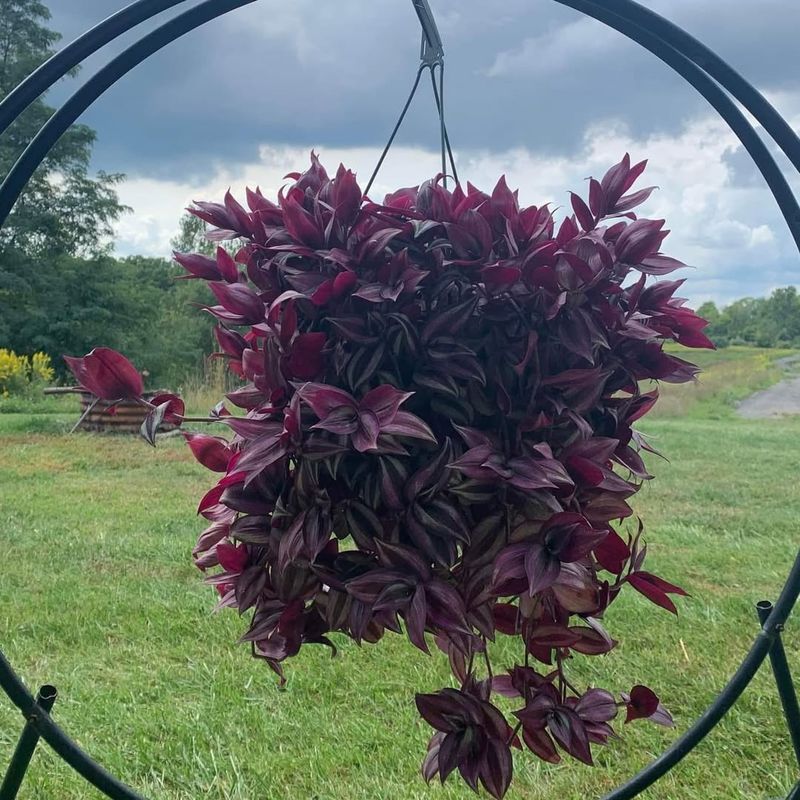
Hanging baskets showcase wandering jew plants at their absolute best by letting those gorgeous stems cascade freely downward. Choose containers with sturdy hooks and hangers since mature plants become surprisingly heavy when soil stays moist.
Wire baskets lined with coconut fiber or plastic pots with attached hangers both work beautifully for these trailing beauties.
Position baskets where you can admire the plant from below and where it receives appropriate light without blocking pathways. Porches, patios, and covered outdoor areas in Michigan make perfect summer homes for these tropical plants.
Indoors, hang baskets near windows or from ceiling hooks in rooms with adequate brightness.
Elevated containers like plant stands or tall shelves also display the spilling habit wonderfully without requiring ceiling installation. The stems naturally grow downward and outward, creating living curtains of purple, green, and silver foliage.
Make sure containers have adequate drainage since hanging plants can be tricky to water without creating drips.
Consider the mature size when selecting basket dimensions, starting with containers at least eight to ten inches in diameter. Smaller pots dry out too quickly and limit root space for vigorous growth.
You can plant multiple cuttings in one basket for instant fullness rather than waiting for a single plant to fill the space gradually over months.
Propagate Easily From Stem Cuttings
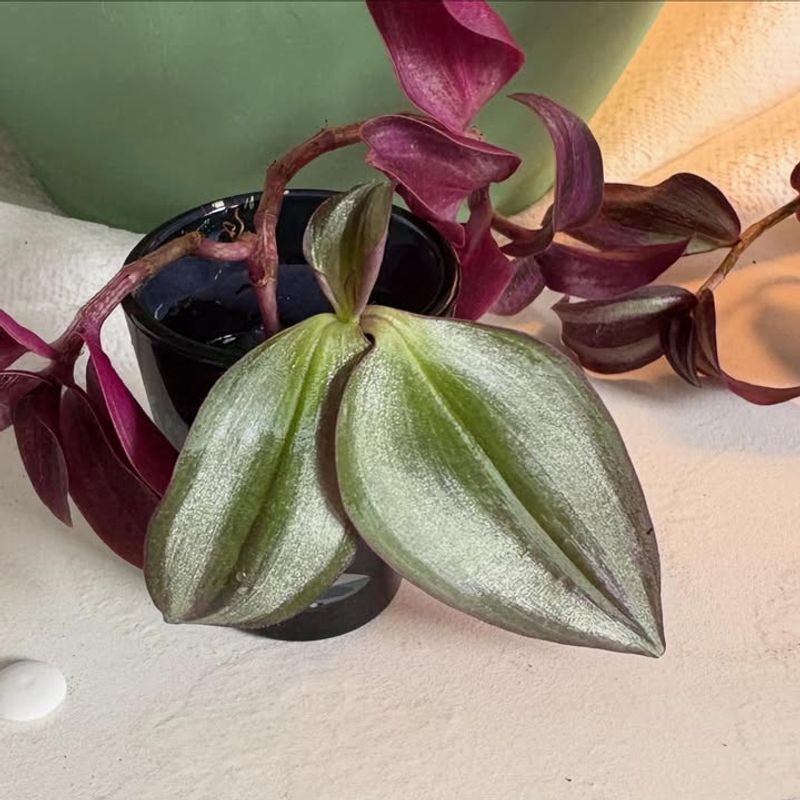
Propagating wandering jew ranks among the easiest plant projects you can tackle with nearly guaranteed success. Cut healthy stems about four to six inches long just below a leaf node where roots naturally emerge.
Remove the bottom leaves so only bare stem sits in water or soil while upper leaves remain to photosynthesize.
Place cuttings in a clear glass or jar filled with room-temperature water where you can watch roots develop over two to three weeks. Change the water every few days to keep it fresh and oxygenated.
Roots typically appear as small white bumps that gradually elongate into thread-like structures reaching through the water.
You can also stick cuttings directly into moist potting mix for equally successful results. Keep the soil consistently damp but not soggy while roots establish over the next few weeks.
Covering cuttings with a clear plastic bag creates humidity that encourages faster rooting, though it isn’t strictly necessary for these vigorous plants.
Spring through early summer offers the best propagation timing when plants grow most actively. However, wandering jew cuttings root so reliably that you can propagate almost any time of year with decent success.
This makes replacing older plants or expanding your collection incredibly simple and cost-free throughout Michigan’s growing season.
Provide Frost Protection Outdoors
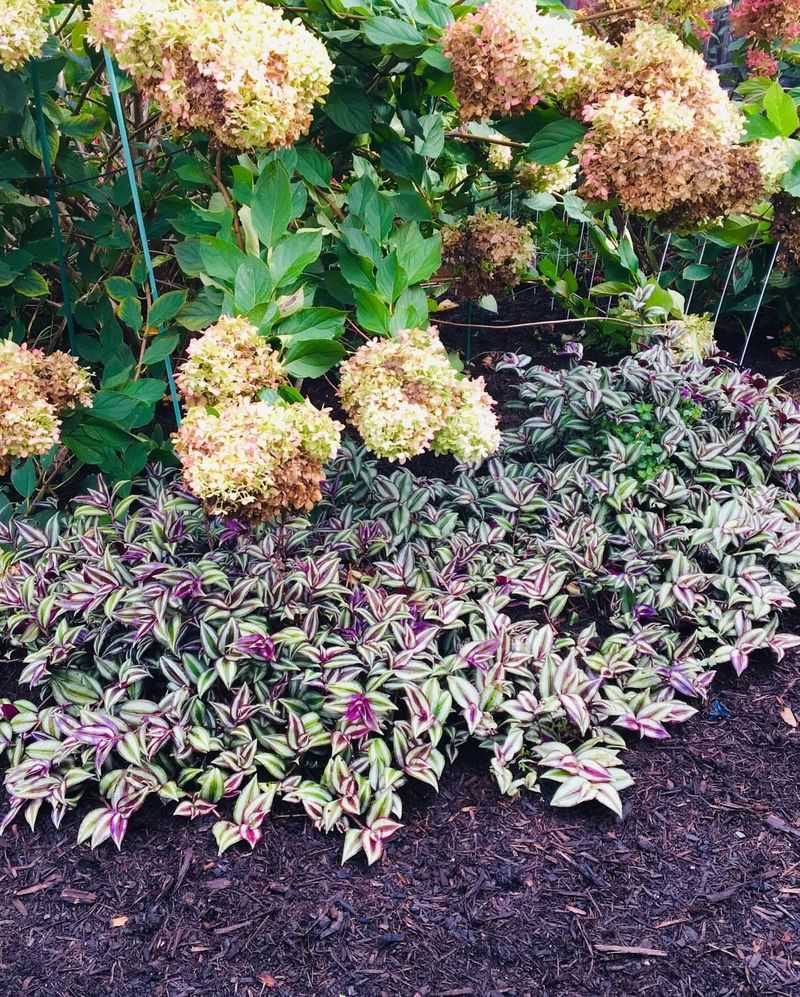
Michigan’s cold winters spell certain trouble for frost-tender wandering jew plants left outdoors past October. These tropical natives cannot survive freezing temperatures and will quickly succumb when frost arrives.
Planning ahead ensures your beautiful plants survive to thrive again next spring rather than becoming casualties of cold weather.
Monitor weather forecasts starting in late September and be ready to move container plants indoors before overnight temperatures drop below forty degrees. Even a light frost can damage foliage and weaken plants significantly.
Bringing them inside to a bright location allows them to continue growing slowly through winter months.
If you planted wandering jew directly in garden beds during summer, take cuttings in late August to root indoors as insurance plants. These cuttings establish easily and provide replacements if you can’t save the parent plant.
Container growing offers much more flexibility for Michigan gardeners who want to enjoy these plants outdoors seasonally.
Create a transition period by moving plants to a sheltered porch or garage for a few days before bringing them fully indoors. This helps them adjust gradually to lower light and drier indoor air.
Check carefully for any pests that might have hitched a ride outdoors and treat before bringing plants inside where problems can spread to other houseplants.
Control Pests With Safe Practices
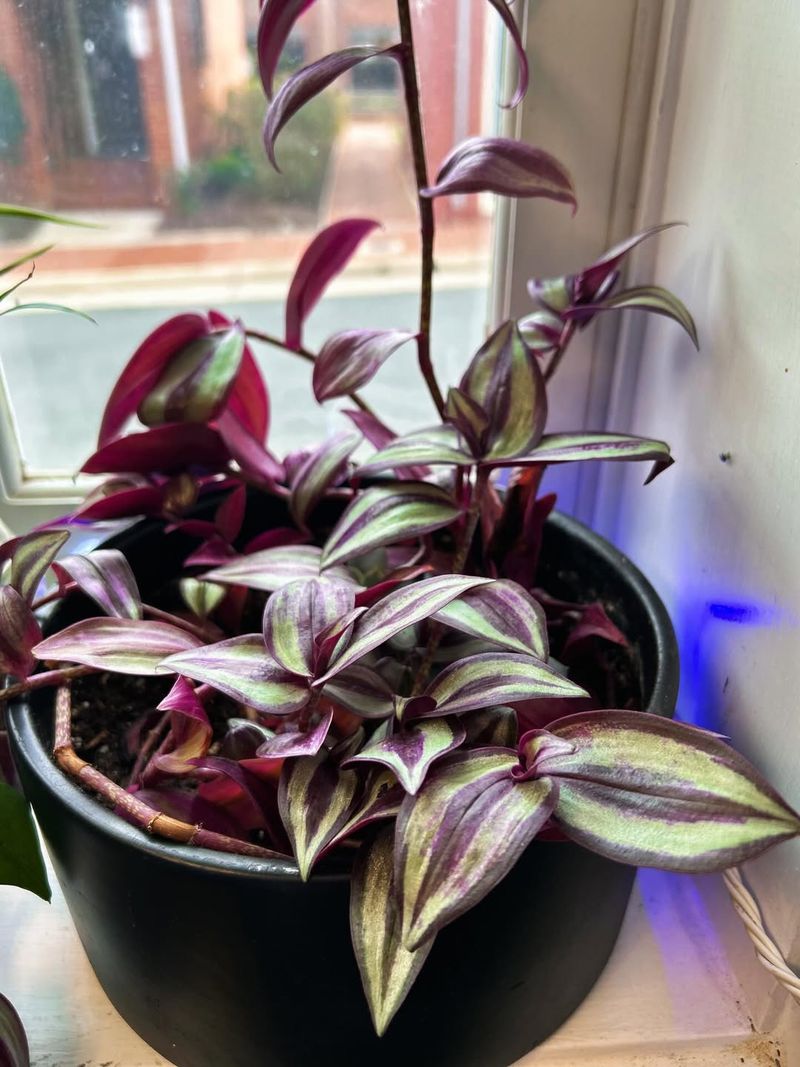
Healthy wandering jew plants rarely face serious pest problems, but spider mites and aphids occasionally appear when conditions favor them. Inspect your plants regularly by checking undersides of leaves where these tiny invaders typically hide.
Early detection makes control much easier before populations explode and cause visible damage.
Spider mites leave fine webbing and cause stippled, pale spots on leaves that eventually turn brown. These microscopic pests thrive in hot, dry conditions common in heated Michigan homes during winter.
Increasing humidity around plants and misting foliage regularly helps prevent infestations before they start.
Aphids appear as small green, brown, or black insects clustered on new growth and stem tips. They suck plant juices and leave behind sticky honeydew that attracts mold.
A strong spray of water often dislodges these soft-bodied pests effectively without requiring any chemical treatments.
Insecticidal soap provides safe, effective control for both pests when populations get out of hand. Mix according to label directions and spray thoroughly, covering all leaf surfaces including undersides where pests hide.
Repeat applications every five to seven days until you see no more pests. Maintaining good air circulation and avoiding overcrowding plants also reduces pest pressure naturally throughout the year.
Rotate Plants Occasionally
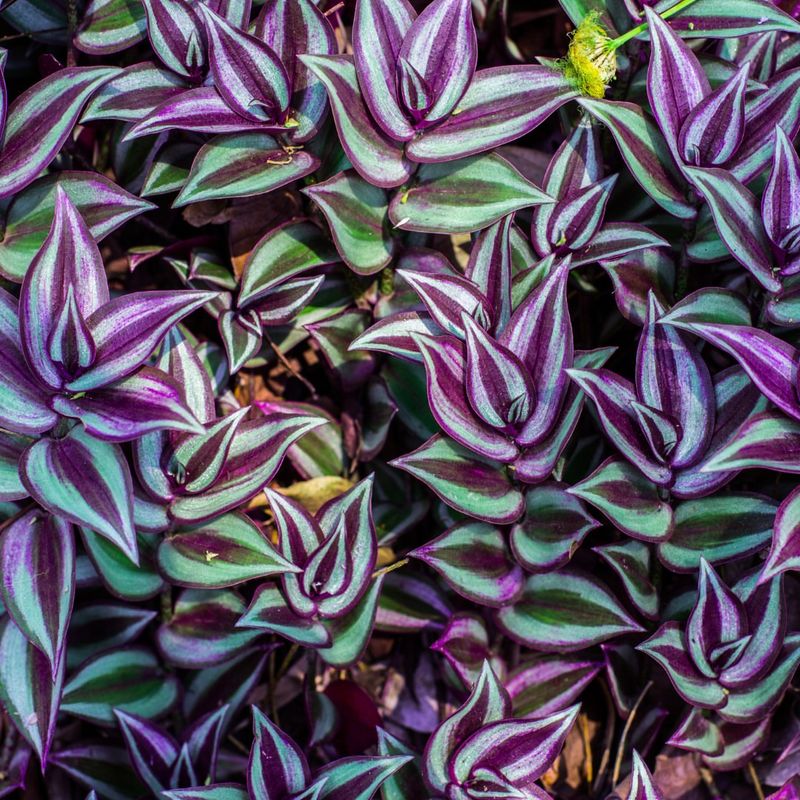
Rotating your wandering jew every week or two promotes balanced growth and prevents stems from permanently leaning toward the strongest light source.
Plants naturally grow toward brightness through a process called phototropism that causes uneven development when containers stay stationary.
A quick quarter turn during regular watering sessions takes just seconds but makes a noticeable difference.
Without rotation, the side facing away from windows becomes sparse and leggy while the light-facing side grows full and vibrant. This creates an unbalanced appearance that looks less attractive than plants with uniform growth all around.
Hanging baskets especially benefit from rotation since viewers see them from multiple angles.
Mark your pot with a small piece of tape or a marker dot to help remember which direction to turn next. Consistent rotation in the same direction prevents confusion about whether you’ve already turned the plant this week.
This simple system ensures every section receives equal light exposure over time. Michigan’s seasonal light changes affect how quickly plants lean toward windows, with winter months showing more dramatic responses due to lower light angles.
You might need to rotate more frequently during December through February when sun stays lower in the sky.
Watch your plant’s growth pattern and adjust rotation frequency based on how quickly you notice directional growth developing between turns.