How To Grow A Strong Jade Plant In California
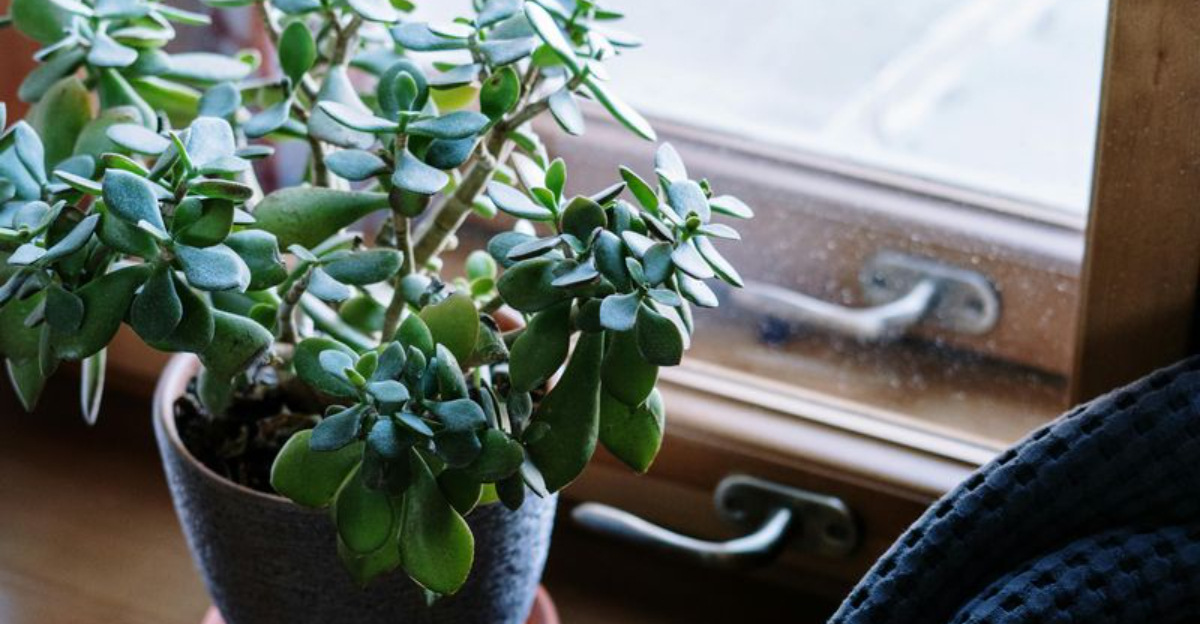
If you’re a California gardener looking for a hardy, low-maintenance plant that still makes a big impact, the jade plant might be just what you need.
Known for its thick, glossy leaves and tree-like shape, the jade plant is a popular choice for both beginners and experienced plant lovers.
And while it’s often kept as a houseplant, California’s mild climate makes it possible to grow a strong, healthy jade plant outdoors too, if you know the right steps to take.
The key to growing a thriving jade plant in California is giving it the right mix of sunlight, drainage, and occasional attention.
These succulents love bright light, but too much intense afternoon sun can scorch their leaves, especially in hotter parts of the state.
They also hate soggy roots, so well-draining soil and pots with drainage holes are a must.
With just a little care and smart placement, your jade plant can grow into a bold, sculptural feature that adds charm and greenery to your space all year long.
1. Choose The Right Soil Mix For Optimal Drainage
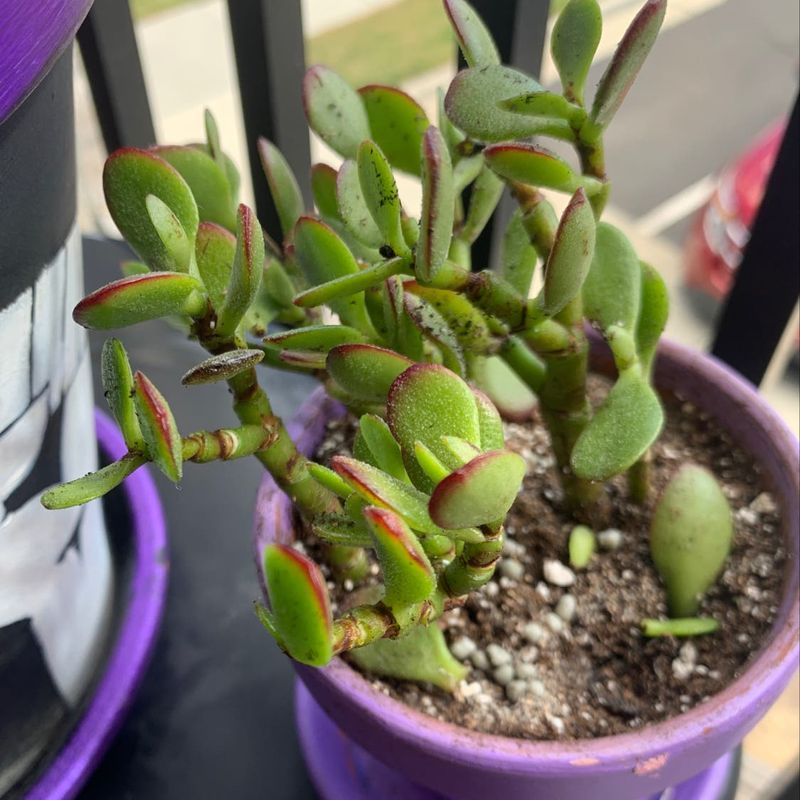
Your jade plant’s foundation starts with the soil you choose, and this decision can make or break your success.
Jade plants are succulents, which means they store water in their leaves and stems, so they absolutely hate sitting in soggy soil.
Standard potting soil holds too much moisture and can lead to root rot, which is one of the most common problems jade plant owners face in California.
Instead, you need a well-draining mix that allows excess water to flow through quickly while still providing enough nutrients for healthy growth.
Creating the perfect soil mix is easier than you might think.
Combine regular potting soil with coarse sand, perlite, or pumice in equal parts to improve drainage.
You can also purchase pre-made cactus or succulent soil from your local garden center, which is specifically designed for plants like jade that need excellent drainage.
Many California gardeners add extra perlite even to commercial succulent mixes to ensure the soil stays loose and airy.
The texture of your soil should feel gritty rather than dense or clay-like.
When you water your jade plant, you should see water flowing through the drainage holes within seconds, not pooling on top or taking minutes to absorb.
Testing your soil mix before planting is a smart move.
Simply water it in the pot and watch how quickly the water drains.
If it takes more than a few seconds, add more perlite or sand.
California’s warm climate means soil can dry out faster outdoors than indoors, so adjust your mix based on where you plan to keep your jade plant for the best results.
2. Master The Art Of Watering Without Overdoing It
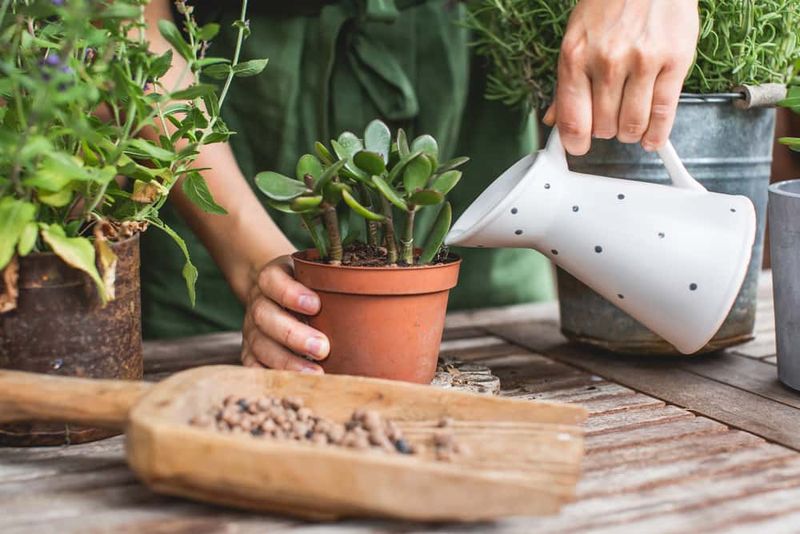
Watering a jade plant seems simple, but it’s actually where most people run into trouble.
These succulents are built to survive drought conditions, storing water in their thick leaves for times when rain is scarce.
In California, where many regions experience dry spells and low humidity, jade plants feel right at home.
However, giving them too much water is the fastest way to cause problems.
Overwatering leads to mushy stems, yellowing leaves, and root issues that can seriously weaken your plant.
The secret to watering jade plants is to let the soil dry out completely between waterings.
Stick your finger about two inches into the soil, and if it feels dry, it’s time to water.
During California’s hot summer months, this might mean watering every week or two, depending on your location and whether your plant is indoors or outdoors.
In cooler months, jade plants go into a semi-dormant state and need even less water, sometimes only once a month or less.
When you do water, give your jade plant a thorough soaking until water runs out of the drainage holes.
This encourages deep root growth and ensures the entire root system gets moisture.
Empty any water that collects in the saucer beneath the pot, as jade plants should never sit in standing water.
California’s coastal areas with higher humidity may require less frequent watering than inland valleys where the air is drier.
Pay attention to your plant’s leaves as well.
If they start to wrinkle or look shriveled, your jade needs water.
Plump, firm leaves indicate your watering schedule is just right.
3. Provide Plenty Of Bright, Indirect Sunlight

Sunlight is like fuel for your jade plant, powering the photosynthesis that keeps it growing strong and healthy.
In California, sunshine is abundant, which is fantastic news for jade plant lovers.
These succulents naturally grow in sunny, warm climates, so they thrive when they receive several hours of bright light each day.
However, there’s a balance to strike.
Too little light causes leggy, weak growth with pale leaves, while too much direct sun, especially harsh afternoon rays, can scorch the leaves and leave brown, crispy patches.
The ideal spot for a jade plant in California is near a south-facing or east-facing window if you’re growing it indoors.
This position provides bright, indirect light for most of the day without the intense heat of direct afternoon sun.
If you’re growing your jade outdoors, morning sun is perfect, but provide some shade during the hottest part of the day, especially in inland California regions where summer temperatures soar.
Coastal areas with milder climates can often handle more direct sun without problems.
Watch your jade plant’s leaves for clues about its light conditions.
Deep green, compact growth with leaves close together on the stems indicates your plant is getting just the right amount of light.
If the stems start stretching out with lots of space between leaves, your jade needs more sun.
Red or bronze tinges on the leaf edges are normal and actually a sign of healthy sun exposure, but white or brown patches mean sunburn.
Moving your plant gradually to brighter spots helps it adjust without shock.
California’s year-round growing season means your jade can stay in its sunny spot all year, just watch for seasonal changes in sun intensity and adjust placement as needed.
4. Select The Perfect Container With Proper Drainage
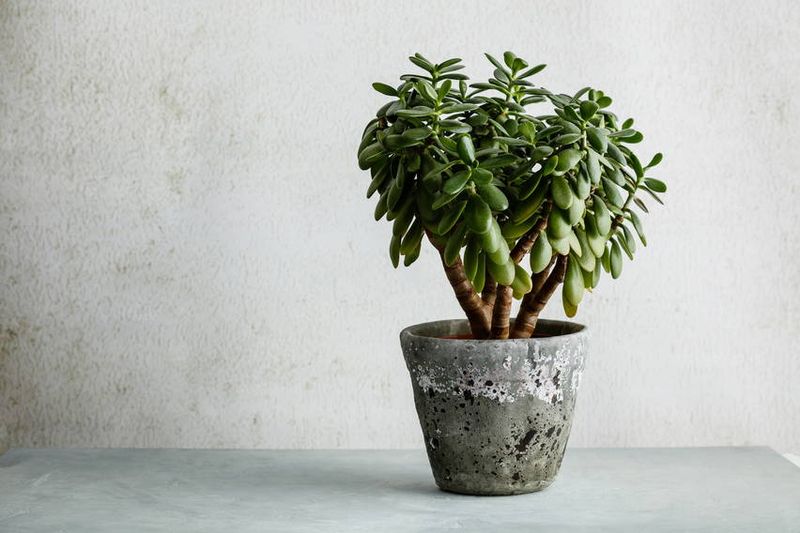
The pot you choose for your jade plant matters more than you might realize.
Container selection affects everything from how often you need to water to how well your plant’s roots can grow.
Jade plants develop shallow but extensive root systems, so they need pots that provide stability while also allowing excess moisture to escape quickly.
In California’s climate, where temperatures and humidity levels vary widely depending on your location, having the right container helps you maintain consistent growing conditions.
Drainage holes are absolutely essential for jade plant containers.
Without them, water accumulates at the bottom of the pot, creating a soggy environment that jade roots cannot tolerate.
Look for pots with at least one large drainage hole or several smaller ones.
Terracotta and unglazed ceramic pots are excellent choices for jade plants because they’re porous, allowing air and moisture to pass through the walls.
This extra breathability helps prevent overwatering issues, which is especially helpful for beginners.
Plastic pots work too, but they hold moisture longer, so you’ll need to adjust your watering schedule accordingly.
Size matters when selecting a jade plant container.
Choose a pot that’s only slightly larger than your plant’s root ball, typically one to two inches wider in diameter.
Oversized pots hold too much soil and moisture, increasing the risk of root problems.
As your jade grows, you can repot it into progressively larger containers every two to three years.
Many California gardeners prefer heavier pots like terracotta or ceramic because jade plants can become top-heavy as they mature, and a sturdy base prevents tipping.
If you’re keeping your jade outdoors in California’s windy coastal areas, a heavier pot provides extra stability during gusty conditions.
5. Fertilize Sparingly During The Growing Season
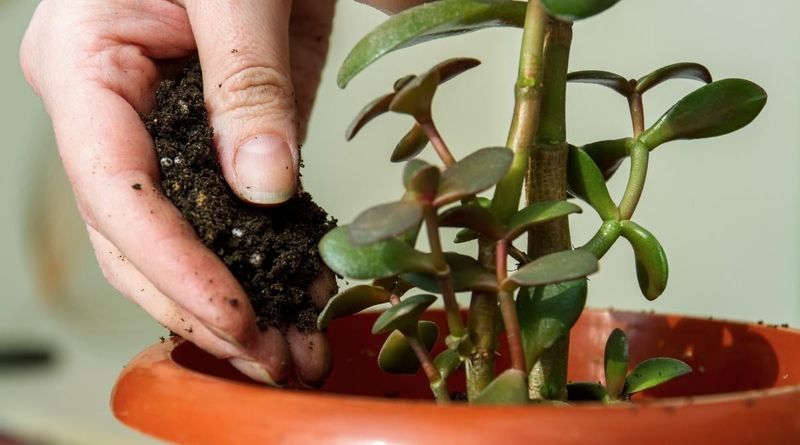
Jade plants aren’t heavy feeders, which makes them wonderfully low-maintenance compared to many other houseplants.
In their native habitats, these succulents grow in rocky, nutrient-poor soil, so they’ve adapted to thrive without constant fertilization.
However, providing some nutrients during the active growing season helps your jade plant develop stronger stems, lusher leaves, and more vibrant color.
California’s long growing season, which often extends from spring through early fall, gives you plenty of time to support your plant’s growth with occasional feeding.
The key to fertilizing jade plants is moderation.
Use a balanced, water-soluble fertilizer formulated for succulents or cacti, diluted to half the recommended strength.
Feed your jade plant once a month during spring and summer when it’s actively growing.
In California’s coastal regions where temperatures stay mild year-round, you might extend feeding into early fall.
Inland areas with hotter summers might require slightly more frequent feeding to support growth during peak growing months.
Always apply fertilizer to moist soil, never dry, as this prevents root burn and helps nutrients distribute evenly.
Stop fertilizing completely during fall and winter when jade plants naturally slow down their growth.
During these cooler months, even in California’s mild climate, your plant enters a rest period and doesn’t need extra nutrients.
Over-fertilizing causes more harm than good, leading to weak, leggy growth and salt buildup in the soil.
If you notice white crust forming on the soil surface or around the pot rim, this indicates excess fertilizer salts.
Flush the soil with plain water several times to remove buildup.
Organic options like diluted compost tea also work well for jade plants and provide gentle nutrition without the risk of chemical buildup.
6. Protect Your Plant From Temperature Extremes
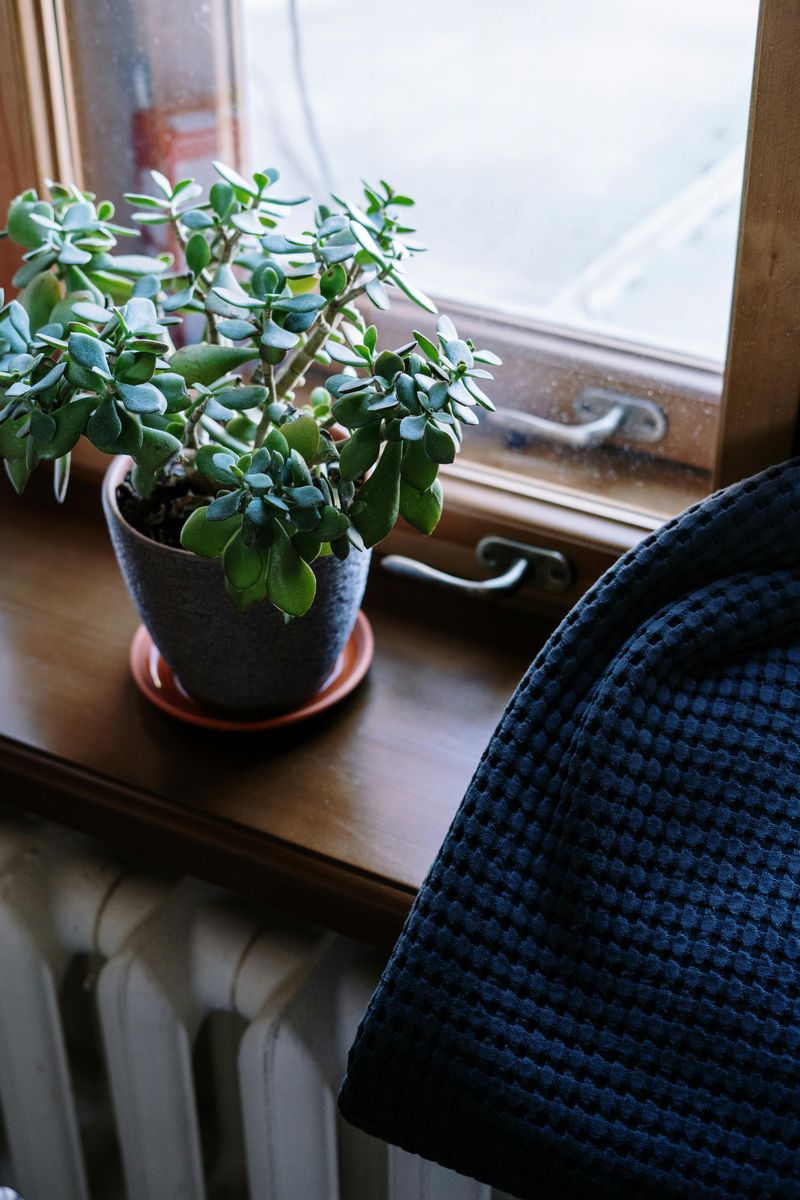
Temperature plays a crucial role in keeping your jade plant healthy and thriving.
These succulents prefer warm conditions similar to their native South African climate, making California an ideal location for growing them.
Jade plants are comfortable in temperatures between 65 and 75 degrees Fahrenheit during the day, with slightly cooler nights.
California’s Mediterranean climate naturally provides these conditions for much of the year, which is why jade plants do so well throughout the state.
While jade plants love warmth, they can’t tolerate frost or freezing temperatures.
If you’re growing your jade outdoors in California, pay attention to winter weather forecasts.
Coastal areas rarely experience frost, so outdoor jade plants can often stay outside year-round.
However, inland valleys and mountain regions can get cold enough to damage or even destroy jade plants.
When temperatures are predicted to drop below 40 degrees Fahrenheit, bring your jade indoors or cover it with frost cloth.
Even a few hours of freezing weather can cause severe damage to the water-filled leaves and stems.
On the other end of the spectrum, extremely hot conditions can also stress jade plants.
During California’s heat waves, especially in desert and valley regions where temperatures can exceed 100 degrees, provide some afternoon shade for your jade.
Indoor plants should be kept away from heating vents and air conditioning units, as sudden temperature fluctuations cause stress.
If you’re moving a jade plant from indoors to outdoors for the summer, do it gradually over a week or two, allowing the plant to acclimate to the temperature change.
This prevents shock and helps your jade adjust smoothly to its new environment.
7. Prune Regularly To Encourage Bushy, Strong Growth
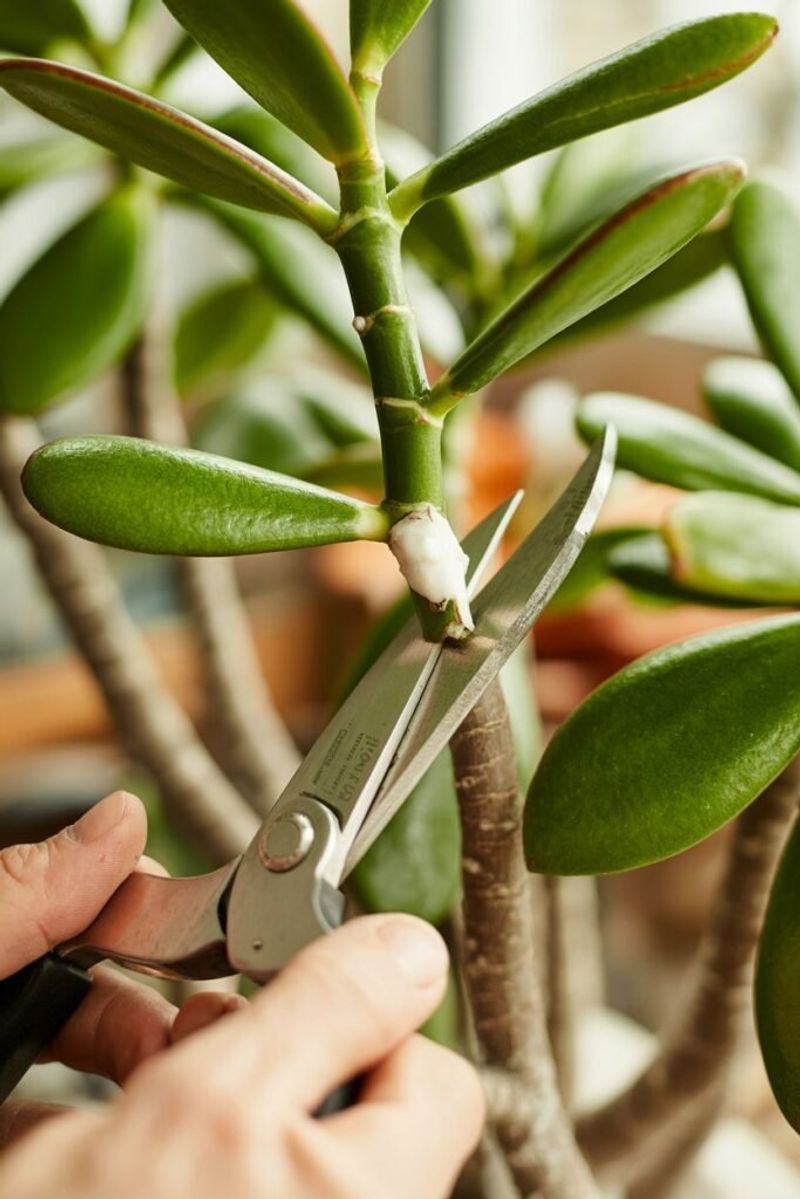
Pruning might seem intimidating if you’re new to jade plant care, but it’s actually one of the best things you can do to keep your plant looking its best.
Regular pruning encourages branching, which creates a fuller, bushier appearance rather than a tall, leggy plant with sparse foliage.
In California’s favorable growing conditions, jade plants can grow quite vigorously, so occasional trimming helps maintain an attractive shape and manageable size.
Pruning also removes any damaged or unhealthy growth, keeping your plant strong and disease-free.
The best time to prune your jade plant is during the active growing season in spring or early summer.
This timing allows the plant to quickly heal and produce new growth where you made cuts.
Use clean, sharp scissors or pruning shears to make cuts just above a leaf node, which is where leaves attach to the stem.
This is where new branches will emerge, creating that desirable bushy look.
You can prune up to one-third of the plant at a time without causing stress.
California’s long growing season means your jade will bounce back quickly from pruning and fill in beautifully.
Don’t throw away the pieces you remove during pruning.
Jade plants are incredibly easy to propagate from cuttings, and California’s climate makes this process even simpler.
Let the cut ends dry for a few days until they form a callus, then plant them in well-draining soil.
Within a few weeks, you’ll have new baby jade plants to expand your collection or share with friends.
Regular pruning also helps control the size of your jade if you’re growing it indoors with limited space.
Shape your plant as it grows to create the form you want, whether that’s a miniature tree or a compact, rounded shrub.