How To Grow A Thriving Salad Garden In Arizona During January Without Frost Damage
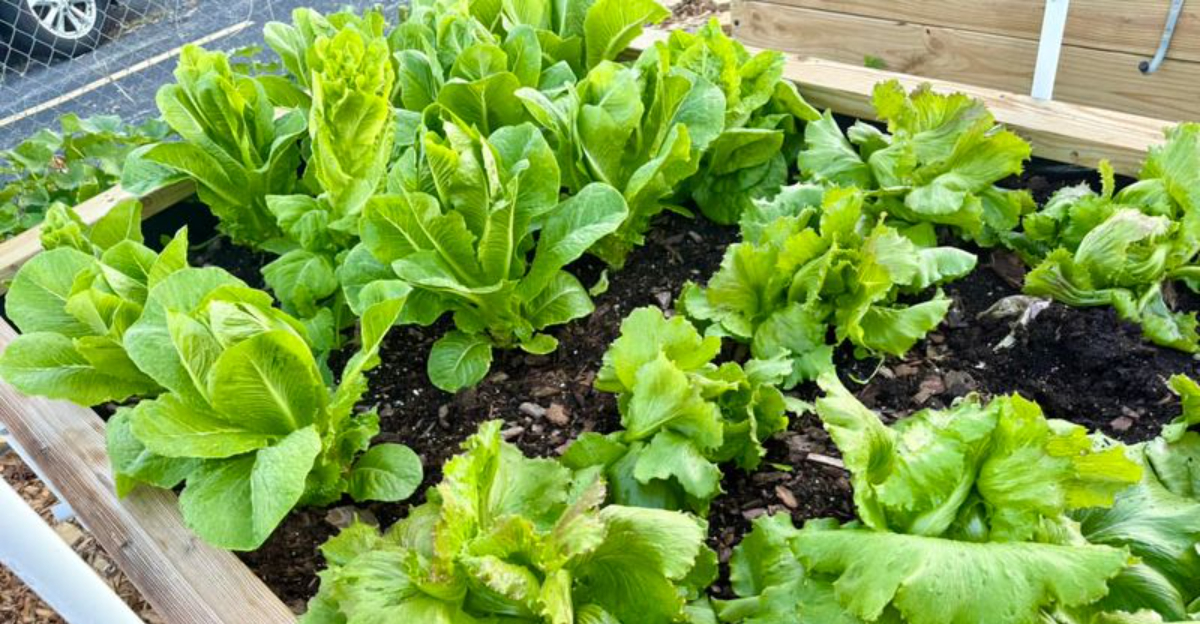
Growing fresh salad greens in Arizona during January might sound risky, but it’s easier than most people think. With the right approach, cool winter days can actually work in your favor.
Enjoy crisp, homegrown salads even when cold nights roll in. Arizona’s winter sun, combined with smart planting and simple protection methods, creates perfect conditions for leafy greens to thrive.
Turn your backyard into a winter salad factory that keeps producing all month long. Instead of relying on store-bought produce, you can harvest fresh lettuce, spinach, and herbs right outside your door.
Keep your plants safe from frost while boosting growth at the same time. Grow more food in less space with simple techniques that really work.
Once you understand how to manage temperature swings and soil moisture, your January garden can stay productive, healthy, and surprisingly abundant.
1. Choose Cold-Hardy Salad Varieties That Tolerate Arizona’s Winter Nights
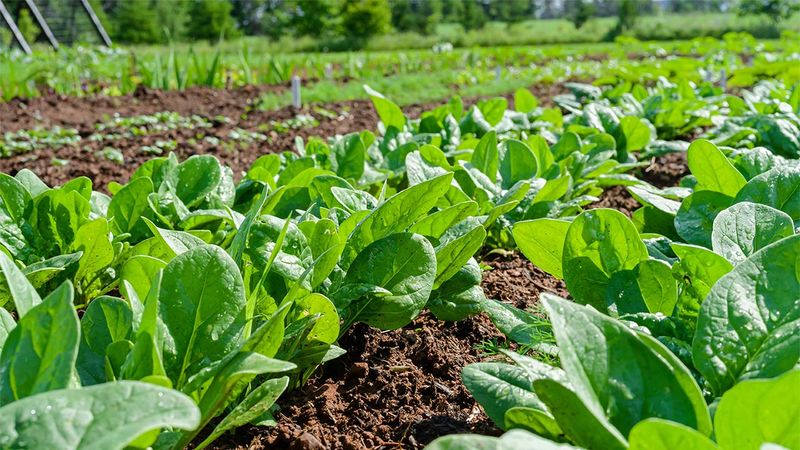
Not all salad greens are created equal when it comes to handling chilly Arizona nights in January. Selecting varieties bred specifically for cold tolerance gives your garden a huge advantage from the start.
Leafy greens like spinach, kale, and arugula naturally handle temperature drops much better than delicate summer lettuces.
Buttercrunch lettuce stands out as a champion performer in Arizona winter gardens because it can bounce back from light frost exposure. Romaine varieties also show impressive resilience when temperatures dip into the low thirties.
Mizuna, an Asian green with a mild mustard flavor, thrives in cool weather and actually tastes sweeter after experiencing some cold.
Mache, also called corn salad, is another superstar for January planting across Arizona. This European green tolerates freezing temperatures better than almost any other salad plant.
Claytonia, sometimes known as miner’s lettuce, grows vigorously during Arizona’s winter months and shrugs off cold snaps that would damage other crops.
When shopping for seeds, look for descriptions that mention cold tolerance or winter hardiness. Many seed companies now label varieties specifically recommended for fall and winter planting.
Reading reviews from other Arizona gardeners can provide valuable insights into which varieties perform best in desert conditions.
Local nurseries in Phoenix, Tucson, and other Arizona cities often stock transplants of proven cold-hardy varieties during winter months. Starting with healthy transplants gives you a head start compared to direct seeding.
The investment in quality plants pays off with faster harvests and stronger plants that better withstand temperature fluctuations.
Remember that even cold-hardy varieties benefit from some protection during the coldest nights. Combining tough plant genetics with smart growing practices creates the most reliable winter salad garden.
Arizona’s climate rewards gardeners who match their plant selections to the season’s unique conditions.
2. Use Row Covers And Frost Cloth To Shield Plants From Temperature Drops
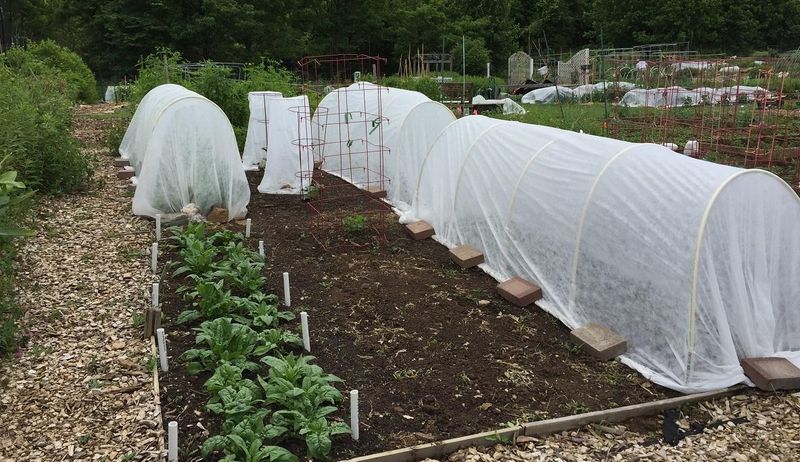
Frost cloth acts like a cozy blanket for your salad garden during Arizona’s coldest January nights. This lightweight fabric traps heat radiating from the soil while still allowing sunlight, air, and water to reach your plants.
A simple layer of frost cloth can raise the temperature around your greens by several crucial degrees.
Installing row covers is surprisingly easy and doesn’t require fancy equipment. Drape the fabric directly over your plants or support it with hoops made from PVC pipe or wire.
The hoops create a tunnel effect that provides even better insulation while preventing the fabric from crushing delicate leaves.
Different weights of frost cloth offer varying levels of protection for Arizona gardens. Lightweight covers protect against frost down to about 28 degrees Fahrenheit and work well for most January nights.
Medium-weight fabric extends protection to around 24 degrees, which handles even the coldest desert nights in most Arizona locations.
Timing matters when using frost protection in Arizona’s unpredictable winter weather. Cover your plants in late afternoon before temperatures start dropping, and remove the covers in the morning once the sun warms the air.
Leaving covers on during sunny days can cause plants to overheat, even in January. Securing the edges of your frost cloth prevents cold air from sneaking underneath. Use landscape staples, bricks, or boards to anchor the fabric edges to the ground.
Wind can be strong in Arizona, so making sure your covers stay in place is essential for consistent protection.
Reusable frost cloth represents a smart investment for Arizona gardeners who want to grow salads all winter long. Quality fabric lasts for several seasons with proper care.
Store your covers clean and dry during warmer months so they’re ready when January temperatures threaten your garden again.
3. Plant In Raised Beds With Dark Soil To Capture More Daytime Heat
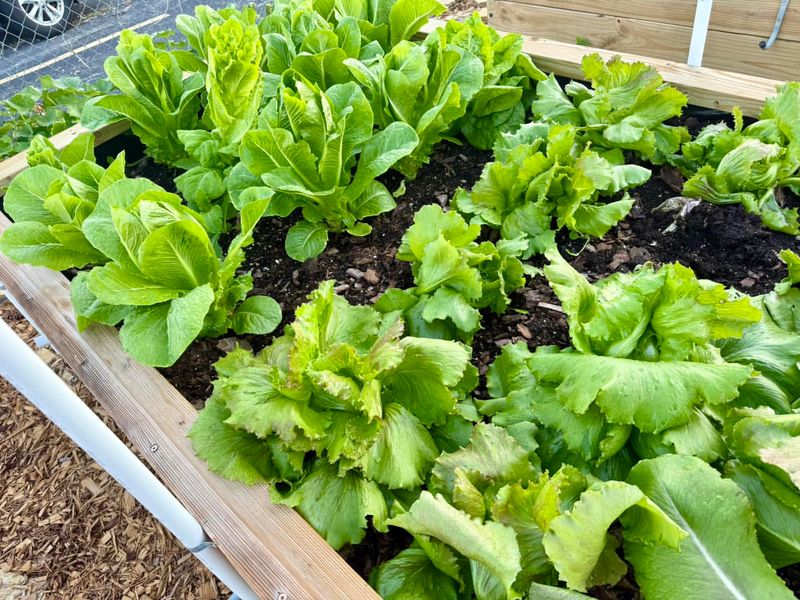
Raised beds transform Arizona winter gardening by creating a warmer microclimate for your salad plants. Soil in raised beds warms up faster during the day and holds that heat longer into the night compared to ground-level gardens.
This temperature advantage can mean the difference between healthy plants and frost-damaged leaves during January.
The height of raised beds provides natural drainage that prevents waterlogged roots during Arizona’s occasional winter rains.
Good drainage becomes especially important in winter when cold, wet soil can stress plants more than cold air alone. Elevating your garden also makes it easier to cover plants quickly when frost threatens.
Dark-colored soil absorbs significantly more solar energy than light-colored soil during sunny Arizona days. Adding compost or other dark organic matter to your raised beds increases their heat-capturing ability.
Some gardeners even mix in biochar, which is nearly black and holds warmth exceptionally well.
Building raised beds from wood, stone, or concrete blocks creates additional thermal mass around your plants. These materials soak up heat during the day and release it slowly at night, moderating temperature swings.
Cedar or composite lumber works particularly well in Arizona because it resists weathering and doesn’t leach chemicals into the soil.
Positioning your raised beds to maximize sun exposure is crucial for winter salad gardens in Arizona.
South-facing beds receive the most sunlight during short January days. Avoid placing beds where buildings or trees cast shadows during peak sunlight hours.
The soil depth in raised beds also matters for winter growing success. Beds at least 12 inches deep provide enough soil volume to store meaningful amounts of heat.
Deeper beds offer even more temperature stability, though they require more soil to fill initially. Arizona gardeners often find that the investment in proper raised bed construction pays dividends throughout the winter growing season.
4. Create Windbreaks To Reduce Cold Air Movement Around Your Garden
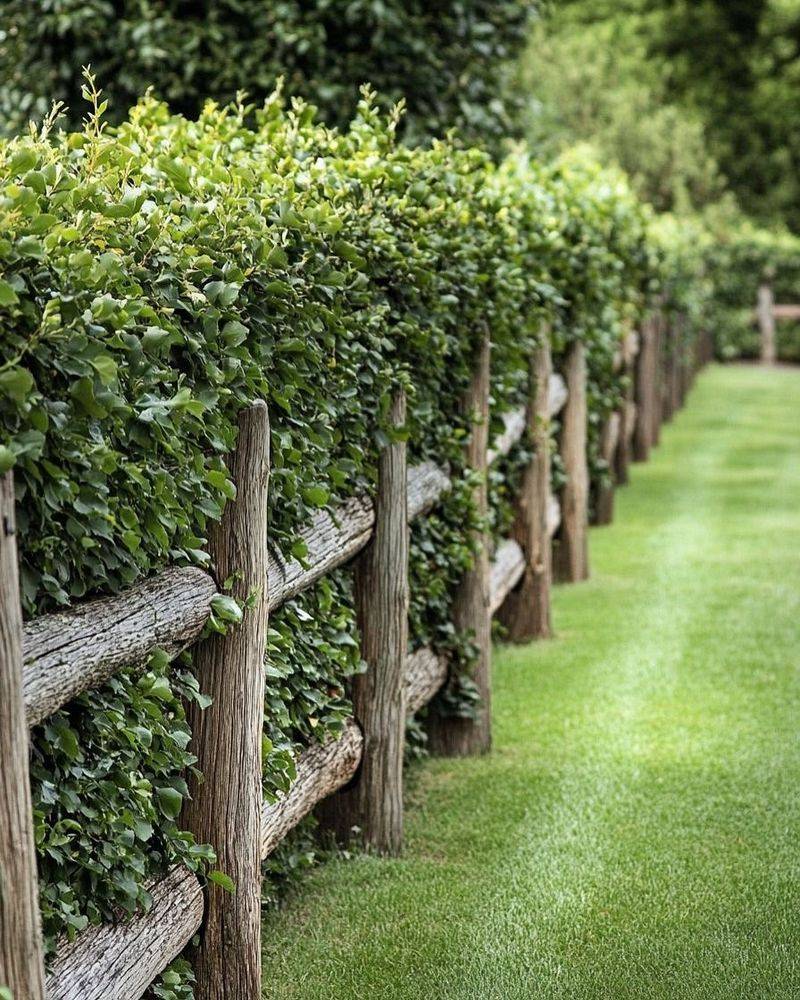
Wind amplifies cold damage to salad plants by stripping away the thin layer of warm air that surrounds their leaves.
Setting up windbreaks around your Arizona garden creates a calmer growing environment where plants suffer less stress during January cold snaps. Even a simple barrier can make a noticeable difference in plant health.
Temporary windbreaks made from burlap, shade cloth, or bamboo screens work wonderfully for winter salad gardens. Position these barriers on the north and west sides of your garden where cold winds typically blow from in Arizona.
The barrier should be tall enough to protect your plants but doesn’t need to completely enclose the garden.
Permanent windbreaks using shrubs, hedges, or solid fencing provide long-term benefits for Arizona gardens. Evergreen plants make excellent living windbreaks because they maintain their protective foliage throughout winter.
Native Arizona plants like rosemary or Texas sage serve double duty as windbreaks and attractive landscaping.
The distance between your windbreak and your salad garden affects how well it works. Placing the barrier too close can create turbulence that actually makes wind worse.
A good rule is positioning windbreaks at a distance of two to five times their height from your plants.
Multiple shorter windbreaks often work better than one tall barrier in Arizona’s open landscapes.
Staggered barriers slow wind gradually rather than forcing it up and over in a single gust. This layered approach creates a larger protected zone for your winter vegetables.
Solid windbreaks block wind completely but can create downdrafts on the protected side. Semi-permeable barriers that let some air through work more effectively by reducing wind speed without creating turbulence.
Materials with about 50 percent porosity strike the best balance for protecting Arizona salad gardens.
Remember that windbreaks also provide shade, which can be a consideration during sunny Arizona days. Position barriers thoughtfully to block wind without casting too much shadow on your sun-loving greens during short winter days.
5. Water In The Morning To Prevent Ice Formation On Plant Leaves
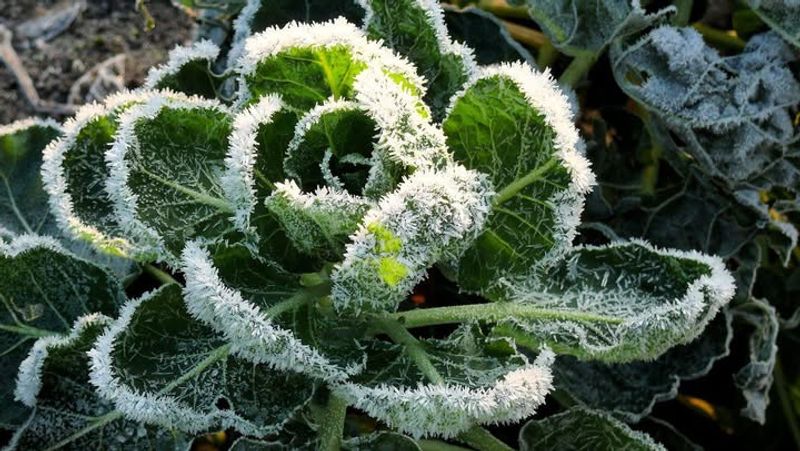
Watering strategy becomes critical for Arizona salad gardens during January when nighttime temperatures can drop below freezing.
Wet leaves are far more susceptible to frost damage than dry ones because water freezes and forms ice crystals that puncture plant cells. Timing your irrigation properly provides essential protection.
Morning watering gives plants the entire day to dry before temperatures plummet after sunset.
Arizona’s low humidity and abundant sunshine mean that moisture evaporates quickly from leaf surfaces. By evening, your plants should be completely dry and much less vulnerable to frost injury.
Afternoon or evening watering seems convenient but creates dangerous conditions for winter salad gardens. Plants go into the cold night with wet foliage, increasing the likelihood of ice formation.
Even if temperatures don’t quite reach freezing, prolonged exposure to cold while wet stresses plants significantly.
Soil moisture levels also affect frost tolerance in surprising ways. Well-hydrated soil holds and releases more heat than dry soil, helping to moderate temperature around plant roots. Water the soil thoroughly in the morning so it can absorb solar energy throughout the day.
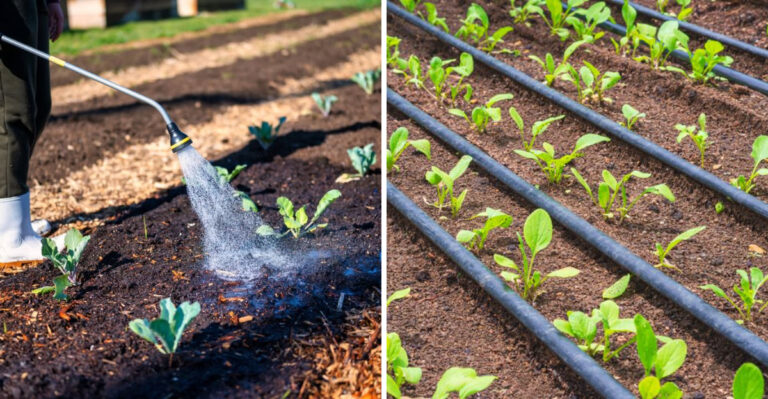
Drip irrigation or soaker hoses work exceptionally well for Arizona winter gardens because they deliver water directly to the soil. These systems keep foliage dry while ensuring roots receive adequate moisture.
Overhead sprinklers, while convenient, should be avoided during winter months when frost is possible.
Monitoring weather forecasts helps you adjust watering schedules during particularly cold periods in Arizona.
If an unusually cold night is predicted, skip watering that morning or water very lightly. Plants can handle slight drought stress much better than they handle being wet and frozen.
Container gardens require special attention because pots dry out faster than ground soil, even in winter. Check containers daily and water in early morning when needed, ensuring pots drain completely so roots don’t sit in cold water overnight.
6. Position Gardens Near South-Facing Walls To Maximize Heat Retention
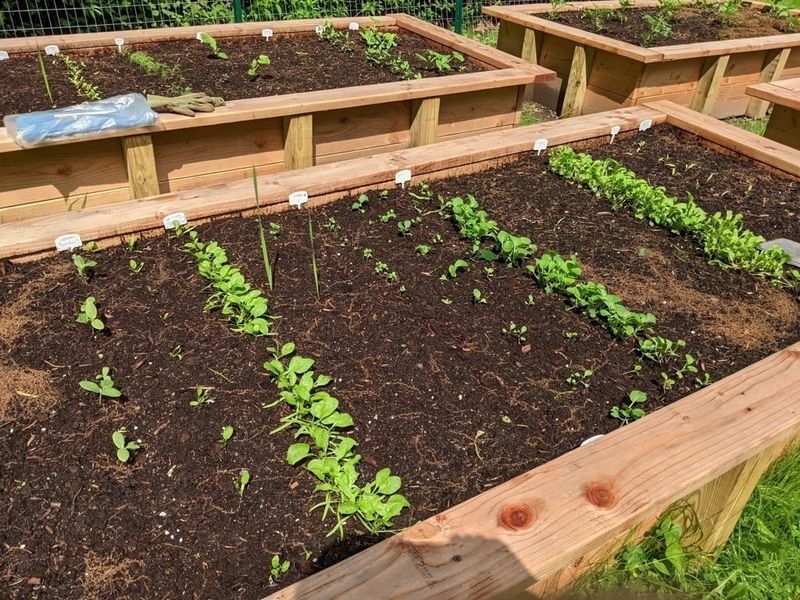
South-facing walls create the warmest microclimates in Arizona winter gardens by absorbing sunshine all day and radiating heat back at night.
Placing your salad garden near these walls can raise nighttime temperatures by several degrees, often enough to prevent frost damage during January cold snaps. This simple positioning strategy costs nothing but offers tremendous benefits.
Masonry walls made of brick, stone, or stucco work best because these materials have high thermal mass.
They soak up impressive amounts of heat during sunny Arizona days and release it slowly throughout the night. Dark-colored walls absorb even more solar energy than light-colored ones.
The ideal distance between your wall and your salad garden is about two to four feet. This spacing allows plants to benefit from radiated heat without being too close to the wall’s foundation, which can be excessively dry.
The area right next to a south-facing wall often stays several degrees warmer than open garden spaces just ten feet away.
Combining wall placement with other protection methods creates a super-safe zone for tender salad greens. Use frost cloth on cold nights and position raised beds near your south wall for maximum temperature advantage.
These stacked strategies make growing lettuce and spinach remarkably reliable even during Arizona’s coldest January weather.
East and west-facing walls offer less benefit than south-facing walls but still provide some protection. East walls warm up in the morning but don’t hold heat into the evening.
West walls absorb afternoon sun and provide moderate nighttime warmth, making them a decent second choice for Arizona gardens.
Be mindful of roof overhangs that might shade your wall during winter when the sun sits lower in the sky. Arizona’s winter sun angle is quite different from summer, and areas that receive full sun in July might be shaded in January.
Observe your property throughout the day before finalizing your garden location to ensure maximum sun exposure.