How To Grow A Winterberry Bush In Massachusetts For Seasonal Color Birds Love
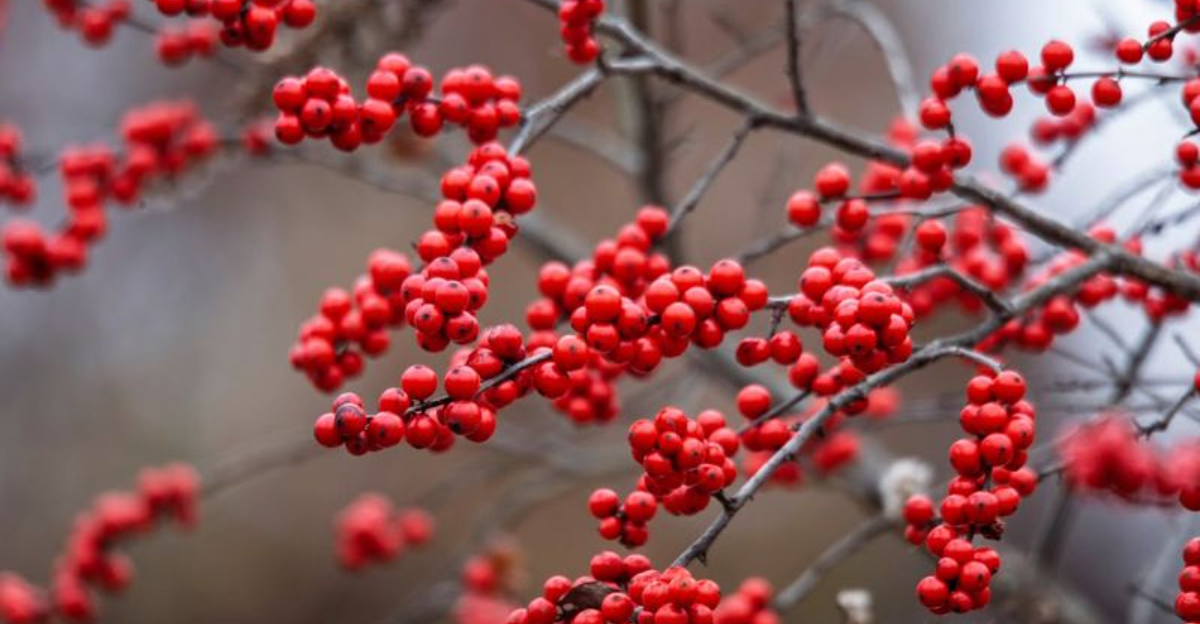
When winter arrives in Massachusetts, many gardens lose their color and feel quiet and empty. Trees are bare, flowers are gone, and the landscape can look dull for months.
That’s why more gardeners are turning to winterberry bushes to bring life back into their yards during the coldest season. With bright red berries that stand out against snow and gray skies, winterberry offers beauty when most plants have nothing left to show.
Even better, birds love those berries, making winterberry both decorative and useful. A winter garden doesn’t have to be boring or lifeless. Winterberry proves that color can shine even in the cold. Birds flock to winterberry when food is scarce.
A single shrub can turn a quiet yard into a winter wildlife haven. These bushes fit naturally into Massachusetts landscapes and thrive in local conditions when planted correctly.
Growing winterberry does take a little planning, especially since berry production depends on proper placement and care. Once established, though, it becomes a low-maintenance highlight that rewards gardeners year after year.
For anyone looking to add seasonal color, support birds, and enjoy winter interest, winterberry is a smart and satisfying choice.
1. Choose The Right Winterberry Variety For Massachusetts Climate
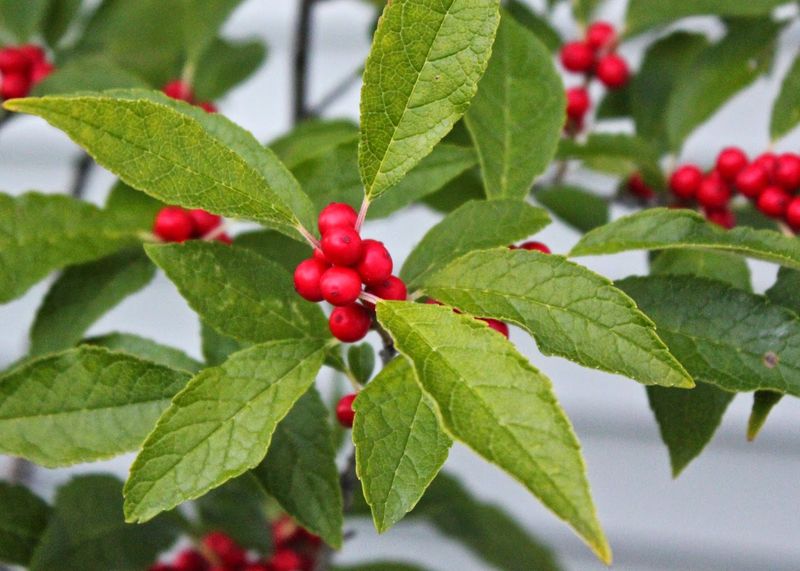
Selecting a winterberry variety that thrives in Massachusetts is your first step toward success. Native winterberry, scientifically known as Ilex verticillata, is perfectly adapted to New England’s cold winters and humid summers.
This deciduous holly loses its leaves in fall but keeps its brilliant red berries throughout winter, creating a stunning display against snow.
Massachusetts gardeners should look for varieties like ‘Winter Red,’ ‘Red Sprite,’ or ‘Berry Heavy’ that are specifically bred for cold hardiness and heavy berry production.
When shopping for winterberry at local nurseries in Massachusetts, you’ll notice they’re sold as either male or female plants. Female plants produce the colorful berries that attract birds, while male plants provide the pollen needed for berry production.
You’ll need at least one male plant for every three to five female plants to ensure good pollination. Make sure the varieties you choose bloom at the same time, or your females won’t get pollinated properly.
Consider the mature size of your winterberry when making your selection. Some varieties grow tall and upright, reaching eight to ten feet, while compact varieties like ‘Red Sprite’ stay around three to five feet tall.
Smaller varieties work well in tight spaces or mixed borders, while larger ones make excellent privacy screens or background plantings. Check the plant tags carefully for height and spread information before purchasing.
Massachusetts gardeners should also think about berry color when choosing varieties. While most winterberries have bright red berries, some cultivars like ‘Winter Gold’ produce golden-orange berries that offer a unique twist.
These different colors can be mixed in the landscape for extra visual interest. Whatever variety you choose, make sure it’s labeled as hardy to USDA Zone 5 or colder, which covers most of Massachusetts.
2. Find The Perfect Planting Location With Proper Sunlight
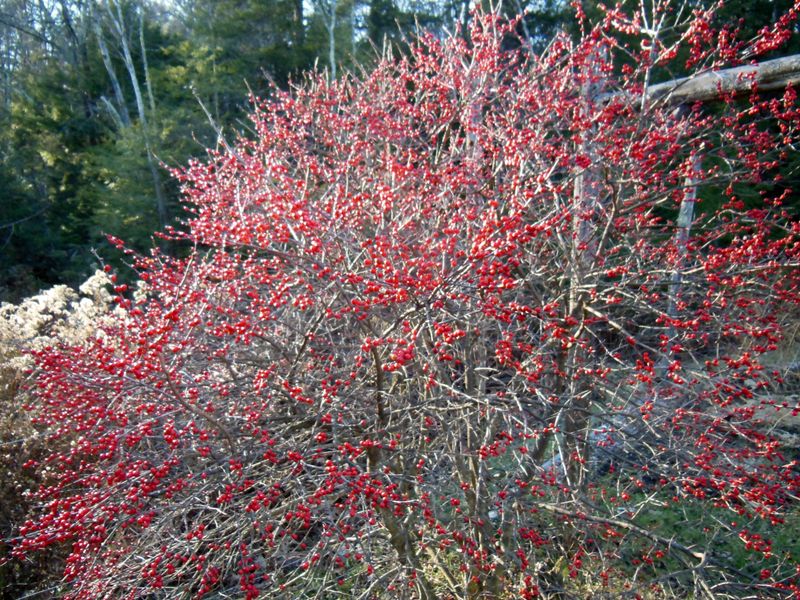
Location makes all the difference when planting winterberry in Massachusetts. These shrubs perform best in spots that receive full sun to partial shade, meaning at least four to six hours of direct sunlight daily.
More sun generally leads to better berry production, so aim for the sunniest spot available in your yard. However, winterberry can tolerate some shade, making it versatile for different garden situations.
Winterberry naturally grows in wetlands and along stream banks throughout Massachusetts, so it loves moisture. Look for areas in your yard that tend to stay damp or have poor drainage where other plants struggle.
Low-lying spots, areas near downspouts, or the edges of ponds and streams are ideal locations. If you have a rain garden or a naturally boggy area, winterberry will feel right at home there.
Avoid planting winterberry in completely dry, sandy locations unless you’re prepared to water frequently. These bushes need consistent moisture, especially during their first few years while establishing roots.
In Massachusetts, spring and early fall rains usually provide adequate water, but summer dry spells can stress young plants. Choose a location where you can easily access water if needed during dry periods.
Think about visibility when selecting your planting site. Winterberry’s brilliant berries are most impressive when viewed from windows, patios, or walkways where you’ll see them regularly during winter.
Planting near bird feeders creates a natural feeding area that attracts even more feathered visitors to your Massachusetts yard. Consider the backdrop too; winterberry berries stand out beautifully against evergreens, fences, or the side of a house.
3. Prepare The Soil With Organic Matter And Proper Acidity
Soil preparation is crucial for winterberry success in Massachusetts gardens. These shrubs prefer acidic soil with a pH between 4.5 and 6.5, which matches the naturally acidic soils found throughout much of Massachusetts.
Before planting, test your soil using a simple home test kit or by sending a sample to the UMass Soil Testing Lab. Knowing your soil pH helps you make the right amendments for healthy winterberry growth.
If your soil pH is too high, you’ll need to lower it by adding sulfur or peat moss. Mix these amendments into the soil several weeks before planting to give them time to work.
Massachusetts soils are often naturally acidic due to the region’s geology and rainfall, so many gardeners won’t need to adjust pH at all. However, if you live in an area with limestone or have added lime to your lawn, your soil might be too alkaline for winterberry.
Winterberry thrives in soil rich in organic matter that holds moisture well. Before planting, work several inches of compost, aged manure, or peat moss into the planting area.
This organic matter improves soil structure, helps retain water, and provides slow-release nutrients. In Massachusetts, our native soils can be heavy clay or rocky, so adding organic matter makes a big difference in root development and overall plant health.
Drainage is important even though winterberry likes moisture. The soil should stay moist but not waterlogged for extended periods.
If water stands in puddles for days after rain, consider creating a slightly raised planting bed or adding sand along with organic matter to improve drainage.
Proper soil preparation at planting time saves you from problems later and gives your winterberry the best possible start in your Massachusetts landscape.
4. Plant Male And Female Bushes Together For Berry Production
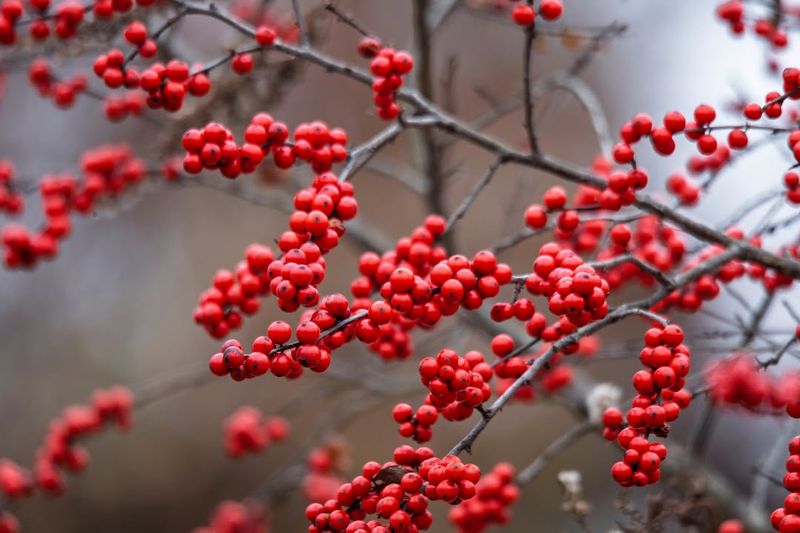
Understanding winterberry pollination is essential for getting those gorgeous berries that birds love. Winterberry is dioecious, meaning individual plants are either male or female, and you need both for the females to produce berries.
The male plants produce pollen but no berries, while female plants produce berries only if they receive pollen from a nearby male. This is probably the most important fact to remember when growing winterberry in Massachusetts.
Plan to plant at least one male winterberry for every three to five female plants. The male doesn’t need to be right next to the females, but it should be within 50 feet for bees and other pollinators to easily transfer pollen.
Many Massachusetts gardeners plant one male in the center of a grouping of females, or place males at intervals along a hedge of female plants. Make sure your male and female varieties bloom at the same time, or pollination won’t happen.
When you buy winterberry plants at Massachusetts nurseries, they should be clearly labeled as male or female. Popular male varieties include ‘Southern Gentleman,’ ‘Jim Dandy,’ and ‘Apollo,’ while female varieties include ‘Winter Red,’ ‘Red Sprite,’ and ‘Berry Heavy.’
Keep your plant tags so you remember which is which, because once the plants are dormant, they all look similar until the females develop berries.
If you already have a female winterberry that isn’t producing berries, the problem is likely a missing male pollinator. Adding a male plant nearby should solve the issue within a year or two.
Some gardeners in Massachusetts communities find they can rely on a neighbor’s male winterberry for pollination if it’s close enough. However, having your own male plant guarantees reliable berry production year after year for your Massachusetts garden.
5. Water Consistently During The First Two Growing Seasons
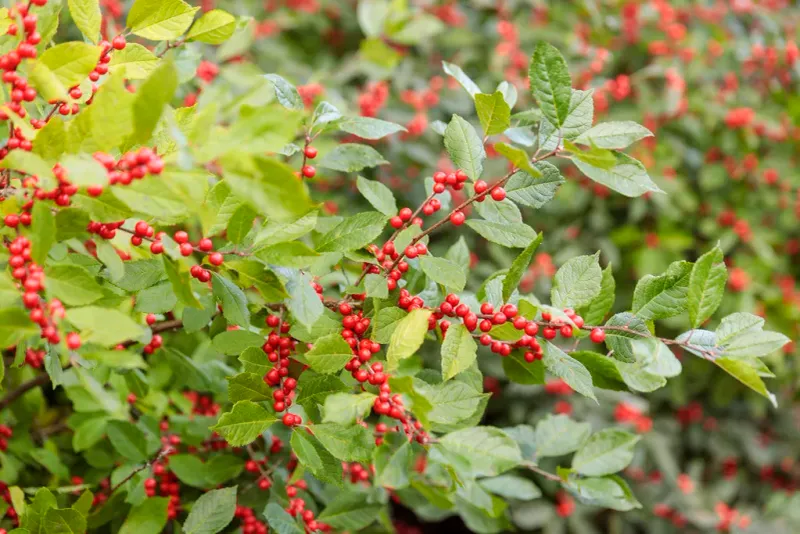
Newly planted winterberries need regular watering to establish strong root systems in Massachusetts soil. During the first growing season, water deeply once or twice per week if there’s no significant rainfall.
Deep watering encourages roots to grow downward rather than staying shallow, which helps the plant become more drought-tolerant over time. Apply water slowly so it soaks into the soil rather than running off the surface.
Massachusetts typically receives adequate rainfall during spring and fall, but summer can bring dry spells that stress young winterberry plants. Check the soil moisture by sticking your finger into the ground near the plant.
If the top two to three inches feel dry, it’s time to water. Young winterberries showing wilted or drooping leaves need immediate watering to prevent stress and poor growth.
The second growing season is also critical for establishment, though your winterberry will need less frequent watering than the first year. Continue monitoring soil moisture and watering during dry periods, especially in July and August when Massachusetts can experience hot, dry weather.
A two to three-inch layer of mulch around the base of the plant helps retain soil moisture and reduces watering needs.
Once established after two to three years, winterberry becomes quite drought-tolerant, though it still prefers consistently moist soil. Mature plants in Massachusetts typically don’t need supplemental watering except during severe droughts.
However, plants growing in naturally wet areas or near water sources will continue to thrive with little care. Proper watering during the establishment period creates strong, healthy winterberries that produce abundant berries for Massachusetts birds to enjoy for many years.
6. Apply Mulch And Fertilizer For Healthy Growth
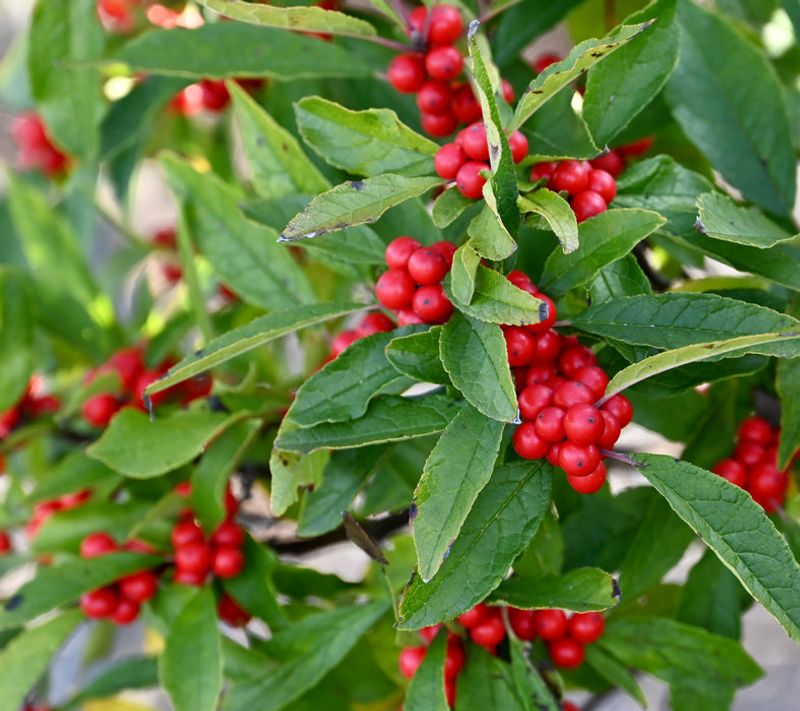
Mulching your winterberry provides multiple benefits in Massachusetts gardens. Apply a two to three-inch layer of organic mulch like shredded bark, wood chips, or pine needles around the base of the plant, extending out to the drip line.
This mulch layer helps retain soil moisture, suppresses weeds, regulates soil temperature, and slowly adds organic matter as it breaks down. Keep mulch a few inches away from the stem to prevent rot and pest problems.
Winterberry doesn’t require heavy fertilization, especially if you’ve prepared the soil well with organic matter. In fact, too much fertilizer can cause excessive leaf growth at the expense of berry production.
For newly planted winterberries in Massachusetts, wait until the second spring before applying any fertilizer. This gives the plant time to establish roots without the stress of processing extra nutrients.
When you do fertilize, choose an acid-loving plant fertilizer designed for plants like azaleas, rhododendrons, or blueberries. These fertilizers have the right nutrient balance and help maintain the acidic soil pH that winterberry prefers.
Apply fertilizer in early spring before new growth begins, following package directions carefully. Slow-release granular fertilizers work well for winterberry because they provide steady nutrition throughout the growing season.
Organic fertilizers like compost, aged manure, or fish emulsion are excellent choices for winterberry in Massachusetts. These natural options feed the soil as well as the plant, improving long-term soil health.
Apply compost as a top dressing around the plant each spring, or water with diluted fish emulsion monthly during the growing season.
Healthy, well-fed winterberries produce more berries, creating better food sources for Massachusetts birds during the cold winter months when natural food is scarce.
7. Prune Correctly To Maintain Shape And Encourage Berries
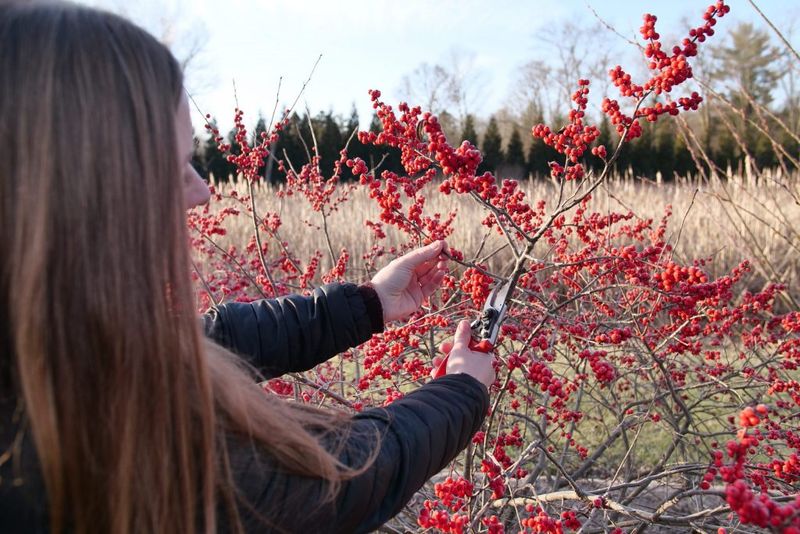
Pruning winterberry in Massachusetts requires a light touch because these shrubs produce berries on old wood from the previous year’s growth. Heavy pruning removes the branches that would have produced berries, leaving you with a bush that looks nice but doesn’t provide food for birds.
The best time to prune winterberry is in late winter or very early spring before new growth starts, typically February or March in Massachusetts.
Focus your pruning efforts on removing damaged, diseased, or crossing branches that rub against each other. Cut these branches back to a main stem or to the ground using clean, sharp pruning shears.
This type of maintenance pruning keeps the plant healthy without sacrificing berry production. Also remove any branches that look weak or spindly, as these rarely produce good berry clusters anyway.
Mature winterberries in Massachusetts can benefit from renewal pruning every few years. This involves cutting one-third of the oldest stems down to ground level to encourage fresh, vigorous growth from the base.
Rotate which stems you remove each year, so you’re always maintaining a mix of young and old wood. This keeps the plant productive and prevents it from becoming overgrown or woody over time.
Avoid pruning winterberry in fall or early winter when the berries are at their peak. These berries are the whole point of growing winterberry, and pruning them off defeats the purpose. Let the berries stay on the branches until birds eat them or they naturally drop off, usually by late winter.
If your winterberry is growing in a hedge or formal setting, you can do light shaping in summer after flowering, but remember that any branches you remove won’t produce berries the following season in your Massachusetts landscape.
8. Protect Your Winterberry From Pests And Environmental Stress
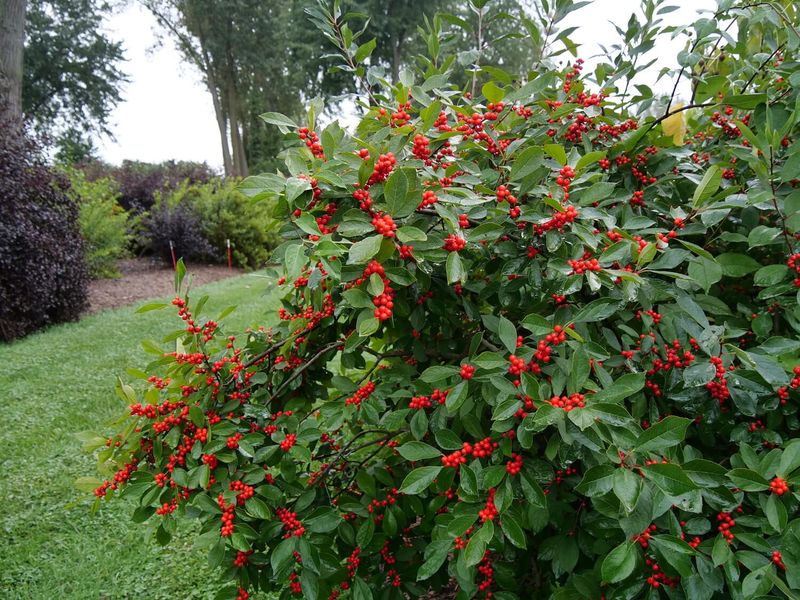
Winterberry is generally a tough, pest-resistant shrub in Massachusetts, but a few problems can occasionally appear. Aphids sometimes infest new growth in spring, causing leaves to curl and become distorted.
These tiny insects can be controlled with a strong spray of water from the hose or by applying insecticidal soap according to label directions. Ladybugs and other beneficial insects often control aphid populations naturally, so avoid using harsh chemicals that harm these helpful garden allies.
Leaf spot diseases can affect winterberry during wet Massachusetts springs and summers. These fungal problems cause brown or black spots on leaves but rarely harm the plant seriously.
Improve air circulation by spacing plants properly and removing any dry leaves or debris from around the base. If leaf spot becomes severe, you can apply an organic fungicide, but usually the plant outgrows the problem once drier weather arrives.
Deer can browse on winterberry foliage, though they typically prefer other plants. In areas of Massachusetts with high deer populations, you might need to protect young winterberries with fencing or deer repellent sprays.
Once established, winterberry can tolerate some browsing without serious harm. The berries themselves are not particularly appealing to deer, so they usually remain intact for the birds.
Winter damage from salt spray is a concern if your winterberry is planted near roads or driveways where salt is used for ice control. Massachusetts road crews heavily salt during winter storms, and this salt can damage winterberry foliage and roots.
Plant winterberries away from salt-treated areas, or create barriers to protect them from salt spray. Proper siting and care help your winterberry thrive in Massachusetts conditions, providing years of beautiful berries that support local bird populations through the toughest winter weather.