How To Grow Adenium Successfully Indoors In Arizona Homes
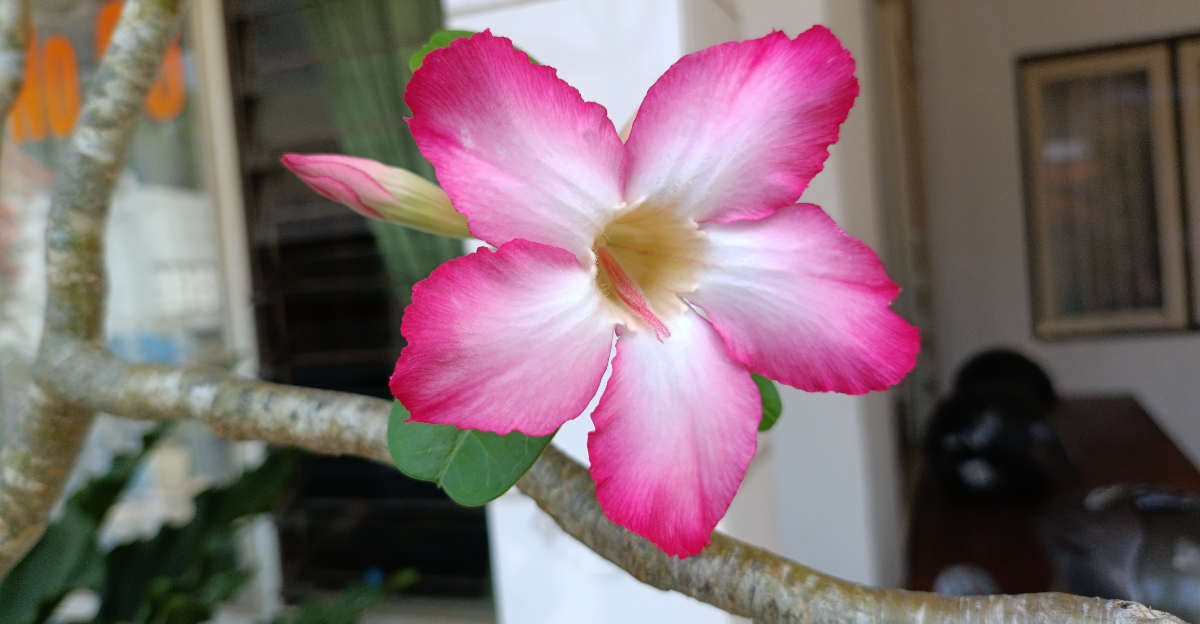
Growing adenium successfully inside an Arizona home is less about luck and more about recognizing how indoor conditions shape the plant’s rhythm.
Light behaves differently behind glass, warmth lingers longer, and daily patterns stay more stable than outdoors, which can actually work in your favor.
When placement and timing line up, adenium settles in quickly and responds with steady growth that feels natural rather than forced. This plant does not need constant attention or dramatic changes to perform well indoors.
It needs a setup that respects how it grows and a routine that stays consistent instead of reactive. Once that balance is in place, adenium becomes one of the most rewarding flowering plants you can grow inside an Arizona home.
1. Bright Light Indoors Keeps Adenium Compact And Blooming
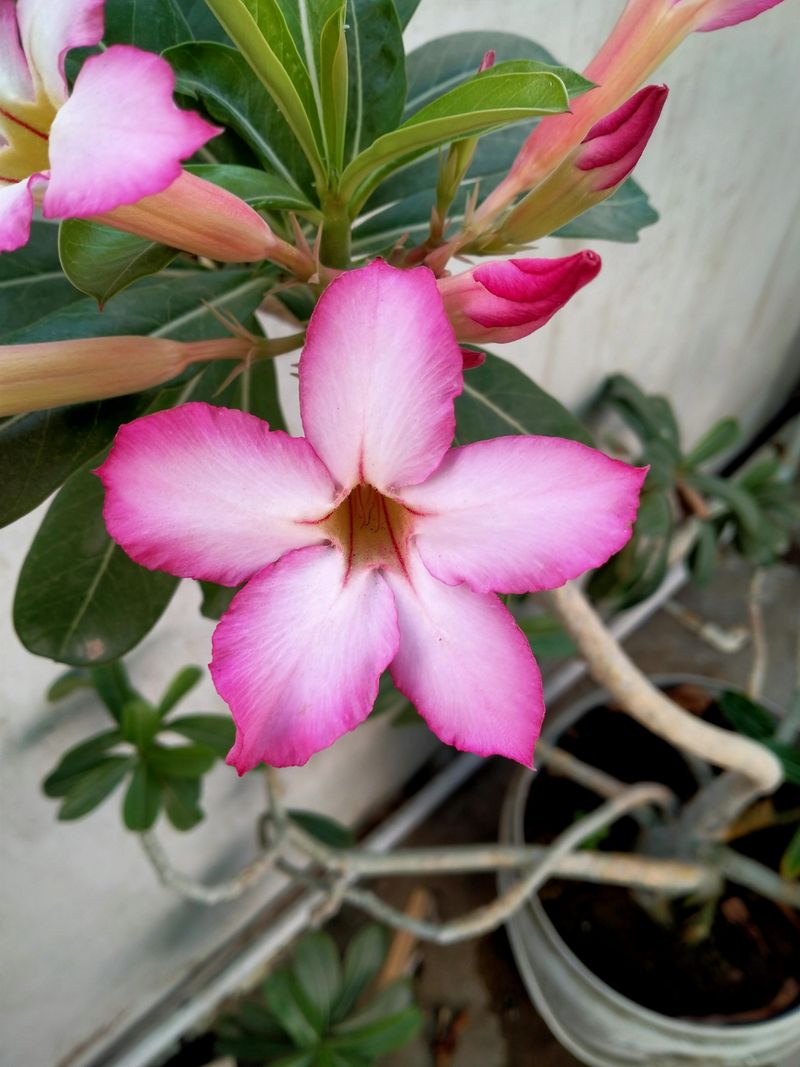
Adeniums crave intense light to produce their signature blooms and maintain that compact, sculptural shape collectors adore.
Without enough brightness, your plant will stretch toward the nearest light source, creating long, spindly stems that look awkward and rarely flower.
Arizona homes often have plenty of natural light, but positioning matters more than you’d expect.
South-facing windows work best because they provide consistent, strong light throughout the day. East or west windows can work too, though you might notice slower growth or fewer blooms compared to southern exposure.
Keep your Adenium within two feet of the glass for maximum benefit, rotating the pot every few weeks so all sides receive equal attention.
During Arizona’s scorching summer months, watch for leaf scorch if your window gets blazing afternoon sun. A sheer curtain can diffuse the harshest rays while still delivering plenty of brightness.
Some growers in Phoenix and Tucson move their containers outside during spring and fall, then bring them back indoors when temperatures become extreme.
If natural light falls short, especially in north-facing rooms, consider supplementing with grow lights. LED panels designed for succulents work wonderfully and won’t spike your electricity bill.
Position them about 12 inches above the plant and run them for 12-14 hours daily. Your Adenium will respond with tighter growth, more vibrant foliage, and an abundance of colorful flowers that make the effort worthwhile.
2. Fast-Draining Potting Mix Prevents Root And Caudex Rot
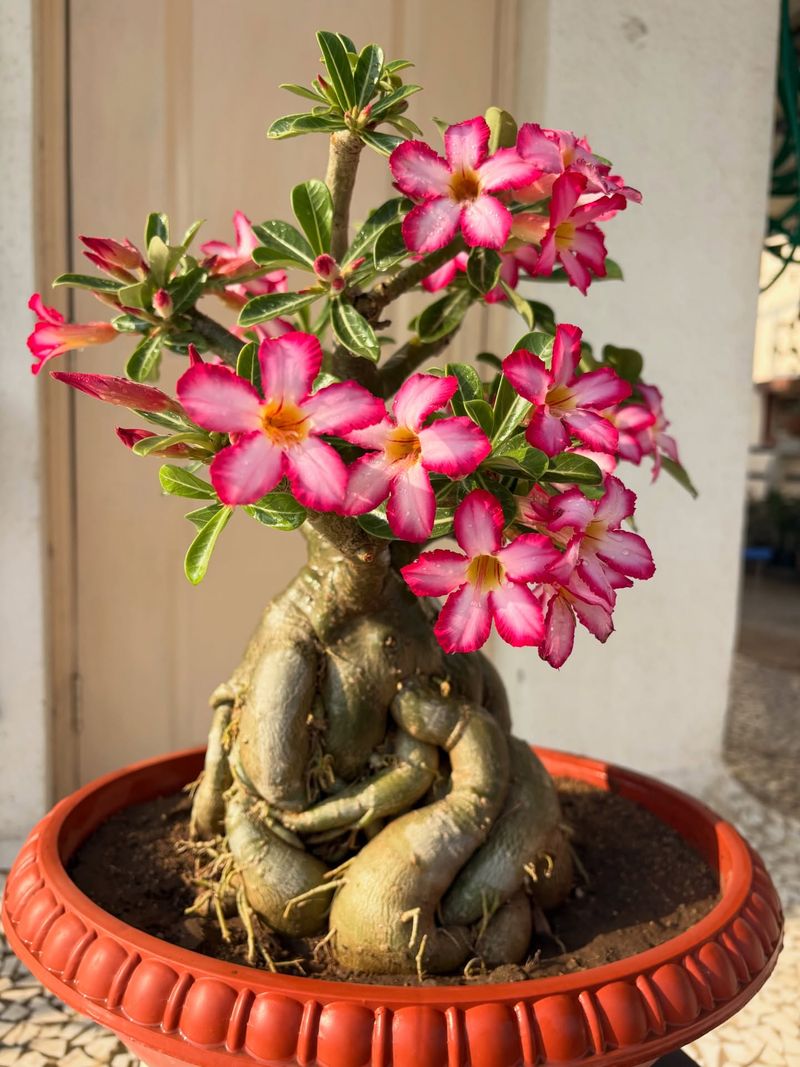
The wrong soil will doom your Adenium faster than almost any other mistake, especially in Arizona where humidity stays low but watering mistakes happen easily. These plants evolved in rocky, sandy environments where water drains away immediately after rain.
Standard potting soil holds too much moisture, creating conditions that encourage fungal problems and soft, mushy caudexes.
Mix your own blend using 50% cactus soil, 30% perlite, and 20% coarse sand or pumice. This combination mimics the natural habitat while providing enough structure to anchor roots.
Some Arizona growers add crushed granite or chicken grit for extra drainage, which works beautifully in our climate. The goal is soil that dries completely within three to five days after watering.
Commercial succulent mixes often work straight from the bag, but check the ingredients first. Avoid products containing peat moss or coconut coir as primary components since they retain moisture longer than Adeniums prefer.
If you find a mix you like but it seems slightly dense, amend it with extra perlite before potting.
When repotting, never pack the soil tightly around the caudex. Leave it loose and airy so oxygen reaches the roots easily.
Arizona’s dry air actually helps here because excess moisture evaporates quickly from the soil surface. Test your mix by watering thoroughly, then checking how long dampness persists.
Adjust proportions until you achieve that perfect fast-draining balance your desert rose demands.
3. Careful Watering Matters More In Arizona’s Dry Air
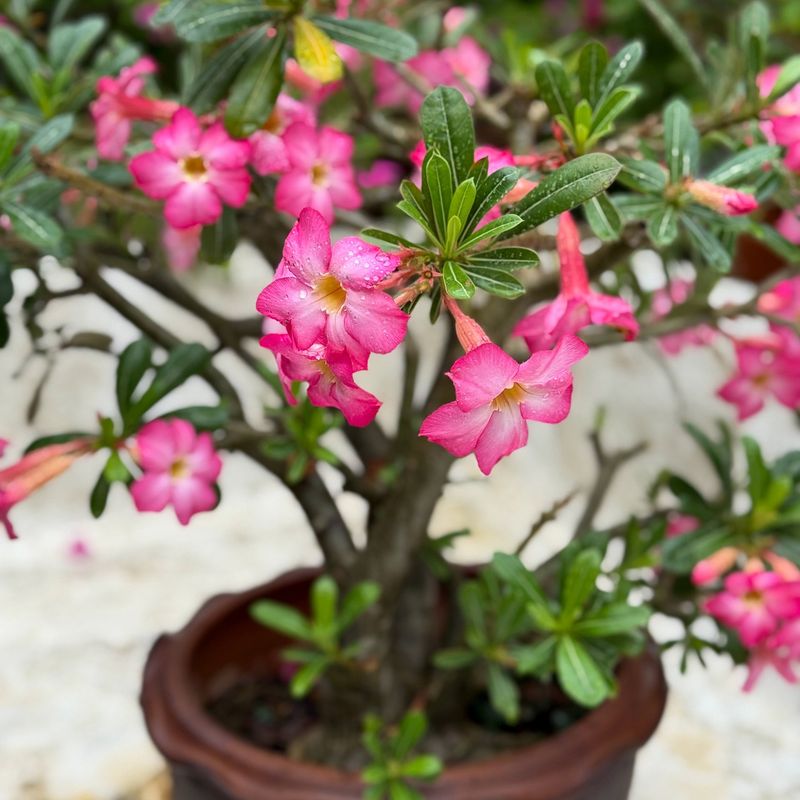
Arizona’s bone-dry air tricks many growers into overwatering their Adeniums because the soil surface dries deceptively fast while deeper layers stay damp. That thick caudex stores plenty of water, meaning your plant can handle drought much better than soggy conditions.
Learning to read your specific plant’s needs takes practice but makes all the difference.
Wait until the soil dries completely before watering again, checking moisture levels two inches down with your finger. During active growth in spring and summer, this might mean watering weekly or every ten days.
The caudex should feel firm when gently squeezed. If it starts looking wrinkled or feels soft, your watering schedule needs adjustment.
When you do water, drench the soil thoroughly until liquid runs from drainage holes, then empty any saucer beneath the pot. Never let your Adenium sit in standing water, even in Arizona’s arid climate.
This saturates the root zone properly and encourages deep root development rather than shallow, weak growth.
Temperature affects watering frequency significantly in Arizona homes. Air conditioning in summer can dry soil faster than you expect, while winter heating creates similar conditions.
Monitor your plant rather than following a rigid schedule. Some Tucson growers water twice weekly during July heat, then cut back dramatically by November.
Pay attention to how quickly your specific container dries based on its size, material, and location within your home for best results.
4. Warm Temperatures Support Steady Growth Indoors
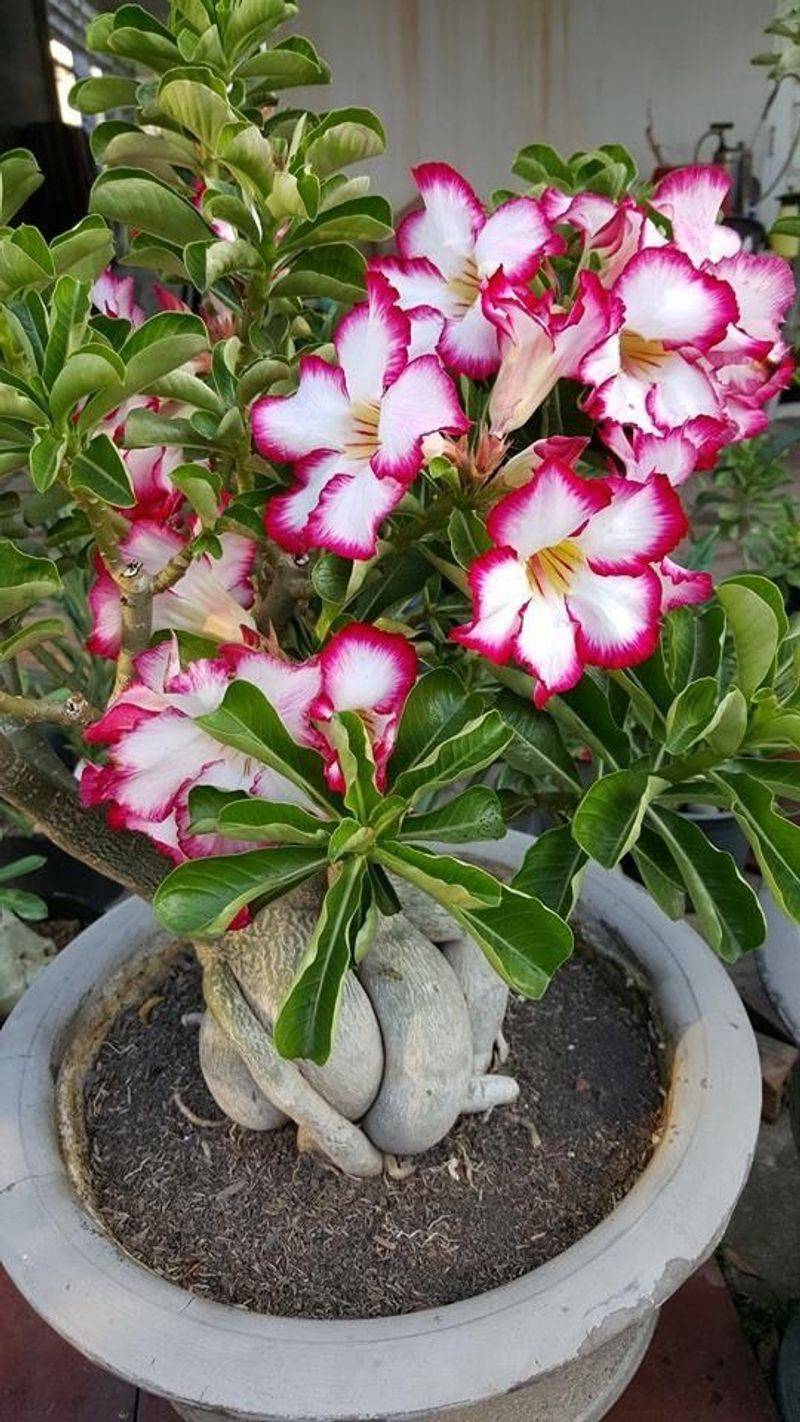
Adeniums absolutely thrive in the warmth that Arizona delivers naturally for much of the year, making them ideal houseplants for our climate.
These tropical beauties prefer temperatures between 65-90 degrees Fahrenheit, which matches typical indoor conditions in Phoenix, Scottsdale, and surrounding areas perfectly.
Growth accelerates when temperatures climb into the 80s, producing new leaves and flower buds rapidly.
Most Arizona homes maintain comfortable temperatures year-round thanks to climate control systems. Your Adenium won’t complain about summer heat as long as it stays hydrated and receives adequate light.
Even when outdoor temperatures soar past 110 degrees, your indoor plant remains content if you keep the AC running moderately. Avoid placing containers directly against air vents where cold blasts might shock the foliage.
Winter presents the only real temperature challenge in Arizona homes. Adeniums slow their growth considerably when temperatures drop below 60 degrees, entering a semi-dormant state that’s completely natural.
If your home gets chilly at night, move the plant away from cold windows where temperatures might dip unexpectedly. A few degrees can make a significant difference in how your plant behaves during shorter days.
Never expose your Adenium to temperatures below 50 degrees, even briefly. Cold damage shows up as blackened leaves and soft spots on the caudex that spread quickly.
Most Arizona indoor spaces stay warm enough naturally, but monitor temperatures in sunrooms or enclosed patios where conditions fluctuate more dramatically than main living areas throughout the seasons.
5. Container Size Affects Caudex Shape And Overall Health
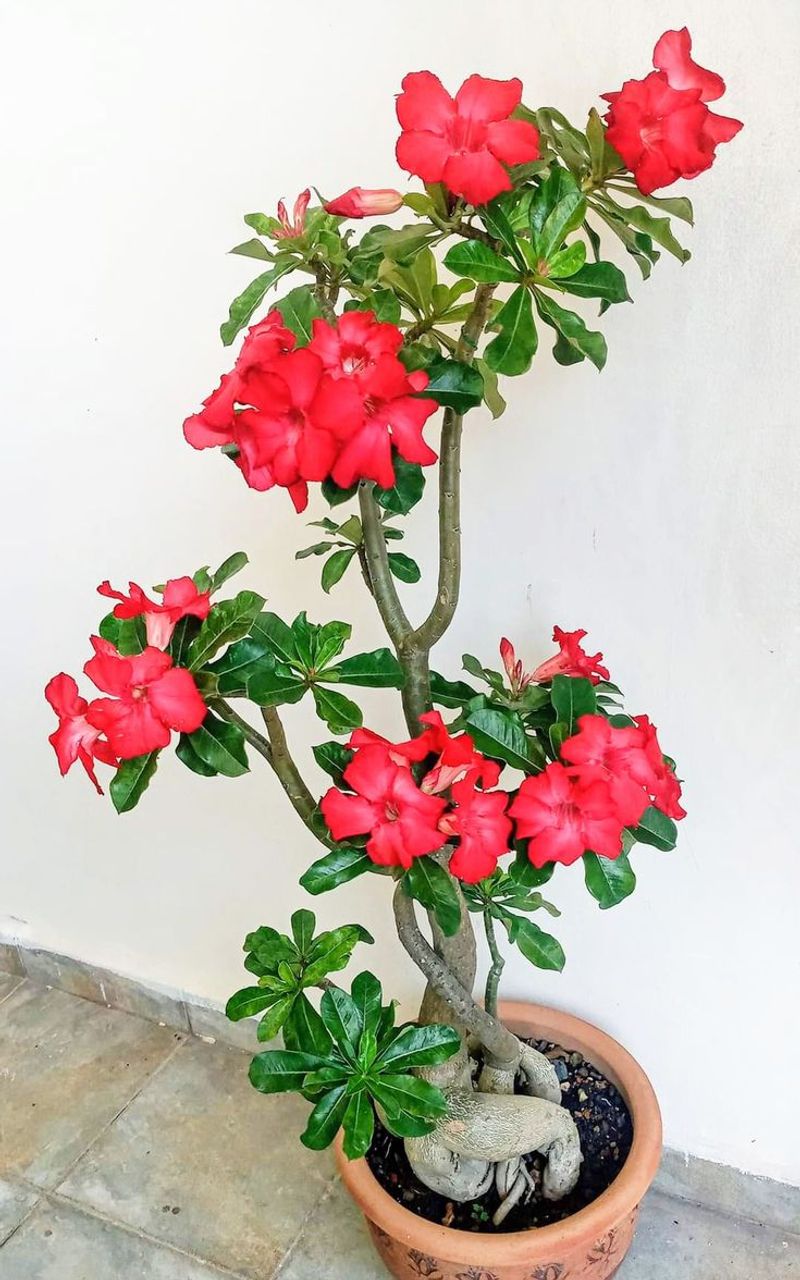
Choosing the right container size for your Adenium directly influences how that beautiful caudex develops over time. Contrary to what you might assume, bigger isn’t always better when it comes to pots for these desert roses.
Arizona growers often discover that slightly undersized containers actually produce the most impressive, swollen caudexes because the plant focuses energy on trunk development rather than endless root expansion.
Start with a pot only 1-2 inches wider than the current caudex diameter. Shallow containers work better than deep ones since Adenium roots spread horizontally rather than diving straight down.
Terra cotta pots excel in Arizona’s dry climate because they allow excess moisture to evaporate through the walls, providing an extra safety margin against overwatering mistakes.
As your plant matures, resist the urge to repot frequently. Adeniums actually enjoy being slightly rootbound, which encourages blooming and maintains that compact growth habit.
Repot only when roots completely fill the current container, typically every 2-3 years. When you do size up, increase diameter by just one inch to maintain the benefits of restricted root space.
Drainage holes are absolutely non-negotiable regardless of container size or style. Decorative pots without drainage can work as cachepots, but always keep your Adenium in a functional growing pot inside.
Some Tempe and Mesa growers drill extra holes in the bottom and sides of containers to boost airflow and drainage even further, which works wonderfully in our climate.
6. Fertilizing Lightly Prevents Weak Or Leggy Growth
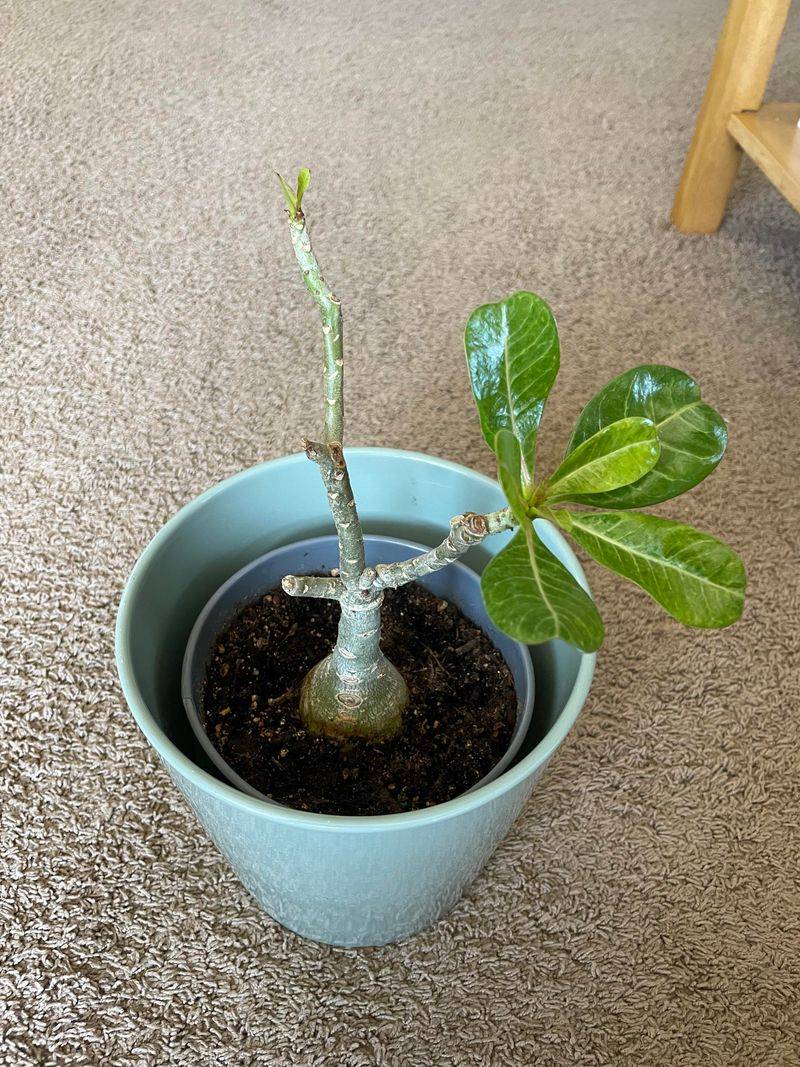
Adeniums growing in containers need supplemental nutrients since they can’t access the minerals available in ground soil.
However, heavy feeding creates problems rather than solving them, pushing rapid growth that looks impressive initially but weakens the plant’s structure over time.
Arizona growers get best results with a conservative fertilizing approach that supports healthy development without forcing it.
Use a balanced liquid fertilizer formulated for cacti and succulents, diluted to half the recommended strength. Feed every 3-4 weeks during the active growing season from March through September when your Adenium produces new leaves and flowers.
A 2-2-2 or 3-3-3 NPK ratio works perfectly, providing essential nutrients without overwhelming the plant. Some specialty Adenium fertilizers contain micronutrients that enhance bloom production and color intensity.
Skip fertilizing completely during fall and winter when growth naturally slows in response to shorter days and cooler temperatures. Feeding dormant plants wastes nutrients and can actually stress them since they’re not actively growing.
Resume your feeding schedule when you notice new growth emerging in spring, usually late February or early March in most Arizona locations.
Watch your plant’s response to fertilizer applications carefully. Lush, dark green leaves with sturdy stems indicate proper feeding.
Pale, yellowing foliage might signal nutrient deficiency, while extremely long internodes between leaves suggest overfertilizing. Adjust concentration and frequency based on what you observe.
Remember that Adeniums evolved in nutrient-poor soils, so they genuinely thrive on less fertilizer than most houseplants require for optimal health and flowering.
7. Winter Water Reduction Protects Dormant Plants
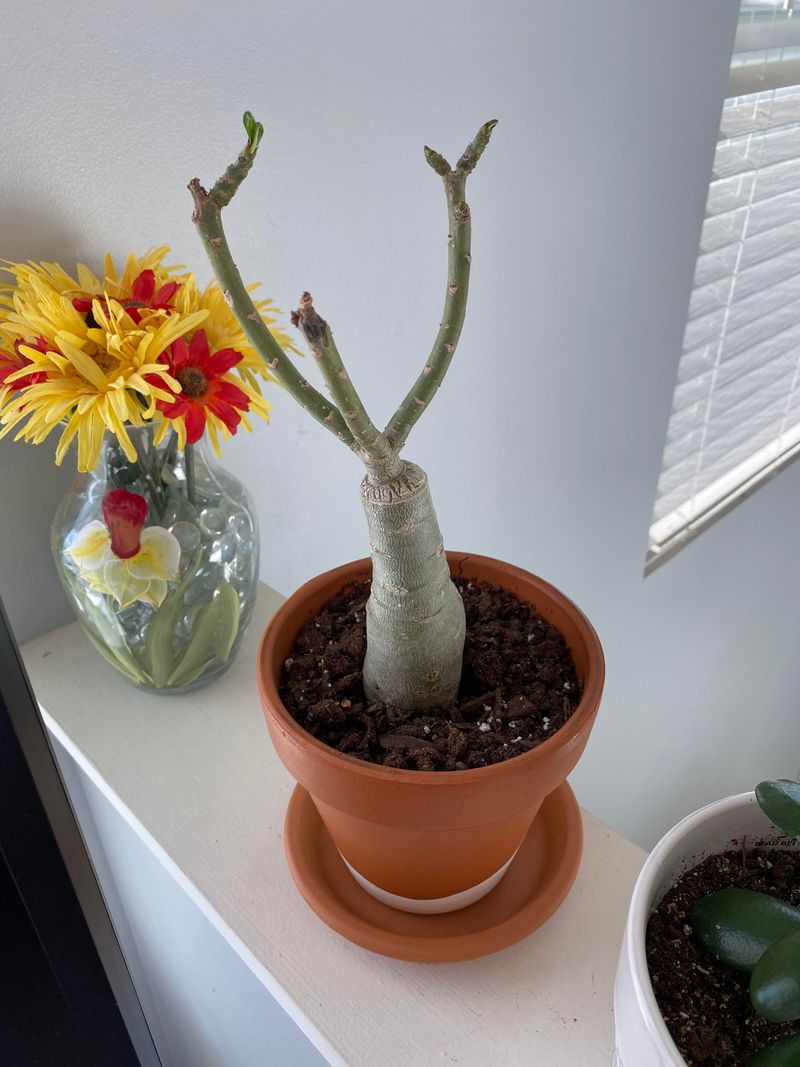
Understanding Adenium dormancy transforms winter care from confusing to simple, especially in Arizona where our mild winters don’t trigger the same responses as cold climates elsewhere.
As daylight decreases and temperatures cool slightly, even indoors, your desert rose naturally slows its growth and enters a rest period.
Recognizing and respecting this cycle keeps your plant healthy for decades.
Starting in late October or November, begin stretching time between waterings gradually. If you watered weekly during summer, shift to every two weeks, then eventually once monthly by December.
The caudex will sustain the plant through this period using stored resources. Some Arizona growers stop watering almost completely from December through February, giving just enough moisture monthly to prevent severe shriveling.
Your Adenium might drop some or all of its leaves during dormancy, which looks alarming but is completely normal. This adaptation conserves energy and water when conditions become less favorable for growth.
Tucson and Phoenix plants often retain more foliage than those in truly cold climates, but don’t panic if yours goes completely bare. New leaves will emerge when spring arrives and you resume regular watering.
Resume normal watering gradually in late February or early March when you notice swelling leaf buds or the first tiny leaves emerging. Sudden heavy watering after months of drought can shock the root system, so increase frequency slowly over several weeks.
Arizona’s early spring warmth often triggers growth sooner than in other regions, giving you a longer blooming season to enjoy throughout the year.
8. Good Airflow Helps Prevent Pests And Stress Indoors
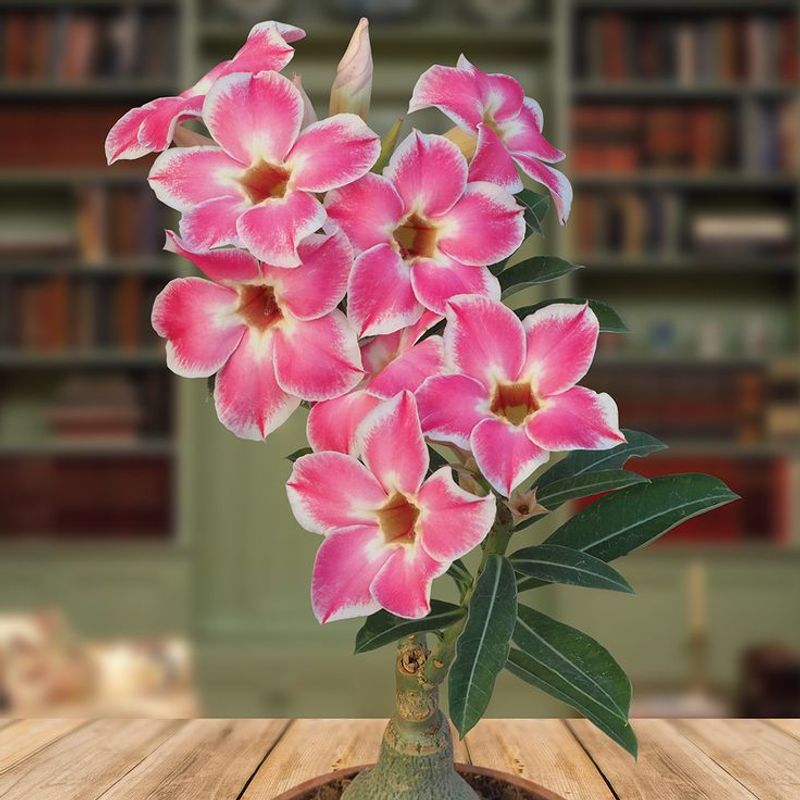
Stagnant air creates an invitation for pest problems and fungal issues that can seriously damage your Adenium, even in Arizona’s naturally dry climate.
Spider mites, mealybugs, and scale insects all thrive in still, humid microclimates that form around densely leafed plants.
Improving air circulation around your container creates an environment where pests struggle to establish while your plant breathes easier and grows stronger.
Position your Adenium where natural air movement occurs regularly, such as near a frequently opened window or in a room with good cross-ventilation. Avoid tight corners or crowded plant shelves where air becomes trapped and stagnant.
Even gentle airflow makes a tremendous difference in preventing the conditions pests prefer. Many Chandler and Gilbert growers crack windows during mild weather to boost circulation naturally.
A small oscillating fan running on low speed several hours daily works wonders if your home lacks natural airflow. Place it several feet away so the breeze reaches your plant gently rather than blasting it directly.
This mimics the natural breezes Adeniums experience in their native habitats, strengthening stems and promoting gas exchange through leaf pores. The subtle movement also discourages fungus gnats and other flying pests from settling.
Inspect your Adenium weekly for early signs of pest activity, looking closely at leaf undersides and stem joints where insects hide. Good airflow won’t prevent every problem, but it significantly reduces pest pressure.
Combine circulation with proper watering and you’ll create conditions where your desert rose thrives while pests find your indoor Arizona environment distinctly unwelcoming and inhospitable.