How To Grow An Easy Vegetable Garden In Georgia Yards
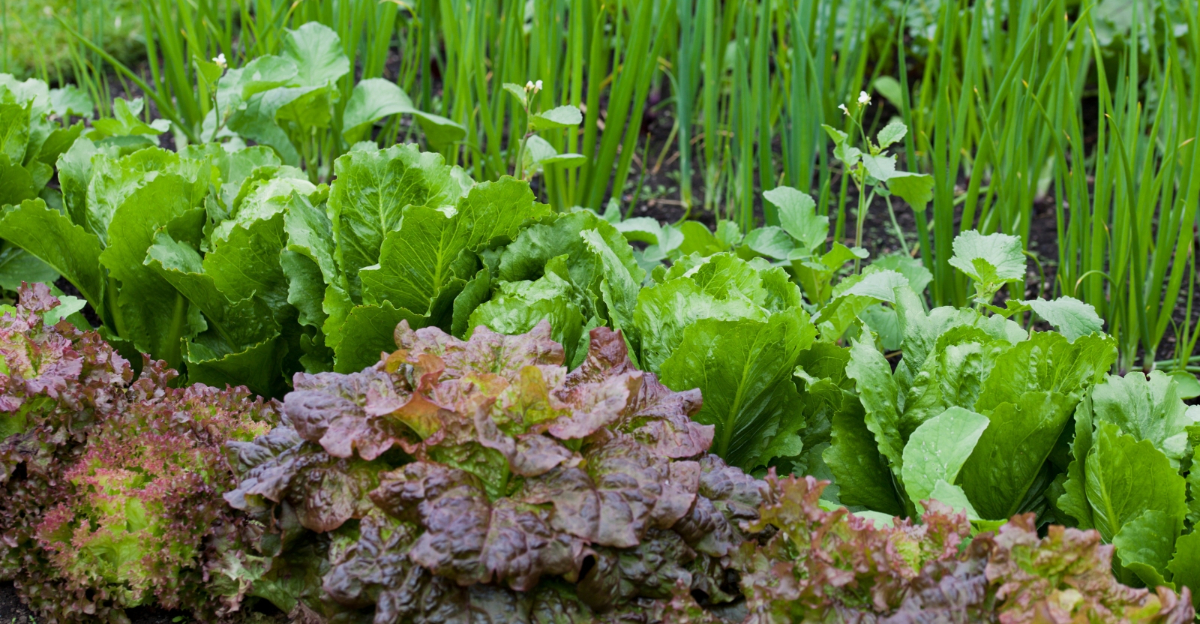
Growing a vegetable garden in Georgia often starts with good intentions, then quickly runs into heat, humidity, and soil that does not always cooperate.
Many gardeners begin excited in spring, only to feel overwhelmed once weeds grow faster than crops and watering turns into a daily chore.
That frustration usually has nothing to do with effort and everything to do with choosing the wrong approach for Georgia conditions.
An easy vegetable garden is less about doing more and more about setting things up so the garden works with the climate instead of against it.
Georgia’s long growing season can be a gift when plants are chosen wisely and spacing, timing, and placement actually make sense.
There is a noticeable difference between gardens that constantly struggle and those that quietly produce without stress.
Once things feel manageable, gardening becomes something you look forward to instead of another task on the list.
Simple adjustments can turn hot days, sudden rain, and fast growth into advantages rather than constant problems.
The goal is not perfection, but a garden that fits into everyday life without demanding constant rescue.
With the right mindset and setup, growing vegetables in Georgia yards can feel surprisingly easy and genuinely rewarding.
1. Choose Vegetables That Thrive in Georgia’s Climate
Georgia gardeners enjoy unique advantages because the warm climate supports vegetables that struggle in colder regions across the country today.
Selecting plants adapted to southern heat and humidity ensures your garden produces abundantly without constant frustration or repeated crop failures throughout seasons.
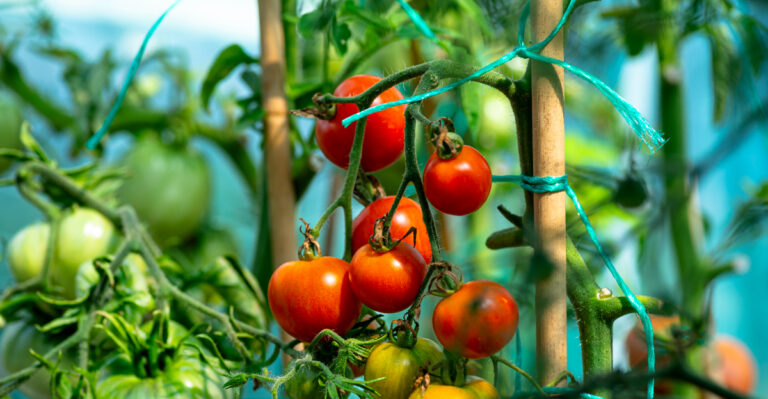
Tomatoes love Georgia summers when you pick heat-tolerant varieties like Better Boy or Celebrity that resist common diseases in humid conditions.
Peppers also flourish here, with both sweet bell types and spicy jalapeños growing vigorously under the intense southern sun each year.
Okra practically grows itself in Georgia heat, shooting up tall stalks covered in tender pods that keep producing until frost.
Squash and cucumbers spread their vines across Georgia gardens, thriving in the warmth while requiring minimal care beyond regular watering.
Beans of all types grow quickly here, giving you fresh harvests within weeks of planting seeds directly into the ground.
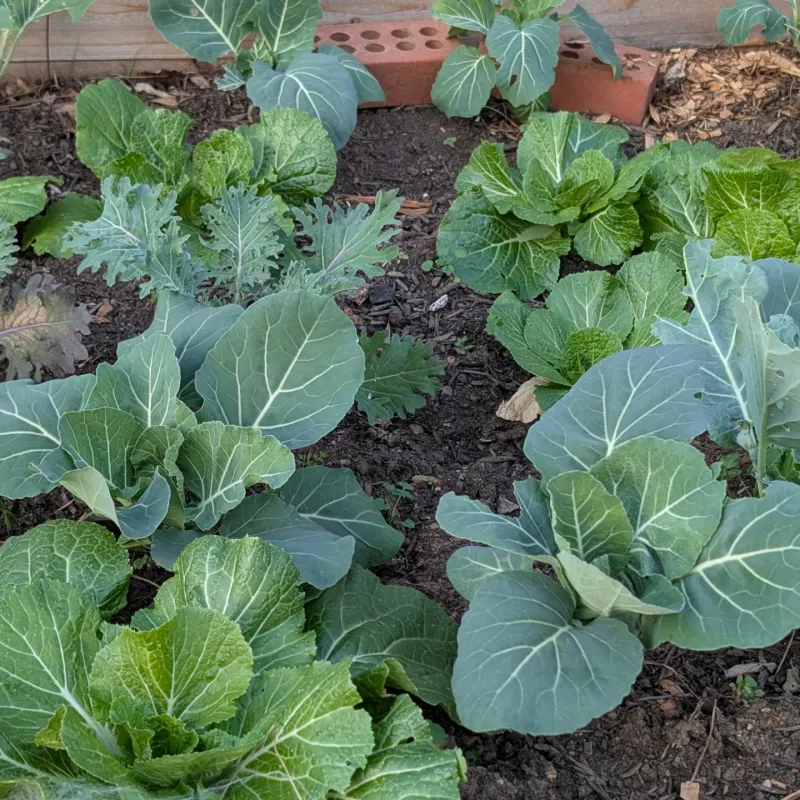
Leafy greens like collards and kale actually prefer Georgia’s cooler months, making them perfect for fall and winter gardening success.
Southern peas including black-eyed varieties tolerate heat beautifully while fixing nitrogen in your soil for future crops to enjoy later on.
Sweet potatoes also thrive in Georgia’s long growing season, producing reliable harvests even during the hottest summer months.
2. Test and Improve Your Georgia Soil Quality
Most Georgia yards contain red clay soil that challenges gardeners until they learn how to work with its unique characteristics properly.
Clay holds nutrients well but drains poorly, creating conditions that drown plant roots or bake hard during dry spells throughout summer.
Testing your soil reveals exactly what amendments you need rather than guessing and wasting money on unnecessary products at garden centers.
Contact your local Georgia Extension office to get an inexpensive soil test kit that analyzes pH levels and nutrient content accurately.
Results typically show Georgia soil needs organic matter added to improve texture, drainage, and overall fertility for vegetable production success.
Mixing compost into clay soil transforms it into a loose, crumbly medium that roots penetrate easily while retaining moisture appropriately.
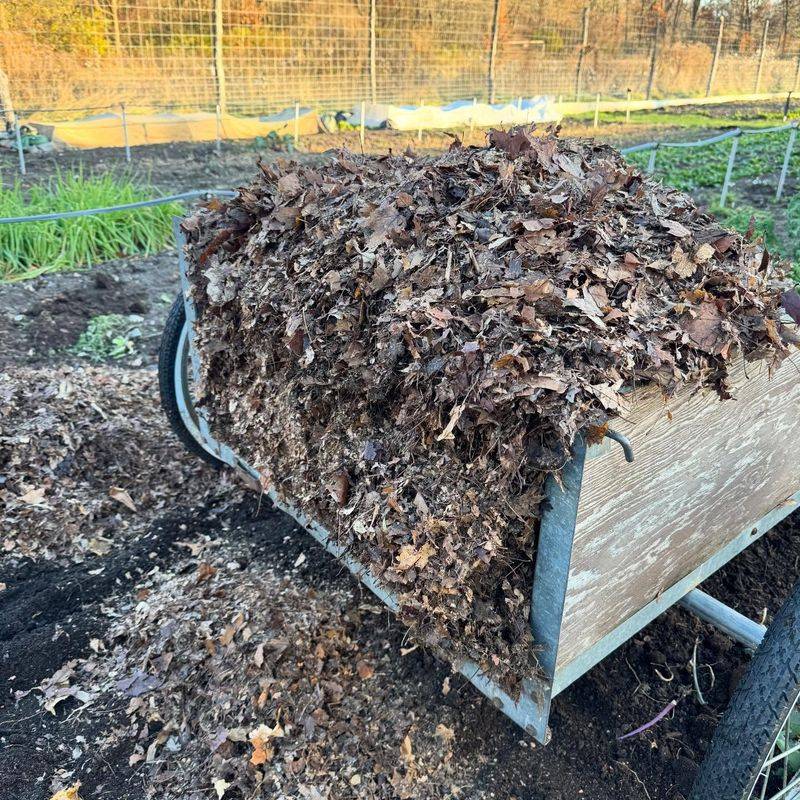
Adding aged manure, shredded leaves, or composted pine bark also helps Georgia clay soil become more workable and productive over time.
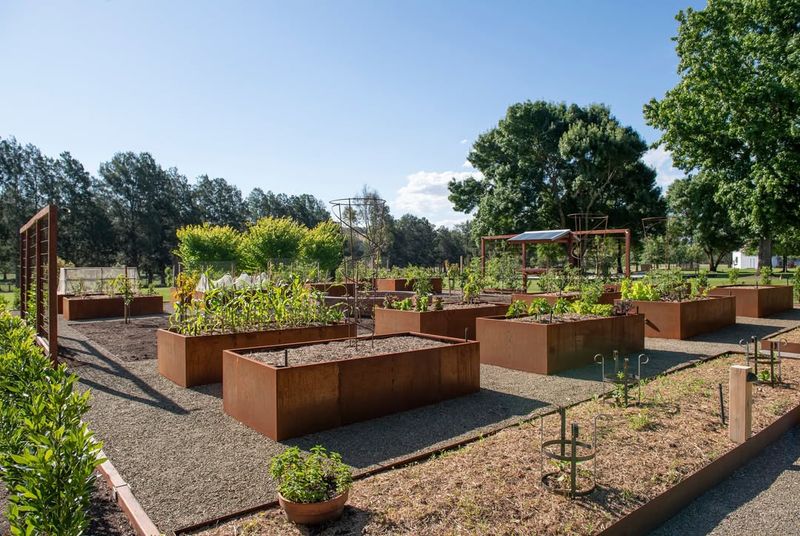
Many Georgia gardeners build raised beds filled with quality soil mixes to avoid fighting clay altogether while gaining better drainage.
Gypsum can improve clay structure without changing pH levels, making it useful for Georgia gardeners dealing with compacted heavy soil.
Annual soil testing tracks your progress and shows when nutrient levels need adjustment for optimal vegetable growth each season.
Over time, working organic matter into Georgia clay consistently makes gardening easier, healthier for plants, and far less frustrating season after season.
3. Plan Your Garden Around Georgia’s Planting Seasons
Understanding Georgia’s long growing season helps you maximize harvests by planting cool-season and warm-season crops at appropriate times yearly.
Spring arrives early across Georgia, allowing gardeners to start planting certain vegetables weeks before northern states even thaw completely.
Fall gardens extend your productive season well into autumn when temperatures moderate and many crops actually taste better than summer.
Plant cool-season vegetables like lettuce, broccoli, and carrots in Georgia during February or March for spring harvests before heat arrives.
Warm-season crops including tomatoes, peppers, and squash go into Georgia gardens after the last frost, typically mid-April in southern areas.
Northern Georgia gardeners wait until late April or early May to ensure frost won’t damage tender transplants overnight unexpectedly.
Summer heat slows many vegetables, so Georgia gardeners often take a break during July and August except for heat-lovers.
Planning your fall garden starts in late summer when you plant seeds or transplants for crops maturing in cooler weather.
Succession planting keeps harvests coming continuously by sowing small amounts of fast-growing vegetables every two weeks throughout appropriate seasons.
Georgia’s mild winters even allow cold-hardy greens to grow outdoors under simple protection in many areas statewide.
Paying attention to these seasonal windows helps Georgia gardeners avoid heat stress and frost damage while getting the most food possible from every planting cycle.
4. Provide Consistent Watering During Hot Georgia Summers
Vegetables need steady moisture to develop properly, and Georgia’s summer heat can dry soil quickly, stressing plants within days of watering.
Inconsistent watering causes problems like blossom-end rot on tomatoes, bitter lettuce, and cracked vegetables that split from irregular moisture levels.
Establishing a reliable watering routine prevents these issues while helping your Georgia garden produce quality vegetables throughout the growing season.
Soaker hoses deliver water directly to root zones without wetting foliage, reducing disease problems common in humid Georgia conditions significantly.
Drip irrigation systems work even better, providing precise amounts of water exactly where plants need it most for growth.
Watering deeply but less frequently encourages roots to grow downward, making plants more drought-resistant during Georgia’s occasional dry spells.
Early morning watering gives plants moisture before Georgia heat intensifies while allowing foliage to dry quickly, preventing fungal diseases.
Mulching around vegetables conserves soil moisture dramatically, reducing watering frequency and keeping roots cooler during scorching Georgia summer afternoons.
Check soil moisture by feeling it a few inches down rather than relying on surface appearance that can be misleading.
Most vegetables need about one inch of water weekly, but Georgia heat may require more during peak summer months.
5. Use Mulch to Protect Plants and Conserve Moisture
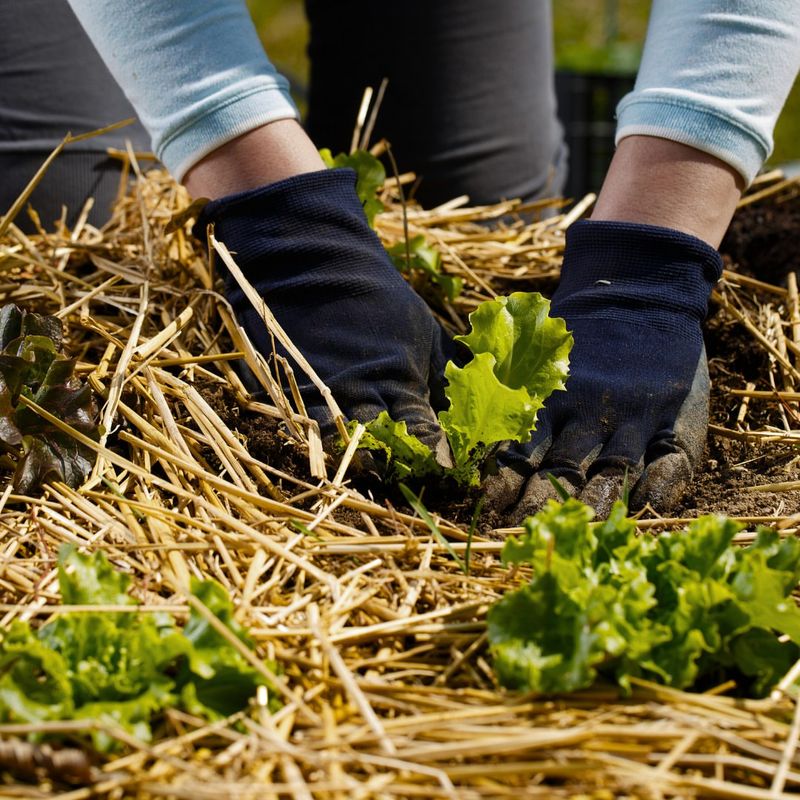
Mulching ranks among the smartest practices Georgia vegetable gardeners can adopt for easier maintenance and healthier plants throughout growing seasons.
A layer of organic material spread around your vegetables moderates soil temperature, suppresses weeds, and retains moisture during hot periods.
Georgia summers can bake bare soil hard, but mulch keeps the ground beneath cool and hospitable for beneficial organisms.
Straw makes excellent vegetable garden mulch in Georgia, staying loose and allowing water to penetrate while blocking weeds effectively.
Pine straw, abundant in Georgia, works beautifully around acid-loving plants and breaks down slowly, requiring less frequent replacement than other materials.
Shredded leaves collected in fall provide free mulch that enriches soil as it decomposes, improving texture and fertility gradually.
Apply mulch two to three inches deep around vegetables, keeping it away from stems to prevent rot and pest problems.
Mulched Georgia gardens need watering less often because moisture doesn’t evaporate as quickly from protected soil beneath the layer.
Weeding becomes much easier since mulch blocks light that weed seeds require for germination and early growth in garden beds.
As organic mulches decompose, they feed soil organisms that improve structure and nutrient availability for your Georgia vegetable plants naturally.
6. Control Pests Naturally Without Harsh Chemicals
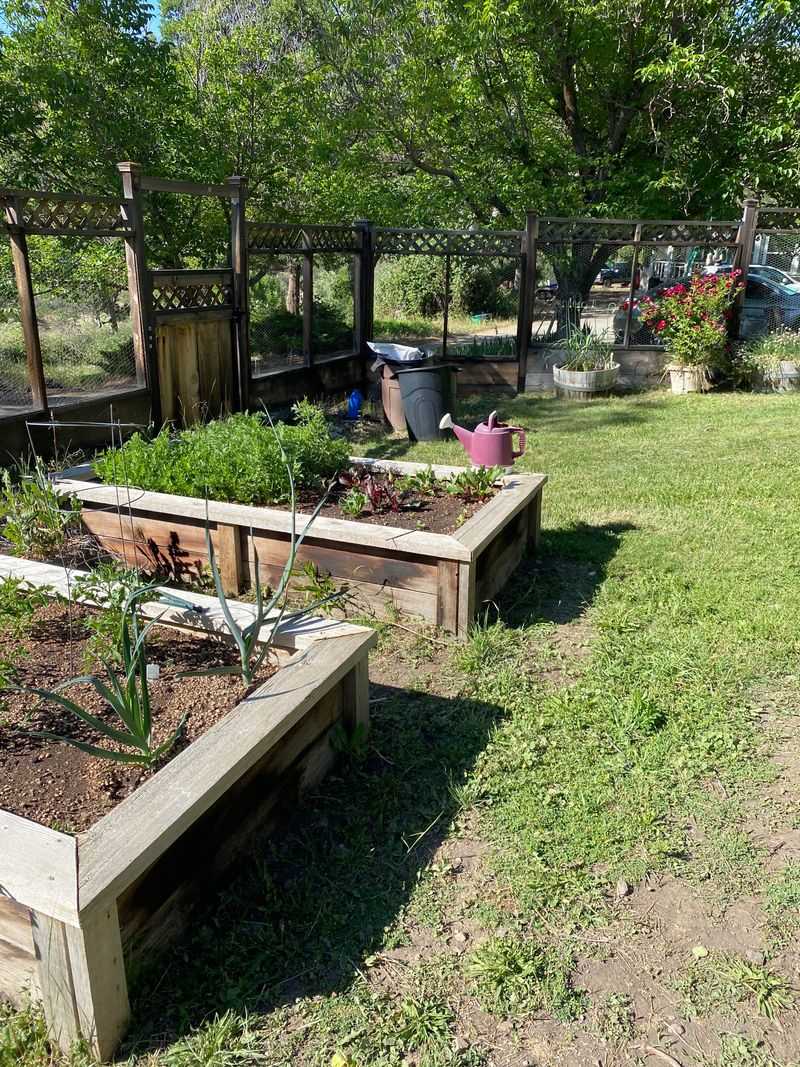
Georgia’s warm climate supports abundant vegetable growth but also creates ideal conditions for insects and diseases that challenge gardeners regularly.
Managing pests naturally protects your food from chemical residues while maintaining a healthy ecosystem in your yard that benefits wildlife.
Many organic methods work effectively against common Georgia garden pests when applied consistently and combined with good cultural practices.
Handpicking large pests like tomato hornworms, squash bugs, and beetles works surprisingly well in small Georgia vegetable gardens during inspections.
Row covers made from lightweight fabric physically exclude insects from young plants while allowing light and water to reach crops.
Companion planting uses aromatic herbs like basil and marigolds to confuse or repel pests searching for vegetables in Georgia gardens.
Neem oil sprays disrupt insect life cycles without harming beneficial insects when applied correctly according to label directions in Georgia.
Encouraging beneficial insects like ladybugs and lacewings helps control aphids and other soft-bodied pests naturally in your vegetable garden.
Healthy soil grows strong plants better able to withstand pest pressure and recover from minor damage without serious yield loss.
Rotating crop families each season prevents pest populations from building up in specific areas of your Georgia garden over time.
Staying observant and responding early keeps pest problems manageable in Georgia gardens before small issues turn into widespread infestations.
7. Fertilize Appropriately for Maximum Vegetable Production
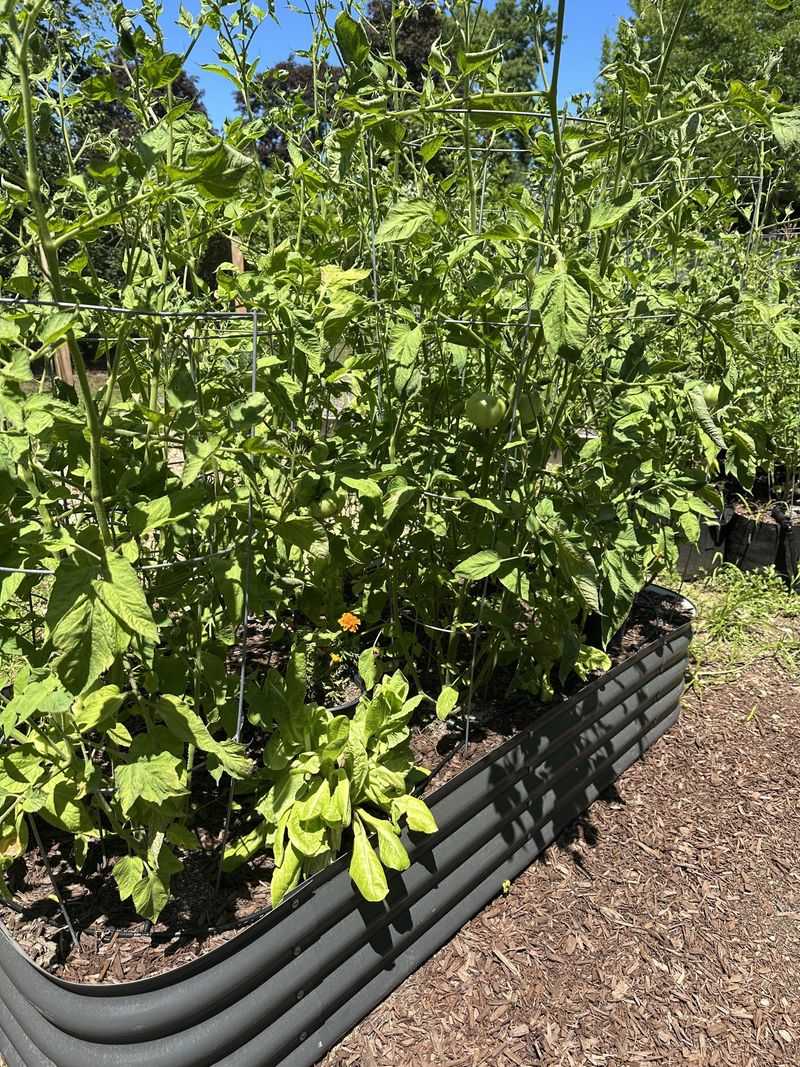
Vegetables are heavy feeders that remove significant nutrients from soil, requiring regular fertilization to maintain vigorous growth and production.
Georgia’s warm temperatures speed up organic matter decomposition, sometimes depleting nutrients faster than in cooler climates across northern regions.
Balanced fertilization keeps plants healthy and productive without creating excessive foliage growth at the expense of fruit development.
Organic fertilizers like compost, aged manure, and fish emulsion release nutrients slowly, feeding Georgia vegetables steadily throughout the season.
Granular organic fertilizers applied at planting time provide baseline nutrition that supports plants as they establish roots and begin growing.
Side-dressing established plants with compost or organic fertilizer midseason boosts production when vegetables are flowering and setting fruit heavily.
Liquid fertilizers applied as foliar sprays or soil drenches give quick nutrient boosts when Georgia plants show deficiency symptoms.
Avoid over-fertilizing, especially with nitrogen, which creates lush foliage but reduces fruiting in tomatoes, peppers, and squash plants.
Following soil test recommendations ensures you apply nutrients your Georgia garden actually needs rather than guessing and potentially causing imbalances.
Crop-specific fertilizers formulated for tomatoes or vegetables provide appropriate nutrient ratios that support healthy growth and abundant harvests.
8. Provide Adequate Sunlight for Healthy Vegetable Growth
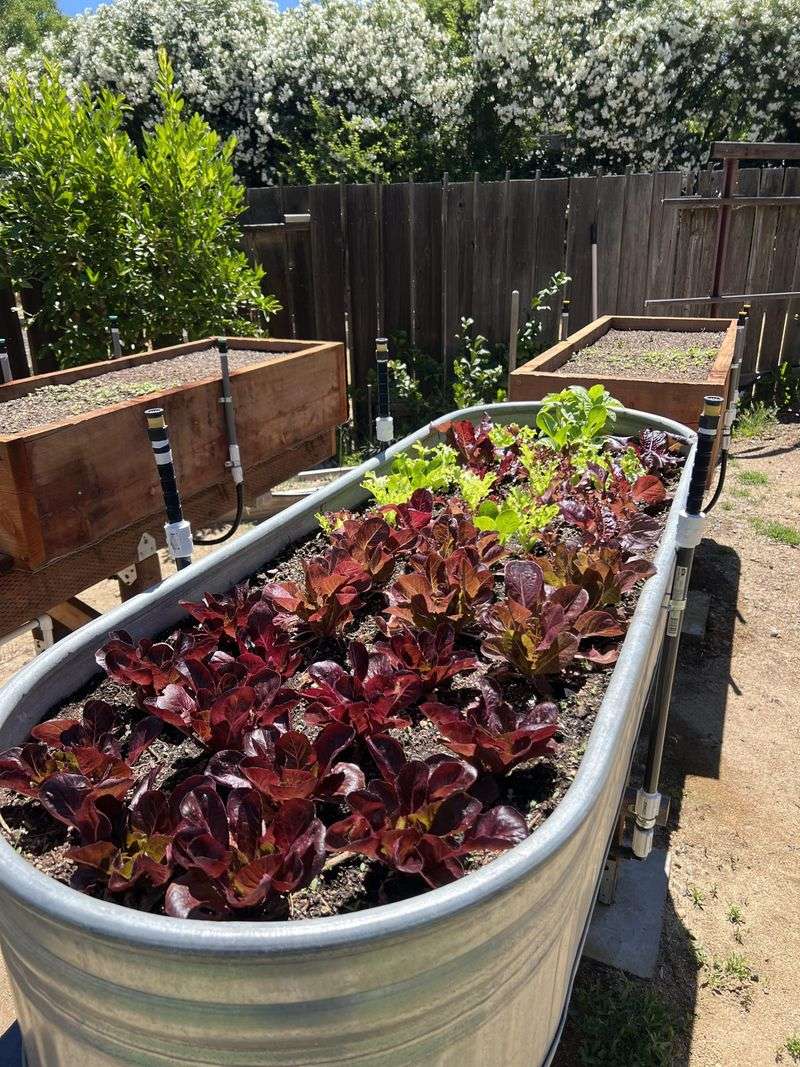
Sunlight powers photosynthesis, the process vegetables use to convert light energy into growth and fruit production throughout the season.
Most vegetables require full sun, meaning at least six to eight hours of direct sunlight daily for optimal development.
Georgia gardeners blessed with abundant sunshine still need to position gardens thoughtfully to maximize light exposure while avoiding excessive afternoon heat.
Observe your yard throughout the day to identify areas receiving the most consistent sunlight without obstruction from buildings or trees.
South-facing locations in Georgia yards typically receive the longest, most intense sun exposure, perfect for heat-loving vegetables like tomatoes.
Morning sun is especially valuable because it dries dew from foliage quickly, reducing disease problems in humid Georgia conditions.
Leafy greens and herbs tolerate partial shade better than fruiting vegetables, making them suitable for spots with four to six hours of sun in Georgia.
Tall plants like corn or trellised beans can shade shorter, heat-sensitive crops during the hottest part of Georgia summer afternoons.
Pruning overhanging tree branches increases sunlight reaching your garden without requiring you to relocate everything to a different area.
Container gardens offer flexibility to move vegetables around your Georgia yard, following the sun as seasons change and shadows shift.
Taking time to map sunlight patterns ensures your Georgia vegetables receive the light they need to thrive without unnecessary stress from heat or shade.
9. Start Small and Expand Your Garden Gradually
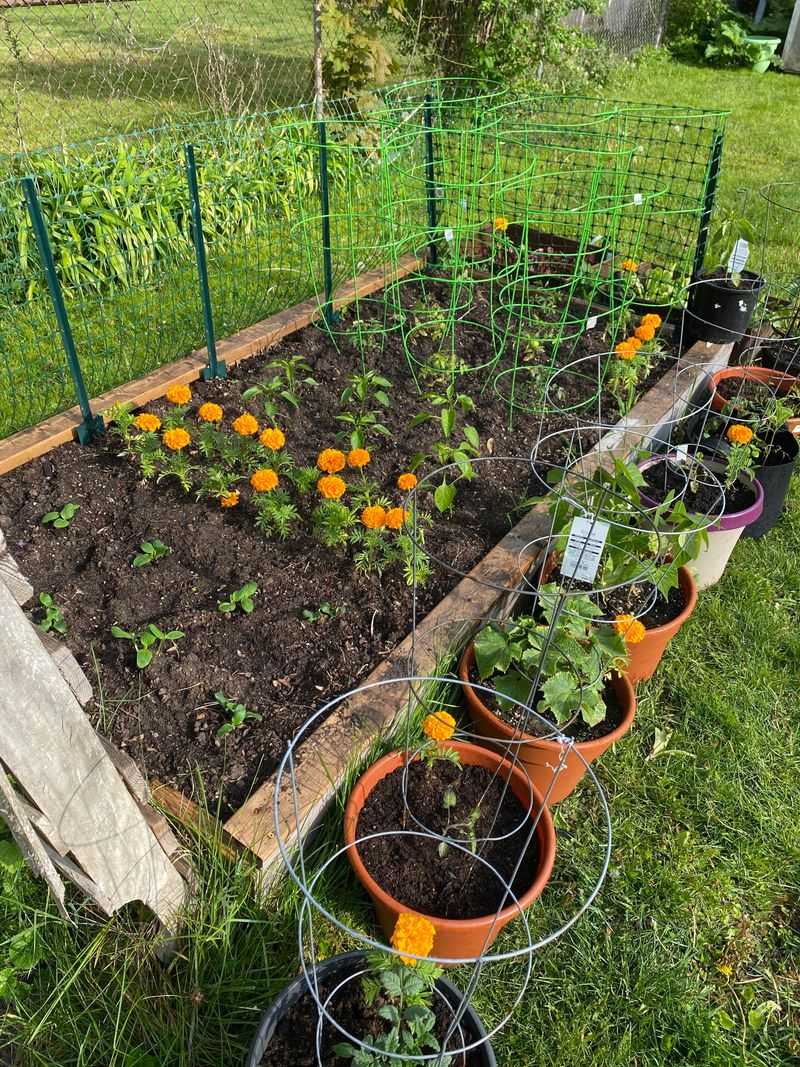
New gardeners often plant more than they can manage, leading to frustration when weeds overwhelm beds or vegetables go unharvested.
Starting with a manageable space lets you learn gardening skills while enjoying success rather than feeling defeated by an oversized project.
Georgia’s long growing season provides plenty of opportunities to expand once you master basics with a smaller initial garden.
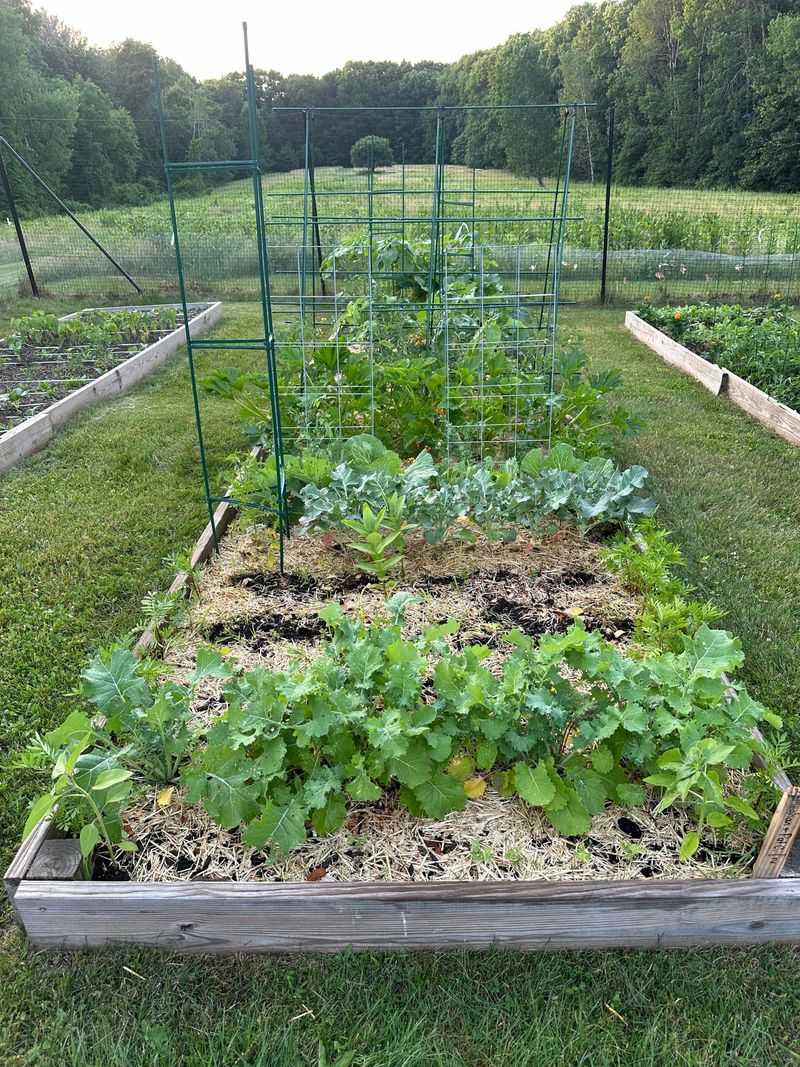
A four-by-eight-foot raised bed or a few large containers can produce surprising amounts of vegetables for beginners in Georgia.
Focus on growing a few favorite vegetables really well rather than attempting every crop that interests you in the first year.
Success with a small garden builds confidence and teaches you about your specific Georgia yard’s conditions, soil, and microclimate.
Expanding gradually each season allows you to add infrastructure like trellises, irrigation, and pathways as your garden grows larger.
Small gardens require less time for maintenance, making it easier to keep up with watering, weeding, and harvesting despite busy schedules.
You’ll learn which vegetables your family actually eats and enjoys, avoiding wasted effort on crops nobody wants in Georgia.
Mistakes made in a small garden cost less in time, money, and frustration than those made in an overly ambitious first-year plot.
Starting small turns gardening in Georgia into a rewarding learning experience that sets you up for long-term success rather than early burnout.