How To Grow An Indoor Herb Garden Successfully In Washington Homes
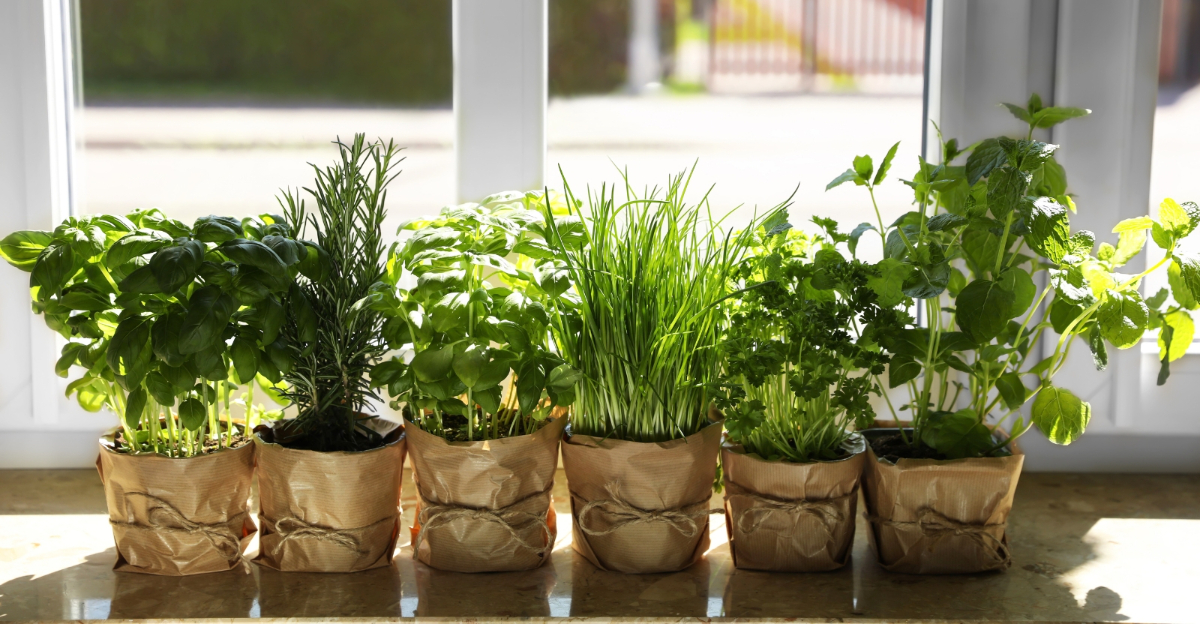
Growing herbs indoors in Washington homes feels rewarding when fresh leaves are always within reach, even on gray, rainy days.
An indoor herb garden brings a little life into kitchens and windowsills while staying practical for everyday cooking.
Success usually comes from paying attention to light, spacing, and simple routines rather than overthinking every detail.
With the right setup, herbs can thrive indoors year-round and feel just as dependable as anything grown outside.
1. Choose the Right Location with Adequate Natural Light
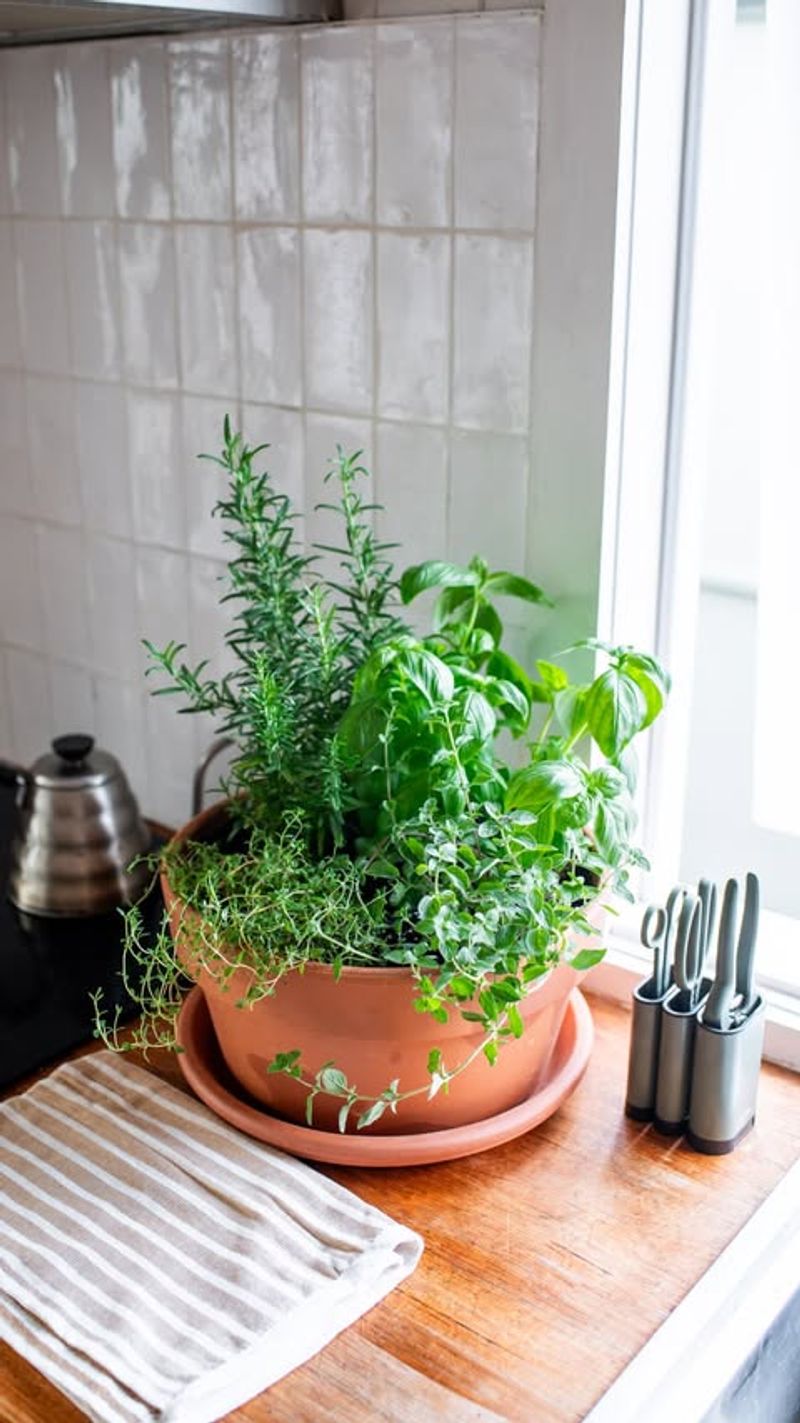
Windows facing south provide the strongest sunlight for herb gardens in Washington homes, making them ideal spots for sun-loving plants like basil and thyme.
Most culinary herbs need at least six hours of bright light daily to develop strong stems, vibrant leaves, and the essential oils that create flavor.
East-facing windows work well for herbs that tolerate partial shade, offering gentler morning sun that won’t scorch delicate leaves during summer months in Washington.
Rotating your pots every few days ensures all sides receive equal light exposure, preventing plants from leaning awkwardly toward the brightest available light source.
Consider using sheer curtains to filter intense afternoon sun, which can sometimes overwhelm tender seedlings and cause leaf burn on sensitive varieties grown indoors.
Observing how light moves through your Washington home throughout the day helps you identify the perfect spot where herbs will receive consistent, adequate illumination.
Plants placed too far from windows often become leggy and weak, stretching desperately toward distant light while producing fewer flavorful leaves for your kitchen.
2. Invest in Quality Grow Lights for Cloudy Days
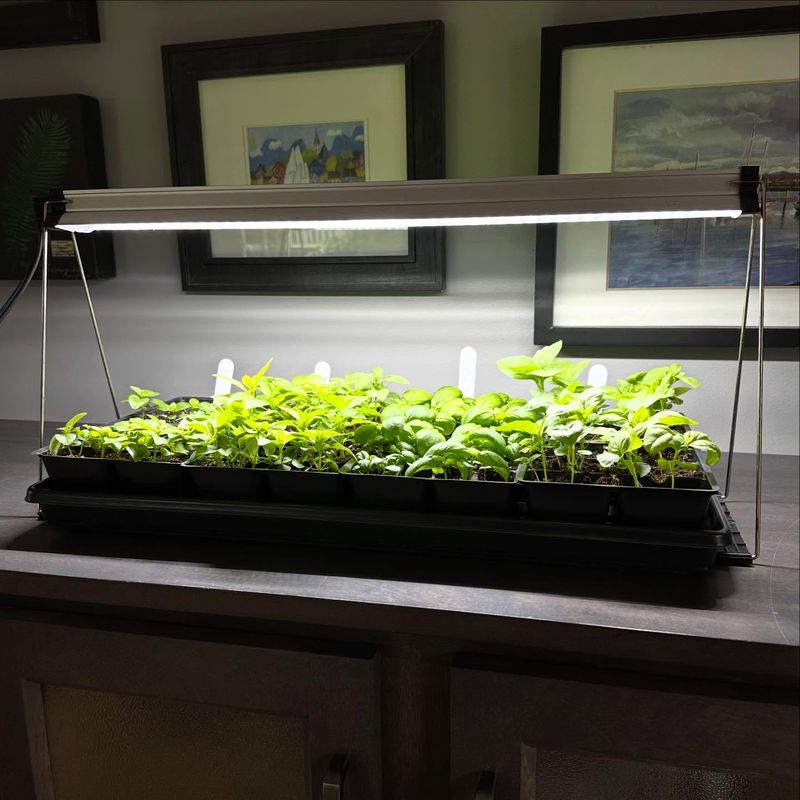
Washington’s frequent overcast skies mean natural sunlight isn’t always reliable, making supplemental grow lights essential for maintaining healthy, productive herb gardens year-round successfully.
Full-spectrum LED grow lights mimic natural sunlight perfectly, providing the wavelengths herbs need for photosynthesis without generating excessive heat that could damage tender foliage.
Position lights approximately six to twelve inches above your plants, adjusting height as herbs grow taller to maintain optimal distance for maximum light absorption.
Running grow lights for twelve to sixteen hours daily compensates for Washington’s shorter winter days, keeping basil, parsley, and cilantro growing vigorously despite gloomy weather.
Timer switches automate your lighting schedule, ensuring plants receive consistent illumination even when you’re away from home or forget to manually switch lights on daily.
Red and blue light wavelengths promote different growth stages, with blue encouraging leafy growth and red supporting flowering and overall plant health in your collection.
Quality grow lights represent a worthwhile investment for serious herb gardeners, dramatically improving success rates and harvest yields throughout Washington’s notoriously cloudy rainy seasons annually.
3. Select Appropriate Containers with Proper Drainage
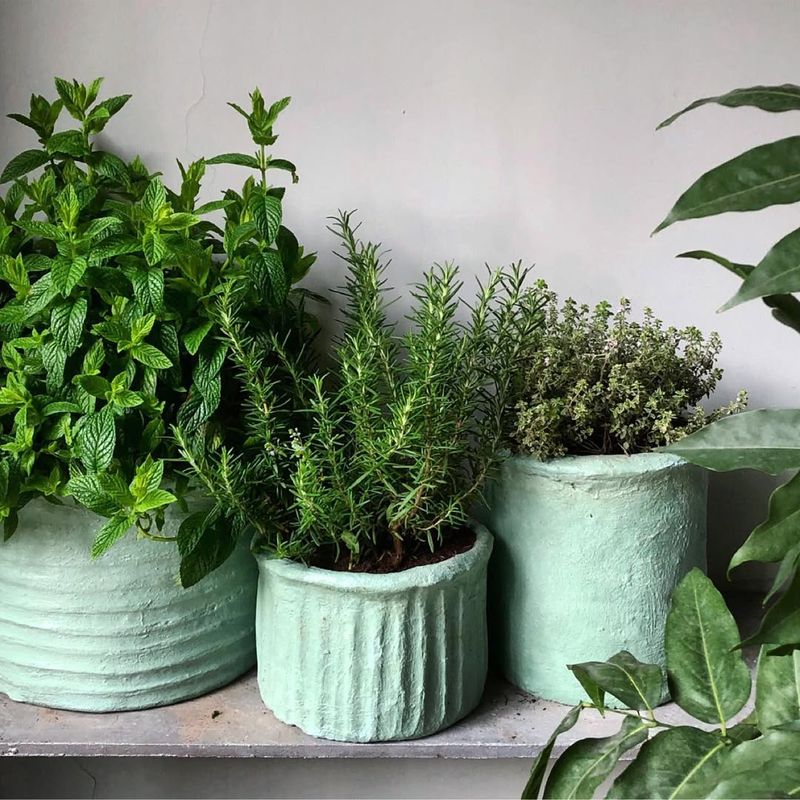
Drainage holes prevent waterlogged soil that suffocates herb roots, causing yellowing leaves and eventual plant decline in your Washington home’s indoor garden space consistently.
Terracotta pots breathe beautifully, allowing excess moisture to evaporate through porous walls while providing stability for top-heavy herbs like rosemary and tall basil plants.
Container size matters significantly because cramped roots restrict growth, while oversized pots hold too much moisture that can lead to root problems in your collection.
Individual pots for each herb type allow you to customize watering schedules, since thirsty basil needs more frequent watering than drought-tolerant rosemary or oregano.
Saucers catch drainage water, protecting furniture and windowsills in your Washington home, but remember to empty them promptly to prevent roots from sitting in water.
Ceramic pots with glazed interiors retain moisture longer than terracotta, making them suitable for herbs that prefer consistently moist soil without drying out too quickly.
Choosing containers that complement your home’s decor transforms functional herb gardens into attractive living decorations that enhance your kitchen or dining area beautifully and naturally.
4. Use High-Quality Potting Mix Formulated for Containers

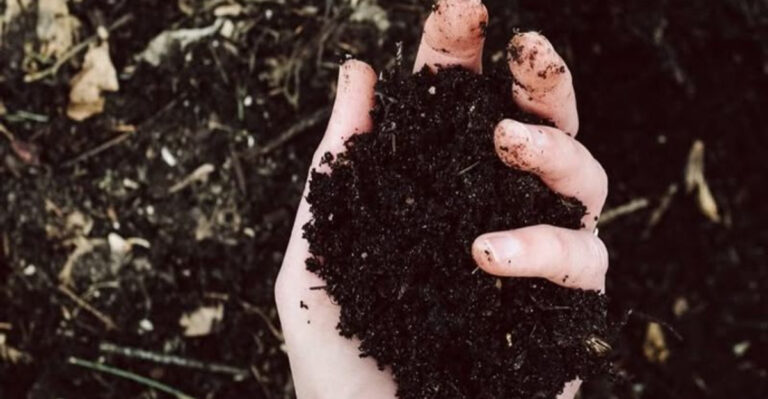
Garden soil compacts terribly in containers, restricting airflow to roots and draining poorly, which explains why quality potting mix proves essential for indoor herb success.
Lightweight potting mixes contain peat moss, coconut coir, perlite, and vermiculite, creating the perfect balance of moisture retention and drainage herbs require for optimal growth.
Organic matter in potting mix provides initial nutrients while improving soil structure, helping roots establish quickly after transplanting seedlings into their permanent containers at home.
Herbs grown in Washington homes benefit from slightly alkaline to neutral soil, so checking pH levels occasionally ensures your mix hasn’t become too acidic over time.
Refreshing the top inch of soil annually adds nutrients and improves texture without the stress of completely repotting established plants that have developed extensive root systems.
Avoid reusing old potting mix from previous plantings, as depleted nutrients and potential disease organisms make it unsuitable for starting fresh, healthy herb gardens in containers.
Specialty herb potting mixes exist, but standard quality container mixes work perfectly well for most culinary herbs when amended with a bit of extra perlite for drainage.
5. Master the Art of Proper Watering Techniques
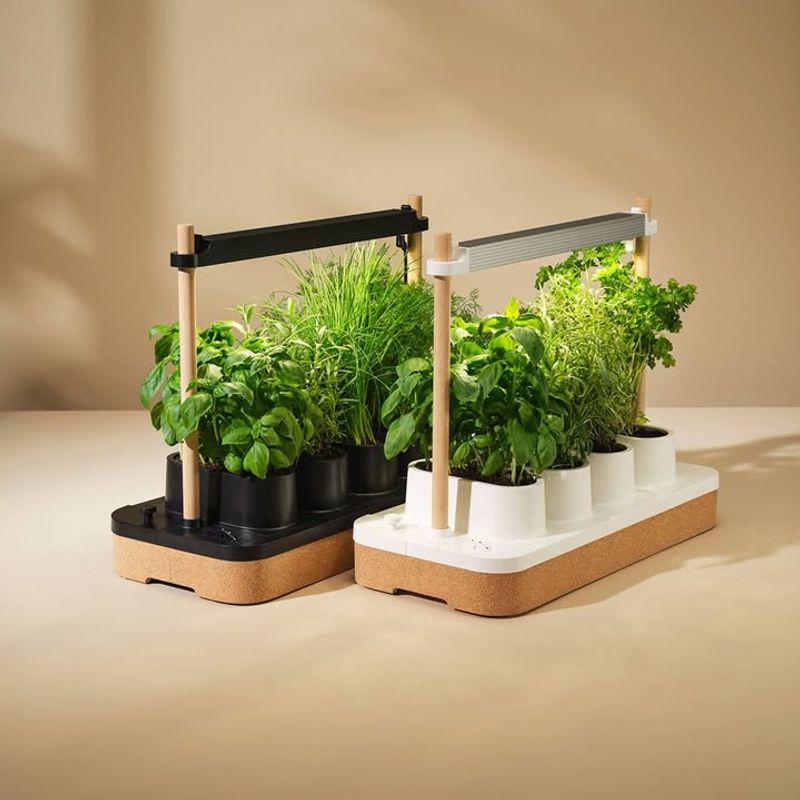
Overwatering causes more herb failures than any other mistake, as soggy soil suffocates roots and creates conditions where harmful fungi thrive in your Washington home containers.
Testing soil moisture with your finger before watering prevents automatic watering schedules that ignore actual plant needs, which vary based on temperature, humidity, and growth.
Water thoroughly until liquid drains from bottom holes, ensuring the entire root zone receives moisture rather than just wetting the surface soil inadequately and incompletely.
Herbs like rosemary and thyme prefer drying out between waterings, mimicking their Mediterranean origins, while basil enjoys consistently moist but never waterlogged soil conditions throughout life.
Morning watering allows foliage to dry before evening, reducing disease risks in Washington’s humid climate where damp leaves overnight can encourage fungal problems and mildew.
Room-temperature water prevents shocking delicate roots, so letting tap water sit overnight also allows chlorine to dissipate before you water your precious herb collection carefully.
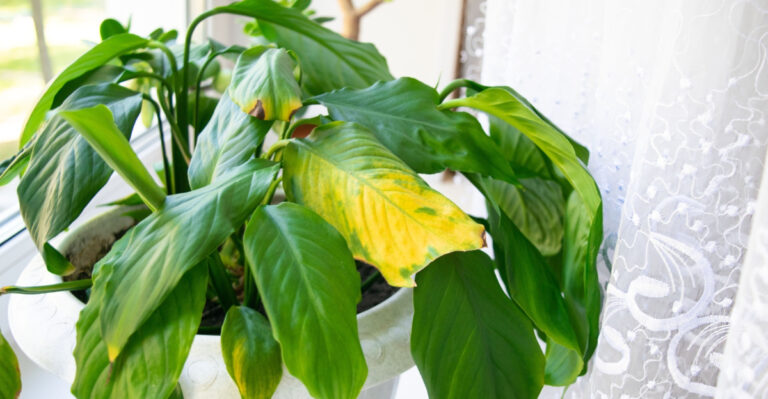
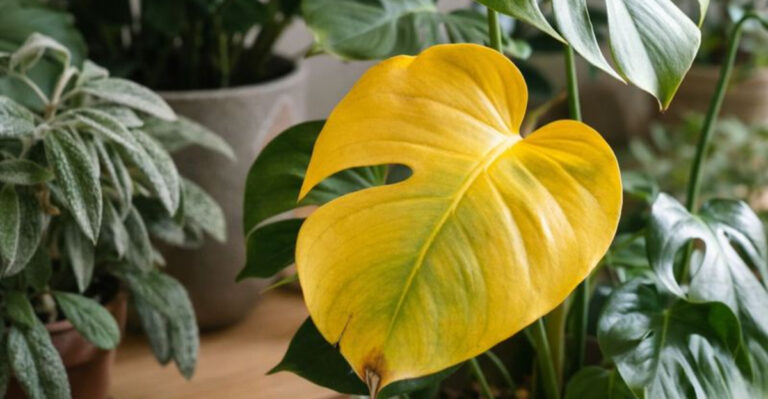
Yellowing lower leaves often signal overwatering, while wilting despite moist soil indicates root problems, helping you diagnose and correct watering issues quickly before plants suffer.
6. Maintain Ideal Temperature and Humidity Levels
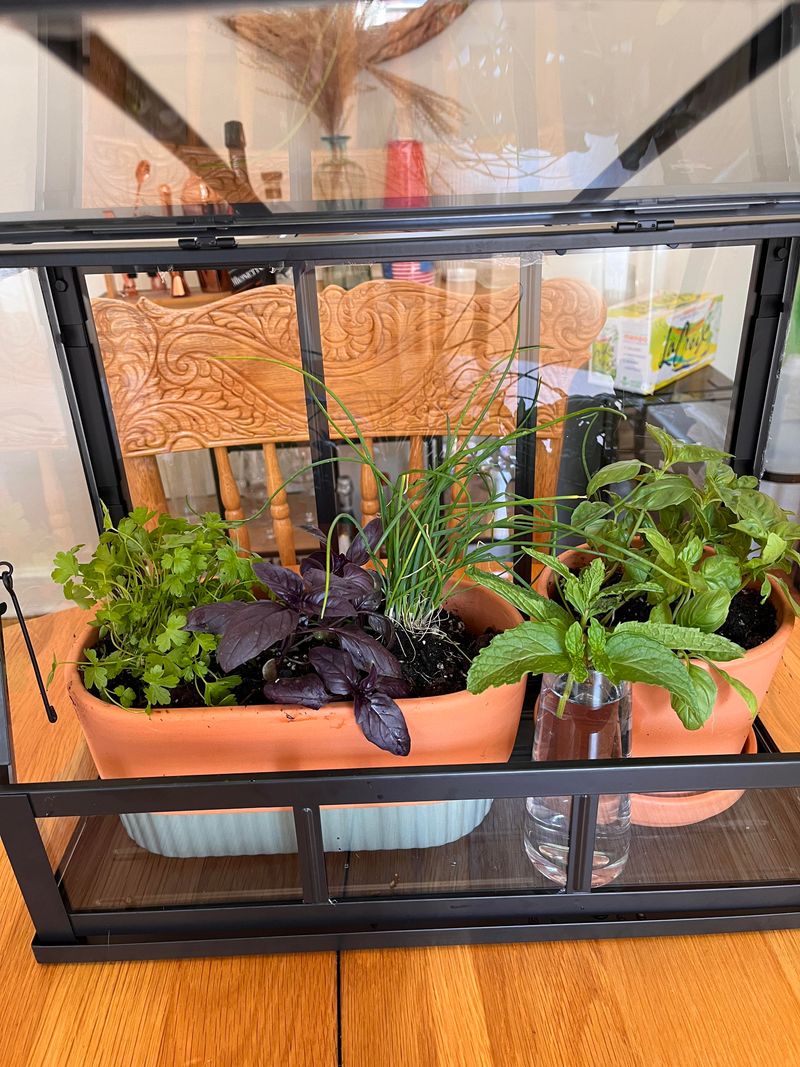
Most culinary herbs flourish in temperatures between sixty-five and seventy-five degrees Fahrenheit, which fortunately matches typical indoor comfort levels in Washington homes throughout the year.
Avoid placing herbs near heating vents, radiators, or drafty windows where temperature fluctuations stress plants, causing leaves to drop or growth to slow dramatically and unpredictably.
Washington’s winter heating systems dry indoor air considerably, so grouping herb pots together creates a microclimate where plants benefit from collective moisture transpiration through their leaves.
Pebble trays filled with water beneath pots increase local humidity as water evaporates, though pot bottoms should sit above water level to prevent root rot.
Misting foliage occasionally helps, but doesn’t significantly raise humidity levels long-term, making trays or small humidifiers more effective solutions for dry winter air indoors consistently.
Basil particularly appreciates warmer temperatures and higher humidity, while Mediterranean herbs like rosemary tolerate drier air that mimics their native habitat conditions beautifully and naturally always.
Monitoring conditions with a simple hygrometer helps you understand your Washington home’s environment, allowing adjustments that keep herbs comfortable, healthy, and productive throughout every season.
7. Fertilize Regularly with Appropriate Nutrients
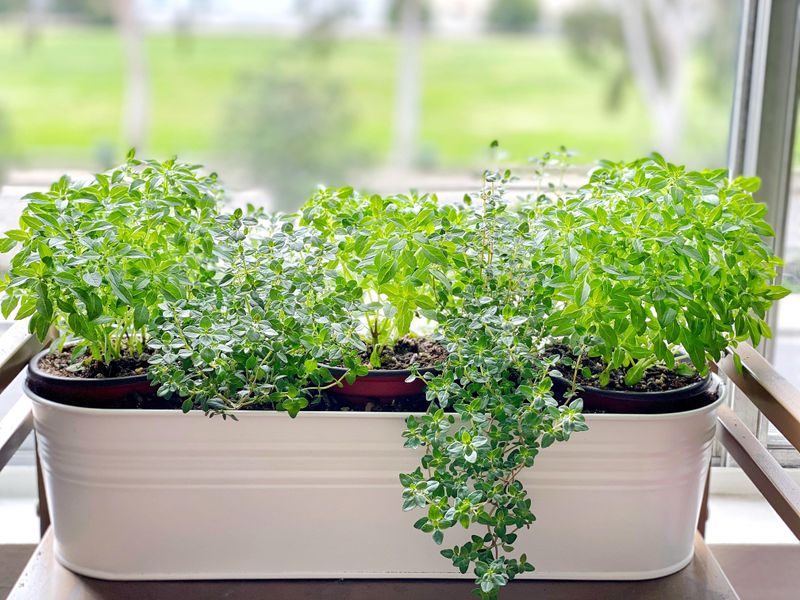
Container herbs exhaust soil nutrients faster than garden plants because limited soil volume and frequent watering leach minerals away, requiring regular fertilization for continued productivity.
Balanced liquid fertilizers diluted to half strength every two weeks during active growth provide steady nutrition without overwhelming herbs with excessive salts that accumulate harmfully.
Organic options like fish emulsion or seaweed extract offer gentle feeding that improves soil health while supplying nutrients, though the smell might be noticeable temporarily indoors.
Nitrogen promotes leafy growth essential for culinary herbs, but too much creates weak, leggy plants with less concentrated flavor in their foliage for your cooking.
Herbs grown in Washington homes during winter need less frequent fertilizing because slower growth in reduced light means lower nutrient demands throughout the dormant cold season.
Yellowing leaves with green veins suggest iron deficiency, while overall pale color indicates nitrogen shortage, helping you identify specific nutrient problems requiring attention and correction promptly.
Flushing pots with plain water monthly prevents salt buildup from fertilizers, which appears as white crusty deposits on soil surface or pot rims in your collection.
8. Prune and Harvest Herbs to Encourage Bushy Growth
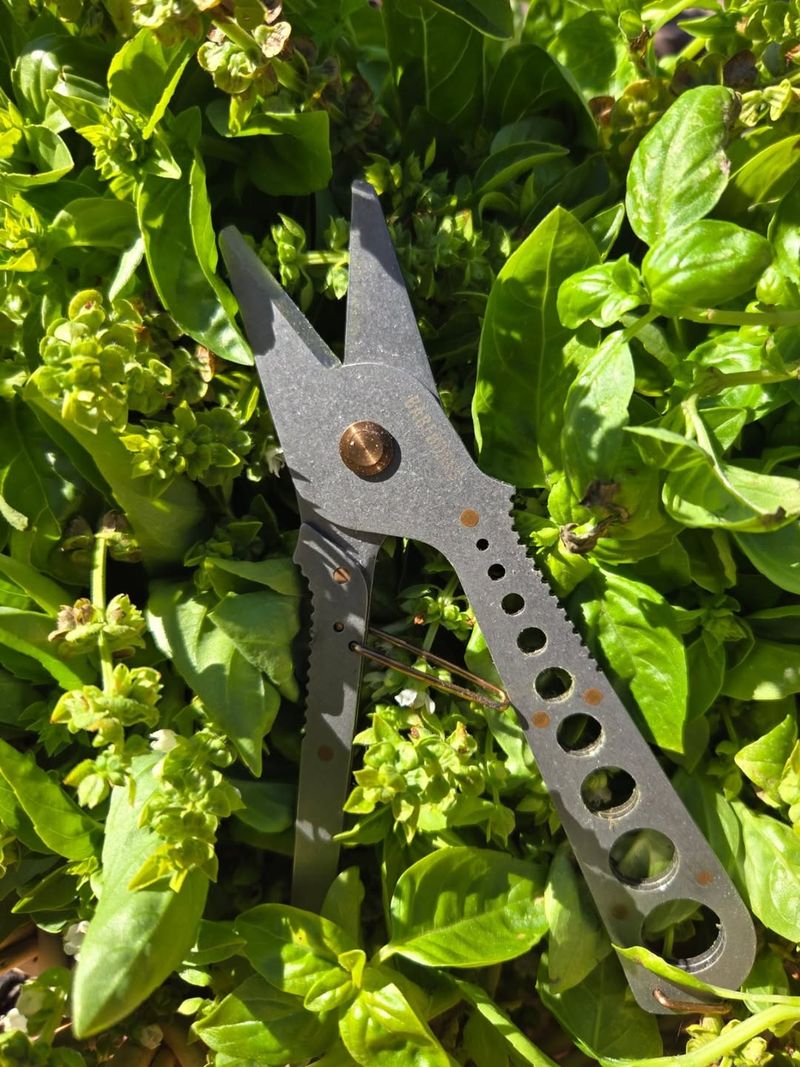
Regular harvesting actually strengthens herbs by triggering bushier, more compact growth patterns rather than tall, spindly stems that produce fewer flavorful leaves for your meals.
Pinching stem tips just above leaf nodes encourages branching at those points, creating fuller plants that yield more harvestable foliage throughout the growing season continuously.
Basil requires particularly aggressive pruning to prevent flowering, which signals the plant to stop producing tender leaves and focus energy on seed production instead unfortunately.
Harvest in the morning after dew dries but before afternoon heat, when essential oil concentrations peak, giving you the most flavorful herbs for your cooking.
Never remove more than one-third of a plant at once, as excessive harvesting stresses herbs and slows recovery, especially in Washington homes during darker winter months.
Removing flower buds promptly on basil, cilantro, and parsley extends their productive life, keeping plants focused on leaf production rather than completing their reproductive cycle prematurely.
Clean, sharp scissors or pruning shears make clean cuts that heal quickly, while tearing or crushing stems creates entry points for diseases in your indoor garden.
9. Watch for Common Pests and Address Problems Early
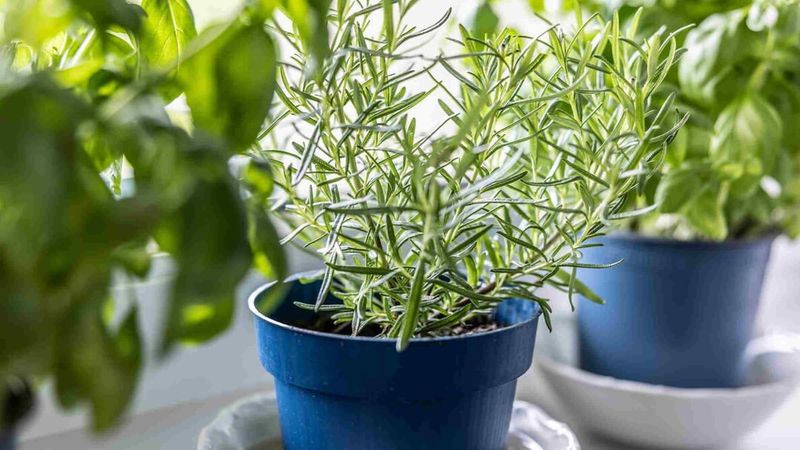
Indoor environments generally have fewer pest problems than outdoor gardens, but aphids, spider mites, and fungus gnats occasionally appear on herbs grown in Washington homes unfortunately.
Inspecting plants weekly catches infestations early when they’re easiest to control, before populations explode and cause serious damage to your carefully tended herb collection indoors.
Spider mites thrive in dry conditions, creating fine webbing between leaves and causing stippled, yellowing foliage that weakens plants if left untreated for too long.
Rinsing herbs with lukewarm water dislodges many pests, while insecticidal soap provides gentle control that’s safe for edible plants you’ll use in cooking meals daily.
Fungus gnats indicate overly moist soil, so allowing soil to dry more between waterings eliminates their breeding grounds while sticky traps catch annoying adult flies effectively.
Neem oil works as both pesticide and fungicide, offering organic protection for herbs, though its strong smell may be unpleasant temporarily in enclosed Washington home spaces.
Quarantining new plants for two weeks before introducing them near your established herbs prevents accidentally importing pests that could spread throughout your entire indoor garden collection.