How To Grow And Care For An Easter Cactus In New York For Blooms Every Year
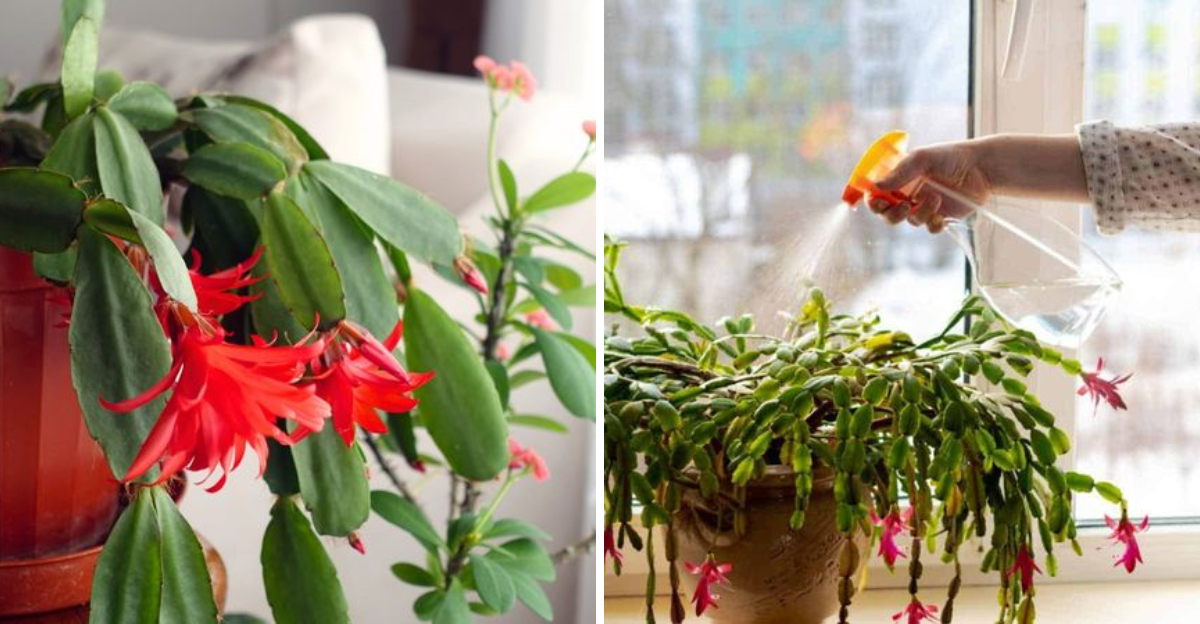
It does not just bloom.
When it decides it is time, the whole plant seems to light up at once, throwing out bright flowers that feel almost too vivid for early spring. It has that rare kind of charm that makes even a small apartment corner look suddenly alive.
That is part of why it works so well in New York homes. It does not need a sun-drenched greenhouse or a perfect setup, just the right balance of light, moisture, and timing.
Get those pieces right, and this is the kind of plant that comes back with a real performance year after year.
1. Understanding What An Easter Cactus Actually Is
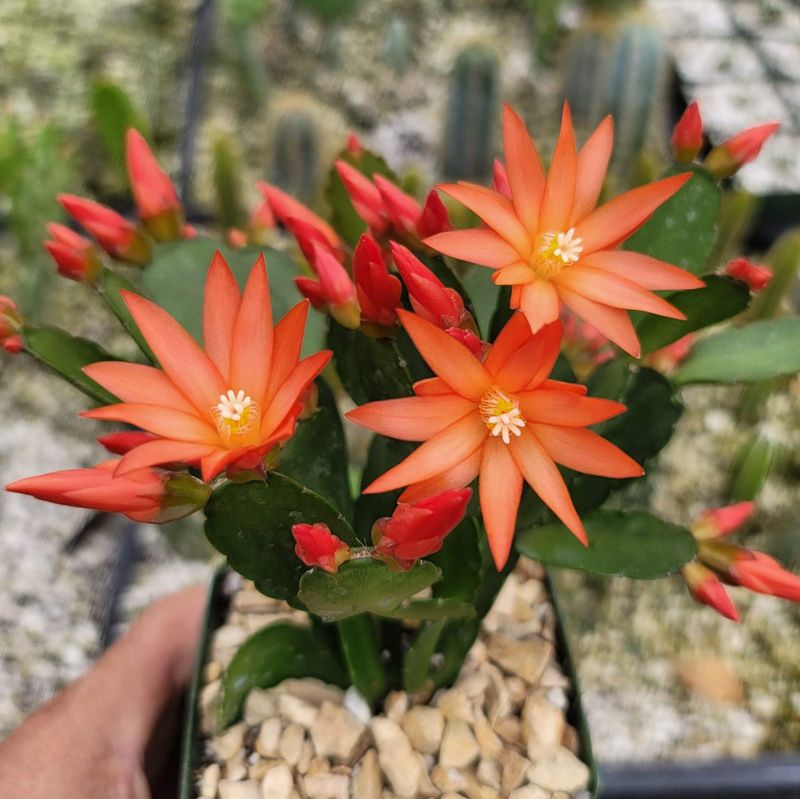
Forget everything you think you know about cacti, because the Easter cactus rewrites the rulebook entirely. Scientifically known as Rhipsalidopsis gaertneri, this plant is native to the rainforests of Brazil, not the desert.
That means it thrives in humidity, shade, and cooler temps, which is very different from what most people expect.
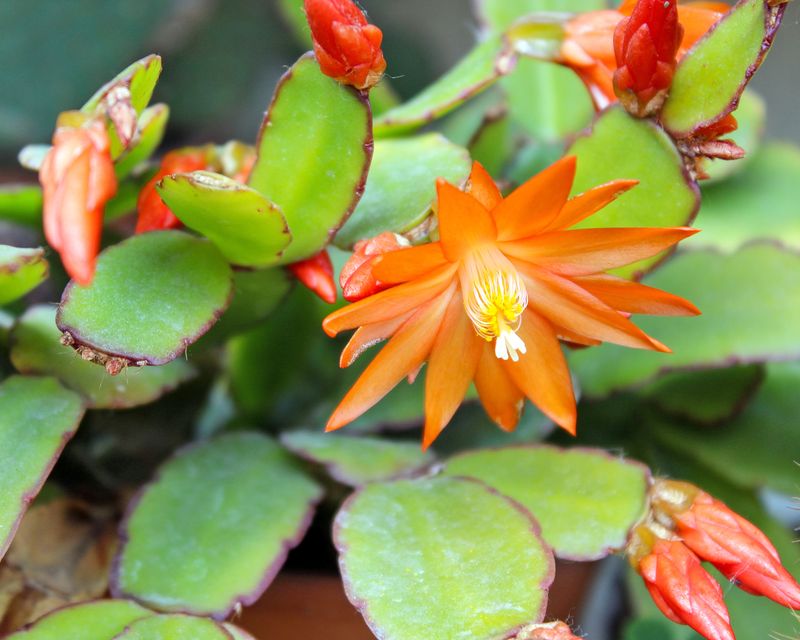
Unlike the Christmas cactus or Thanksgiving cactus, the Easter cactus blooms in spring, usually around March or April. Its flowers come in shades of red, pink, orange, white, and lavender, and they are absolutely stunning.
The stem segments are rounder and have small bristles at the edges, which helps you tell it apart from its holiday cousins.
Knowing exactly what kind of plant you have helps you care for it correctly. Many people accidentally buy an Easter cactus thinking it is a Christmas cactus, then wonder why the care tips do not seem to work.
Once you identify it properly, growing it successfully becomes so much easier and more rewarding.
2. Choosing The Right Pot And Soil Mix
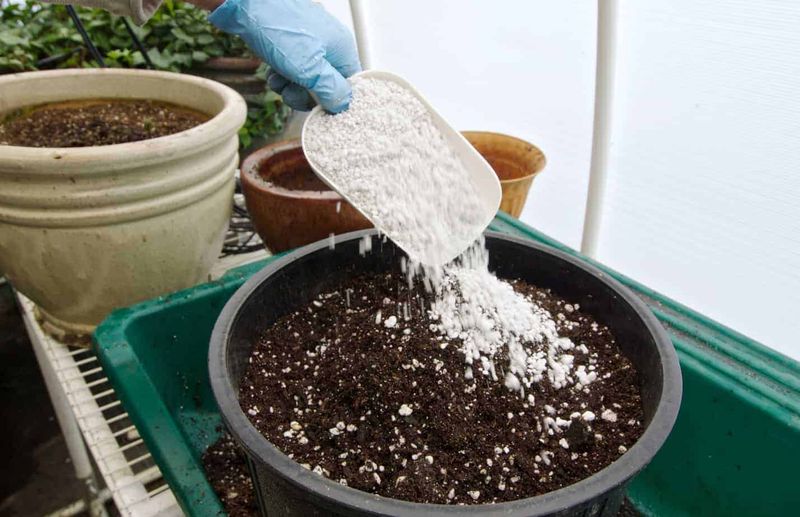
Your Easter cactus is only as happy as the soil it calls home, and getting this part right makes a huge difference. This plant needs a well-draining mix that still holds a little moisture, because it is a tropical cactus, not a desert one.
A good blend is two parts regular potting soil, one part perlite, and one part orchid bark.
Avoid using heavy garden soil or pure cactus mix, as both can cause problems. Heavy soil stays too wet and can lead to root rot, while pure cactus mix dries out way too fast for this moisture-loving plant.
The sweet spot is a light, airy mix that drains well but does not turn bone dry within hours.
When it comes to pots, terracotta is a fantastic choice because it allows the roots to breathe and helps prevent overwatering. Make sure the pot has drainage holes at the bottom, because sitting water is one of the biggest threats to this plant.
Repot every two to three years or when roots start poking out of the drainage holes.
3. Finding The Perfect Spot In Your New York Home
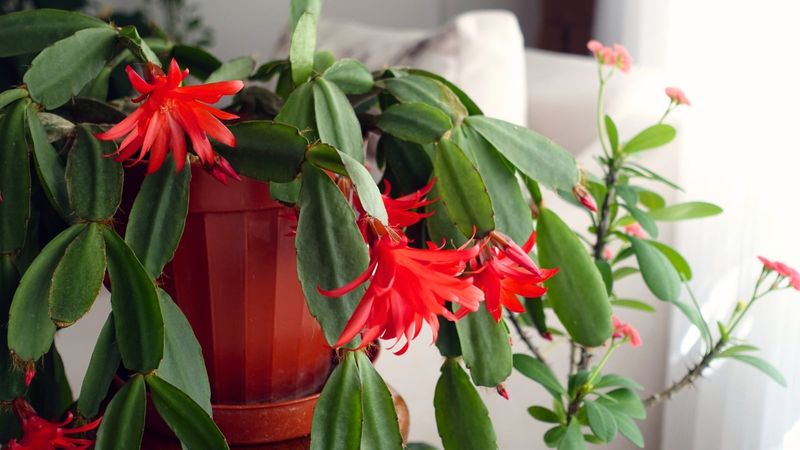
Location is everything when it comes to keeping your Easter cactus happy, especially inside a New York apartment or house. This plant loves bright, indirect light, so a spot near an east-facing or north-facing window is usually ideal.
Direct afternoon sun can scorch the flat stem segments and turn them a dull reddish color.
During the summer months, you can move the plant outside to a shaded patio or balcony if you have one. Just make sure it never gets hit by harsh midday sun, and always bring it back inside before temperatures start dropping in fall.
New York summers can get hot and humid, which actually mimics the plant’s natural Brazilian rainforest habitat pretty well.
In winter, keep the plant away from cold drafts and heating vents, both of which can stress it out quickly. Radiators are common in older New York buildings, and placing a plant too close to one can dry it out fast.
A spot that stays between 60 and 75 degrees Fahrenheit year-round is absolutely perfect for keeping this cactus content and ready to bloom.
4. Watering Your Easter Cactus The Right Way
Watering is where most people go wrong with the Easter cactus, and it is easier to fix than you might think. This plant does not want to sit in soggy soil, but it also does not want to completely dry out between waterings.
The goal is consistently moist soil, kind of like a wrung-out sponge.
During the active growing season from spring through summer, water when the top inch of soil feels dry to the touch. In fall and early winter, you will want to cut back on watering to encourage the plant to rest.
This rest period is actually what triggers it to bloom beautifully in spring.
Always use room-temperature water when you can, because cold water can shock the roots. If your tap water is heavily chlorinated, letting it sit out overnight before using it is a smart move.
Bottom watering, where you set the pot in a tray of water and let it soak up moisture from the bottom, is another great technique that encourages deep root growth and prevents overwatering at the surface.
5. Getting The Temperature And Humidity Just Right
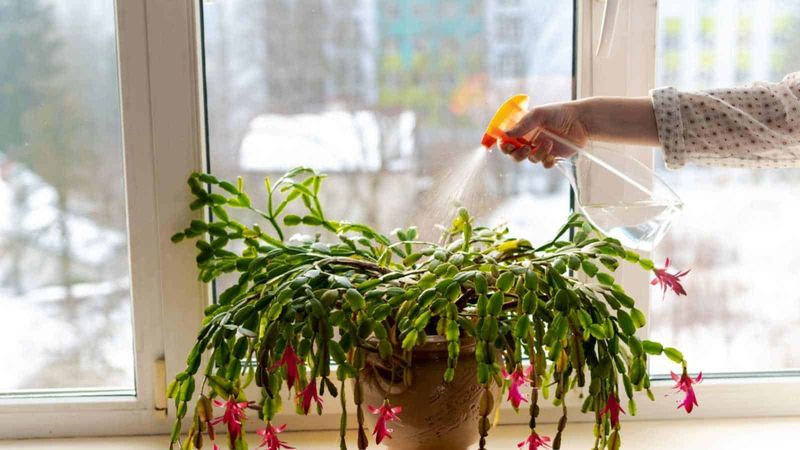
Temperature and humidity play a massive role in whether your Easter cactus thrives or just survives.
As a tropical plant, it naturally prefers humidity levels between 50 and 60 percent, which can be tricky to maintain in dry New York apartments, especially during winter when the heat is blasting.
A simple humidity tray filled with pebbles and water placed under the pot works wonders.
You can also use a small humidifier near your plant collection, which benefits all your tropical houseplants at once. Misting the plant lightly can help too, but avoid overdoing it, especially in cooler weather, as excess moisture on the stems can sometimes encourage fungal issues.
Consistent humidity is far more effective than occasional heavy misting.
Temperature-wise, this plant enjoys a range of 60 to 75 degrees Fahrenheit during its growing season. Come fall, dropping nighttime temperatures to around 50 to 55 degrees for six to eight weeks signals the plant to set flower buds.
This cool period is non-negotiable if you want reliable blooms every spring, and it is easy to achieve naturally near a cool window as New York nights get chilly.
6. Feeding Your Easter Cactus For Strong Growth
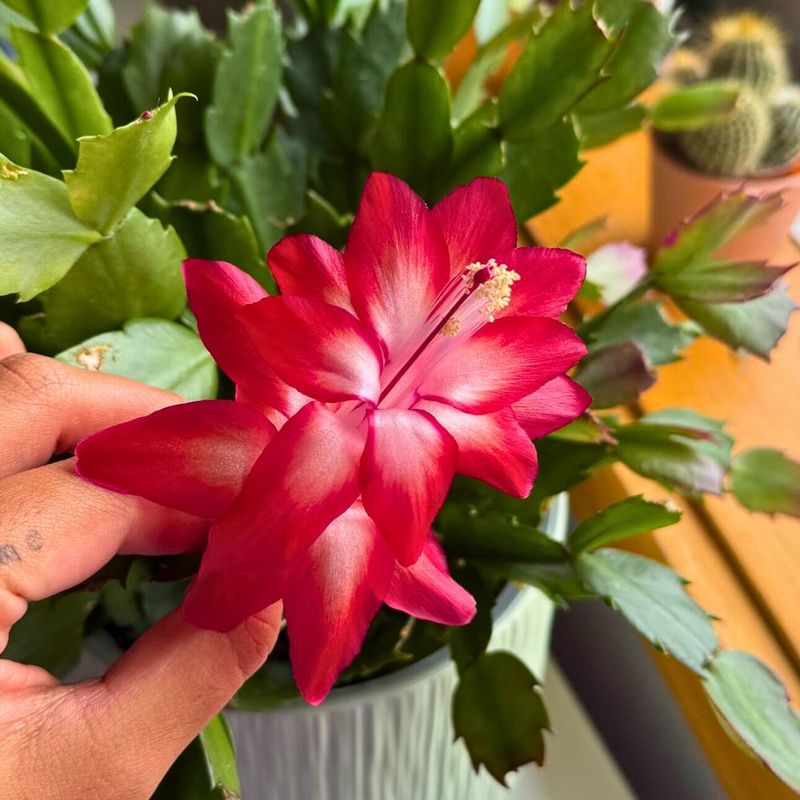
A hungry Easter cactus is a weak Easter cactus, and feeding it correctly can make a noticeable difference in both growth and blooming.
During the spring and summer growing season, feed your plant with a balanced liquid fertilizer diluted to half strength once a month.
Look for a formula with equal parts nitrogen, phosphorus, and potassium, such as a 10-10-10 blend.
As fall approaches and you start reducing watering, stop fertilizing completely. The plant needs a rest period where it is not being pushed to grow, because that energy will later go into producing those gorgeous spring flowers.
Fertilizing during this rest phase can actually disrupt the blooming cycle and lead to a disappointing spring with no flowers.
When buds start appearing in late winter or early spring, you can switch to a fertilizer that is higher in phosphorus to support flower development. Something like a 5-10-5 formula works well during this phase.
Always water the plant before applying liquid fertilizer to avoid root burn, and never fertilize a stressed or recently repotted plant, as it needs time to settle before taking in nutrients.
7. Triggering The Bloom Cycle Every Single Year
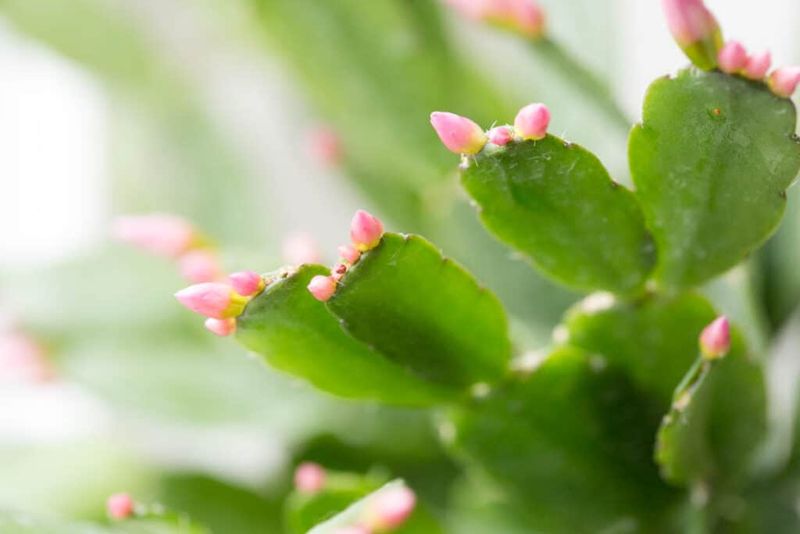
Getting your Easter cactus to bloom every year is honestly one of the most satisfying gardening achievements you can pull off indoors. The secret lies in mimicking the plant’s natural seasonal cues, which means giving it a cool, dark rest period in the fall.
Starting around October, move the plant to a cooler spot and reduce both watering and light exposure.
The plant needs about six to eight weeks of nighttime temperatures between 45 and 55 degrees Fahrenheit and around 12 to 14 hours of darkness each night.
A spare bedroom, an unheated hallway, or a spot near a drafty window in New York can work perfectly for this. Keep daytime temps a bit warmer, and the contrast between day and night will help trigger bud formation.
Once you start seeing tiny buds forming on the tips of the stem segments, bring the plant back to its regular bright, warm spot and resume normal watering.
Resist the urge to move it around once buds appear, as changes in light direction can cause buds to drop before they even open. Patience during this stage pays off big time when those flowers finally pop open in spring.
8. Dealing With Common Pests And Problems
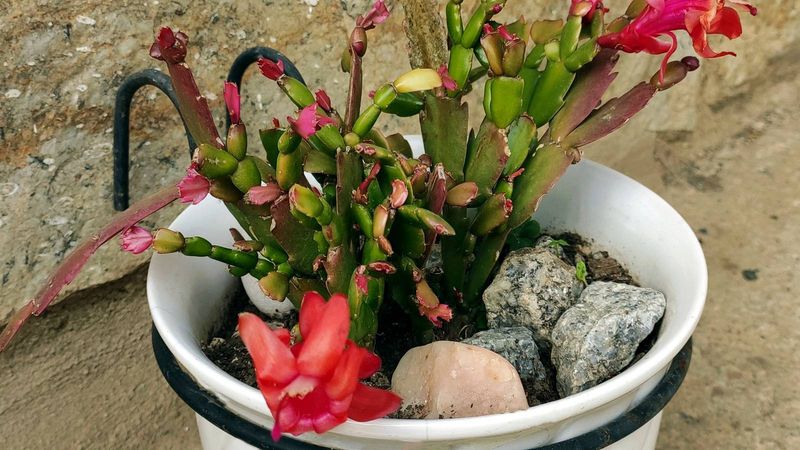
Even the most well-cared-for Easter cactus can run into trouble sometimes, and knowing what to look for keeps small problems from turning into big ones.
Mealybugs are one of the most common pests you might encounter, showing up as white, cottony clusters in the joints between stem segments. Dab them off with a cotton swab dipped in rubbing alcohol and the problem clears up fast.
Spider mites are another sneaky pest that thrives in dry indoor conditions, which is especially common during New York winters when heating systems run constantly. You might notice fine webbing or tiny dots on the stems before you spot the mites themselves.
Increasing humidity and spraying the plant with a gentle insecticidal soap solution helps knock them back effectively.
Root rot is probably the most serious issue, and it usually comes from overwatering or poor drainage. If the stems start looking mushy or the plant seems to be wilting even though the soil is wet, gently unpot it and check the roots.
Trim away any dark, mushy roots with clean scissors, let the plant dry out a bit, then repot it in fresh, well-draining soil to give it a fresh start.
9. Propagating Your Easter Cactus For More Plants
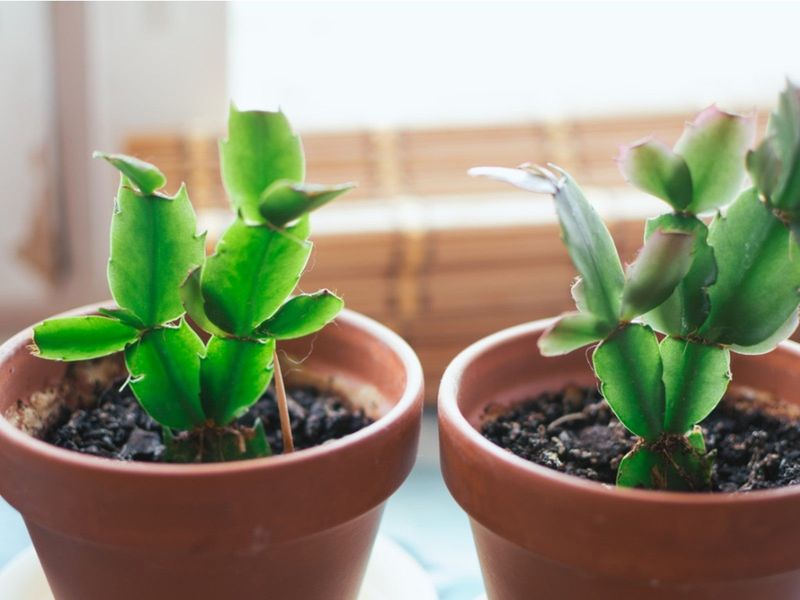
Once you have a thriving Easter cactus, sharing it with friends or expanding your own collection is incredibly easy and fun. Propagating this plant from stem cuttings is the most reliable method, and it requires almost no special equipment.
Simply twist off a section of two to three stem segments and let the cut end dry out for a day or two before planting.
Once the cut end has calloused over, stick it about half an inch into a small pot filled with moist, well-draining soil. Keep the cutting in a warm spot with bright, indirect light and mist it lightly every few days.
Roots usually develop within three to four weeks, and you will know it has taken hold when you feel gentle resistance if you give it a tiny tug.
Spring and early summer are the best times to take cuttings because the plant is in active growth mode and roots develop faster.
New York gardeners who have limited space love this method because you can create several small plants from one mature one without spending a dime.
With a little patience, those cuttings will grow into full, blooming plants within a couple of years.