How To Grow And Care For Red Spider Lilies In Western Oregon
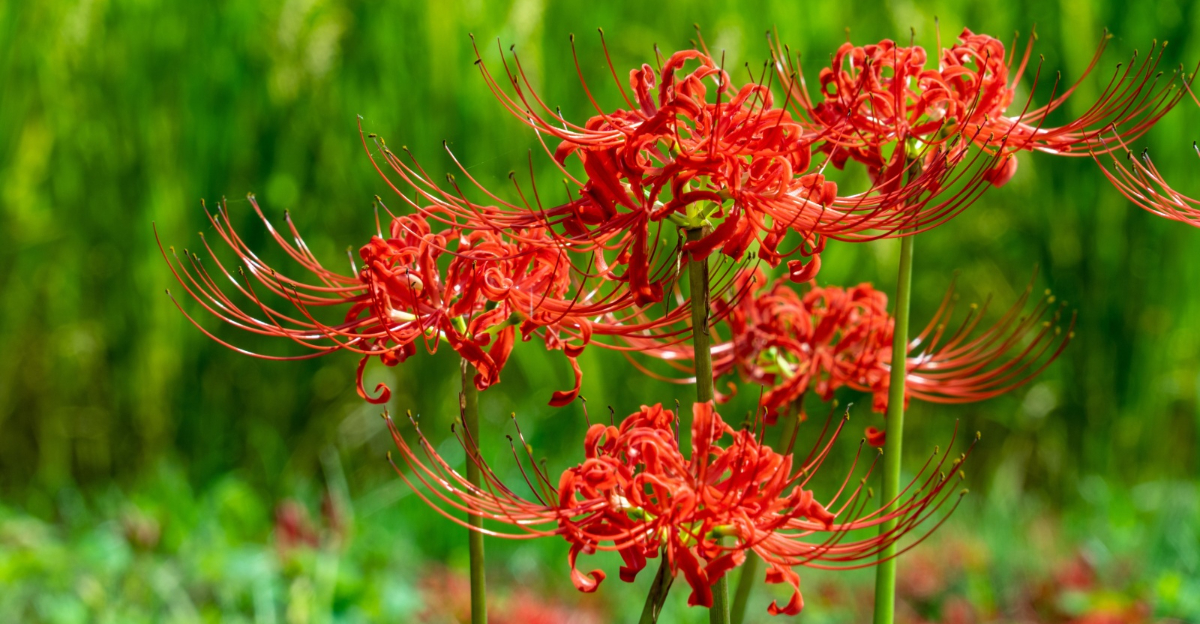
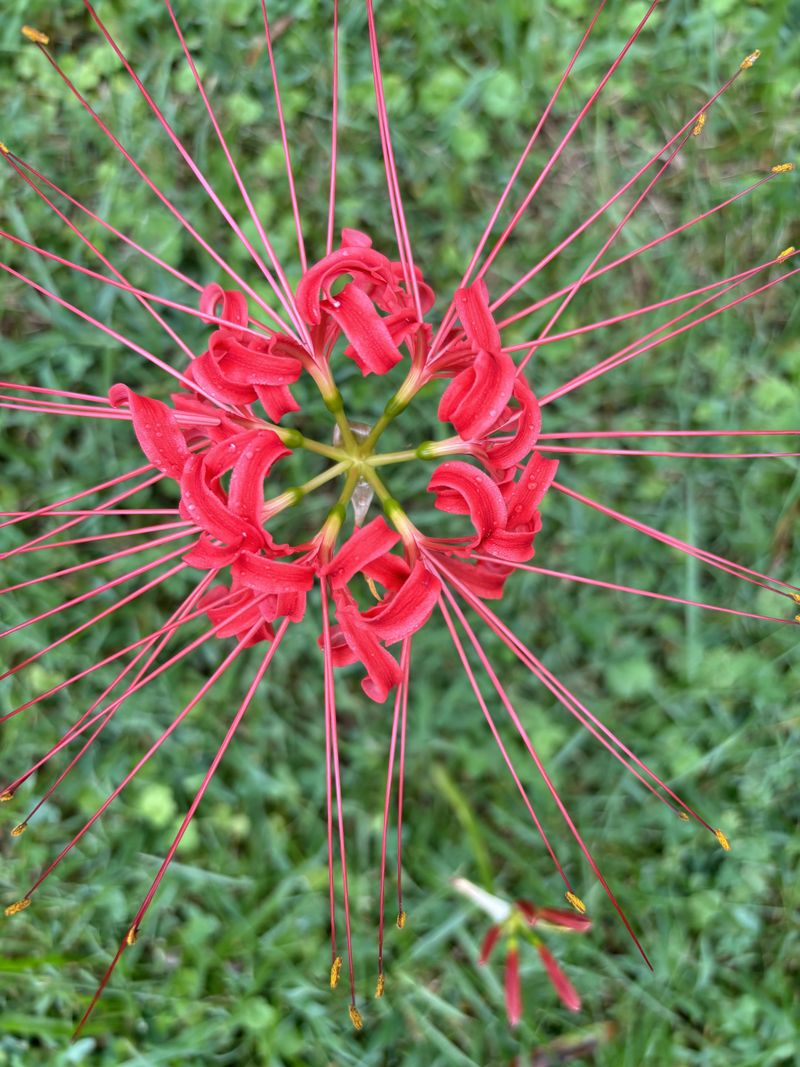
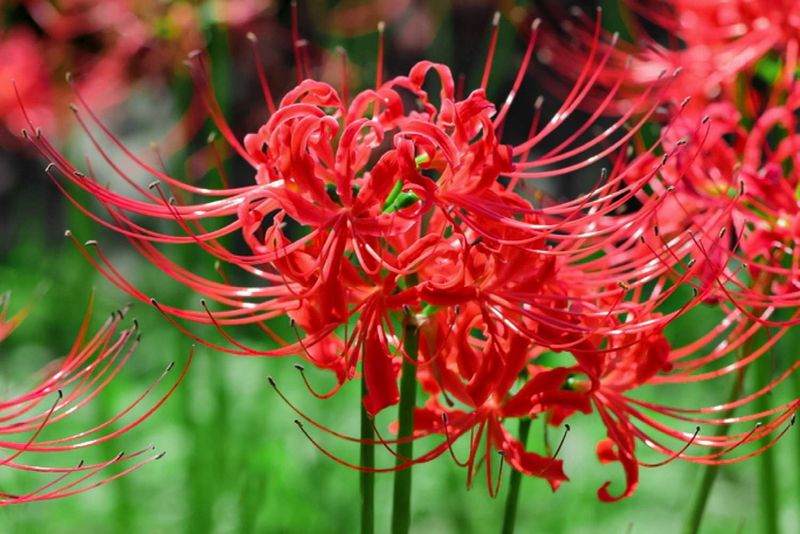
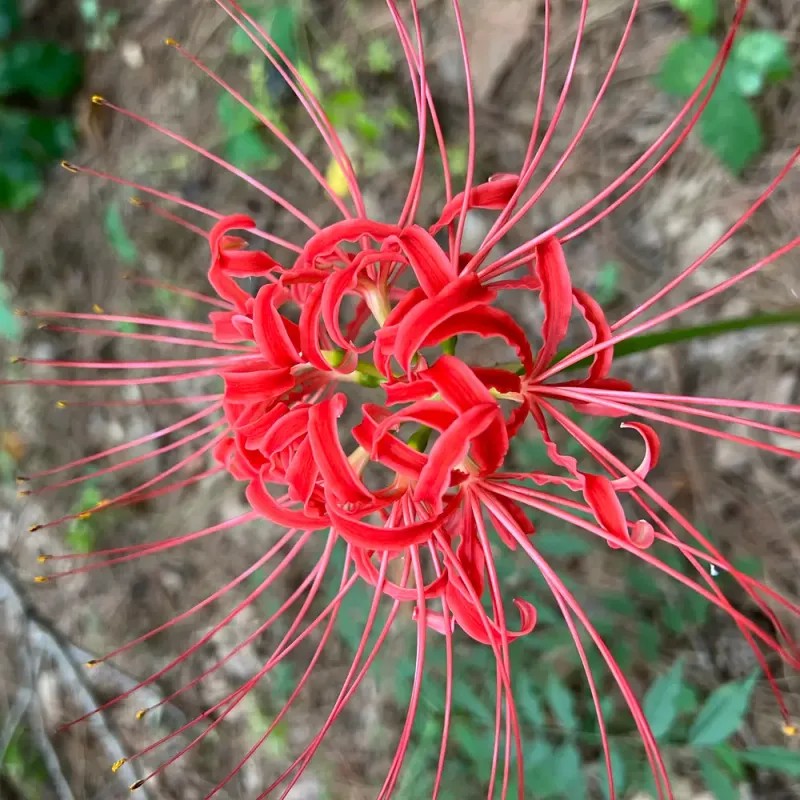
Ever walk into your Western Oregon garden one autumn morning and find a sudden, scarlet explosion where there was nothing the day before? That’s the “magic trick” of the red spider lily.
These dramatic, spindly blooms seem to erupt from the bare earth overnight, signaling the shift from summer to fall with a bold, architectural flair that stops neighbors in their tracks.
Thriving in our mild, wet winters and warm summers, these lilies are the ultimate low-maintenance showstoppers for the Pacific Northwest.
If you have a sunny spot with decent drainage, you can enjoy this effortless “instant” garden year after year.
1. Red Spider Lilies Thrive When Planted In Well-Drained Soil
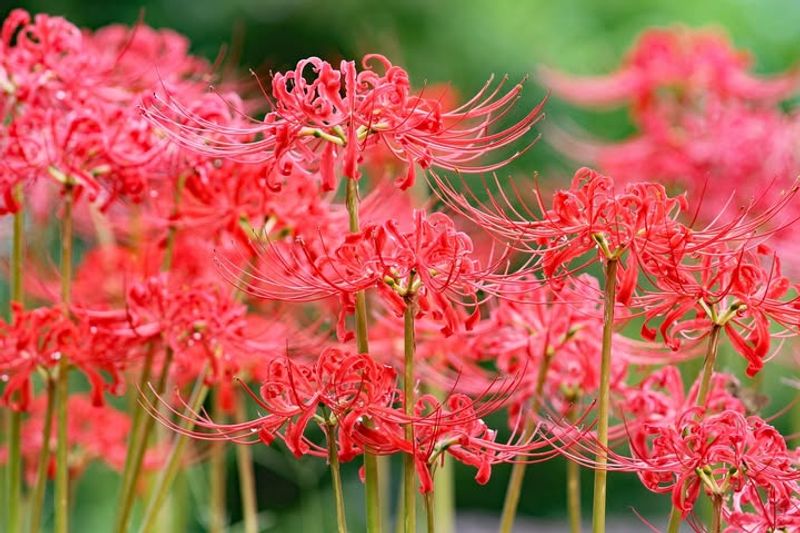
Good soil drainage is one of the most important factors for success with red spider lilies, especially in Western Oregon where autumn rains arrive early and stay long.
These bulbs are sensitive to sitting in soggy ground, which can lead to soft, stressed roots and poor blooming over time.
Choosing the right soil from the start makes a real difference in how the plant performs year after year.
A slightly acidic soil with a pH between 6.0 and 7.0 suits these lilies well.
If your native soil is heavy clay, which is common in the Willamette Valley, mixing in compost or coarse sand before planting improves both drainage and soil structure.
Raised beds are another practical option for Western Oregon gardeners dealing with dense, poorly draining ground.
Aim to plant bulbs about 6 to 8 inches deep, spacing them 8 to 12 inches apart. This depth protects the bulbs while still allowing the flower stalks to push through cleanly.
Incorporating a few inches of organic matter into the planting hole encourages healthy root development and helps the bulbs establish before the wet season fully arrives.
2. Choosing The Right Light Helps Encourage Autumn Blooms
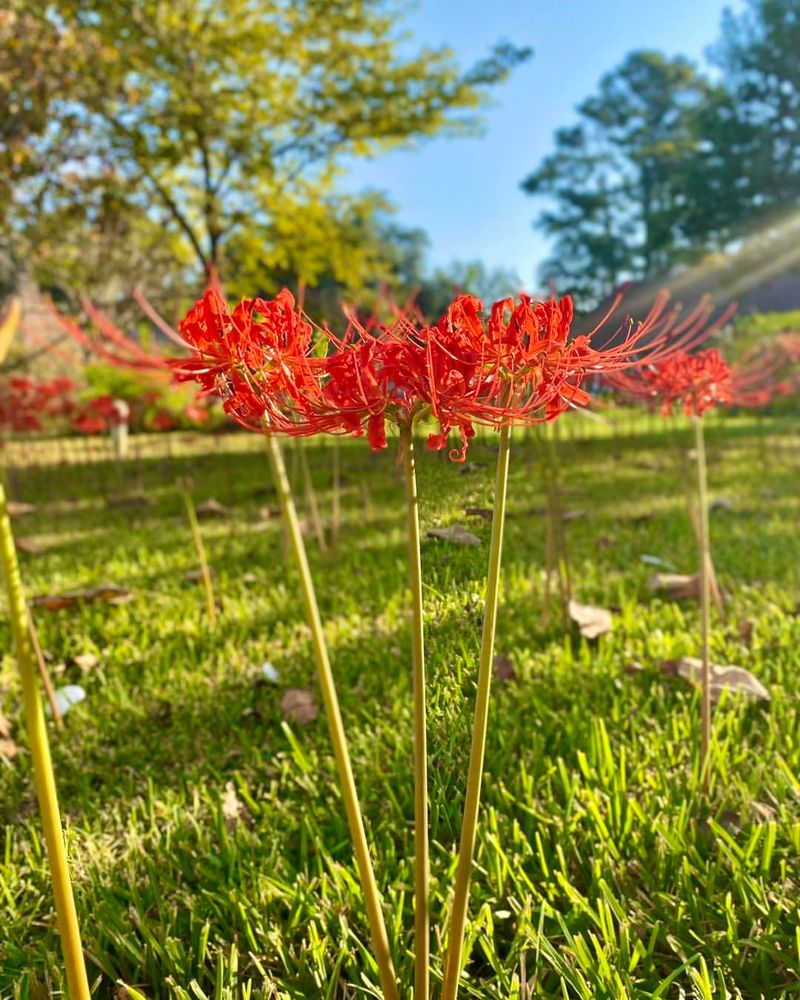
Sunlight plays a surprisingly big role in whether red spider lilies bloom reliably each fall. In Western Oregon, where summer skies can be overcast well into June, finding a spot that captures consistent warmth and light is worth the effort.
A location that receives at least six hours of direct sun daily tends to produce the strongest flower displays.
That said, these plants also handle partial shade reasonably well, which makes them versatile for gardens with mature trees or structures that filter afternoon light.
A spot with morning sun and light afternoon shade can actually work nicely in Western Oregon, protecting the bulbs from excessive heat during warm August stretches while still providing enough energy for bloom development.
South-facing and west-facing garden beds are popular choices among local gardeners because they maximize sun exposure during the growing season.
Avoid planting under dense tree canopies where competition for light and moisture becomes too intense.
Once you find a well-lit spot with good drainage, red spider lilies tend to settle in and reward you with reliable autumn color without much fuss or ongoing management.
3. Proper Planting Timing Sets The Stage For Strong Growth
Timing your planting correctly gives red spider lily bulbs the best chance to establish a solid root system before winter sets in.
In Western Oregon, late summer through early fall, roughly August through September, is the recommended window for getting bulbs in the ground.
Planting during this period allows roots to develop while the soil is still warm, which supports stronger growth the following spring.
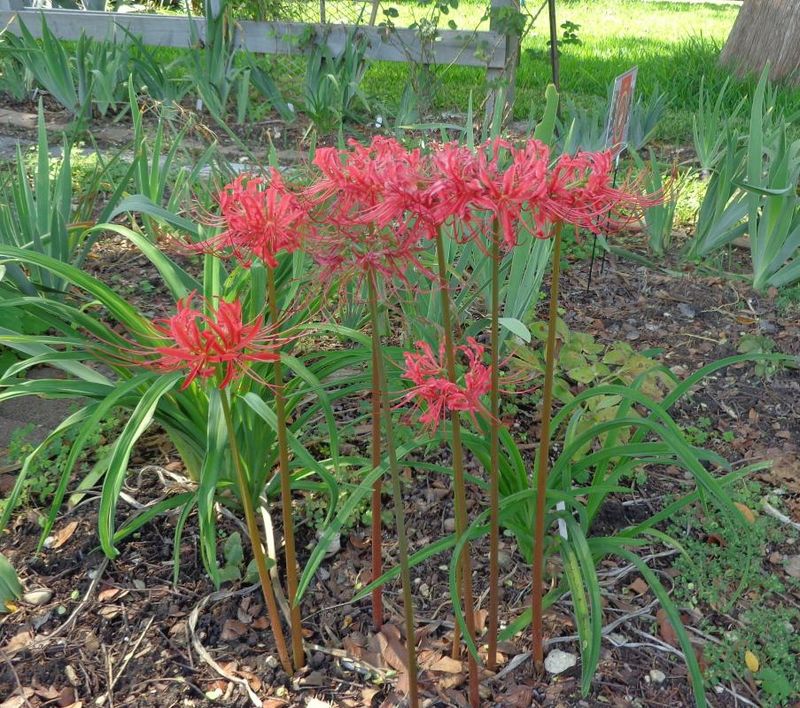
One of the fascinating quirks of red spider lilies is that they bloom before their foliage appears. The flowers emerge first in late summer or early fall on bare stalks, creating a striking visual effect.
The strap-like leaves follow after the bloom cycle ends and persist through winter and into spring before going dormant in early summer.
Newly planted bulbs may not bloom in their first season, which is completely normal and not a cause for concern. They are busy establishing roots and adjusting to their new location.
Patience pays off with this plant. By the second or third year, well-established clumps in Western Oregon gardens often produce multiple flower stalks per bulb, creating the kind of bold autumn display that stops people in their tracks.
4. Water Wisely During Growth And Let Dormancy Be Dry
Watering red spider lilies correctly means paying attention to the plant’s seasonal rhythm rather than following a fixed schedule.
During the active foliage phase, which runs from fall through late spring in Western Oregon, moderate and consistent moisture supports healthy leaf development and energy storage in the bulbs.
About once a week during dry stretches is a reasonable starting point, though Western Oregon’s rainy season often handles much of this naturally.
Once the foliage yellows and fades in late spring or early summer, the bulbs enter dormancy. This is the stage where many gardeners accidentally cause problems by continuing to water out of habit.
Dormant bulbs need relatively dry conditions, and excess moisture during this period increases the risk of rot. Reduce watering significantly or stop altogether once the leaves die back.
Western Oregon’s dry summers actually line up well with the dormancy needs of red spider lilies, making the region a surprisingly good fit for this plant.
If your garden area receives irrigation for other plants during summer, consider relocating the lilies to a spot that dries out naturally.
Matching your watering habits to the plant’s natural cycle is one of the most effective ways to keep bulbs thriving long term.
5. Mulching Helps Bulbs Through Winter In Cooler Zones
Western Oregon winters are generally mild compared to much of the country, but temperatures in the Willamette Valley and surrounding foothills can occasionally dip into the mid-20s Fahrenheit during cold snaps.
Red spider lily bulbs are fairly cold-tolerant, rated to USDA hardiness zones 7 through 10, which covers most of Western Oregon.
Still, a light layer of mulch adds a useful buffer during unusually cold stretches.
After the foliage fades in late spring, applying 2 to 3 inches of straw, shredded leaves, or bark mulch over the planting area helps regulate soil temperature and retain some moisture during the transition into summer.
In fall, when the flower stalks emerge, the mulch layer should be thin enough not to obstruct growth.
Check periodically to make sure emerging stalks are not being blocked.
By mid-March in Western Oregon, it is a good idea to pull back or thin out heavy mulch layers so the soil can warm up as spring approaches. Thick mulch that lingers too long into spring can slow the warming process and delay foliage emergence.
A light, breathable mulch layer that you adjust seasonally strikes the right balance between protection and healthy soil conditions for your bulbs.
6. Feeding In Spring And After Bloom Can Boost Performance
Fertilizing red spider lilies at the right times can meaningfully improve both foliage health and bloom quality without overcomplicating your care routine.
The foliage phase, which begins in fall and continues through spring, is when the bulbs are actively building energy reserves for the next bloom cycle.
Applying a balanced, slow-release fertilizer in early spring when the leaves are green and growing supports this energy-building process.
A second light feeding after the flowers fade in fall can also help the bulbs recover from the energy spent on blooming.
Use a low-nitrogen fertilizer at this stage to avoid pushing excessive leafy growth at the expense of root and bulb development.
Bone meal or a bulb-specific fertilizer worked lightly into the soil surface works well for this purpose in Western Oregon gardens.
Avoid over-fertilizing, as too much nitrogen can lead to lush foliage with fewer blooms. Red spider lilies are not heavy feeders, and they can do reasonably well in moderately fertile soil with minimal supplemental nutrition.
Think of fertilizing as a boost rather than a requirement. Gardens with naturally rich, compost-amended soil may need little to no additional feeding to produce a strong annual display.
7. Division Of Clumps Keeps Spider Lilies Healthy Over Time
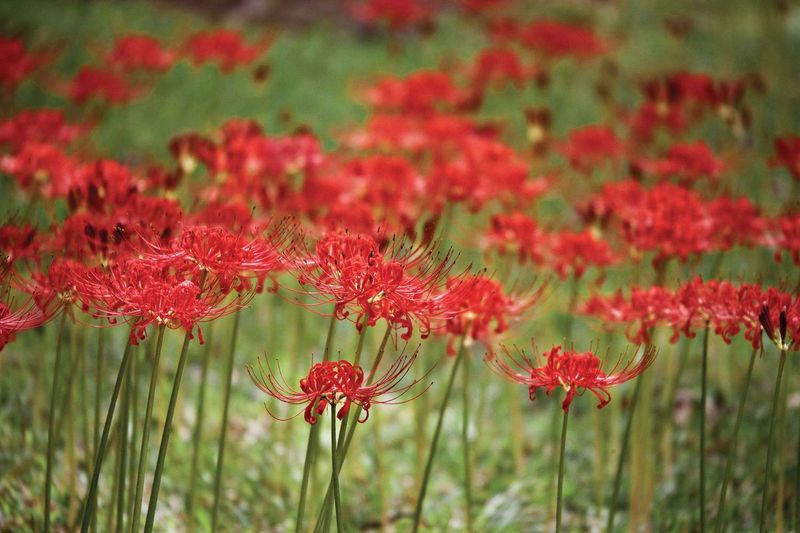
Over several years, red spider lily clumps grow dense and crowded, which can gradually reduce blooming as the bulbs compete for nutrients and space.
Dividing congested clumps every four to six years refreshes the planting and often results in a noticeable improvement in flower production the following season.
Many Western Oregon gardeners also use division as an opportunity to spread the plant to new areas of the garden.
The best time to divide is during summer dormancy, after the foliage has completely faded and before new flower stalks emerge in late summer. Carefully dig up the clump with a garden fork, trying to keep the bulbs intact.
Separate them gently by hand, discarding any that feel soft or damaged, and replant at the same 6 to 8 inch depth in refreshed soil.
Divided bulbs may skip blooming for a season while they re-establish, which is a normal response to being moved. Water them in well at planting and resist the urge to fertilize heavily right away.
Once settled, divided bulbs typically return to reliable blooming within a year or two. Sharing extras with neighbors or planting them along a fence line can create beautiful seasonal displays throughout your Western Oregon landscape.
8. Container Growing Makes Spider Lilies Flexible For Cold Areas
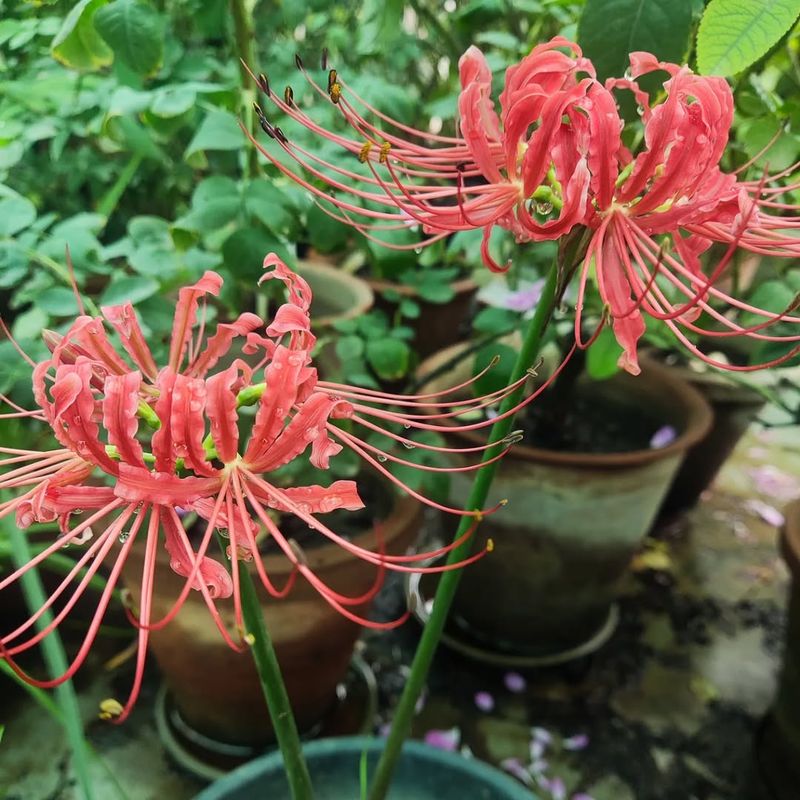
Growing red spider lilies in containers opens up some interesting possibilities for Western Oregon gardeners, especially those in higher-elevation areas east of the Coast Range where winter temperatures drop more severely.
A container allows you to move the plant to a sheltered spot during extreme cold, protecting the bulbs without the need for heavy mulching or special in-ground preparations.
Choose a container at least 12 inches deep to give bulbs adequate room to develop. Use a well-draining potting mix, ideally blended with perlite or coarse grit to prevent waterlogging.
Terra cotta pots work well because they allow excess moisture to evaporate through the walls, which suits the drainage preferences of these bulbs nicely. Make sure the container has generous drainage holes at the bottom.
Container-grown red spider lilies follow the same seasonal rhythm as in-ground plants, so reduce watering during summer dormancy and resume moderate moisture once fall foliage begins to emerge.
Feed lightly in spring with a balanced fertilizer to compensate for nutrients that leach out of containers more quickly than garden soil.
Containers placed on patios or near south-facing walls often benefit from the reflected warmth, which can encourage strong autumn blooming even in slightly cooler Western Oregon microclimates.
9. Avoid Overwatering To Prevent Bulb Rot And Stress
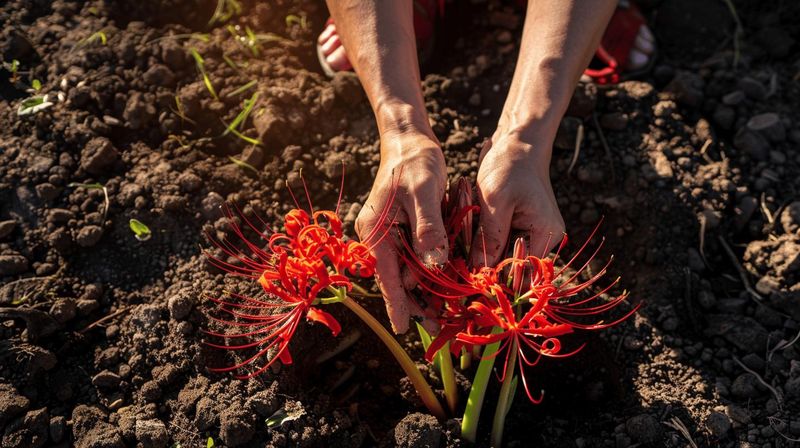
Overwatering is one of the most common mistakes gardeners make with red spider lilies, and it is a particularly relevant concern in Western Oregon where fall rains can be persistent and heavy.
Bulbs that sit in saturated soil for extended periods become vulnerable to fungal issues and root stress that weaken the plant over time.
Choosing a well-drained planting site from the beginning is the most effective prevention strategy.
During the active growing season, the soil around these lilies should feel consistently moist but never waterlogged. A simple way to check is to press a finger about two inches into the soil – if it feels damp, hold off on watering.
If the soil feels dry at that depth, it is time to water. This kind of hands-on monitoring tends to work better than a rigid watering schedule, especially given Western Oregon’s variable rainfall patterns.
In garden beds that receive regular irrigation for other plants, consider installing a simple barrier or choosing a slightly raised area that naturally sheds excess water.
Improving soil drainage with amendments before planting is far easier than trying to correct waterlogged conditions after bulbs are established.
Giving the bulbs breathing room through smart site selection and thoughtful watering habits keeps them vigorous and blooming reliably season after season.
10. Pair Spider Lilies With Other Plants For Seasonal Impact
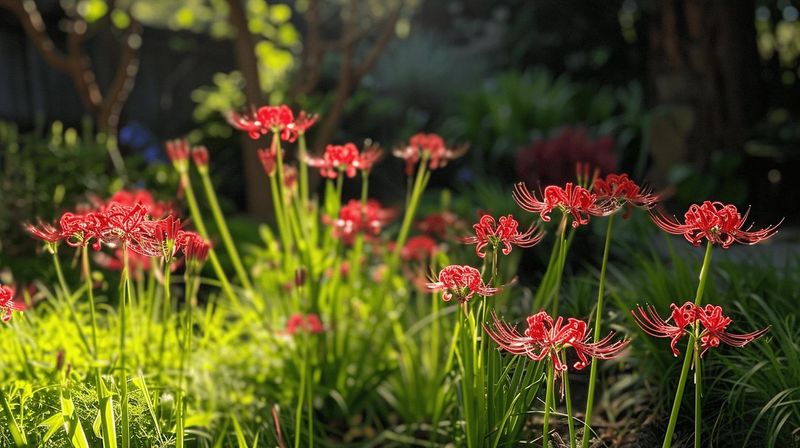
One of the most creative aspects of growing red spider lilies is figuring out how to use them as part of a larger garden composition.
Because the flowers emerge on bare stalks without any accompanying foliage, thoughtful companion planting can fill in the visual gaps and create a more cohesive seasonal display throughout the year.
Western Oregon gardeners have a wide range of fall-blooming and foliage plants to work with.
Ornamental grasses make excellent neighbors for red spider lilies. Their feathery seed heads and warm autumn colors complement the bold red blooms without competing for visual attention.
Low-growing sedums and autumn-blooming asters also work well, providing ground-level color and texture around the bare lily stalks.
Hostas, which go dormant in fall, can effectively mask the bare ground around spider lily clumps during the rest of the year.
For a layered look that carries interest across seasons in a Western Oregon garden, try combining red spider lilies with spring-blooming bulbs like daffodils or muscari in the same bed.
The spring bulbs take the spotlight early in the year while the spider lilies rest underground, and then the roles reverse come late summer.
This kind of thoughtful seasonal layering creates a dynamic garden space that rewards attention throughout the entire growing year.