How To Grow And Harvest Garlic Scapes Successfully In Michigan
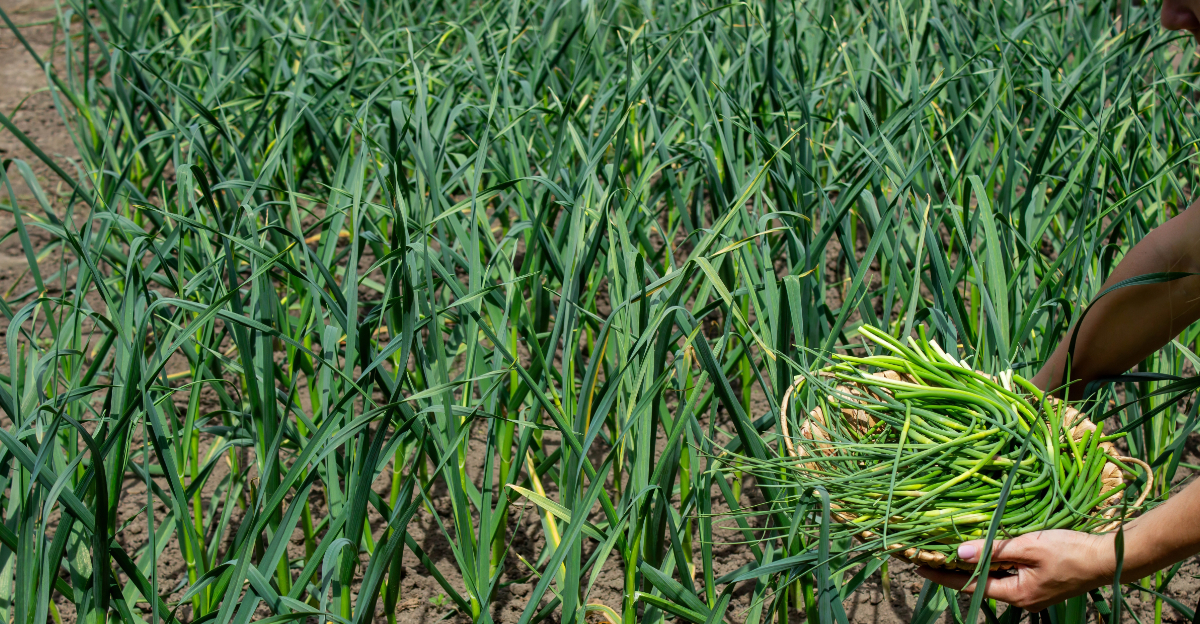
Michigan gardeners who grow hardneck garlic get a bonus many people never expect. In early summer, curly green shoots begin rising from the plants, twisting above the leaves like bright green ribbons.
These shoots are called garlic scapes, and they are one of the most flavorful rewards a garlic bed can offer. Across the Upper and Lower Peninsulas, gardeners look forward to this short seasonal harvest.
Scapes have a fresh, mild garlic flavor that works beautifully in pesto, stir fries, soups, and salads. Harvesting them at the right time also helps the garlic bulbs grow stronger underground, making them valuable for both the kitchen and the garden.
Growing great garlic scapes in Michigan starts long before summer arrives. With the right planting time, proper care through the changing seasons, and a well timed harvest, you can enjoy one of the most unique and delicious crops your garden can produce.
Choose Hardneck Garlic Varieties For Michigan’s Climate
Hardneck garlic is the only type of garlic that produces scapes, which makes choosing the right variety the first and most important step for gardeners in Michigan.
If your goal is to harvest those flavorful, curly green scapes in early summer, you need to start with the correct garlic type.
Popular hardneck varieties like Music, German Extra Hardy, and Chesnok Red are excellent choices because they handle Michigan’s cold winters and moderate summers very well.
These varieties have been grown successfully in northern climates for many years, making them reliable options for both beginner and experienced gardeners.
One reason hardneck garlic performs so well in Michigan is that it actually needs a long period of cold weather to grow properly. This cold exposure helps the garlic develop strong bulbs and healthy plants in the spring.
Luckily, Michigan’s winters naturally provide the chill that hardneck garlic needs to thrive. Softneck garlic varieties, which are more common in grocery stores, do not produce scapes and are generally better suited to warmer climates.
Before you buy your seed garlic, make sure you’re purchasing true hardneck varieties. Many local garden centers, farmers markets, and reputable online suppliers offer seed garlic specifically selected for Great Lakes growing conditions.
Starting with the right variety sets the foundation for a healthy crop and a rewarding scape harvest.
Plant Garlic Cloves In October For Best Results
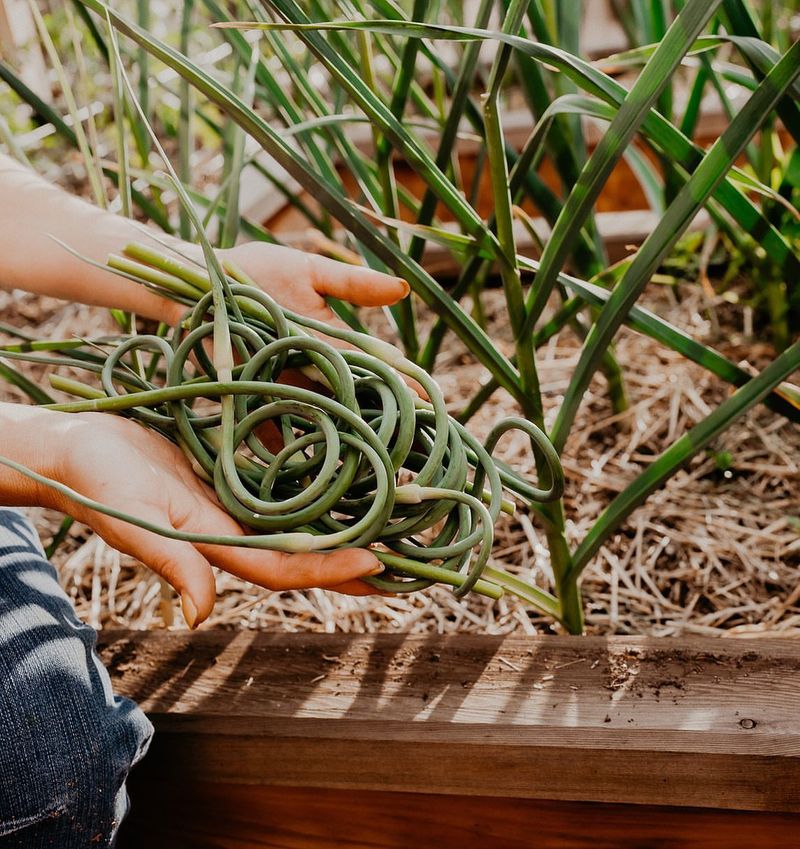
Timing is one of the most important factors when planting garlic in Michigan. While garlic is a very hardy crop, planting at the right time gives it the best chance to develop strong roots before winter arrives.
For most Michigan gardeners, mid-October is the perfect planting window. At this point in the season, the soil is still warm enough for cloves to establish roots, but the cooler temperatures prevent the plants from sending up too much green growth before winter.
To plant your garlic, break apart a full garlic bulb and separate the individual cloves. Choose the largest and healthiest cloves for planting, since they usually grow into the biggest bulbs the following summer.
Plant each clove about two inches deep with the flat root end pointing downward and the pointy tip facing upward. Space the cloves roughly six inches apart so each plant has enough room to grow.
Good soil preparation also plays a big role in garlic success. Garlic prefers loose, well-draining soil enriched with compost or aged organic matter.
After planting, cover the entire garlic bed with several inches of straw mulch. This mulch helps protect the cloves from sudden temperature swings during Michigan’s unpredictable winters.
It also prevents soil erosion and keeps moisture in the ground, giving your garlic plants a strong start when spring arrives.
Provide Consistent Water Through Spring Growth
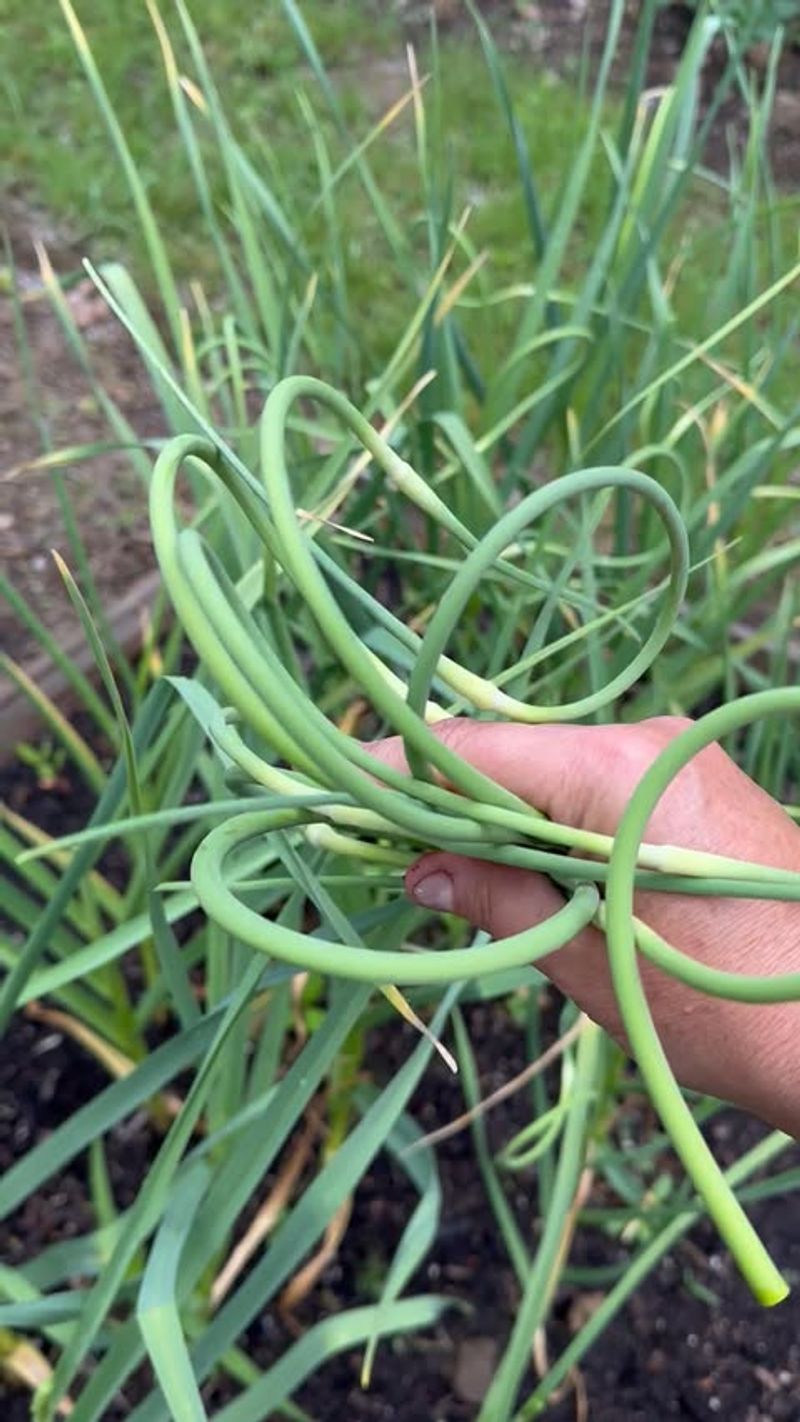
Once spring arrives in Michigan and garlic plants begin actively growing, consistent watering becomes very important. Garlic develops its leaves and bulbs during the cool months of spring, and steady moisture helps support this rapid growth.
In most gardens, garlic should receive about one inch of water per week, either from rainfall or supplemental watering.
If the weather turns dry, water your garlic deeply about once a week rather than giving it small amounts of water every day. Deep watering encourages stronger root systems and helps the plants access nutrients deeper in the soil.
The goal is to keep the soil consistently moist but never soggy. Garlic does not tolerate waterlogged soil very well, and bulbs sitting in overly wet conditions can easily rot before they mature.
As temperatures begin to warm and your garlic plants grow taller, you’ll notice the leaves becoming thicker and more vibrant green. This is the stage when the plant is building energy for bulb development underground.
Maintaining regular moisture during this period helps the bulbs grow larger and healthier.
However, watering should not continue all the way until harvest. About two weeks before you plan to harvest your garlic bulbs, stop watering the bed.
Allowing the soil to dry slightly helps the bulbs begin curing naturally in the ground and improves their long-term storage quality.
Watch For Scapes To Appear In Late May Or June
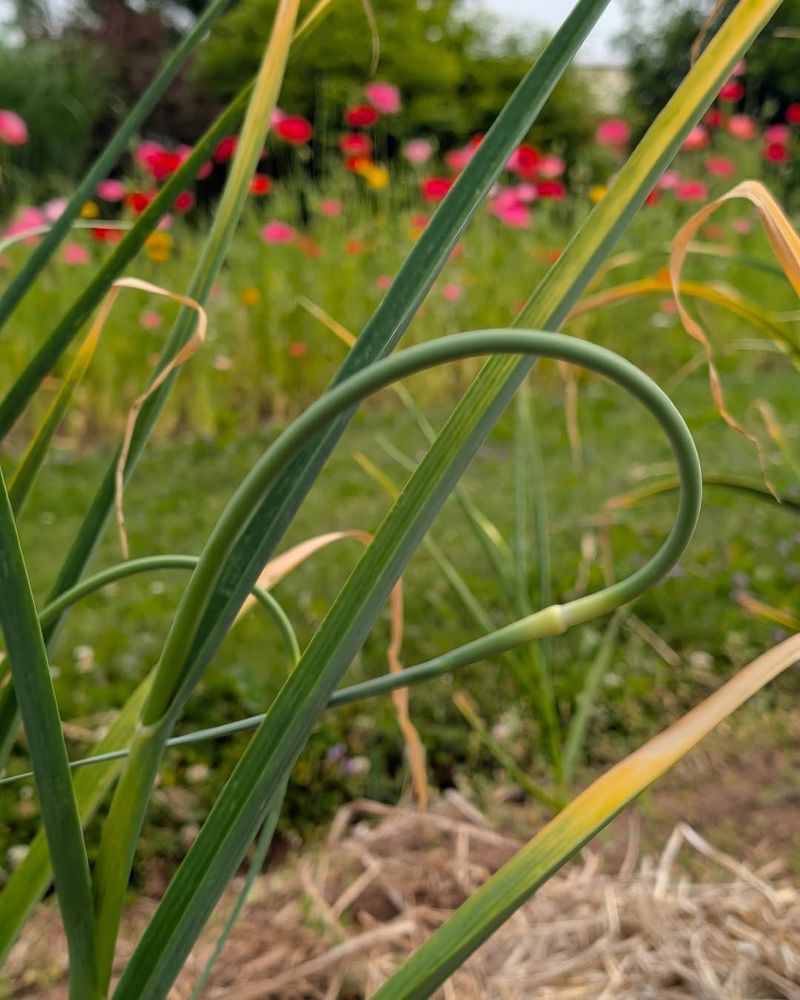
One of the most exciting moments for gardeners growing hardneck garlic is when the scapes finally appear. In Michigan, scapes typically begin emerging between late May and mid-June, depending on your exact location and the weather conditions that year.
As temperatures warm and the garlic plants continue developing, a small stalk will start growing from the center of the plant.
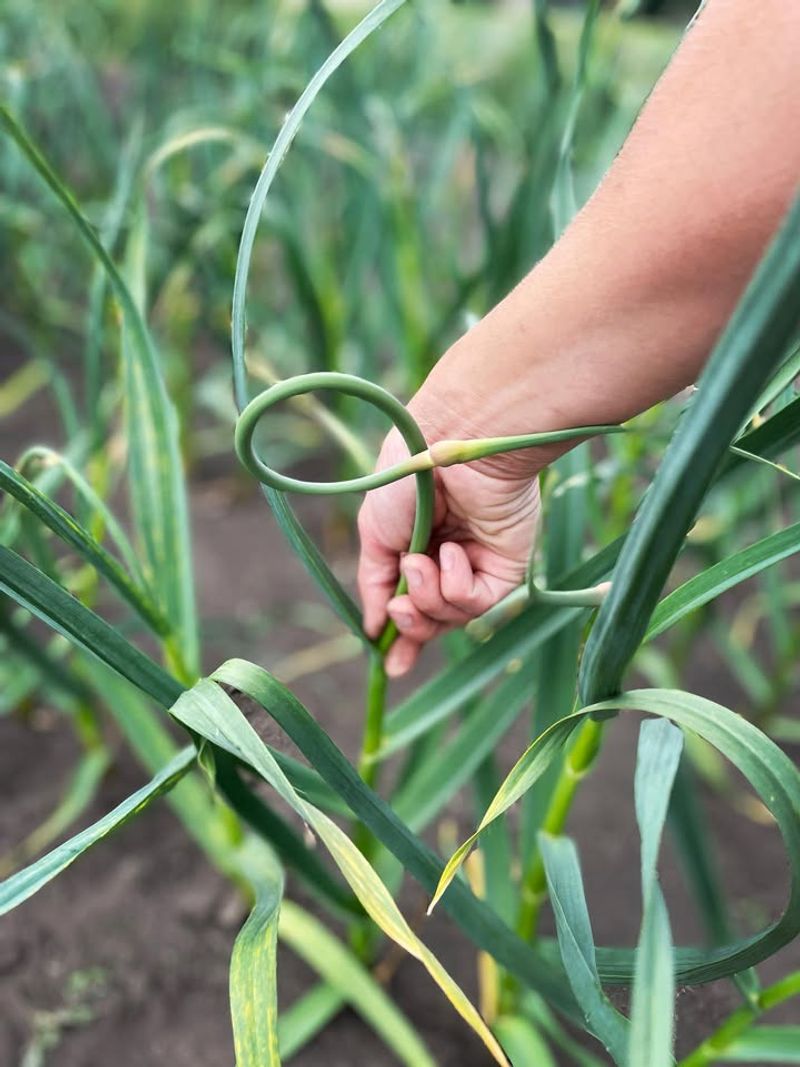
At first, the scape looks like a straight green stem, but it quickly begins to curl into a loop or spiral shape. These curly stalks are actually flower stems that the garlic plant produces as it prepares to bloom.
Many gardeners look forward to this stage because scapes are edible and have a delicious mild garlic flavor that works well in many dishes.
During this period, it’s helpful to check your garlic patch every few days. Scapes can grow surprisingly quickly once they start forming, sometimes adding several inches in just a couple of days.
Different garlic varieties may produce scapes at slightly different times, so you might notice some plants developing them earlier than others.
Watching for scapes is not only fun, but it also signals that your garlic crop is entering an important stage of growth. Harvesting them at the right time will help your plants focus their energy on producing larger bulbs underground.
Harvest Scapes When They Form One Full Curl
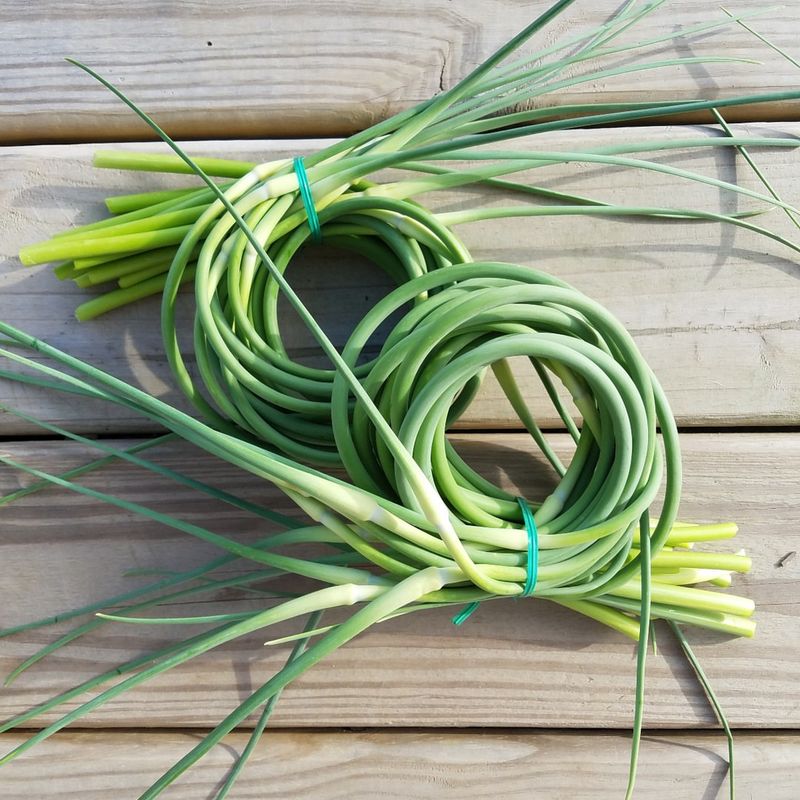
Knowing the right moment to harvest garlic scapes can make a big difference in both flavor and plant health. The best time to cut scapes is when they have formed one full curl or loop but before they begin to straighten out.
At this stage, the scapes are tender, juicy, and packed with fresh garlic flavor.
If you wait too long, the scapes will start to stiffen and become more fibrous, which makes them tougher to cook and eat. To harvest them, simply use a pair of clean scissors or pruning shears and cut the scape about two inches above the top leaves of the plant.
This quick and gentle cut removes the flower stalk without damaging the rest of the plant.
Many gardeners prefer harvesting scapes in the morning. Early in the day, the plants are well hydrated and the scapes tend to be crisp and fresh.
Morning harvesting also helps preserve the best flavor and texture. Removing the scapes is not just about harvesting a tasty vegetable. It also helps your garlic plants grow better.
When the flower stalk is removed, the plant redirects its energy into developing the underground bulb instead of producing seeds. Michigan gardeners often harvest scapes over a period of one to two weeks as different plants reach the perfect stage.
Store Fresh Scapes Properly To Maintain Quality
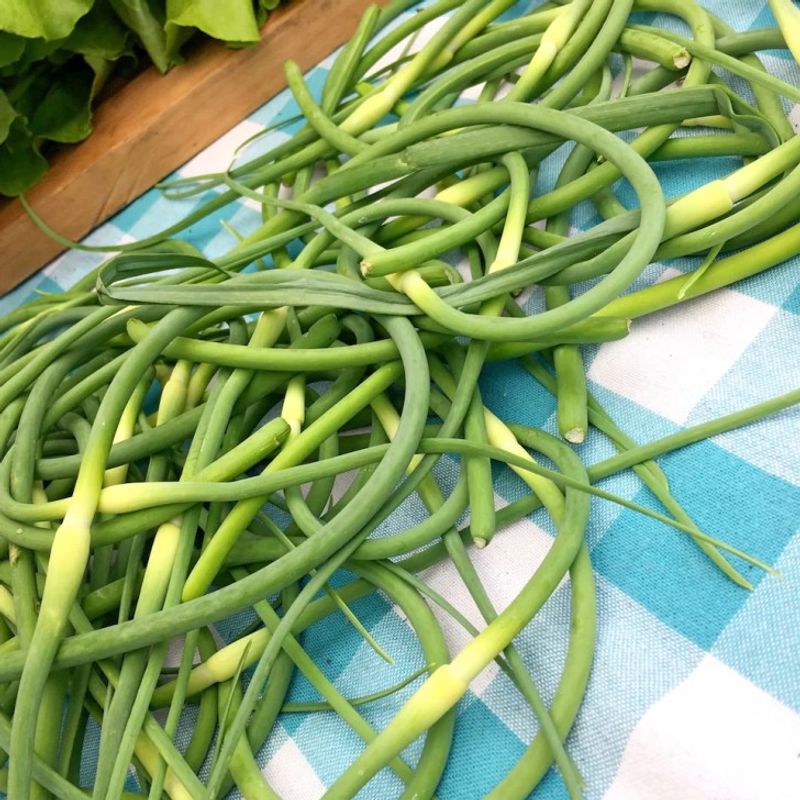
Once you harvest garlic scapes, proper storage helps keep them fresh and flavorful for as long as possible. Fresh scapes are quite sturdy, but they still benefit from cool and slightly moist storage conditions.
When stored correctly in the refrigerator, garlic scapes can stay crisp for up to three weeks.
One simple method is to wrap the scapes loosely in a slightly damp paper towel. After wrapping them, place the bundle inside a plastic bag and poke a few small holes in the bag to allow some airflow.
This keeps the scapes hydrated without trapping too much moisture, which could lead to spoilage.
Another easy storage method is similar to storing fresh herbs or flowers. Place the cut ends of the scapes in a glass with about an inch of water, then store the glass in the refrigerator. This keeps them hydrated and helps maintain their crisp texture.
If you harvest more scapes than you can use right away, freezing is an excellent long-term option. Simply chop the scapes into small pieces and place them in ice cube trays.
Add olive oil or melted butter to each section and freeze. Once frozen, the cubes can be stored in freezer bags and used later for cooking, allowing Michigan gardeners to enjoy garlic scapes long after the growing season ends.
Continue Caring For Plants After Scape Removal
Even after you harvest the scapes, your garlic plants are not finished growing. In fact, the weeks following scape removal are when the bulbs underground continue to expand and mature.
Proper care during this stage helps ensure that you harvest large, healthy garlic bulbs later in the summer.
Continue watering your garlic plants regularly if rainfall is limited. Consistent moisture supports the final stage of bulb development.
However, avoid overwatering, as garlic still prefers well-drained soil. Keeping the garden bed free of weeds is also very important during this period.
Weeds compete with garlic plants for water, nutrients, and sunlight, which can reduce bulb size.
Throughout June in Michigan, the garlic leaves should remain mostly green and healthy. These leaves are responsible for collecting sunlight and sending energy down to the bulb.
As harvest time approaches, you may notice some of the lower leaves starting to yellow or brown. This is completely normal and simply means the plant is nearing maturity.
However, the upper leaves should still look vibrant and strong. At this stage, it’s best to avoid adding more fertilizer.
Extra fertilizer can cause garlic bulbs to become soft, which reduces their ability to store well after harvest.
Harvest Garlic Bulbs When Lower Leaves Turn Brown
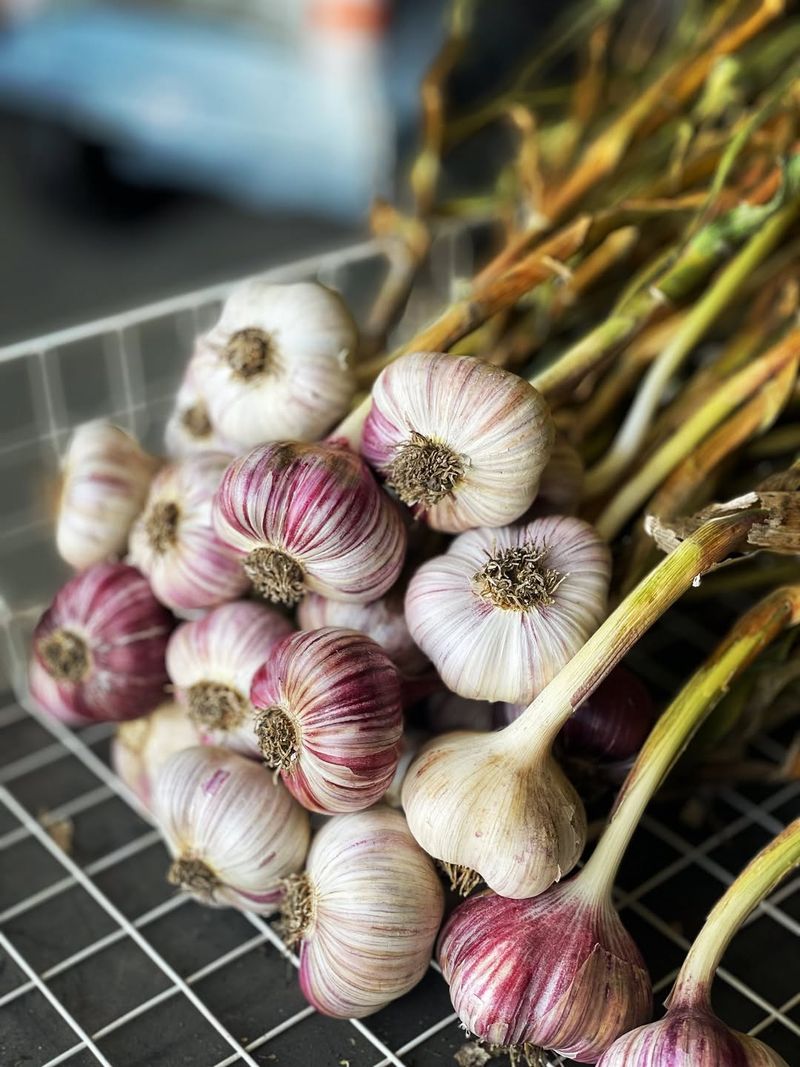
Harvest time is one of the most rewarding moments of the garlic growing season. In Michigan, garlic bulbs are usually ready to harvest between mid-July and early August.
This timing typically comes about four weeks after you have harvested the scapes. The leaves of the plant provide the best clue that your garlic is ready to dig.
Watch for the lower leaves on the plant to begin turning brown while the upper leaves remain green. When about three or four of the lower leaves have dried out, it usually means the bulbs underground have reached full size.
Waiting too long can cause the bulb wrappers to break down, which may reduce storage life.
When it’s time to harvest, use a garden fork to gently loosen the soil around each plant. Carefully lift the bulbs out of the ground instead of pulling directly on the stems, which could damage them.
Once removed, brush off excess soil with your hands but avoid washing the bulbs with water.
After harvesting, garlic needs time to cure before storage. Hang the plants or lay them out in a shaded, well-ventilated area for two to three weeks.
Once fully cured, trim the stems and roots. Properly cured garlic will store well through Michigan’s long winter months.