How To Grow Beautiful Tulips In Arizona’s Low Desert Climate
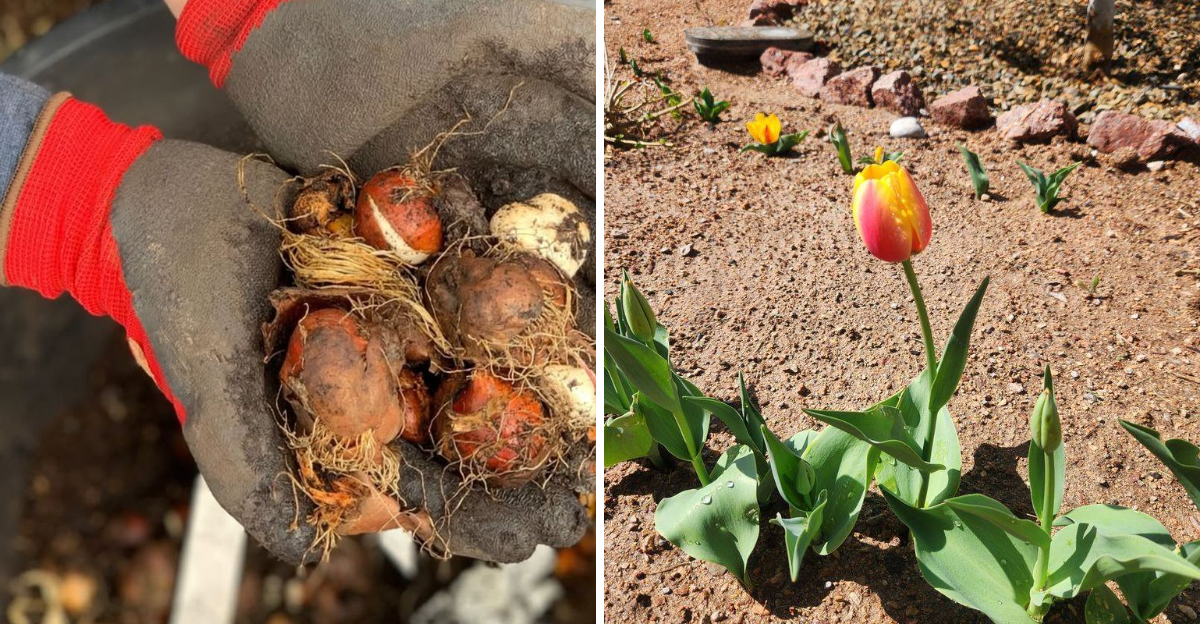
Tulips are not designed for desert living, which is why growing them in Arizona’s low desert requires a different approach from the start.
These bulbs rely on a true winter chill to trigger strong stems and full blooms, and that natural cold period simply does not last long enough here.
Success depends on recreating what the climate does not provide. Proper pre chilling, careful planting depth, fast draining soil, and smart placement away from harsh afternoon sun all play a role in how well they perform.
Timing also matters because rising spring heat can shorten their bloom window quickly. With the right preparation and realistic expectations, tulips can produce surprisingly vibrant color even in a region known more for saguaros than spring bulbs.
1. Pre Chill Bulbs Before Planting In Warm Climates
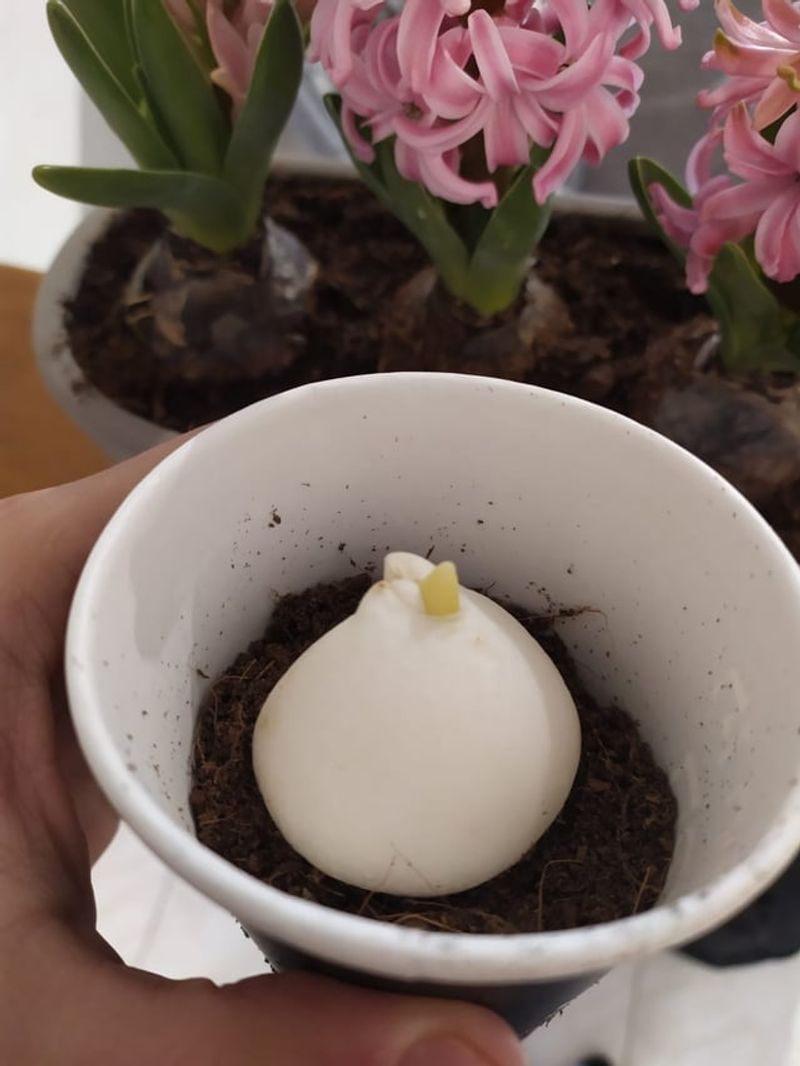
Skipping the pre-chilling step in Arizona’s low desert is pretty much a guarantee you won’t see blooms. Tulip bulbs need cold temperatures to trigger their natural growing cycle, and the desert doesn’t offer that on its own.
You have to fake winter for them.
Pull out a paper bag or a mesh bag, toss your bulbs in, and stick them in the refrigerator for at least six to eight weeks before you plan to plant.
Keep them away from fruit, especially apples, which release ethylene gas that can seriously damage bulbs before they ever hit the soil.
A temperature between 35 and 45 degrees Fahrenheit works best. Your vegetable crisper drawer is actually a solid spot for this.
Don’t seal them in a plastic bag with no airflow, or you risk moisture buildup and rot setting in before planting day arrives.
Some gardeners in the Phoenix area start chilling their bulbs as early as October so they’re ready to go into the ground by late December. Planning ahead is the whole game here.
Buying bulbs at the last minute and skipping the chill period almost always leads to disappointing results.
Chilling mimics the cold dormancy period tulips experience naturally in places like the Netherlands or the Pacific Northwest. In Arizona, you’re essentially doing that job yourself.
It takes a little patience, but it’s the single most important step for getting real blooms out of your desert garden.
2. Plant In Late December Or Early January For Best Timing
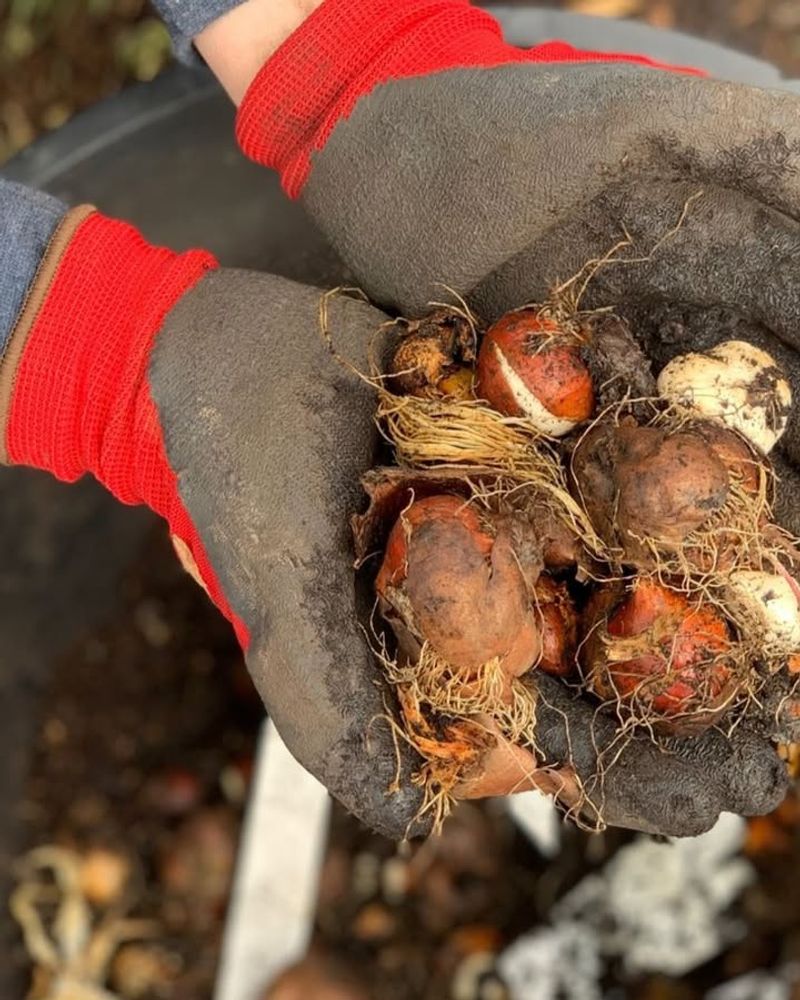
Timing really is everything when you’re growing tulips in the low desert. Plant too early and the soil is still too warm.
Wait too long and you miss the narrow window of cool weather that Arizona winters actually offer.
Late December through the first week of January is the sweet spot for most of the Phoenix metro and surrounding desert communities.
Soil temperatures in that range tend to drop enough to support early root development without the bulbs sitting in heat that shuts everything down.
Grab a simple soil thermometer from any garden center before you start. You want the ground reading somewhere around 50 degrees Fahrenheit or lower before those bulbs go in.
Planting into warm soil is one of the most common mistakes new desert gardeners make with tulips.
Depth matters too. In Arizona’s fast-draining soils, aim for about five to six inches deep.
That’s a little shallower than what northern gardeners typically follow, mostly because the cold doesn’t penetrate as deep here and you want the bulb in the coolest zone possible.
Arizona winters are short and warm up fast. Once February rolls around and daytime temperatures start climbing back into the 70s and 80s, the tulip’s blooming window shrinks quickly.
Getting bulbs in the ground at the right moment gives them the best shot at producing flowers before the desert heat returns with full force.
3. Choose Early Blooming Or Low Chill Tulip Varieties
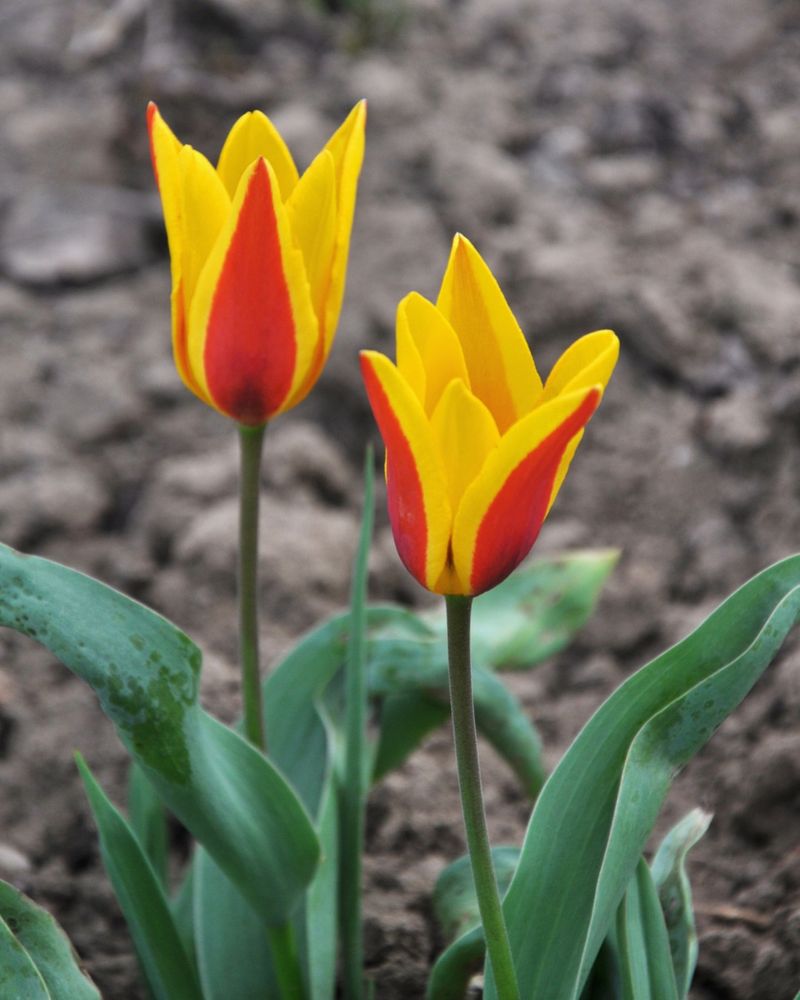
Not every tulip variety is built for the low desert, and picking the wrong one means a lot of effort for very little payoff. Some tulips need hundreds of hours of cold to bloom properly, and Arizona’s mild winters simply can’t deliver that naturally.
Early single tulips and species tulips are your best friends in this climate. Varieties like Tulipa kaufmanniana, sometimes called waterlily tulips, and Tulipa greigii handle lower chill hours far better than most hybrid types.
They’re compact, they bloom earlier, and they’re more forgiving of the warm spells Arizona winters like to throw at you.
Fosteriana tulips are another solid pick. They tend to bloom big and bold even with limited cold exposure, which makes them well-suited for places like the East Valley or the West Phoenix area where winters barely dip below 40 degrees Fahrenheit at night.
Avoid late-blooming Darwin hybrid tulips if you’re gardening in the low desert. By the time those varieties would normally open up, Arizona temperatures are already climbing fast and the blooms get cooked before they fully develop.
It’s a frustrating outcome after weeks of preparation.
Many local nurseries in the Phoenix area stock low-chill varieties specifically for desert gardeners. If you’re ordering online, look for catalogs that list chill hour requirements and choose anything under 14 weeks.
Matching the variety to Arizona’s actual conditions makes a noticeable difference in how many blooms you get each season.
4. Use Fast Draining Soil To Prevent Bulb Rot
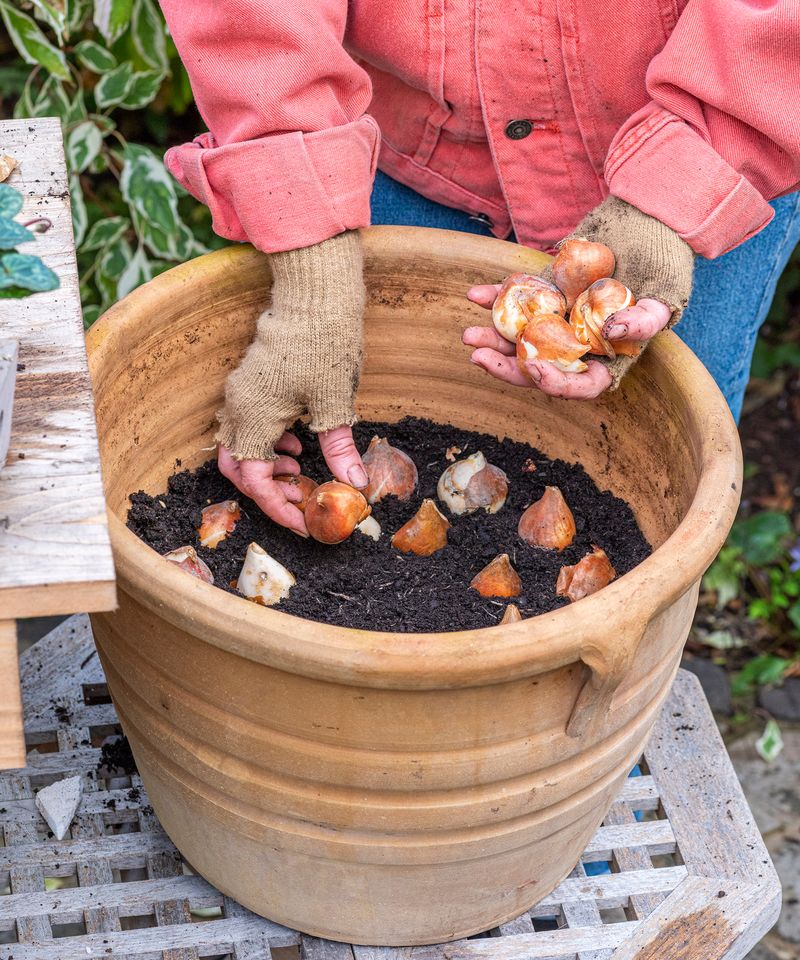
Bulb rot is one of the fastest ways to lose an entire planting before it ever gets started. Arizona’s low desert soils can be tricky — some areas have dense caliche layers that trap water, while others drain so fast that moisture disappears before roots can use it.
Finding the right balance matters.
For tulips specifically, drainage is the priority. Standing water around a bulb for even a short period can lead to fungal issues that spread quickly underground.
If your native soil feels heavy or compacted, don’t fight it. Amend it heavily or just skip the ground altogether and go with containers.
A good mix for Arizona tulip planting combines coarse sand, perlite, and a quality potting soil or garden compost. Aim for a blend that feels loose and gritty rather than dense and clumping.
Water should flow through it relatively quickly, not pool on the surface after a good soak.
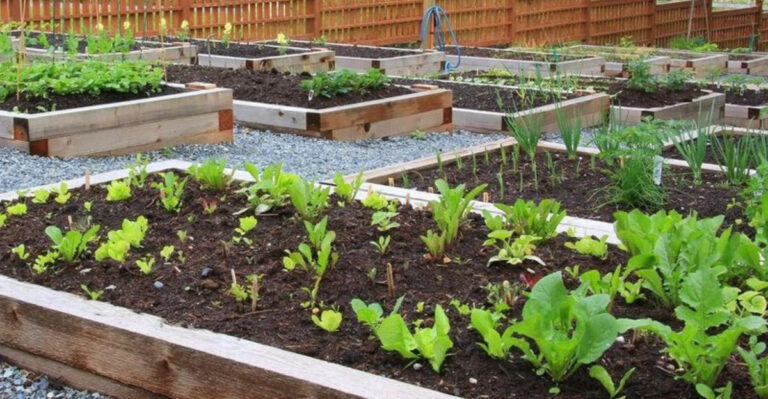
Raised beds work really well in the Phoenix area and surrounding desert communities because you control every layer of the soil profile. Fill them with your amended mix and you eliminate the caliche problem entirely.
It also makes it easier to manage soil temperature, which matters a lot during Arizona’s unpredictable winter warm spells.
It’s a simple step, but it keeps excess moisture moving away from the bulb rather than sitting against it during those stretches of winter rain the desert occasionally gets.
5. Place Containers In Morning Sun With Afternoon Protection
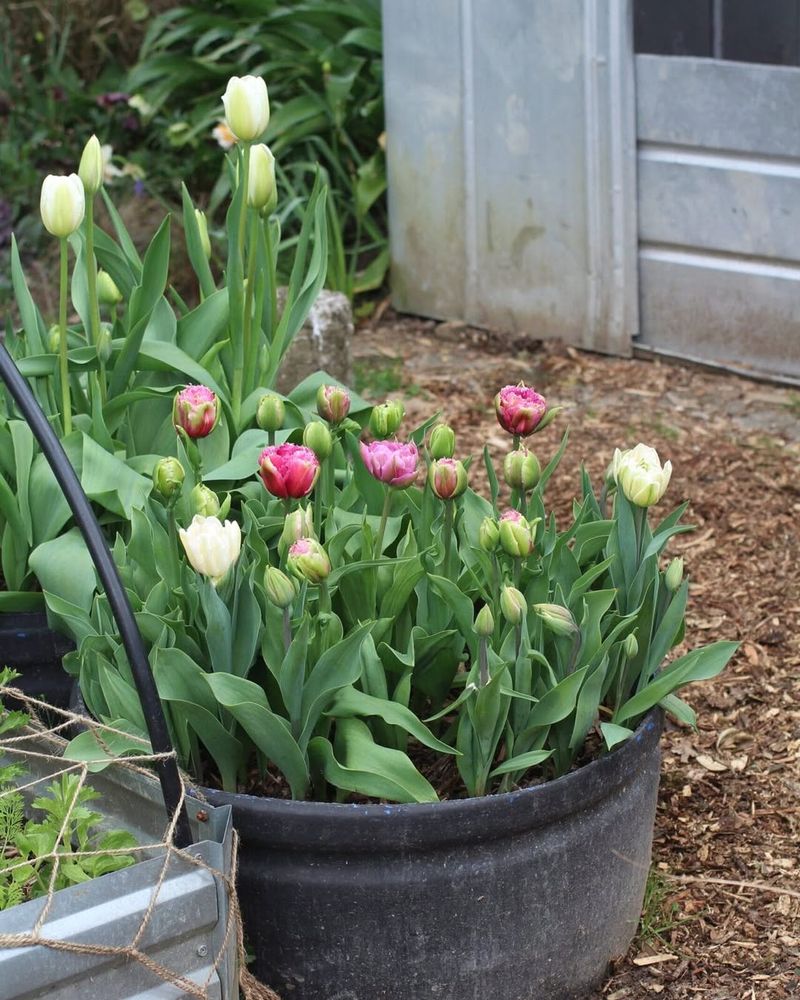
Sun placement in the low desert isn’t the same as anywhere else in the country. Even in January and February, Arizona afternoons can push temperatures well past what tulips are comfortable with.
A spot that looks perfect in the morning can turn into a heat trap by 2 p.m.
East-facing patios and walls are genuinely ideal for desert tulip containers. You get those cooler morning rays, and by the time the harsh afternoon sun swings around, your containers are sitting in shade.
That small shift in temperature exposure can extend the blooming period by days or even a couple of weeks.
Avoid placing containers against south-facing walls. Those surfaces absorb heat all day and radiate it back overnight, keeping soil temperatures warmer than you want.
In Arizona’s low desert, that radiated heat can cut the blooming window short before the flowers even fully open.
Dark-colored containers absorb more heat than light-colored ones, so if you’re using terracotta or dark plastic pots, consider wrapping them or setting them inside a larger light-colored container during the warmest parts of the day.
It sounds fussy, but desert gardeners who try this trick usually notice healthier foliage and longer-lasting blooms.
Moving containers is one of the big advantages of growing tulips in pots rather than in-ground in Arizona. You can chase the ideal light and temperature conditions as the season shifts, which isn’t something fixed garden beds allow.
Flexibility is your best tool in this climate.
6. Water Lightly Until Growth Begins In Cooler Weather
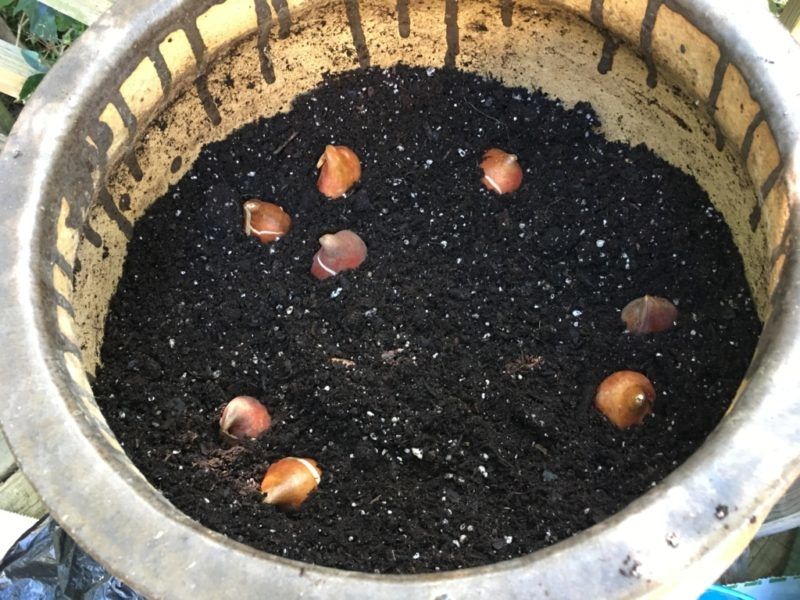
Overwatering freshly planted bulbs is a mistake that’s really easy to make, especially if you’re used to Arizona’s dry heat making everything feel parched all the time.
After you plant, the goal is to keep the soil just barely moist — not wet, not soggy, just enough to tell the bulb something is out there.
Until you start seeing green shoots pushing up through the soil, hold back on heavy watering. Bulbs sitting in cold, wet soil without active root growth are far more likely to develop rot than bulbs in slightly dry conditions.
Patience here pays off.
Once growth begins and you can see actual leaves emerging, you can increase watering frequency a bit. Even then, let the top inch of soil dry out between waterings rather than following a fixed schedule.
Arizona winters can bring occasional rain, and that natural moisture counts toward your total.
A simple finger test works better than any timer or schedule. Stick your finger an inch into the soil — if it feels damp, skip the watering that day.
If it feels dry and crumbly, give it a light drink. It’s low-tech, but it’s exactly what the plants respond to.
As spring approaches and temperatures in the Phoenix valley start climbing, you may need to water more frequently because the soil dries out faster.
Keep an eye on the foliage for signs of stress like drooping or yellowing, but don’t assume more water is always the answer in Arizona’s low desert environment.
7. Treat Tulips As Annuals In The Low Desert
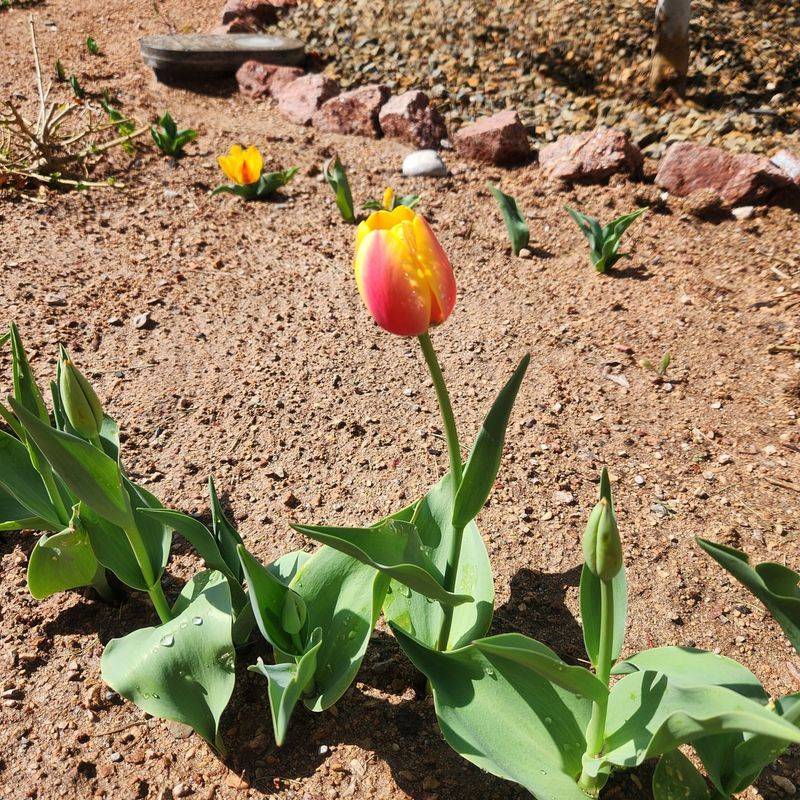
Here’s a reality check that saves a lot of frustration for new desert gardeners: tulips in Arizona’s low desert are almost always a one-season flower.
Don’t expect to leave bulbs in the ground and get a repeat performance next year the way gardeners in cooler climates do.
After blooming wraps up and the foliage starts to yellow and fade, most gardeners in the Phoenix area simply pull the bulbs and start fresh the following season.
Trying to store and re-chill bulbs that have already been through Arizona’s warming spring and summer is possible, but the success rate drops significantly with each passing season.
Buying fresh bulbs each fall and going through the refrigerator chilling process from scratch actually produces more reliable results than trying to rehabilitate tired bulbs from the previous year.
It sounds like extra work, but it’s honestly the more dependable approach in this climate.
Some gardeners do attempt to dig, dry, and store bulbs through the summer in a cool indoor space. If you want to experiment with that, keep them in a cool, dry spot with good airflow and check on them periodically.
Just go in knowing that results vary widely in the low desert.
Thinking of tulips as a seasonal treat rather than a permanent fixture actually makes the whole experience more enjoyable. You get to pick new colors and varieties every year, try different container arrangements, and approach the season with fresh energy.
Arizona’s low desert may not be tulip country by nature, but with the right mindset and a bit of preparation, it absolutely can be yours.