How To Grow Green Onions Indoors All Winter In Illinois
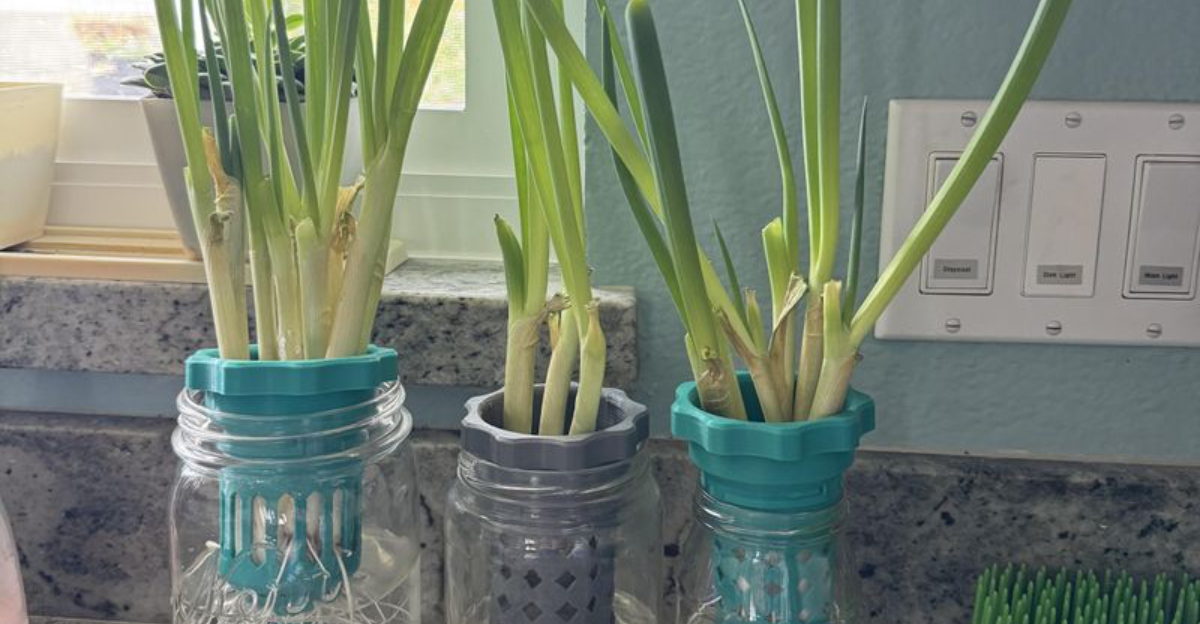
Winter in Illinois doesn’t have to mean saying goodbye to fresh green onions.
With a few simple steps, gardeners can keep these flavorful staples growing indoors all season long.
Green onions thrive in pots or containers on sunny windowsills, where they receive bright, indirect light for several hours a day.
Using well-draining soil and consistent moisture encourages steady growth, while occasional trimming promotes new shoots and extends the harvest.
Containers allow flexibility to move plants closer to light or adjust for warmth, and small additions of liquid fertilizer help maintain vigor during shorter winter days.
Growing green onions indoors also reduces trips to the store and ensures a continuous supply of fresh greens for cooking.
1. Choose The Right Container And Drainage

Containers with proper drainage holes make all the difference when growing green onions indoors.
Water needs somewhere to escape, or else the roots will sit in soggy soil and rot.
Pick a pot that measures at least four to six inches deep, giving the roots enough room to spread and grow strong.
Plastic, ceramic, or terra cotta pots all work well, but make sure they have holes at the bottom.
You can place a saucer underneath to catch excess water and protect your windowsill or table.
If you want to grow multiple green onions in one container, choose a wider pot so each plant has space.
Crowding them too close together can lead to competition for nutrients and light.
Some gardeners even use recycled yogurt containers or cut-down milk jugs as long as they punch drainage holes first.
Good drainage keeps the soil from becoming waterlogged, which is one of the most common mistakes beginners make.
Healthy roots mean healthy green onions that grow fast and taste amazing.
Once you have the right container, you can move on to filling it with quality soil and planting your onion bulbs or sets.
2. Select Quality Potting Mix
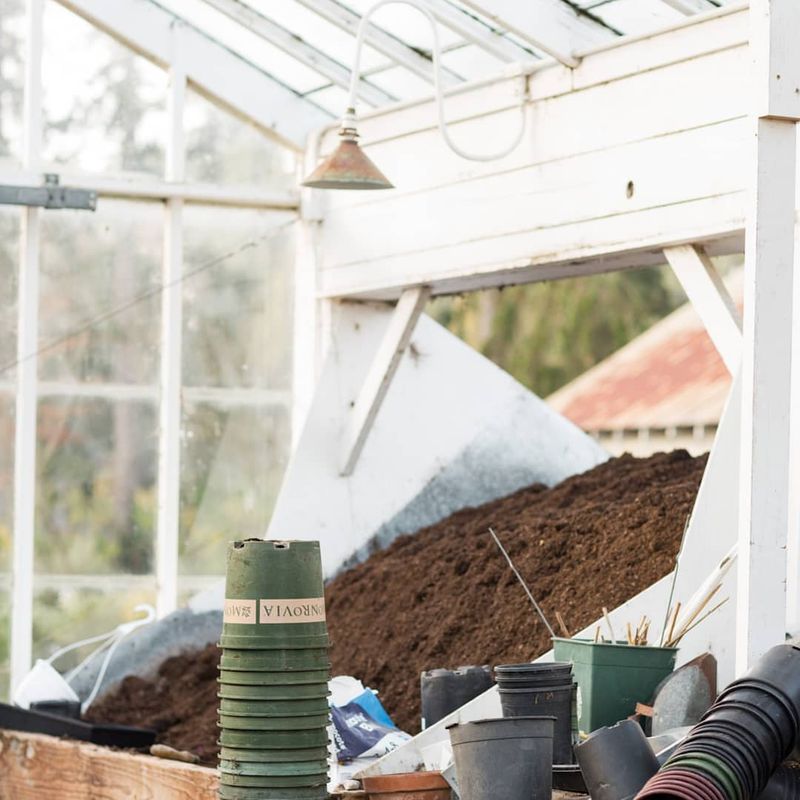
Soil from your backyard might seem like a free option, but it often contains pests, diseases, and weed seeds that can harm your indoor plants.
A high-quality potting mix designed for container gardening works much better because it drains well and provides the right nutrients.
Look for a mix that contains peat moss, coconut coir, perlite, or vermiculite to keep the texture light and fluffy.
Heavy, dense soil holds too much moisture and prevents air from reaching the roots.
Green onions prefer soil that stays slightly moist but never soggy or muddy.
You can also add a small amount of compost to enrich the mix with organic matter and give your plants a nutrient boost.
Avoid garden soil or topsoil, which compacts easily in pots and restricts root growth.
Many potting mixes already include slow-release fertilizer, which can feed your green onions for several weeks.
If your mix does not have fertilizer, you can add a balanced liquid fertilizer later.
Fill your container almost to the top, leaving about an inch of space below the rim.
This prevents water from spilling over when you irrigate your plants.
Quality soil sets the foundation for strong, healthy green onions all winter long.
3. Provide Plenty Of Sunlight
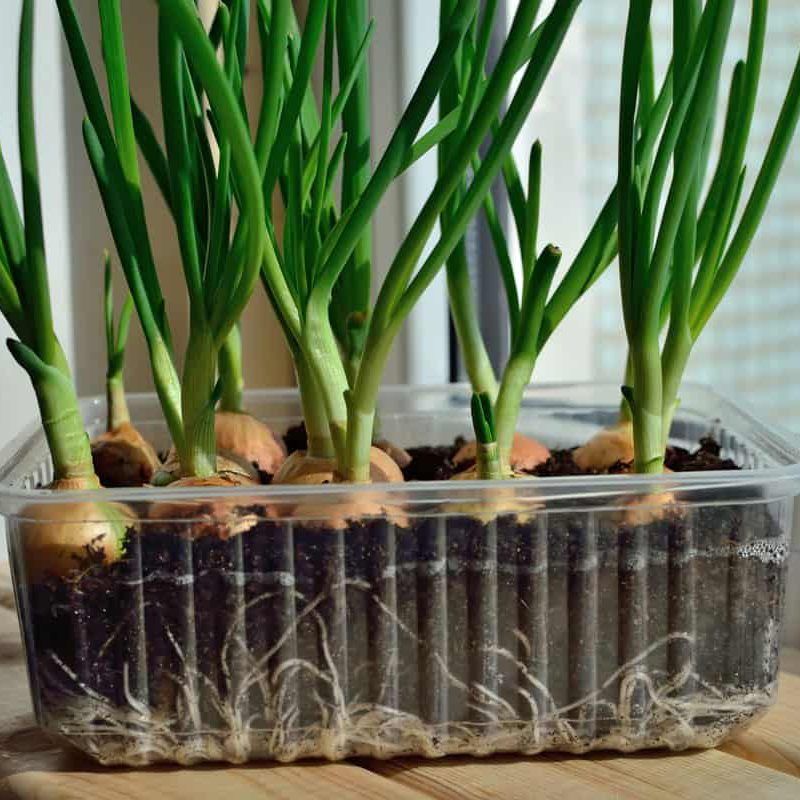
Green onions crave bright light to grow tall and develop their signature flavor.
A south-facing window in your Illinois home offers the most sunlight during the short winter days.
Aim for at least six hours of direct light each day, though more is even better.
If your windows do not get enough natural light, you can supplement with a grow light.
LED grow lights are energy-efficient and provide the full spectrum of light that plants need.
Position the light about six to twelve inches above the tops of your green onions and keep it on for twelve to fourteen hours daily.
Without enough light, the plants will stretch and become leggy, producing thin, weak stems.
Rotate your container every few days so all sides of the plants receive equal exposure.
This prevents them from leaning heavily toward the window.
Some people place reflective materials like aluminum foil behind their pots to bounce extra light onto the plants.
Watching your green onions grow under the right light conditions is incredibly satisfying.
Strong light equals strong growth, and you will notice new green shoots emerging within days of planting.
4. Water Consistently But Avoid Overwatering
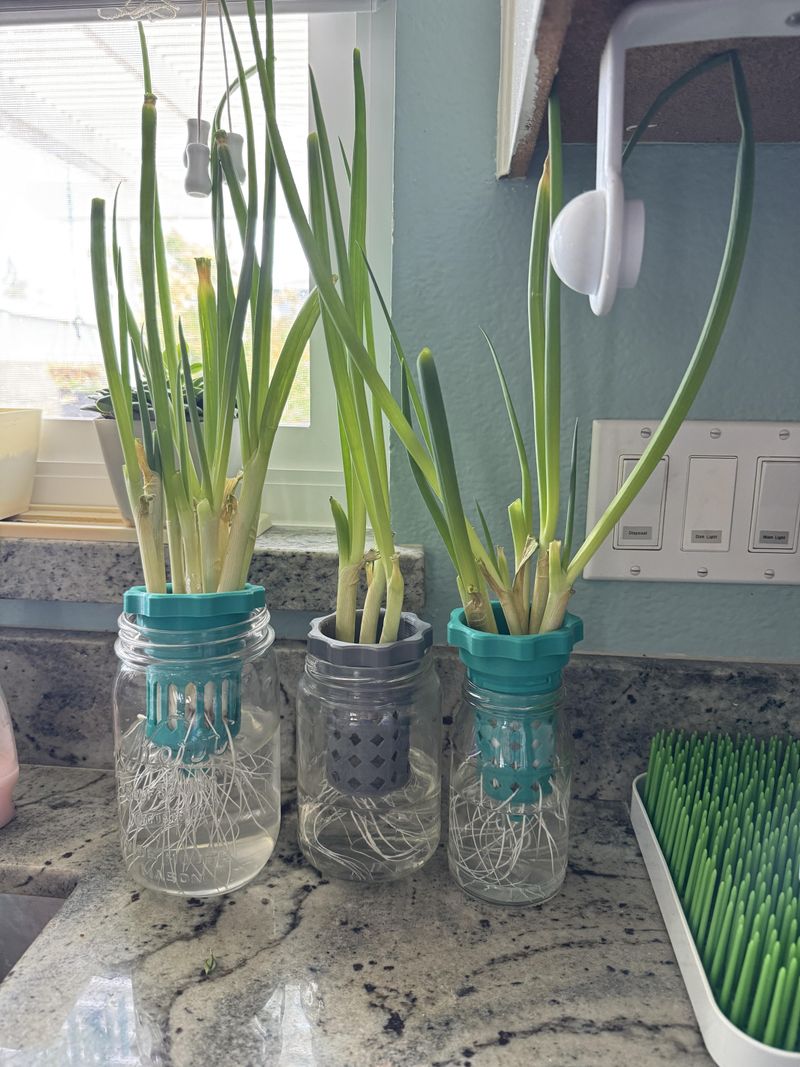
Finding the right watering balance can be tricky, but green onions give you clear signals when they need a drink.
Stick your finger about an inch into the soil, and if it feels dry, it is time to water.
Pour water slowly until it begins to trickle out of the drainage holes at the bottom.
This ensures the entire root zone gets moisture without leaving puddles on top.
Empty the saucer underneath after a few minutes so the roots do not sit in standing water.
Overwatering is one of the biggest mistakes indoor gardeners make, especially in winter when plants use less water.
Soggy soil can cause root rot, which stunts growth and weakens the plant.
On the other hand, letting the soil dry out completely can stress the green onions and make them taste bitter.
Indoor air in Illinois homes can be quite dry during winter because of heating systems, so check your plants more often.
You might need to water every two to three days, depending on the temperature and humidity in your home.
Using room-temperature water is gentler on the roots than ice-cold water straight from the tap.
Consistent watering helps your green onions develop crisp, flavorful stems that taste fantastic in any dish.
5. Maintain Proper Indoor Temperature
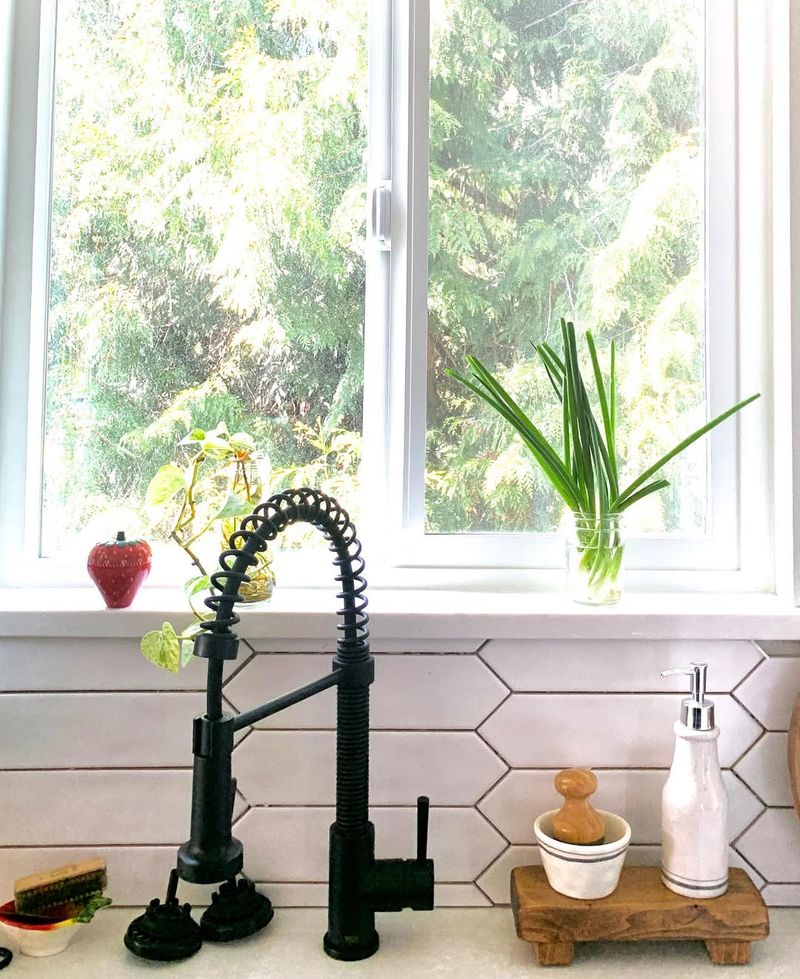
Green onions are surprisingly adaptable, but they thrive best in temperatures between 60 and 75 degrees Fahrenheit.
Most Illinois homes stay within this range during winter, making them perfect for indoor growing.
Avoid placing your containers near heating vents, radiators, or fireplaces, as sudden blasts of hot air can dry out the soil and stress the plants.
Cold drafts from windows or doors can also slow growth, so find a stable spot away from extreme temperature swings.
If your home gets chilly at night, green onions can tolerate slightly cooler conditions as long as the temperature does not drop below 50 degrees.
Consistent warmth encourages steady growth and prevents the plants from going dormant.
Some gardeners place their pots on top of a refrigerator or near other appliances that generate gentle warmth.
Just make sure the location still receives plenty of light.
Room temperature also affects how quickly the soil dries out, so monitor your watering schedule accordingly.
Warmer rooms may require more frequent watering, while cooler spaces need less.
Keeping your green onions comfortable indoors ensures they grow quickly and produce tender, tasty shoots all winter long.
6. Fertilize Every Few Weeks
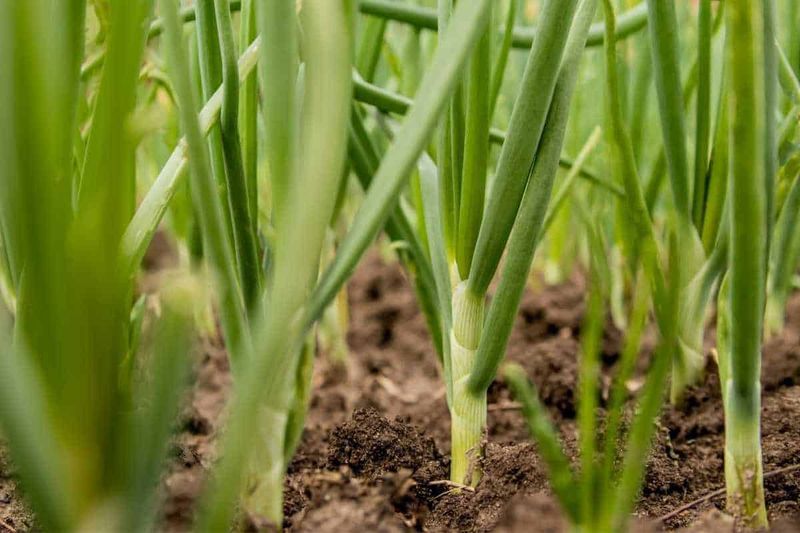
Container plants rely entirely on you for nutrients since they cannot draw from the earth like outdoor plants.
Green onions are light feeders, but they still benefit from a boost of fertilizer every two to three weeks.
Choose a balanced liquid fertilizer with equal amounts of nitrogen, phosphorus, and potassium, such as a 10-10-10 formula.
Dilute the fertilizer to half the strength recommended on the label to avoid burning the roots.
Apply it after watering your plants so the nutrients spread evenly through the moist soil.
Too much fertilizer can cause the green onions to grow too fast, resulting in weak, floppy stems.
If you notice the tips of the leaves turning brown or yellow, you may be over-fertilizing.
Organic options like fish emulsion or compost tea work wonderfully and add beneficial microbes to the soil.
Some gardeners prefer slow-release granules mixed into the potting mix at planting time, which feed the plants gradually over several months.
Watch your green onions respond to the extra nutrition with vibrant green color and vigorous growth.
Regular feeding keeps them productive throughout the winter, so you can harvest fresh onions whenever you need them for cooking.
7. Harvest And Regrow For Continuous Supply
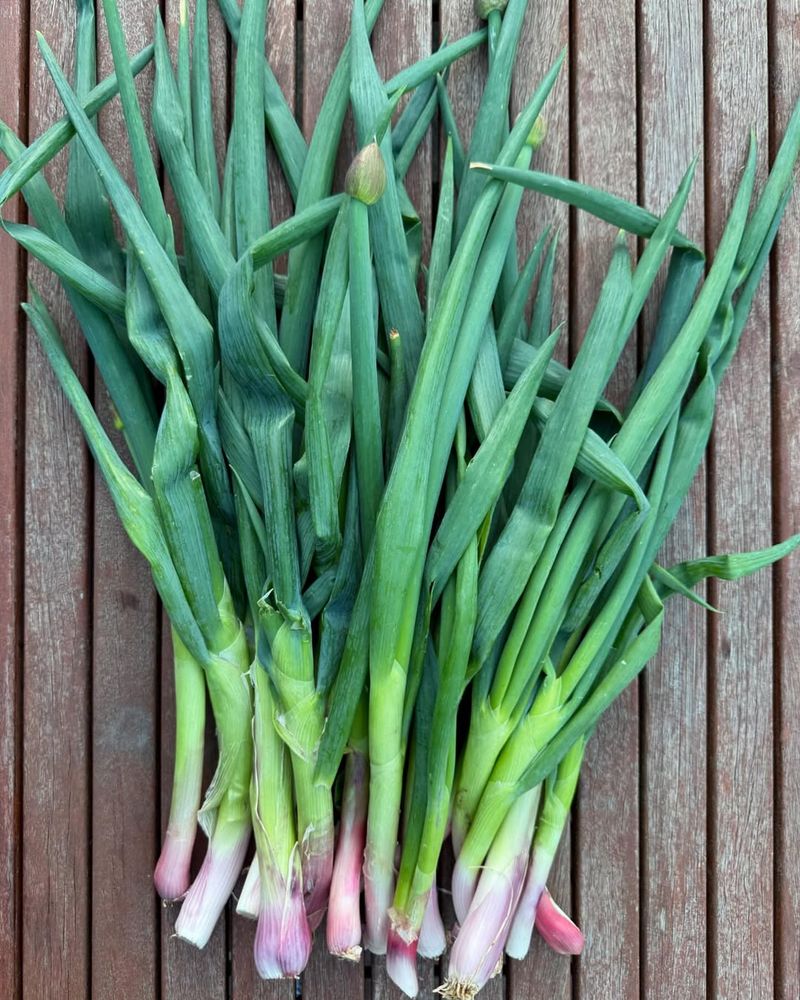
One of the best things about green onions is that you can harvest them multiple times from the same plant.
When the green shoots reach about six to eight inches tall, snip off the tops with clean scissors, leaving about two inches of growth above the soil.
This allows the plant to regrow from the base and produce more shoots in just a week or two.
Always use sharp, clean scissors or garden shears to avoid crushing the stems or introducing disease.
You can harvest the outer leaves first and leave the inner ones to keep growing, similar to how you might pick lettuce.
If you want to use the entire plant, including the white bulb, simply pull it up gently from the soil.
However, this means you will need to replant new sets or bulbs to continue your supply.
For a never-ending harvest, stagger your plantings by starting new containers every few weeks.
Store harvested green onions in the refrigerator wrapped in a damp paper towel inside a plastic bag to keep them fresh for up to a week.
Watching your green onions regrow after each harvest feels like magic and keeps your kitchen stocked with fresh flavor all winter long.