How To Grow Green Onions Indoors On A Windowsill, Even In Washington Winters
Washington winters have a way of draining color from everything—including the kitchen.
Grey skies linger, daylight disappears early, and fresh garden harvests feel like a distant memory.
That’s exactly why green onions are such a small but mighty win this time of year.
They’re fast, forgiving, and perfectly suited to life on a windowsill, even when winter is doing its worst outside.
You don’t need grow lights, fancy containers, or a green thumb that’s seen it all.
Green onions are one of the easiest indoor crops, happy to regrow again and again with minimal effort.
A sunny window, a little water, and basic care can keep you snipping fresh greens long after outdoor beds have gone quiet.
For Washington homes where space is tight and winters feel endless, growing green onions indoors is both practical and satisfying.
It’s proof that you don’t need a backyard—or perfect weather—to keep something growing.
Sometimes, a simple windowsill harvest is enough to bring a little life back into the season.
Choose The Right Green Onion Varieties For Indoor Growing
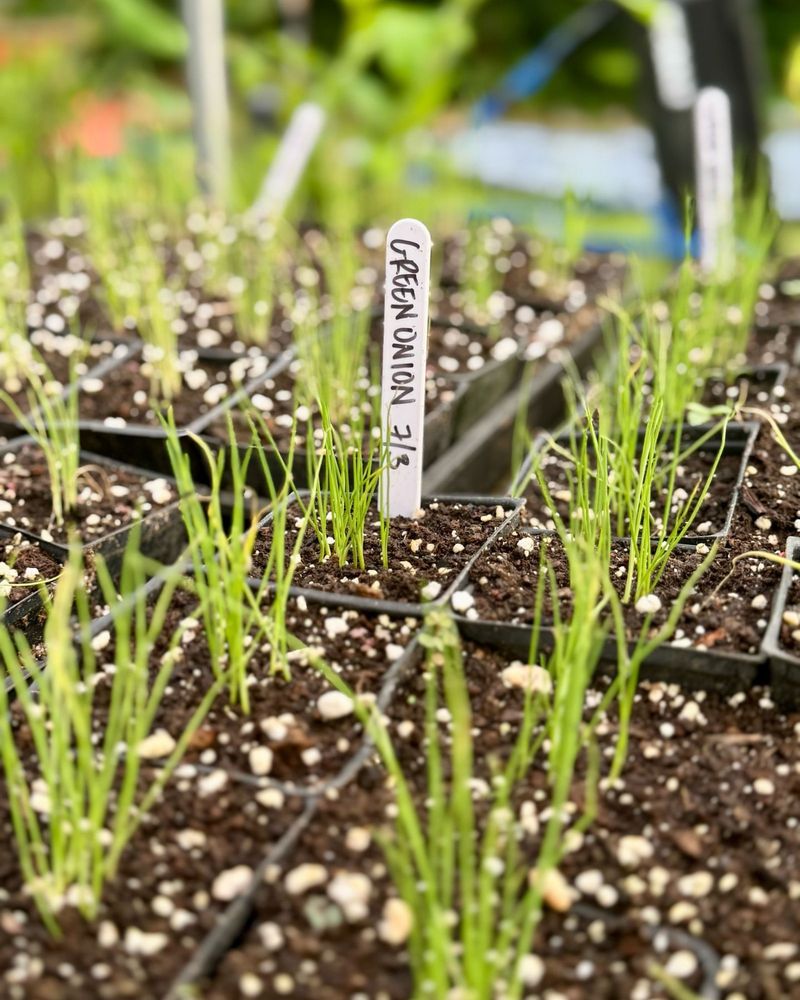
Not all green onions perform equally well when grown indoors during the darker months of the year.
Some varieties tolerate lower light levels far better than others, making them perfect candidates for Washington’s famously overcast winter skies.
Evergreen bunching onions, for example, are incredibly resilient and continue producing fresh shoots even when sunlight is scarce.
Tokyo Long White is another excellent choice because it adapts quickly to indoor conditions and doesn’t require intense brightness to thrive.
Welsh onions also deserve a spot on your windowsill since they handle cooler temperatures without slowing down their growth.
These varieties have been bred over generations to withstand less-than-ideal conditions, which makes them forgiving for beginners.
When you select the right type, you set yourself up for success from the very beginning.
Look for seed packets or starter plants labeled as bunching onions or scallions, as these terms often indicate varieties suited for continuous harvesting.
Avoid bulbing onions, which need more space and stronger light to develop properly.
By choosing cold-tolerant and low-light-friendly varieties, you ensure that your indoor green onion garden flourishes throughout the entire winter season.
Your kitchen will thank you with a steady supply of fresh, homegrown flavor even when the weather outside is dreary and uninviting.
Use Grocery Store Green Onions For Instant Results
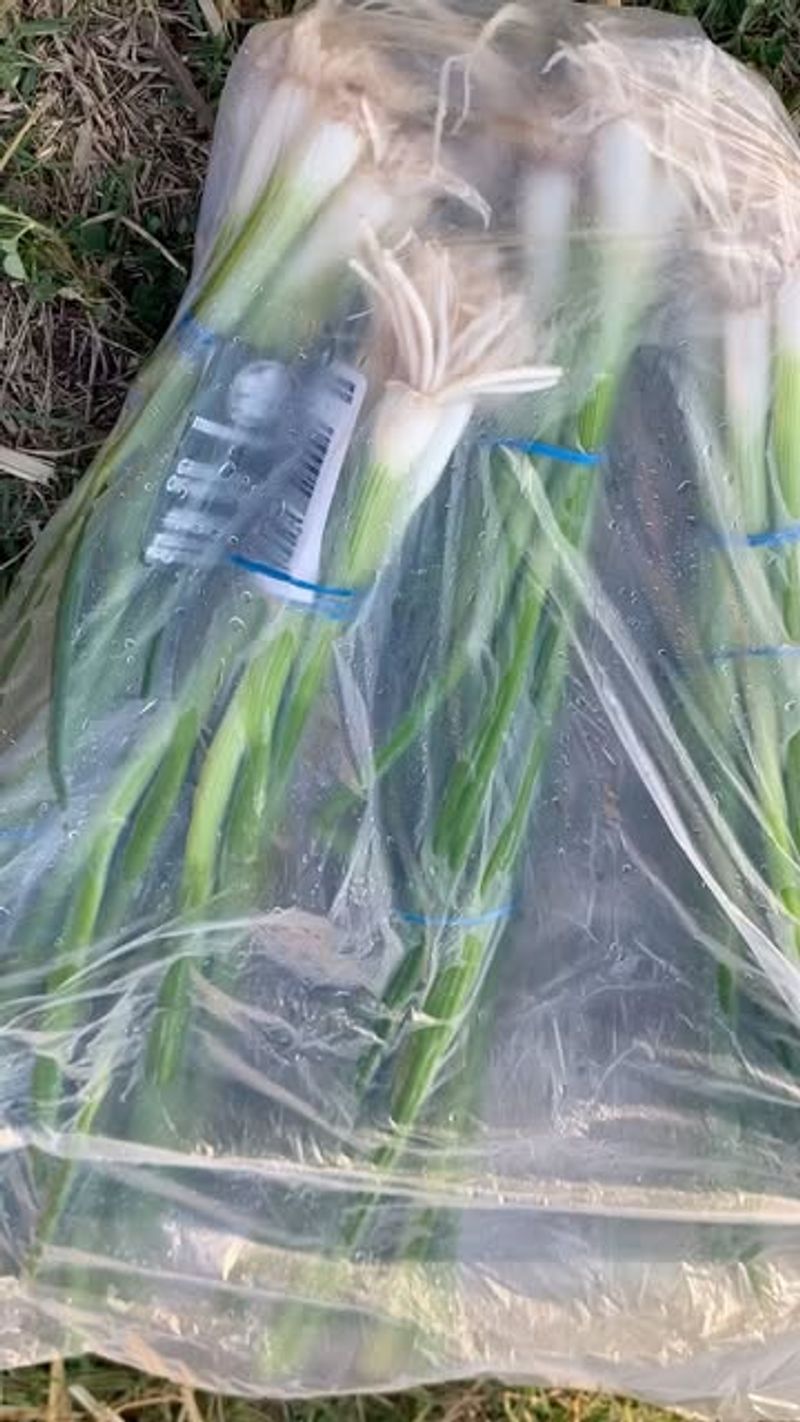
One of the quickest and most budget-friendly ways to start your indoor green onion garden is by using bunches you already bought at the grocery store.
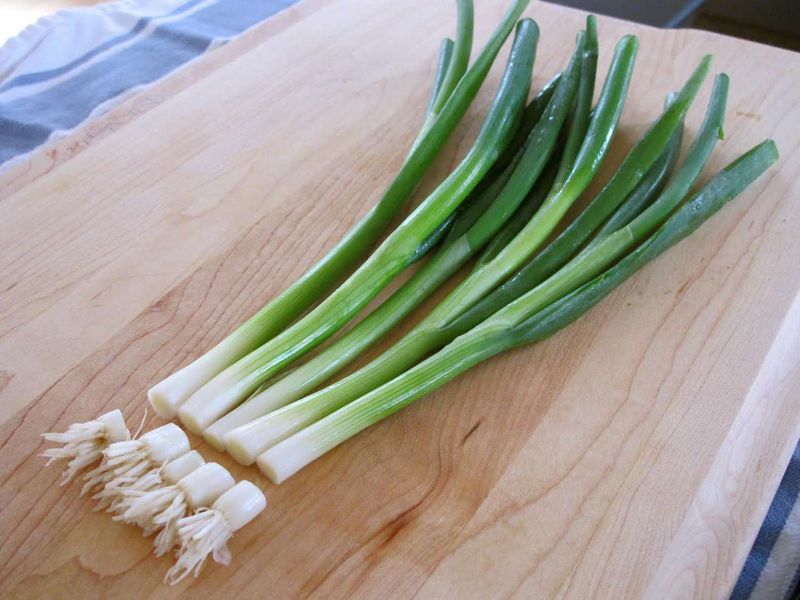
Simply take your green onions home, use the green tops in your cooking, and save the white root ends for replanting.
Make sure each piece you save includes at least an inch of the white base along with the attached roots.
This method works brilliantly in winter because the roots are already mature and ready to sprout new growth almost immediately.
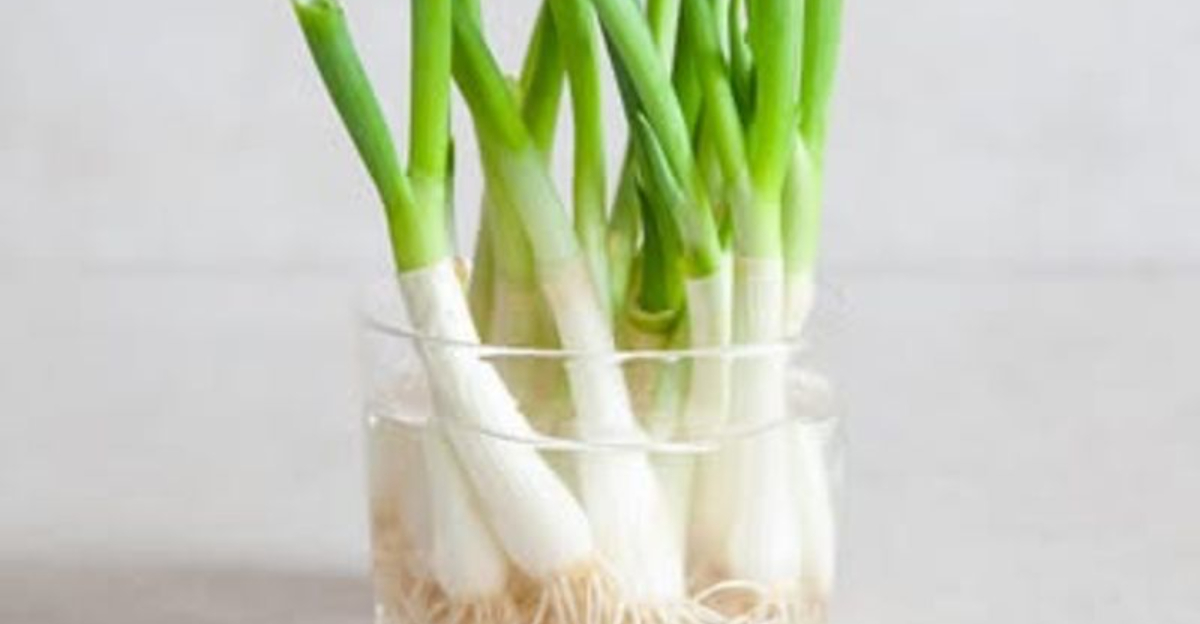
Place the root ends in a shallow dish of water or directly into moist soil, and within just a few days, you’ll notice fresh green shoots emerging from the center.
The reason this technique is so effective is that green onions are naturally designed to regrow from their roots multiple times.
Unlike many other vegetables, they don’t require seeds or lengthy germination periods to get started.
Winter is actually an ideal time to experiment with this approach since you’re likely spending more time indoors anyway.
Keep the water fresh by changing it every couple of days, or ensure the soil stays consistently moist but not waterlogged.
Within two to three weeks, you’ll have a full crop of green onions ready to harvest again.
This simple trick turns kitchen scraps into a renewable resource, saving you money while providing fresh ingredients all winter long.
Pick A Windowsill With The Best Available Winter Light
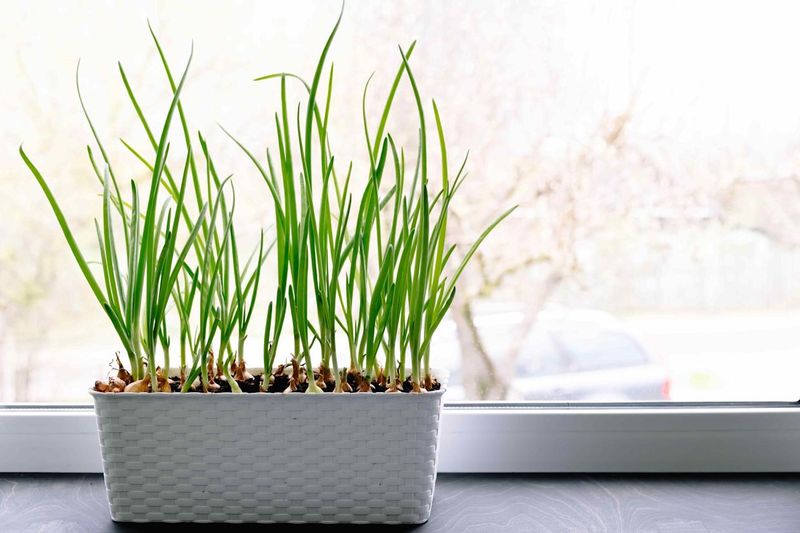
Choosing the right windowsill can make or break your indoor green onion garden, especially during Washington’s notoriously dim winter months.
South-facing windows typically receive the most sunlight throughout the day, making them the top choice for any indoor gardening project.
If you don’t have a south-facing window available, an east-facing one works well too since it captures gentle morning light.
West-facing windows can also provide adequate brightness during the afternoon hours, though the light may be less consistent.
North-facing windows tend to offer the least amount of natural light, so they should be your last resort unless you plan to supplement with artificial lighting.
Even on cloudy days, positioning your green onions as close to the glass as possible helps them capture every available ray of sunshine.
Washington winters often bring long stretches of overcast skies, which means your plants will need every bit of help they can get.
To compensate for limited sun, consider placing a white poster board or aluminum foil behind your containers to reflect light back onto the plants.
This simple trick can boost the amount of light your green onions receive without requiring any special equipment.
Rotate your containers regularly so all sides of the plants get equal exposure.
By selecting the brightest possible spot and using reflective materials, you create an environment where your green onions can thrive despite the seasonal challenges.
Decide Between Water-Growing Or Soil-Growing Methods
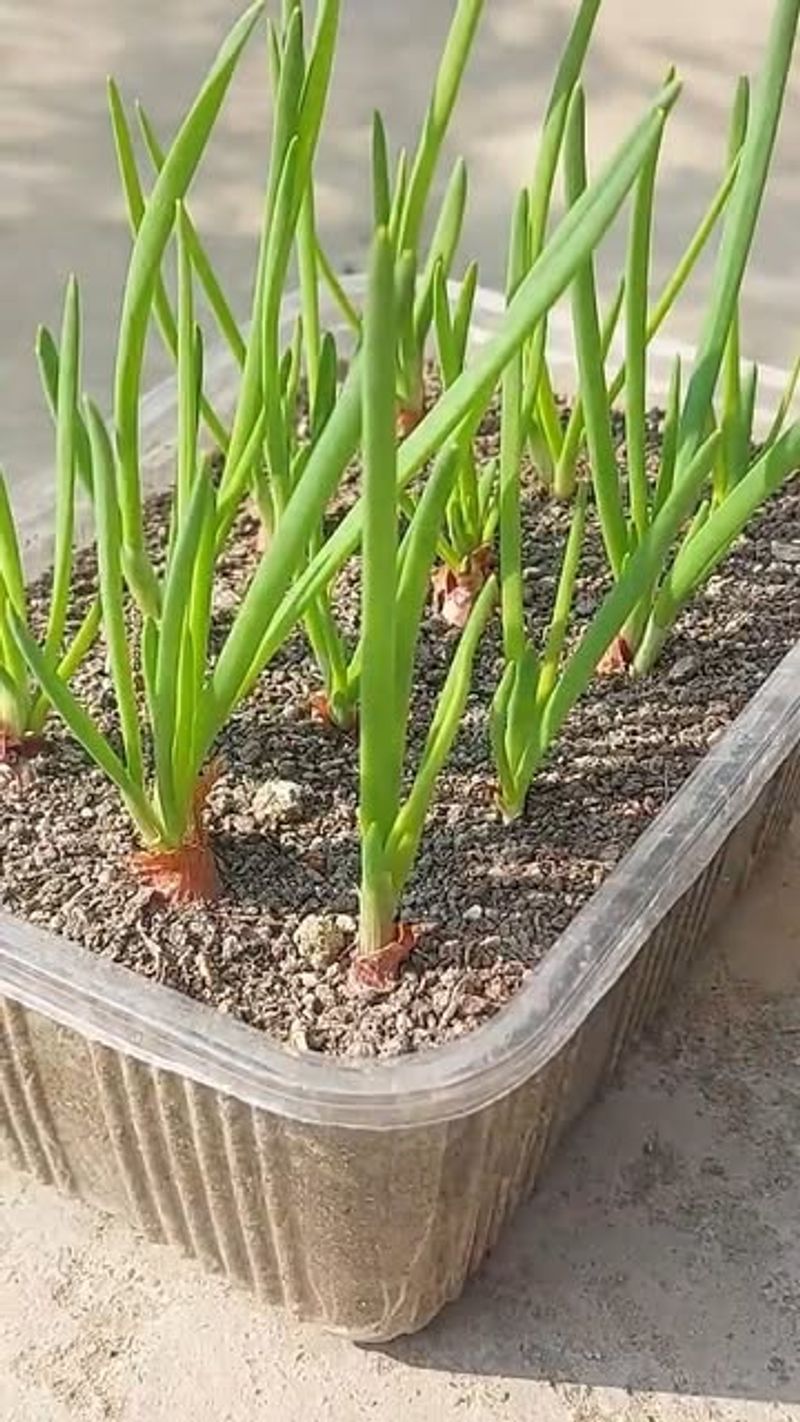
When growing green onions indoors, you have two main options: placing them in water or planting them in soil.
Each method has its own set of advantages and drawbacks, and understanding these differences helps you choose what works best for your space and lifestyle.
Water-growing is incredibly simple and requires minimal supplies—just a shallow dish or jar and some fresh water.
This method allows you to watch the roots develop, which can be fascinating and educational, especially if you’re gardening with kids.
However, water-grown green onions may eventually run out of nutrients and produce thinner, paler stalks over time.
You’ll also need to change the water every few days to prevent bacterial growth and unpleasant odors.
Soil-growing, on the other hand, provides a steady supply of nutrients that keeps your green onions robust and flavorful throughout the winter.
Plants grown in soil tend to have stronger root systems and can be harvested repeatedly for longer periods.
The downside is that soil requires containers with drainage holes, which means a bit more setup and potential mess.
During Washington winters, soil-grown green onions often perform better because the medium retains moisture more consistently in the dry indoor air caused by heating systems.
Ultimately, if you want quick results and minimal fuss, start with water-growing.
If you’re aiming for long-term productivity and maximum flavor, soil is the superior choice for sustained indoor harvests.
Use Shallow Containers That Fit Small Windowsills
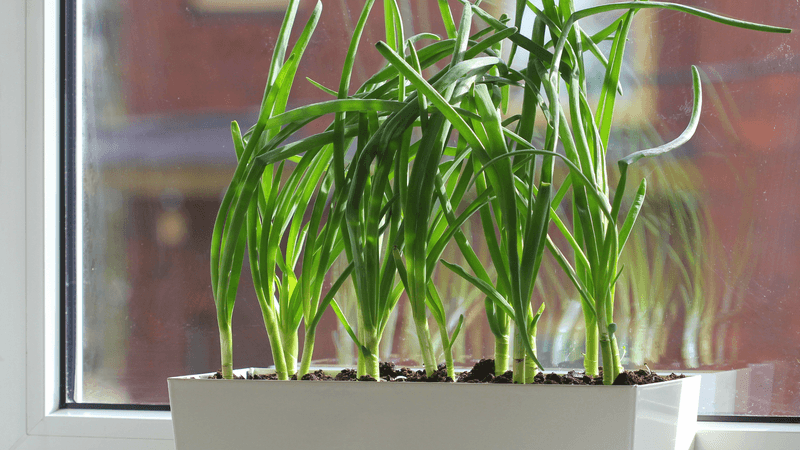
Green onions don’t develop deep root systems, which makes them perfect for shallow containers that fit snugly on even the narrowest windowsills.
Look for pots or trays that are only four to six inches deep, as this provides plenty of room for the roots without taking up unnecessary vertical space.
Rectangular planters work especially well because they maximize the available windowsill area and allow you to grow multiple plants side by side.
If you live in an apartment or have limited space, shallow containers are a game-changer since they don’t require large, bulky pots.
Make sure any container you choose has drainage holes in the bottom to prevent water from pooling and causing root issues.
If you fall in love with a container that lacks drainage, you can drill small holes yourself or use it as an outer decorative sleeve for a smaller pot with proper drainage.
During winter, indoor heating can dry out soil quickly, so containers made from ceramic or plastic tend to retain moisture better than terracotta.
Terracotta pots are beautiful but can wick moisture away from the soil, requiring more frequent watering.
For space-saving ideas, consider using repurposed food containers, shallow baking dishes, or even plastic takeout containers with holes poked in the bottom.
Arranging multiple shallow containers in a row creates an attractive mini-garden that doesn’t overwhelm your windowsill.
This approach keeps your green onions organized, accessible, and thriving throughout the entire winter season.
Keep Roots Warm But Away From Cold Glass
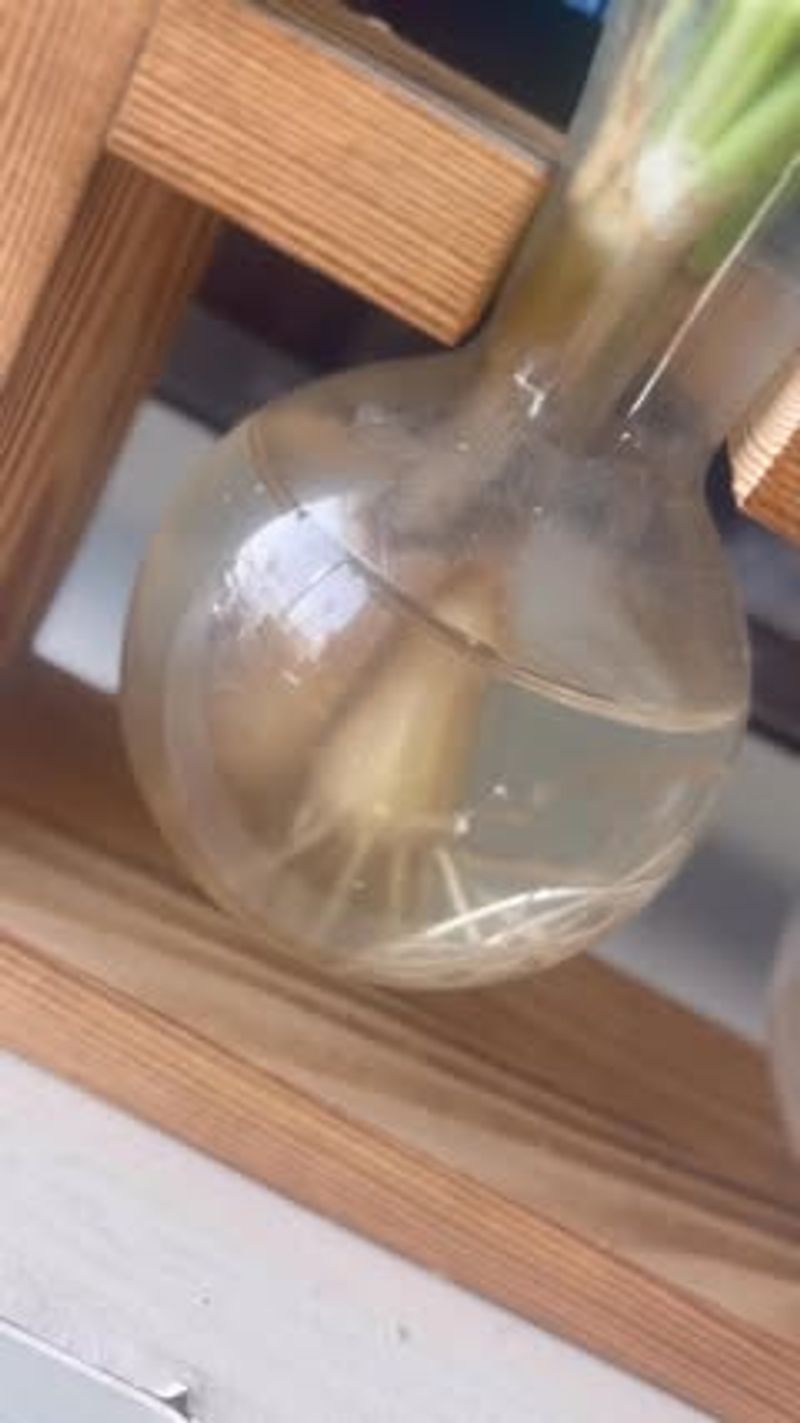
Washington winters can bring chilly drafts and cold window glass that threaten the health of your indoor green onions.
While these plants tolerate cooler temperatures better than many other vegetables, their roots can still suffer if exposed to prolonged cold.
Placing containers directly against icy glass can lower the soil temperature enough to slow growth or even damage tender root systems.
To protect your plants, create a small buffer zone between the containers and the window by using a folded towel, a piece of cardboard, or a cork mat.
This simple insulation layer prevents the cold from transferring directly into the soil while still allowing your green onions to soak up all the available light.
Another effective trick is to move your containers a few inches back from the glass during particularly frigid nights, then return them to their sunny spot each morning.
If your windowsill is especially cold, consider placing a thin piece of foam insulation or bubble wrap beneath the containers to shield the roots from below.
You can also check for drafts around your window frame and seal any gaps with weatherstripping or caulk to keep the indoor temperature more stable.
Green onions grow best when their roots stay between 50 and 70 degrees Fahrenheit, which is comfortable for most indoor spaces.
By keeping roots warm and insulated from cold glass, you ensure steady growth even during the darkest, coldest weeks of winter.
These small adjustments make a big difference in the overall health and productivity of your windowsill garden.
Water Correctly To Prevent Rot In Cool Indoor Conditions
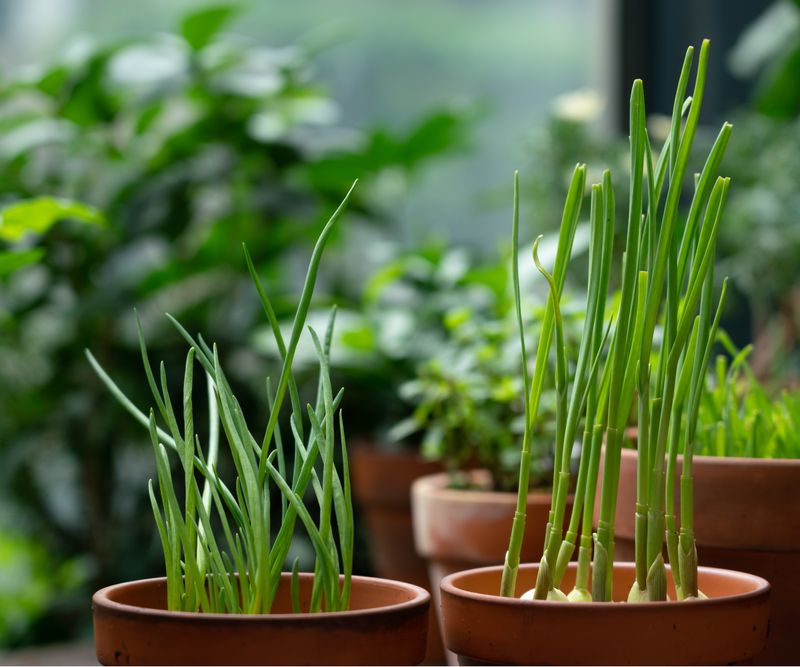
Watering correctly is one of the most critical skills for growing green onions indoors during winter, when cooler temperatures and lower light levels slow down plant metabolism.
Overwatering becomes a much bigger risk in these conditions because the soil doesn’t dry out as quickly as it would during warmer, sunnier months.
When roots sit in soggy soil for too long, they can develop rot, which causes the plants to wilt, turn yellow, and eventually stop growing altogether.
To avoid this problem, always check the soil moisture before adding more water by sticking your finger about an inch below the surface.
If the soil feels damp, wait another day or two before watering again.
Green onions prefer consistently moist soil, but they don’t like being waterlogged or sitting in standing water.
During Washington winters, you may only need to water once or twice a week, depending on how warm and dry your indoor air is.
Homes with forced-air heating systems tend to have drier air, which means you might need to water slightly more often.
Always use room-temperature water rather than cold tap water, as chilly water can shock the roots and slow growth.
Signs of root rot include a foul smell coming from the soil, mushy roots, and leaves that turn pale or translucent.
If you catch rot early, you can sometimes save the plant by trimming away affected roots and repotting in fresh, dry soil.
Proper watering keeps your green onions healthy, vibrant, and productive all winter long.
Rotate Containers To Encourage Even Growth
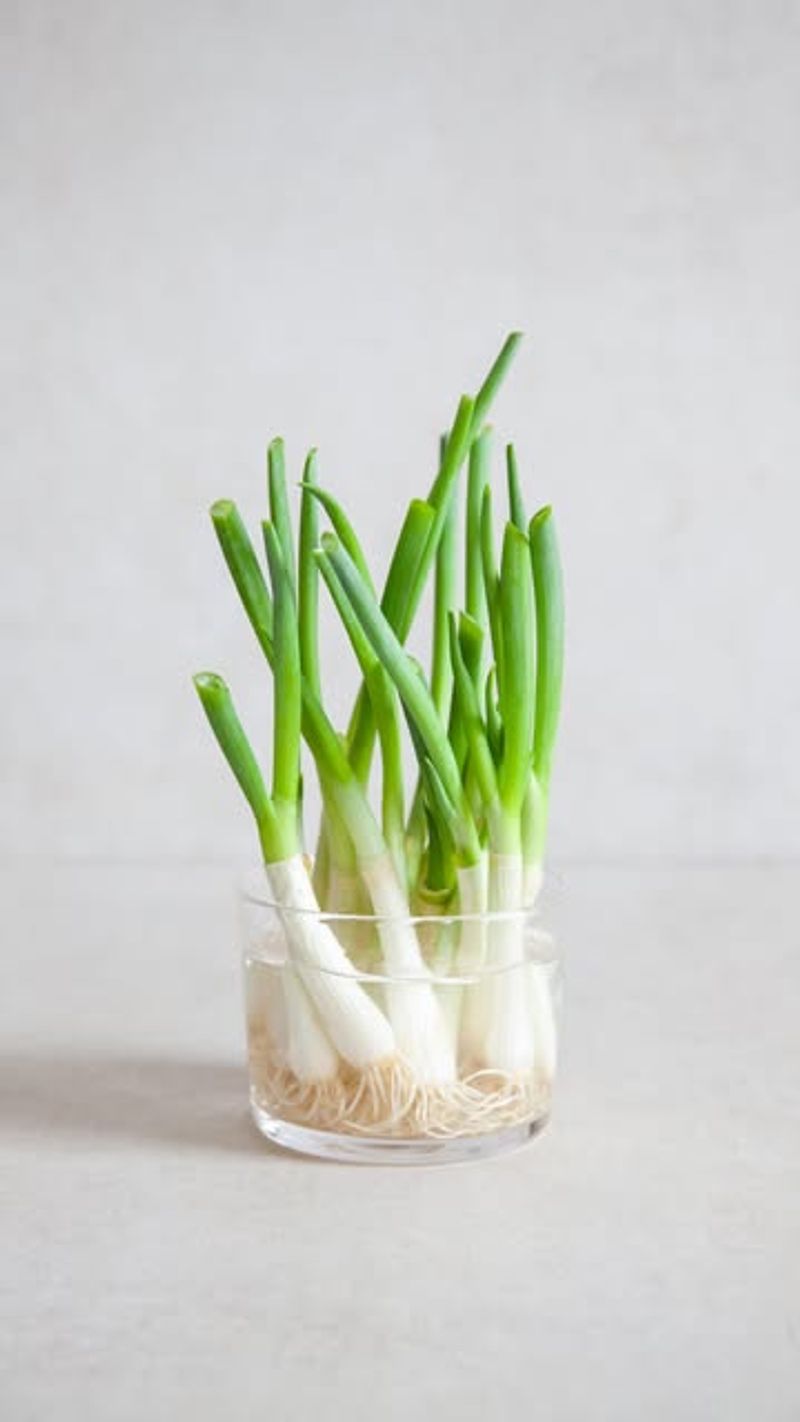
Green onions, like most plants, naturally lean toward their light source, which can cause them to grow unevenly if left in the same position for too long.
During Washington’s low-light winter months, this tendency becomes even more pronounced because the plants are working harder to capture every bit of available sunshine.
If you don’t rotate your containers regularly, you’ll end up with green onions that bend awkwardly toward the window, creating a lopsided and less attractive appearance.
Rotating your containers is a simple fix that takes only a few seconds but makes a noticeable difference in how your plants develop.
Every two to three days, give each container a quarter turn so that a different side faces the light.
This encourages the plants to grow straight and tall rather than leaning in one direction.
Some gardeners like to rotate their plants daily, which works well if you’re already checking on them regularly for watering or harvesting.
Consistent rotation also ensures that all parts of the plant receive equal exposure to light, which promotes more uniform greening and stronger overall growth.
If you notice your green onions starting to lean despite regular rotation, it’s a sign that they need more light.
In that case, consider moving them to a brighter windowsill or adding a small LED grow light to supplement the natural sunlight.
By making rotation a regular part of your indoor gardening routine, you’ll enjoy healthier, more attractive green onions that grow evenly throughout the entire winter season.
Harvest Frequently To Encourage Continuous Regrowth
One of the most rewarding aspects of growing green onions indoors is that they can be harvested over and over again throughout the winter.
Frequent harvesting actually stimulates the plants to produce more shoots, keeping them productive for months on end.
The key is to cut the green stalks correctly so that the roots and base remain intact and ready to regenerate.
Use a sharp pair of kitchen scissors or garden shears to snip the green tops about one to two inches above the soil line or root base.
This leaves enough of the plant behind to continue photosynthesizing and sending energy down to the roots for new growth.
Within a week or two, fresh green shoots will emerge from the center of the cut stalks, ready to be harvested again.
If you cut too close to the base, you risk damaging the growing point and reducing the plant’s ability to regrow.
On the other hand, leaving too much green behind means you’re not getting the full harvest you could be enjoying.
Aim for a balance that maximizes your yield while keeping the plant healthy and vigorous.
Regular harvesting also prevents the green onions from becoming overgrown and tough, ensuring that every cutting is tender and flavorful.
During Washington’s long winter months, having a renewable source of fresh herbs and vegetables right on your windowsill is incredibly satisfying.
By harvesting frequently and correctly, you turn a single batch of green onions into a continuous supply that lasts all season long.
Troubleshoot Slow Growth During Dark Winter Weeks
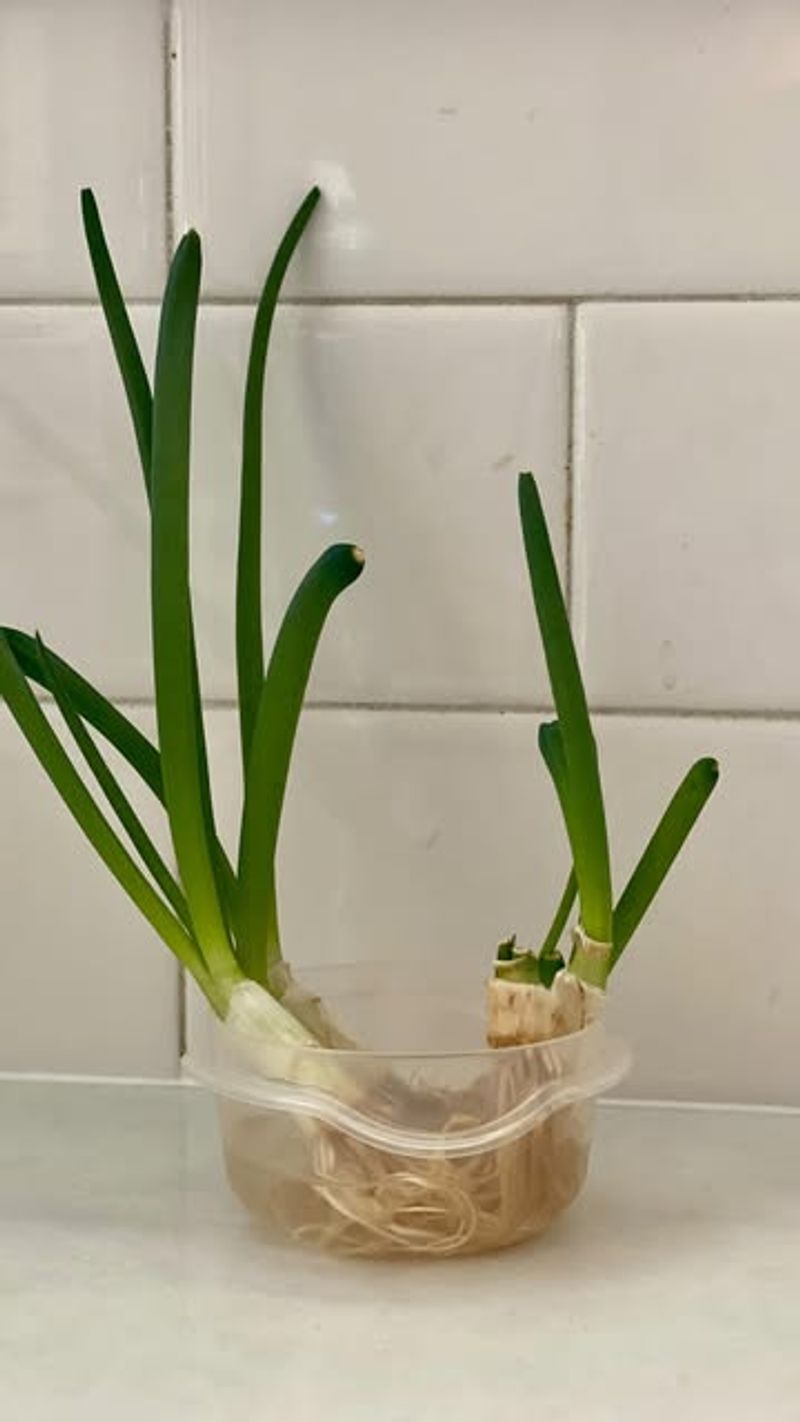
Even with the best care, you may encounter slow growth or pale leaves during the darkest weeks of Washington’s winter.
This is a common challenge when natural sunlight is scarce, and your green onions simply aren’t receiving enough energy to grow at their usual pace.
Pale or yellowish leaves often indicate insufficient light, while slow growth can result from a combination of low light, cool temperatures, and reduced watering.
Before you worry too much, remember that some slowdown is completely normal during winter, and your plants will bounce back as the days gradually lengthen.
If your green onions are struggling, start by moving them to the brightest available windowsill and using reflective materials to maximize light exposure.
Check that you’re not overwatering, as soggy soil in cool conditions can stunt growth and lead to root problems.
Make sure the room temperature stays above 50 degrees Fahrenheit, as temperatures below this threshold can slow or halt growth entirely.
If your home is particularly cold, consider placing a heating mat designed for seedlings beneath your containers to gently warm the soil.
Another simple fix is to add a small LED grow light above your green onions for a few hours each day to supplement the weak winter sunlight.
These lights are inexpensive, energy-efficient, and can make a dramatic difference in plant health and growth rate.
With a few adjustments and a bit of patience, your green onions will continue producing fresh, flavorful shoots even during the gloomiest winter weather.