How To Grow Hellebores In Ohio (Even When The Soil Is Frozen)
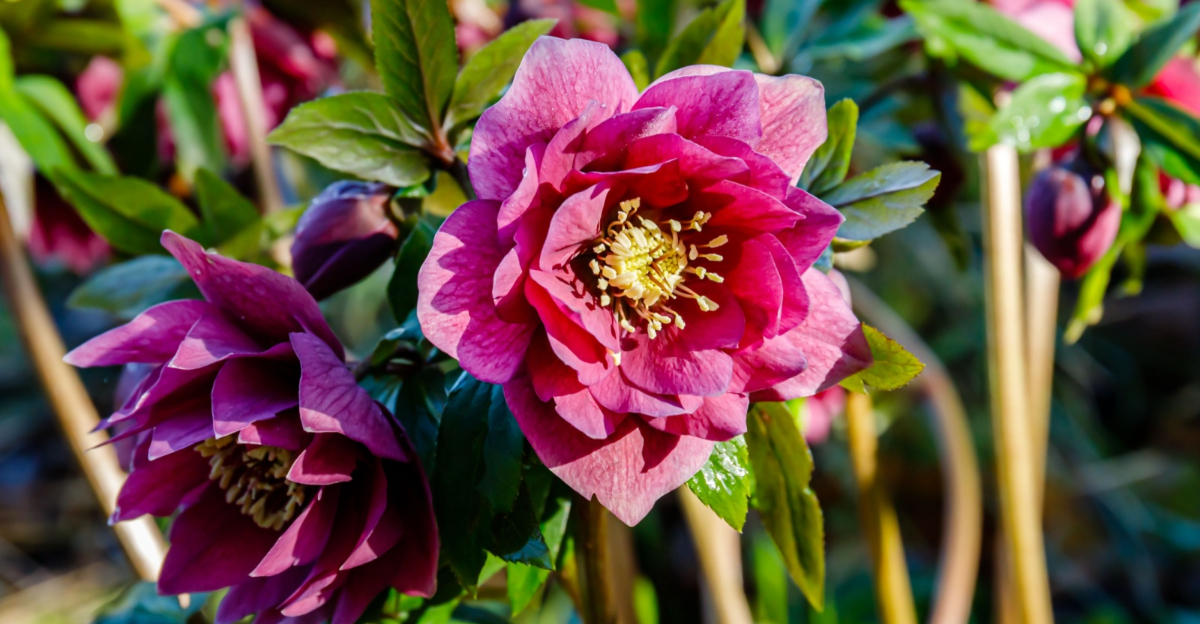
Ohio winters do not make gardening easy. The soil turns stubborn, the air feels sharp, and most plants stay tucked away until real warmth returns.
Still, hellebores follow their own schedule. While the landscape looks locked in winter, these hardy perennials prepare to bloom, ignoring the cold as if it barely matters.
Seasoned gardeners know that some plants simply play by different rules, and hellebores prove it year after year.
When everything else seems on pause, their buds begin to form, hinting that the growing season is closer than it appears.
No drama, no fuss, just steady resilience and quiet performance when conditions look least inviting. For anyone who has stared at frozen ground and wondered if planting is even possible, hellebores offer a refreshing reminder that nature is full of surprises.
A touch of determination, a bit of curiosity, and a willingness to work with the season can turn a slow winter garden into one that wakes earlier than expected, bringing fresh life and color while winter still lingers across Ohio landscapes.
1. Pick Winter Tough Hellebores Built For Ohio Cold
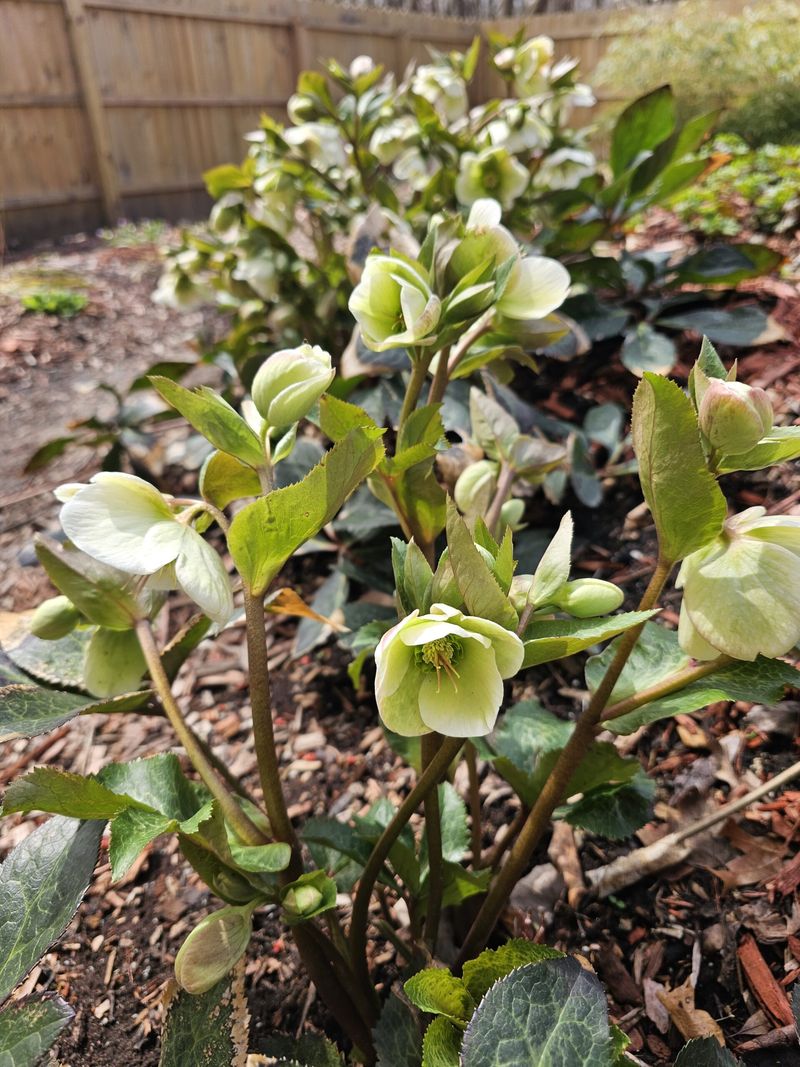
Not all hellebores are created equal when it comes to surviving Ohio’s brutal winter temperatures. Helleborus orientalis, commonly called Lenten rose, is your best bet for reliable performance in USDA zones 5 and 6, which cover most of Ohio.
These hybrids are typically hardy to about negative 10 to negative 20 degrees Fahrenheit when established in well drained soil.
Christmas rose (Helleborus niger) is another excellent choice, though it blooms even earlier, sometimes in December or January. Both species are widely recommended for Midwest and Ohio gardens due to their cold hardiness and reliability.
Look for named cultivars like ‘Royal Heritage’ or ‘Winter Jewels’ at local nurseries, as these have been specifically bred for cold hardiness.
Helleborus foetidus can grow in Ohio but may be less reliable in colder or poorly drained sites. When shopping, ask your nursery staff which varieties they’ve grown successfully in Ohio conditions.
Local garden centers often stock plants that have proven themselves in the region, giving you a better chance of success than ordering random varieties online. Cold hardiness is non-negotiable for Ohio hellebores, so always check the zone rating before purchasing.
2. Think Woodland Shade, Not Full Sun
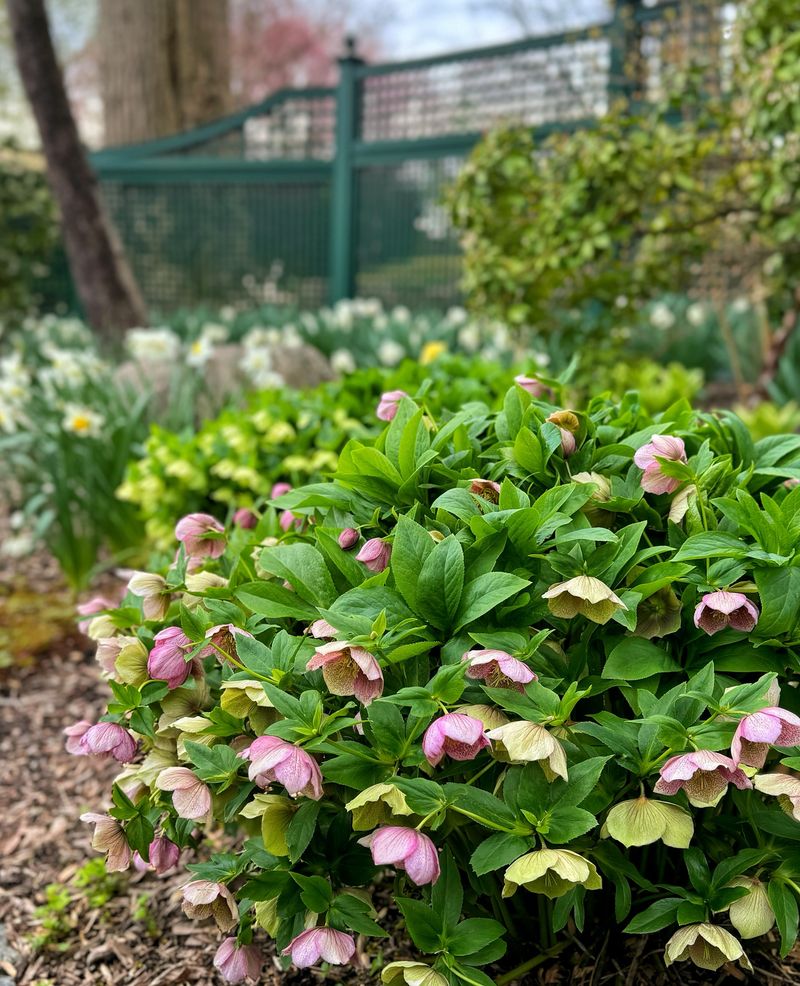
Hellebores evolved as woodland plants in European forests, and they still prefer those same conditions in your Ohio yard. Full sun will scorch their leaves and stress the plants, especially during our hot, humid summers.
Instead, look for spots that get morning sun and afternoon shade, or the dappled light that filters through deciduous trees.
The north or east side of your house works perfectly, as does the area beneath mature oaks, maples, or hickories. In winter, when hellebores are actively blooming, the bare tree branches allow plenty of light through.
By summer, when the foliage canopy fills in, hellebores appreciate the cooling shade that protects them from heat stress.
If you only have sunny areas available, you can still grow hellebores, but you’ll need to provide afternoon shade through companion plantings or structures. A location that receives four to six hours of morning sun and then shade for the rest of the day is ideal.
Dense, all-day shade from evergreens or buildings can work, but flowering may be reduced. Ohio gardeners in suburban settings often find success planting hellebores on the shaded side of fences or along north-facing foundation beds where other flowering plants struggle.
3. Drainage Matters More Than Temperature
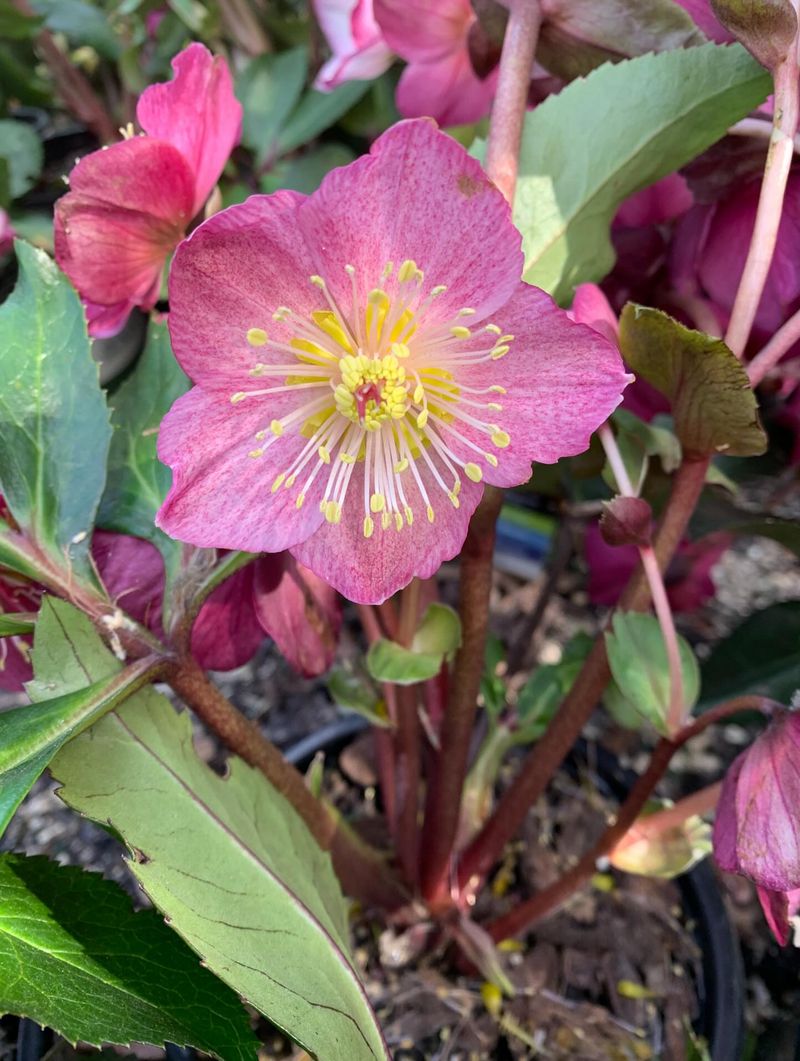
You might think Ohio’s freezing temperatures are the biggest challenge for hellebores, but soggy, waterlogged soil causes far more problems. These plants can tolerate frozen ground just fine, but poor drainage can lead to crown or root rot, especially during cold wet winters.
Their crown and roots will rot quickly if drainage is poor.
Before planting, test your drainage by digging a hole about twelve inches deep and filling it with water. If the water doesn’t drain within a few hours, you have a problem that needs fixing.
Heavy clay soil, common throughout much of Ohio, tends to hold water and freeze solid, creating the worst possible conditions.
The solution is to plant hellebores on slopes, in raised beds, or in areas where water naturally drains away. Even a gentle slope of just a few inches can make the difference between success and failure.
If your entire yard is flat and poorly drained, create raised planting areas at least six inches high using a mix of native soil and amendments. Testing drainage during wet seasons helps reveal problem areas before planting.
Good drainage protects hellebores from both winter rot and summer fungal problems.
4. Fix Frozen, Heavy Soil With Compost Power

Ohio’s clay soil is notorious for baking hard in summer and freezing into concrete in winter, making it nearly impossible for plant roots to penetrate. Hellebores need soil that stays workable even when cold, which means you’ll need to amend heavily before planting.
Compost is your most valuable tool for transforming difficult clay into hellebore-friendly growing medium.
Work at least three to four inches of finished compost into the top twelve inches of soil where you plan to plant. This organic matter creates air pockets that improve soil structure and drainage, helping roots remain healthy through winter.
Compost also improves drainage, holds nutrients, and encourages beneficial soil organisms that hellebores depend on.
Aged leaf mold works exceptionally well, mimicking the natural forest floor conditions hellebores prefer. Many Ohio municipalities offer free compost to residents, or you can make your own from fall leaves.
Apply compost in fall so it has time to integrate with your native soil before spring planting. Avoid fresh manure or uncomposted materials, as these can burn hellebore roots.
The goal is creating soil that’s rich, loose, and crumbly rather than heavy and dense. Well-amended soil makes all the difference in how well hellebores establish and survive Ohio winters.
5. Mulch Is Your Secret Weapon Against Freeze Thaw Damage
Ohio’s winter temperatures don’t just stay cold and frozen, they swing wildly between freezing and thawing, sometimes changing thirty degrees in a single day. This freeze-thaw cycle heaves plants right out of the ground, exposing roots to damaging cold and drying winds.
A proper mulch layer stabilizes soil temperature and prevents this destructive heaving.
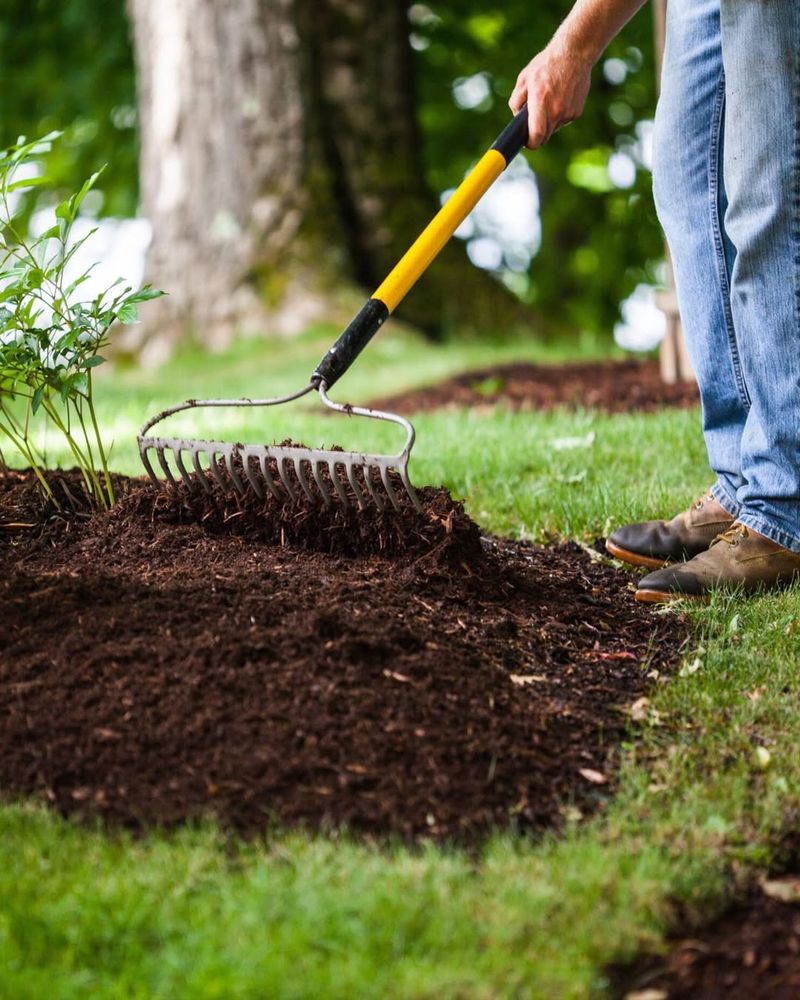
Apply two to three inches of shredded leaves, aged wood chips, or shredded bark around your hellebores in late fall, after the soil has cooled in late fall to stabilize temperature and reduce freeze thaw heaving during winter. Keep mulch pulled back about two inches from the plant crown to prevent rot, but cover the root zone completely.
Shredded oak or maple leaves work particularly well because they mat down slightly, staying in place through winter winds while still allowing air circulation. Pine needles are safe to use and do not significantly change soil pH; avoid thick straw layers where rodents may shelter.
In spring, as temperatures warm, pull mulch back slightly to allow the soil to warm and new growth to emerge easily. You can leave a thin layer in place year-round for weed suppression and moisture retention.
Ohio gardeners who mulch consistently report much better hellebore survival and vigor compared to unmulched plants.
6. Yes, They Really Bloom In Late Winter
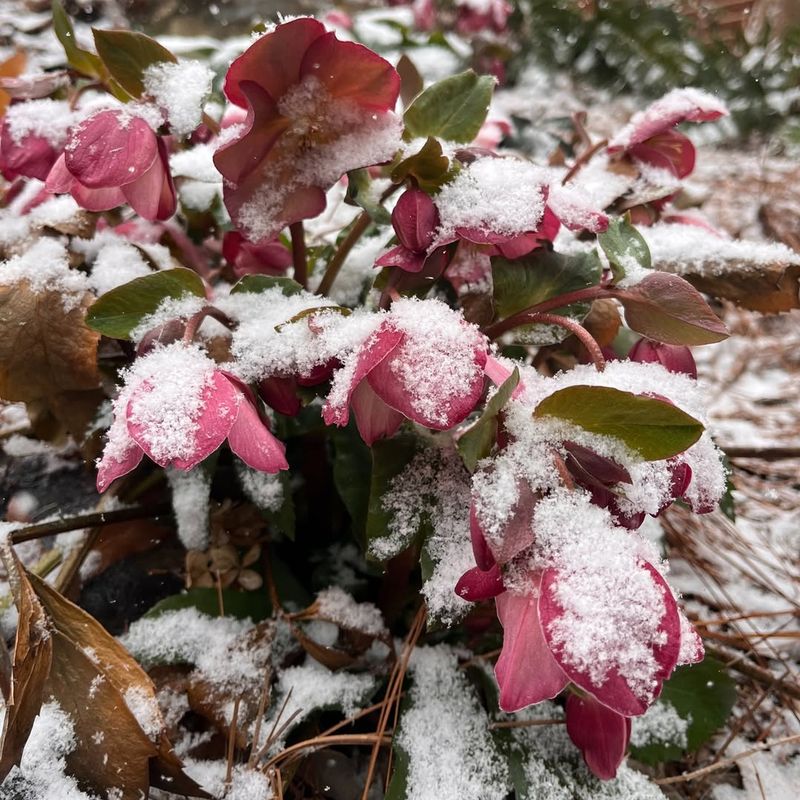
One of the most magical moments in an Ohio garden happens in late February or early March when hellebore buds push through frozen soil and open their flowers while snow still covers the ground. Many gardeners don’t believe this is possible until they see it with their own eyes.
Hellebores bloom very early in the growing season, often before most plants break dormancy, which is why they flower so incredibly early.
The blooms typically appear between late January and April, depending on your specific location in Ohio and the winter’s severity. Southern Ohio gardeners near Cincinnati often see flowers in late January, while northern regions near Toledo might not see blooms until March.
Each flower lasts for weeks, not days, because cold temperatures slow the aging process.
Don’t worry if flowers get covered by a late snow, they’ll simply wait underneath and pop back up when it melts. The thick, waxy petals are actually modified sepals that protect the true flower parts inside, allowing them to withstand freezing temperatures that would destroy regular flower petals.
This winter blooming habit means hellebores provide color when absolutely nothing else is flowering in your yard. Plant them where you’ll see them from a window, so you can enjoy the blooms without trudging through snow and mud.
7. Wet Winter Soil Is The Biggest Problem

Poor drainage is one of the most common causes of hellebore decline in Ohio. When soil stays saturated during our long, damp winters, hellebore crowns and roots suffocate and rot, even though the plant looks fine above ground.
By the time you notice wilting or browning foliage in spring, the damage is already done.
Ohio receives significant precipitation from November through March, often in the form of rain, sleet, and melting snow that saturates the ground for weeks at a time. Clay soils and low-lying areas are especially problematic because water has nowhere to go.
Prevention is the only solution, as there’s no way to save a plant once rot has started.
Choose planting sites carefully, avoiding low spots where water collects or areas where downspouts discharge. If your entire property has drainage issues, consider installing French drains or creating raised beds specifically for hellebores and other moisture-sensitive plants.
Amending soil with compost helps, but it’s not enough if water pools on the surface. Test your proposed planting site during a heavy rain to see how water moves across your landscape.
Observing how water moves across your landscape during wet seasons helps identify suitable planting areas.
8. Don’t Move Your Hellebores Around
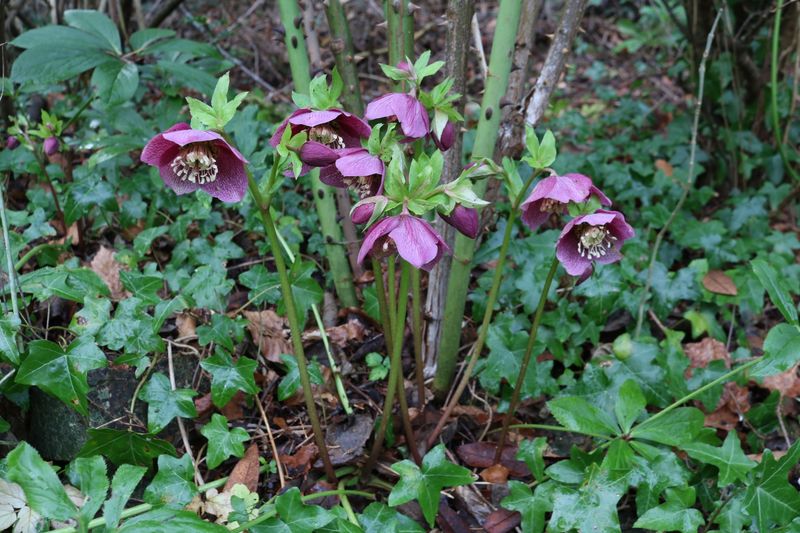
Hellebores are not the kind of plants you can move around your garden every few years to try different combinations or fill gaps. They develop deep, extensive root systems that resent disturbance, and moving established plants may take time to recover after transplanting.
Choose your planting location carefully from the start, because that’s where your hellebores will live for decades.
Young plants from nursery pots establish much more successfully than divisions or transplants of older specimens. Plant them in early fall, giving roots time to settle in before winter, or wait until very early spring before new growth begins.
Dig generous holes at least twice the width of the root ball, and plant at the same depth the hellebore was growing in its container.
Water thoroughly at planting time, then leave them alone except for regular moisture during their first growing season. Established hellebores can live twenty years or more in the same spot, slowly forming large, multi-crowned clumps that bloom more heavily each year.
Resist the temptation to divide them unless absolutely necessary for propagation. Ohio gardeners who practice patience with hellebores are rewarded with spectacular, long-lived specimens that become permanent garden features requiring almost no maintenance once established.