How To Grow Hostas That Thrive In Georgia Gardens Year After Year
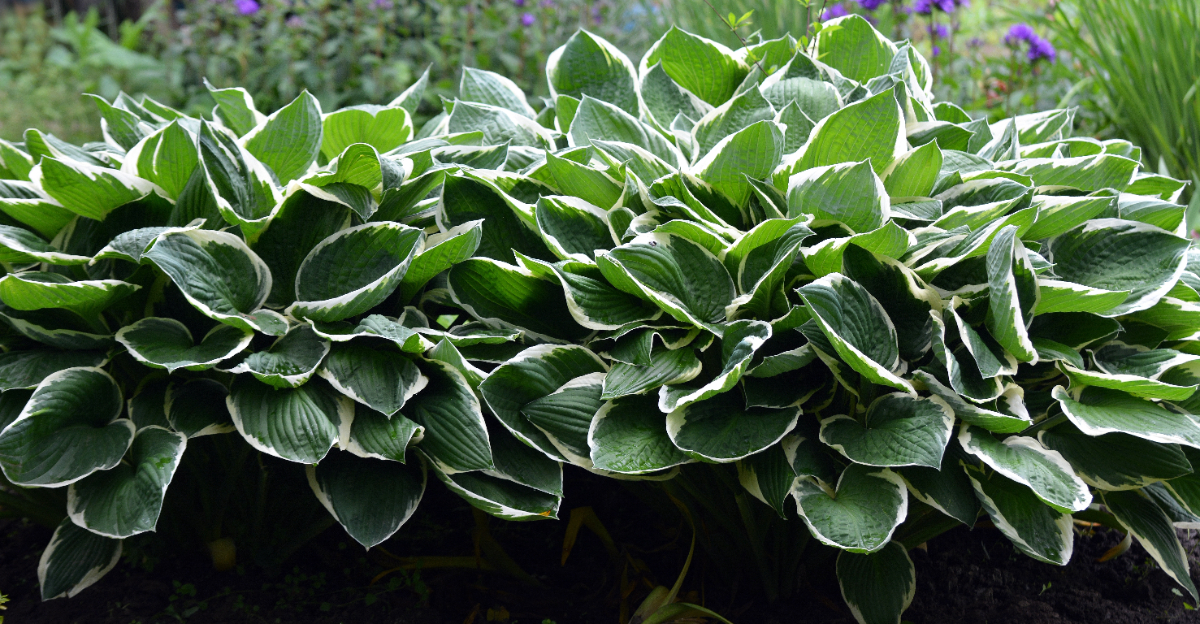
There is something about a shady spot in a Georgia yard that feels unfinished until hostas settle in and fill it out.
Their leaves bring that full, layered look that makes everything around them feel more put together, even when the rest of the garden is still catching up.
Still, they do not always turn out the way people expect. Some stay smaller than they should, others lose their rich color, and a few just never seem to get comfortable.
It can feel confusing when a plant known for being easy starts acting like anything but.
The truth is, a few small choices early on can shape how hostas grow for years. Georgia gives them a good starting point, but what happens next depends on how they are handled along the way.
Once they settle in the right way, they become one of those plants that quietly carry the whole space.
1. Plant Hostas In Partial To Full Shade For Best Growth
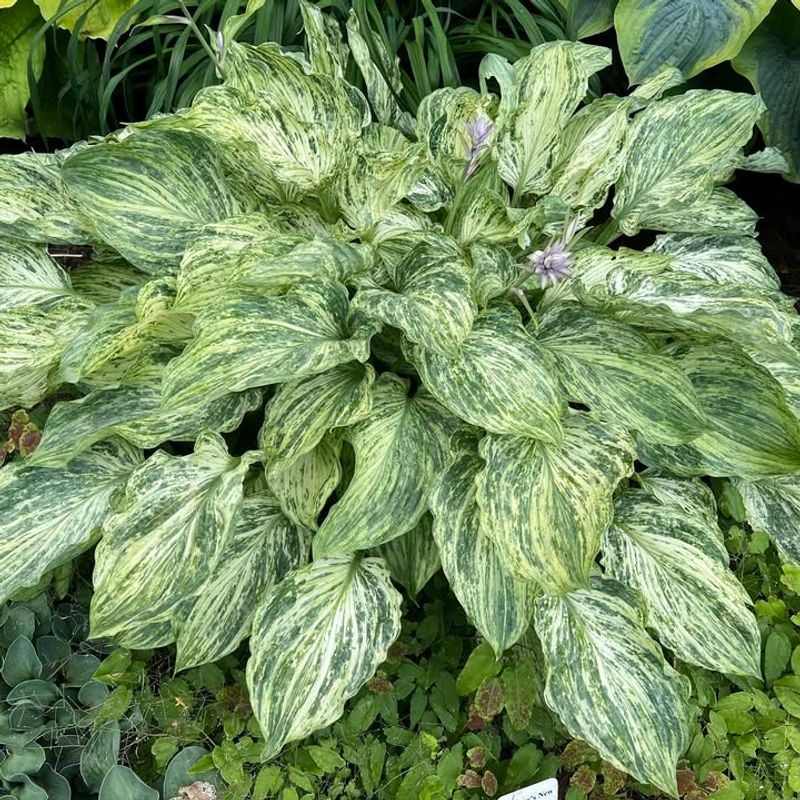
Shade is where hostas truly belong. Planting them under a canopy of trees or along the shaded side of your house gives them the protection they need, especially during Georgia’s brutal summer afternoons when the sun beats down hard.
Direct afternoon sun is rough on hosta leaves. You will notice the edges turning yellow or brown, almost like the plant got a bad sunburn.
Morning sun is fine and actually helps some varieties show off their color, but afternoon shade is non-negotiable in Georgia.
North-facing beds or spots under mature trees are ideal. If your yard does not have natural shade, consider planting hostas near a fence or structure that blocks that intense late-day sun.
Even a few hours of afternoon shade can make a big difference in how the leaves look all season.
Different hosta varieties handle light differently. Blue-leaved types like Halcyon fade fast in too much sun, while gold varieties like Sum and Substance can actually tolerate a bit more light.
Pay attention to what the plant tag says and match the variety to your specific spot.
In Georgia, it is smart to err on the side of more shade rather than less. A hosta that gets too little light might grow a bit slower, but it will still look healthy and green.
One that gets too much sun in the Georgia heat will struggle noticeably, and no amount of extra watering will fully fix it.
2. Use Rich, Well-Draining Soil To Support Strong Roots
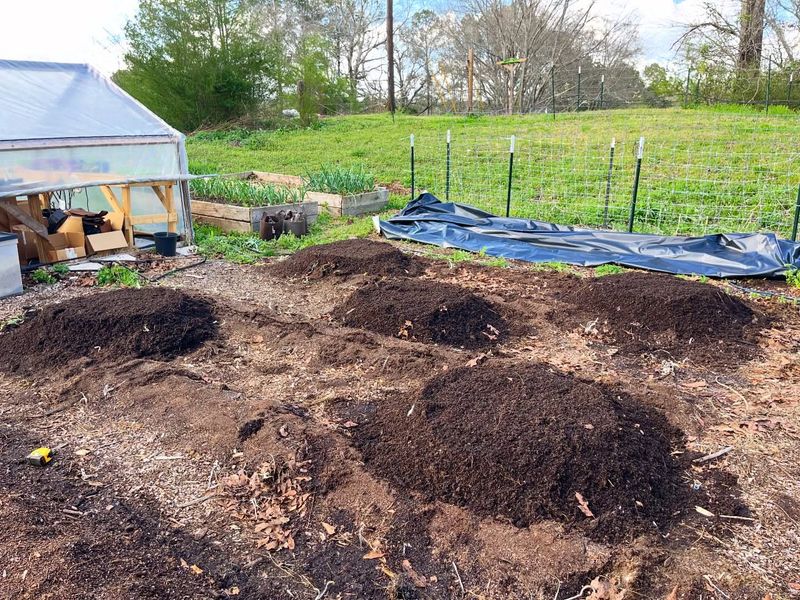
Bad soil is the number one reason hostas underperform. Georgia clay is notoriously dense and holds water in all the wrong ways, which can suffocate roots and cause rot before the plant ever gets a real chance to grow.
Breaking up that clay and mixing in organic matter changes everything. A generous amount of compost worked into the top 12 inches of soil loosens the texture and feeds the roots at the same time.
You want soil that holds some moisture but still drains well after a heavy rain.
Aim for a slightly acidic pH between 6.5 and 7.0. Georgia soils can vary a lot depending on where you live, so picking up an inexpensive soil test kit from a local garden center is worth the five minutes it takes.
If your soil is too acidic, a little lime will bring it up. Too alkaline, and sulfur can help bring it down.
Raised beds work really well for hostas in areas with heavy clay. Building up the soil level just six to eight inches gives the roots room to breathe and drain properly without a lot of amendment work.
It is a practical fix for yards where the native soil is just too compacted to work with easily.
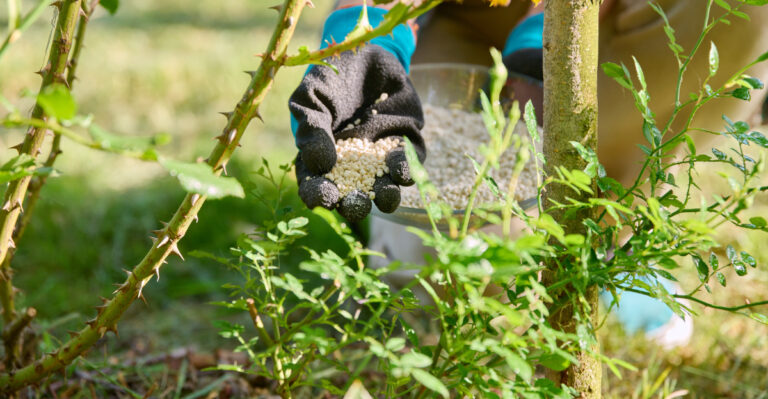
Adding a slow-release fertilizer at planting time gives young hostas a steady supply of nutrients through the growing season. Skip heavy feeding after August so the plants can begin naturally winding down before Georgia winters arrive.
3. Water Consistently To Keep Soil Evenly Moist
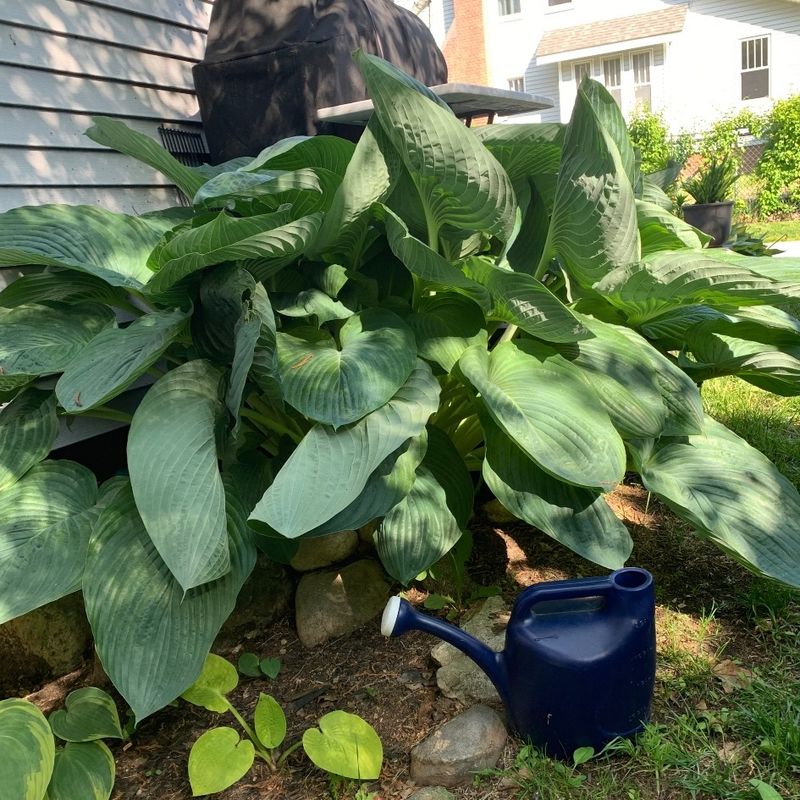
Hostas are thirsty plants, plain and simple. In Georgia’s summer heat, the ground can dry out faster than you expect, especially in sandy soils or raised beds that drain quickly.
Keeping the soil consistently moist is one of the most important habits you can build.
Deep watering once or twice a week is far better than light daily sprinkles. When you water deeply, the moisture reaches the root zone where it actually matters.
Shallow watering only wets the top inch or two and encourages roots to stay near the surface, which makes plants more vulnerable during dry stretches.
Watering in the morning is the best approach. It gives the leaves time to dry before evening, which reduces the risk of fungal issues that can show up in Georgia’s humid conditions.
Avoid watering overhead if you can manage it, and aim the hose or drip line at the base of the plant instead.
During Georgia’s hot July and August weeks, you may need to water more frequently. Check the soil by pressing a finger about an inch into the ground near the plant.
If it feels dry at that depth, it is time to water. If it still feels damp, give it another day.
Newly planted hostas need the most attention when it comes to watering. Roots are still getting established and cannot pull moisture from a wide area yet.
Keep a close eye on them during the first growing season, especially if you planted in spring right before the heat ramps up.
4. Add Mulch To Help Retain Moisture And Protect Roots
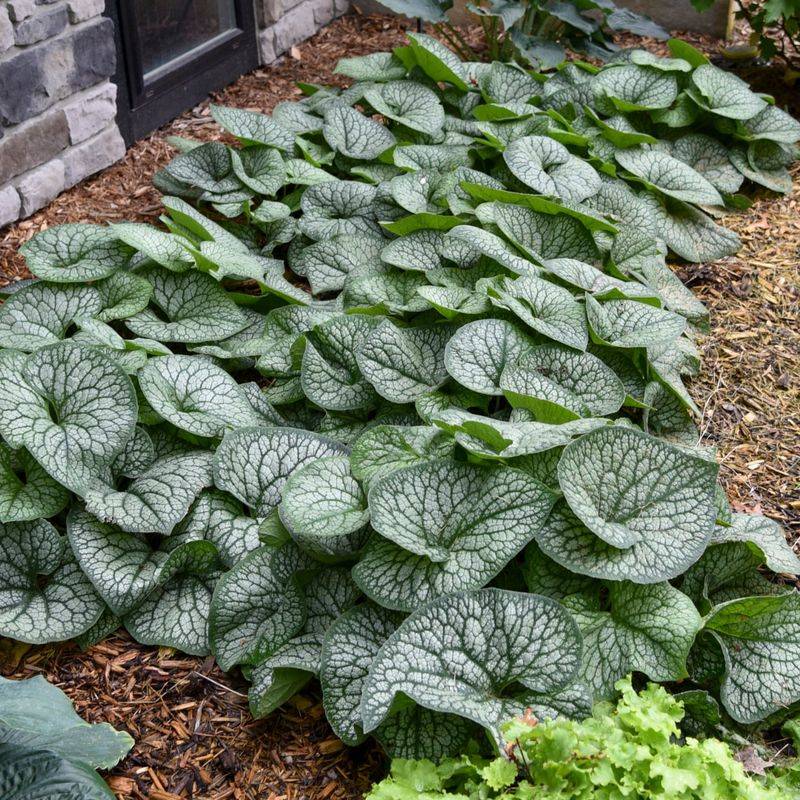
Mulch might be the single easiest upgrade you can make to your hosta beds. A two to three inch layer around each plant acts like a blanket for the soil, keeping moisture in and wild temperature swings from affecting the roots underneath.
Georgia summers are intense. Soil temperatures can spike dramatically in unprotected beds, and that kind of heat stress at the root level will slow down even the healthiest hosta.
Mulch keeps things cooler down below while the plant handles the heat above ground.
Shredded bark, pine straw, or wood chips all work well. Pine straw is especially popular across Georgia because it is widely available, affordable, and breaks down slowly.
It also looks natural under trees, which is usually where hostas are planted anyway.
Pull the mulch back a couple of inches from the crown of the plant. Piling it right up against the stems traps moisture in exactly the wrong spot and can lead to rot right at the base.
A small gap around the crown keeps air moving where it needs to.
Reapply mulch once a year, usually in early spring before the heat arrives. After a full Georgia winter, the old layer has usually broken down enough that a fresh top-up is needed.
As it decomposes over time, it also adds organic matter back into the soil, which is an added bonus for your hosta roots and the overall health of the bed.
5. Divide Hostas Every Few Years To Keep Plants Healthy
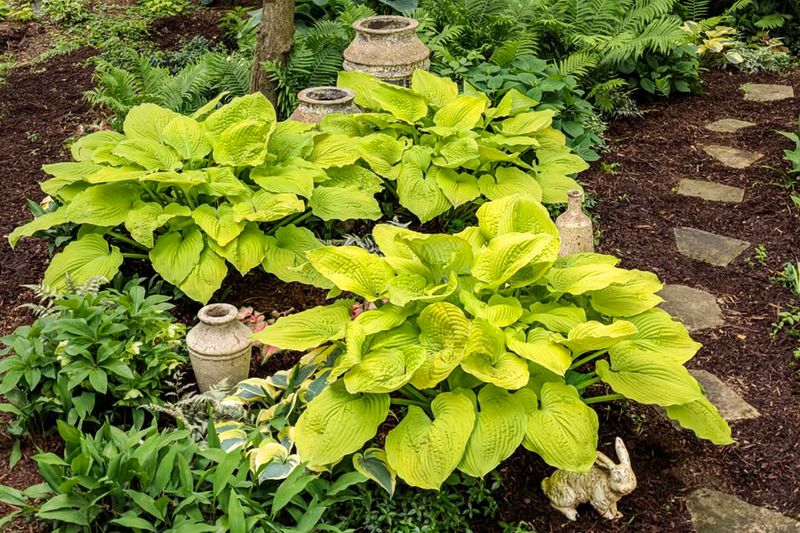
A hosta that has been sitting in the same spot for five or six years starts to look a little tired. Clumps get crowded, the center can thin out, and the plant just does not put on the same show it used to.
Dividing fixes all of that and gives you extra plants for free.
Early spring is the best window for dividing hostas in Georgia. Right when the new shoots are just starting to push up through the soil is the perfect moment.
You can see exactly where the plant is, the ground is still relatively cool, and the divided sections have a full growing season ahead of them to settle in.
Use a sharp spade to cut straight down through the clump. Depending on the size, you might get three or four solid sections from one plant.
Each piece needs at least two or three healthy buds to grow well. Replant them at the same depth they were growing before and water thoroughly right away.
Do not stress about being too precise when cutting. Hostas are tough and bounce back from division without much drama.
The main thing to avoid is leaving sections too small, because tiny pieces take much longer to fill out and look good in the garden.
Dividing every four to five years keeps your Georgia hosta beds looking full and intentional rather than overgrown and patchy. It is also a great way to fill in new shady spots around your yard without spending money on new plants from the nursery.
6. Watch For Slugs And Snails That Damage Leaves
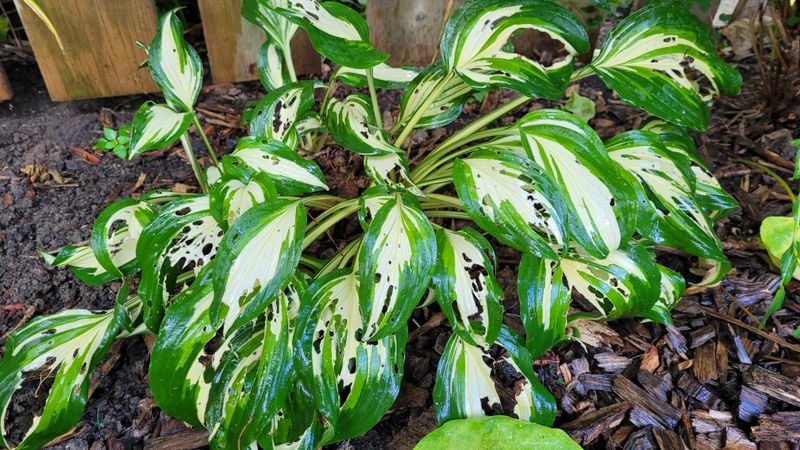
Nothing is more frustrating than walking out to your garden and finding your beautiful hosta leaves riddled with holes overnight. Slugs and snails are the usual suspects, and Georgia’s warm, humid nights give them ideal conditions to feed without any interference.
Slugs are most active after dark and love damp, shady environments, which is exactly where hostas live. They rasp through soft leaf tissue and leave irregular holes that make even a healthy plant look rough.
Catching the problem early saves a lot of leaf damage by midsummer.
Iron phosphate baits are one of the safest options to use around hostas. You scatter the granules around the base of the plants in the evening, and slugs that eat them stop feeding and do not survive.
It breaks down into nutrients in the soil, so there is no harmful residue left behind.
Diatomaceous earth sprinkled around the crown creates a gritty barrier that slugs avoid crossing. It needs to be reapplied after rain, which in Georgia means keeping a bag handy through the wet season.
It is not a perfect fix on its own but works well combined with other controls.
Reducing excess moisture around plants also helps. Watering in the morning instead of the evening means the soil surface dries out somewhat by nightfall, making conditions a little less inviting for slugs.
Keeping mulch pulled back slightly from the crowns also removes some of the hiding spots they rely on during the day.
7. Cut Back Foliage In Late Fall To Keep Plants Clean
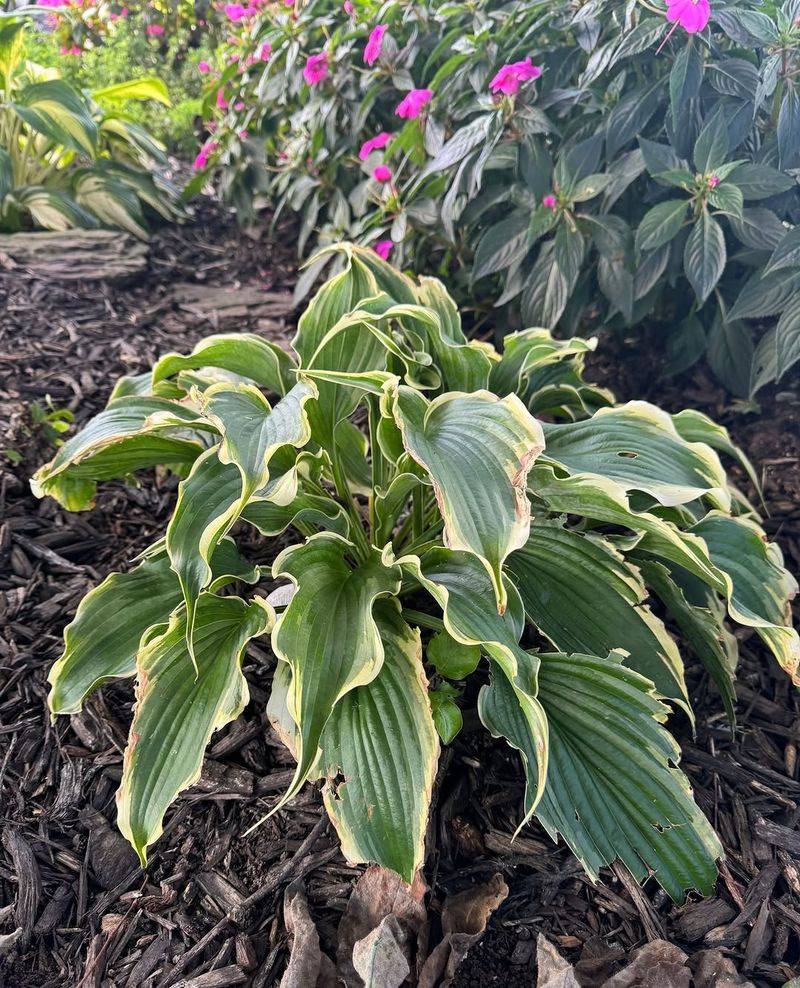
By late October or November in Georgia, hosta leaves have usually turned yellow and collapsed flat on the ground. At that point, they are not doing anything useful for the plant anymore, and leaving them in place just creates a damp, messy habitat for pests to overwinter in.
Cutting the foliage back to just above the soil line is quick work and makes the whole bed look tidy going into winter. Use a sharp pair of garden shears or scissors and cut the leaves off as close to the ground as possible without digging into the crown.
The crown is where next year’s growth will come from, so protecting it matters.
Bag up the cut leaves and dispose of them rather than leaving them as mulch in the bed. If any pest eggs or fungal spores are present on the old foliage, leaving it in place can cause problems when spring arrives.
A clean bed going into winter is a much better starting point for the next growing season.
After cutting back, add a fresh layer of mulch over the crown area. Georgia winters are mild compared to states further north, but occasional hard freezes can happen.
A couple of inches of mulch over the crown provides enough insulation to protect the plant through those cold snaps without any additional effort.
Come spring, pull back that mulch a bit as temperatures warm up and watch for the first tips of new growth pushing through the soil. In Georgia, hostas often start emerging as early as late February or early March, which is one of the most satisfying signs that the gardening season is back.