How To Grow Leeks From Seed Successfully In Michigan Gardens
Leeks may not be the flashiest vegetable in the garden, but Michigan gardeners know they are one of the most rewarding crops to grow. These tall, elegant plants thrive in cooler weather and fit perfectly into the rhythm of Michigan’s growing season.
When planted at the right time, they grow steadily through spring and can keep producing well into fall. Across the Upper and Lower Peninsulas, leeks handle chilly temperatures far better than many other vegetables.
That makes them a great choice for gardeners who want reliable crops during Michigan’s cooler months. Starting them from seed also opens the door to more varieties than most garden centers offer.
With the right timing and a few simple techniques, growing leeks from seed becomes surprisingly easy. Michigan gardeners who start them early often end up with strong plants and a harvest that lasts far longer than expected.
1. Start Leek Seeds Indoors In Late Winter
Few vegetables reward patience quite like leeks, and in Michigan, that patience starts indoors during the coldest weeks of late winter. Leeks belong to the species Allium ampeloprasum var. porrum, and they need a long growing season to develop properly.
Starting seeds about 8 to 10 weeks before the last expected frost gives seedlings enough time to grow strong before heading outside.
In southern Michigan, the last frost typically falls between late April and early May. That means late February or early March is the sweet spot for sowing indoors.
Planting at this time ensures your seedlings are sturdy and ready when outdoor soil warms up enough to work.
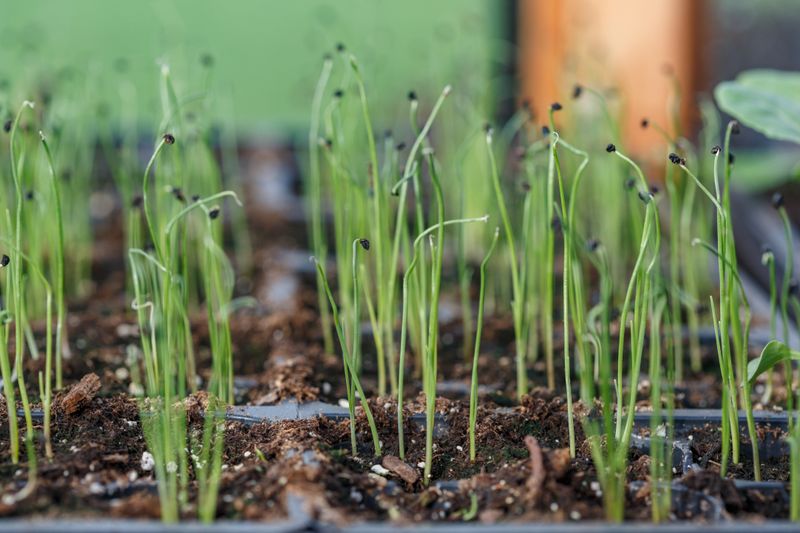
To get started, fill a clean seed tray with a quality seed-starting mix and press it down lightly so there are no big air pockets. Sow seeds about one-quarter inch deep and space them as evenly as possible.
Keep the mix moist but not soaking wet, and maintain a soil temperature between 65 and 75 degrees Fahrenheit for the best germination results. Most leek seeds sprout within 10 to 14 days when conditions are right.
Covering trays with a plastic dome or plastic wrap helps hold in warmth and moisture until the first tiny green shoots appear.
2. Provide Bright Light For Strong Seedlings
Once your leek seedlings poke through the soil surface, their biggest need shifts from warmth to light. Without enough light, seedlings stretch upward fast trying to reach a light source, which results in thin, floppy stems that struggle to survive transplanting.
Michigan winters do not offer much natural sunlight, so most gardeners need to step in with some extra help.
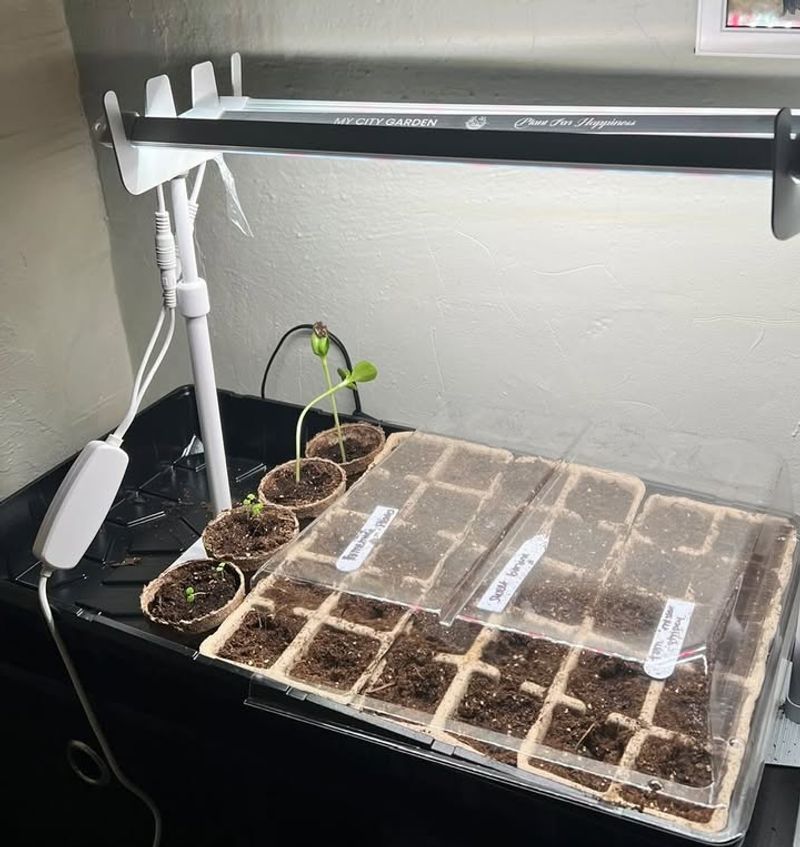
A grow light set up over your trays makes a huge difference. Aim to run the lights for 12 to 16 hours each day to mimic the longer days of spring.
The key detail that many beginners miss is light distance. Keeping the grow light just 2 to 3 inches above the tops of your seedlings encourages thicker, sturdier stems that can hold up outdoors.
If you prefer using natural light, place your trays near a bright south-facing window. Rotate the trays every couple of days so all sides of the seedlings get even exposure.
Even with a great window, Michigan’s winter sun is often too weak and too short to fully replace a grow light during February and March. Combining a south window with a small supplemental grow light gives the best results.
Strong, compact seedlings at transplant time lead to healthier plants and bigger harvests later in the Michigan growing season.
3. Harden Off Seedlings Before Planting Outdoors
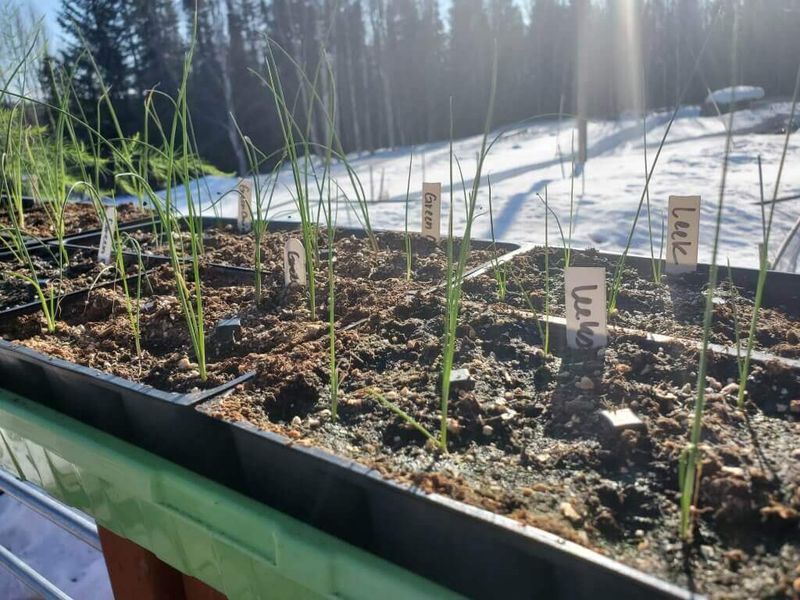
Taking a seedling straight from a cozy indoor setup and dropping it into a Michigan garden is a recipe for stressed plants.
After spending weeks in a controlled environment, seedlings need time to adjust to real outdoor conditions like wind, direct sun, and temperature swings.
The process of making that gradual adjustment is called hardening off, and it takes about 7 to 10 days to do properly.
Start by setting your trays outside in a sheltered, partly shaded spot for just two to three hours on the first day. Bring them back inside before temperatures drop in the evening.
Each day after that, add another hour or two of outdoor time and slowly move them into more direct sunlight. By the end of the hardening period, your seedlings should be spending the full day outside without any signs of wilting or stress.
Watch the weather forecast closely during this period. Avoid putting seedlings out on days with strong winds, heavy rain, or unexpected cold snaps that drop below 40 degrees Fahrenheit.
Michigan spring weather can be unpredictable, so always check before you set trays outside. Seedlings that go through proper hardening off show noticeably better survival rates after transplanting.
Skipping this step often leads to setbacks that slow down the whole growing season in your Michigan garden.
4. Transplant Leeks After Soil Can Be Worked
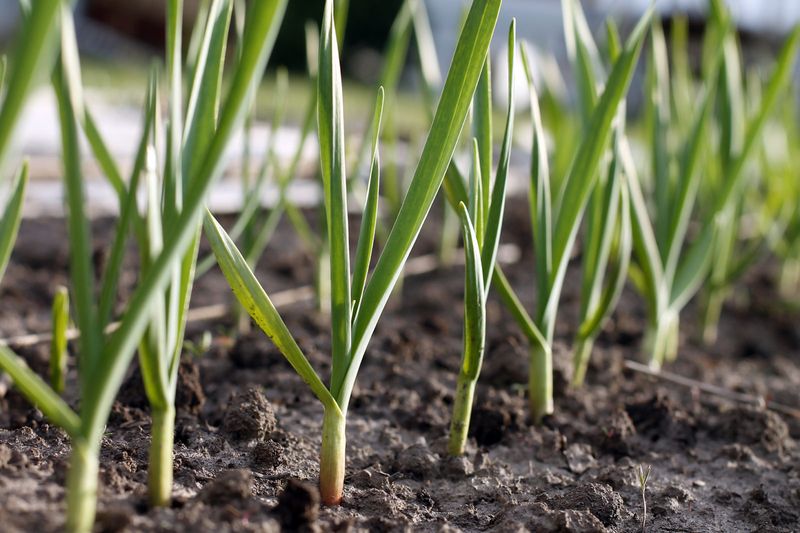
Leeks are one of the tougher vegetables in the garden, and they actually prefer cooler growing conditions over summer heat. That cold-tolerance makes them a great fit for Michigan’s early spring planting window.
Once the soil thaws enough to dig and crumble without clumping into mud, your leeks are ready to go in the ground.
Michigan gardeners can typically transplant leek seedlings about 2 to 3 weeks before the last expected frost date. Leeks handle light frosts surprisingly well, so there is no need to wait for perfectly warm weather.
Aim for consistent outdoor temperatures above 40 degrees Fahrenheit before you plant, and check that your seedlings are at least 6 to 8 inches tall before moving them outside.
When setting up your planting area, space seedlings about 6 inches apart within each row. Leave roughly 12 inches between rows so plants have enough room to spread as the season goes on.
Before transplanting, water your seedlings well so roots stay intact when you lift them from the tray. Firm the soil gently around each plant after placing it in the ground.
Michigan’s spring soil tends to be rich and cool, which leeks absolutely love. Getting your plants in the ground at the right time gives them the longest possible growing window before summer heat arrives.
5. Plant Seedlings Deep For Longer White Stems
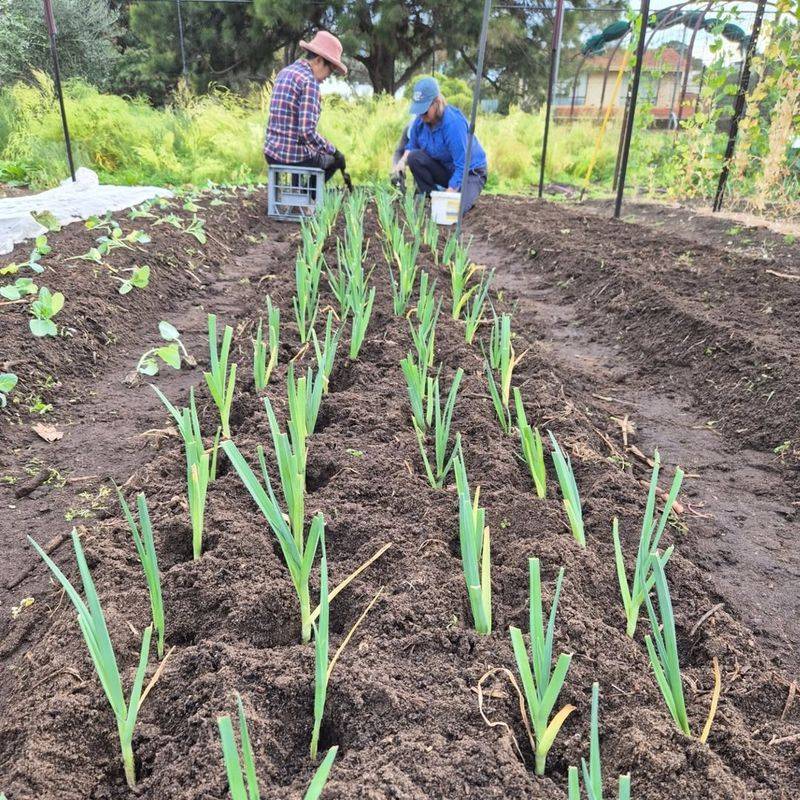
Here is a trick that separates beginner leek growers from experienced ones: how deep you plant your seedlings makes a big difference in what ends up on your plate. The prized part of a leek is the long, white, tender lower stem.
That white color only develops when the stem is shielded from sunlight, a process called blanching.
To encourage longer white stems, Michigan gardeners use a simple planting method. Instead of placing seedlings at ground level, use a dibber or a thick stick to poke holes about 6 inches deep into prepared garden soil.
Drop one seedling into each hole and water it in gently without filling the hole with soil right away. As the plant grows taller over the season, the surrounding soil naturally falls in and covers the lower stem, keeping it pale and tender.
Some gardeners prefer using shallow trenches instead of individual holes. The trench method works the same way, with soil gradually mounded up around the plants over time.
Both approaches produce excellent results in Michigan gardens. Whichever method you choose, the goal is the same: keep the lower portion of the stem covered and away from sunlight throughout the growing season.
More shaded stem equals more of the mild, sweet white stalk that makes leeks so popular in soups, stews, and roasted vegetable dishes.
6. Keep Soil Moist Throughout The Season
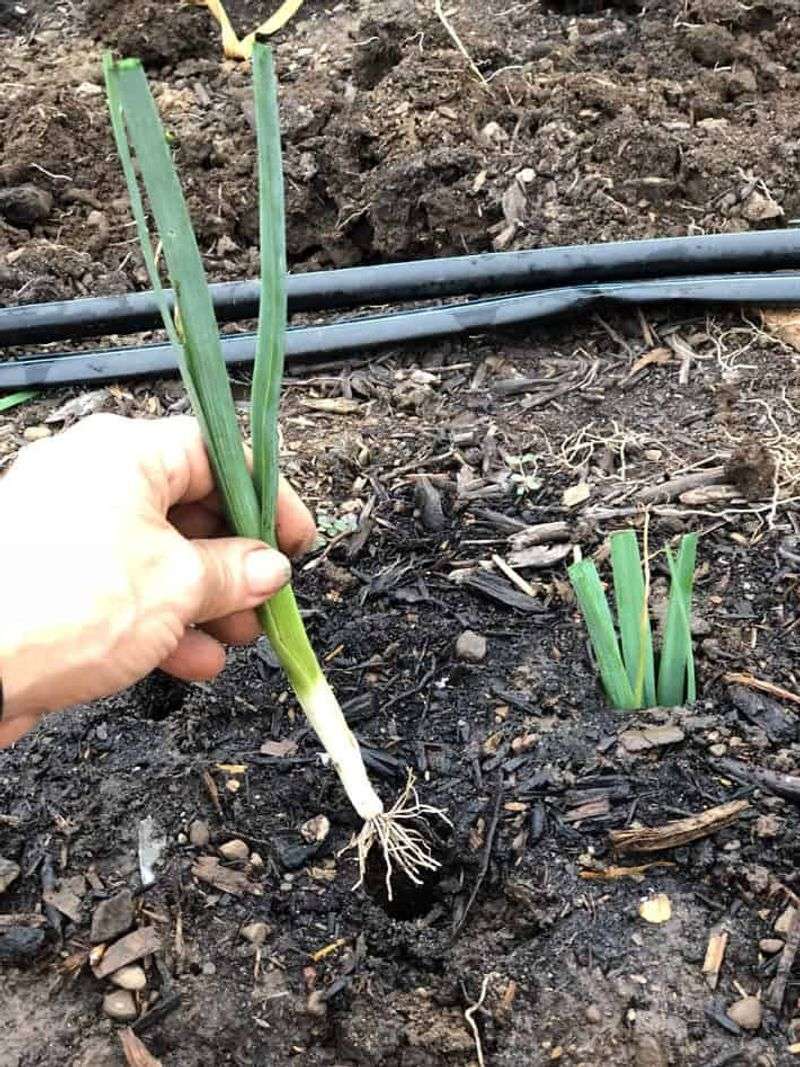
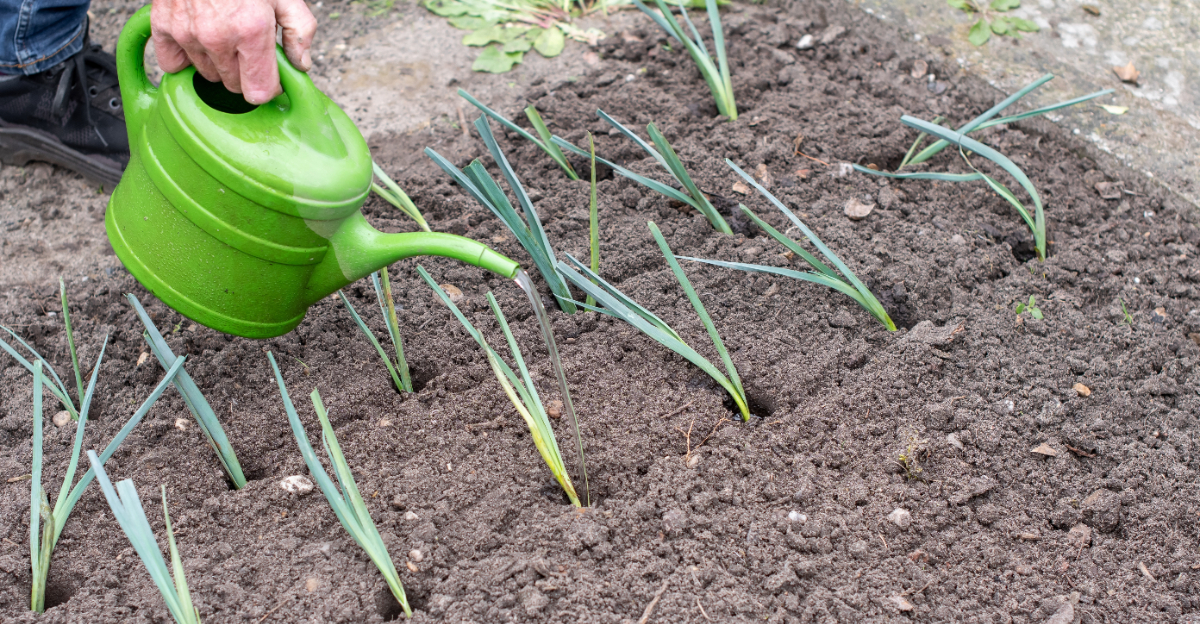
Leeks are not drought-tolerant vegetables. They have shallow root systems that stay close to the surface of the soil, which means they dry out faster than deeper-rooted crops.
Consistent moisture throughout the growing season is one of the most important factors in producing thick, flavorful leeks in a Michigan garden.
Aim to give your leeks about 1 inch of water per week, either from rainfall or supplemental irrigation. During Michigan’s hot, dry stretches in July and August, natural rainfall often falls short of that target.
A simple soaker hose or drip line laid along your rows makes watering easy and keeps moisture right at the root zone where plants need it most.
Mulching is another powerful tool that Michigan leek growers should not overlook. Spreading a 2 to 3 inch layer of straw, shredded leaves, or wood chips around the base of your plants helps the soil hold onto moisture between waterings.
Mulch also keeps the soil temperature more stable during summer heat waves, which leeks appreciate. Check the soil every few days by pressing your finger about an inch into the ground near your plants.
If it feels dry at that depth, it is time to water. Staying on top of moisture levels from spring through fall keeps leeks growing steadily and prevents them from becoming tough or hollow inside.
7. Feed Plants With Nitrogen During Growth
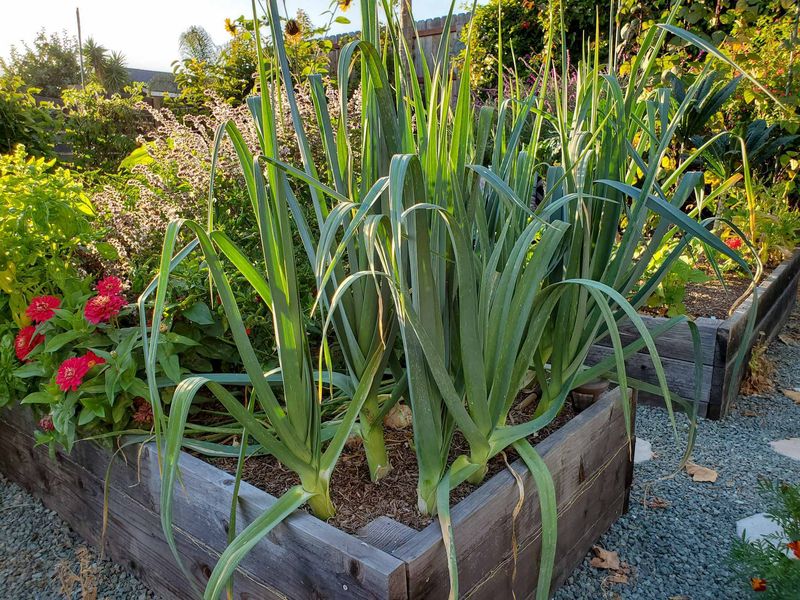
Leeks are hungry plants, and they will show you when they are not getting enough nutrition. Pale or yellowish leaves are often the first sign that your plants need feeding.
To avoid that problem, start with a solid nutritional foundation by working compost or well-rotted manure into your Michigan garden soil before transplanting.
Once your leeks are established and actively growing, nitrogen becomes the most important nutrient to keep supplying. Nitrogen fuels leafy, green growth, which directly supports the development of thick, sturdy stems.
Apply a balanced vegetable fertilizer or one with a higher nitrogen content once or twice during the summer months. Side-dressing, which means sprinkling fertilizer along the sides of your plant rows and watering it in, is a simple and effective method.
Avoid over-fertilizing with nitrogen late in the season, as this can push soft, watery growth that does not store well. A good schedule for Michigan gardeners is one feeding in early summer and one more in midsummer, then letting the plants finish naturally as fall approaches.
Compost tea is another great option if you prefer an organic approach, as it delivers a gentle, balanced nutrient boost without the risk of burning roots.
Well-fed leeks grow noticeably thicker stems and produce more of the flavorful stalk that makes them such a versatile ingredient in the kitchen.
8. Harvest Leeks From Late Summer Through Fall
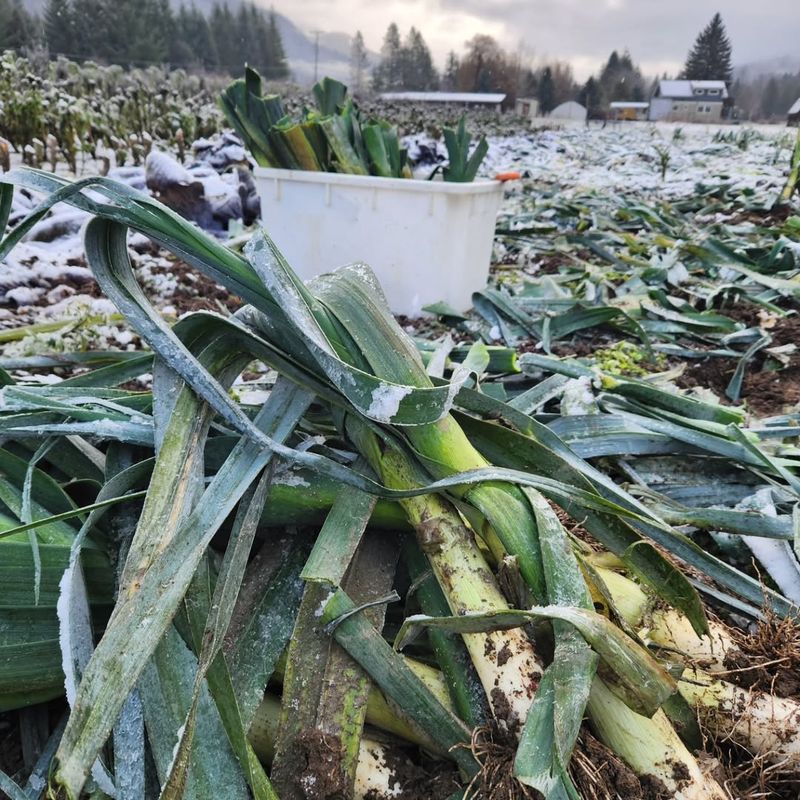
One of the best things about growing leeks in Michigan is the long harvest window they offer. Most leek varieties take between 100 and 120 days from transplanting to reach full maturity, which puts Michigan harvests right in the sweet spot of late summer through fall.
When stems reach about 1 inch in diameter, they are ready to come out of the ground.
Harvesting leeks takes a little more care than pulling up a carrot. Because leeks anchor themselves firmly in the soil, yanking them straight up often snaps the stem right at the base.
Instead, use a garden fork to loosen the soil several inches around each plant before gently lifting it free. This approach keeps the roots and base intact and gives you a clean, complete leek every time.
Here is a fun bonus for Michigan gardeners: leeks actually get sweeter after a light frost. Leaving them in the ground through October and into November is completely fine in most parts of Michigan, and the cool temperatures enhance their natural flavor.
If a hard freeze is on the way, mulch over the rows with straw to extend your harvest a few more weeks. Freshly harvested Michigan leeks store well in the refrigerator for up to two weeks, or you can blanch and freeze them for use in winter soups and stews all season long.