How To Grow Mint Super Easily In Plastic Bottles If You’re In Michigan
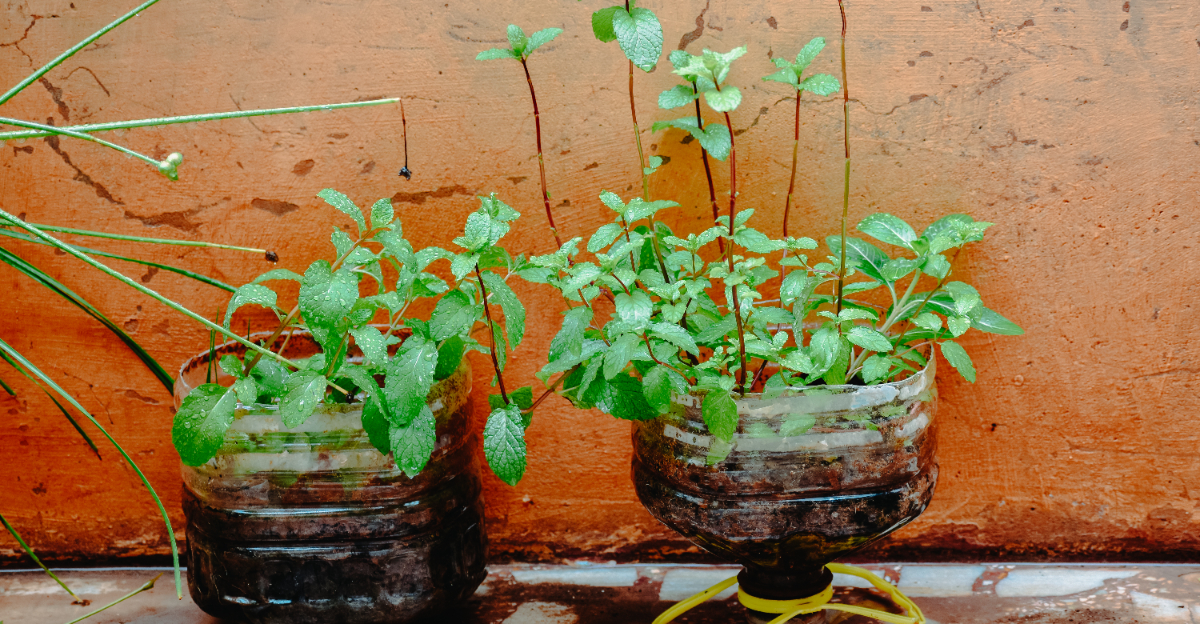
Fresh, fragrant mint within arm’s reach can instantly brighten your kitchen and add a burst of flavor to everyday life.
In Michigan, where long winters and unpredictable weather often limit outdoor gardening, growing mint in plastic bottles offers a simple and creative way to enjoy this lively herb all year.
This clever method works especially well for apartment living or for gardeners who want to keep mint neatly contained, since it naturally spreads quickly in traditional garden beds.
Plastic bottles make excellent planters, providing reliable drainage, easy movement, and a smart way to reuse materials already at home.
By growing mint indoors, Michigan gardeners gain full control over light, temperature, and moisture, creating ideal conditions for steady, healthy growth.
With just a little care, you can enjoy a constant supply of fresh mint for cooking, soothing teas, and everyday use, bringing a touch of green vitality into your home regardless of the season.
Choose Healthy Mint Cuttings Or Starter Plants For Best Results
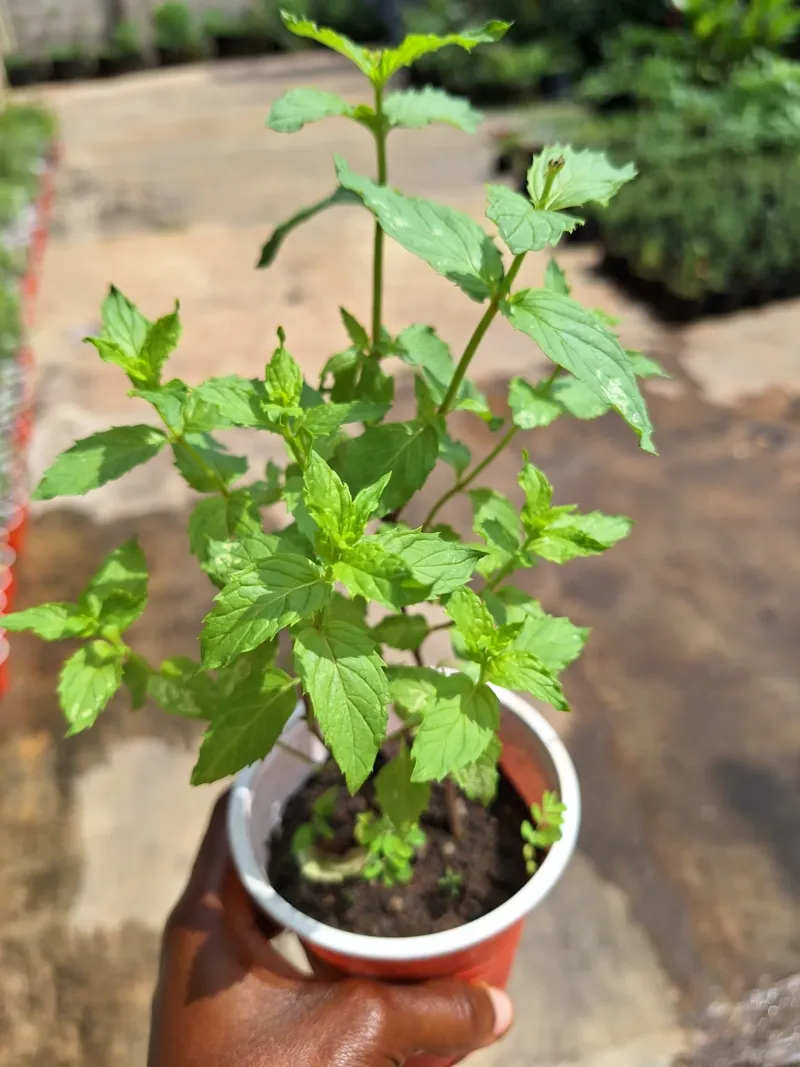
Starting with quality plant material makes all the difference when growing mint in bottles. Healthy cuttings from established plants root quickly and grow vigorously in their new containers.
Look for stems that show bright green color without brown spots or wilting leaves.
Starter plants from nurseries offer another reliable option for Michigan gardeners. These young plants already have developed root systems and adapt well to bottle containers.
Check that leaves look vibrant and stems feel firm when you select your starter plant. Cuttings should measure about four to six inches long with several leaf nodes. Remove lower leaves before placing stems in water or soil to prevent rot.
Roots typically develop within one to two weeks when cuttings sit in clean water on a sunny windowsill.
Mint varieties like spearmint and peppermint grow especially well from cuttings. Each type offers distinct flavor profiles for different culinary uses.
Michigan gardeners can start new plants from grocery store mint by placing fresh stems in water until roots appear.
Healthy starting material establishes faster and produces more leaves for harvesting. Strong plants resist common problems and grow steadily throughout the growing season.
Your bottle garden will thrive when you begin with vigorous cuttings or well-rooted starter plants that show no signs of stress or damage.
Use Clean Plastic Bottles With Proper Drainage Holes
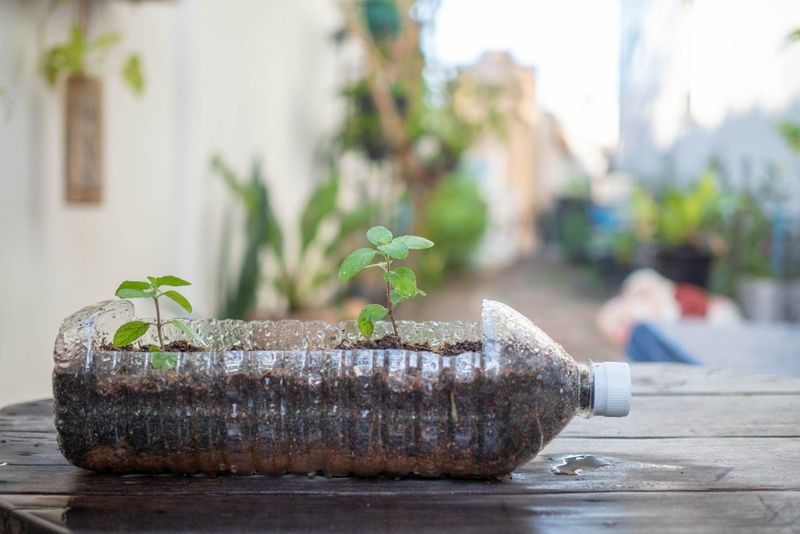
Recycling plastic bottles into plant containers saves money while giving new life to materials that might otherwise end up in landfills. Two-liter soda bottles work perfectly for mint because they provide ample space for root development.
Thoroughly wash bottles with soap and water before converting them into planters to remove any residue or labels.
Drainage holes prevent water from pooling at the bottom where it can cause root rot. Pierce three to five holes in the bottle bottom using a heated nail or small drill bit.
Proper drainage allows excess water to escape while keeping soil moist enough for healthy growth.
Michigan’s indoor humidity levels vary throughout the year, making drainage even more important. Without holes, water accumulates and creates conditions where harmful fungi and bacteria thrive.
Your mint plants need consistent moisture but cannot tolerate standing water around their roots.
Cut bottles horizontally to create two planting containers from one bottle. The bottom section serves as the main planter while the top can become a second container or a drainage tray.
Smooth any sharp edges with sandpaper to prevent injury during handling and maintenance.
Clean containers reduce the risk of introducing pests or diseases to your new plants. Bottles with proper drainage support healthy root systems that absorb nutrients efficiently.
This simple preparation step sets the foundation for successful mint growing in your Michigan home throughout all seasons.
Fill Bottles With Loose Well Draining Potting Mix
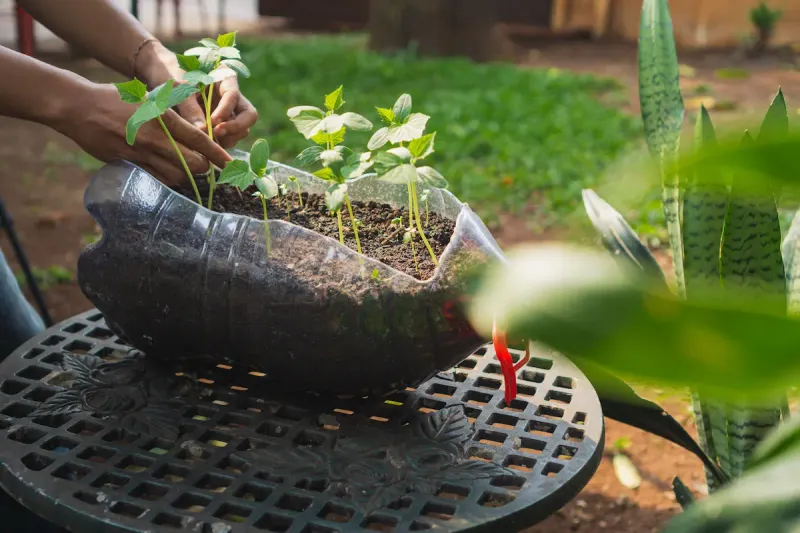
Quality potting mix creates the ideal growing environment for mint roots to spread and access nutrients. Loose soil allows roots to penetrate easily while providing adequate air circulation around root structures.
Garden soil from outdoors compacts too much in containers and often contains weed seeds or pests that cause problems indoors.
Commercial potting mixes designed for container growing include ingredients like peat moss, perlite, and vermiculite. These materials retain moisture while draining excess water effectively.
Michigan gardeners can find suitable potting mixes at local garden centers or home improvement stores throughout the year.
Avoid using heavy clay-based soils that hold too much water and restrict root growth. Mint prefers soil that stays slightly moist but never soggy or waterlogged.
The right mix feels light and fluffy when you squeeze a handful and crumbles apart easily when released.
Fill bottles to within two inches of the top to allow room for watering without overflow. Gently firm the soil around plant roots without packing it down too tightly.
Loose potting mix encourages rapid root establishment and supports vigorous top growth that produces plenty of harvestable leaves.
Well-draining soil prevents common problems like root rot and fungal diseases. Your mint plants will develop strong root systems that anchor them securely in their bottle containers.
Proper soil choice ensures plants receive adequate oxygen and moisture for optimal growth throughout the Michigan growing season indoors.
Give Mint Bright Light Or Partial Sun Indoors Or Near Windows
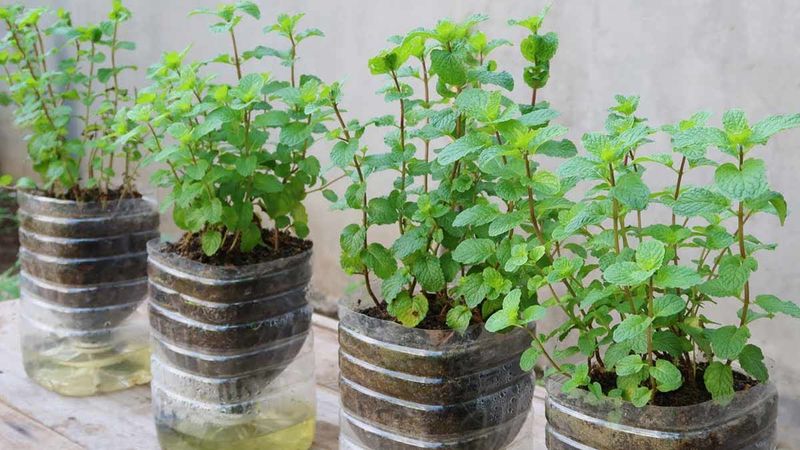
Mint thrives when it receives plenty of natural light but adapts surprisingly well to indoor conditions. Place your bottle planters near south-facing windows where they can soak up four to six hours of bright light daily.
East or west windows also work well for growing mint in Michigan homes during winter months.
Indoor lighting conditions affect how quickly your plants grow and how flavorful their leaves become. Insufficient light causes stems to stretch and leaves to lose some of their aromatic oils.
Bright indirect light produces compact plants with vibrant green foliage and strong mint flavor.
Michigan winters bring shorter days and less intense sunlight through windows. Your mint plants may grow more slowly during these months but will continue producing usable leaves.
Rotate bottles every few days so all sides receive equal light exposure and plants grow evenly.
Partial sun means your plants get some direct sunlight mixed with bright shade throughout the day. This combination prevents leaf scorching while providing enough energy for photosynthesis.
Watch for signs that leaves are bleaching or turning pale, which indicates too much direct sun exposure.
Artificial grow lights offer an alternative when natural light is limited in your home. Position lights about six inches above plant tops and run them for twelve to fourteen hours daily.
Adequate lighting ensures your mint plants produce abundant aromatic leaves regardless of outdoor weather conditions or seasonal changes in Michigan.
Water Regularly To Keep Soil Slightly Moist
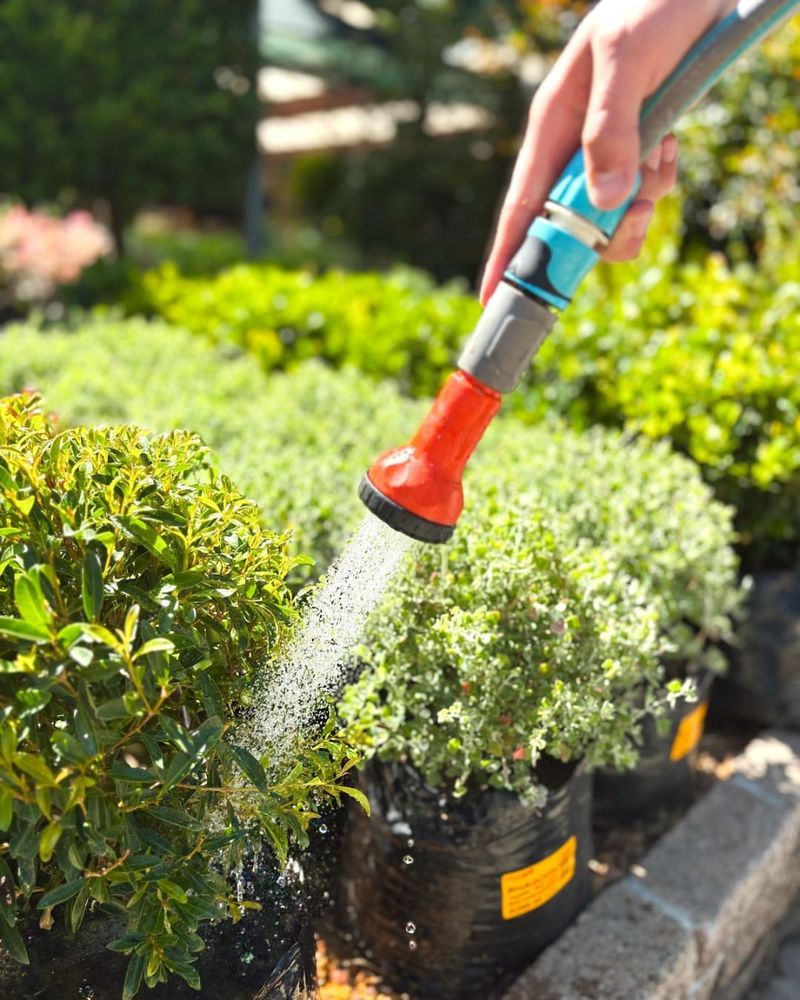
Consistent moisture keeps mint plants growing steadily and producing tender flavorful leaves for harvesting. Check soil daily by pressing your finger about an inch deep into the potting mix.
Water when the top layer feels dry but before the entire root ball dries out completely.
Michigan’s indoor heating during winter months can dry out container plants faster than expected. Your mint may need watering every two to three days depending on room temperature and humidity levels.
Pour water slowly until it begins draining from the bottom holes, ensuring the entire root zone receives moisture.
Overwatering causes more problems than underwatering for mint grown in bottles. Soggy soil suffocates roots and creates conditions where harmful organisms flourish.
Allow excess water to drain completely and never let bottles sit in standing water for extended periods.
Room temperature water works best for watering mint plants indoors. Cold water can shock roots while very warm water may damage delicate root hairs.
Fill your watering container and let it sit for a few hours to reach room temperature before using.
Mint leaves will droop slightly when plants need water but perk up quickly after watering. This visible signal helps you learn your plants’ specific needs over time.
Maintaining slightly moist soil supports continuous growth and leaf production while preventing stress that can make plants more susceptible to pests or diseases in your Michigan home.
Trim Frequently To Encourage Bushy Growth
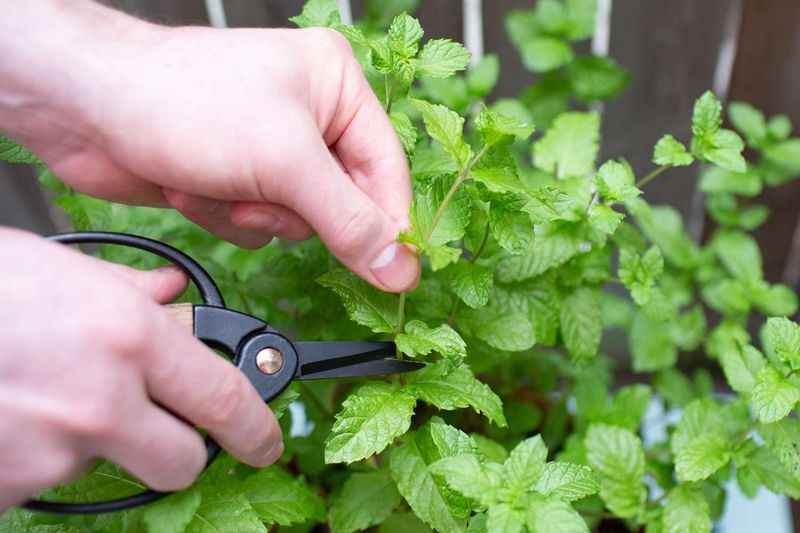
Regular trimming transforms leggy mint plants into full bushy specimens that produce more harvestable leaves. Pinch or cut stem tips just above a set of leaves to encourage branching at that point.
Each cut prompts the plant to send out two new stems from the node below, effectively doubling growth points.
Start trimming when your mint reaches about six inches tall and has developed several sets of leaves. Remove the top two inches of each main stem to redirect energy into side branch development.
This early pruning establishes a bushy growth pattern that continues as the plant matures.
Michigan gardeners can trim their bottle-grown mint every two to three weeks during active growth periods. Use clean sharp scissors or pruning shears to make neat cuts that heal quickly.
Avoid tearing stems, which creates ragged wounds that take longer to recover and may invite problems.
Harvest leaves for cooking while performing your regular trimming sessions. This practical approach combines plant maintenance with gathering fresh herbs for your kitchen.
Remove any yellowing or damaged leaves during trimming to keep plants looking their best and focusing energy on healthy growth.
Frequent trimming prevents mint from becoming tall and sparse with most leaves concentrated at stem tips. Bushy plants produce more foliage in the same amount of space and remain attractive throughout the growing season.
Your bottle garden will yield abundant harvests when you maintain compact vigorous plants through consistent trimming practices.
Provide Good Airflow To Keep Plants Healthy
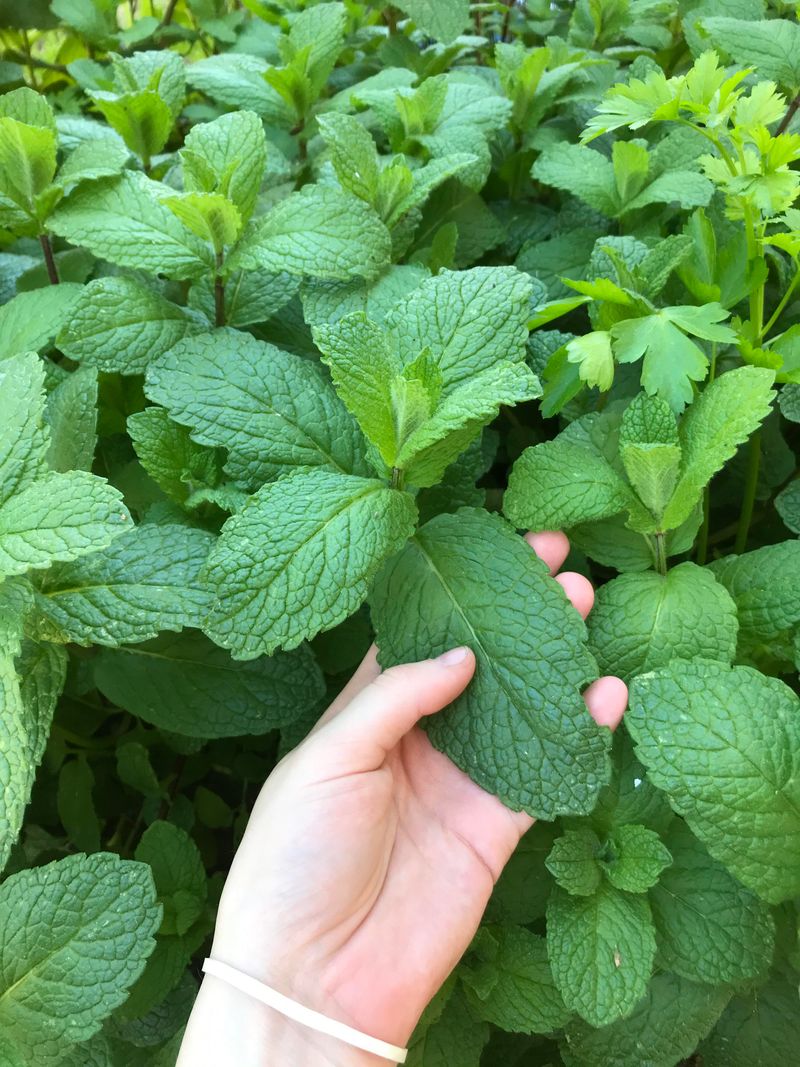
Air circulation plays a crucial role in preventing moisture-related problems that affect indoor mint plants. Stagnant air allows humidity to build up around leaves, creating ideal conditions for fungal growth.
Position your bottle planters where air can move freely around all sides of the plants.
Michigan homes often have limited air movement during winter when windows stay closed for heating efficiency. A small fan placed several feet away from your mint provides gentle air circulation without drying out plants excessively.
Run the fan on low speed for a few hours daily to keep air moving through your growing area.
Good airflow strengthens plant stems as they sway slightly in the moving air. This natural movement encourages plants to develop sturdier structures that support heavier leaf growth.
Strong stems resist breaking and hold leaves upright for better light exposure and photosynthesis.
Avoid placing mint bottles in corners or crowded spaces where air becomes trapped and stale. Space multiple bottles several inches apart so air can circulate between containers.
Proper spacing also makes it easier to water, trim, and inspect each plant for any developing issues.
Fresh air movement helps regulate temperature around your plants and reduces stress from environmental fluctuations. Plants growing in well-ventilated areas show fewer problems with pests and diseases throughout the growing season.
Your bottle-grown mint will remain vigorous and productive when you ensure adequate air circulation in your Michigan indoor growing space.
Feed Lightly During Active Growth
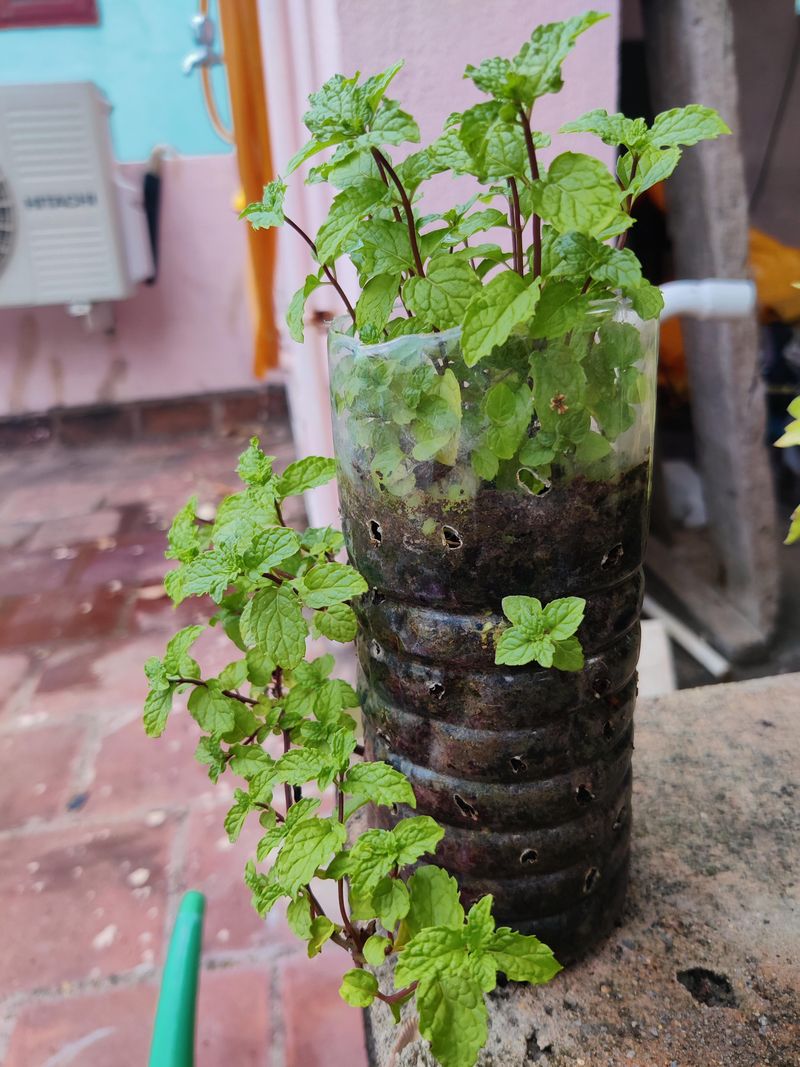
Mint grows vigorously with minimal fertilization compared to many other herbs and vegetables. Light feeding during active growth periods supports healthy leaf production without encouraging excessive soft growth.
Choose a balanced water-soluble fertilizer diluted to half the strength recommended on the package label.
Feed your bottle-grown mint once every three to four weeks during spring and summer months. Michigan gardeners can reduce feeding frequency during fall and winter when plant growth naturally slows.
Overfertilizing produces lush growth that lacks flavor intensity and may attract more pest problems.
Organic fertilizers like diluted fish emulsion or compost tea work well for mint in containers. These gentle options release nutrients gradually and improve soil structure over time.
Apply liquid fertilizer when soil is already moist to prevent root burn from concentrated nutrients.
Signs of nutrient deficiency include pale yellow leaves and slow growth despite adequate light and water. However, mint typically grows well in average potting mix without heavy feeding.
Most container mixes contain enough nutrients to support several months of growth before supplemental feeding becomes necessary.
Avoid high-nitrogen fertilizers that promote excessive leaf growth at the expense of flavor compounds. Balanced formulas with equal amounts of nitrogen, phosphorus, and potassium support overall plant health.
Your mint plants will produce flavorful aromatic leaves when you provide light regular feeding that matches their moderate nutritional needs throughout the growing season in your Michigan home.
Harvest Often To Keep Mint Growing Strong
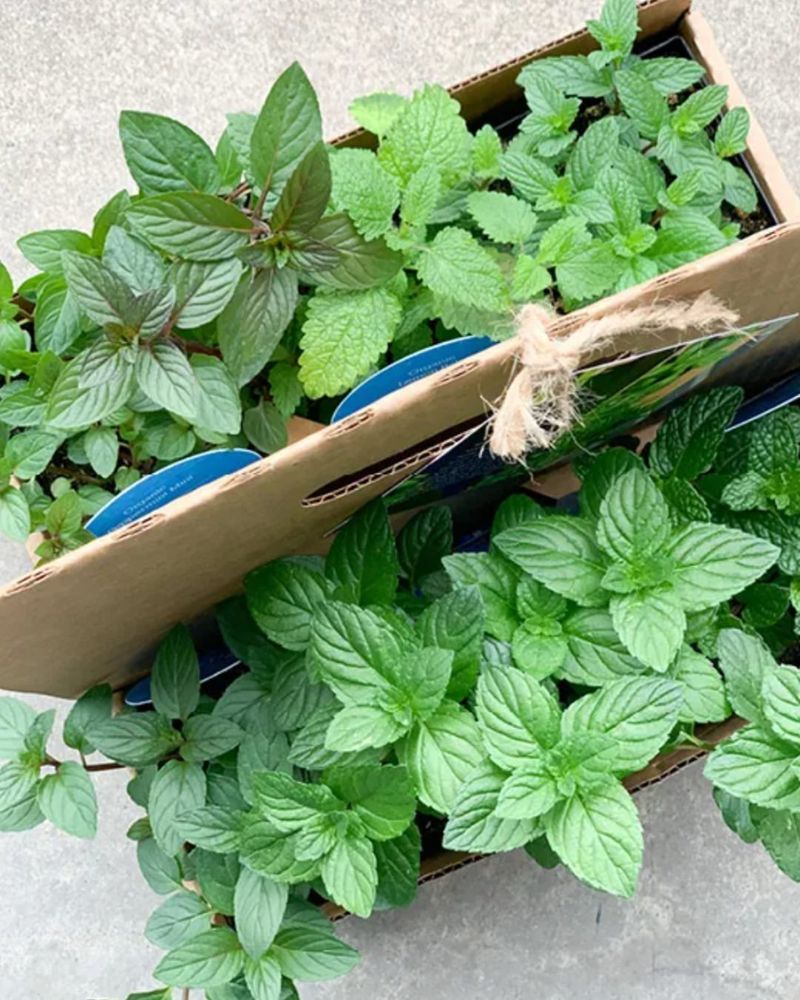
Frequent harvesting stimulates mint plants to produce new growth and prevents them from becoming woody or flowering prematurely. Cut stems just above a leaf node, leaving at least one-third of the plant intact for continued growth.
This approach ensures your mint remains productive throughout the growing season in your Michigan home.
Begin harvesting when plants have developed several sets of mature leaves and stand at least six inches tall. Take stems from different areas of the plant rather than removing all growth from one section.
Rotating your harvest locations encourages even bushy development across the entire plant.
Morning hours offer the best time for harvesting mint when essential oils are most concentrated in leaves. Rinse harvested stems under cool water and pat them dry before using fresh or storing.
Fresh mint adds bright flavor to beverages, salads, desserts, and many savory dishes throughout the year.
Regular harvesting prevents mint from putting energy into flower production, which reduces leaf quality and quantity. Remove any flower buds that appear to redirect plant resources back into foliage growth.
Your bottle-grown mint will remain in a vegetative state longer when you harvest consistently.
Store excess harvest in the refrigerator wrapped in damp paper towels or freeze leaves for later use. Frequent picking encourages your plants to produce tender new growth continuously.
Michigan gardeners can enjoy fresh mint year-round by maintaining productive bottle gardens through regular harvesting that keeps plants vigorous and flavorful.