How To Grow Monstera Obliqua Indoors In California And What This Rare Plant Really Needs
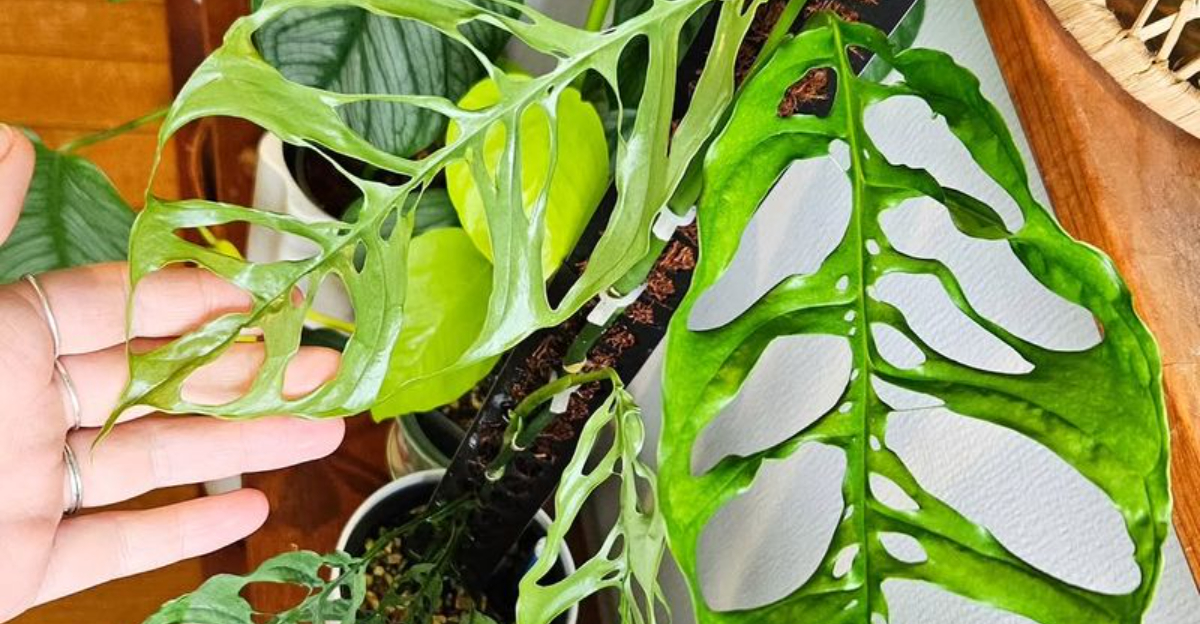
I’ll never forget seeing my first Monstera Obliqua in a California plant shop. Its delicate, lace-like leaves were stunning, but I quickly realized it was unlike any other houseplant I had grown.
This rare tropical plant requires special care to thrive indoors. Growing Monstera Obliqua is a challenge, but the results are breathtaking.
Success depends on providing bright, indirect light, high humidity, and well-draining soil. Regular misting, careful watering, and occasional fertilization help this plant grow strong, while monitoring for pests ensures healthy foliage.
Patience is key, as Monstera Obliqua grows slowly compared to its more common relatives. Understanding its unique needs is essential for indoor success.
California plant lovers who follow these guidelines can enjoy the beauty of this rare Monstera without frustration. Bring the delicate elegance of Monstera Obliqua into your home and watch it thrive.
Confirm You Have A True Monstera Obliqua First
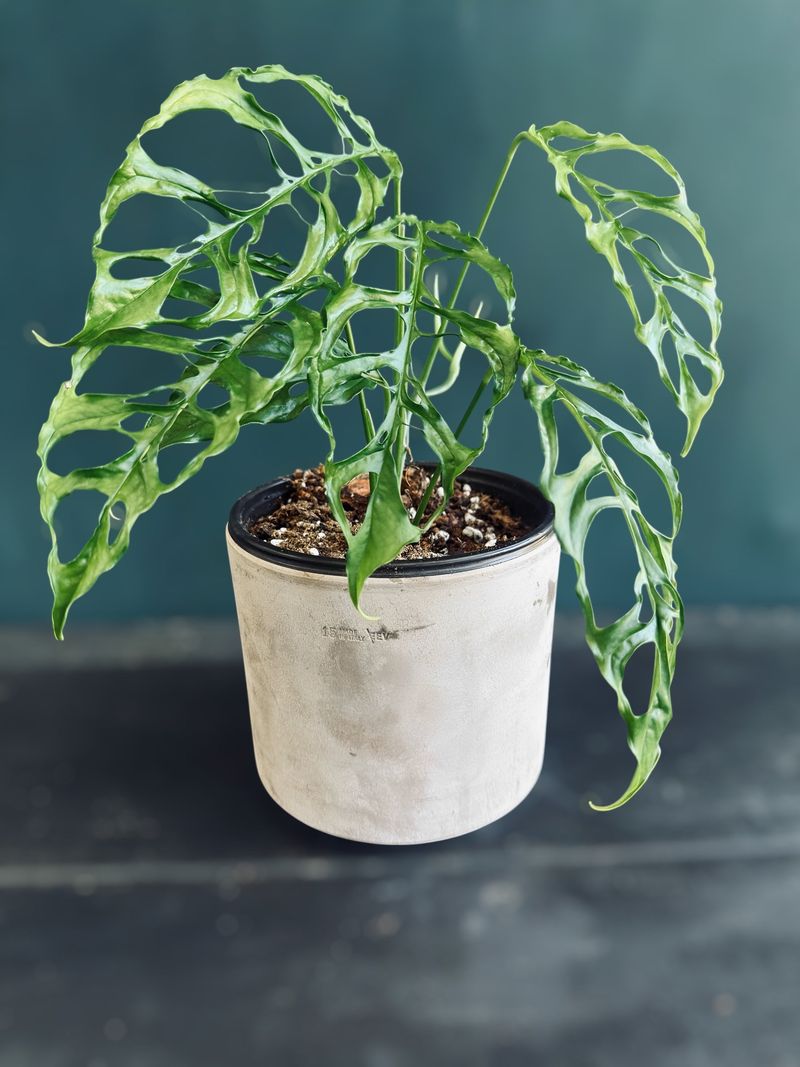
Before you invest time and energy into specialized care, take a close look at your plant to ensure it’s genuinely Monstera obliqua and not its much more common cousin, Monstera adansonii.
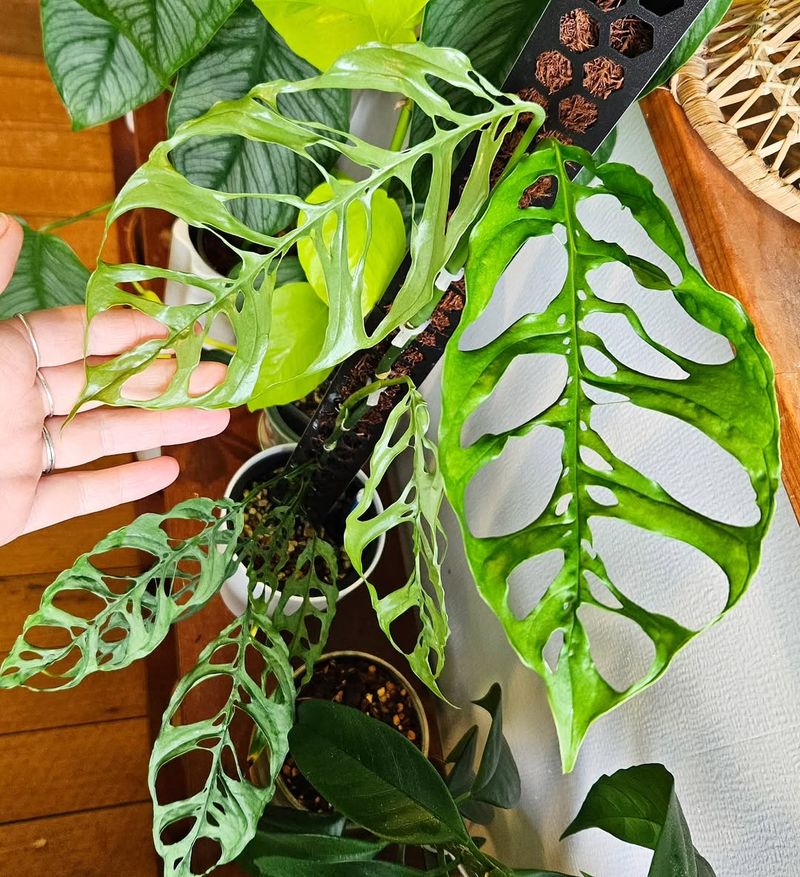
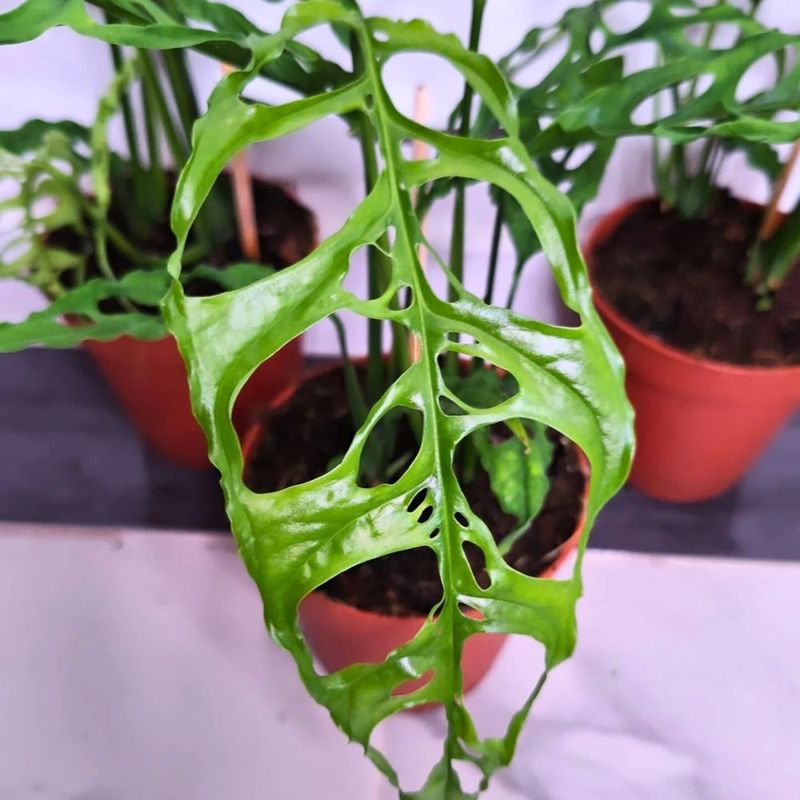
True obliqua leaves are paper-thin, almost translucent, with fenestrations that cover more than 90% of the leaf surface, making them appear more hole than leaf.
Adansonii, on the other hand, has thicker, more substantial foliage with smaller perforations and grows much faster.
Real obliqua is exceptionally slow-growing, sometimes producing only one or two leaves per year under ideal conditions. Most plants sold in nurseries or online shops labeled as obliqua are actually adansonii, which is far easier to propagate and much more affordable.
Authentic obliqua specimens can cost hundreds or even thousands of dollars due to their rarity and difficulty in cultivation.
If your plant grows quickly, has robust leaves, or was inexpensive, it’s almost certainly adansonii. Confirming your plant’s identity early on helps you tailor your care approach correctly and avoid frustration.
Understanding this distinction is the first and most important step in successfully growing this legendary species indoors in California.
Maintain High Indoor Humidity Levels (60–80%)
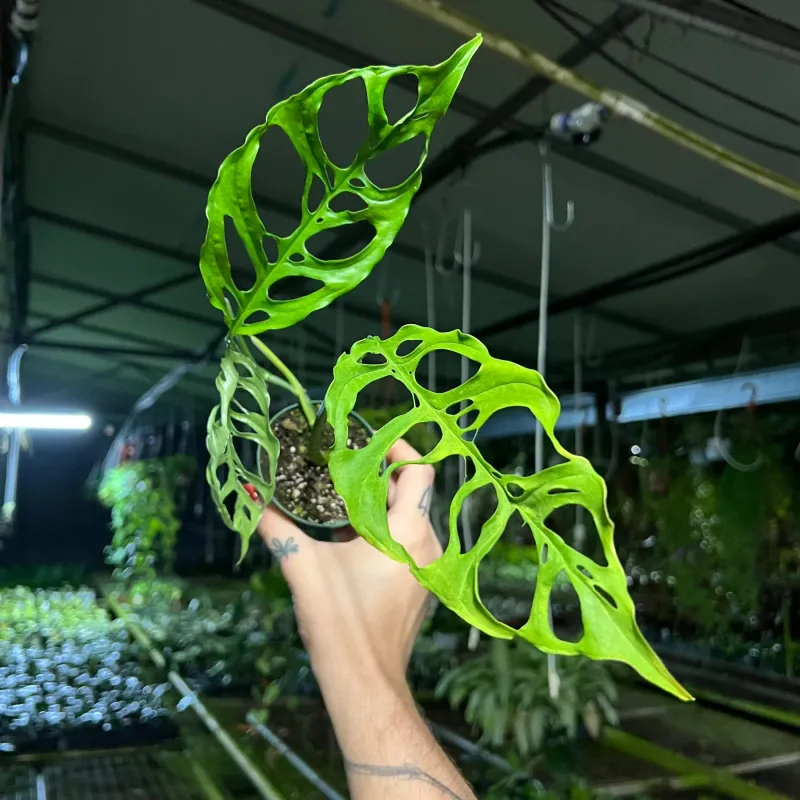
Originating from the humid understory of South American rainforests, Monstera obliqua thrives in environments where moisture hangs thick in the air.
California’s indoor climate, especially in inland areas and during summer months, tends to be quite dry, often dropping below 30% humidity.
This drastic difference can cause leaf edges to brown, growth to stall, and overall plant health to decline rapidly.
Investing in a quality humidifier is one of the most effective ways to maintain the 60 to 80% humidity range this species demands. Position the humidifier near your plant but not directly blowing on it to avoid cold drafts.
Pebble trays filled with water placed beneath the pot can also help, though they provide only modest humidity increases.
For serious collectors, enclosed plant cabinets or glass terrariums offer the most stable and controlled environment. These setups trap moisture and create a microclimate that mimics natural rainforest conditions.
Monitor humidity levels with a hygrometer to ensure consistency, as fluctuations can stress your obliqua and slow its already sluggish growth. High humidity is non-negotiable for this delicate species.
Provide Bright, Filtered Light Only
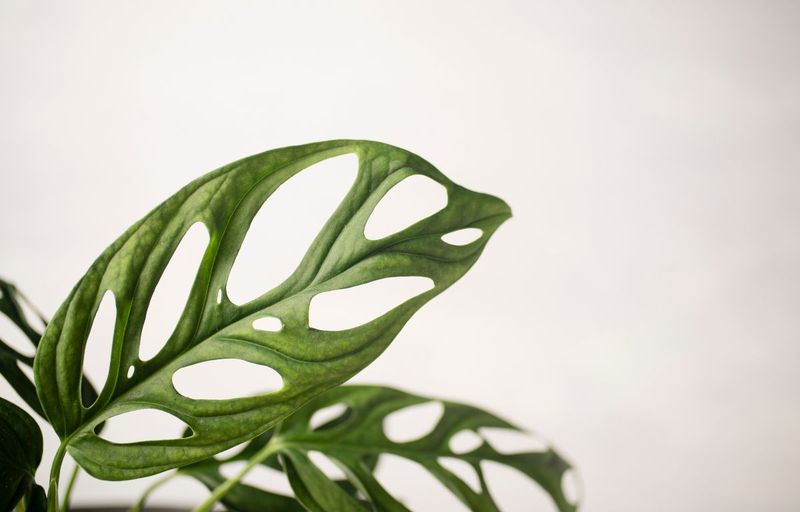
Monstera obliqua naturally grows beneath the rainforest canopy, where sunlight filters gently through layers of leaves above.
Direct sun exposure, especially California’s intense afternoon rays, can scorch the ultra-thin leaves within minutes, leaving permanent brown patches and crispy edges. Bright, indirect light is the sweet spot for healthy growth and vibrant foliage.
Place your obliqua near an east or north-facing window where it receives soft morning light or consistent ambient brightness throughout the day. If your windows face south or west, hang sheer curtains or use frosted window film to diffuse the harsh sunlight.
Too little light will slow growth even further and reduce fenestration development, so balance is key.
Grow lights offer an excellent alternative, particularly during California’s shorter winter days or in rooms lacking natural light. Choose full-spectrum LED grow lights and position them 12 to 18 inches above the plant, running them for 10 to 12 hours daily.
Adjusting light intensity and duration helps mimic natural conditions without risking leaf damage. Proper lighting supports steady growth while protecting your rare plant from unnecessary stress.
Use A Very Airy, Fast-Draining Aroid Soil Mix
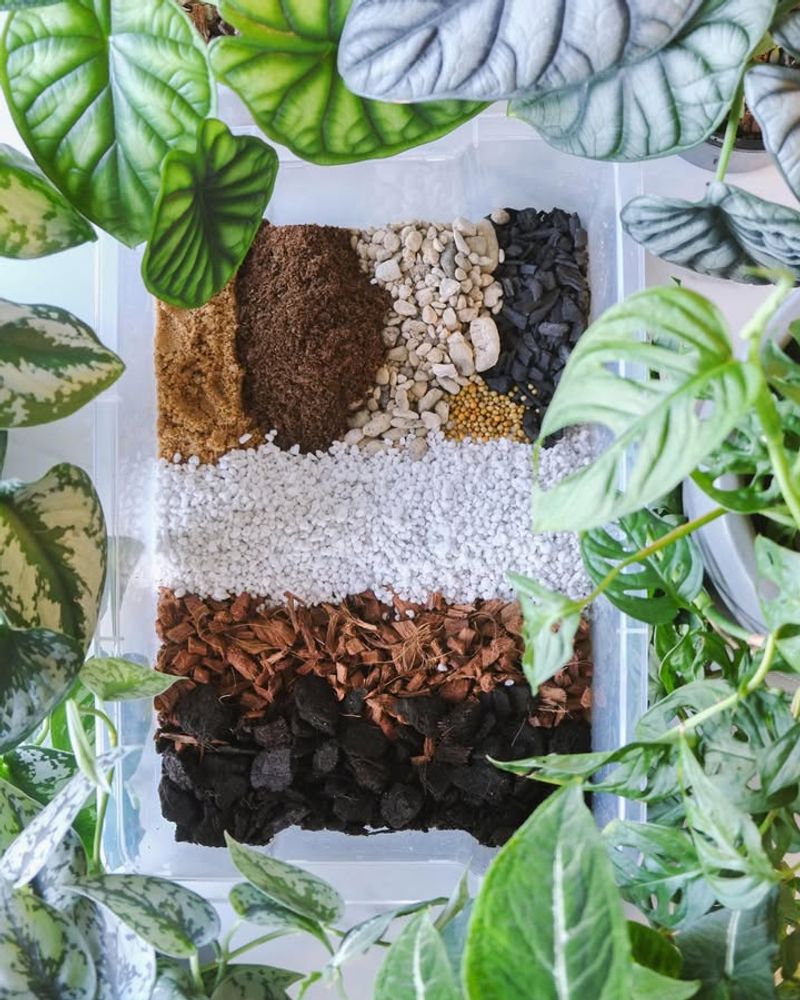
Standard potting soil is far too dense and moisture-retentive for Monstera obliqua, which grows as an epiphyte in nature, clinging to tree bark with roots exposed to air.
A chunky, well-aerated substrate allows oxygen to reach the roots while draining excess water quickly, preventing rot and fungal issues. Creating the right mix is essential for long-term health.
Combine equal parts orchid bark, perlite, and coco coir to build a lightweight, breathable medium. Some growers add a small amount of peat moss or sphagnum moss for moisture retention, but avoid overdoing it.
Horticultural charcoal can also be mixed in to improve drainage and reduce odors from decomposition.
Avoid traditional potting mixes that contain heavy garden soil or high clay content, as these compact over time and suffocate delicate roots. The substrate should feel light and crumbly in your hands, with visible chunks and air pockets throughout.
Repotting every 18 to 24 months refreshes the mix and prevents breakdown, ensuring roots stay healthy and oxygenated. Proper soil structure is one of the most overlooked yet critical aspects of obliqua care in California homes.
Water Lightly But Consistently
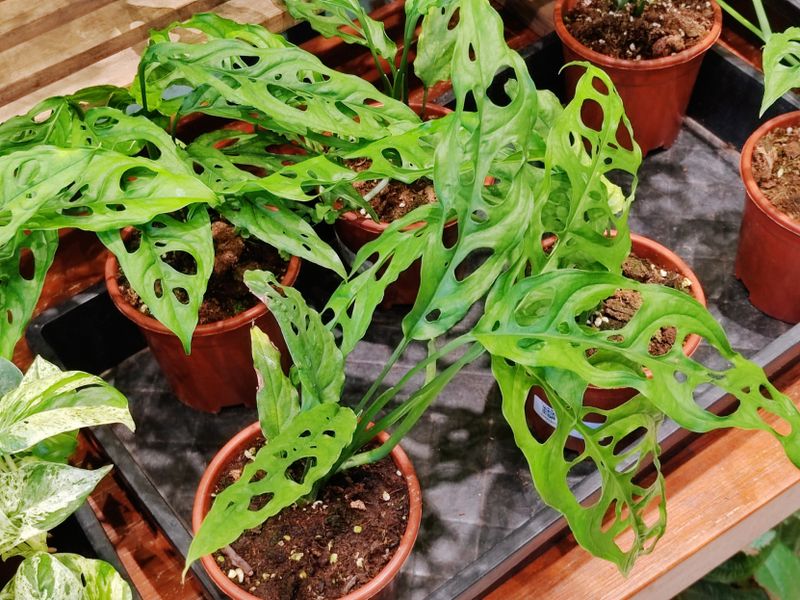
Watering Monstera obliqua requires a delicate balance between keeping the roots moist and avoiding waterlogged conditions that lead to rot.
California’s indoor evaporation rates vary widely depending on location, season, and home heating or cooling systems, so a rigid watering schedule rarely works.
Instead, check the top inch or two of soil regularly and water when it feels slightly dry to the touch.
Use room-temperature filtered or distilled water to avoid mineral buildup and chlorine exposure, both of which can harm sensitive roots. Pour water evenly around the base until it begins to drain from the bottom, then discard any excess that collects in the saucer.
Never let the pot sit in standing water, as this creates anaerobic conditions that damage roots.
During California’s cooler months, growth slows and water needs decrease, so reduce frequency accordingly. In summer, increased evaporation and active growth may require more frequent watering.
Consistency matters more than volume, so aim to maintain steady moisture levels without extremes. Proper watering supports healthy root development and prevents the stress that can stunt growth in this already slow-growing species.
Keep Temperatures Stable Year-Round
Monstera obliqua prefers warm, stable temperatures between 65 and 80 degrees Fahrenheit, mirroring the consistent warmth of its native tropical habitat.
California’s coastal regions often experience cooler evenings and mornings, while inland areas can swing from hot days to chilly nights, especially during spring and fall. These fluctuations stress tropical plants and slow growth significantly.
Avoid placing your obliqua near drafty windows, exterior doors, or air conditioning vents that create sudden temperature changes. Even brief exposure to temperatures below 60 degrees can cause leaf damage and shock the plant.
Similarly, excessive heat above 85 degrees combined with low humidity can lead to leaf curling and moisture loss.
Central heating during winter can dry out the air while maintaining acceptable temperatures, so pairing your heating system with a humidifier helps balance conditions.
In summer, ensure your plant stays in a consistently cool spot away from direct sun and heat sources.
Using a thermometer near your plant helps you monitor conditions and make adjustments as needed. Stable temperatures promote steady growth and prevent the setbacks that make obliqua care so challenging in variable climates.
Provide Vertical Support For Natural Growth Habit
In the wild, Monstera obliqua climbs tree trunks and branches as an epiphyte, using aerial roots to anchor itself while reaching toward filtered canopy light.
Providing vertical support indoors encourages this natural growth habit, leading to larger, more fenestrated leaves and a healthier overall structure. Without support, the plant may sprawl or produce smaller, less impressive foliage.
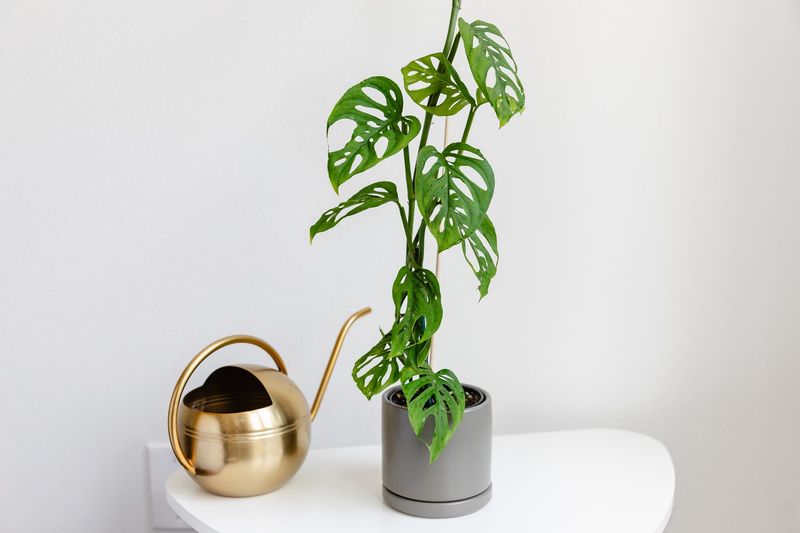
Moss poles wrapped in sphagnum moss offer an ideal climbing surface that retains moisture and mimics the texture of tree bark. Insert the pole into the pot during planting or repotting, securing it firmly so it doesn’t wobble.
Gently tie the stem to the pole with soft plant ties or twine, allowing room for growth. As aerial roots develop, they will naturally attach to the moss, drawing moisture and nutrients from the humid surface.
Mist the moss pole regularly to keep it damp, which also boosts ambient humidity around the plant.
Some growers use PVC pipes wrapped in coco coir or wooden stakes, though moss poles remain the most effective option. Supporting your obliqua vertically enhances its natural beauty and promotes vigorous, healthy growth in California homes.
Avoid Heavy Feeding
Monstera obliqua grows slowly by nature and requires far less fertilizer than faster-growing houseplants. Overfeeding can lead to salt buildup in the soil, root burn, and leaf discoloration, all of which stress this already delicate species.
A light, balanced approach to fertilization supports healthy growth without overwhelming the plant.
During the active growing season, typically spring and summer in California, apply a diluted liquid fertilizer every four to six weeks. Use a balanced formula such as 10-10-10 or 20-20-20, diluted to half or even quarter strength.
Avoid slow-release granules, which can concentrate nutrients unevenly and increase the risk of overfeeding.
In fall and winter, when growth slows or stops entirely, reduce or eliminate fertilization altogether. Flushing the soil with plain water every few months helps remove accumulated salts and prevents toxic buildup.
Organic options like diluted worm castings tea or fish emulsion can also work well, provided they are applied sparingly.
Remember that less is more with obliqua, and underfed plants recover far more easily than overfed ones. Proper feeding supports steady, sustainable growth without unnecessary risk.
Protect From Dry Air And Drafts
California homes often rely on HVAC systems for heating and cooling, which can create drafts and rapidly reduce indoor humidity.
Open windows, ceiling fans, and exterior doors also introduce fluctuating air currents that dry out delicate foliage and stress tropical plants. Monstera obliqua, with its paper-thin leaves, is particularly vulnerable to these environmental challenges.
Position your plant away from air conditioning vents, heating registers, and frequently used doors to minimize exposure to drafts. Even a gentle breeze can dehydrate leaves and cause browning along the edges.
If you need to ventilate your home, do so during times when outdoor humidity is higher, such as early morning or late evening.
Consider dedicating a stable corner or shelf in a low-traffic room where temperature and humidity remain consistent. Grouping multiple tropical plants together can also create a localized humid microclimate through collective transpiration.
Using a small fan on low speed to promote gentle air circulation within the room helps prevent fungal issues without creating harsh drafts. Protecting your obliqua from dry air and sudden airflow changes is essential for maintaining the stable conditions this rare species needs to thrive indoors in California.