How To Grow Ranunculus Flowers In Georgia For Strong Spring Color
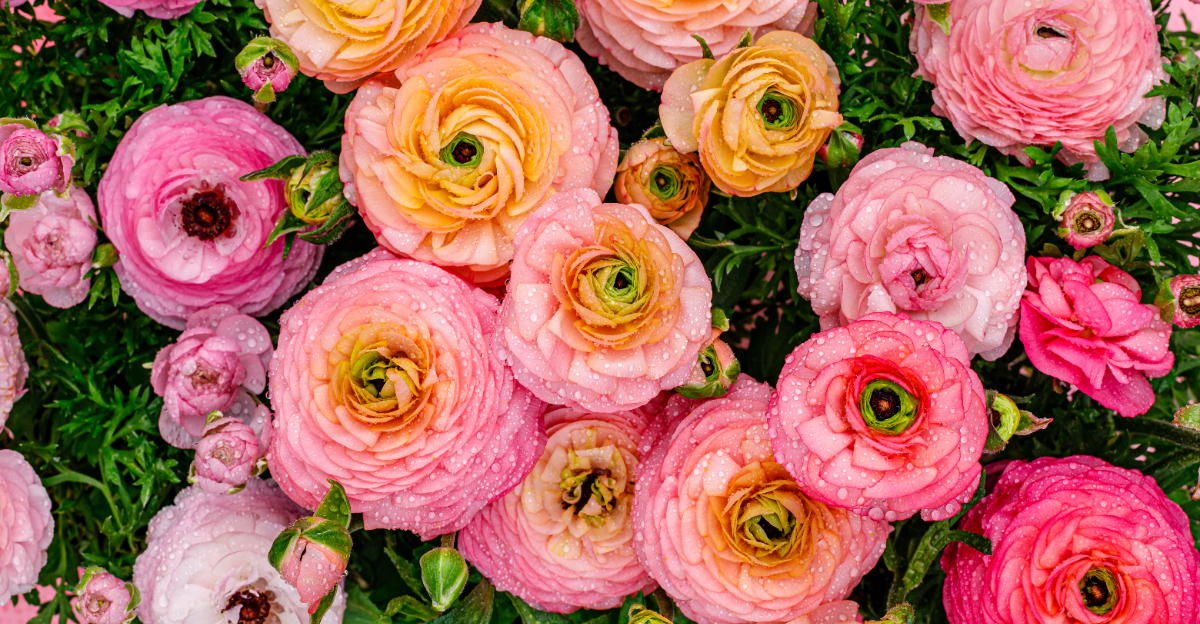
Ranunculus always catch attention the moment they bloom. Those full, layered flowers look almost too perfect for a garden, especially in Georgia where spring color can change quickly.
It is easy to get excited about them, but growing them well is not always as simple as it seems.
Some gardeners plant them and get amazing results, while others end up with weak growth or no real show at all. That difference usually comes down to a few details that are easy to overlook at the start.
Timing, soil, and early care all play a bigger role than most expect.
When everything lines up, ranunculus respond fast and put on the kind of display that stands out right away. It turns into one of those plants that feels worth the effort once it finally comes together.
1. Plant Corms Early In The Season For Spring Blooms
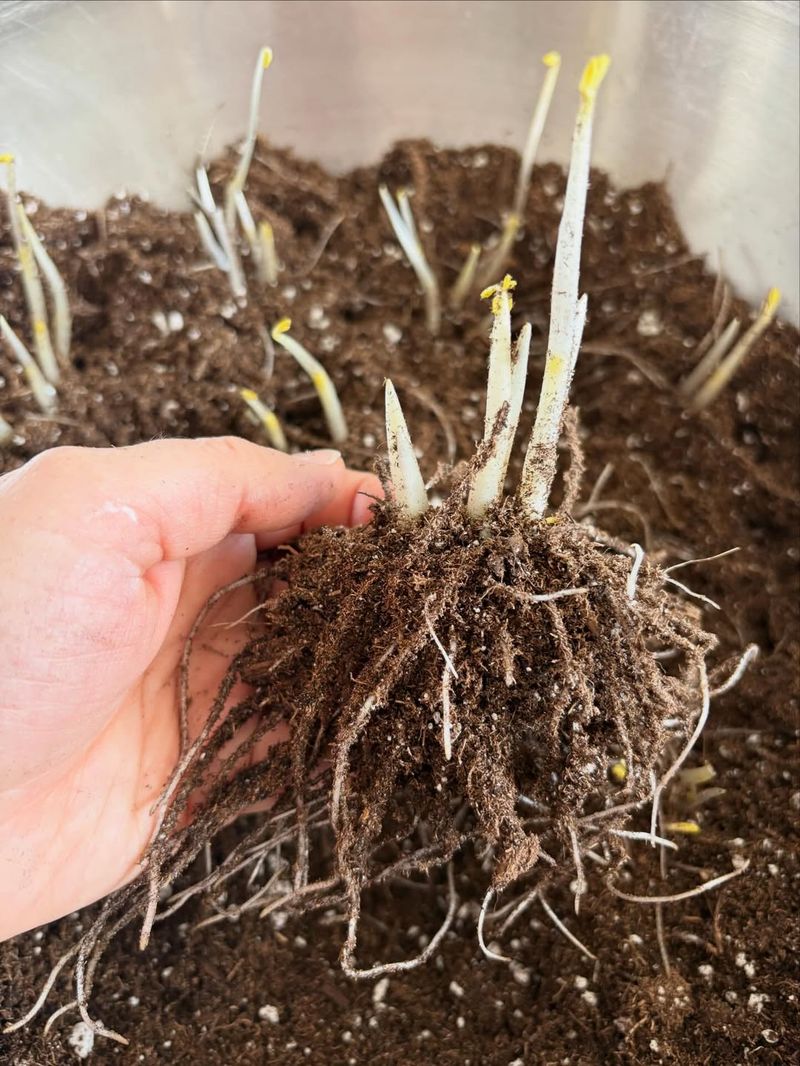
Timing is everything with ranunculus, and getting your corms in the ground at the right moment makes a real difference in how many blooms you see come spring. In Georgia, the sweet spot for fall planting runs from late October through November.
Zones 7b through 8b cover most of the state, and that range gives ranunculus corms exactly what they need: cool soil that encourages root development without freezing them out completely.
Roots that establish during the cool months lead to stronger plants once February and March roll around. Corms planted in November often start blooming a full two to three weeks earlier than those put in the ground in late winter.
That earlier start also means a longer window of color before Georgia’s spring heat pushes temperatures past what ranunculus can comfortably handle.
Spring planting is still an option if you missed the fall window. Aim for late February to early March before daytime temperatures climb too high.
The trade-off is a shorter bloom period and flowers that may not reach their full potential. Fall planting in Georgia just gives you more of everything: more roots, more stems, and more blooms.
Plant corms about two inches deep with the claw-like prongs pointing down. Space them four to six inches apart so air can move freely around the foliage.
Crowded planting leads to moisture buildup, which can cause problems later. A little planning at planting time pays off with a much stronger spring display across your entire garden bed.
2. Soak Corms Before Planting To Speed Up Sprouting
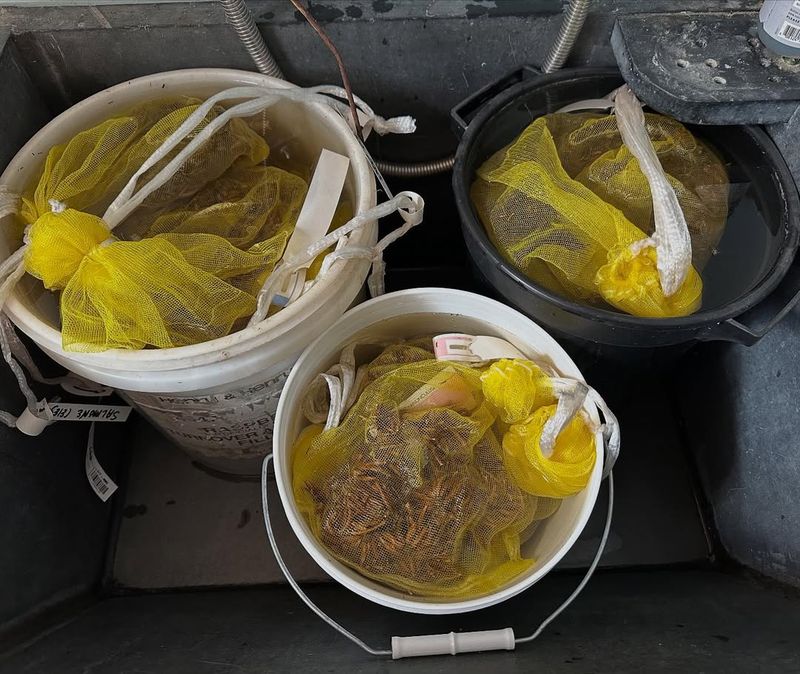
Ranunculus corms arrive looking like tiny dried-up claws, and they need a little help waking up before they hit the soil. Soaking them in room-temperature water for three to four hours before planting rehydrates the tissue and jumpstarts the germination process.
Skip this step and the corms can sit in the ground for weeks longer before showing any signs of life.
Use plain water at room temperature — nothing warm or cold. Warm water can stress the corms, and cold water slows things down rather than speeding them up.
A bowl on the kitchen counter works perfectly. You will notice the corms plump up noticeably during the soak, which is exactly what you want to see before they go into the ground.
Some growers in Georgia soak their corms for up to 12 hours with good results, but three to four hours is usually enough to get things moving. Going much longer than 12 hours risks waterlogging the tissue, which creates soft spots that can lead to rot in the soil.
Keep it simple and pull them out after a few hours.
After soaking, plant them right away rather than letting them sit out and dry back down. Wet corms pressed into moist soil hit the ground already primed for growth.
In Georgia’s fall planting window, this small step can mean sprouts appearing noticeably faster and roots developing more aggressively through the cooler months ahead.
3. Well-Draining Soil Prevents Rot And Supports Healthy Growth
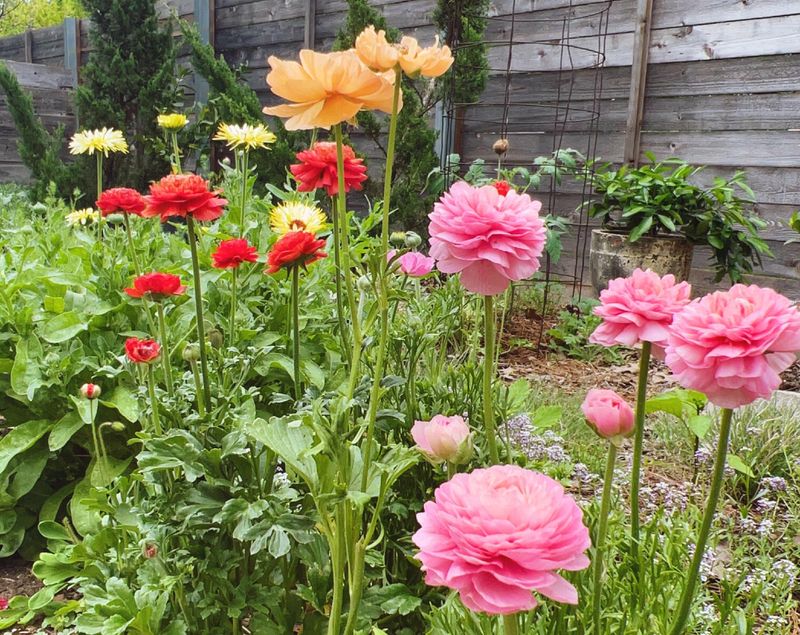
Soggy soil is the fastest way to ruin a ranunculus planting. These flowers need moisture to grow, but they absolutely cannot sit in standing water.
Georgia’s heavy clay soils are one of the biggest challenges local gardeners face with ranunculus, because clay holds water long after rain has passed. Fixing the soil before you plant is not optional — it is the foundation of everything else you do.
Working compost into the top eight to ten inches of your bed breaks up clay and adds organic matter that helps roots breathe. Perlite or coarse sand mixed into the existing soil improves drainage even further.
If your yard has spots that stay wet after a good rain, raised beds are worth considering. Even a six-inch raise above grade can dramatically change how fast water moves through the root zone.
Ranunculus roots are shallow and sensitive to oxygen levels in the soil. Compacted or waterlogged ground cuts off that oxygen supply quickly.
Loose, crumbly soil lets roots spread out and access nutrients more efficiently. In Georgia, where heavy spring rains are common, good drainage is what separates a healthy planting from one that struggles.
Aim for a slightly acidic soil pH between 6.0 and 6.5. If you are unsure where your soil stands, a basic test kit from any garden center will give you a reading in minutes.
Adjusting pH before planting helps ranunculus absorb fertilizer more effectively and keeps the whole growing season running smoothly from start to finish.
4. Full Sun Helps Produce Strong Stems And Vibrant Blooms
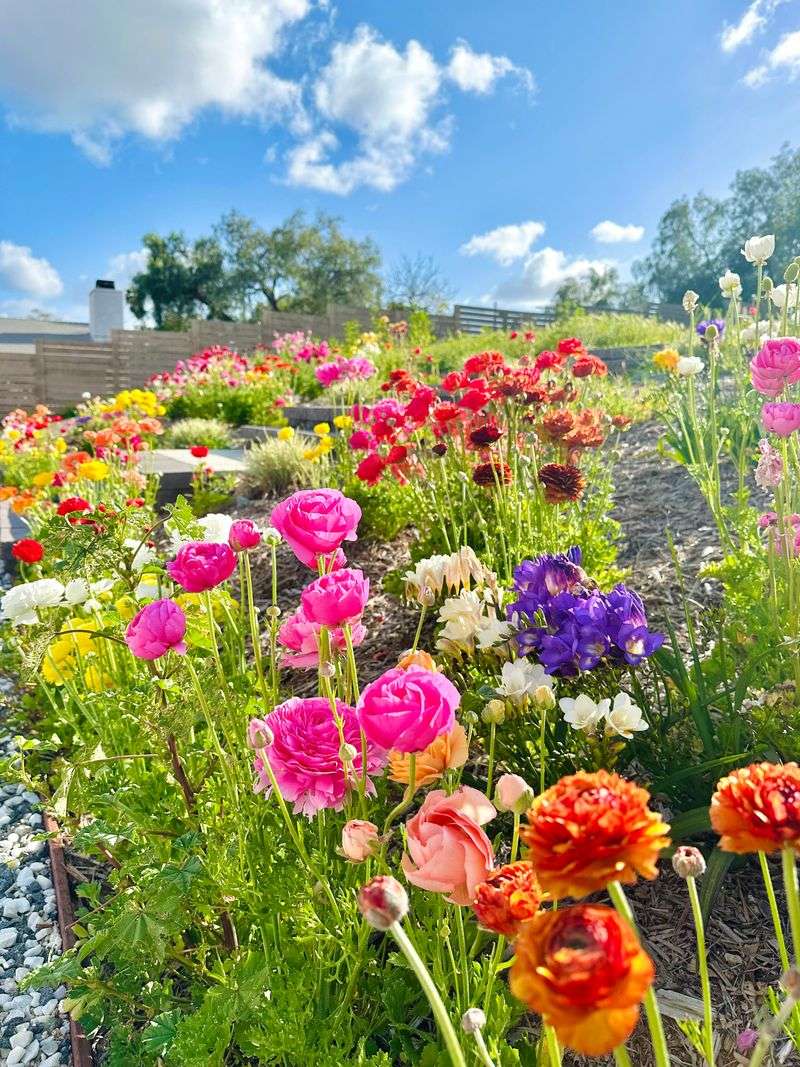
Ranunculus grown in partial shade tend to produce long, floppy stems that flop over before the flowers even fully open. Full sun — at least six hours of direct light per day — is what builds the sturdy stems that hold those multi-layered blooms upright.
In Georgia, spring sun is usually strong enough to do exactly that without much effort on your part.
South-facing beds or spots that get uninterrupted morning and midday sun are ideal. Morning light dries dew off the foliage quickly, which reduces the chance of fungal issues developing on the leaves.
Afternoon sun in Georgia can get intense by late April and May, and in the hotter parts of the state, a little afternoon shade at that point can actually extend the bloom period rather than cut it short.
Color intensity is directly connected to light levels. Ranunculus grown in shadier spots tend to produce washed-out blooms that lack the deep, saturated color that makes these flowers so appealing.
The same variety planted in full sun versus partial shade will look noticeably different by bloom time, with the sun-grown plants winning every time.
If your garden does not have a spot with consistent full sun, containers are a solid option. Pots can be moved to track the best light throughout the day.
Georgia gardeners who grow ranunculus in containers on patios or decks often report excellent results because they can position plants exactly where the light is strongest during the critical growing and blooming months.
5. Consistent Moisture Keeps Plants Growing Without Stress
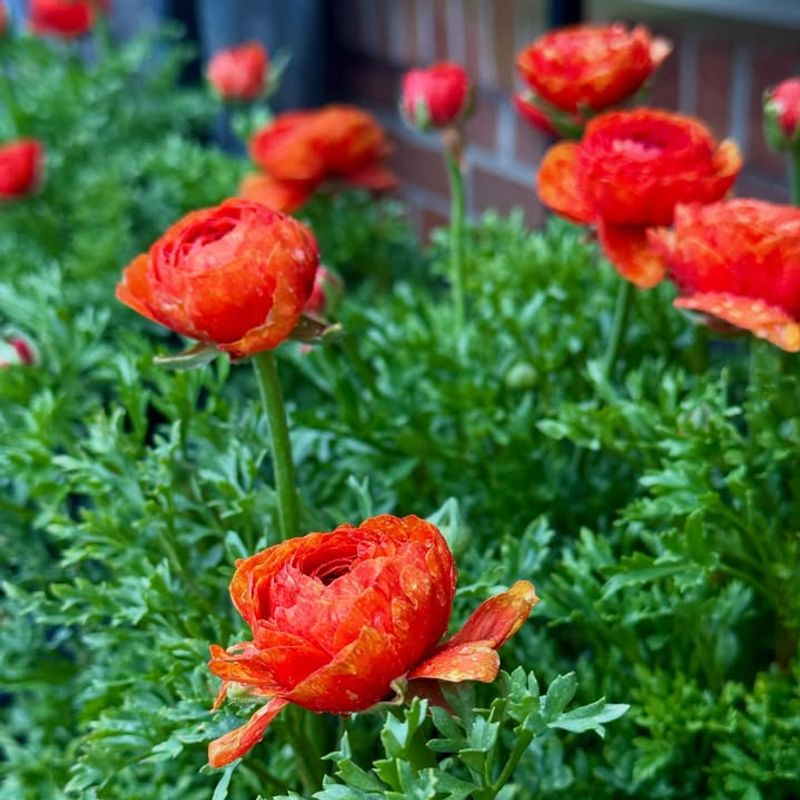
Getting the watering balance right with ranunculus takes a little attention, but it is not complicated once you know what to look for. Soil should stay consistently moist — not wet, not dry.
Letting the ground dry out completely between waterings causes stress that slows growth and reduces the number of flowers the plant produces. Overwatering causes its own set of problems, particularly with corm health underground.
A good rule of thumb in Georgia is to check the top inch of soil every couple of days. If it feels dry to the touch, water thoroughly.
If it still feels damp, hold off another day. Spring rainfall in Georgia can be generous, which sometimes means you barely need to water at all during certain weeks.
Stay aware of what the weather is doing rather than watering on a fixed schedule.
Drip irrigation or soaker hoses work well for ranunculus because they deliver water directly to the root zone without wetting the foliage. Wet leaves sitting overnight can develop fungal spots, especially during Georgia’s humid spring nights.
Keeping water off the leaves whenever possible is a simple habit that makes a real difference in plant health over the course of the season.
Mulching around the base of your plants helps retain soil moisture between waterings and keeps the root zone from drying out too fast on warm sunny days. A two-inch layer of straw or shredded bark works well.
Mulch also keeps soil temperature more stable, which ranunculus appreciates as Georgia’s spring temperatures start to climb toward summer.
6. Cool Conditions Support Better Flower Development
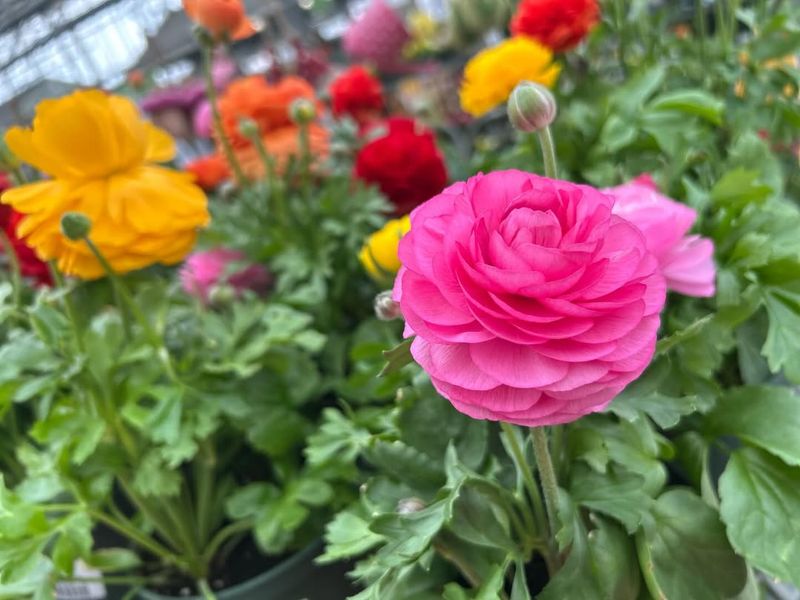
Ranunculus are cool-season flowers through and through. Peak bloom quality happens when daytime temperatures sit between 50 and 65 degrees Fahrenheit, which lines up well with Georgia’s February through April window.
Once temperatures consistently push past 70 degrees, flower size shrinks and stems get weaker. That is just the nature of this plant, and working with that reality rather than against it leads to better results.
Georgia’s climate is actually well-suited to ranunculus in the early part of the year. Fall-planted corms spend the winter building roots in cool soil and then hit their stride right as spring temperatures reach that ideal range.
Gardeners in the northern parts of Georgia near the mountains often get an even longer cool window than those in the warmer southern counties, which translates to a longer bloom period overall.
Providing afternoon shade during the warmer weeks of April and May can stretch the blooming season by a couple of weeks.
A shade cloth rated at 30 percent is enough to drop the temperature around your plants by several degrees without cutting off enough light to affect bloom quality.
Row covers can also protect plants during unexpected late cold snaps, which do still happen in Georgia even in March.
Planting ranunculus near a wall or fence that faces east gives morning sun and natural afternoon shade without any extra effort. Experienced Georgia gardeners often use this trick to squeeze extra bloom time out of their plantings each year.
Picking the right microclimate in your yard is sometimes more effective than any product you could buy.
7. Cut Flowers Often To Encourage More Blooms
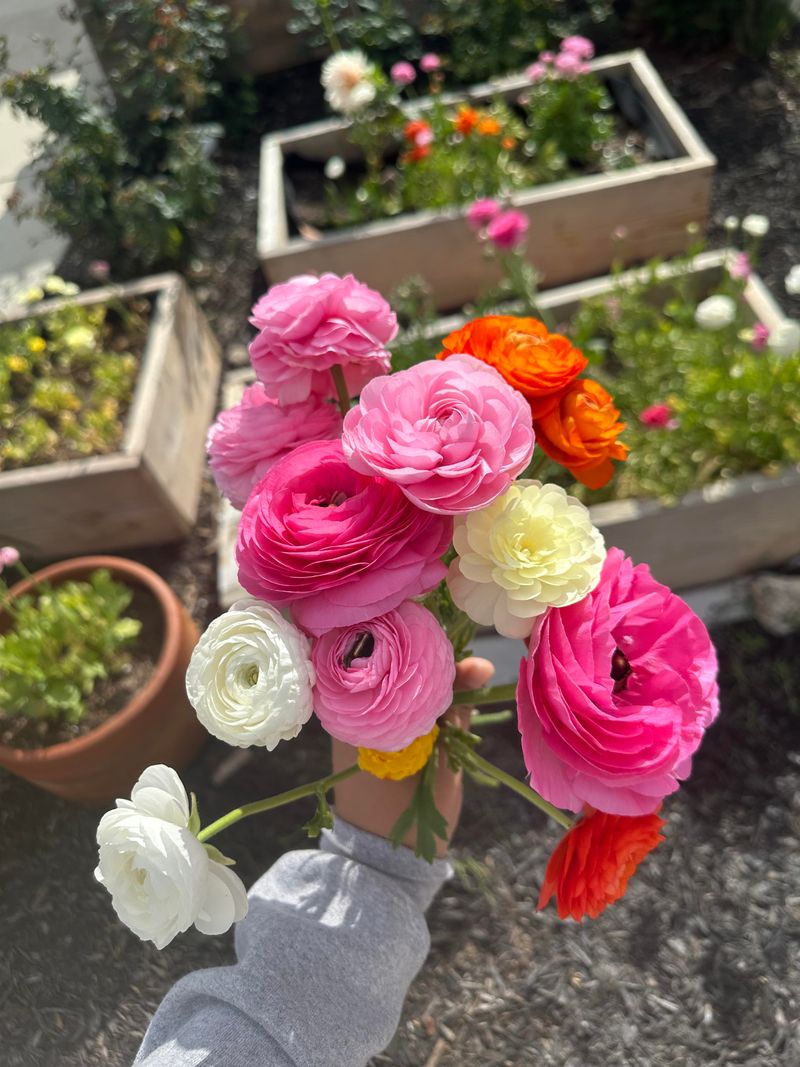
Cutting ranunculus flowers is not just about putting something pretty in a vase — it is one of the most effective things you can do to keep the plant producing. Every time a stem is cut, the plant redirects energy toward pushing out new buds.
Leave spent flowers on the plant too long and production slows down noticeably. Regular cutting keeps things moving in the right direction all season long.
Harvest stems when the buds are just starting to show color but have not fully opened yet. At that stage, they will continue opening in the vase over the next couple of days, and you get the longest possible vase life from each stem.
Waiting until flowers are fully open before cutting means they are already past their peak and will not last as long once brought inside.
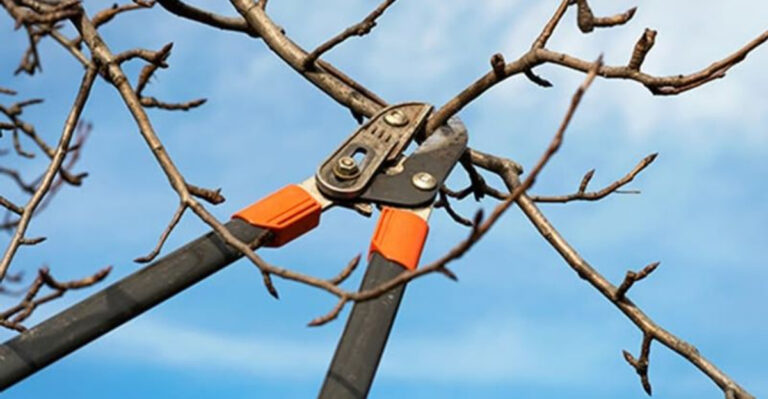
Use sharp, clean shears and cut stems at an angle. A clean cut heals faster and reduces the chance of disease entering through the wound.
Rinse your shears between plants if you notice any signs of spotting or discoloration on the foliage, which can sometimes spread from plant to plant on dirty blades.
In Georgia, a well-maintained ranunculus planting can produce stems for cutting over a six to eight week window in spring. Cutting every few days keeps the cycle going and prevents the plant from putting energy into seed production.
Some Georgia flower farmers cut from their ranunculus beds almost daily during peak season, and the plants just keep responding with more and more stems right up until the summer heat arrives.