How To Grow Snow Oyster Mushrooms Successfully In Oregon
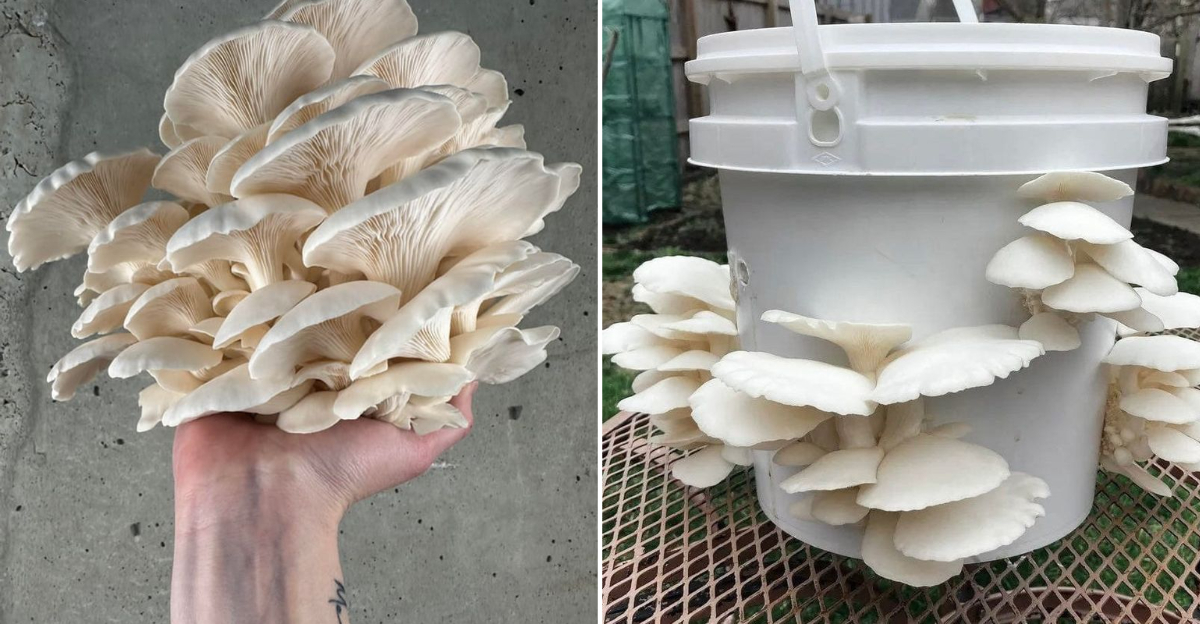
Cool air, misty mornings, and damp forests make Oregon well suited for growing snow oyster mushrooms.
These white clusters prefer cool, humid conditions similar to those found in the region, which can help support successful cultivation.
Snow oysters grow quickly, have an appealing appearance, and can produce good harvests when conditions are managed properly. With attention to moisture, airflow, and basic care, growers can encourage healthy development.
Even beginners can produce reliable flushes with an appropriate setup. Oregon’s naturally cool climate can be an advantage when creating suitable growing conditions for these mushrooms.
Grow During Oregon’s Naturally Cool, Damp Months
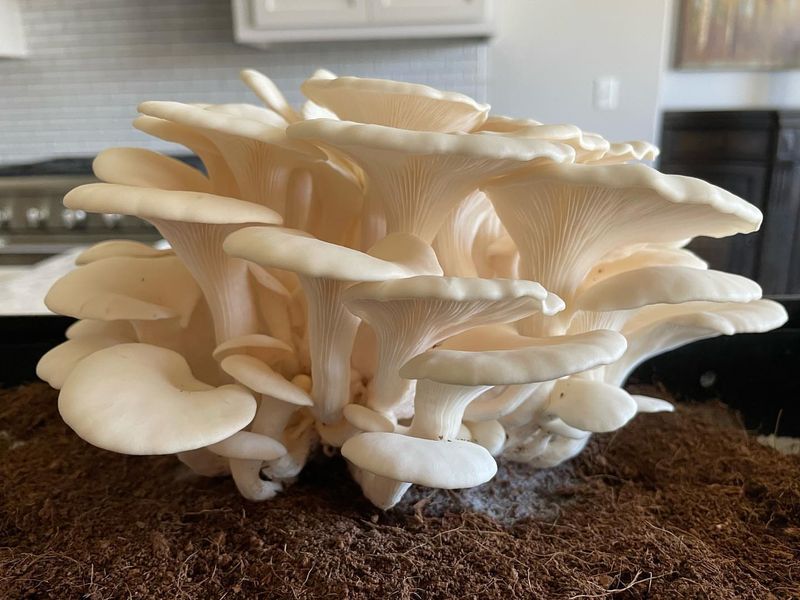
Oregon’s fall and winter months often provide favorable conditions for growing snow oyster mushrooms with relatively little intervention. As cooler weather arrives in autumn, these mushrooms tend to fruit more readily under suitable conditions.
Snow oysters generally prefer cool temperatures, often in the range of about 45 to 60 degrees Fahrenheit, which can align with outdoor conditions from autumn through early spring in many parts of Oregon. During these periods, less artificial heating or cooling may be needed, though some environmental control is still helpful indoors.
Some growers find summer cultivation more challenging because keeping temperatures low enough can require additional cooling, and warm conditions may slow or reduce fruiting. Starting a first batch in cooler months can make environmental management easier.
Seasonal humidity during wetter months can help maintain adequate moisture, though most indoor setups still require monitoring and occasional misting to keep conditions balanced. Unheated garages or sheds sometimes provide suitable environments, depending on airflow and cleanliness.
Year-round growing is possible with additional temperature and humidity control, such as using a cool basement or conditioned indoor space, but many home growers find working with seasonal conditions simpler and more energy efficient.
Start With Quality Snow Oyster Spawn
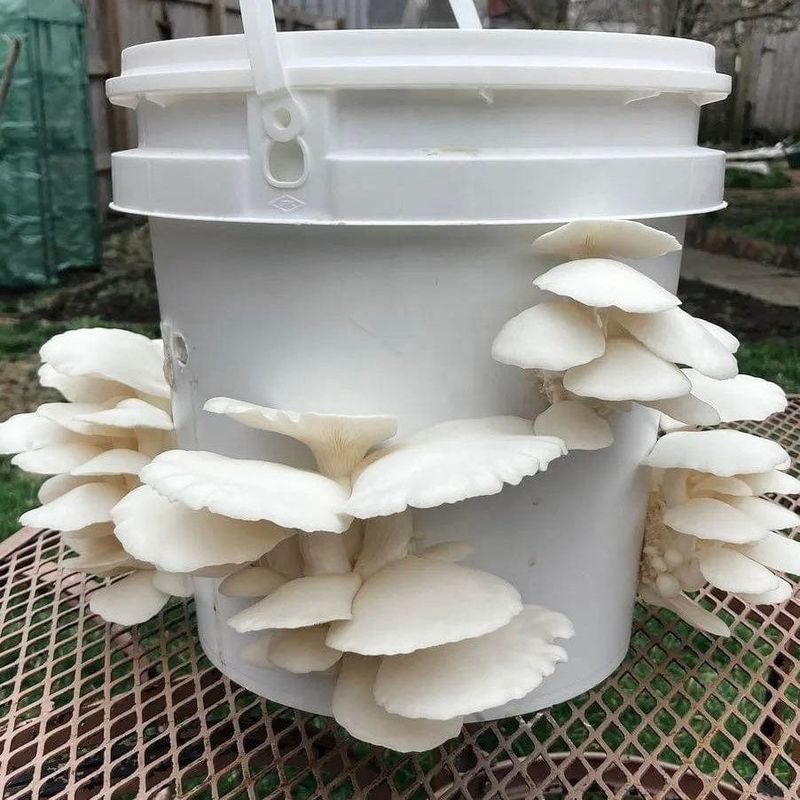
Walk into mushroom cultivation, and spawn quality becomes your foundation for everything that follows. Snow oyster spawn comes as colonized grain, sawdust, or plug form, and choosing healthy spawn helps determine whether your mushrooms thrive or struggle.
Look for spawn that shows vigorous white mycelium without green, black, or pink discoloration. Unusual colors can indicate contamination, which may spread and damage your substrate.
Reliable suppliers typically ship spawn that is actively growing and ready to colonize fresh material.
Grain spawn often colonizes substrate more quickly in many home setups because the mycelium spreads rapidly. Sawdust spawn is sometimes less expensive but may take longer to establish.
For a first attempt, grain spawn is often more forgiving and can produce faster results.
Ordering from suppliers who specialize in edible or gourmet mushrooms can help ensure correct identification and quality, since snow oyster strains are less common than standard oyster types. Checking reviews and freshness information may also be helpful.
Store spawn in the refrigerator if you cannot use it immediately, but use it within a reasonable time frame. Mycelium remains viable under refrigeration but gradually loses vigor, and fresher spawn usually colonizes more quickly and produces stronger flushes.
Use The Best Substrate For Strong Growth
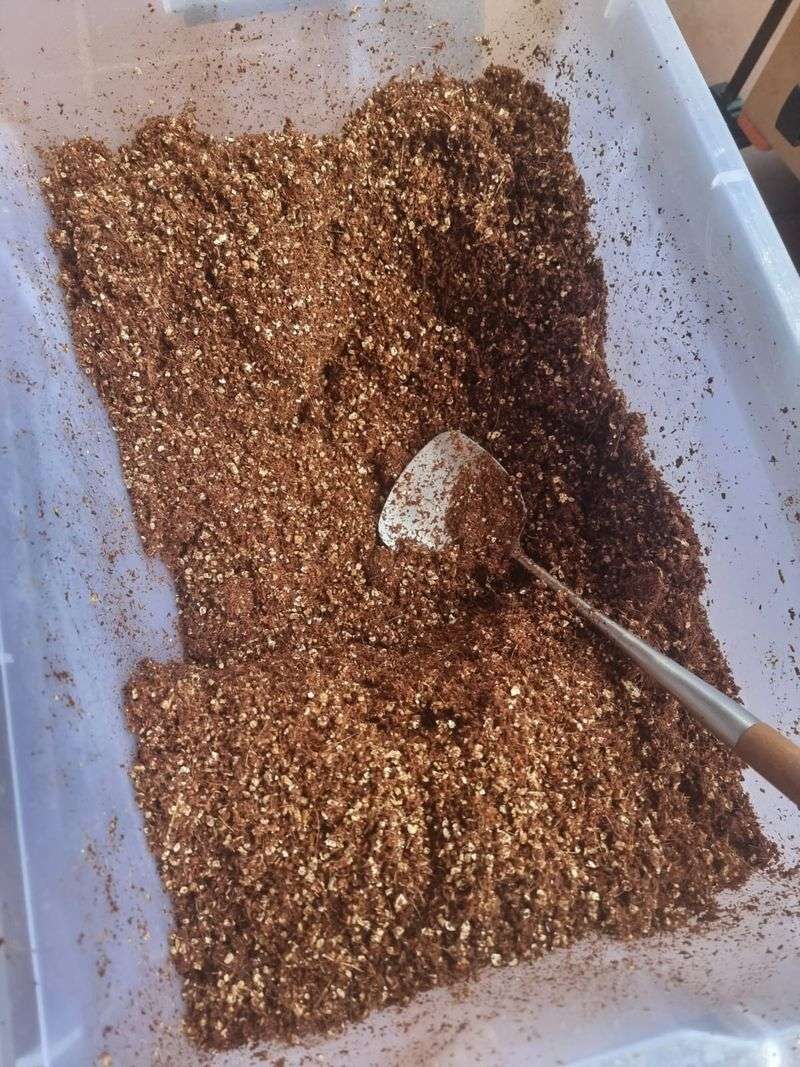
Substrate choice can influence how well your mushrooms produce. Snow oysters grow on a range of materials, and supplemented hardwood sawdust often supports strong yields in home cultivation.
Plain straw can work but usually produces lighter harvests than enriched substrates. Adding wheat bran, soy hulls, or oat bran to sawdust increases available nutrients and may encourage heavier fruiting.
A supplement level around 10 to 20 percent of the total dry mix is commonly used, though higher levels can increase contamination risk.
Avoid softwood sawdust such as pine or cedar, which contains natural compounds that can slow or inhibit mushroom growth. Hardwoods like alder, oak, and maple are generally suitable.
Some wood-processing facilities provide untreated hardwood sawdust at low cost or free, depending on availability.
Pasteurizing substrate helps reduce competing organisms that might otherwise outgrow your mushroom culture. Many growers heat moistened substrate to roughly 160–180°F for about 60–90 minutes using appropriate equipment.
This preparation step helps lower contamination risk.
After cooling, place the substrate in breathable grow bags with filter patches or in containers that allow some air exchange. Snow oysters require limited gas exchange even during colonization, so fully sealed containers can hinder growth.
Maintain Cool Temperatures And High Humidity
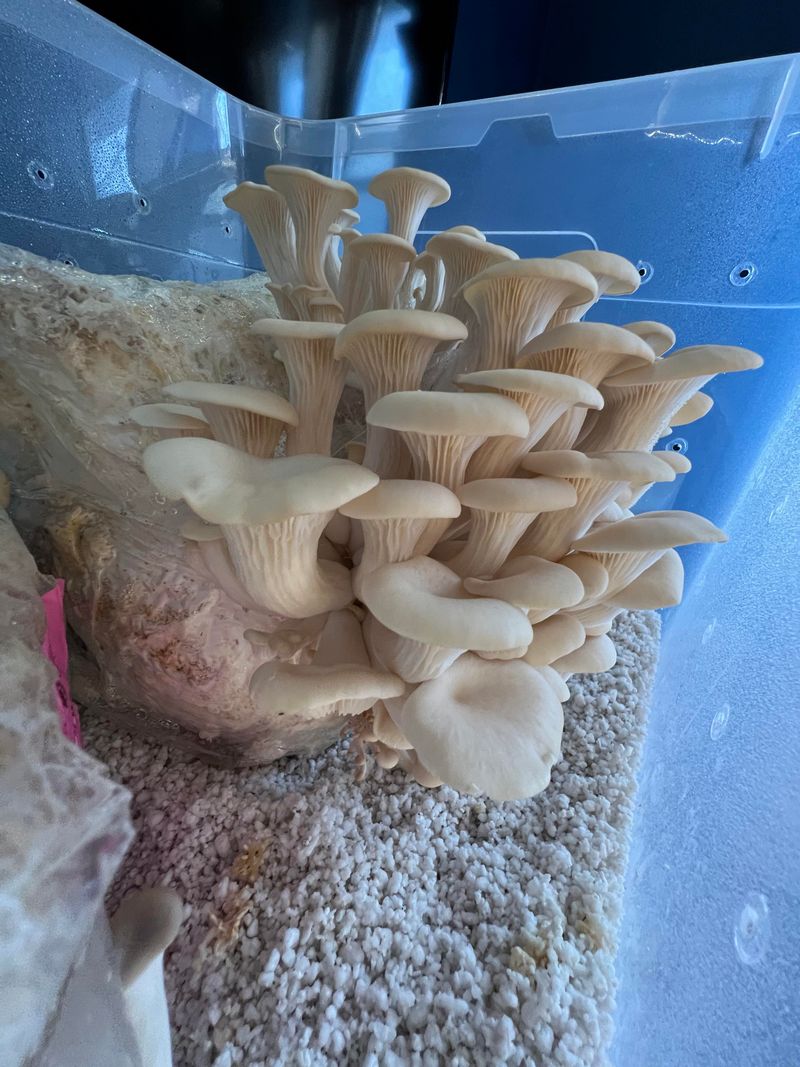
Temperature and humidity are key factors in successful snow oyster cultivation. When these conditions are kept within a suitable range, mushrooms are more likely to produce healthy clusters over multiple flushes.
Keep your growing area around 45 to 60°F during fruiting for best results. Temperatures much above the mid-60s can lead to thinner growth or reduced fruiting.
In many parts of Oregon, cool garages, sheds, or basements may naturally fall within this range during cooler months, though conditions should still be monitored.
Humidity is typically kept high during fruiting, often around 85 to 95 percent. This can be maintained with regular misting using clean water or by placing a humidifier nearby.
The goal is moist air rather than wet surfaces.
Avoid water pooling on developing mushrooms, as excess surface moisture can encourage bacterial problems. If puddling appears on the substrate or caps, reduce misting or improve airflow slightly.
A hygrometer can help you track humidity more accurately. Digital models with remote sensors allow monitoring without frequently opening the growing space, helping maintain stable conditions.
During drier summer periods, maintaining humidity may require extra effort. Creating a small enclosed growing area, such as with plastic sheeting, can help stabilize moisture levels and make the environment easier to control.
Provide Fresh Air Without Drying Them Out
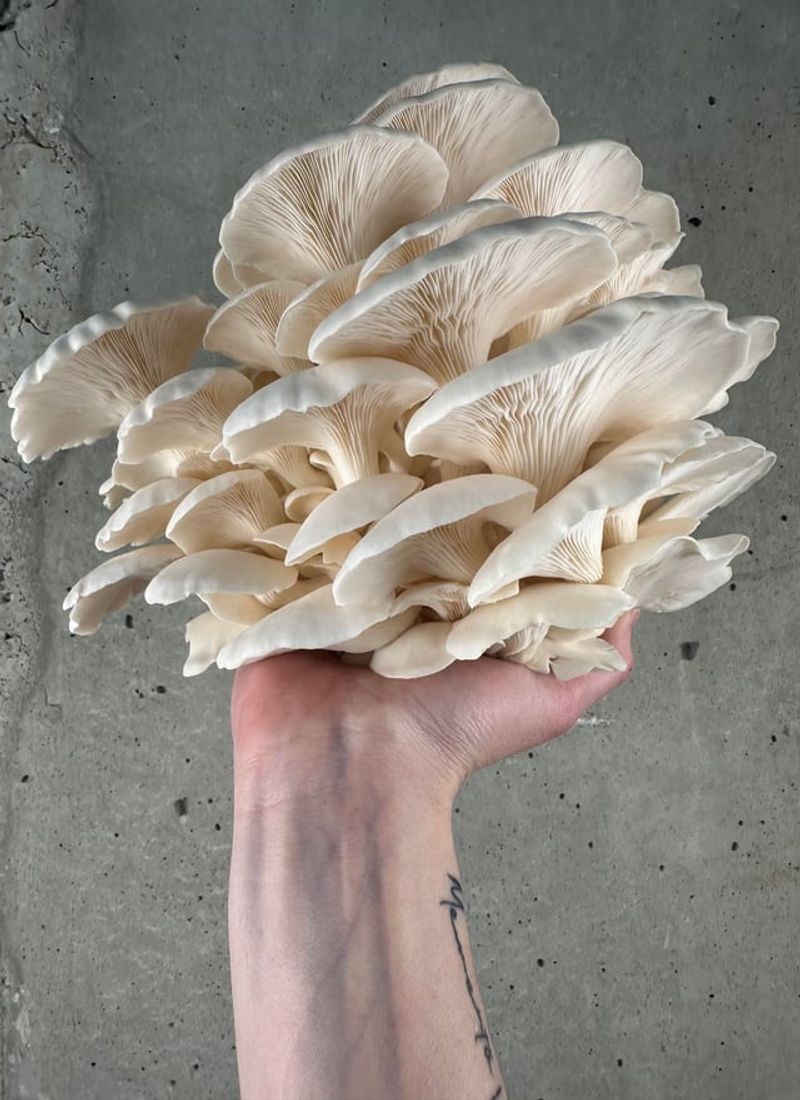
Fresh air exchange can be confusing for new growers because mushrooms need oxygen while also requiring high humidity. So let’s break it down step by step.
Snow oysters release carbon dioxide as they grow, and if fresh air is too limited, they may develop long stems and small caps, often described as “legginess.”
Providing brief ventilation several times a day can help maintain adequate air exchange in small home setups. Coordinating ventilation with misting may help prevent humidity from dropping too quickly.
Some growers use a small fan on low speed to keep gentle air movement in the space, positioning it so air circulates without blowing directly on the mushrooms. This can help maintain oxygen levels while humidity is managed separately.
Completely stagnant air may increase the risk of mold or bacterial issues, so some level of airflow is beneficial. Slight ventilation, such as a partially open vent, can help compared with fully sealed environments.
Outdoor air can introduce contaminants, but well-colonized and fruiting substrates are often more resistant than during early growth stages.
Monitoring mushroom shape can help guide adjustments, if stems become unusually long with small caps, increasing fresh air exchange may improve form in later flushes.
Watch For Contamination And Mold
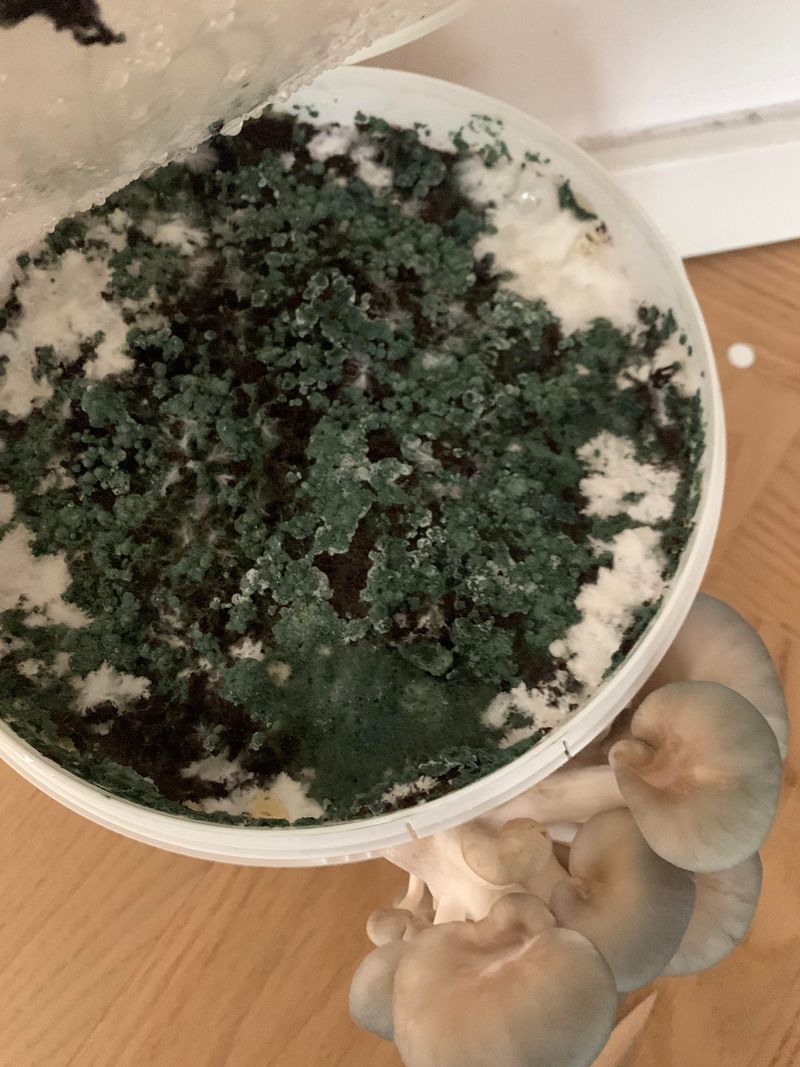
Contamination eventually occurs for most growers, and early recognition can help protect other blocks. Healthy snow oyster mycelium is typically bright white and fluffy, while contamination may appear as green, black, orange, or pink patches.
Green mold, often associated with Trichoderma, is a common competitor and can spread quickly once established. If a contaminated block is identified, removing it from the growing area promptly can help reduce the chance of spores spreading to nearby cultures.
Some growers attempt to cut away contaminated portions, but aggressive molds often extend beyond what is visible. Discarding the affected block is usually more reliable than trying to salvage it.
Good substrate preparation helps reduce contamination risk, though airborne spores and handling can still introduce problems. Occasional losses are common even for experienced growers.
Maintaining reasonable cleanliness can help. Periodically cleaning surfaces and removing decaying mushrooms may reduce pests and bacterial growth.
Strong, healthy mycelium is generally more resistant to contamination than weak growth, which is why fresh, vigorous spawn and properly prepared substrate are important for successful cultivation.
Harvest At The Perfect Time For Best Flavor
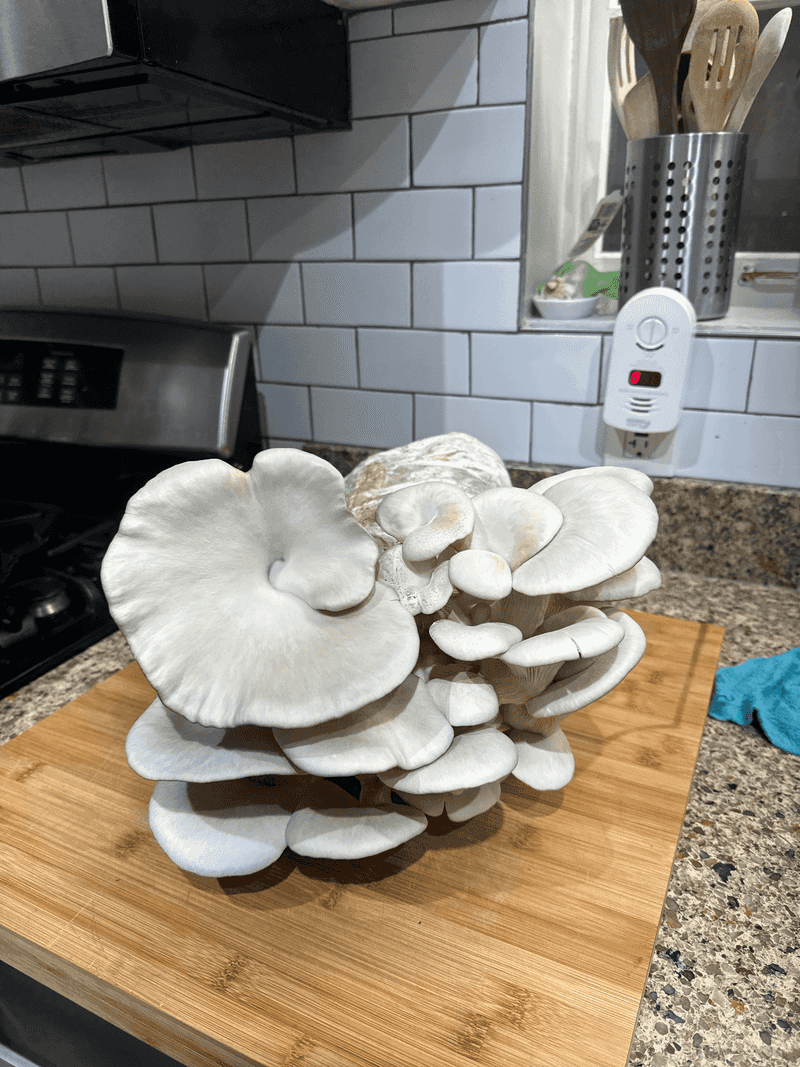
Timing your harvest can improve mushroom flavor and texture. Snow oysters are often harvested when caps have expanded but the edges still curve slightly downward, typically several days after pins first appear, though timing can vary with conditions.
Watch cap edges as mushrooms develop. When edges flatten fully or begin turning upward, the mushrooms may start releasing spores and quality can gradually decline, though they are still usable.
Harvest entire clusters by gently twisting at the base or by cutting just above the substrate with a clean knife. Twisting may leave less material behind, while cutting can reduce disturbance to the substrate.
After harvest, the block often rests before producing another flush, sometimes within about one to two weeks under suitable conditions. Many blocks produce multiple flushes before nutrients are depleted, though yields vary.
Store fresh snow oysters in a paper bag in the refrigerator, where they usually keep for several days. Plastic can trap moisture and encourage spoilage.
Mushrooms may also be dried or cooked and frozen for longer storage.
Many growers find harvesting homegrown mushrooms rewarding, and cool climates like Oregon’s can help support suitable growing conditions when managed properly.