How To Grow Stunning Cascade Hydrangeas In Oregon Gardens
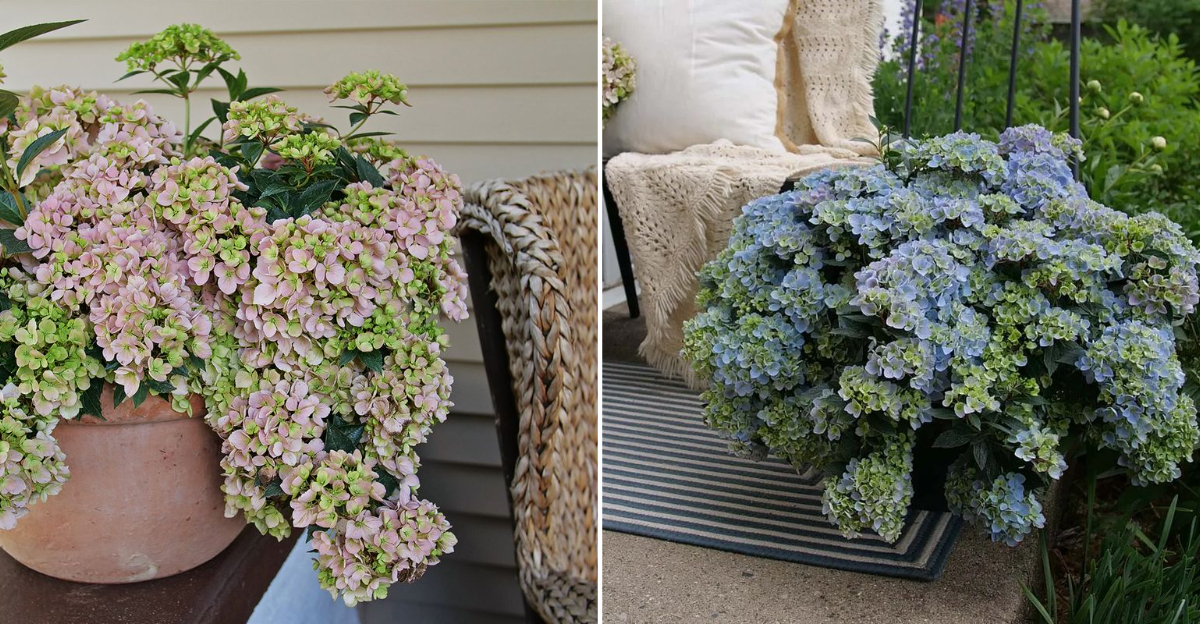
Some plants look nice in the garden… and then some completely steal the show. Cascade hydrangeas fall firmly into that second category.
When they’re in bloom, their long, arching stems spill over with soft clusters of flowers, creating a waterfall of color that instantly draws the eye.
Unlike the classic round hydrangea shape, these beauties have a graceful, flowing style that feels almost magical in the landscape.
Planted near a path, along a patio, or tucked into a cottage style bed, they add movement, texture, and a touch of drama that few other shrubs can match.
Oregon gardens are actually a great place for them to thrive. The region’s cool springs and mild summers give these plants the kind of conditions they quietly love.
Give them the right spot and a little attention, and a cascade hydrangea can quickly become the plant everyone notices first when they step into your garden.
1. What Makes Cascade Hydrangeas Unique
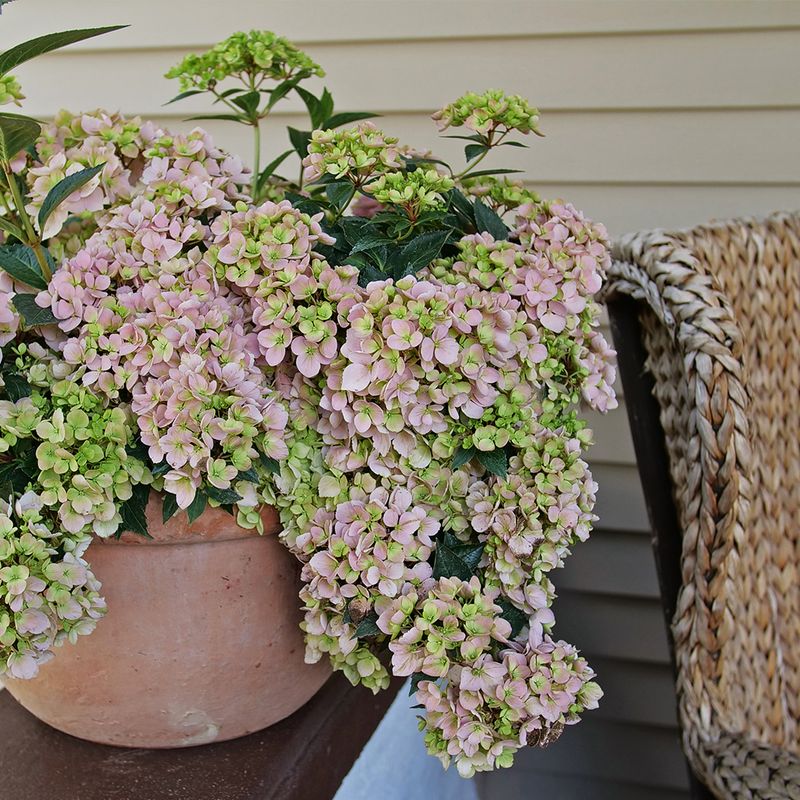
Not every hydrangea puts on a show quite like a cascade variety. Cascade hydrangeas, especially the Fairytrail series developed by Japanese breeder Ushio Sakazaki, are known for their long, drooping stems that are packed with flowers from top to bottom.
The effect looks like a floral waterfall spilling over a pot or garden bed.
What sets them apart from regular hydrangeas is their trailing growth habit. Standard hydrangeas grow upright and bushy.
Cascade types arch outward and downward, making them perfect for hanging baskets, raised planters, or sloped garden beds. Popular varieties like Fairytrail Bride and Fairytrail Green have become favorites among Oregon gardeners for exactly this reason.
These hydrangeas are hybrids, combining traits from multiple species to create something truly special. They tend to be more compact than traditional varieties, yet they produce an impressive number of blooms.
The flowers can range from pure white to soft green, depending on the variety. In Oregon’s cool, moist climate, the colors often stay vibrant for a longer stretch of the season.
That makes cascade hydrangeas a standout choice for anyone wanting long-lasting beauty in their garden.
2. Best Location For Cascade Hydrangeas
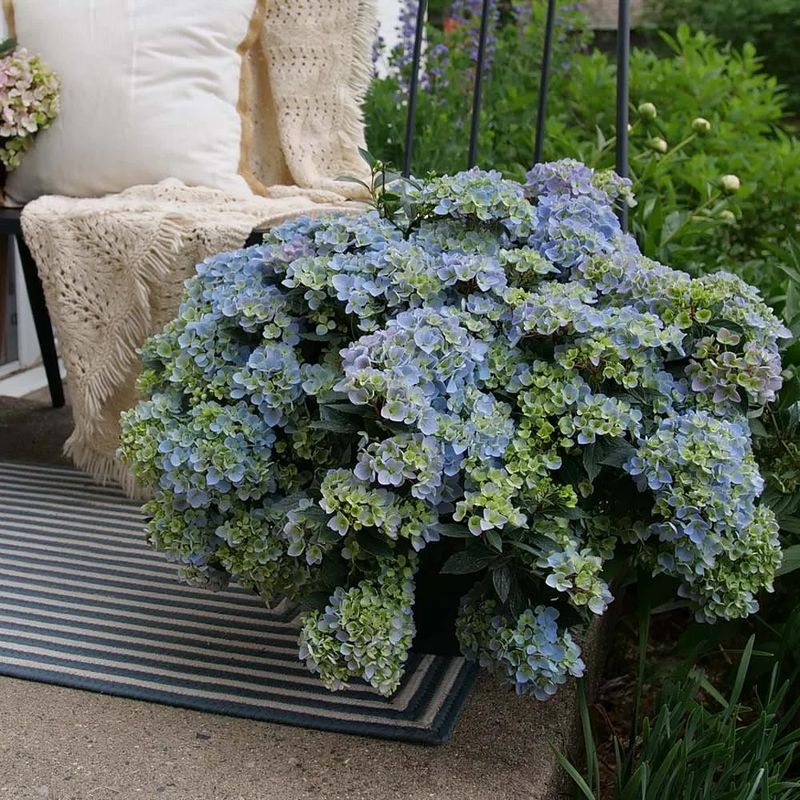
Picking the right spot in your yard can make a huge difference in how well your plants grow. In Oregon, location choices vary depending on which part of the state you live in.
Gardeners in the Willamette Valley and along the North Coast are lucky because the mild, maritime climate suits cascade hydrangeas very well. Morning sun with afternoon shade is the sweet spot for most varieties in these areas.
Southern Oregon, including the Rogue and Umpqua Valleys, gets hotter summers. In those areas, afternoon shade is even more important to keep leaves from scorching.
Heat-tolerant varieties like panicle and oakleaf hydrangeas do better there, but cascade types can still thrive with the right protection.
Central and Eastern Oregon present more of a challenge due to cold winters and dry summers. In those regions, planting in a spot with south or east-facing exposure helps.
Good drainage is also critical in these areas. No matter where you are in Oregon, avoid planting in low spots where water pools.
Raised beds or sloped areas with good airflow give your cascade hydrangeas the best chance of producing full, healthy blooms throughout the growing season.
3. Choosing The Right Soil
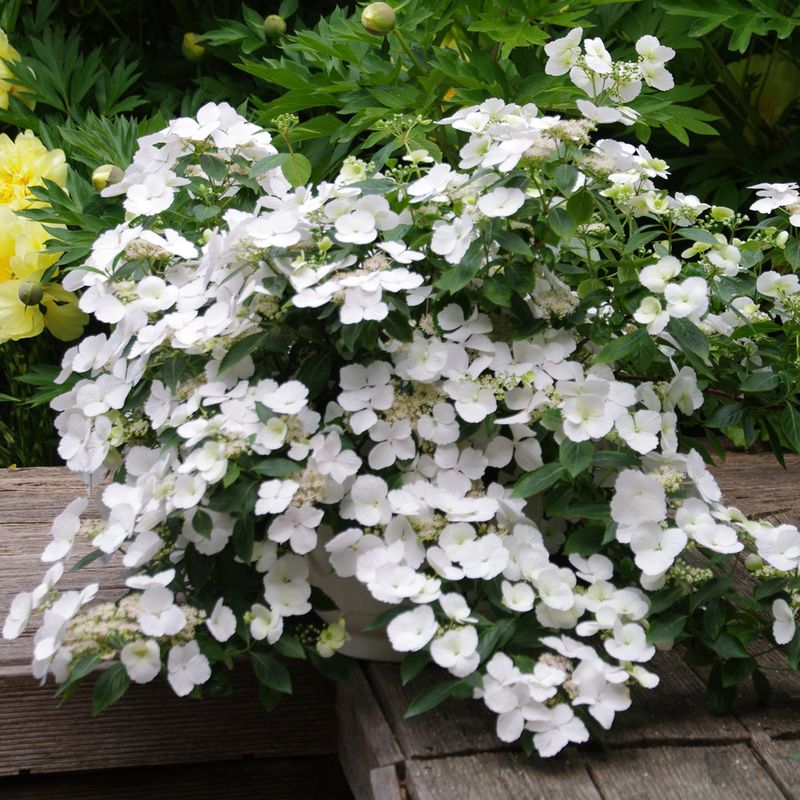
Soil quality plays a huge role in how well cascade hydrangeas perform. These plants love well-drained, moist soil that is rich in organic matter.
The good news for Oregon gardeners is that much of the state, especially in the Willamette Valley, naturally has slightly acidic soil. That happens to be exactly what hydrangeas prefer.
Acidic soil, with a pH between 5.5 and 6.5, helps the plant absorb nutrients more efficiently. It can also affect bloom color in some hydrangea varieties.
If your soil leans more alkaline, you can lower the pH by mixing in sulfur or peat moss. A simple soil test kit from your local garden center will tell you where your soil stands before you plant.
Avoid heavy clay soils that hold too much water around the roots. If your Oregon garden has clay-heavy ground, mix in compost, perlite, or coarse sand to improve drainage.
Adding a 2 to 3 inch layer of mulch around the base of your plant helps keep moisture in during dry spells while also regulating soil temperature. Good soil preparation before planting is one of the smartest investments you can make for long-term bloom success.
4. How Much Sun They Need
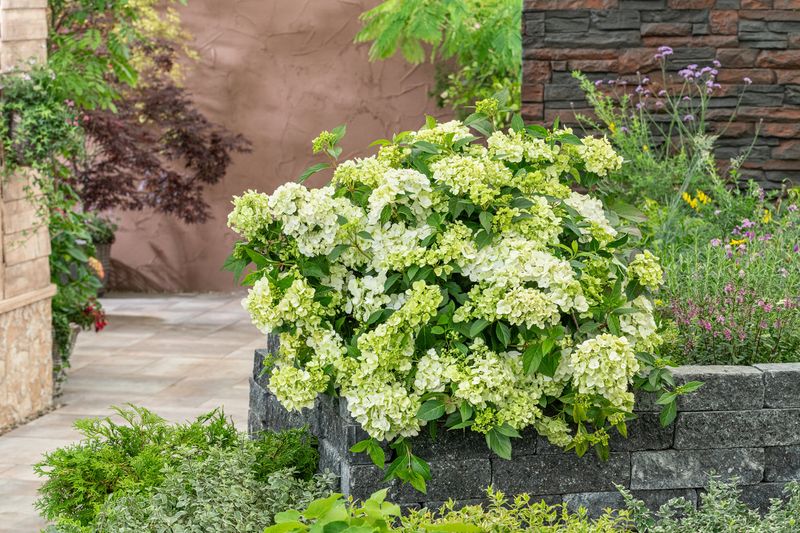
Sunlight is one of the most talked-about topics when it comes to growing hydrangeas, and for good reason. Too much sun can scorch the leaves.
Too little can result in weak, sparse blooms. Getting the balance right is key, especially in a state like Oregon where sunlight levels change a lot from region to region.
For most parts of Western Oregon, including the Portland metro area and the Willamette Valley, morning sun with afternoon shade works best. The sun in the morning is gentler and helps the plant produce energy for flowering.
The afternoon shade protects the leaves from the stronger midday and evening heat, especially in summer months.
The Fairytrail series is actually more sun-tolerant than many traditional hydrangea varieties. In cooler parts of Oregon, like the coast or higher elevations, these plants can handle full sun without much trouble.
However, if you notice wilting during the hottest part of the day, that is a sign your plant needs more shade.
Moving a container plant to a shadier spot or adding a shade cloth over a garden bed can solve the problem quickly. Matching sun exposure to your specific Oregon location leads to fuller, healthier blooms.
5. Watering For Healthy Blooms
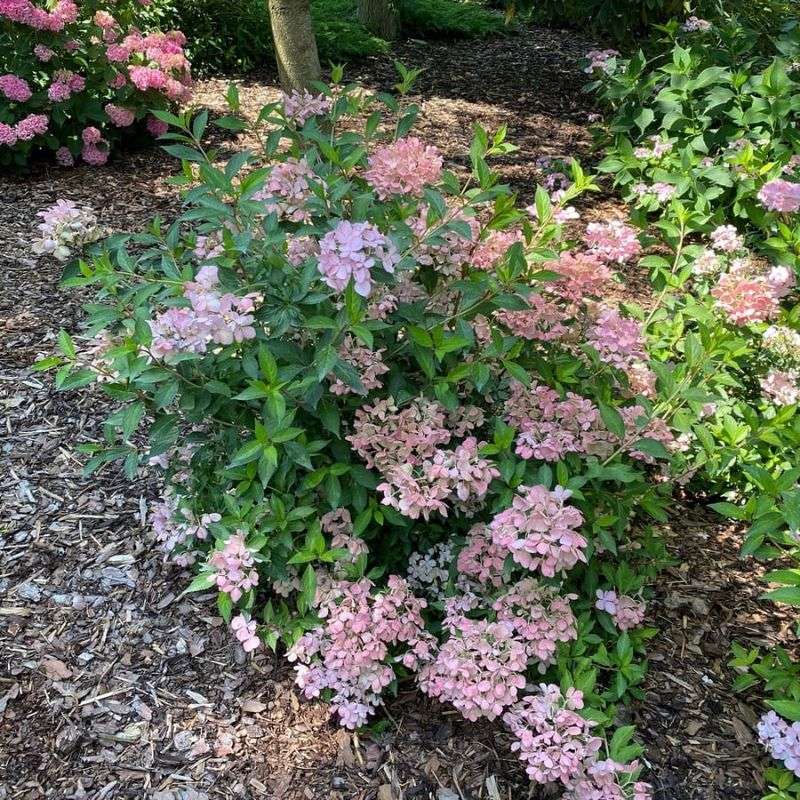
Water is the lifeblood of cascade hydrangeas, and getting it right matters more than most people realize. These plants love consistent moisture, but they do not like sitting in soggy soil.
Overwatering can lead to root rot, which weakens the plant and reduces blooming. Finding the right balance is simpler than it sounds.
In Western Oregon, the rainy season from fall through spring usually provides enough natural moisture. During the drier summer months, you will need to water more regularly.
A good rule of thumb is to water deeply once or twice a week rather than giving small amounts every day. Deep watering encourages roots to grow further down into the soil, which makes the plant stronger overall.
Always water at the base of the plant rather than from above. Wetting the leaves can lead to fungal problems, especially in the humid conditions found across much of Oregon.
A soaker hose or drip irrigation system works great for this. Adding mulch around the base of the plant also helps slow down moisture loss between watering sessions.
Checking the top inch of soil before watering is a quick way to avoid overwatering and keep your cascade hydrangeas looking their best all season long.
6. Fertilizing For Bigger Flowers
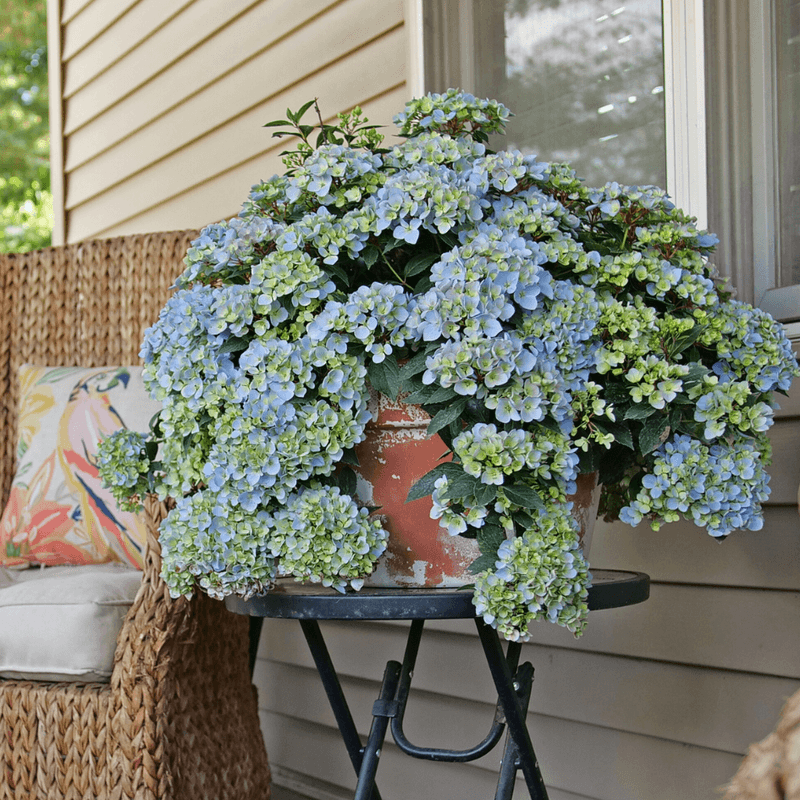
Want bigger, more abundant blooms on your cascade hydrangeas? Fertilizing at the right time with the right product makes a noticeable difference.
Many Oregon gardeners skip this step or get it wrong, and their plants end up producing more leaves than flowers as a result.
The best approach is to apply a balanced, slow-release fertilizer in early spring, just as new growth begins to appear. A fertilizer with equal parts nitrogen, phosphorus, and potassium works well for most cascade hydrangeas.
Nitrogen supports leafy growth, phosphorus encourages root development and blooming, and potassium helps the overall health of the plant.
Avoid going overboard with high-nitrogen fertilizers. Too much nitrogen pushes the plant to grow lots of green foliage but fewer flowers.
That is the opposite of what most gardeners want. A second light feeding in early summer can give the plant an extra boost during its peak blooming period.
Always water the plant thoroughly after applying fertilizer to help the nutrients soak into the soil and reach the roots.
Organic options like compost tea or fish emulsion are popular choices among Oregon gardeners who prefer a more natural approach to feeding their plants.
7. Pruning At The Right Time
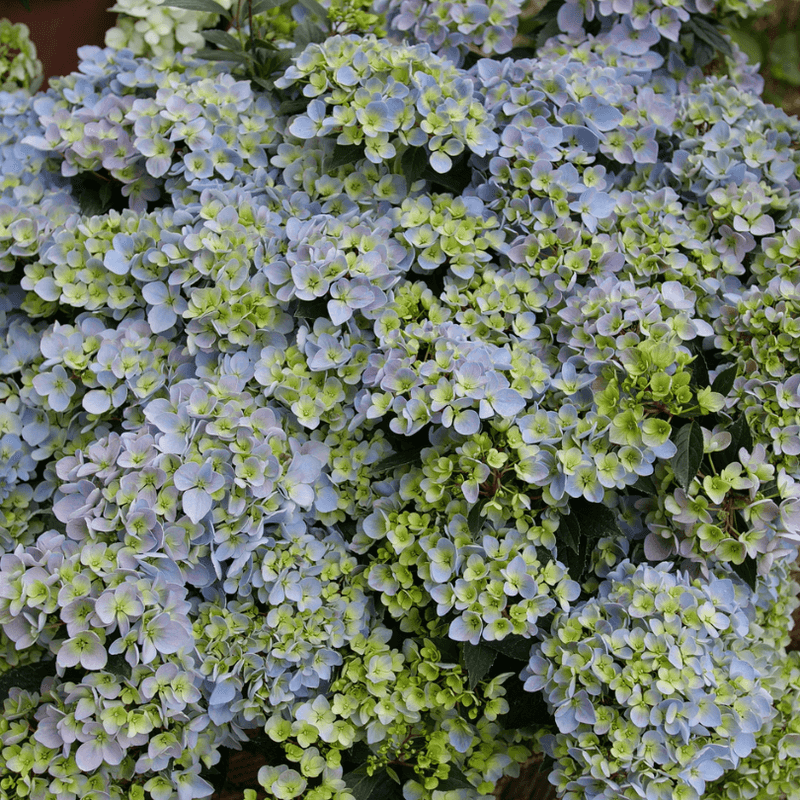
Pruning is one of the most misunderstood parts of hydrangea care, and getting it wrong can cost you an entire season of blooms. Cascade hydrangeas bloom on old wood, which means the flower buds form on last year’s stems.
If you cut those stems off at the wrong time, you will remove the buds before they ever get a chance to open.
The safest approach is to avoid heavy pruning whenever possible. Instead, focus on removing any dead or damaged wood in late winter or very early spring, before new growth starts.
This light cleanup keeps the plant tidy without sacrificing the blooms you have been looking forward to all year.
If you do need to shape the plant or reduce its size, do it right after the blooms fade in late summer or early fall. That gives the plant enough time to set new buds on the fresh growth before winter arrives.
In Oregon, where fall can bring early cold snaps, timing your pruning correctly is especially important. Sharp, clean pruning tools help make clean cuts that heal faster and reduce the risk of disease.
A little patience and good timing go a long way when it comes to keeping cascade hydrangeas blooming beautifully year after year.
8. Protecting Plants From Cold Weather
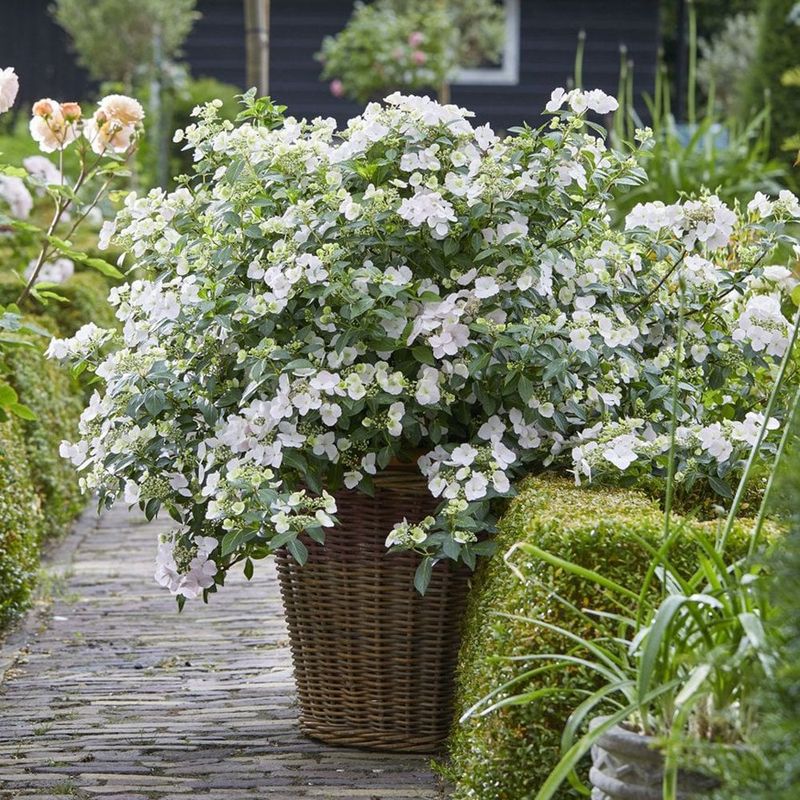
Oregon winters can be tough on plants, especially in areas like Central and Eastern Oregon where temperatures drop significantly. Even in milder parts of the state like the Willamette Valley, unexpected cold snaps can damage tender buds on cascade hydrangeas.
A little winter preparation goes a long way toward protecting your plants.
One of the easiest ways to protect cascade hydrangeas is to apply a thick layer of mulch around the base of the plant before the first frost.
A 3 to 4 inch layer of straw, shredded bark, or dried leaves insulates the roots and helps maintain a more stable soil temperature throughout the cold months. This is a simple step that can make a real difference.
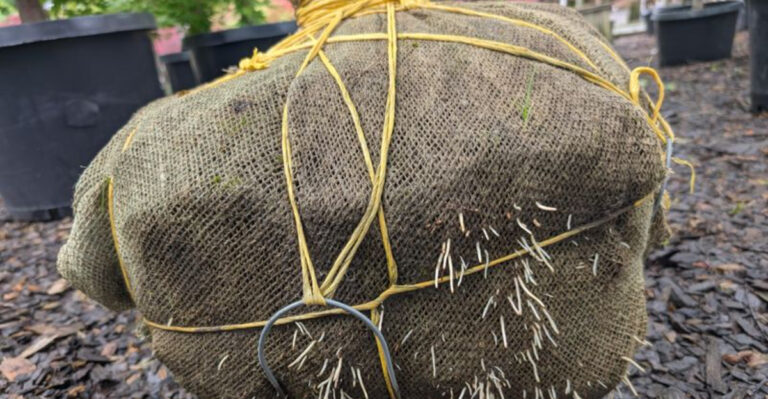
For plants in containers, moving them to a sheltered spot like a garage, covered porch, or unheated shed during the coldest weeks is a smart move. Wrapping the plant loosely in burlap can also protect stems and buds from frost damage.
In Eastern Oregon and the high desert, choosing cold-hardy varieties like panicle or smooth hydrangeas gives you extra protection.
No matter where you garden in Oregon, checking the weather forecast and acting early when cold temperatures are expected helps keep your cascade hydrangeas healthy through the winter season.
9. Keeping Cascade Hydrangeas Blooming Longer
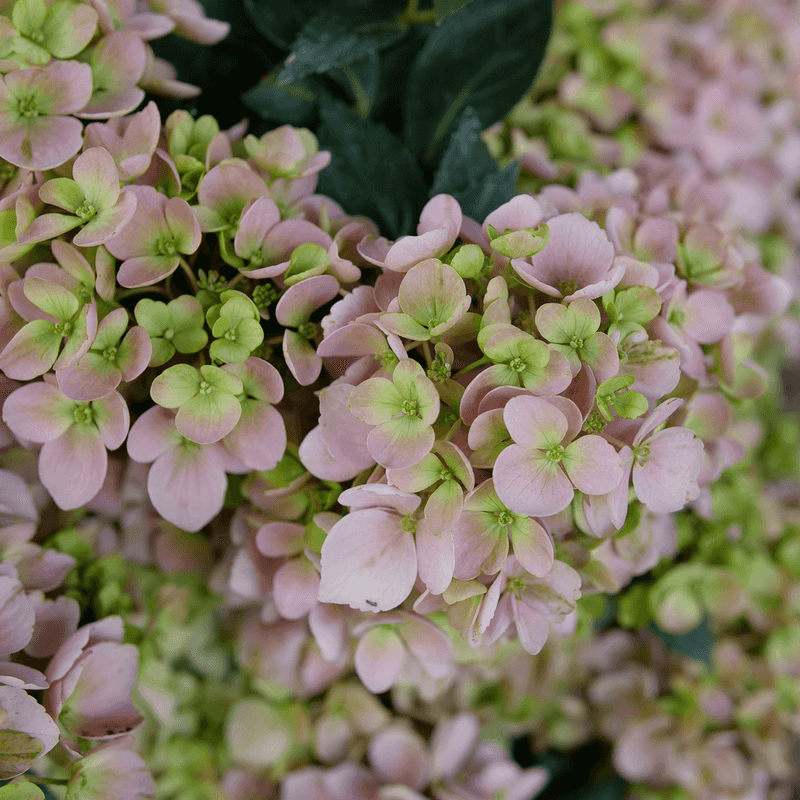
Getting cascade hydrangeas to bloom is satisfying. Getting them to bloom longer is even better.
A few smart habits can extend your flowering season and keep your Oregon garden looking spectacular well into fall. It starts with choosing the right variety and continues with consistent, attentive care throughout the growing season.
Deadheading, or removing spent flowers, encourages the plant to put its energy into producing new blooms rather than forming seeds. Snip off faded flower heads just above the next set of leaves to keep the plant looking fresh.
This works best on varieties that bloom on new wood, so check which type you have before cutting.
Keeping up with watering during dry Oregon summers is also critical for extended blooming. Stressed plants tend to drop flowers early.
Consistent moisture, combined with occasional light fertilizing through midsummer, keeps the plant energized and productive. Placing your cascade hydrangeas in a spot with good airflow also helps reduce fungal issues that can shorten the blooming period.
Bringing cut flower stems indoors and placing them in water is another great way to enjoy the blooms even longer.
With the right care routine, your cascade hydrangeas can put on a breathtaking show from early summer all the way through the golden days of Oregon autumn.