How To Grow Stunning Elatior Begonias Indoors In North Carolina
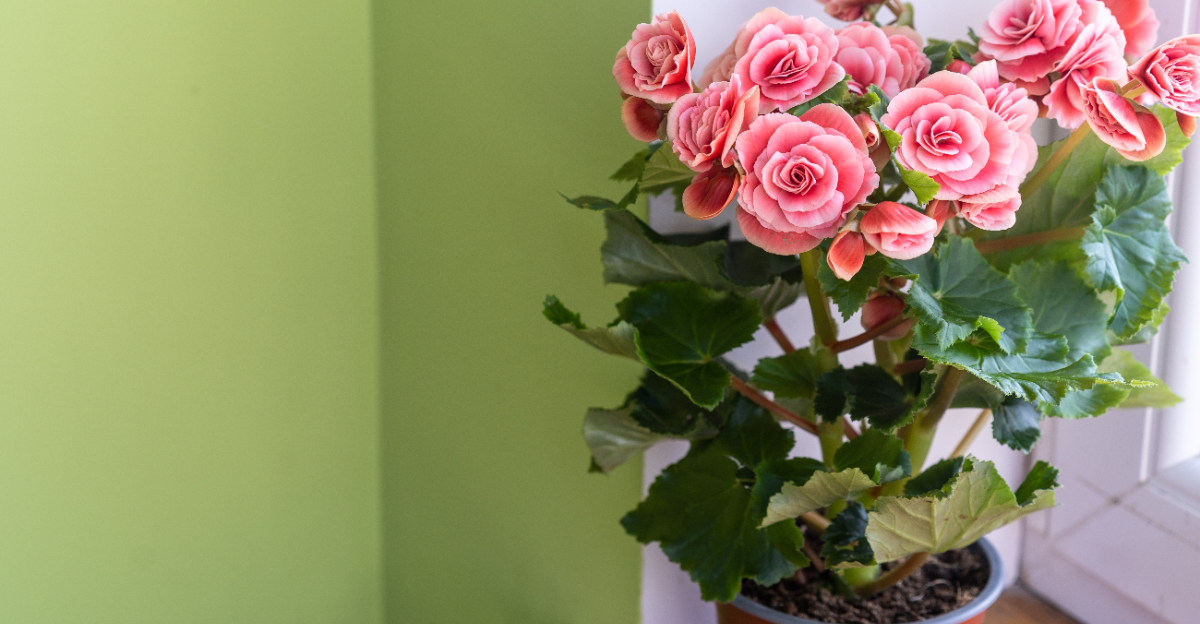
Few plants make a room glow quite like Elatior Begonias in full bloom, their rich clusters of color instantly drawing the eye.
In North Carolina, these elegant plants can thrive beautifully when their specific needs are met with care and consistency.
Known for their lush foliage and vibrant blossoms, Elatior Begonias respond especially well to the right balance of light, moisture, and temperature.
North Carolina’s changing seasons mean growers must pay attention to placement, protecting plants from intense summer heat while ensuring they receive bright, indirect light indoors or out.
Proper watering habits and steady conditions encourage strong growth and repeated waves of flowers that last for weeks.
With thoughtful care, these begonias reward gardeners with long lasting beauty and impressive displays.
Whether brightening a windowsill or enhancing an outdoor container arrangement, Elatior Begonias can flourish in North Carolina homes and gardens throughout the growing season.
1. Give Elatior Begonias Bright Indirect Light For Best Blooms
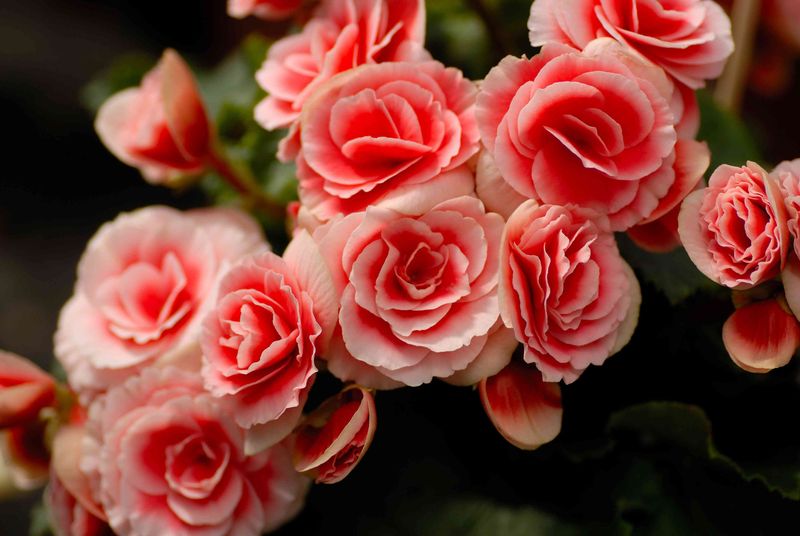
Bright indirect light creates the perfect environment for Elatior Begonias to produce their spectacular blooms throughout the growing season.
These plants naturally grow under forest canopies in their native habitats, so they’ve adapted to thrive without harsh direct sunlight.
When you place them near east-facing windows in North Carolina homes, they receive gentle morning light that energizes their growth without causing stress.
Direct afternoon sun can scorch the delicate leaves and fade the vibrant flower colors that make these begonias so desirable.
Indoor plants do exceptionally well about three to five feet from south or west-facing windows where light remains bright but filtered.
Sheer curtains work wonderfully to diffuse intense rays while still providing ample illumination for healthy photosynthesis.
Outdoor specimens in North Carolina gardens benefit from similar conditions with dappled shade from taller plants or structures.
Morning sun combined with afternoon shade offers an ideal balance for robust flowering and lush foliage development.
You’ll notice more abundant blooms and richer leaf coloration when light levels stay consistent throughout the day.
Rotating your potted begonias every few weeks ensures even growth on all sides and prevents plants from leaning toward light sources.
Adequate brightness without intensity keeps your Elatior Begonias producing their gorgeous double or single flowers for months.
The right light balance transforms ordinary plants into stunning focal points that brighten any indoor or outdoor space with minimal fuss.
2. Keep Temperatures Moderate And Avoid Heat Stress
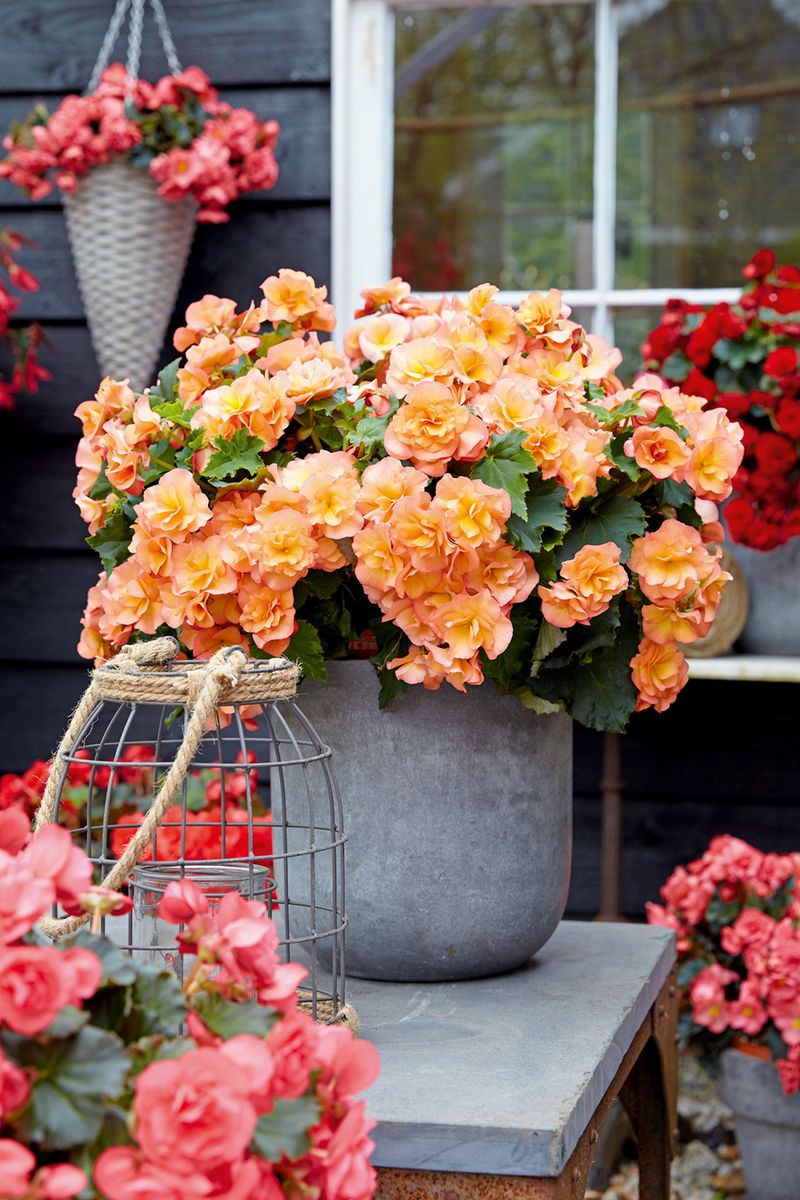
Moderate temperatures between 60 and 75 degrees Fahrenheit create optimal conditions for Elatior Begonias to flourish without experiencing stress.
North Carolina’s warm summers can challenge these temperature-sensitive plants, especially when outdoor conditions climb into the high 80s or 90s.
Indoor environments with climate control offer more stability, allowing you to maintain the consistent temperatures these begonias prefer year-round.
Heat stress shows up quickly through wilting leaves, reduced flowering, and overall decline in plant vigor even with adequate watering.
During North Carolina’s hottest months, moving outdoor containers to shadier spots or bringing them inside during afternoon heat waves protects them from temperature extremes.
Indoor plants should stay away from heating vents in winter and air conditioning drafts that create sudden temperature fluctuations.
Evening temperatures that drop slightly below daytime highs actually benefit Elatior Begonias by mimicking their natural growing conditions.
This temperature variation encourages better bud formation and more vibrant blooms without stressing the plant’s systems.
Basement windows or cooler rooms in your home can provide ideal summer refuges when outdoor temperatures soar.
Good air circulation helps regulate temperature around your begonias without creating damaging drafts that shock tender foliage.
Small fans running on low settings keep air moving gently while preventing heat buildup around dense foliage.
Monitoring temperature conditions closely during seasonal transitions ensures your plants remain comfortable and productive throughout the year with stunning continuous blooms.
3. Use Well Draining Soil To Prevent Root Problems
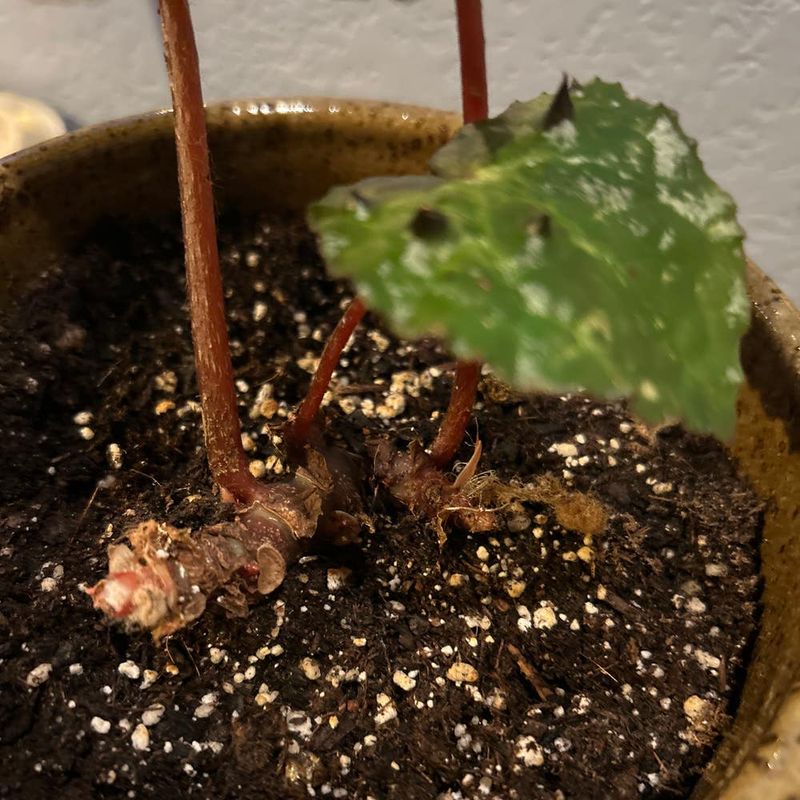
Well-draining soil forms the foundation for healthy Elatior Begonias by allowing roots to access both moisture and oxygen simultaneously.
These plants develop fibrous root systems that quickly suffer when sitting in heavy, compacted soil that retains too much water.
A quality potting mix specifically formulated for begonias or African violets provides the light, airy texture these plants need to thrive indoors or in containers.
Combining equal parts peat moss, perlite, and quality potting soil creates an excellent homemade mix that drains quickly while retaining appropriate moisture.
The perlite adds crucial air pockets that prevent soil compaction and allow roots to spread easily through the growing medium.
North Carolina gardeners can also add small amounts of coarse sand to improve drainage further without making the mix too lean.
Container selection matters just as much as soil composition when growing Elatior Begonias successfully in any setting.
Pots with multiple drainage holes prevent water from pooling at the bottom where roots might sit in soggy conditions.
Terra cotta containers naturally wick moisture away from soil more quickly than plastic pots, offering extra insurance against overwatering problems.
Refreshing the soil annually gives your begonias renewed access to proper drainage and fresh nutrients for vigorous growth.
Old soil becomes compacted over time and loses its ability to drain effectively, even with initially perfect composition.
Quality drainage keeps roots healthy and white rather than brown and mushy, supporting the lush foliage and abundant blooms that make Elatior Begonias so rewarding to grow.
4. Water Carefully And Avoid Soggy Soil
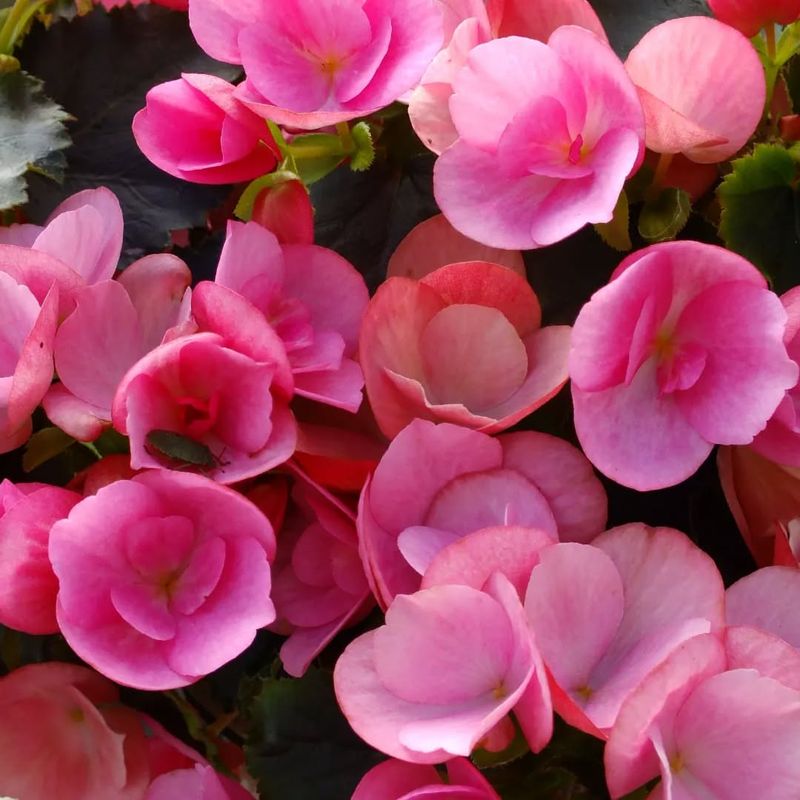
Careful watering techniques make the difference between thriving Elatior Begonias and struggling plants with root problems.
These begonias prefer soil that stays consistently moist but never waterlogged, requiring you to check moisture levels regularly rather than following rigid schedules.
Sticking your finger about an inch into the soil tells you when the top layer has dried sufficiently to warrant another watering session.
North Carolina’s humidity levels fluctuate seasonally, affecting how quickly soil dries between waterings throughout the year.
Summer heat accelerates moisture evaporation, while cooler winter conditions mean plants need water less frequently even when growing actively.
Room temperature water works best because cold water can shock sensitive roots and potentially slow growth or damage tender root hairs.
Bottom watering by placing pots in trays of water for 15 minutes allows roots to absorb moisture without wetting foliage.
This method reduces the risk of fungal problems that develop when water sits on leaves or stems for extended periods.
Always pour out excess water from saucers after watering to prevent roots from sitting in standing water that leads to rot.
Wilting leaves signal both underwatering and overwatering, so examining soil moisture helps you determine the actual problem accurately.
Overwatered begonias develop yellow leaves and soft stems, while underwatered plants show crispy brown edges and drooping that perks up quickly after watering.
Mastering this balance keeps your Elatior Begonias producing their gorgeous flowers continuously without the setbacks that come from improper moisture management.
5. Protect Outdoor Plants From Harsh Afternoon Sun
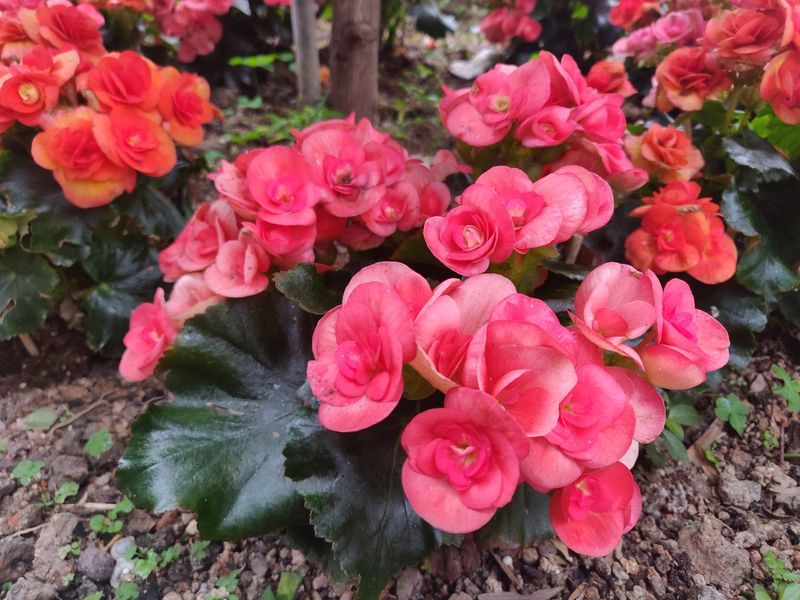
Afternoon sun in North Carolina packs intense heat and bright rays that can quickly damage Elatior Begonias growing in outdoor spaces.
Positioning these plants where they receive morning sunshine followed by afternoon shade creates ideal conditions for robust growth and prolific flowering.
East-facing garden beds or patio areas naturally provide this light pattern without requiring additional shade structures or constant plant relocation.
Tall perennials, shrubs, or decorative screens can filter harsh afternoon light while still allowing adequate brightness for healthy photosynthesis.
The dappled shade created by tree canopies mimics the natural habitat of begonias and protects them from leaf scorch during peak heat hours.
Container-grown specimens offer flexibility because you can move them to shadier spots as the sun’s angle changes throughout the growing season.
Signs of too much sun exposure include bleached or brown patches on leaves, wilted foliage that doesn’t recover overnight, and reduced flowering despite adequate care.
North Carolina’s intense summer sun between noon and four o’clock poses the greatest risk to tender begonia foliage.
Shade cloth rated at 40 to 50 percent provides excellent protection when natural shade isn’t available in your outdoor growing area.
Covered porches and patios offer perfect outdoor homes for Elatior Begonias throughout North Carolina’s warm months.
These protected locations provide bright ambient light without direct sun exposure that stresses plants and diminishes their ornamental appeal.
Strategic placement in your outdoor spaces ensures your begonias remain vibrant and flower-filled all season long with minimal intervention required.
6. Increase Humidity For Healthier Growth
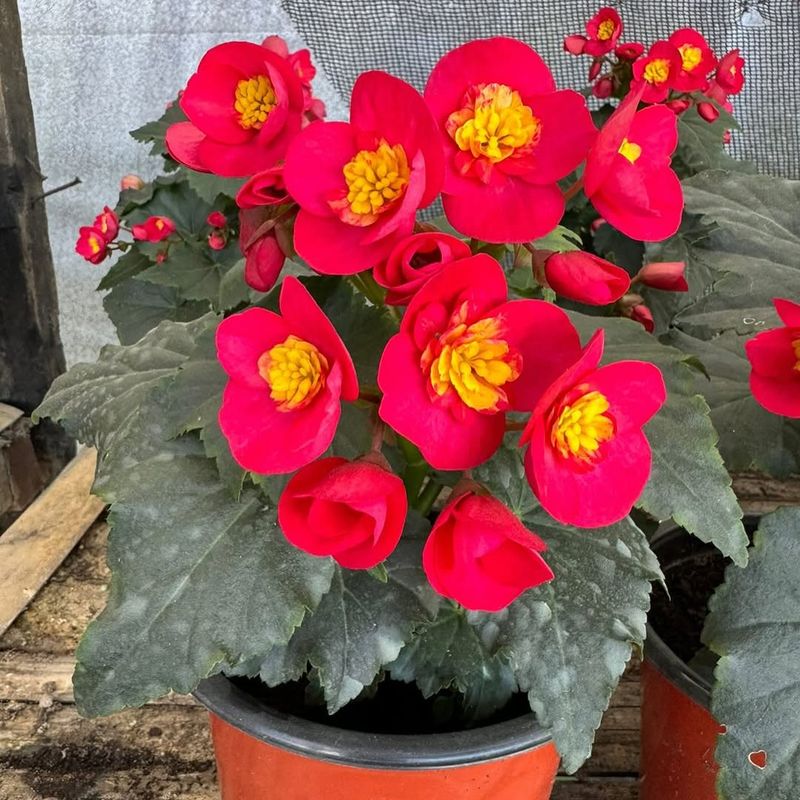
Humidity levels between 50 and 60 percent support healthy Elatior Begonias by preventing leaf edges from drying out and encouraging lush growth.
North Carolina’s indoor winter air becomes quite dry when heating systems run constantly, creating challenging conditions for these moisture-loving plants.
Simple humidity-boosting methods transform your indoor environment without expensive equipment or complicated maintenance routines that take up too much time.
Pebble trays filled with water and placed beneath plant containers gradually release moisture into the surrounding air as water evaporates.
The pot should sit on the pebbles above the water line rather than directly in water to prevent root problems.
Grouping several begonias together creates a microclimate where plants benefit from moisture released through each other’s transpiration process naturally.
Small room humidifiers work wonderfully for larger begonia collections or when you’re growing plants in particularly dry indoor spaces.
Running a humidifier near your plants during winter months helps maintain ideal moisture levels without making the environment uncomfortably damp.
Avoid misting begonia foliage directly because water droplets sitting on leaves can encourage fungal diseases that damage both leaves and flowers.
Bathrooms and kitchens naturally maintain higher humidity levels, making them excellent locations for Elatior Begonias if they receive adequate light.
The moisture from showers and cooking creates perfect ambient conditions without any additional effort on your part.
Monitoring humidity with an inexpensive hygrometer helps you adjust your methods to maintain the sweet spot where begonias thrive with glossy leaves and abundant blooms throughout every season.
7. Remove Spent Flowers To Encourage Continuous Blooming
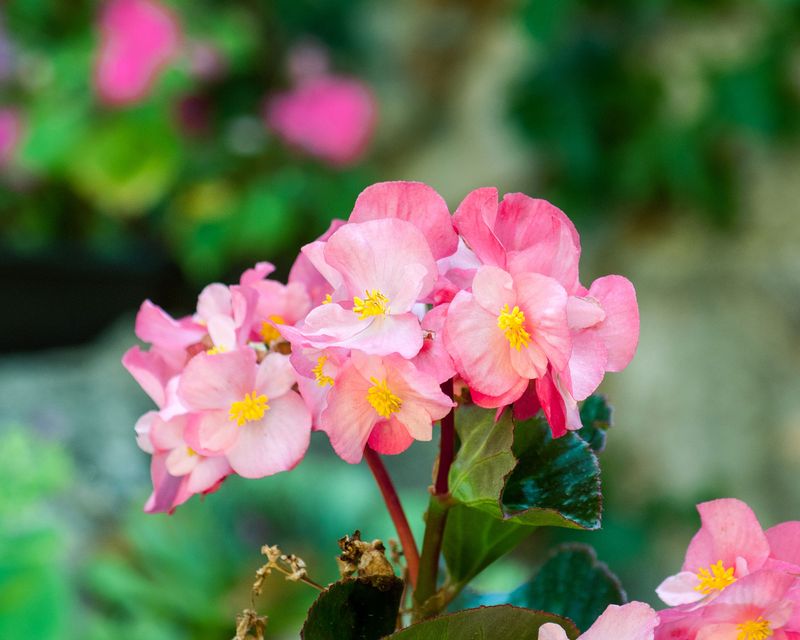
Regular deadheading redirects your Elatior Begonia’s energy from seed production into creating more beautiful blooms throughout the growing season.
Faded flowers naturally form seeds if left on the plant, which signals the begonia to slow down flower production.
Removing spent blooms every few days takes just minutes but dramatically increases the number of flowers your plant produces over several months.
Pinch off individual faded flowers where they attach to the stem using your thumb and forefinger for quick maintenance.
Small pruning shears work better for removing entire flower clusters when multiple blooms fade simultaneously on the same stem.
Clean cuts heal faster and reduce the risk of introducing diseases through ragged tears in plant tissue that take longer to seal.
North Carolina’s long growing season means your begonias can bloom for months when you maintain consistent deadheading habits.
New buds often appear within days of removing old flowers as the plant responds to the pruning by pushing out fresh growth.
This simple maintenance task keeps plants looking tidy and attractive while maximizing their ornamental value in your indoor or outdoor displays.
Yellowing leaves near the base of the plant should also come off during deadheading sessions to improve air circulation and appearance.
Removing this debris prevents fungal problems and keeps your begonia’s energy focused on healthy new growth rather than supporting declining foliage.
The reward for this minimal effort shows up in wave after wave of gorgeous flowers that brighten your North Carolina home or garden continuously without lengthy breaks between bloom cycles.
8. Feed Lightly During Active Growth Periods
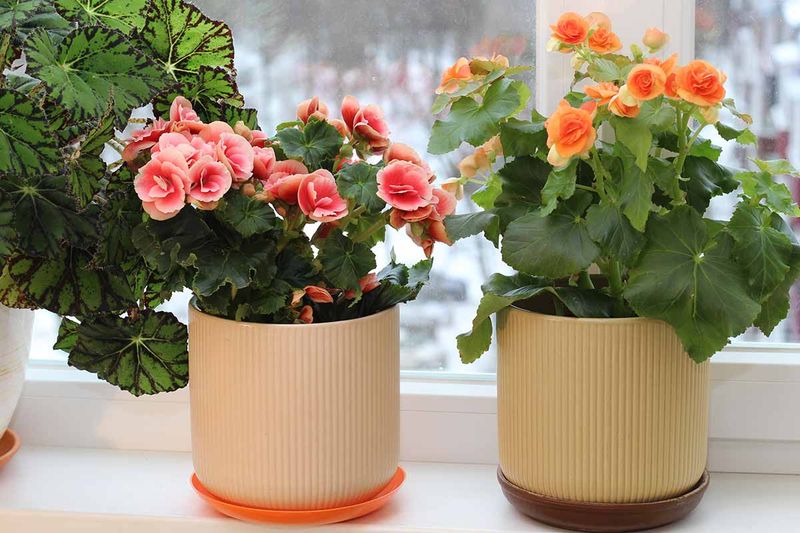
Balanced fertilizer applied at quarter strength every two weeks during active growth supports healthy Elatior Begonias without causing nutrient burn.
These plants are light feeders compared to many flowering species, so excessive fertilization creates more problems than it solves.
A formula with equal amounts of nitrogen, phosphorus, and potassium (such as 10-10-10 or 20-20-20) provides all the nutrients begonias need for robust growth and flowering.
Diluting liquid fertilizer to one-quarter of the package recommendation prevents salt buildup in soil that can damage sensitive roots.
North Carolina’s municipal water often contains minerals that accumulate in potting soil over time, making light feeding even more important.
Flushing containers with plain water once monthly washes away excess salts and prevents the crusty white deposits that signal dangerous accumulation levels.
Active growth periods in spring and summer require regular feeding, while fall and winter call for reduced or eliminated fertilization.
Begonias naturally slow their growth during shorter days and cooler temperatures, needing fewer nutrients to maintain their reduced metabolic activity.
Resume feeding when you notice new growth emerging in early spring as day length increases and plants respond with renewed vigor.
Organic options like diluted fish emulsion or compost tea provide gentle nutrition without the risk of chemical burn from synthetic fertilizers.
These natural products also improve soil structure and support beneficial microorganisms that help roots absorb nutrients more efficiently.
Signs of overfertilizing include brown leaf tips, excessive leafy growth with few flowers, and white crust on soil surfaces that indicate it’s time to cut back on feeding frequency or strength significantly.
9. Bring Plants Indoors Before Cool Temperatures Arrive
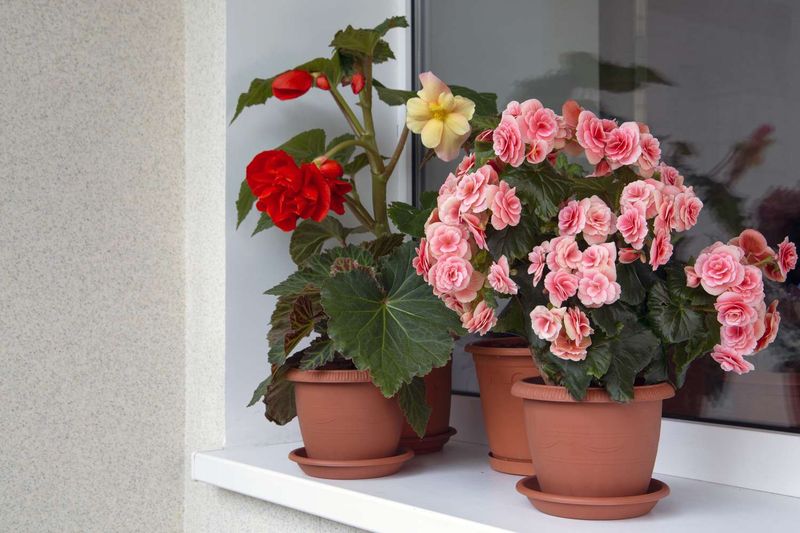
Temperatures below 50 degrees Fahrenheit signal the time to bring outdoor Elatior Begonias inside before cold damage occurs.
North Carolina’s fall weather can shift quickly from mild to chilly, especially during overnight hours when temperatures drop unexpectedly.
Monitoring local weather forecasts in late September and early October helps you plan the transition before the first cold snap threatens your plants.
Inspect plants carefully for pests before bringing them indoors to prevent introducing insects into your home environment.
Small aphids, spider mites, or whiteflies often hide on leaf undersides and can quickly spread to other houseplants once inside.
A gentle spray with insecticidal soap a few days before moving plants indoors eliminates most pests without harsh chemicals that might stress begonias during the transition.
Gradual acclimation helps begonias adjust to lower indoor light levels without shock that causes leaf drop or growth slowdown.
Start by moving plants to shadier outdoor spots for a week before bringing them inside permanently for the winter.
This intermediate step prepares them for the reduced light intensity they’ll experience even near bright indoor windows compared to outdoor conditions.
Choose locations away from cold drafts near doors or windows where temperature fluctuations might stress plants during winter months.
South or east-facing windows provide the best light for maintaining growth and occasional flowering throughout North Carolina’s mild winters.
With proper indoor care, your Elatior Begonias will remain healthy and attractive until warm spring weather allows you to move them back outside for another spectacular growing season filled with abundant colorful blooms.
10. Propagate From Healthy Cuttings To Grow More Plants
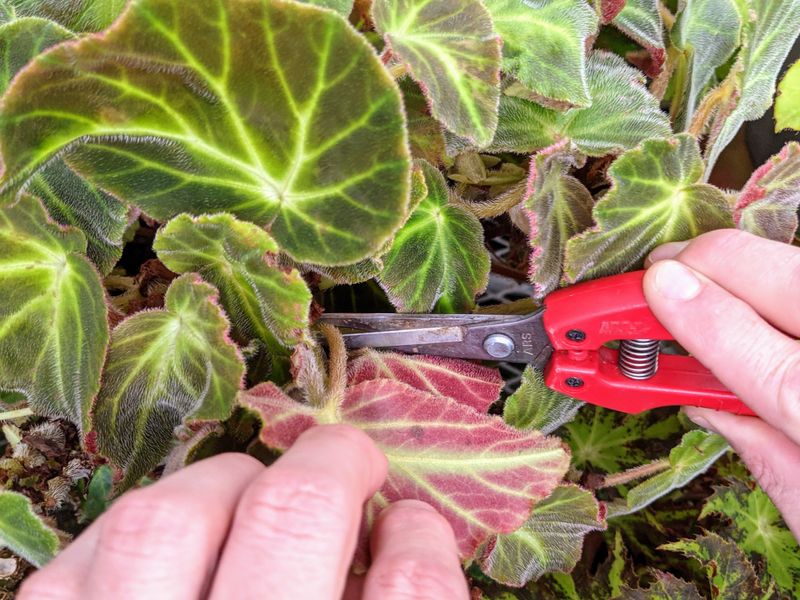
Stem cuttings taken from healthy Elatior Begonias root readily in the right conditions, allowing you to multiply your collection inexpensively.
Select stems with at least two leaf nodes and make clean cuts just below a node using sharp, sterilized pruning shears.
Three to four inch cuttings work best because they have enough stored energy to develop roots while remaining manageable during the rooting process.
Remove lower leaves from cuttings and insert stems about an inch deep into moist rooting medium like perlite or vermiculite.
These sterile materials prevent fungal problems while providing the constant moisture cuttings need to develop roots over several weeks.
Small plastic bags placed loosely over cuttings create humid environments that reduce moisture loss through leaves before roots can supply water to the plant.
Bright indirect light and temperatures around 70 degrees Fahrenheit encourage faster root development without stressing tender new cuttings.
North Carolina’s spring and early summer provide ideal conditions for propagation when plants are actively growing and root formation happens quickly.
Avoid fertilizing cuttings until you see new leaf growth that signals established root systems capable of absorbing nutrients.
Gentle tugging after three weeks tests whether roots have formed sufficiently to anchor cuttings in their growing medium.
Resistance indicates successful rooting, while cuttings that lift easily need more time before transplanting to permanent containers.
Once established, young plants require the same care as mature specimens and will begin flowering within a few months under proper growing conditions.
Propagation lets you share these stunning begonias with friends or expand your own collection to create dramatic displays throughout your North Carolina home and garden spaces.