How To Grow Succulents Indoors In Phoenix
In a city where the sun is legendary, you’d think succulents would be the ultimate “set it and forget it” roommate for your Phoenix home.
Those bright windows and long, golden days are perfect for keeping your plants compact and colorful until the reality of the desert summer starts creeping through the glass.
Indoor gardening in the Valley of the Sun comes with its own set of curveballs that can turn a thriving succulent into a struggling one overnight.
The challenge is that your living room isn’t a controlled greenhouse; it’s a battleground between scorching window temperatures and bone-dry air conditioning.
You might find yourself in a constant tug-of-war with the watering can, especially when the top inch of soil feels like dust while the roots are still drowning in a damp center.
By adjusting your routine to fit the unique rhythm of a real Phoenix home, you can stop the guesswork and keep your succulents looking runway-ready all year long.
1. Start With Bright Light And Ease Into Hot Windows
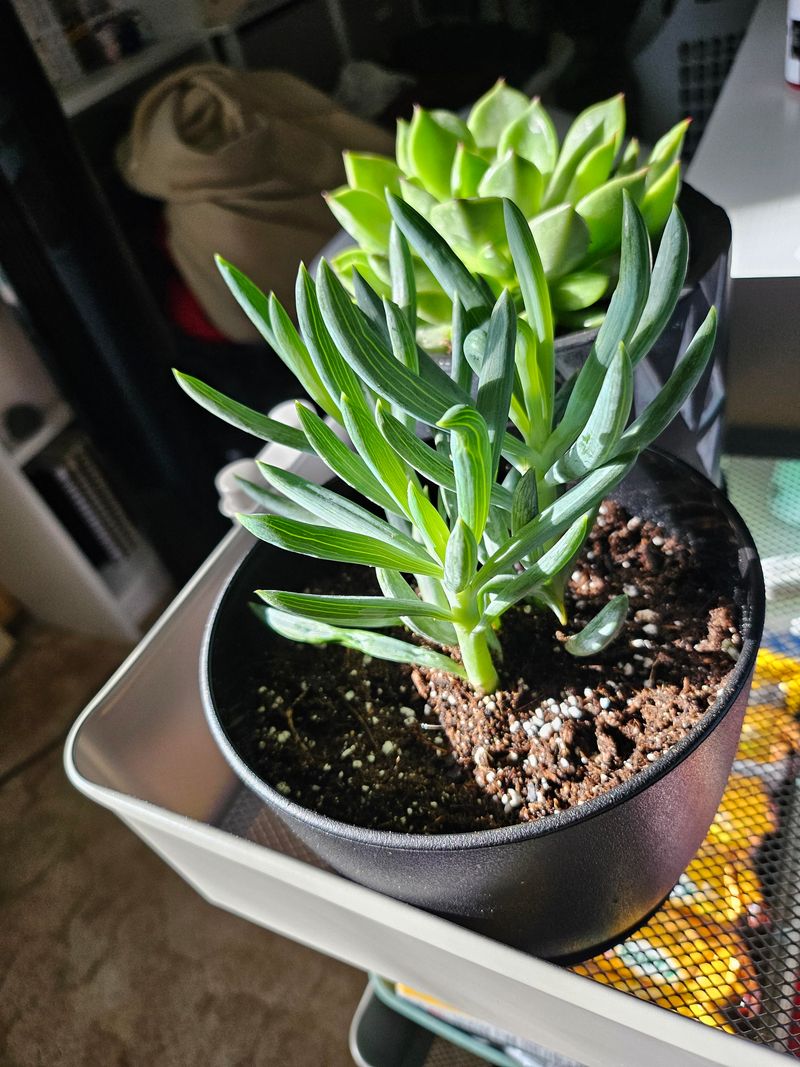
Bright light keeps succulents compact, but Phoenix window sun can be intense enough to surprise you.
East-facing windows are often the gentlest place to start because morning sun is strong without the harsh late-day blast that hits south and west glass in summer.
New plants also arrive from softer nursery conditions, so a sudden move into full window exposure can cause pale, papery patches on leaves within a few days.
A smoother approach is placing the pot a foot or two back from the glass at first, then nudging it closer over a couple of weeks.
That gives the plant time to adjust its pigments and leaf surface without losing its good looks.
South or west windows can still work with a sheer curtain during peak heat hours, or with placement slightly off to the side so the plant gets bright light without the hottest direct beam.
Leaf spacing tells the truth over time. Tight, stacked leaves usually mean the light level is working, while stretched growth and wider gaps often mean the plant wants more.
2. Use A Cactus And Succulent Mix In A Pot With Drainage
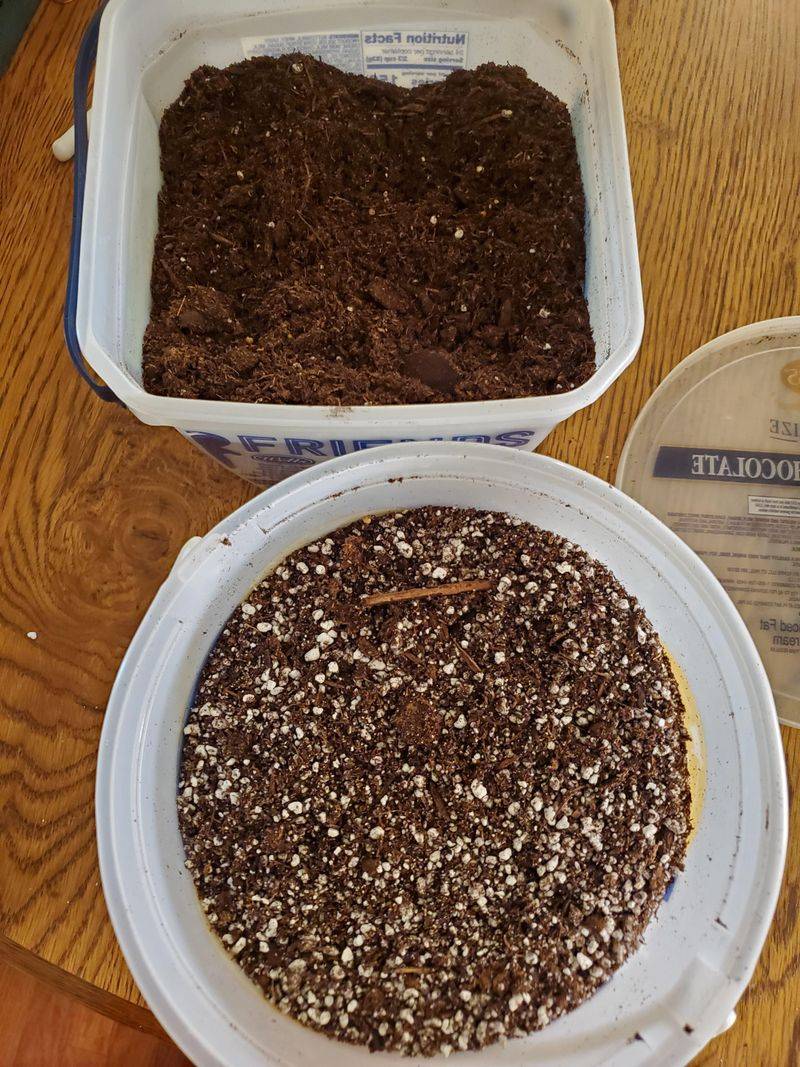
Most indoor succulent problems start in the root zone, not the leaves. Standard potting soil can hold water longer than succulent roots prefer, especially indoors where evaporation can be slower in the middle of the pot.
A cactus and succulent mix is a solid base because it drains faster and holds more air around roots. Many Phoenix plant people boost it further with perlite or pumice so water moves through quickly and the mix dries at a steady pace.
Aim for soil that drains freely and does not stay heavy and cool for long stretches, rather than chasing a strict “dry in two days” rule. Pot size and light change dry-down speed a lot.
The key feature is a drainage hole so excess water can escape, plus a setup where the pot does not sit in leftover water.
Unglazed terra cotta often helps because it breathes and encourages more even drying through the sides, which can be useful in air-conditioned rooms.
After watering, the pot should gradually feel lighter over the next few days, and the top should not stay soggy.
3. Water Based On Dry Soil, Not A Calendar
A set schedule is one of the quickest ways to overwater succulents indoors in Phoenix. Drying speed changes with season, window direction, AC use, pot material, and even how crowded your plants are near a window.
A routine that worked in April can feel off by July. The most reliable habit is checking the soil before watering, and checking deeper than the surface.
Instead of poking only an inch down, test closer to one-third of the pot depth, near the edge where roots often run.
When it feels mostly dry at that depth, watering is usually safer than when it still feels cool and slightly damp.
When you water, go all the way. Wet the mix thoroughly until water runs out the bottom, then let the pot dry down again before repeating.
Small sips encourage shallow rooting and can leave deeper soil unevenly wet. Leaf feel helps you read the plant, but do not rely on a single wrinkle.
Some succulents naturally wrinkle slightly before watering, while mushy lower leaves often suggest the root zone stayed wet too long. In Phoenix, this can happen quietly when the top dries fast but the center stays moist.
4. Adjust Watering For Phoenix Seasons And Air Conditioning
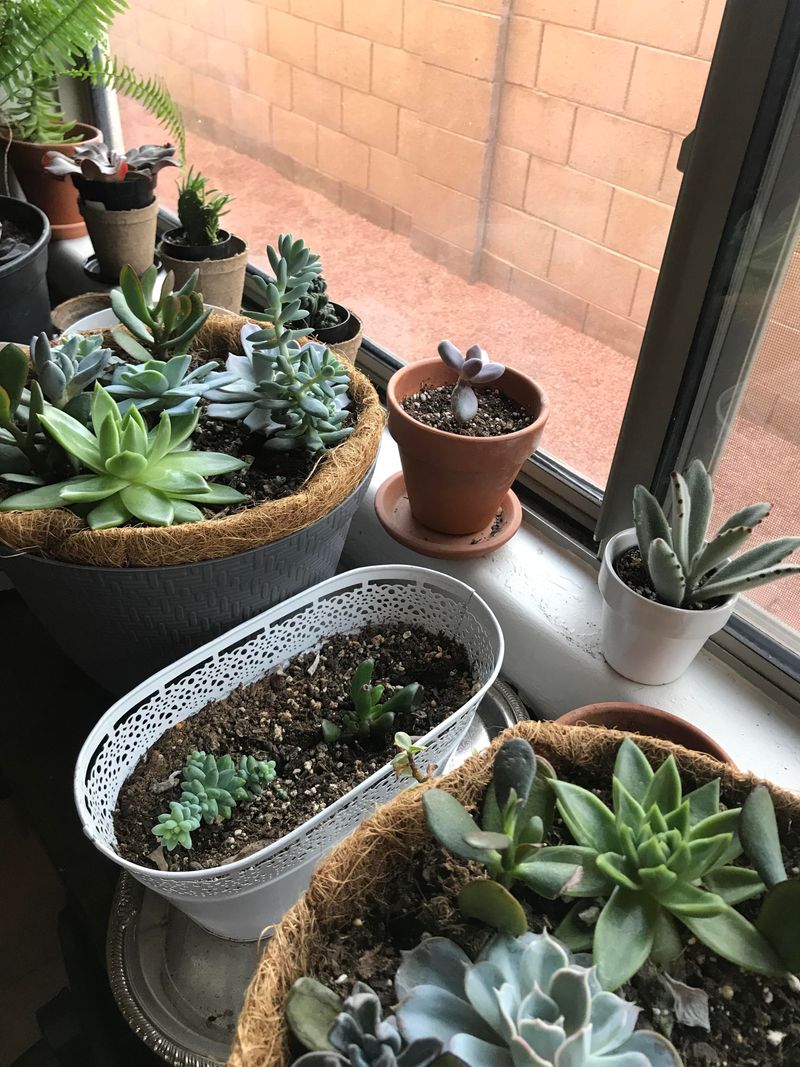
Indoor Phoenix seasons feel backwards sometimes. Summer AC can make the top of the pot dry quickly, while the center stays damp longer, especially in larger containers.
Winter often slows growth for many succulents, so they may use less water even if the room feels comfortable. That’s why “how fast the surface dries” is not the best cue by itself.
Pot weight and deeper soil feel give a clearer read. Monsoon humidity outside can spike, but indoor humidity often stays low if your AC runs regularly, so indoor soil behavior may not match what the weather app says.
Pay attention to location changes too. A plant that sits near a vent can dry on one side and stay damp in the middle, creating mixed signals that lead to accidental overwatering.
Light shifts matter as well. Winter sun angles can reduce total light through a window even when the days look bright, and lower light can slow how fast the plant uses water.
A simple seasonal adjustment is keeping your “check first” habit and letting the plant’s pace set the interval. Some weeks will need more frequent checks, others will not.
5. Choose Pots That Help The Mix Dry Evenly
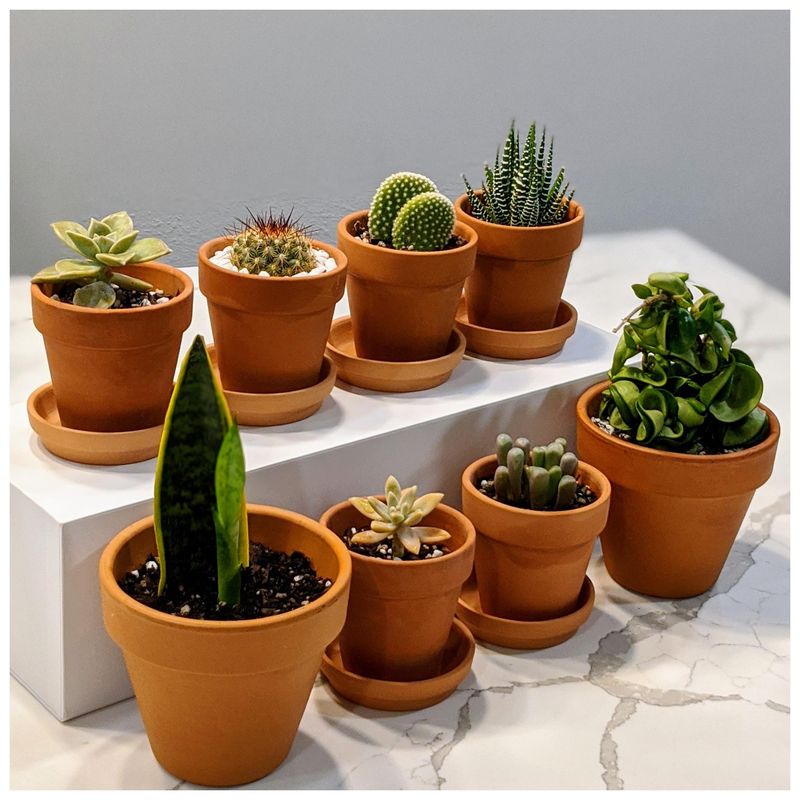
The pot can make succulent care easier or harder in Phoenix. Plastic and glazed ceramic tend to hold moisture longer, while unglazed clay pots breathe and often help the mix dry more evenly.
That can be a big deal indoors, where the center of the pot often stays moist longer than the surface. Clay also buffers small watering mistakes because it releases moisture through the sides.
Pot size is just as important as pot material. A pot that’s much larger than the root ball holds extra soil that stays wet longer than the plant can use, especially in winter or lower light rooms.
A slightly snug pot with a little growing room often dries more predictably and encourages healthy root fill. Drainage still matters, even with clay.
A decorative outer cachepot can trap water if you forget to empty it after watering, so treat that like a common hazard. For Phoenix homes, aim for a setup that dries steadily, not instantly.
The mix should feel like it’s progressing toward dry over several days, and the plant should look stable between waterings.
6. Rotate Pots So Growth Stays Even
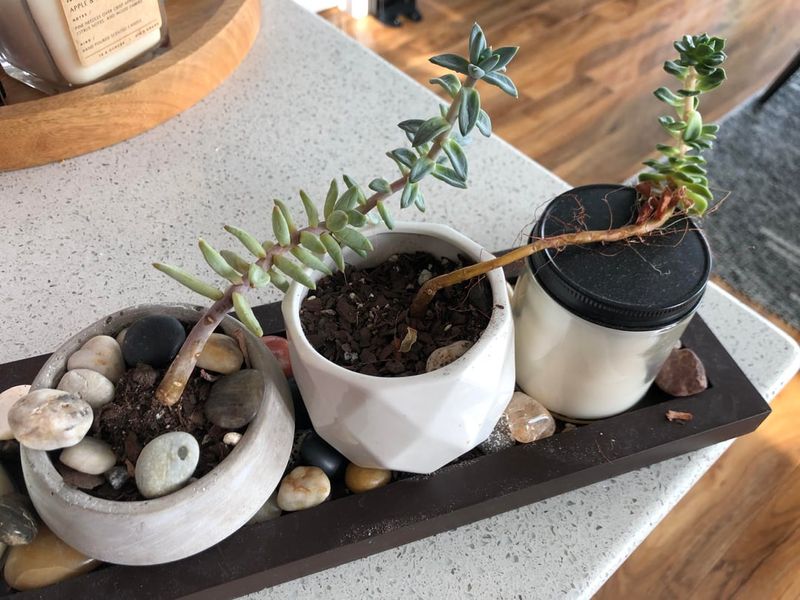
Succulents follow the light, and Phoenix windows can create strong one-sided exposure. Over a few weeks, the window-facing side grows faster, and the plant starts leaning.
This shows up most in rosette succulents like echeveria, but many upright succulents will curve too. The fix is simple and low effort.
Rotate the pot a quarter turn every week or two, or tie it to a habit you already have, like checking soil moisture. Rotation matters even more in winter when the sun angle is lower and light comes in at a sharper direction through the glass.
A plant that looks balanced in September can lean noticeably by January if it stays fixed in one position. Rotation also helps color.
Many succulents develop better stress color and tighter growth when light hits evenly, rather than blasting one side and leaving the other shaded. Pay attention to stretching as well.
If the plant leans and also gets taller with wider leaf gaps, it may need stronger light, not just rotation. Balanced light plus rotation usually produces the cleanest shape.
7. Keep Succulents Away From Cold Drafts And Direct Vents
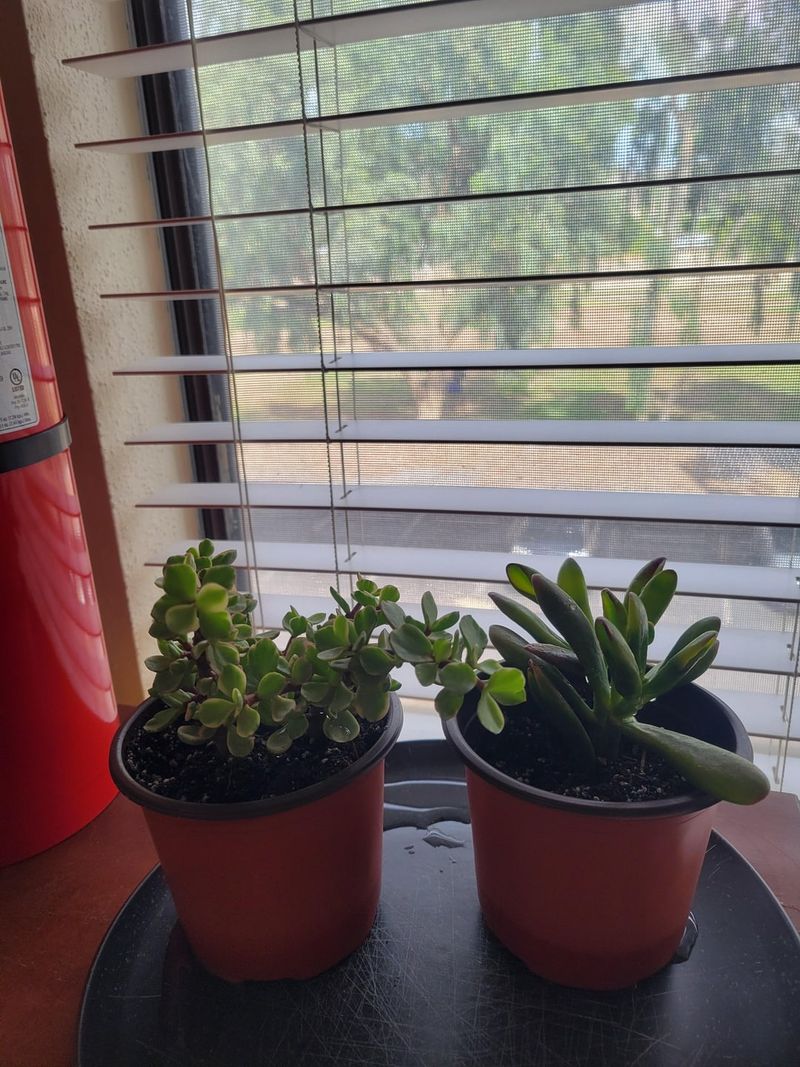
Phoenix winters are mild, but indoor microclimates can still stress succulents. Cold air pooling near glass on January nights, plus sudden drafts from doors, can slow growth and cause cosmetic damage.
The bigger issue is often temperature swings, not steady cool rooms. Air conditioning vents create a different kind of stress.
Direct airflow can dry leaf edges and the top of the soil quickly, while the center of the pot stays damp, which makes watering decisions confusing. This is how a plant can look thirsty and still be overwatered at the root zone.
A better location is bright light with steadier air, away from vents, exterior doors, and windows with noticeable drafts.
If the only good light is near a window, move the pot slightly off the glass and use a small stand so the pot isn’t sitting in the coldest pocket.
Also watch for hidden heat sources. Electronics and lamps can warm one side of a plant, leading to uneven drying similar to vent issues.
8. Check New Plants For Pests Before They Join The Group
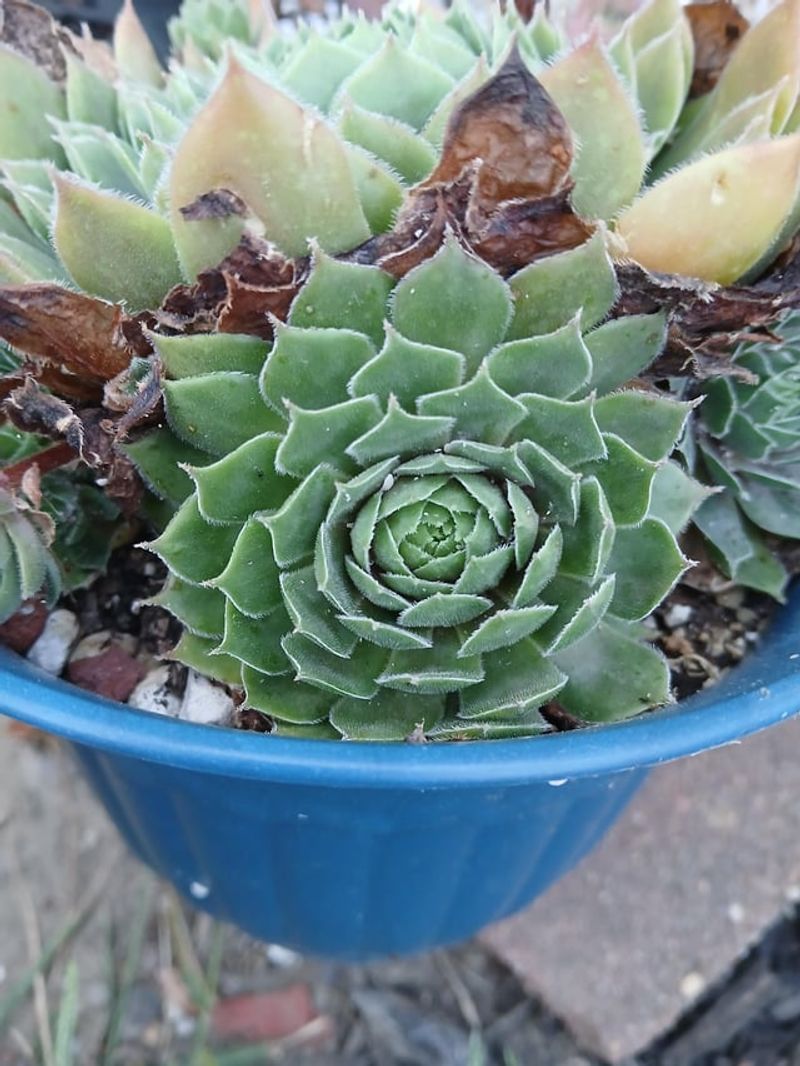
New succulents can bring hitchhikers home, even when the plant looks clean at first glance. Mealybugs commonly hide in tight leaf joints and near the base, and scale can look like tiny bumps that blend into stems.
Spider mites are harder to spot until you see fine webbing or stippled leaf damage. A simple quarantine gives you time to catch problems before they spread.
Keep the new plant separate for a week or two, ideally in similar light, then inspect with a bright flashlight. Look between leaves, around the soil line, and under the pot rim where pests can hide.
Sticky residue, cottony clusters, or repeated tiny white specks in the same crevice are good reasons to treat before grouping. For light mealybug issues, many people use a cotton swab with isopropyl alcohol, then monitor for a few days and repeat as needed.
Also check the soil surface. Fungus gnats are less common with succulents, but overly wet mixes can invite them.
Quarantine is also a great time to learn the plant’s watering rhythm before it joins your main setup.